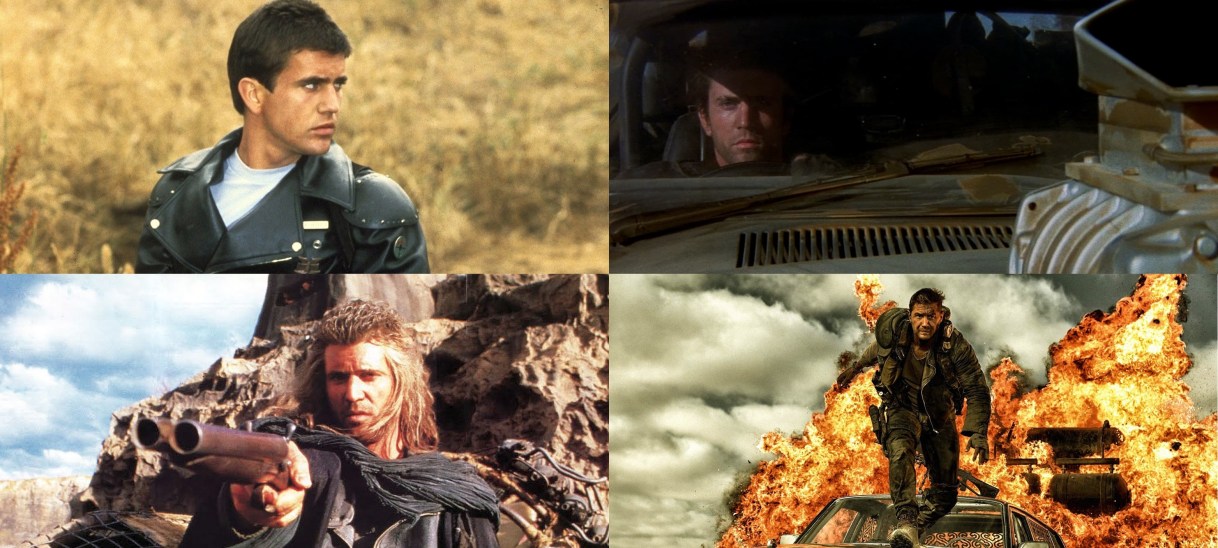
Of all the cultural exports to emerge from Australia, arguably none is more widely recognised or celebrated than the Mad Max film series. These post-apocalyptic, dystopian tales have inspired praise and enthusiastic fan-bases the world over, from Asia to the Americas, all enamoured by the franchise’s idiosyncratic characters, punk-like aesthetics, and high-octane action sequences.
This popularity is quite remarkable when one considers the franchise’s humble origins. The initial Mad Max (1979) was conceived by its director, George Miller — a qualified surgeon — as a means of highlighting the impacts of road trauma, with the hallmarks for which the series is most-widely known not being introduced until its sequel, two years later. And even then, it is never directly stated nor explained why, or how, Max’s world operates the way it does.
This mystique has led to several theories from cinephiles, some of which help explain discrepancies that have emerged in the franchise’s four-picture, five-decade history. With the latest film in the long-running saga, Furiosa set to reach our screens this week, we’re sharing three of our favourites. Spoilers follow!
Max is Dreaming
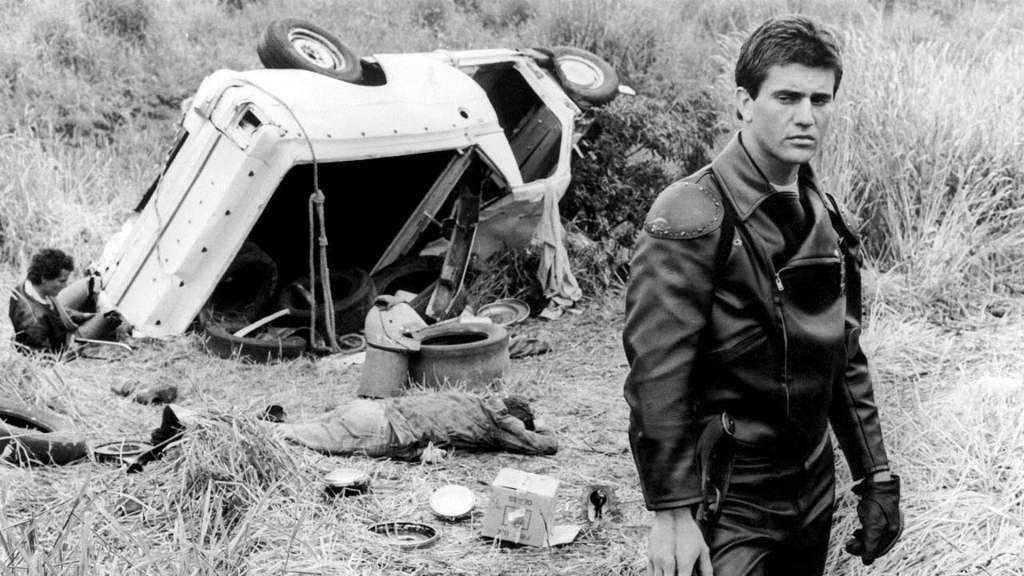
This first theory postulates that our main protagonist, Max Rockatansky is imagining the events which occur in the second, third and fourth entries in the series, and stems from what transpires in the first picture. As a reminder: Max (Mel Gibson) loses his best mate, Jim “Goose” Rains (Steve Bisley), wife Jessie (Joanne Samuel) and infant son Sprog (Brendan Heath) to the violent hands of a rogue biker gang, led by The Toecutter (Hugh Keays-Byrne).
The argument here is that Max, having been distressed by the loss of those closest to him, becomes listless and descends into madness — hence the title — by entering a fantasy world of his own creation, one where he gets his revenge on Toecutter and his minions. From there, he visualises himself as a champion of the oppressed, committing vengeance against those who dare to stymie the peaceful will of others.
Applying the Caligari-esque mentality of it all being a dream may appear juvenile, but there are some elements which help provide credence to this belief. Note how, for instance, the respective plots of Mad Max 2: The Road Warrior (1981), Mad Max: Beyond Thunderdome (1985) and Mad Max: Fury Road (2015) all have Max entering a cult as an outsider, becoming their leader in all but name, and defeating their oppressors in a climactic chase sequence.
The theory also explains the use of certain actors in more than one film. Bruce Spence is a prime example — he plays the Gyro-Captain in The Road Warrior, and then appears as an amateur pilot in Beyond Thunderdome, both times assisting Max and his allies as they escape tyranny. Then there’s Max Fairchild, who appears in supporting roles in the first and second instalments; and Toecutter himself, Hugh Keays-Byrne, who portrays Fury Road’s antagonistic Immortan Joe over three decades after his first casting as a villain.
Max is a Legend

By that, we mean he’s a mythical figure, akin to the Roman or Greek gods written about centuries ago. A couple of the examples used above could also be utilised as evidence for this second theory — the appearance of thespians as different characters in multiple films; the vaguely similar narratives of the three sequels — and more besides.
The Road Warrior is the entry which most readily identifies with Max Rockatansky being a myth. From the outset, it’s made clear the story is set in the future, with an elderly man (voiced by Harold Baigent) recounting the events of his past, who by story’s end reveals himself to be one of Max’s allies: the Feral Kid (Emil Minty).
More proof comes from the end of Beyond Thunderdome, where an adult Savannah Nix (Helen Buday) is seen recounting the tale of how she and her fellow tribespeople were rescued by Max. And then, there’s this quote which appears at the end of Fury Road:
“Where must we go… we who wander this Wasteland in search of our better selves?”
That line is attributed to “The First History Man”, and unknown and unwitnessed figure who, we can assume, is responsible for telling Max’s story.
Also indicative of this theory is the demise and unexplained return of Max’s iconic car, The Interceptor. This heavily-modified Ford XB Falcon Hardtop was stolen by Rockatansky in the third act of the original film, and destroyed in Mad Max 2, only to miraculously appear in the opening scenes of Fury Road (though in fairness, Miller circumvents this plot-hole by describing the latter picture as a “revisiting” of the franchise).
There’s More than One Max

In the days and weeks following the release of Fury Road, there were certain netizens who hypothesised that this particular Max is, in fact, the aforementioned Feral Kid from Mad Max 2, owing to his long hair, the return of The Interceptor, him being played by a different actor, and the character reluctantly sharing his name.
Miller himself entertained this idea when queried by IGN, labelling it “interesting” but ultimately dismissing it, pointing to The Road Warrior’s end narration. Other factors that work against the premise include Tom Hardy being directly credited as “Max Rockatansky” in Fury Road’s opening, and his voice-over where he directly states:
“Once I was a cop, a Road Warrior searching for a righteous cause.”
But, tying into the theory that Max is a fable, it is possible that he is not the only “Max” in this universe. Again, The Interceptor helps provide weight to this theory — if this is the same Max we saw in Road Warrior and Thunderdome, how is it that “the last of the V8s” (as the car is labelled in the first and second chapters) is still in his possession after being lost?
There’s the matter of his name, too. Rockatansky only says his name twice in Fury Road — in the initial voice-over, and in the third act when he saves Furiosa’s life; he shares it about as often in Mad Max 2, and doesn’t utter it even once in Thunderdome, where he’s instead called “the Raggedy Man” or “the Man with No Name”. Perhaps our History Folk are telling of several figures who came to the aid of others, and just so happen to have named their hero “Max” in each tale.
Furiosa: A Mad Max Saga is screening in theatres nationwide from this Thursday, May 23rd. The other four Mad Max films are available via home-video, streaming and on-demand services.
 Rating Frames