With 2025 having drawn to a close, Rating Frames is looking back at the past twelve months of cinema and streaming releases that have come our way. In the second of our series of articles, Darcy is taking a look at his ten favourite films of the year that was.
The medium is the message of films in 2025. In a time where feature filmmaking has to, in some form or another, justify its existence on the screen in comparison to TV or internet slop fed through an infinite reel, the best work to come out this year weaponises the stranglehold a great long-form story can have on an audience. A mixture of old masters and bright new talents across genres and styles, the top of a terrific year in film was all improved by viewing them in a packed theatre, demonstrating that cinema is still at its best as a communal experience, from incisive documentaries and quiet family dramas to a provocative action spectacle that invites an audience to question its worldview.
10. The Perfect Neighbor
So much of good documentary work comes down to access and editing, and Geeta Gandbhir’s heartbreaking portrait of a Ajike Owens’ Florida community and the very active role racism can take in someone’s life has both in droves. Using almost exclusively bodycam footage, police station security tapes, and 911 calls, Gandbhir and editor Viridiana Lieberman weave a poignant and incisive story of the state’s Stand Your Ground laws and the reality of how they are abused. No other film this year will make your blood boil and your heart sink.
9. 28 Years Later

Returning 18 years later with a supposed three screenplays in hand, Alex Garland (a personal favourite writer) wanted to tell the story of the UK in recent years in a franchise that has defined a lot of 21st Century English cinema, with a remarkable and unexpectedly emotional film. Centring on a young family led by an impressive newcomer in Alfie Williams, the rich level of depth and commentary in 28 Years Later allows what could’ve easily been a quick money grab by Garland and Danny Boyle to become an instant Brexit classic. With its exploration of community and isolationism with the backdrop of a widespread outbreak, 28 Years Later places itself at the forefront of art in conversation with the world in the 2020s.
8. The Mastermind
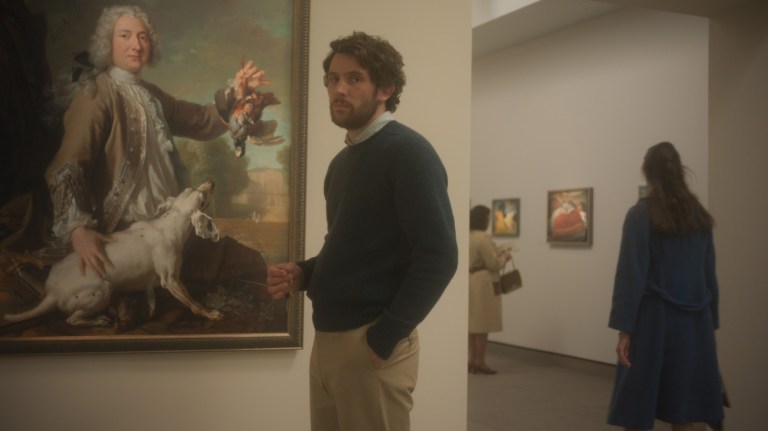
A sleepy political heist hangout with the actor of the moment, Kelly Reichardt’s 70s whisper-of-a-film will leave a long tail that may define the year in the future. Starring Josh O’Connor in his best performance to date as an uninspired suburban dad wanting to pull off an art heist, The Mastermind glides through its own world with a protagonist who believes himself smart and savvy enough to pull off the crime. Reichardt’s hidden sharp blade of focusing on someone causing chaos through their quiet ego of knowing better than those around them allows the world around O’Connor to build from gentle embers to a raging fire.
7. Sorry, Baby
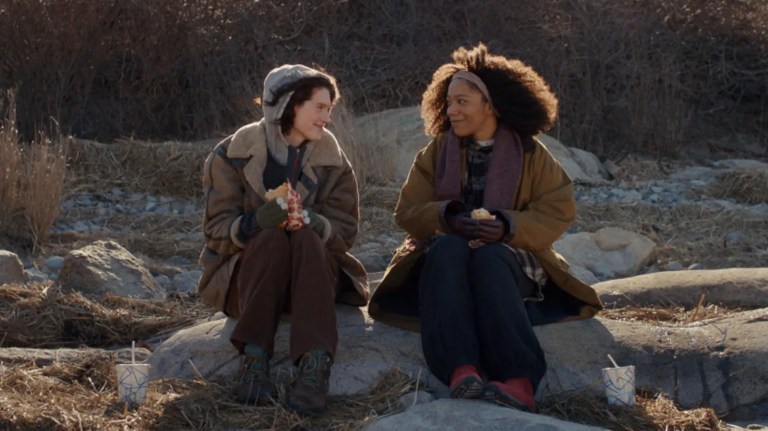
A wonderfully modern dramedy, Sorry, Baby may just usher in a new era of 2020s mumblecore with a shining new voice in Eva Victor. A story that easily could’ve landed on television and overextended, Victor, who wrote, directed, and starred in this thorny comedy of unsurety, loves cinema enough to operate and thrive within the condensed medium. As a young, depressed literary professor, Victor’s Agnes is one of the best cinematic characters of the year, a charming and thorny person you can’t help but connect with. A film that handles heavy subjects with grace and clarity, Victor has emerged as one of the brightest emerging filmmakers and performers in years.
6. Sirât
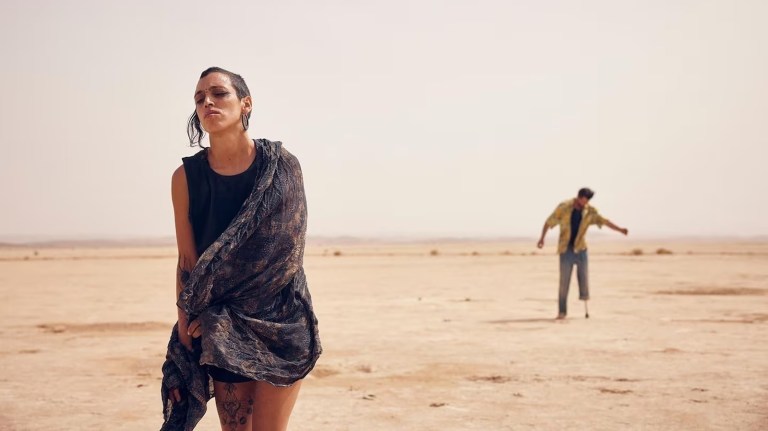
A modern experiential travel saga akin to William Friedkin’s Sorcerer (1977), Oliver Laxe’s Sirât must be seen to be believed, with several earth-shaking moments that will dig into your bones and leave scars. A shocking cinematic experience, Sirât follows a father and son as they search through an underground Moroccan desert rave scene to find their daughter and sister. The film explores community and connection, propelling you forward in line with Kangding Ray’s incredible music soundscapes.
5. Sinners
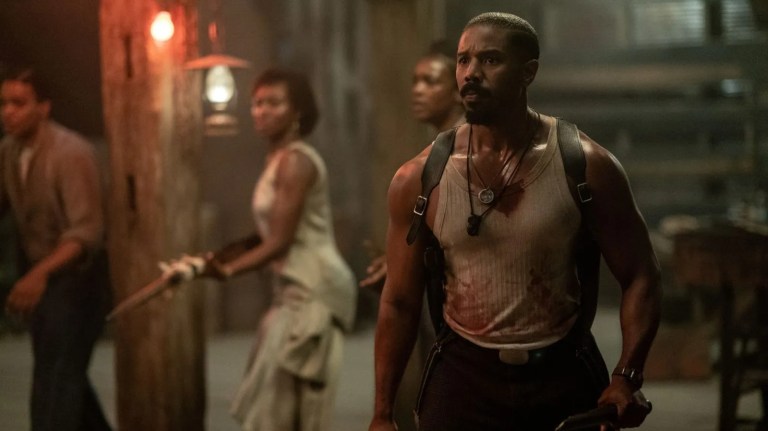
The future promise of exciting blockbuster cinema is also one of the most enjoyable and prickly films of the year. Ryan Coogler’s exploration into race, music, and history is tied to an explosive vampire action film that proves adults will still show up if given some real meat to sink their teeth into. With a terrific ensemble and a remarkable breakout by Miles Caton (so good you do not question his future self played by Buddy Guy), Coogler’s musical knows how to entertain a crowd while still provoking thoughts about how culture and music are consumed.
4. BLKNWS: Terms & Conditions
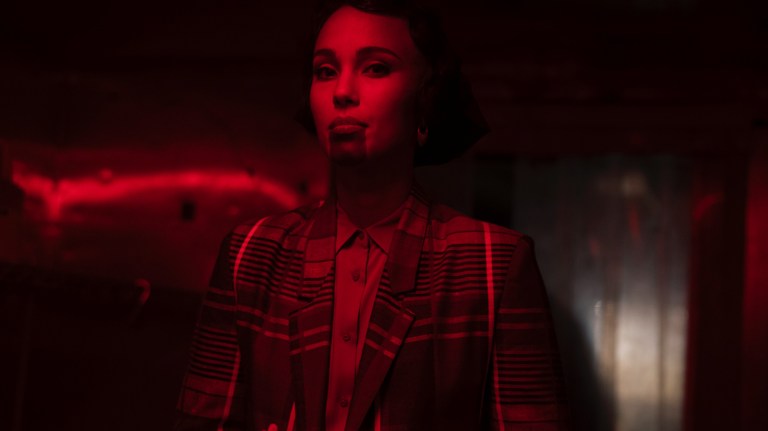
My most anticipated film experience of the year delivers and beguiles like no other. Perhaps the greatest music video director around, working with Beyonce, Kendrick Lamar, FKA Twigs, and Flying Lotus, Kahlil Joseph has a visual eye that blends hyper-modern documentary styles — which includes YouTube clips and memes — with his love and influence from the legendary Thai director Apichatpong Weerasethakul. Debuting the first iteration of BLKNWS at the Venice Biennale in 2019 as a video installation, Joseph and A24 collaborated to expand the work into a feature-length experience like no other. The film will be hard to track down, but it is as essential a watch in 2025 as any film on this list. BLKNWS: Terms & Conditions is a dense yet enjoyable work that will have you asking more from documentary and experiential cinema for the rest of the decade.
3. Sentimental Value
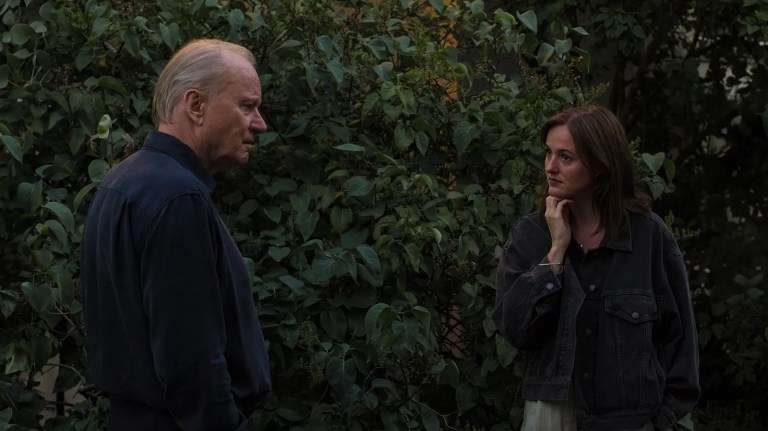
A tremendous follow up to Joachim Trier’s millennial classic The Worst Person in the World (2021), Sentimental Value pulses and ripples through generations of familial connection and disconnection with grace and power that feels open and inviting even in its thorniest moments. Trier and all his creative collaborators understand that to create is to bridge an ocean of the unsaid, even if that means building a replica of your generational family home on a soundstage, only to have it hidden on the 18th page of the Netflix arthouse section. Trier and Vogt understand deeply how, even through that artifice, true openness and connection can be translated into a final, powerful image of understanding but not resolution.
2. No Other Choice

With all respect to the perfect chase scene at the conclusion of the film at the top of my list, the master of the final act, Park Chan Wook’s No Other Choice, has the finale of the year. A glorious send-up of modern late-stage capitalism as a ‘be careful what you wish for’ fairy tale that blends melodrama into a living nightmare into the best satire in years. How Park doesn’t arrive at a place of crippling nihilism in its final moments but of cruel irony and humanity is nothing short of astounding. His revenge fables are without equal in modern storytelling, with No Other Choice entering this extended canon in surprising ways. No one is pushing the language of cinematic storytelling more than Park with his visualisations of doomscrolling as a uniquely modern debilitation.
1. One Battle After Another
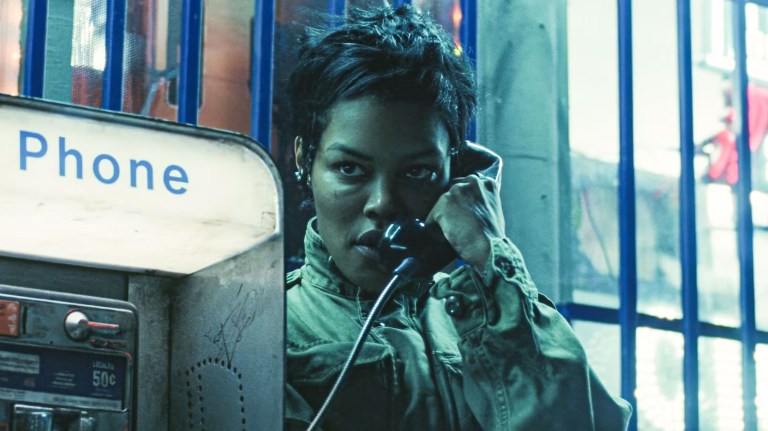
A film that leaps off the screen in an instant, One Battle After Another works the way most immediately immortal films do. And much like many of the great immortal films, I find myself reading rather than writing about Paul Thomas Anderson’s incisive work of contemporary revolutionary cinema that even when it pulls punches, compels you forward. I’m not surprised a new PTA film that finally delves into contemporary life is my favourite film to be released in its 2020s, as his deeply humanist approach to writing over the last 30 years has defined so much of my taste in art. Combine that with subject matter I find endlessly compelling as a modern look at the humanity and personhood of revolutionaries that is fuelled by the past but never backwards-looking, and you have a film that will be the yardstick all other films will be measured against.
Honourable mentions: Black Bag, Caught By The Tides, Eephus.
 Rating Frames