The SpongeBob Movie: Search for SquarePants: A Wholesome, Funny Undersea Adventure

Rating: 3 out of 5.

The SpongeBob Movie: Search for SquarePants preview screening provided by Paramount Pictures

It’s hard to believe that The SpongeBob Movie: Search for SquarePants (2025) is the fourth feature in the iconic Spongebob Squarepants franchise (not counting the two spinoffs), one that is showing no signs of slowing down or being outgrown by modern audiences as it continues to be Nickelodeon and Paramount’s hottest property. As a polished extension of the animated series, Search for Squarepants effortlessly translates to the big screen and revels in all of the shows silliness and giddy pinballing from moment to moment, without respite.

That’s to say that Derek Drymon’s film is as innocent as its titular character whose biggest dilemma in this advenutre is how to build up the nerve to ride a roller coaster now that he’s a ‘big guy’ who has grown over the required height requirements to ride said rollercoaster. Minimal stakes are the backbone of anything Spongebob related, and they lead him to the depths of the Underworld where he finds himself undertaking a series of challenges alongside the Flying Dutchman (Mark Hamill) to become a certified swashbuckler. Of course, the extent of the danger with which Spongebob finds himself in, escapes him, as the Dutchman has ulterior motives: find a pure, giddy soul to help break his curse and set him free.

This sees him, along with his starfish buddy Patrick, ride through beautiful, visually mossy looking Underworld that is filled with everything from ship knot monsters, googly eyed beasts and skeleton fish creatures. Drymon, who worked with the show’s late creator Stephen Hillenburg in the early days, doesn’t try to reinvent the wheel like he did in Hotel Transylvania: Transformania (2022) which fell flat on its face, but leans into the silliness of butt jokes and one liners that are a hoot for children and adults alike.

Squidward (Rodger Bumpass), Mr. Krabs (Clancy Brown) and Gary (Tom Kenny) in The SpongeBob Movie: Search For SquarePants from Paramount Animation and Nickelodeon.

Some fans of the show might be disappointed to know that show favourites Plankton and Sandy take a back seat this time around (perhaps owing to them getting their own spinoff movies in the last year), but Mr Krabs, Squidward and Gary the snail make up for that as they venture into the Underworld to try and rescue Spongebob. Their own little adventure navigating deadly sirens and a three headed seagull brings its own joys and comedic relief.

While the narrative feels a bit loose and wishy-washy, Drymon’s film sticks to the soul of the series and leaves you with the basic but hearty reminder to see the strengths in yourself and not compromise who you are to try and prove yourself to the world around you. Spongebob ends up a bigger guy than the big guy he thought he had already become and it’s all through seeing just how big he already was, and I think that’s as big a life lesson as you should really have from Bikini Bottom’s finest.

The SpongeBob Movie: Search for SquarePants opens nationally from Boxing Day.

Mufasa: The Lion King is a Serviceable Origin Story

Rating: 3 out of 5.

Mufasa: The Lion King preview screening provided by Disney

When word first came that Barry Jenkins’ next project after his hit mini-series The Underground Railroad (2021) would be an origin story about Mufasa from The Lion King (1994), it’s safe to say that there were some brief head-scratch moments. After all, Jenkins hasn’t really had a miss in his filmography and there are always doubts when it comes to beloved IP taking similar or new directions. Mufasa: The Lion King (2024) is no Moonlight (2016), but it does offer a new light on one of Disney’s most celebrated animated characters, bringing his story (even if James Earl Jones’ iconic voice is no longer with us), to life on the big-screen.

From early on, it’s safe to say that Jenkins didn’t really have too much leg room to stretch out to, with the world of Mufasa being rooted in the Pride Lands of Africa. In that sense, his options were clearly limited in terms of scope and the type of origin story he could tell about a lion rising up through the ranks. In this way, Mufasa takes a bite out of The Lion King‘s notebook by focusing on a tragic event in the form of a flood (told through a flashback sequence by John Kani’s mandrill, Rafiki) that would shape cub Mufasa and inform his life thereafter.

In the same way that his son Simba (Donald Glover) would be forced to reconcile with his situation of loss, Mufasa (Braelyn Rankins, later Aaron Pierre), too, is adopted, not by a warthog or meerkat but by a new pride some distance away from his old one. Key to his success in being accepted in that pride are Taka (Theo Somolu, later Kelvin Harrison Jr.) and his mother Eshe (Thandiwe Newton), much to the disdain of their father and husband Obasi (Lennie James), respectively.

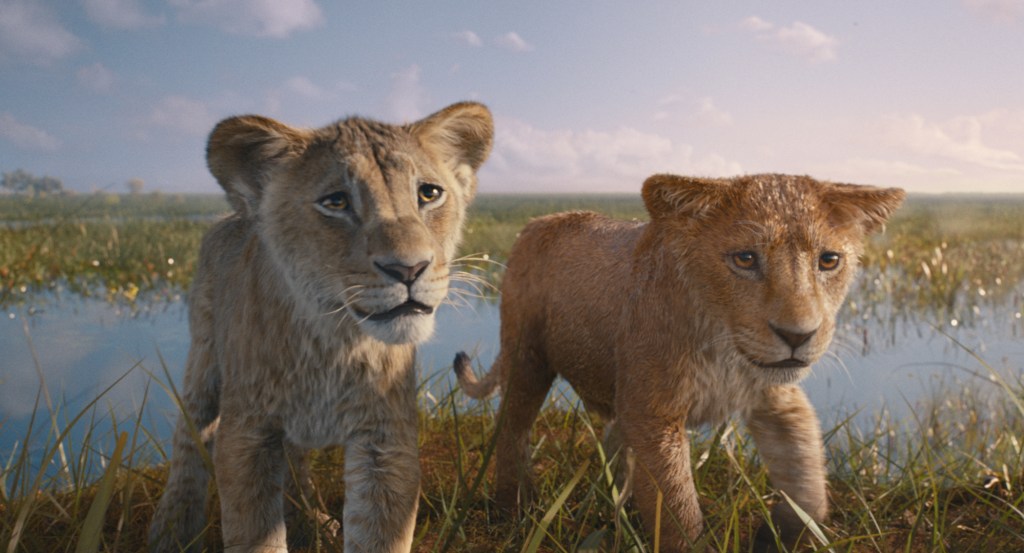
(L-R): Taka (voiced by Theo Somolu) and Mufasa (voiced by Braelyn Rankins) in Disney’s live-action MUFASA: THE LION KING.

What ultimately tests these lions’ ability to act as a cohesive pride is a competing white pride of lions, led by Kiros (Mads Mikkelsen). It doesn’t take long for Taka and Mufasa to find themselves on the run, though, as they seek out Milele — a land deemed a fantasy. This journey between the step lions is where Jenkins aims to mine the emotional core of the film, testing the strength of their relationship by throwing in a love triangle with a lioness, Sarabi (Tiffany Boone), and really looking to flesh out what it means to be a “king”, whether it’s a birth right or something to be fought for and earned.

This brotherly tussle is what really holds the film together during moments where it threatens to nosedive, especially in the late second act as it brings in twists and starts to lay the groundwork for motives in The Lion King. The biggest hurdle, however, in a film about life-like lions who talk and sing, is building that connection to these characters, a shortcoming that marred Jon Favreau’s 2019 remake. As far as the technology has come since Favreau’s film, photorealistic lions just don’t have the same expressiveness as animated ones, especially when you consider the 1994 animation has aged gracefully while the 2019 remake hasn’t, and it’s only been five years.

Lin Manuel Miranda also seemingly swapped Moana 2 (2024) for Mufasa, with songs that are identifiable to him but similarly to Moana 2, fall short in creating memorable moments that will stick in your mind.

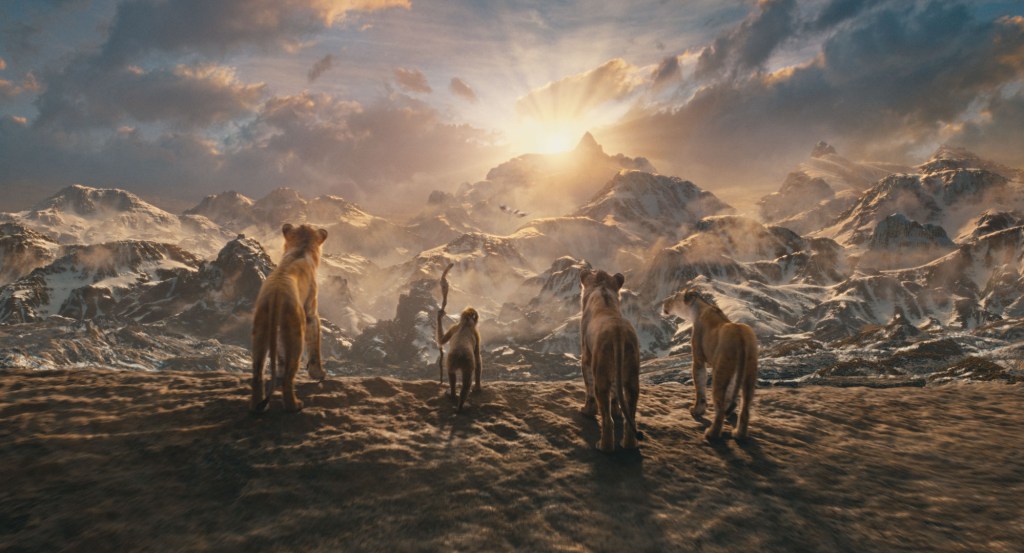
(L-R) Mufasa (voiced by Aaron Pierre), Young Rafiki (Kagiso Lediga), Taka (voiced by Kelvin Harrison Jr.) and Sarabi (Tiffany Boone).

The added element of having Rafiki do a retelling can also feel jarring at times, especially as it pulls you out of the story he’s trying to recite which interrupts the flow and pace. Most of us know what happens to Mufasa and who Taka eventually becomes, so that’s the least surprising thing about this film, but keeping us anchored to their journey and to the vistas of the Pridelands would have saved the filler scenes from being exactly that.

The Lion King‘s idea of the circle of life is about finding balance and harmony, something Jenkins’ film takes and glosses over in a similar light by creating a state of imbalance and power struggles that have to be overcome. In fact, most of Mufasa is a gloss over, sometimes for better (the visuals are still more refined than its live-action predecessor) and sometimes for worse (the retreading of old ground amidst the new ground covered, a shortcoming Moana 2 also suffers from). As a prequel, Mufasa makes sense (even if Jenkins’ involvement is bemusing) and it gives a welcome insight into one of Disney’s most beloved characters, coming full circle in the process.

Mufasa: The Lion King opens nationally from the the 19th of December.

Moana 2 is as Endearing as the Original but Suffers from Sea-quel Sickness

Rating: 2.5 out of 5.

Moana 2 preview screening provided by Disney

Upon rewatching Moana (2016) the other night, I was reminded just how special a place that film occupies in Disney’s catalogue of releases: it both captures and celebrates Polynesian culture so sincerely while at the same time offering a fresh spin on Disney’s heroine-oriented stories by avoiding becoming another princess film with tropes we’ve seen countless times over. Moana 2 is fine, but I found myself scratching my head throughout, not because I felt like there wasn’t an interesting adventure to be had, but because this adventure feels like it has been had.

After a thick-of-the-action opening where we find Moana (Auli’i Cravalho) scouring a cliff face in search of signs of other tribes and people, it doesn’t take long for the sea to once again call Disney’s beloved Polynesian not-princess, to its aid. There are no Lin-Manuel Miranda tunes to propel her forward this time around, with the Hamilton creator opting not to return for a second stint, but rather a vision from an ancestor that shows a new destiny — to seek out a lost island that would connect all the peoples from the near beyond.

To do so, she will have to overcome an ancient god, Nalo (Tofiga Fepulea’i), who has put a curse on the island, but first she has to find it. Of course, it wouldn’t be an adventure without her trustee demigod buddy Maui (Dwayne Johnson), who has found himself entangled in his own mess and needs saving. The duo will see themselves accompanied by old and new crew members alike, like the single brain-cell chicken and her porky friend.

Still from Moana 2

As sequels tend to go, bigger always seems to be the preferred option, otherwise you’re just treading old ground, right? While going bigger is what Moana 2 naturally has to do, what makes the first film so special is that it is an intimate film of self-discovery, of venturing into the unknown and realising your destiny. In expanding the second film, both in terms of characters and action on the screen, Dana Ledoux Miller, Jason Hand and David Derrick Jr.’s film sacrifices intimacy for a more generic storytelling approach.

That’s not to say that Moana 2 isn’t filled with thrills and spills: there’s a wider array of monsters, the set pieces are more rampant, the animations are the highlight as always, and there’s just more happening on the screen. Moana has also embraced the wayfinder lifestyle and doesn’t hesitate to seek out adventure, so there has been deeper character development on that level. It makes sense from a storytelling point of view to throw her into the deep end and have more to do and overcome. However, I couldn’t help but feel that that’s not what this story needed, especially when the first film was such a perfect standalone that at once pulled at your heartstrings but would also throw in a Jermaine Clement crab curveball every now and then to keep you on your toes and smiling where it counts.

The biggest fault in a film about going bigger and louder is that it’s often looking back to do so. Most of the humour banks on similar punchlines to the first film like constant cutaways to the chicken either picking at something or screaming, while the songs themselves by Abigail Barlow and Emily Bear don’t have the same flair or catchiness to Miranda’s, even though they’re very much striving to land in the same way. Kakamoras (those cute little coconut people) once again make an appearance, and it’s one of the better highlights of the film as they team up with Moana and co to take down a large clam-shaped mountain. In trying to offer something new, the directors have looked back in large part, and when they have offered something new, it hasn’t left a lasting impression.

Maui (Dwayne Johnson) in Moana 2

One such new offering is the villains (if we can call them that) with Nalo, and to a lesser degree Sina (Nicole Scherzinger). They’re two characters who serve less as villains and more as obstacles to overcome, and they’re offered little development and motive, with Nalo in particular whose whole shtick is he hates Maui and humans and wants to keep the island of Motufetu away from their grasp.

Moana 2, like most of Disney’s films, is a children’s movie first, one with adult themes that cater to audiences young and old, second. The child in me was having a ball for the most part, but also trying to find something to cling onto beyond the fun and games (or that second part), and that’s been my general sentiment towards some of these films in recent times. With the cliffhanger the film ends on (make sure to stay for the post-credits scene!) the second film always felt like a shoehorn for more to come, especially with a live-action remake of the original in the works. While I’m always dubious about such directions, the Moana IP is still rife with joy and potential, and it’s always a pleasure to see Polynesian culture still continue to be represented and resonate with audiences.

Moana 2 opens nationally from the 28th of November.

Kung Fu Panda 4: Po and Co Return for a New but Familiar Adventure

Rating: 3 out of 5.

Kung Fu Panda 4 preview screening provided by Universal Pictures

It’s been nearly 16 years since the first Kung Fu Panda film graced our screens and introduced audiences to the fun loving, butt kicking Dragon Warrior, Po (Jack Black), yet you wouldn’t think a day has passed. A large majority of older animations that have had sequels years later tend to show just how dated the animations of their predecessor are in comparison; by contrast, the latest entry in this franchise looks just as vibrant and polished as it did all those years ago.

The same can’t be said for the story, which feels like it’s treading old ground by returning a character who has reached the peak of his powers to a point where most franchises tend to begin (including this one). Eight years have passed since Kung Fu Panda 3 (2016), but as the beauty of animation so allows it, time moves much much slower. Po (Jack Black), having seemingly cleared the Valley of Peace of all adversaries and cast them into the Spirit Realm, must now select a new Dragon Warrior to take his place. As expected, this doesn’t make sense to him, no matter how much Master Shifu (Dustin Hoffman) tries to remind him that he has a new purpose to assume: that of Spiritual Leader of the Valley. Stubborn and set in his ways, he reluctantly agrees.

It doesn’t take long for his focus to shift though as word of the return of Tai Lung (Ian McShane), Po’s foe from the first film, reaches his ear. But things aren’t as they seem, with Po coming to realise a new threat has emerged in the form of the Chameleon (Viola Davis), a shapeshifter set on luring Po and his Staff of Wisdom from the Valley and enacting her own sinister plans. Naturally, Po’s curiosity gets the better of him and he decides to pursue the Chameleon along with the help of Zhen (Awkwafina), a thieving fox who agrees to take him to the Chameleon after being captured while trying to steal a bunch of precious artefacts from the temple in his town.

(Center) Chameleon (Viola Davis) in ‘Kung Fu Panda 4’ directed by Mike Mitchell.

So begins the duo’s quest from the Valley to Juniper City where the Chameleon resides. There are thrills and spills that keep them (and the audience) on edge; whether at a tavern on the brink of falling off a cliff where crooks of all sorts gather to gamble and stuff their faces, or through the streets of Juniper City where foot chases ensue —director Mike Mitchell has nailed the look and feel of the first three.

While a majority of the original cast, specifically that of the Furious Five —comprised of Angelina Jolie, Jackie Chan, Seth Rogen, Lucy Liu and David Cross— haven’t reprised their roles (much to this critic’s dismay), the heart of the film that is Po, returns with the same rampant energy and sincerity as he had in the first three films. And that’s largely owed to the cuddly and sincere Jack Black who consistently brings his A-game to any and every role he takes on. Black has carried this franchise on his voice and boisterousness alone, and he once again saddles up in the voice acting booth as though 16 years haven’t passed.

Joining him are some of those aforementioned familiar faces and voices from past entries including Mr. Ping (James Hong) and Li (Bryan Cranston) who have their own subplot as they venture out to help Po. The humour of the film is derived from their back-and-forths and while amusing, serves more as an afterthought especially in the absence of more thought-out plotting for the main quest.

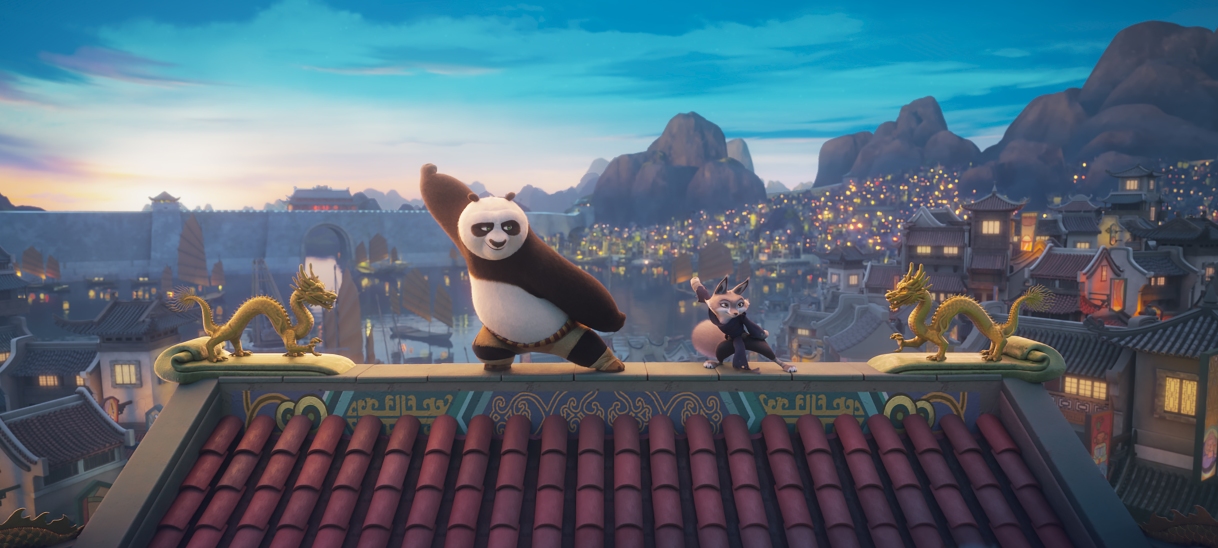
(from left) Po (Jack Black) and Zhen (Awkwafina) in ‘Kung Fu Panda 4’ directed by Mike Mitchell.

As with most DreamWorks animations (and the best Disney animations), there’s always a simple moral underpinning the story. This time around it’s not being afraid of change which, in essence, was what the first film did so well in communicating especially given the stakes felt greater and Po had more to gain than lose. The message itself doesn’t lose weight per se, but it doesn’t land as meaningfully either which is perhaps owed more to the first three films rounding off really well as a trilogy and the fourth opening up threads that felt nicely closed.

Even still, Mitchell’s film is a breezy time at the cinema and never overstays its welcome. The animations are crisp and the world is teeming with goofy action that is reminiscent of the best parts of its predecessors —especially towards the closing sequence which contains some well executed kung fu fighting. Could more have been done in giving the script less of a repetitive feel? Definitely. Then again, this franchise has survived as long as it has because of Black’s penchant for comic timing and the unconventional hero arc of Po, and that’s the perfect recipe for further longevity if it so requires a fifth film.

Kung Fu Panda 4 opens nationally from the 28th of March.

Like the Comics of Old, The Peanuts Movie Remains a Charmer

Nearly a quarter of a century has passed since the last Peanuts comic strip was printed in newspapers; in that time, neither its popularity nor its relevance have faded — merchandise and media featuring its many characters are a constant, while the timelessness of the material ensures cross-generational appeal. And there is no better assurance of the latter fact than this feature-length adaptation from Blue Sky Studios.

Charlie Brown (voice of future Stranger Things star Noah Schnapp) is a boy with a perennial run of Bad Luck, unable to so much as fly a kite without it gravitating toward a tree, and everybody in the neighbourhood knows it. Well-aware that his reputation precedes him, he is spurred to reverse his fortunes by the arrival of a new kid in town, hopeful of leaving a positive impression on them and not an unfortunate one. That willpower only grows when Charlie Brown learns who the kid is: a cute girl with red hair who just so happens to be the same age as he.

Meanwhile, Charlie Brown’s dog Snoopy (voice of Bill Melendez) — a bipedal, literate beagle who sleeps atop a red kennel — is scripting works of fiction on a second-hand typewriter. Utilising his owner’s misfortunes as inspiration, and with the assistance of his good friend Woodstock the bird (also voiced by Melendez) he conceives tales of a fighter pilot in France, his aerial exchanges with the Red Baron, and his attempts to win the affections of a poodle named Fifi (Kristin Chenoweth).

Characters of The Peanuts Movie (from left): Franklin, Lucy, Snoopy, Linus, Charlie Brown, Peppermint Patty, and Sally.

The origins of Peanuts can be traced back to the late 1940s, when American cartoonist Charles M. “Sparky” Schulz published a weekly strip called Li’l Folks in his local newspaper. Within three years, the strip had become a daily, earned nationwide syndication and was renamed to its better-known title, which would be drawn and continuously printed for the next five decades. By the end of its print run in February 2000, Peanuts had established itself as a cultural institution, with its widely-recognised characters — chiefly Snoopy — proving as popular globally as the likes of Mickey Mouse and Bugs Bunny.

Key to the popularity and longevity of Peanuts was its resonant material. Beneath its juvenile sheen were philosophical musings that covered all aspects of life, be they existential or minute, and young minds whose constant streak of heartbreaks proved equal parts tragic and hilarious. Additionally, Schulz would often write storylines or introduce protagonists to align his strip with the times, such as Charlie Brown’s sage African-American friend Franklin, or the lovesick, sports-mad tomboy Peppermint Patty.

Both qualities are somewhat lacking from The Peanuts Movie (2015) but, pleasingly, its tone remains consistent with the spirit and ethos of the comics on which it’s based. A perfect balance is found between gentleness and causticity, the positive and the sombre; there’s plenty of tragedy that befalls our protagonists, but always an underlying sense of hope and optimism. Some pundits argue that its approach is a tad too saccharine and feel-good when compared to the source material, though such a fault could hardly be labelled as egregious — and it certainly won’t bother younger viewers who aren’t as familiar with the film’s origins.

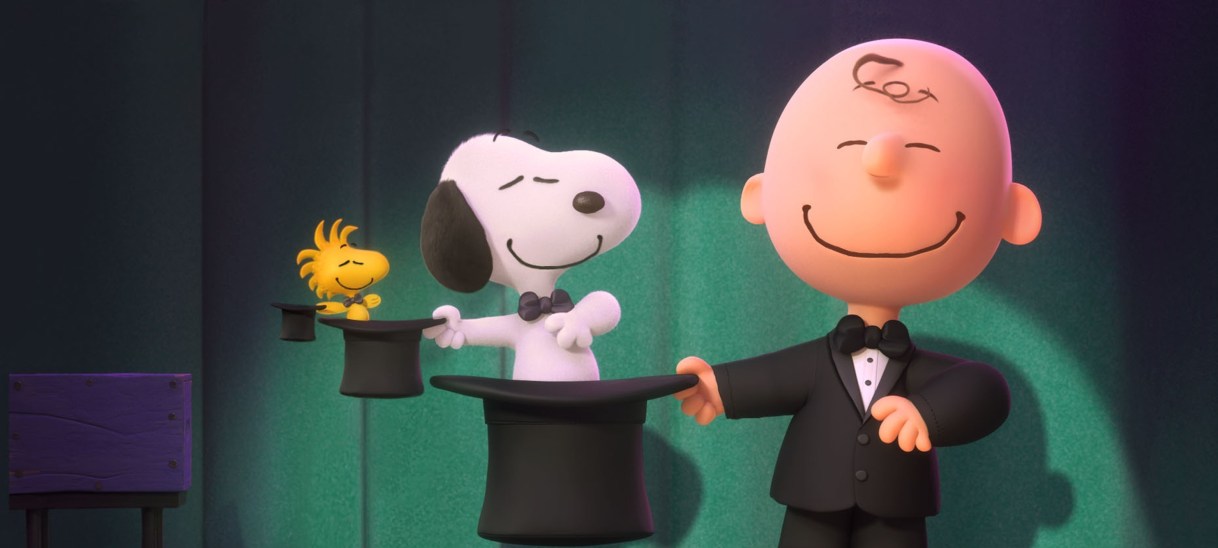
Charlie Brown and Peppermint Patty in The Peanuts Movie.

The multitude of Peanuts television series and specials from years gone by also play their part in shaping the picture. A Charlie Brown Christmas (1965) is the most overt point of reference, as evidenced by the partial Christmas setting, the music of Vince Guaraldi, and the children’s wintry outfits that mimic those seen in the programme. Elsewhere, Melendez’s voicework of Snoopy and Woodstock is entirely archival, recorded for other adaptations prior to the famed animator’s death in 2008, and the voices of the child actors perfectly match those of their filmic counterparts, emulating a key strength of the TV shows.

Another commendable aspect is the lowkey nature of the screenplay, with Snoopy and Charlie Brown: The Peanuts Movie (to give its Australian title) eschewing the blockbuster trends of grandiose adventures and riotous humour to, again, mirror the ambiance of the original strips. That’s not to say its story is all minutiae and mundanity, with Snoopy’s adventures as the Flying Ace helping to offset the relative sedateness of the principal storyline — that being Charlie Brown’s quest to improve his reputation — before easing back into the main proceedings just as the aviation sequences become too much, once again finding a perfect balance.

Charming further is the animation, which blends contemporary techniques with the traditional Peanuts aesthetics. Characters are rendered with computers into three-dimensional imagery, yet appear much the same as they do in the strips, owing to the clever utilisation of cel-shading; their movements are animated at half the usual frame-rate, evoking the hand-drawn specials and shows of yesteryear; and, as an added treat, Charlie Brown’s dream sequences are two-dimensional, black-and-white illustrations that practically mirror what Schulz drew. Yet again, a perfect balance has been found.

One of Snoopy’s dream sequences in The Peanuts Movie, featuring a dogfight with the Red Baron.

Despite all these many and impressive qualities — not to mention the brand prestige and nostalgia — The Peanuts Movie made only a modest impact on the box-office, in part due to the fierce competition it faced in theatres. Its opening weekend was shared with the James Bond flick Spectre (2015) in North America, and upon reaching Australia the following January, Snoopy and Charlie Brown had to contend with the blockbuster juggernaut that was Star Wars: The Force Awakens (2015). Resultingly, any contemporary impact the picture could have achieved was annulled.

But nobody can argue it has damaged the Peanuts legacy which, if anything, has strengthened since the film’s release eight years ago. Strips are still being printed in book form; merchandise continues to adorn the shelves of retailers; Apple TV+ has an exclusive deal to stream not just the classic Peanuts shows and specials, but any motion-picture material produced forthwith. To the latter point, Apple revealed just two months ago that the company would be producing a feature-length movie of its own, boasting the talents of director Steve Martino, Schulz’s son Craig and his grandson Bryan — the same team behind the 2015 picture.

And why shouldn’t they return for a follow-up when their first effort is as likeable and delightful as the comics on which it’s based? The Peanuts Movie draws upon the strengths of its originator and fuses them with its own quirks, presenting a somewhat fresh perspective that ideally, and remarkably, moulds with Charles M. Schulz’s vision. The result is a film that all viewers can appreciate, whether they be young or old, fans or otherwise.

The Peanuts Movie is available to stream on Disney+.

The Films of Hayao Miyazaki, Ranked

In recognition of The Boy and The Heron releasing nationwide this very week, our resident animation buff Tom Parry is here to list its director’s filmography from least best to absolute best — because there is no such thing as a bad Miyazaki picture! But first, an explainer…


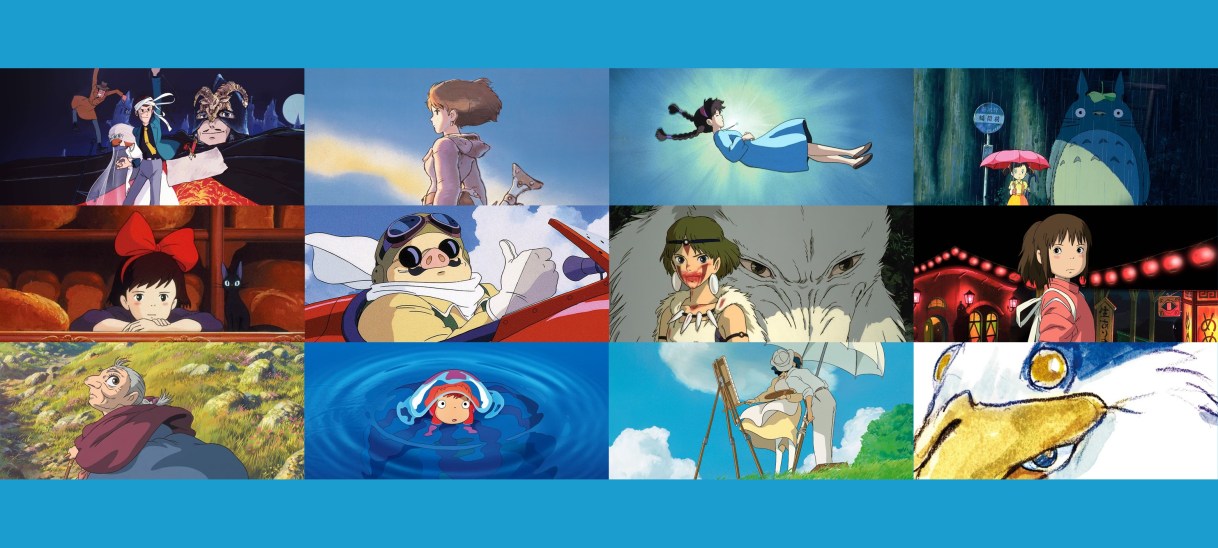
With the exception of Walt Disney, there is indisputably no animator more famous or revered than Hayao Miyazaki. In a career spanning six decades, the Japanese auteur has left an indelible mark on the artform through his distinctive films, readily identified by their gentle tone, strong female characters, fantasy themes, pertinent morals and gorgeous illustrations.

His work has spawned plenty of imitators and thousands more admirers, both within the industry and outside of it — all of his feature-length pictures have an average rating of 3.95 stars or above on Letterboxd, plus an approval rating of 87 percent or above on Rotten Tomatoes. He’s garnered no shortage of accolades either, including Berlin’s Golden Bear, numerous Annie Awards, and two Oscars — one competitive, one honorary.

Miyazaki-san is also notorious for prematurely exiting the industry, having declared retirement in the late 1990s, 2013, and again in 2018, only to return to directing each time, hence earning himself a reputation as the John Farnham of Cinema. He pulled the same trick just this year, announcing he has another project in the works despite previously saying that The Boy and The Heron (2023) would be his last as a director.

That title is finally reaching local cinemas this week, and to celebrate this momentous occasion, yours truly is taking a look back at Miyazaki’s previous 11 releases and determining which of his releases is best. Of course, all of his pictures are fantastic, which makes ranking his filmography a nigh-on impossible task; if nothing else, consider this list a guide for which of the living legend’s masterpieces to prioritise seeing before his latest one.

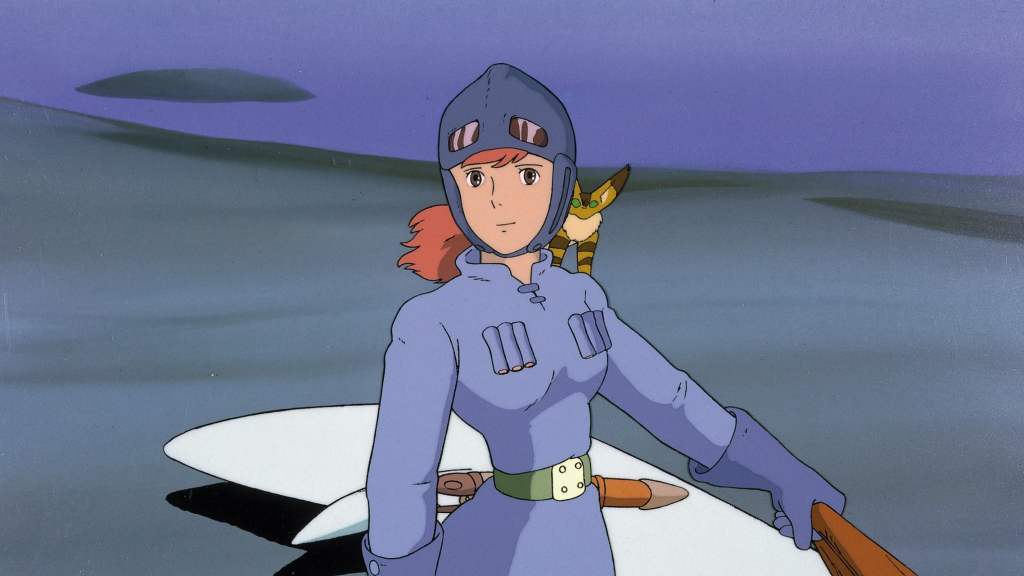
11. Nausicaä of the Valley of the Wind (1984)

One of the earliest directorial efforts from Miyazaki, and it shows — but it’s certainly not without charm. Nausicaä follows its eponymous heroine, a teenage princess of a post-apocalyptic land, who seeks to protect a neighbouring jungle and its large insectile inhabitants from a warring kingdom, one seemingly hellbent on the forest’s destruction.

This feature, the second to be helmed by Miyazaki, can be considered the genesis for the themes which would later come to define his catalogue. Its screenplay touches upon themes of conservation, pacifism and anti-Imperialism, all tropes which have come to be a consistent presence in his career, while also drawing upon his penchant for aviation and placing a brave, resourceful young woman in a leading role.

Yet it’s not without flaw. The screenplay is too reliant on dialogue to tell its story; the score of Joe Hisaishi — in the first of his many collaborations with Miyazaki — utilises electronic instruments at times, which prove tonally jarring; and the illustrations lack detail, being near-indistinguishable from other anime projects of the period. (In fairness, the film was produced on a limited budget.) Nausicaä may be considered a classic, and rightly so, but to consider it Miyazaki’s best is doing the remainder of his works a great disservice.

10. Howl’s Moving Castle (2004)

Countless productions have paid tribute to Miyazaki, but here is a rare instance in which the director pays homage to himself. Adapted from British author Diana Wynne Jones’ novel of the same name, its plot concerns a young woman who is cursed with an elderly body, the wizard who offers her refuge, and the moving, mechanical fortress which they call home.

Howl’s Moving Castle plays like a melange, or even a rehash of all the Miyazaki films released up until that point, sharing many of the themes and even the same aesthetics as those made previously. This, in turn, marks the picture as the least distinctive and least memorable of his career.

Yet the film is not without appeal. The characters are all likeable and well-written, the orchestrations of Hisaishi beautiful and the illustrations, as ever, stunning to look at. It’s a less-than-stellar glint in his resumé, sure, but certainly not bad. Heck, compared to most other animated features, it’s exceptional.

9. Ponyo (2008)

For a film-maker unafraid to place mature and complex themes into his stories, Ponyo appears a retrograde step for Miyazaki-san; it takes place in a contemporary setting, has two kindergarten-aged children as its core protagonists, and borrows heavily from a Danish fairy-tale that has been told countless times elsewhere. The only difference being, this Little Mermaid’s dream of becoming human could lead to an ecological catastrophe. Now there’s a twist!

Despite being a definite contender for the cutesiest and most juvenile product in this list, it’s impossible not the be charmed by Ponyo, nor its namesake character — her insatiable enthusiasm for the human world and its delicacies is the undoubted highlight. Pleasing further is a driving sequence that evokes Miyazaki’s earliest cinematic handiwork (more on that later) and rich use of colour throughout; less so a nauseating theme that accompanies the English dub, and the heavy-handed application of its environmentalist themes.

Anime purists may scoff at its soft tone and simplistic messaging, but those apparent misgivings are what makes the title ideal for a younger audience, or those needing an easy entry point to Japanese animation.

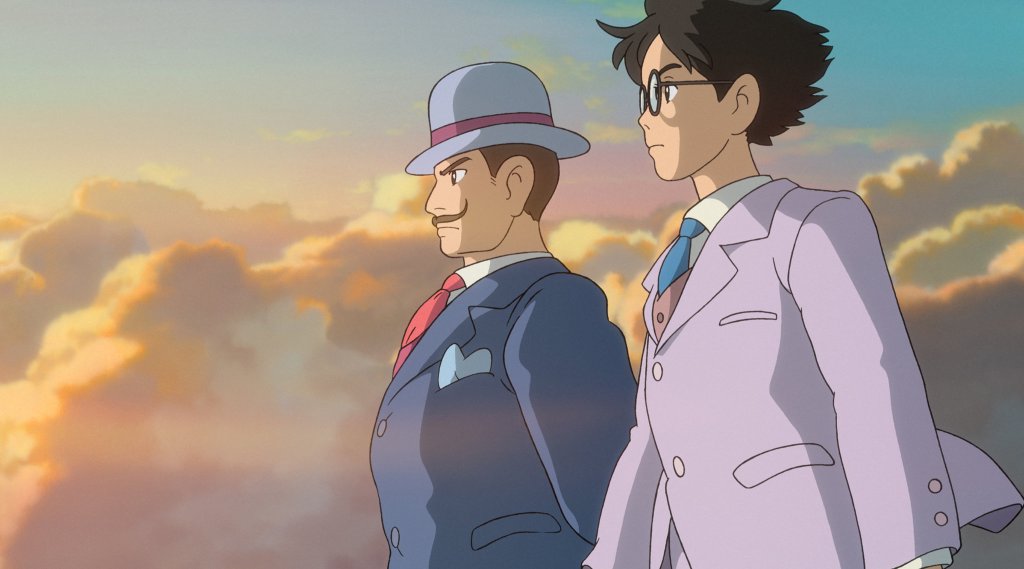
8. The Wind Rises (2013)

Biographical stories aren’t typically the domain of animators; then again, Miyazaki isn’t your typical animator. This one recounts the life of inventor, aviator and engineer Jiro Horikoshi — infamous for developing the Mitsubishi “Zero” fighter planes that fought during World War II — tracing his journey from teenagehood to immediately after the Japanese surrender, revealing himself to be an idealistic dreamer.

The Wind Rises ties firmly with two of Miyazaki’s persistent motifs: his fondness for aviation, and his unwavering advocacy for pacifism. It’s the former which comes through most strongly, courtesy of the mesmeric flying scenes, Jiro’s dream sequences, and the human sound effects applied to the aircraft that assist in personifying them. And, of course, the animation and music are exquisite.

Sadly, there are flaws. The film does romanticise its main protagonist somewhat, who lacks complexity and doesn’t appear particularly distressed by his aircraft being utilised for warfare; and some of the minor characters present themselves more like caricatures than they do human beings.

7. Castle in the Sky (1986)

Properly considered the first movie to hail from Studio Ghibli — the world-renowned animation firm co-founded by Miyazaki, fellow director Isao Takahata, and producer Toshio Suzuki — and a captivating one at that. Its story is about a young girl and boy in possession of a powerful crystal, who travel across their homeland in search of a mythical flying kingdom known as Laputa.

There are numerous signs of a director transitioning into an auteur in Castle in the Sky, as Miyazaki again applies his themes of environmentalism, nonviolence and aviation to the screenplay. Other connections to his future output are also present, such as the steampunk visuals that would later be applied to Howl’s Moving Castle.

Even so, parts of this picture clearly indicate a career still in its infancy. The script is rather dialogue-heavy, much like Nausicaä, breaking the medium’s golden rule of “Show, Don’t Tell”; the moods of the supporting characters are rather capricious; and it doesn’t quite reach the level of storytelling magic for which Studio Ghibli is nowadays famed for.

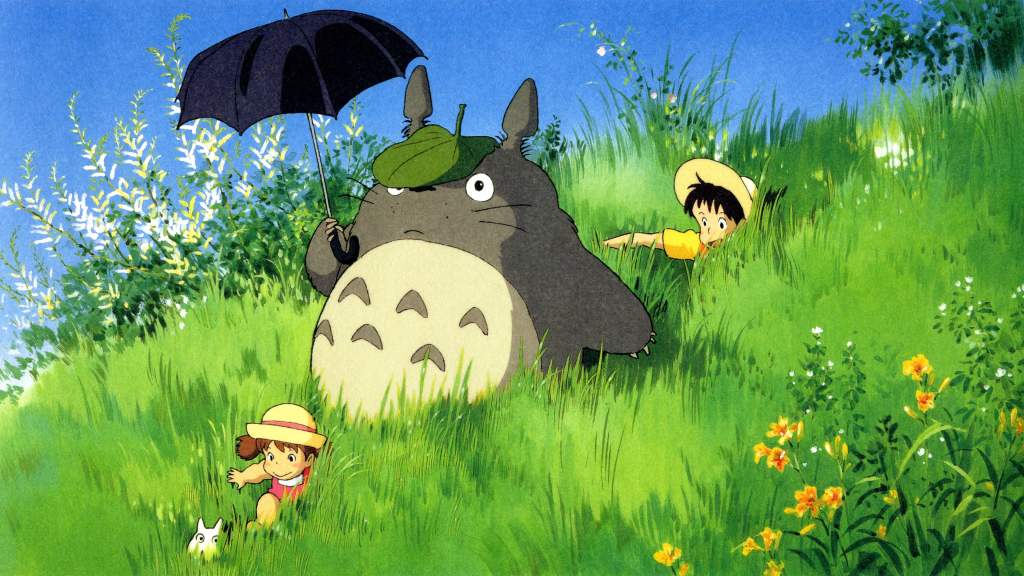
6. My Neighbour Totoro (1988)

Undoubtedly the sweetest, cutest and most innocent feature to be directed by Miyazaki.  Here, the plot unfolds in rural Japan, where a mother-of-two is recuperating from an undisclosed illness; nearby lives her husband and their two daughters, who occupy their time by playing in the adjacent forest. It’s in this same forest that the girls encounter a series of friendly beings — including a large grey one whose name graces the title.

Chief to the appeal of Totoro is the ingeniously-designed creatures who interact with Satsuki and Mei; this includes Totoro himself, who would go on to be incorporated into Studio Ghibli’s logo, and become the company’s official mascot. Also notable is the picture’s tone, which is light and palatable to even the youngest of viewers, possessing very little in the way of threat or conflict.

And therein lies Totoro’s biggest problem: this slice-of-life drama is too light and fluffy for its own good. The only tension that occurs is when Satsuki learns of her mother’s deteriorating health, leaving her angry and causing her to yell at her younger sister, and even that low level of friction is resolved in a matter of what feels like seconds.

5. Princess Mononoke (1997)

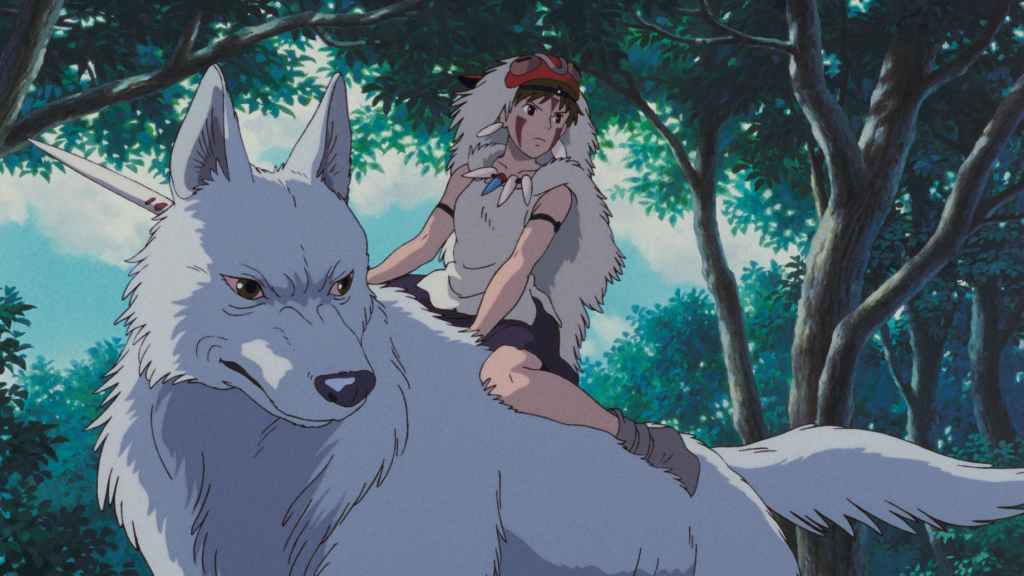
Quite possibly the most mature and complex work of this list, and one often rated highly in animation circles. Its title refers to a female warrior raised by wolves, who seeks to protect the forests she calls home in feudal-era Japan. But she is not the central figure in this tale. Instead, the lead protagonist is a young prince who seeks to stop the demons that are terrorising his village.

Mononoke’s tone is noticeably darker than all other Miyazaki pictures, as evidenced by the amount of violence and blood on display; it also leans heavily into its conservationist, pacifist and anti-imperialist themes. Additionally, the film possesses characters that are well-written with intricate personalities; and what may well be Hisaishi’s best score, at times evoking the work of his American contemporary, Howard Shore.

As for problems, having the narrative follow Prince Ashitaka — as noted above — means less attention is paid to San, who is by far the more interesting of the duo; and the conclusion isn’t wholly satisfying. Those flaws aside, there’s very little to complain about.

4. Kiki’s Delivery Service (1989)

Another literary adaptation, and one of Miyazaki’s better examples. Beginning with its heroine, a young witch, leaving her home to partake in an adolescent rite-of-passage, the story eventually settles in the town of Koriko, where our broomstick-riding maiden comes to find employment at a bakery in exchange for a place to stay.

Like Totoro before it and Ponyo after it, Kiki has a sweet, inoffensive tone that makes it perfect viewing for youngsters, or those otherwise unfamiliar with anime. But where Totoro is largely devoid of conflict, Kiki has its central protagonist undergo a great emotional struggle; and where Ponyo talks down to its audience with simplistic messaging, Kiki has faith in their intelligence and maturity.

And then there’s the wonderful flying sequences, and the immensely likeable characters, and the European aesthetics, all of which combine with the usual Miyazaki hallmarks to make a fun, heart-warming adventure. If there’s any fault with Kiki, it lies in the somewhat rushed conclusion, and the convenient amount of time its witch takes to overcome her woes.  

3. Porco Rosso (1992)

This one is quite the achievement; not only does it contain a Flying Pig as the main character, but it manages to overcome its rather silly premise to be a funny, heartfelt and mesmerising tale. It’s a tale that sees Marco — a veteran of the First World War who has gone on to become an aerial bounty hunter — partner with an aspiring female mechanic to defeat his American arch-rival, Curtis, and the shenanigans that ensue.

Predictably, yet pleasingly, Miyazaki’s love of aviation shines through in Porco Rosso, with detailed illustrations of aircraft and enchanting moments of planes in flight; also emerging strongly is his steadfast objection to Imperialism, with the film’s titular protagonist outrightly condemning fascist ideology. What makes this picture truly stand-out though, is the level of humour, with more gags and therefore laughs to be had than just about any production from the Great Man.

Porco Rosso comes ever so close to being top-ranked; but, as with Kiki, the conclusion arrives rather abruptly, almost to the point of being anti-climactic and leaving the viewer underwhelmed. Thankfully, no such issue plagues the next two entries on the list.

2. The Castle of Cagliostro (1979)

Miyazaki’s debut feature is one far removed from anything else in his filmography, yet proves one of his most entertaining works. Spinning off from the Lupin the Third TV series — which itself was based on the manga of the same name — Cagliostro tells of a gentleman thief who uncovers a counterfeiting operation in a dilapidated European kingdom, while simultaneously pining for the affections of the country’s Princess.

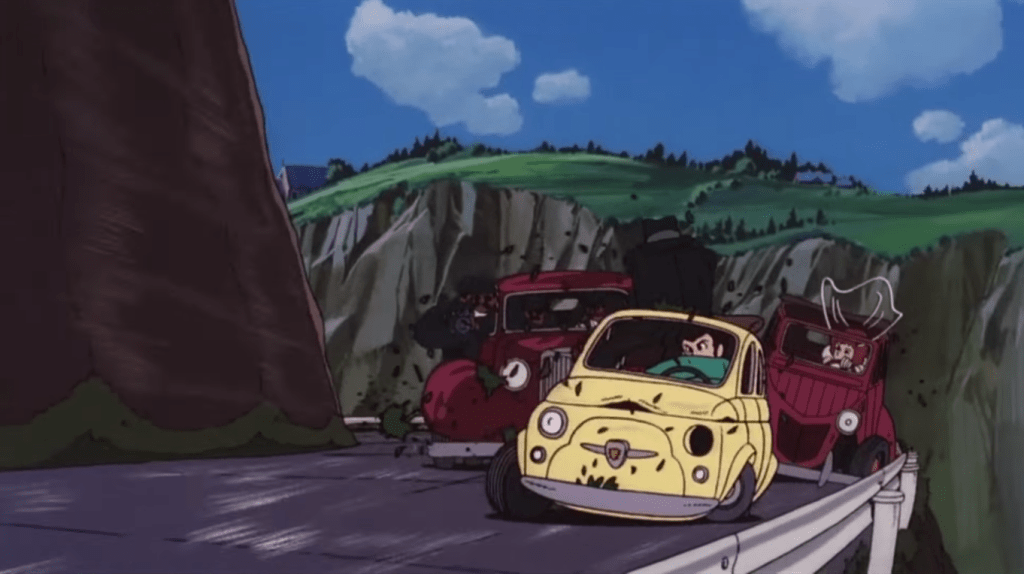
Laced within this ostensible crime-caper is a mystery bountiful in action and humour, as evidenced by a chaotic, destructive chase scene between a yellow Fiat 500 and two much-larger sedans (see above); our hero, Arsene Lupin III running full-pelt down the steepest of roofs; and Lupin desperately trying to escape a plunge of certain death by swimming up a waterfall! Additionally, there’s a surprisingly warm romance between Princess Clarisse and Lupin; and while the illustrations aren’t up to the standards of later Miyazaki efforts, they still have appeal.

Cagliostro was a critical and commercial success upon release in Japan, and went on to have a profound impact on several Western film-makers — its influence can be seen everywhere, from the climactic clocktower sequence in Basil the Great Mouse Detective (1986) to the Roman car chase in Mission: Impossible – Dead Reckoning Part One (2023). Steven Spielberg is also said to be an admirer, with the story purportedly inspiring him to create Raiders of the Lost Ark (1981).

1. Spirited Away (2001)

Is it a cliché to consider this Miyazaki’s best film? At this point in history, possibly; yet to consider anything other than Spirited Away as his greatest achievement would be sacrilege. Inspired by Lewis Carroll’s Alice in Wonderland stories, it centres on a girl named Chihiro and her journey through a mystical realm of spirits, witches and beasts; a realm where she must grow-up in order to find her way home.

Along the way, viewers are met with imaginatively designed creatures; strangers who are curt and kind; stunning painted landscapes; and Joe Hisaishi’s gentle, catchy piano refrain that enters the ear like a cool breeze on a summer’s day. In terms of faults, the pacing is lethargic on initial viewing, taking a long time to establish the setting and its characters; and the screenplay is a bit too eager to portray Chihiro as a spoilt brat in its early stages, rather than a flawed heroine. But so haunting, moving and transfixing is the story that these qualms are more or less forgotten by its end.

Universally, rightly lauded, Spirited Away is to date the only Japanese production and the only hand-drawn work to have won the Academy Award for Best Animated Feature; it’s also beloved by the public, sitting in the upper-echelons of the IMDb Top 250, and Letterboxd’s Top 250 Narrative Features. And, on a personal note, it happens to be the very film that fostered this writer’s interest in anime — there are almost certainly others who can say the same.

This is a film not to be ignored; a must-see for fans of animation, cinephiles, and indeed anybody with even the barest of interest in movies.

Hold up, The Bob’s Burgers Movie is a Tasty Adaptation

Rating: 4 out of 5.

Several animated series have made the leap from broadcasting to celluloid in years gone by — The Simpsons, South Park and Beavis and Butt-Head to name but a few. Although most examples have proven enjoyable, to date none of these feature-length adaptations have been of a greater calibre than the shows which inspired them, nor outshone them in the public zeitgeist. Such a problem afflicts the newest addition to this cohort of adaptations, despite the movie being quite enjoyable in its own right.

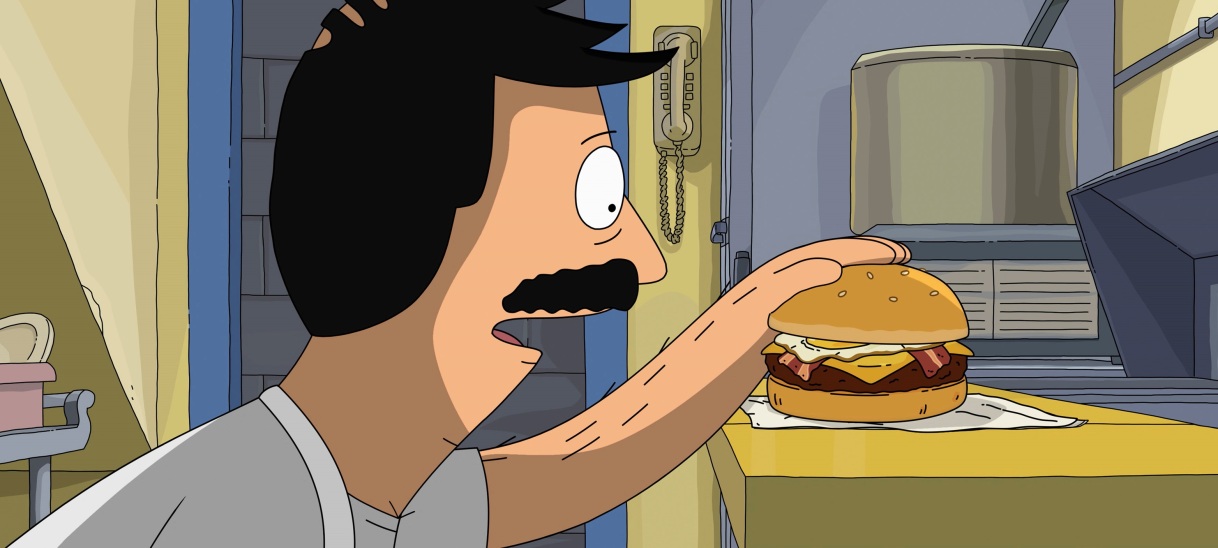
Father-of-three and small business owner Bob Belcher (voice of H. Jon “Archer” Benjamin) has been issued an ultimatum by his bank: pay his latest instalment within seven days, or see his beloved, self-named burger eatery repossessed. Making that repayment won’t be easy for the perpetually cash-strapped Bob, not least because his busiest period — the summer holidays — are still a week away; worse still, a giant sinkhole has emerged right outside the entrance of his store, robbing him of what little income he already receives.

Before The Bob’s Burgers Movie (2022), there was the animated television programme Bob’s Burgers, which premiered on the Fox Network in 2011 to meteoric ratings. While those sky-high viewing figures didn’t last — as has been the case for most shows the world over — interest remained strong in the seasons that followed, in part due to its many and varied qualities. Such attributes include a wholesome tone, quirky sense of humour, fantastic use of colour, catchy soundtrack, great cast of voice-actors, and bevy of eccentric supporting characters — among them handyman and loyal customer Teddy (Larry Murphy), who is practically a lead protagonist.

Most of those elements have carried over to the Movie including, most pleasingly, the principal voice-cast. Jon Benjamin reprises his role as the series’ patriarchal namesake, so too John Roberts as Bob’s ultra-supportive, high-energy wife Linda; Dan Mintz as their lovesick thirteen-year-old daughter Tina; Eugene Mirman as middle-child and musical prodigy Gene; Kristen Schaal as youngest daughter, the pink bunny-ears-wearing Louise; Murphy as fan-favourite Teddy, plus several other supporting players. All voices involved have nailed the persona and emotions of their characters, giving their all whether they be uttering dialogue, or singing one of the film’s tunes.

Talking of the latter, jaunty music is another quality this picture shares with its televisual source. A trio of numbers is contained within, first of which being the upbeat opener “Sunny Side-Up Summer”, then the Louise-led “Lucky Ducks” and, as the plot enters its third act, “Not That Evil” – sung by the Movie’s hidden antagonist. Though there isn’t much to distinguish the three songs from each other — all have a similar sound and tempo, differentiated only by the lyrics and key they are sung in – it’s the opening track which proves the most enjoyable, being memorable, hummable, infectiously happy, and setting the mood for all that follows.

Bob and Linda Belcher, trying to stay positive in the face their restaurant’s impending closure in The Bob’s Burgers Movie.

One of the significant improvements the film holds over its originator is the strength of its hand-drawn animation. Where in the show, a limited budget sees humans move stiffly or remain static for many a scene, here the characters bounce, weave, flex and shimmy with near-fluid motion; likewise, their faces are as rubbery and expressive as they’ve ever been. All this energetic bodily and facial movement only adds to the joyous atmosphere, as does the vibrant palette — note how the buildings and backgrounds are multi-hued, rather than painted in a single shade.

Yet another strength is the screenplay, which contains multiple, interweaving conflicts. The most investing of these threads is one centring a skeleton found in the abovementioned sinkhole; it sees Louise coerce her older siblings into solving the mystery of who placed it there, both in hopes of saving her family’s restaurant and proving to her schoolmates that she’s braver than her pink ears suggest. It’s an intriguing subplot with some great turns, and a strong one too — so much so, it becomes the central narrative by the third act. That in turn, and unfortunately, means the pre-established struggles of the other characters are relegated to tertiary importance.

Such is the case with Tina, who is hoping to ask long-time crush Jimmy Pesto Jr. (voiced by Benjamin, like Bob) to be her summer boyfriend, yet is reluctant to commit to a relationship; and Gene, who wants to reunite his band but fears their avantgarde sound won’t be accepted — effort is made to integrate both subplots into the main narrative, but with limited success. More frustrating, though, is the lack of story afforded to Linda, who’s given no conflict of her own to explore nor the opportunity to grow as a character, instead tasked with being’s Bob’s better conscience.

Another grievance to be had with the film is how it fails to utilise the large roster of characters who frequent the TV show. This was a deliberate choice made on the part of director (and show creator) Loren Bouchard and his co-producer Nora Smith, who say they didn’t wish to see their adaptation become an endless parade of cameos and risk alienating newcomers. That’s a fair call, but when one considers how effectively and cleverly The Simpsons Movie (2007) incorporated an even-bigger list of deuteragonists into its tale, it more or less makes Bouchard and Smith’s argument invalid. Yet that’s not the biggest gripe to be had.

The Belcher siblings (from left) Tina, Louise and Gene in The Bob’s Burgers Movie.

Of foremost disappointment is the low-key manner in which The Bob’s Burgers Movie presents itself. Making an appearance in theatres should be a cause for celebration, an opportunity to take the characters in a new direction, or make some bold decisions that wouldn’t be possible to enact in the medium of TV. Or ideally, all of the above, as was the case with The Simpsons Movie. Instead, what’s being presented seems more akin to an extended episode of the series, one which could just as happily be watched on a smaller screen. And for fans of the show, that’s a real shame.

Having said that, this remains an enjoyable piece of Bob’s Burgers media and, importantly, a great film when judged solely on its own merits, fulfilling Bouchard’s wish of being accessible to “all the good people who’ve never seen the show.” Rating Frames is not alone in this view — upon its initial release, critics seasoned and unfamiliar with the Belcher clan alike found a shared appreciation for the Movie and its merits, as evidenced by a Certified Fresh designation from Rotten Tomatoes and average rating of 75 percent from Metacritic. Which begs the question as to why that praise — and the programme’s avid following to boot — did not translate into box-office success.

There are, as it happens, multiple factors that point to The Bob’s Burgers Movie’s lacklustre theatrical run, such as the constant production delays, limited marketing, wariness around the pandemic, and the negative sentiment toward the programme which has lingered since its first season. Yet ultimately, fault lies with the decision to release it on the very same date as Top Gun: Maverick (2022) in a misguided attempt at counterprogramming. Had it not been released at that time, there’s every chance the film would have found the audience, and the returns, it so rightly deserves.

Even though it falls short of being the stirring adventure that fans desired and were promised, The Bob’s Burgers Movie is nevertheless a bright, joyous feature for viewers of all ages, whether they’re devotees of the original series or not. All the virtues of its source material are there, while the slick animation and mystery element of the screenplay only adds to the delight. Not the Belchers’ crowning achievement, but a letdown it most certainly is not.

The Bob’s Burgers Movie and its associated series are both available to stream on Disney+.

Guillermo del Toro’s Pinocchio is the Year’s Best Animation, and it isn’t Even Close

Rating: 4 out of 5.

Breathing life into an intellectual property (IP) that has had countless iterations is no easy feat, yet Guillermo del Toro has done exactly that with his unique and heartfelt take on Disney’s iconic wooden boy, Pinocchio. In fact, Guillermo del Toro’s Pinocchio (2022) —or just Pinocchio— might be the best entry in this fabled story, and it’s easily one of del Toro’s best.

Like the careful craftwork of Geppetto, the woodcarver that creates Pinocchio, del Toro masterfully creates a heartfelt story of grief and loss through the lens of a fascist-set Italy. Unlike the year’s other Pinocchio film which felt like a sanded-down, stringless remake of the celebrated original, this one is coated in all the gloss that epitomises del Toro’s career: otherworldly creatures, a looming air of gloominess, a darker palette, religious commentary and evocative imagery. It’s in the un-del Toro-ness of the visual component —stop motion animation— that all of those ingredients shine, and where the film separates itself from the director’s past films.

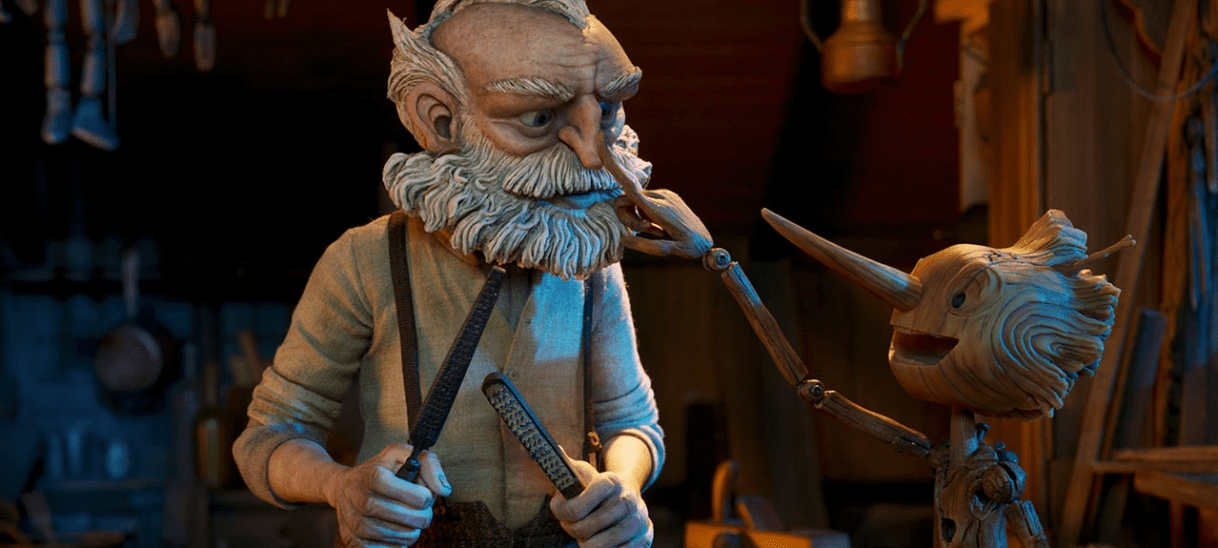
Pinocchio has some of the best stop motion work, period; unsurprising given that del Toro co-directed the film with Fantastic Mr. Fox (2009) Animation Director, Mark Gustafson. The world has an air of freshness and almost appears like a series of dioramas that have been stuck together. The details of the world are sharp and striking, right from the spaces the characters inhibit like a church and foresty area earlier on, to the underworld and Monstro scenes in later stages. It’s an enticing vista that sucks you in the more the film unfolds, and it’s clear that animators were given ample time to carefully workshop the look and feel that del Toro was going for. When coupled with Alexandre Desplat’s spine-tingling score that is in the vein of his score for The Shape of Water (2017), there is an added layer of enchantment that emerges.

In terms of the story itself, it hits all of the key beats from Carlo Colldi’s original book —the circus scenes, the water monster Monstro in the later stages, etc.— but del Toro works around these moments to add his own flourishes and feel. Whether that be the aforementioned fascist leanings, where he explores the loss of innocence from children in the face of conscription and nationalism, right through to those underworld moments where he asks questions pertaining to mortality and the significance of life and death.

They’re heavy themes and leanings for a story that has always been depicted as light and fluffy, and has mainly covered ideas relating to growing up and fitting in. It helps that del Toro immediately jumps into a moment of anguish, as Geppetto (voiced with a gut wrenching croakiness by David Bradley) mourns the loss of his son, Carlo (voiced by Gregory Mann who also voices the titular character), after a bomb is dropped on the town church by unsuspecting war planes above. This whole opening sequence that explores the prelude to Geppetto’s grief and prolonged mourning, establishes the sort of grimness that will persist.

Pinocchio (Gregory Mann) and Count Volpe (Christoph Waltz) in Guillermo del Toro’s Pinocchio (2022)

It also introduces the running commentary on religion that has underpinned most of del Toro’s oeuvre from and since The Devil’s Backbone (2001). For instance, the destruction of the church and its subsequent rebuilding goes on to symbolise Geppetto’s own rebuilding of his son. This is especially true as Pinocchio (after he has been magically brought into being) assumes the role of Carlo by helping Geppetto build out a wooden Jesus in the church (the last task the father and son shared). He goes on to raise one of the film’s most significant lines relating to why everyone likes the wooden Jesus but not him. This undercuts the road to self-discovery that Pinocchio ultimately takes as he faces death and rebirth numerous times, before enacting a moment of selflessness in the film’s final act that would bring him as close to ‘being a real boy’ as he can come.

In order to get to that point though, he has to face various hurdles including a money-hungry circus ringmaster, Count Volpe (Christoph Waltz); a fascist government official from the town, who is set on sending the puppet with immortality to war (del Toro’s frequent go-to, Ron Perlman); the prospect of living forever and seeing those around him die; and his own desire to experience the fullness of the world.

Along the journey he is also accompanied by the talking cricket Sebastian (formerly, Jiminy) voiced by a comforting Ewan McGregor who injects the film with some of the comedic relief (e.g. being squashed countless times, being interrupted just as he’s about to break-away into song). Tilda Swinton also has a subtle role as an angelic spirit of life that brings Pinocchio into the world, and she also plays the sphinx-looking, death alter-ego that meets him every time he dies. Each of these characters have a distinct look that is both familiar and different in the ethereal way that del Toro’s creatures tend to be.

While finding one’s purpose and identity comes with its challenges, Guillermo del Toro’s Pinocchio helps the wooden puppet get there, and at the same time creates an experience with a unique identity of its own.  

Guillermo del Toro’s Pinocchio is in select cinemas and will be streaming on Netflix from December 9.

Ranking Pixar’s Filmography

27 years ago, Walt Disney Pictures took a massive gamble in distributing Toy Story, the world’s first feature-length film animated entirely with computer technology. Said film has since gone on to become a cultural touchstone, and the Emeryville-based crew that created it has morphed from a humble software firm to an entertainment juggernaut, its name as synonymous with animation as the corporation which acquired it.

The team at Rating Frames has been fortunate enough to witness the meteoric rise of Pixar Animation Studios first-hand – with our eldest writer being only a year older in age than Toy Story, we have never known a world without Pixar’s movies in it. Our earliest cinematic memories have been forged by their releases, which in turn have informed our love of the medium today.

Pixar made a return to theatres this weekend just past with Lightyear, breaking a two-year tradition of its pictures being released exclusively on Disney+. To celebrate this achievement, and his unflinching admiration for the company, our resident animation expert Tom Parry is ranking every prior Pixar feature from worst to best.

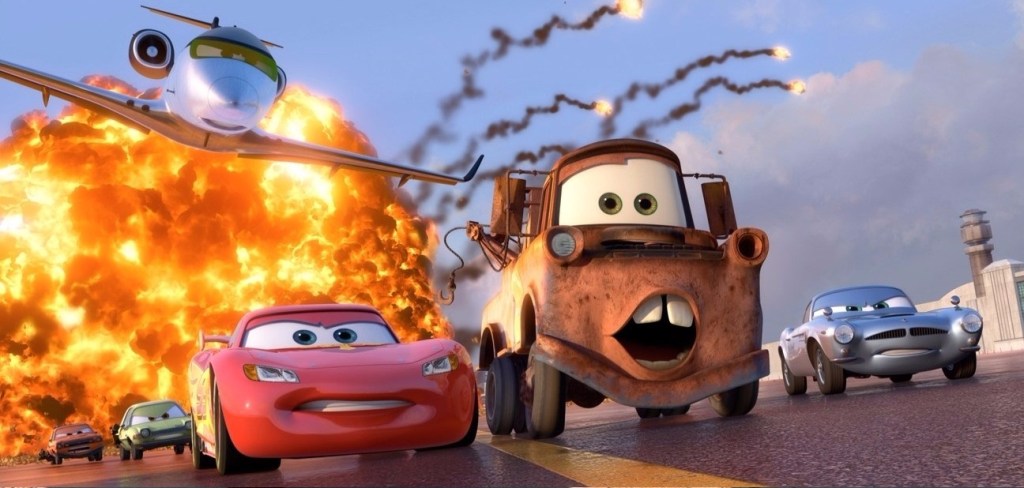
25. Cars 2 (2011)

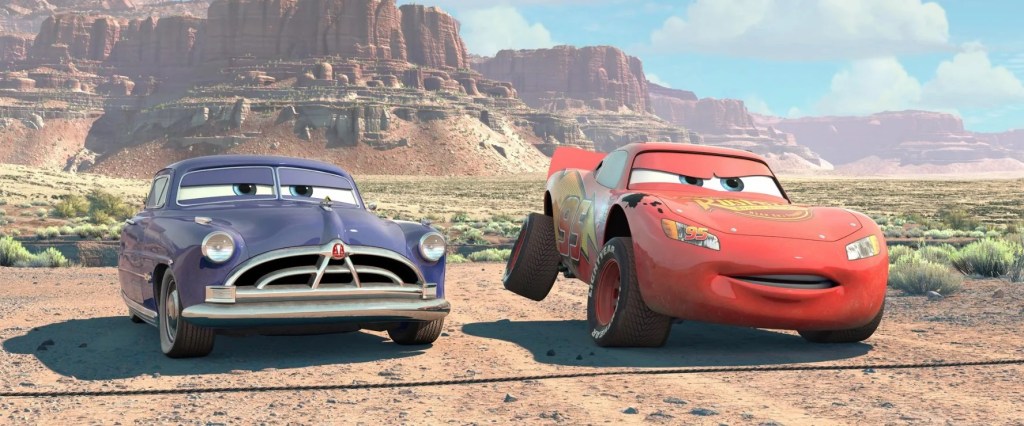
This one’s appearance at the very bottom of our list should come as no surprise to anybody familiar with Emeryville’s filmography. With a nonsensical, chaotic story that makes its originator look passive, and a penchant for violence and destruction, this sequel is the let-down in an otherwise stellar family of high-achievers.

24. The Good Dinosaur (2015)

Despite being undeniably sweet and filled to the brim with gorgeous visuals – particularly those near-realistic landscapes – this seen-it-all-before screenplay squanders any potential by failing to build upon its (admittedly) clever premise. Ordinary by the standards of most; underwhelming by the standards of Pixar.

23. Cars 3 (2017)

Seeking to atone for the mess that was its predecessor, this threequel took the series back to its roots by opting for a more placid approach, and removing the juvenile antics – mostly. Although these changes are welcome, they result in a picture that feels too safe and lacks the magic of its stablemates.

22. Cars (2006)

Barely a nose ahead of the second and third Cars movies is the very product that inspired them. Some elements prove enjoyable, such as the tranquil driving sequences and surprisingly decent soundtrack; others are less so, like the infantile morals it seeks to impart on the viewer.

21. A Bug’s Life (1998)

One of the earlier releases from Pixar that has almost been lost to time, owing to the many quality productions in its wake. Needlessly mean-spirited and possessing a screenplay riddled with clichés, today it looks closer to another studio’s product than an early example of Pixar’s greatness.

20. Brave (2012)

A backward step for the esteemed folk of Emeryville as they follow the route usually taken by their superiors – telling a narrative about a princess in a medieval setting. But it’s saved from mediocrity by the Scottish backdrop, Patrick Doyle’s soundtrack and reasonably engaging conflict between the central protagonist and her mother.

19. Monsters University (2013)

The first and, to date, only prequel from Pixar, utilising the well-worn formula of the college movie and combining it with the ingenious concepts of its originator. Never reaches the emotional or intellectual heights of its contemporaries, but does have some amusing moments and a smart, thoughtful message.

18. Finding Dory (2016)

Andrew Stanton’s return to the deep-blue tugs at the heartstrings without ever reaching the heights of its highly-acclaimed and much-loved precursor. Nonetheless, it’s a delight, and worth watching alone for an utterly wild third-act.

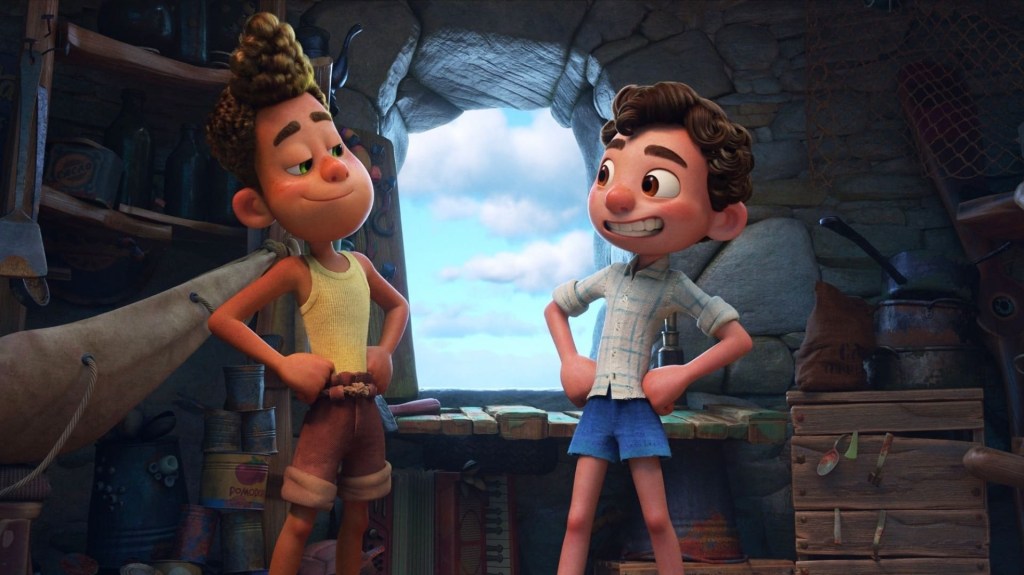
17. Luca (2021)

Riding on an easy-going, carefree tone and possessing anime-inspired visuals, Enrico Casarosa’s Italy-set adventure is the most distinct feature of this bunch. A little too sweet and gentle when compared with its brethren, yet still an absolute charmer – one could almost describe it as catharsis in motion-picture format.

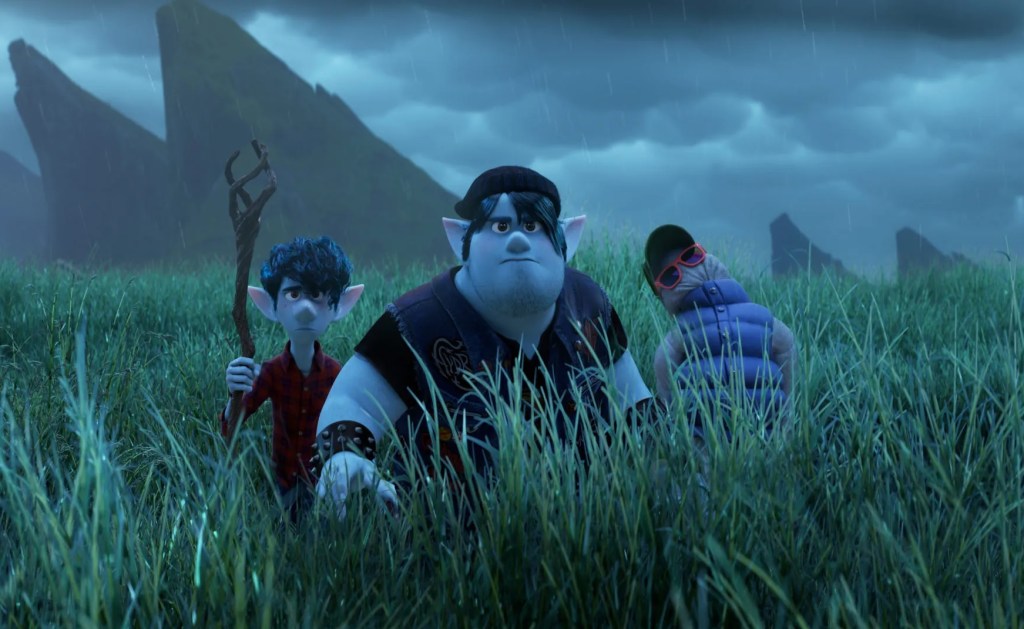
16. Onward (2020)

Nestled in the rich and imaginative world of New Mushroomton is a compelling, witty and warm tale about brotherly love, paired to an epic soundtrack of power ballads. Spoiling the otherwise-pleasing narrative is a trite conflict between siblings that a studio of this calibre should be avoiding at all costs.

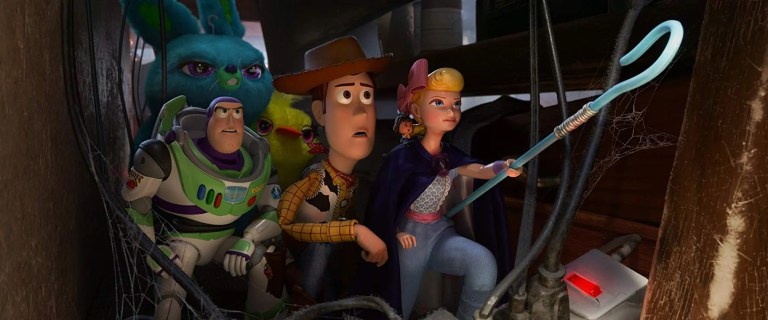
15. Toy Story 4 (2019)

The least compelling entry in the Toy Story franchise, for it dispels its fantastic roster of deuteragonists and has rather disparate messaging. Even so, the screenplay is absorbing, the laughs hearty, the new characters likeable, the struggles relatable and the familiar voice-cast a reassuring hug from an old friend.

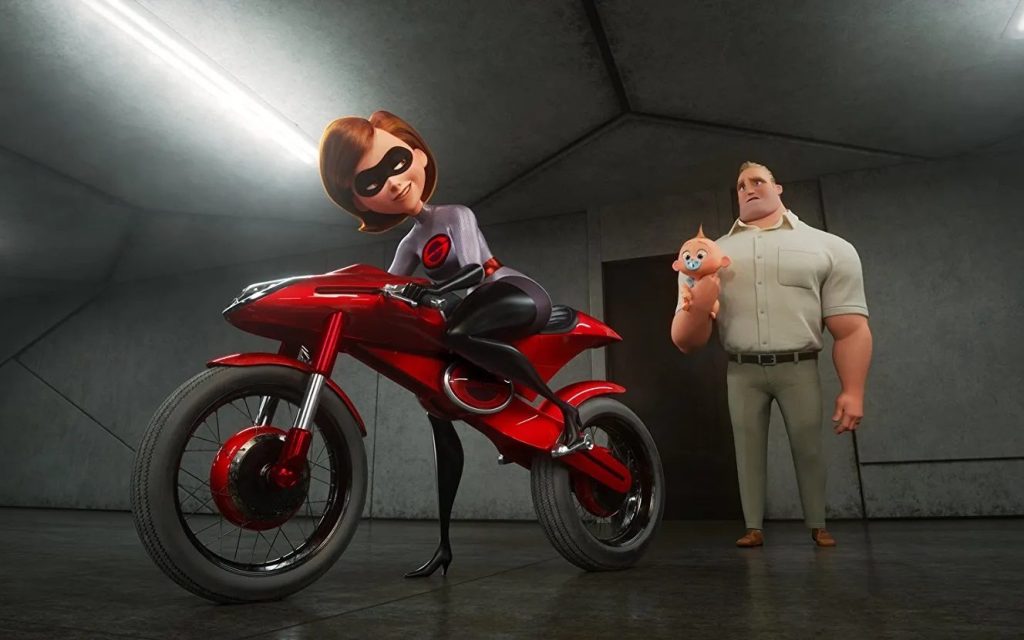
14. Incredibles 2 (2018)

A long-awaited, much-anticipated sequel that nearly lives up to the hype. Brad Bird’s movie carries over the superhero protagonists and multiple qualities of its predecessor, but forgets one key ingredient: an imposing, inimitable villain.

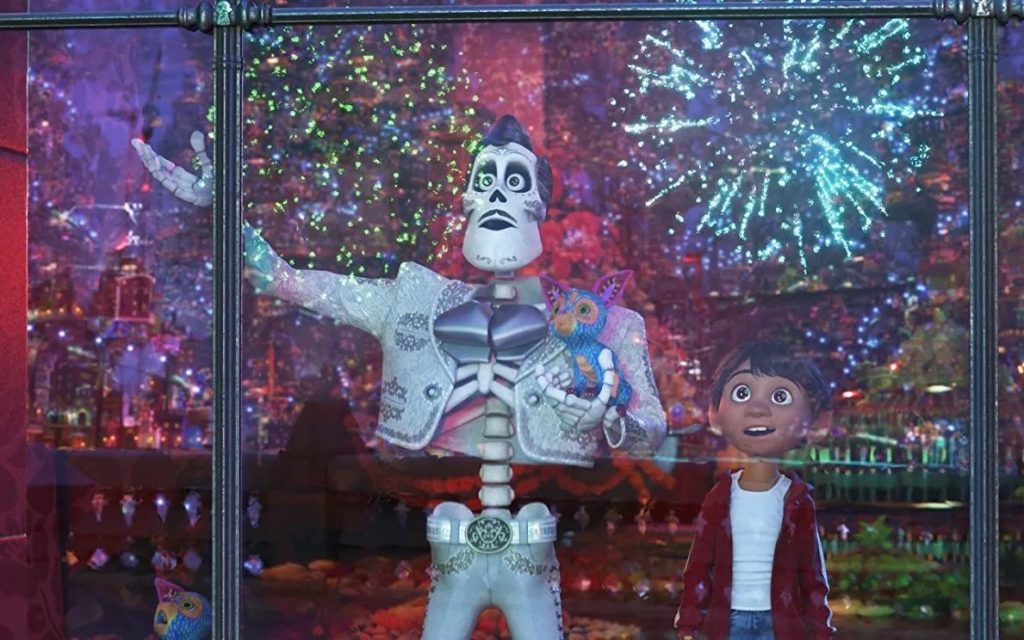
13. Coco (2017)

While comparisons with another Day of the Dead-themed animated feature, The Book of Life (2014) are inevitable, Pixar’s effort proves enjoyable in its own right due to the astonishing visuals and fabulous soundtrack. Only a hackneyed script hinders it from outright greatness.

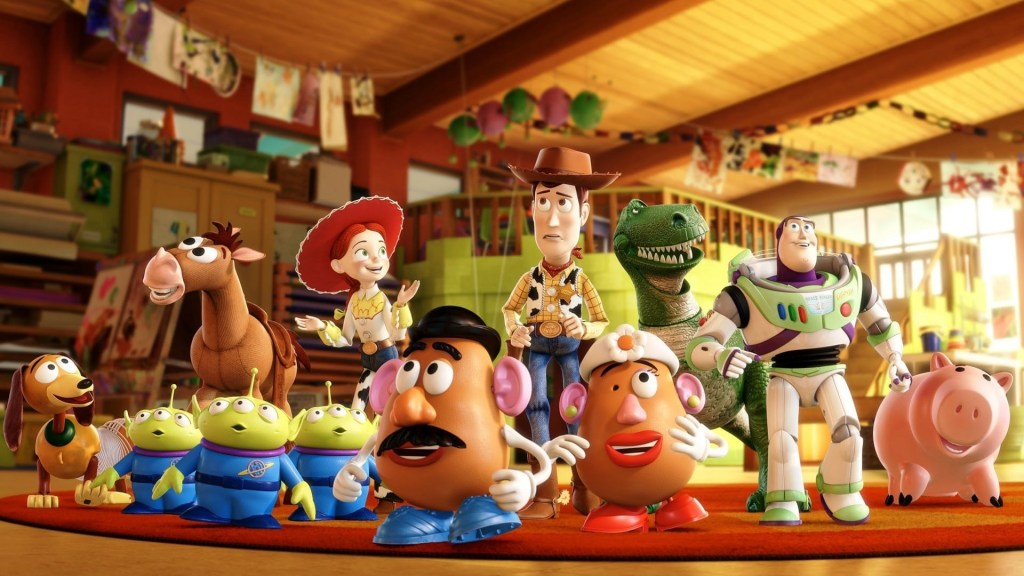
12. Toy Story 3 (2010)

Never afraid to wrench a few hearts, Emeryville delivered its biggest tearjerker yet with this stirring threequel about everybody’s favourite playthings. Unfortunately, it’s spoilt by being a touch too dark at times, utilising the same themes as its precursor, and needing knowledge of the two prior films to be fully appreciated.

11. Monsters, Inc. (2001)

The directorial debut of Pete Docter takes a common trope – the belief that monsters terrorise children in their bedrooms at night – and applies its own unique spin to deliver a clever, heartfelt story. The characters are iconic, the dialogue endlessly quotable, the designs creative and the voice-cast peerless, though proceedings do get a bit outlandish.  

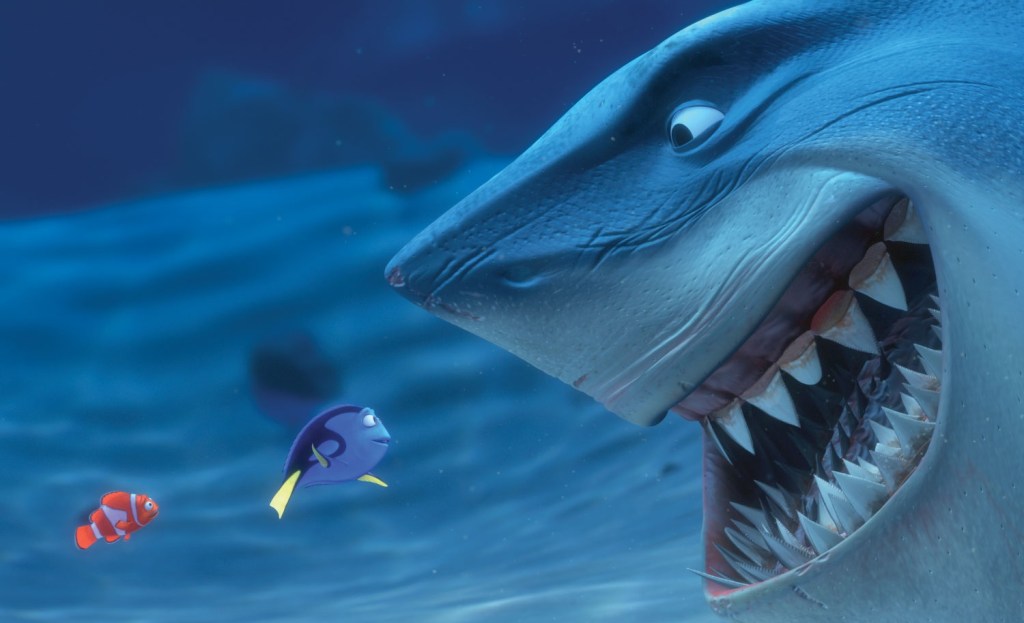
10. Finding Nemo (2003)

Andrew Stanton’s ocean-faring debut feature possesses much the same strengths as Docter’s door-hopping tale, such as fantastic characters, quotes and voice-acting; yet Nemo gets the edge over Monsters for being the more grounded conflict. Plus, the blue of the deep sea helps lend a tranquil, serene tone.

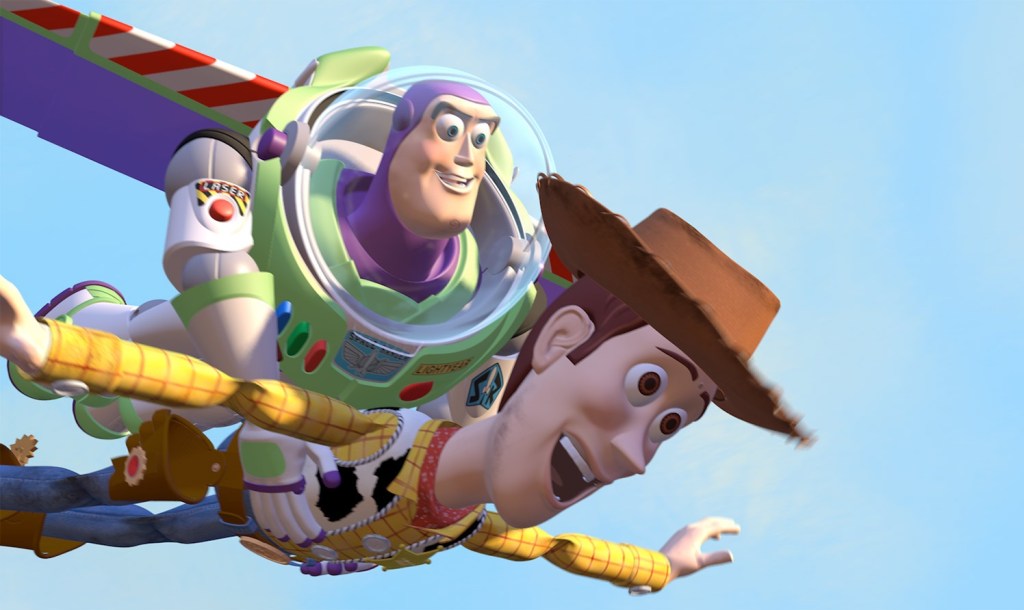
9. Toy Story (1995)

After all these years, the movie that started it all remains a solid watch thanks to a timeless narrative and litany of distinctive personalities. If anything sours the experience, it’s the evident limitations of the technology available at the time. That, and the actions of the characters are quite extreme on occasion.

8. Turning Red (2022)

Released only a few months ago, Domee Shi’s coming-of-age comedy is already a certified classic for the studio. It’s also the most individual film of the bunch, containing slick designs, amusing slapstick gags, extroverted protagonists and an exuberance which is absent from most other Pixar movies.

7. Ratatouille (2007)

Its premise is bizarre and brilliant in equal measure – a rodent with a passion for gastronomy becomes a chef at his idol’s restaurant by using a lowly garbage boy as his vessel. But look behind the zaniness, and there will be found an investing conflict, stunning imitations of Parisian streetscapes, playful orchestrations and a monologue in the third-act that one never tires of hearing.

6. The Incredibles (2004)

Well-written protagonists facing a memorable, formidable villain. Detailed, superbly-rendered worlds. Quotes that stand the test of time. A brassy, catchy soundtrack from one of the industry’s all-time great composers. This isn’t just one of the best Pixar films, nor animated features; it’s one of the best superhero blockbusters ever released.

5. Soul (2020)

The least childlike product to emerge from Emeryville, which is no bad thing. Pete Docter’s pensive, adult-minded drama wins viewers over with its clever screenplay and exceptional soundtrack, proving that animation is a medium for all ages. It’s also, quite possibly, the only good thing to come from the year 2020, film or otherwise.

4. Wall-E (2008)

An ambitious, mesmerising piece of cinema that’s loaded with allegories and offers plenty of commentary of modern consumerism, yet at its basest level is a touching, charming tale about a tiny, lonesome robot who seeks a greater purpose in life. Visuals, music, sound editing and writing are all stellar.

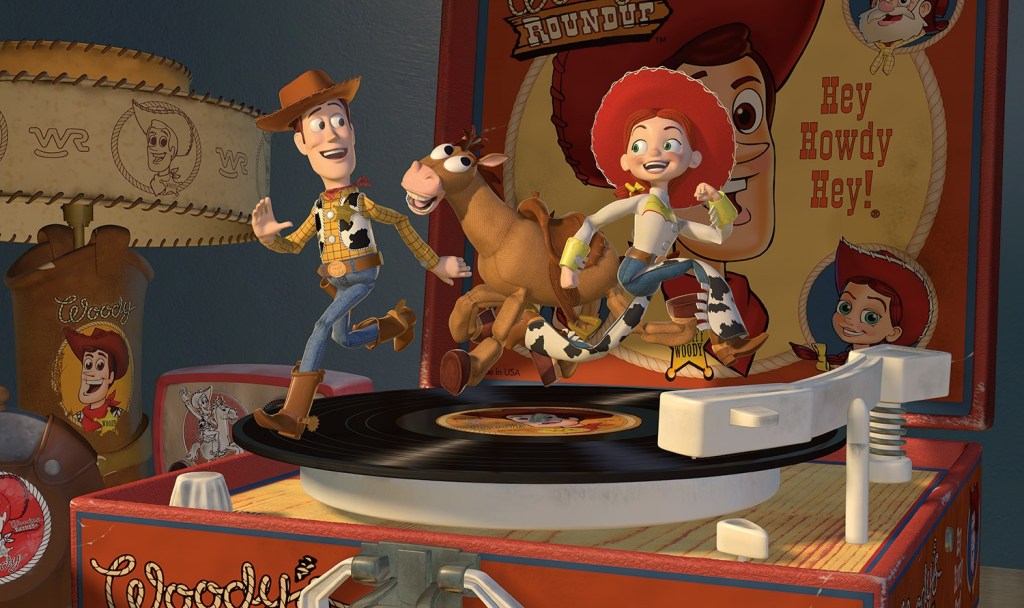
3. Toy Story 2 (1999)

The first of many sequels and spin-offs from this company that set a very high benchmark for every production since. Aspects improved upon over the first Toy Story include better rendering, a more nuanced antagonist and some insightful ruminations on purpose and mortality, while the only irksome element is the pacing – it leans a tad toward the fast side.

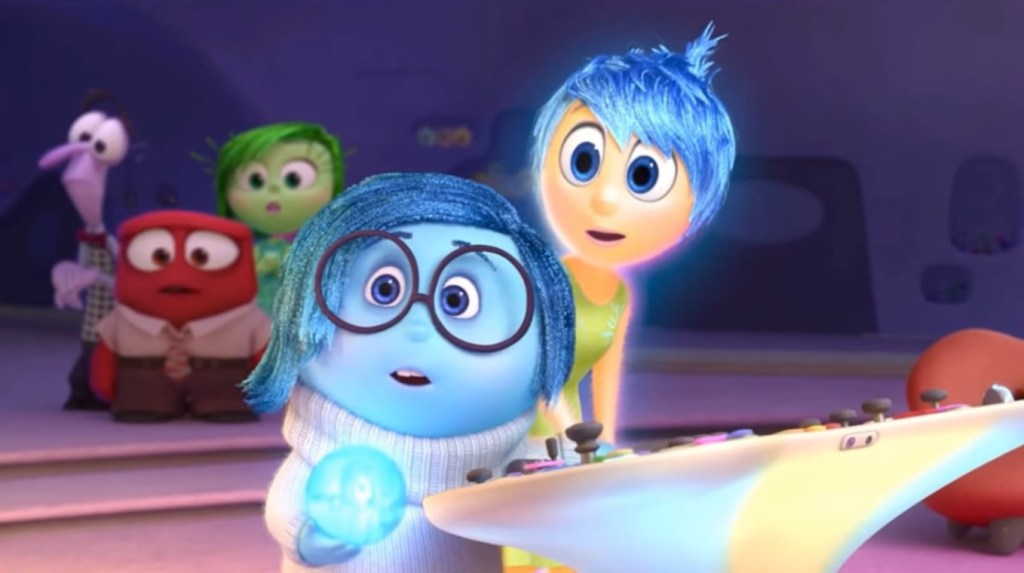
2. Inside Out (2015)

Until the release of Soul, this was the most profound, mature and resonant feature in Pixar’s relatively short history. Don’t be fooled by the simplistic premise, loud colours and cartoonish designs of the main characters, for they mask a screenplay that’s clever and moving in the most unexpected of ways.

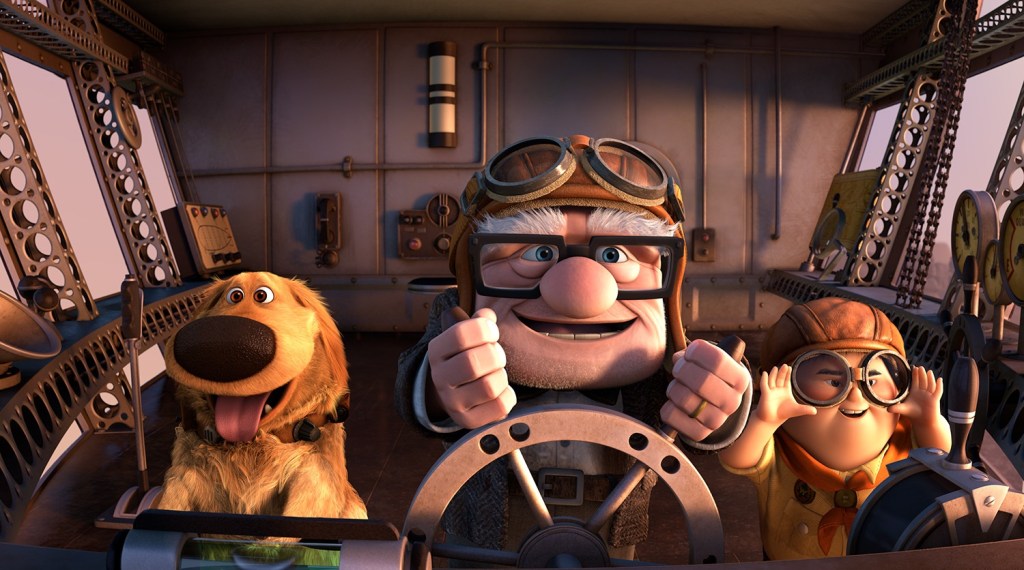
1. Up (2009)

The 2000s well and truly witnessed the peak of Pixar Animation Studios – it’s the decade that bore Monsters, Inc., Finding Nemo, The Incredibles, Ratatouille and Wall-E, five of the features which have drawn universal acclaim and come to define the company almost as much as the Toy Story franchise has. And at the very end of that decade came the picture that would top them all: Pete Docter’s Up.

The film has it all – a melodic orchestral soundtrack from Michael Giacchino; an emotion-filled montage of married life; endearing characters, both human and non-human; outstanding voice-acting from all involved; and a script that deftly fuses adventure, comedy, romance, fantasy and thrills. It is, quite simply, perfection in animated form, and deserves to be seen by everybody young and old.

Turning Red is a Bold, Welcome Deviation

Rating: 4 out of 5.

Critics are fast running out of superlatives to describe the filmography of Pixar Animation Studios. Every release by the company, especially of late, has possessed a rousing soundtrack, heartfelt screenplay, top-notch voice-acting and of course, computer-generated illustrations beyond compare, almost to the point of conformity. That all changes with this production, and for the better.

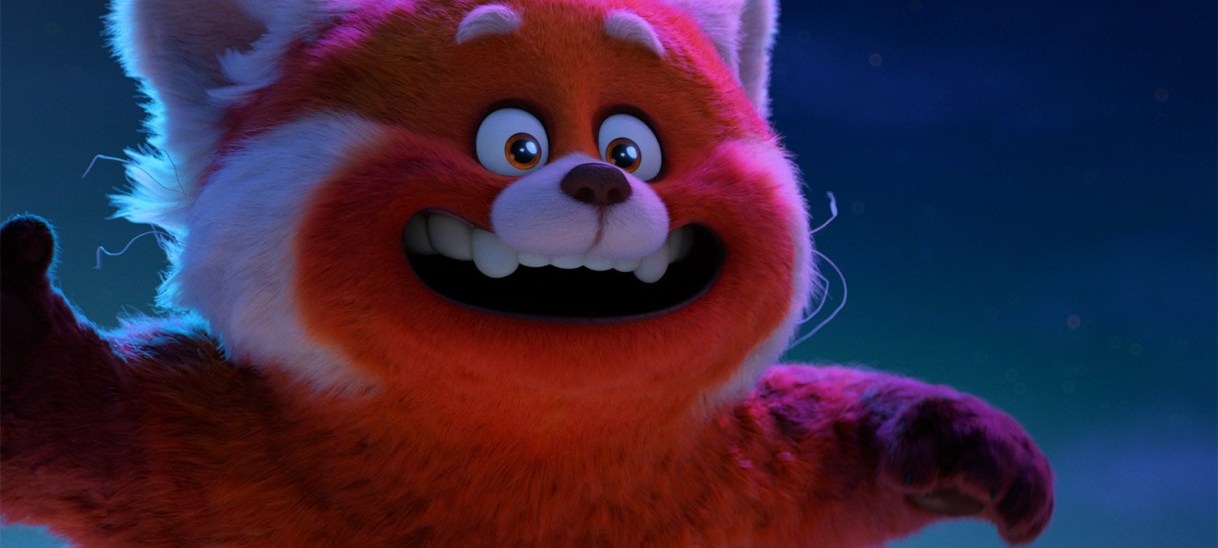
Toronto resident Meilin Lee (Rosalie Chiang) is on the verge of adolescence, lusting after boys she ordinarily wouldn’t and engaging in activities that draw the disapproval of her otherwise doting mother, Ming (Sandra Oh). But puberty is not the only drastic change the youngster is having to contend with – now that she’s a teenager, Mei finds herself transforming into a giant red panda whenever her emotions are heightened, a source of embarrassment greater than any other in her life.

The driving force behind Turning Red (2022) is writer-director Domee Shi who, just like Mei, is a proud Torontonian with Chinese heritage. Shi’s career trajectory is more interesting than most, having joined Pixar as an intern before garnering widespread acclaim with her allegorical short film Bao (2018). After this success, Shi was promoted to Pixar’s “Brain Trust” and given the opportunity to craft her own feature-length production; in turn, the film-maker has concocted the most energetic, inimitable Pixar film yet.

The most distinguishing element of Turning Red is the art-style. While there are shades of Pixar’s influence in the design of the characters and settings, the look of the film is distinct from any of the studio’s previous feature-length productions, a change that is most welcome. Soft colours dominate the architecture of Toronto, and clothing of those who inhabit its surroundings; humans of all sizes and body types interact with one-another, while their faces are adorned with large teeth and pupils that comically dilate or contract depending on their mood.

The animation, too, is a point of difference from other Pixar films. Where in the past, a character would move smoothly and gracefully (one could even say “realistically”), in Turning Red, the movement of the protagonists is quick and frenzied, welcomely leading to some well-timed physical gags that border on slapstick. Adding to this witty and frantic vibe is the editing, which occasionally employs some Edgar Wright-style quick cuts to further discern the picture from its contemporaries. Yet the differences go even deeper than that.

Ming Lee and daughter Meilin are often at odds in Turning Red.

Further distinctions are found in the screenwriting, which matches the vibrancy of Turning Red’s visuals. The plot is narrated in the first-person by a self-aware figure who frequently breaks the fourth wall and wears her geekiness with pride, forgoing the usual stereotype of an introverted, awkward teenager. Likewise, her friends are eccentric, outgoing and unashamedly nerdy, offering the perfect social and moral support – another rarity in coming-of-age tales. Additionally, it’s a tale that feels quite timeless, despite the film’s early-2000s setting.
Yet for all the freshness this script provides, it is stymied by the occasional flaw. One such example is the antagonistic Tyler (Tristan Allerick Chen), who is underwritten and poorly developed – efforts made by the film to complexify and soften his character are tame at best and confusing at worst. Another letdown is the third act, relinquishing the vim and momentum present elsewhere in Turning Red, slowing events to an underwhelming conclusion, and providing a left-field revelation about Tyler that bears no relevance to the conflict.

The one upside to these blemishes is that they aren’t a common sight in Pixar’s filmography, offering further proof that the team at Emeryville are no longer adhering to a formula or norm. Between this flick and Luca (2021), it looks as though Pixar is shying away from being a safe, comfortable brand and instead following the route of its fellow CGI powerhouses, DreamWorks and Sony in taking risks – they’re hiring new people, toying with different art-styles and telling more diverse stories.

Turning Red heralds a promising future for Pixar Animation Studios, providing the medium with a fresh and distinctive voice in Domee Shi. Viewers will find themselves drawn to the quirky characters, original story, lively animation and bright illustrations of a stylised Toronto, making for an entertaining and resonant experience regardless of one’s background.

Turning Red is now available on home-video and on-demand services, and streaming on Disney+.