Behold the Ineffectual Sequel, Death on the Nile

Rating: 2.5 out of 5.

There’s never been a crime writer quite like Agatha Christie. Her countless novels about pompous aristocrats meeting grisly ends have captivated millions of readers, and become the template for all murder-mysteries that have followed, ensuring her the undisputed Queen of the Whodunit. Christie’s legacy is further cemented by the multiple adaptations of her work, with this picture being one of the poorer examples.

Famed Belgian detective Hercule Poirot (Kenneth Branagh) is sightseeing in Egypt when he encounters Bouc (Tom Bateman), an acquaintance from a previous case. Guy tells Poirot that he is in Northern Africa to attend a wedding between the wealthy heiress Linnet Ridgeway (Gal Gadot) and her working-class fiancé Simon Doyle (Armie Hammer) who met only a matter of weeks prior in a London club – a meeting which, coincidentally, Poirot himself happened to observe.

The moustachioed sleuth is promptly invited by Guy to join the festivities, only for the celebrations to be dampened by the arrival of Jacqueline de Bellefort (Emma Mackey), the ex-partner of Simon. Wanting to avoid the scornful gaze of his former lover, Simon and Linnet hire a paddle-steamer for the wedding party, Poirot included, to cruise the River Nile; but the danger is just as great on-board, because there are several guests who also have their grievances with the newlywedded couple.

Death on the Nile (2022) is the second of Christie’s mysteries to be adapted by Kenneth Branagh, who previously helmed and starred-in Murder on the Orient Express (2017). The director once again plays the lead role of Poirot, and is joined by an ensemble cast of comedians (Russell Brand, Dawn French), young thespians (Ali Fazal, Rose Leslie), Britons playing American characters (Letitia Wright, Sophie Okonedo, Jennifer Saunders) and, weirdly, Americans portraying British characters (Annette Benning, plus the aforementioned Hammer).

Like Orient Express, it’s a rather strange mix of talent that Branagh has opted to work with, and some of those choices are more peculiar than most. Chief among that cohort is Benning, who gives a decent performance as Bouc’s mother Euphemia, yet does so with a wavering, semi-convincing accent that proves a constant distraction – surely, she’d be better suited to playing the Marie Van Schuyler, as that character is an American; but instead, that role is inhabited by Britain’s own Jennifer Saunders, whose own accent is nothing to write home about.

Gal Gadot, Emma Mackey and Armie Hammer in Kenneth Branagh’s Death on the Nile

Nor, for that matter, is the remainder of Nile, which pales when compared to its precursor in most respects. The warmth, quirkiness and verve present in Orient Express is lacking here, replaced with an overly-serious tone that allows no room for amusement; the pacing is woefully slow, with too many minutes spent delivering exposition; and the orchestral soundtrack of returning composer – and Branagh’s favoured collaborator – Patrick Doyle is even more bland and less inspiring than last time.

Yet by far the biggest grievance to be had with Death on the Nile is the awful digital effects. Oftentimes, on-location shoots in the natural beauty of Egypt are eschewed in favour of studios and a green-screen backdrop, with computer-generated environments added in post-production and zero effort made to disguise this fact. It’s not just the landscapes that are animated with computers, but the steam-boat too, its visuals rendered with such low quality that they rival the sweeping shots of the ill-fated cruiser in James Cameron’s Titanic (1997) for realism.

Blessedly, not all of Nile is appalling to witness. The costume designs of Paco Delgado are great, with the men looking particularly dapper in their colourful three-piece suits; the set design is reasonably attractive too, particularly the construction of the paddle-steamer’s interior. In terms of the narrative, Michael Green’s screenplay is mostly faithful to Christie’s book and remains absorbing, but the outcome will be obvious even to those who aren’t familiar with the story.

Although not without its pleasures, Death on the Nile is a rather insipid adaptation of a beloved Agatha Christie text. Kenneth Branagh’s sequel is marred by odd directorial choices, below-par effects and a general sense of dullness, stifling what should be an otherwise gripping tale. Cinemagoers are best advised to save their money and wait for the inevitable television screening, or arrival on Disney+.

Death on the Nile is currently screening in cinemas nationwide.

Most Anticipated Films of 2022

The presence of Omicron notwithstanding, the next twelve months are primed to be the era when cinemas return to their former glory, with plenty of new releases to anticipate. The team at Rating Frames are just as excited for the year ahead, and to prove such, our three resident critics have selected the films they are most keen on viewing over the coming months.

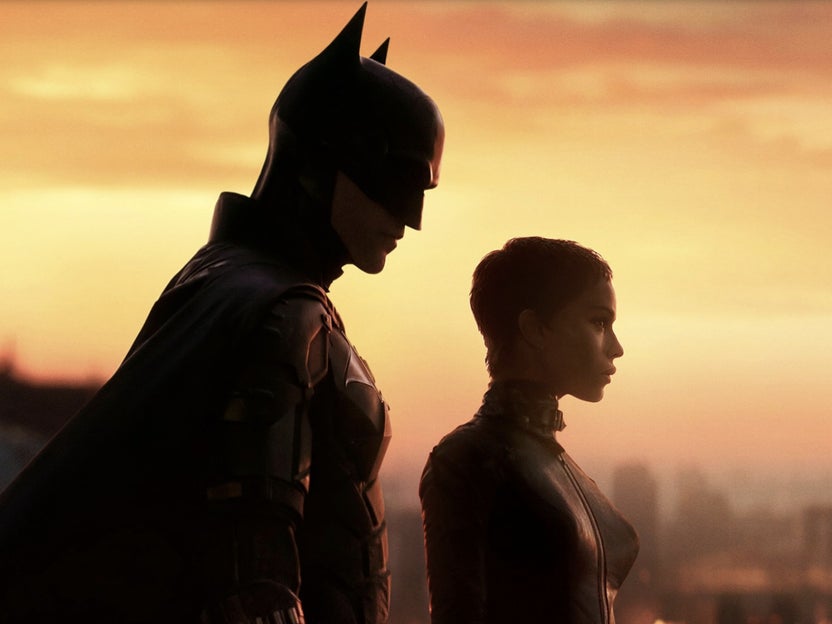
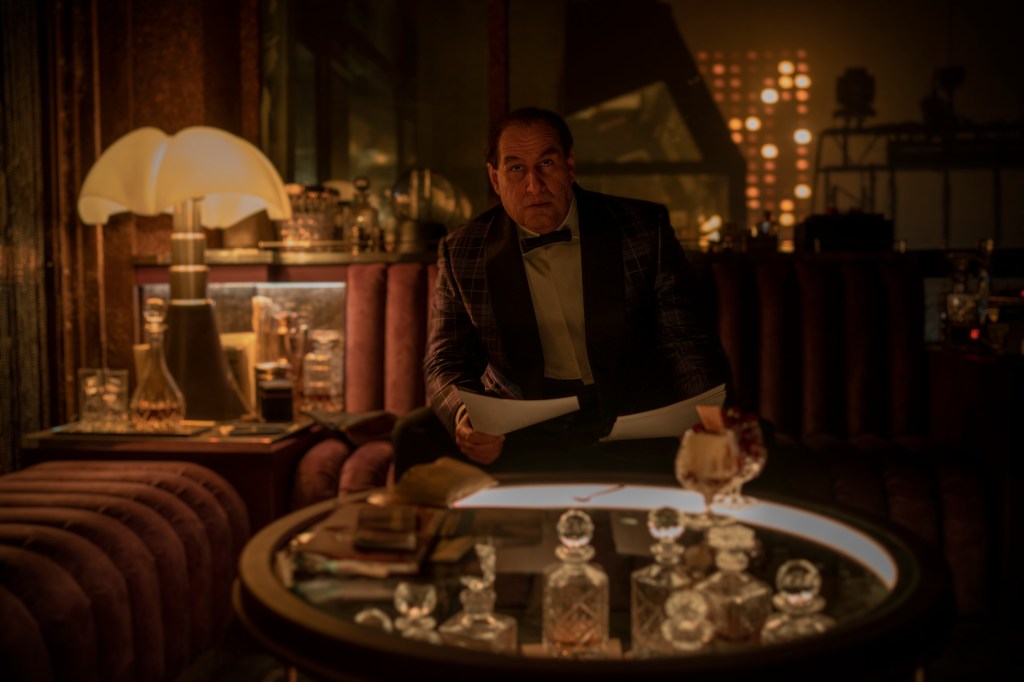
The Batman

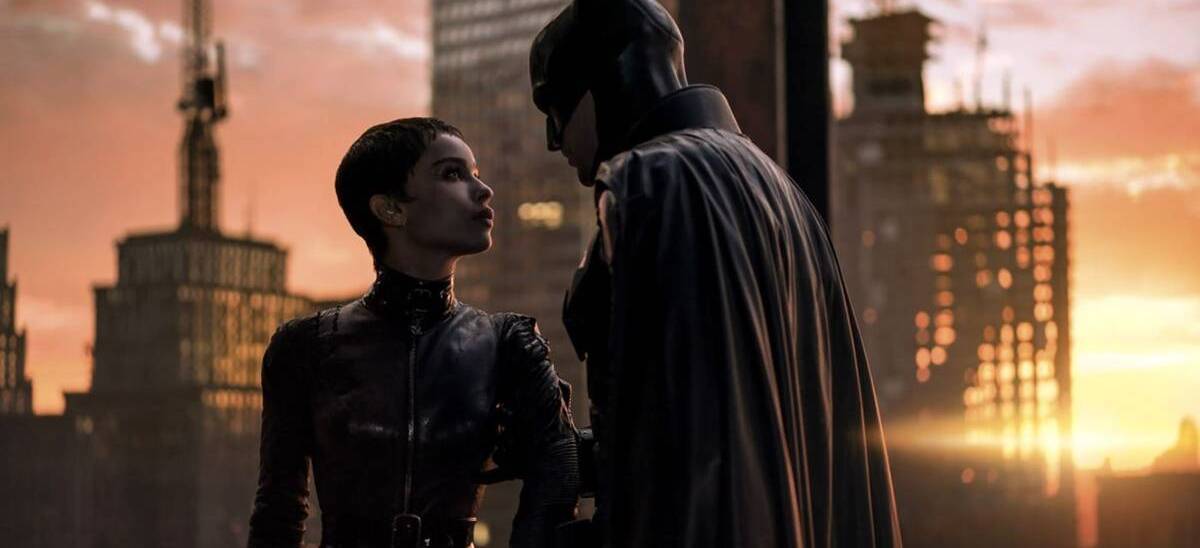
DC’s nocturnal crusader is getting another reboot, this time with indie darling Robert Pattinson under the hero’s mask and the proficient Matt Reeves calling the shots behind the camera. From the numerous stills and trailers that have been doing the rounds, it appears that Reeves’ interpretation borrows heavily from Christopher Nolan’s Dark Knight trilogy (2005-2012), and Tim Burton’s Batman (1989) and Batman Returns (1992) but with just enough unique elements to set it apart. -Tom.

Australian release March 3rd nationwide.

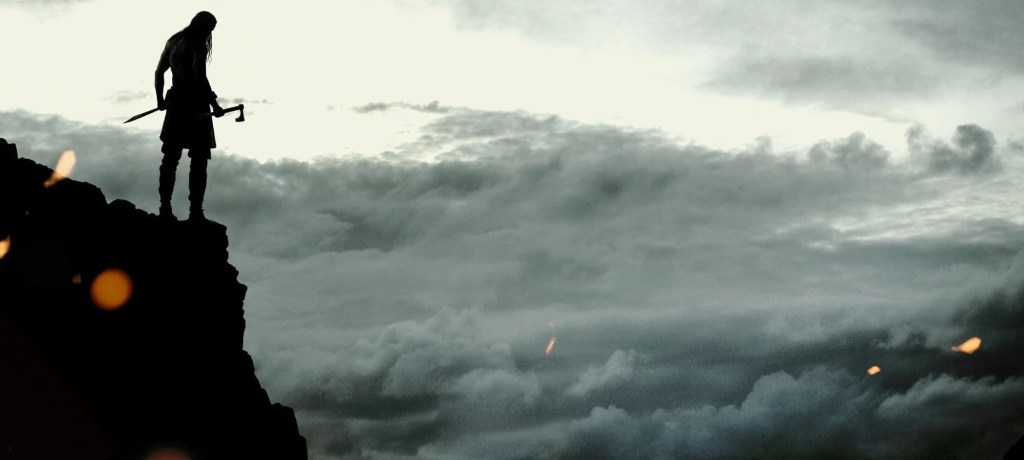
The Northman

Easily my most anticipated film of 2022, Robert Eggars returns with a Viking epic with an extraordinary cast that boasts Alexander Skarsgard, Willem Dafoe, Ethan Hawke, Anya Taylor-Joy, Nicole Kidman, Claes Bang, and Björk. It feels like a miracle that a studio has given Eggars a $60m budget to bring a stacked cast to Iceland to recreate an adult drama centred on a 10th Century viking legend, something I hope we all don’t take for granted. -Darcy.

Australian release April 21st in select theatres.

The Unbearable Weight of Massive Talent

I’ve always been excited for any and all Nicolas Cage films that have been released over the years. Whether that be the mesmerising Mandy (2018) and Pig (2021) or even the more underwhelming Primal (2019) and Rage (2014), my excitement and enjoyment of these films has always been the same when I see the name Nicolas Cage associated with them. When news that Cage would play a fictionalised version of himself first surfaced earlier last year, I was instantly excited. It’s now early 2022 and my excitement has yet to dwindle; in fact, it’s just growing as each day passes. The Unbearable Weight of Massive Talent is quite possibly my most anticipated film of the year, if not for the man at its helm, then definitely for that title alone. If you’re a Cage fan like me, this will be a film you can’t miss. -Arnel.

Australian release April 21st in select theatres.

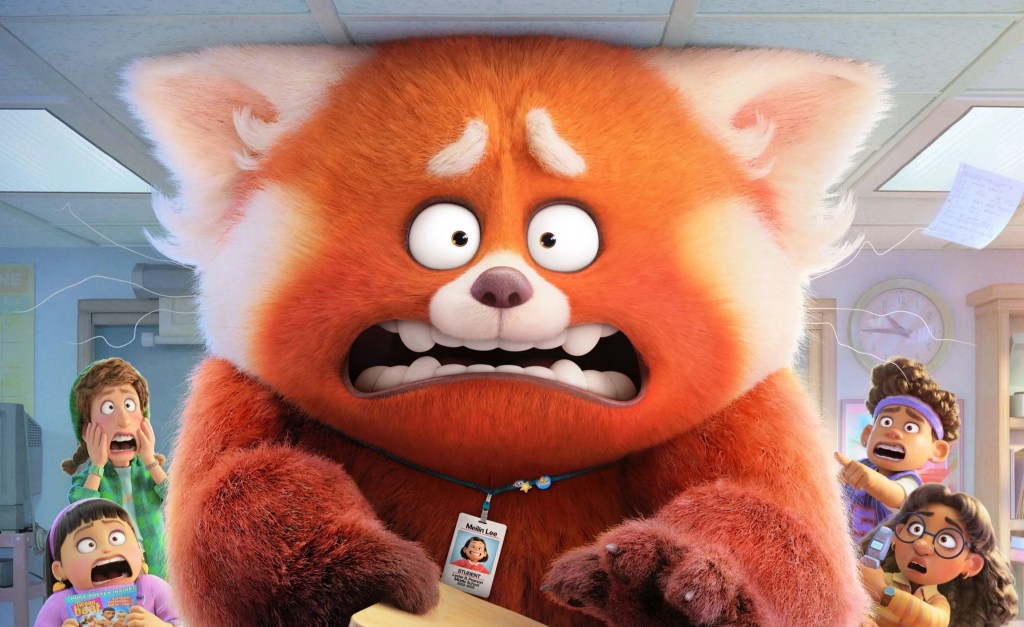
Turning Red

Pixar’s 25th feature-length picture is a safe bet for being one of 2022’s best, owing to the animation firm’s past successes and the input of Academy Award-winner Domee Shi, who helmed the outstanding short film Bao (2018). Expect a humorous, tear-jerking tale about adolescence, family and acceptance, paired with a superb voice-cast and detailed visuals. -Tom.

Streaming March 11th worldwide on Disney+.

Petite Maman

Originally planned for MIFF ’21, Celine Sciamma’s follow-up to her masterpiece Portrait of a Lady on Fire (2019) finally reaches Australian audiences. Petite Maman (2021) follows Nelly (Joséphine Sanz), a child who has recently lost her grandmother and is helping clean out her mother’s childhood home. Sciamma earned herself a patron for life with her previous feature so you will no doubt see me at the first possible screening of this film. -Darcy.

Australian release May 5th in select theatres.

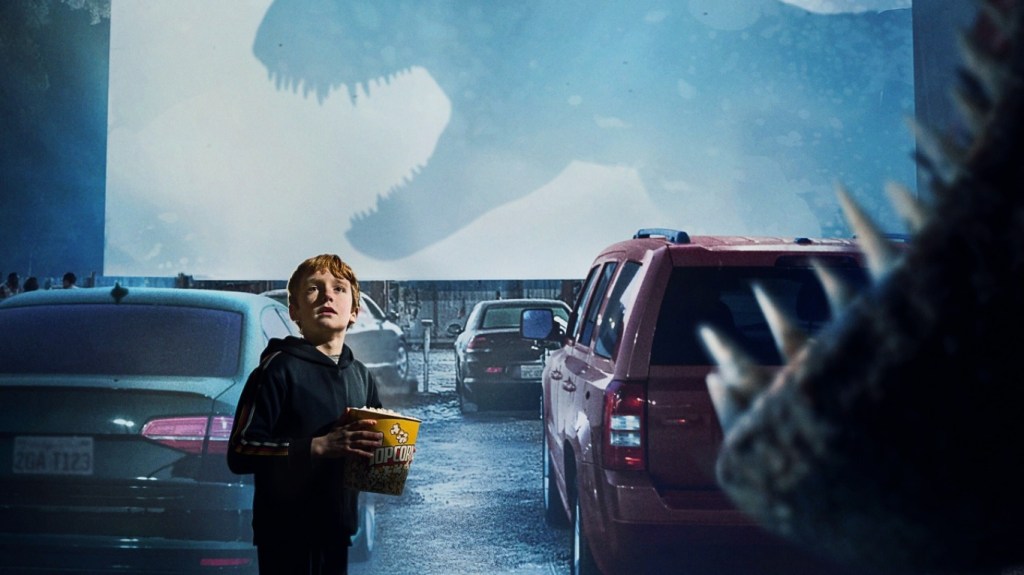
Jurassic World: Dominion

The latest Jurassic series of films have been…underwhelming to say the least. It’s both surprising and unsurprising given that any follow up to a Steven Spielberg film (let alone two Spielberg films) is bound to be a mammoth feat, but technology in cinema is at the point where a T-Rex on-screen looks like something found and shot in a David Attenborough documentary. That said, I grew up wanting to be a paleontologist and my love for Spielberg’s two Jurassic Park films (and even the less iconic third film in that trilogy) has carried over into the latest Jurassic World films, and that sentiment is at a high this time around. The reason for that is we’re getting the legendary trio of Sam Neill, Laura Dern, and Jeff Goldblum all reprising their roles and sharing the screen together. If that doesn’t get your nostalgia going this year, I don’t know what will. -Arnel.

Australian release June 9th nationwide.

Top Gun: Maverick

Hoping to cash in on the recent trend of belated blockbuster sequels, Maverick will be arriving in theatres 36 years after its divisive originator – some love the kitschy Eighties attributes of Top Gun (1986), while others believe it borders on parody. The practical stunt-work and immersive visuals are being touted as the selling-point, and will undoubtedly look striking on a big-screen, even if the plot proves to be a dud element. Between this and the seventh Mission: Impossible instalment, audiences should get no shortage of Tom Cruise-infused thrills. -Tom.

Australian release May 26th nationwide.

Nope

Daniel Kaluuya and Jordan Peele reunite for a new horror film in 2022, featuring Steven Yeun and Keke Palmer. We have no additional information about the film, and Peele’s more recent projects like The Candyman (2021) and The Twilight Zone (2019) haven’t been very successful, but Get Out (2017) was such a miracle of a film debut that every subsequent film of his remains a must-see. -Darcy.
Australian release TBC; U.S. release July 22nd.

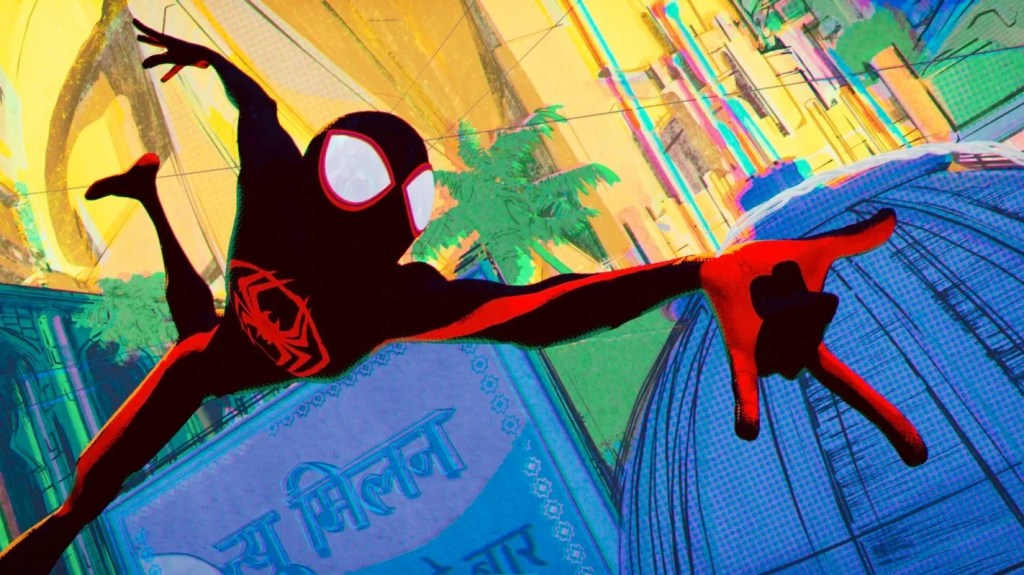
Spider-Man: Across the Spider-Verse (Part One)

The first sequel to the Oscar winning animation Spider-Man: Into the Spider-Verse (2018), Across the Spider-Verse (Part One) has climbed up the ranks of my most anticipated films list for multiple reasons. The first being that one of the films screenwriters, Chris Miller, shared news recently that due to the film having multiple dimensions, each dimension will have its own unique artstyle in a bid to provide even more ingenuity to an ingenious first entry. The second reason is that more stars will be joining in the Spidey fun with Hailee Steinfeld and Oscar Isaac both involved as well as a new trio of directors with Joaquim Dos Santos, Kemp Powers and Justin Thompson taking the reigns. What’s certain is that Across the Spider-Verse will no doubt push the animation medium to new heights and will be a must-see for fans of the original and of Spider-Man. -Arnel.

Australian release TBC; U.S. release October 7th.

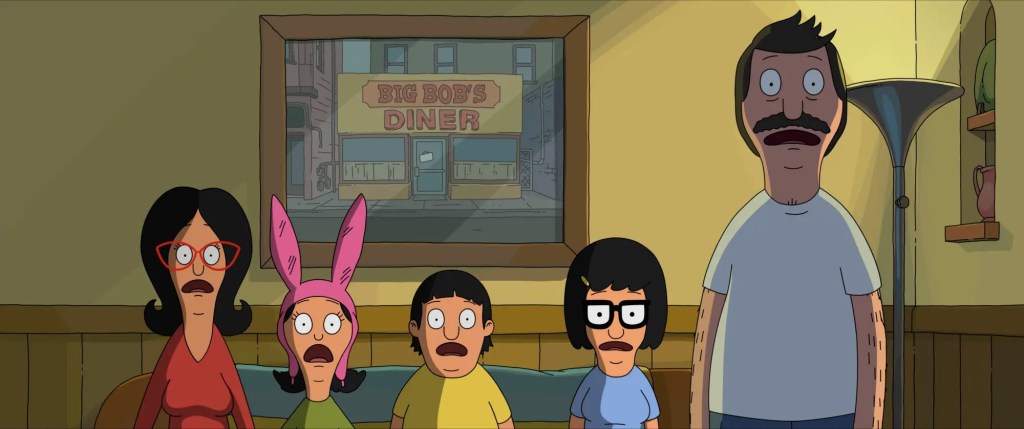
The Bob’s Burgers Movie

With a fervent, unabashed fanbase to satiate, the expectations placed on Loren Bouchard’s animated feature are greater than just about any other releasing in 2022, not least because it shares the same art-style, voice-cast and writing team as the situation-comedy on which it’s based. Those not familiar with the shenanigans of Bob and co. haven’t been forgotten, with Bouchard promising that the picture has been made with newcomers in mind, too. Either way, consider this author hyped! -Tom.

Australian release TBC; U.S. release May 27th.

The Son

After the success of Florian Zeller’s The Father (2020), all eyes are on the playwright’s follow-up, an adaptation of his equally revered play The Son. Expect an equally compelling family drama here, with a knockout cast including Hugh Jackman, Vanessa Kirby, Laura Dern, and the returning legend Anthony Hopkins. -Darcy.

Australian release TBD; expected to arrive late 2022.

Avatar 2

It feels like it’s been an eternity since Avatar (2009) was released — the record-breaking blockbuster and highest-grossing movie of all time (in case you live under a rock). To be exact, it’s been almost 13 years since the blue folk of Pandora graced our screens and reignited people’s interest in the 3D format, with multiple films going on to to be shown in 3D in the years thereafter (the Transformers films, the Avengers films etc.). We’re now in 2022 and we’re finally getting the first of James Cameron’s many sequels to Avatar, with Avatar 2 hitting screens at the end of this year (if all goes to plan). For some reason, my curiosity for this film is at a high, if not for the fact that we haven’t had a James Cameron film for 13 years, then definitely for the fact that Cameron is a master at making tentpole blockbusters and getting audiences into cinemas. With a large ensemble comprised of Zoe Saldana, Sam Worthington, Kate Winslet, Sigourney Weaver and more, expectations will no doubt be high for this long awaited sequel and I’m riding the wave of hype all the way through to December. -Arnel.

Australian release December 16th nationwide.

Resurrections is An Ineffectual Matrix Retread

Rating: 2 out of 5.

Reintroducing a franchise to cinemas is always a tricky prospect, but most have found appeal by taking the best attributes of their older films and refining them for a contemporary audience. To be a long-term success though, a series revival needs to be innovative, to offer its viewers something fresh – a criterion this science-fiction reboot fails to meet.

Decades after the liberation of Zion, a group of humans analysing The Matrix witness code belonging to Neo (Keanu Reeves), who was thought to have sacrificed himself during said liberation. This same group of humans enters The Matrix in hope of locating Neo, only to happen across an event eerily similar to Neo’s origin story, and a rogue Agent (Yahya Abdul-Mateen II) wanting answers to his strange visions.

As it happens, Neo is residing elsewhere in The Matrix, having reverted to his old alter-ego of Thomas Anderson and become an accomplished video-game designer. He has presently been tasked with designing a sequel to his best-selling trilogy of games, a project which is causing him undue stress, leaving him miserable, and triggering memories of his past life – including those spent with his lost love, Trinity (Carrie-Anne Moss).

It’s hard not to draw comparisons between Neo’s situation and that of Lana Wachowski, who is returning to the Matrix franchise (sans her sister Lilly) after an 18-year absence. Those comparisons are made most obvious in the dialogue, which provides unsubtle critiques of the discourse surrounding the original trilogy and even disparages fans by rubbishing their theories. Not to be outdone, Lana even throws shade at her corporate overlords, directly mocking them and their insistence on rebooting the series.

Of course, subtlety has never been the modus operandi of the Wachowskis – even in The Matrix (1999), their most celebrated production, the screenplay is quite overt with the religious symbolism and literary allegories, leaving no doubt as to what the film is trying to convey. This philosophy is found in another Wachowski trademark, featured rather prominently in The Matrix Resurrections (2021): lengthy, convoluted monologues that force-feed exposition to the audience and explain everything that is happening, or has happened, in intricate detail.

Yahya Abdul-Mateen II as a Morpheus-adjacent character in The Matrix Resurrections

The unwelcome Wachowski motifs don’t end there, as Resurrections also demonstrates an over-reliance on computer-generated imagery. The visuals here appear to be inspired by George Lucas’ later works, with the machines and environments of Zion particularly lacking in character and detail, with little attempt made to hide their digital origins. For a franchise that’s frequently hailed for its forward-thinking use of CGI, scenes like these are most baffling and embarrassing to witness.

In Matrix films past, these irritants would be offset by the action, incorporating slow-motion, large-scale destruction and an impeccable sense of style to craft a thrilling, inimitable set of fight sequences. Such action is present in Resurrections too, yet it lacks the jaw-dropping, mind-blowing spectacle of scenes like the foyer shootout from the first picture, or the highway chase from The Matrix Reloaded (2003), instead being a succession of bland moments that are indistinguishable from those any other blockbuster released in the past two decades.

Thankfully, there are a couple of improvements over the previous Matrix films, one being the characterisation of the protagonists, who are at their most human here. Resurrections adds a depth, fragility and tenderness to its heroes that was otherwise lacking in the first three instalments, ensuring the viewer’s sympathies in the picture’s more emotional moments and allowing for a more satisfying resolution than The Matrix Revolutions (2003). If only these qualities could be retroactively applied to the original trilogy.

A film with the lineage of The Matrix Resurrections should be a ground-breaking triumph of special effects, grandiose stunt-work and insightful commentary; in its place is a mediocre blockbuster that fails to build upon the legacy of its originator and does not amaze on any level. Still, it’s no more disappointing than the third movie.

The Matrix Resurrections is screening in cinemas nationwide from December 26th.

Afterlife Keeps the Ghostbusters Spirit Alive

Rating: 3.5 out of 5.

Nearly four decades have passed since Canadian director Ivan Reitman first brought a story about middle-aged men hunting ghosts to the big screen, becoming a runaway hit and spawning a franchise in the process. Now his son, Jason has been handed the reins to the series, and produced a movie that ought to make his father, and fans, proud.

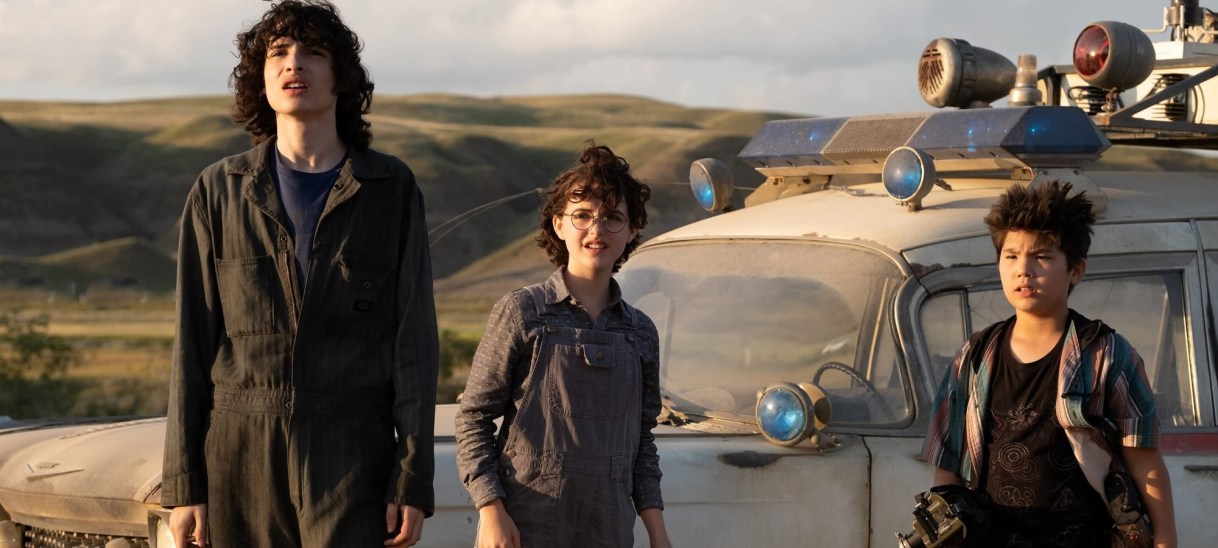
Science prodigy Phoebe (Mckenna Grace), her teenage brother Trevor (Finn Wolfhard) and their mother Callie (Carrie Coon) are a family in arrears, forcing a move to the rural outpost of Summerville – an old mining town made interesting only by the unexplained earthquakes that occur daily. There, on the locale’s outskirts, the three will be living in a dilapidated farmhouse inherited from Callie’s deceased father, home to a yard of rusted cars, strange electronic devices, and a spectral presence with an apparent connection to Phoebe.

There’s a great burden borne by Ghostbusters: Afterlife (2021), a film which serves as a direct sequel to one of the funniest and most-revered blockbusters of the Eighties. The original Ghostbusters (1984) brought together three of the then-biggest names in comedy – Bill Murray, Dan Ackroyd, and Harold Ramis – to produce a film that was equal parts humorous, heartfelt and scary, whilst also being accessible to younger viewers. That’s a huge legacy to live up to, and yet, it’s one that Afterlife comes surprisingly close to matching.

Chief to the appeal of Afterlife is its cast, with every player being a welcome presence. Of all the actors, it’s Mckenna Grace who impresses most, showing great assuredness and sweetness in the role of Phoebe; as the protagonist with the most screen-time, she gets to prove herself quite often. Grace is aided in her performance by fellow youngster Logan Kim as “Podcast”, Phoebe’s Summerville classmate, who constantly demonstrates a level of quick-wittedness and energy beyond his years.

There are plenty of other familiar faces to be seen in Afterlife, most notably the ever-likeable Paul Rudd as Mr Grooberson, a science teacher at Summerville’s public school. But unfortunately, most of these thespians are seen only fleetingly, and aren’t given the opportunity to flaunt the full scope of their abilities – examples include character actor Tracy Letts, given just one scene as the owner-operator of a local hardware store; and Bokeem Woodbine, who barely incites an emotion as Summerville’s sheriff.

Mr Grooberson (Paul Rudd) alongside Callie (Carrie Coon) in Ghostbusters: Afterlife

The wasting of certain actors is not the only shortcoming present in Afterlife. Among the others are the pacing, fluctuating between too quick and not quick enough; a screenplay attuned to fan service, containing scenes and gags made solely to appease those who adore the original picture; and the humour, which is lacklustre when compared to the film’s quip-laden 1984 namesake – but then again, most comedies are these days. And, to be truly honest, there are some pretty decent laughs within the script.

A propensity for jokes is just one of the many connections Afterlife shares with its originator. Aside from the plentiful references, such connections include Rob Simonsen’s soundtrack, which takes its cues from Elmer Bernstein’s work; a perfectly-balanced tone that walks the middle-ground between scary and sentimental; and an impressive utilisation of visual effects, with lifelike models and puppetry favoured over digital technology where practical. As a result, the film is very much in-keeping with the spirit of its Eighties predecessor – and by extension, its 1989 sequel.

Happily though, Afterlife is no mere imitation of the pictures which have come before it, doing just as much to craft a legacy of its own. The visual effects, for instance, make clever use motion-capture technology and computer-generated imagery in certain scenes, ingenuity which is bound to inform other franchises with their inevitable remakes and reboots; and then there’s the slight variation in tone which some viewers may deem schmaltzy, but other will find most endearing.

Carried by a bright young cast and a generous helping of nostalgia, Ghostbusters: Afterlife is a wholesome picture with all the qualities expected of a modern blockbuster. Although skewed toward those with an investment in the original two films, Jason Reitman’s sequel remains accessible to newcomers, who are sure to find resonance in its touching story.

Ghostbusters: Afterlife will be screening in Australian cinemas from New Year’s Day.

No Way Home Hits All The Right Nostalgic Notes

Rating: 4.5 out of 5.

Ambitious crossovers have become the forte of the Marvel Cinematic Universe, to the point where grand encounters between its heroes are nowadays a given. The latest MCU venture is one that fulfils those expectations, and immediately surpasses them, drawing inspiration from some rather unlikely sources to produce a truly amazing, spectacular blockbuster that enriches the legacy of its namesake.

Following his defeat of an Avengers-level threat in Europe, Peter Parker (Tom Holland) has been publicly identified as the alter-ego of Spider-Man, and is now being persecuted for his vigilantism. He’s not the only person facing judgement, since friends Ned (Jacob Batalon) and M.J. (Zendaya) and even his Aunt May (Marisa Tomei) are being hounded by the authorities and the populace for merely being associated with the web-slinger.

Hoping to rectify the situations of those he holds most dear, Peter ventures across New York City and approaches fellow superhero Stephen Strange (Benedict Cumberbatch) who is versed in the mystic arts. Doctor Strange offers his help by conjuring a spell that will ensure the entire world forgets Spider-Man’s secret identity; but after being botched by Peter’s constant interruptions, Strange’s magic instead unleashes a peril far greater than either hero could ever imagine.

The full ramifications of this wayward conjuration deserve not to be spoiled, suffice to say that it brings to the fore a concept that has long been gestating within Kevin Feige’s MCU: the Multiverse. The notion that every reality is connected to a series of parallel dimensions was initially floated by Scott Derrickson’s Doctor Strange (2016), teased in Spider-Man: Far From Home (2019) and eventually confirmed as canon in the Disney+ series Loki (2021), before being effectively applied to the animated series What If…? (2021).

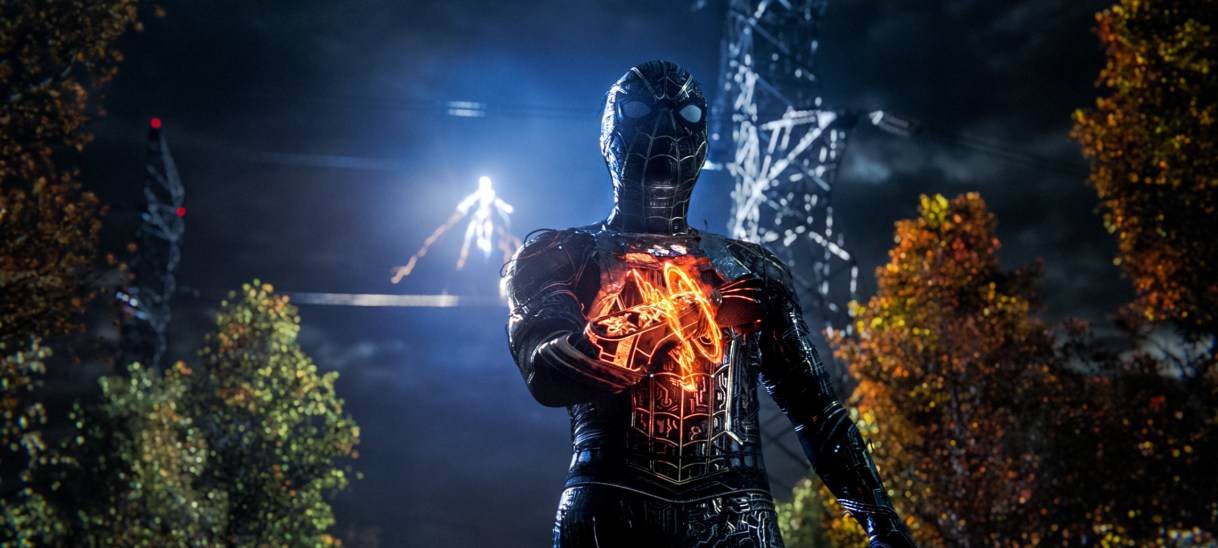
Peter Parker (Tom Holland) with Doctor Strange (Benedict Cumberbatch) in Spider-Man: No Way Home

There are, of course, other Marvel-branded projects that have utilised a multiverse-spanning narrative, most notably the feature-length animation Spider-Man: Into the Spider-Verse (2018). With said film being a critical and commercial success, there would be every temptation for this live-action production to emulate its greatest strengths, and in some instances it does – there’s certainly an influence in the self-referential humour. But the latest Spider-Man flick is certainly no facsimile of its animated counterpart, since it owes more to its live-action forebears.

In truth, the films that best inform Spider-Man: No Way Home (2021) are those of Sam Raimi’s Spider-Man trilogy (2002-2007), and not just for… the obvious. Raimi’s movies – yes, even the maligned third chapter – triumphed by instilling heart into the conflict, humanising the antagonists with their personal struggles and adding tender, delicate moments that kept the narrative grounded. Similar, if not identical, attributes are present in No Way Home, which keeps an eye on the finer details and constantly looks for the good in others, no matter what their failings are.

This heartfelt tone is not the only quality present in the screenplay, for there are plenty more smarts contained within. Most impressive is how coherent and easy to follow the narrative is, succinctly establishing the conflict and deftly balancing a multitude of characters who each have their own arcs, all of which is done without No Way Home spiralling into an incongruent, slapdash mess. Additionally, the script has a fair amount of emotional heft, with one or two scenes being among the most poignant this franchise has ever produced.

Part of the reason why these moments hit so hard is because of the performances, with just about every actor providing a phenomenal turn. Undoubtedly, the thespians who leave the greatest impression are those who play the villains from alternate universes, their portrayals being an adroit balance between cheesy and sinister, while not forgetting to convey the tenderness in their characters. What’s more, everybody in the cast has fantastic chemistry with one-another, despite most having not shared the screen previously.

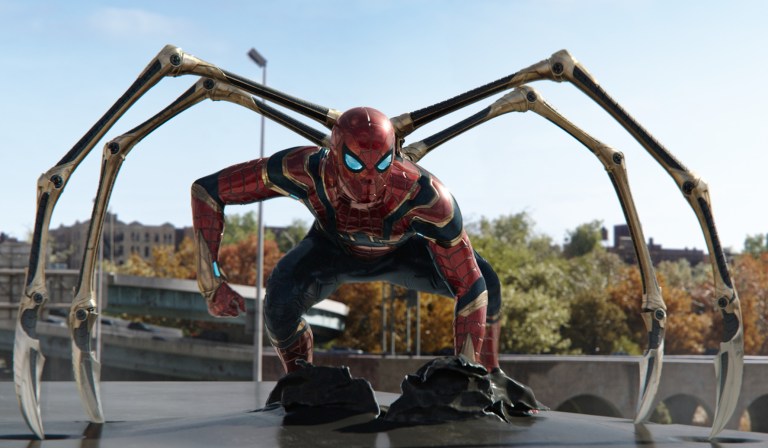
The Iron Spider suit, as seen in Spider-Man: No Way Home

All of these traits pleasingly help to distinguish No Way Home from the many other Marvel blockbusters; but even so, this is still a picture tied firmly to the MCU, sharing various components with the two prior Spider-Man films to ensure that the look, tone and sound of this chapter is in keeping with what audiences are accustomed to, whilst also paying homage to its earlier precursors – for instance, the orchestral score of returnee Michael Giacchino incorporates elements of Danny Elfman’s work in the Raimi trilogy, as well as James Horner’s compositions for The Amazing Spider-Man (2012).

Although No Way Home is unquestionably a very pleasing affair, it’s not a faultless one. The most pressing of these faults is the film’s pacing – during the first two acts, the story flows briskly yet smoothly, before slowing right down as it heads into the third act and loosing steam altogether by the epilogue. Of further annoyance is the lengthy conversations had between characters in this final act which not only contribute to the slowness, but also ensure that it feels needlessly bloated.

There are other quibbles to be had with No Way Home, including the humour, which is funnier than Far From Home yet never reaches the comedic heights of Spider-Man: Homecoming (2017) or Into the Spider-Verse. And while the plot can be followed without having to revisit every previous Spider-Man film, its numerous revelations and throwbacks aren’t going to be as satisfying nor as rewarding for uninitiated viewers. But these are only minor problems when compared to the issues of pace, and even they aren’t enough to spoil enjoyment of the picture.

Spider-Man: No Way Home is a euphoric celebration of Marvel’s web-slinging superhero, one that cheekily yet adoringly pays homage to the films that came before it. With a humanist screenplay that deftly balances multiple characters, and an all-star cast at the peak of their talents, this blockbuster represents another fantastic entry in the MCU, and an utter treat for Spider-Man fans of any generation.

Spider-Man: No Way Home is currently screening in cinemas nationwide.

Eternals is a Rare Misfire for Marvel Studios

Rating: 2 out of 5.

Despite what its very vocal critics say, the Marvel Cinematic Universe has never been afraid to deviate from the norm, frequently toying with its formula to deliver creative and outlandish pictures. More often than not, these risks have paid off handsomely; here though, is a rare example where the deviations don’t work to the material’s advantage.

Several millennia ago, the Celestials – omnipotent forces responsible for the creation of all life within the universe – placed on Earth a group of immortal, superpowered beings known as Eternals, and tasked them with defending humanity from outside forces that impeded their evolution. Said beings are presently living peaceful lives and have not needed to intervene in human affairs for centuries; but after a worldwide tremor, and the re-emergence of an old enemy, they feel compelled to embrace their former roles and defend the planet once more.

Directed by Oscar-winner Chloé Zhao, Eternals (2021) is so distinct from its Marvel stablemates that it barely qualifies as a superhero movie, being closer in spirit to a meditation on living purposefully. Throughout the narrative, the protagonists constantly reiterate their vow to not interfere with the evolution of humanity, philosophising whether this stance has resulted in further woes, if they should have done more to ease the world’s suffering, and the consequences of contributing too greatly to the human race’s development.

Other discussions in the film lean more towards the existential, as the ageless characters ponder whether a meaningful existence among mortals is even possible. It’s a struggle best exemplified by Sprite (Lia McHugh), an Eternal who resembles a teenage girl, and as such cannot enjoy all the pleasures that her adult-looking counterparts can; meanwhile, the “older” Eternals struggle to maintain relationships and livelihoods, such as Sersi (Gemma Chan) who cannot commit to her human boyfriend, Dane (Kit Harrington) despite their obvious love for each other.

To place so many philosophical musings in a Marvel flick is a peculiar direction to take, but Eternals is by no means the first in this Universe to do so – that honour belongs to Scott Derrickson’s Doctor Strange (2016) which drew interest by, among other things, pondering the futility of existence. That’s pretty much where the similarities end though, because where the Sorcerer Supreme’s film balances its existentialism with hypnotic imagery, inventive action sequences and shades of humour, Eternals offers nothing of the sort, resulting in a less exciting, less riveting blockbuster.

From left: Kingo (Kumail Nanjiani), Sprite (Lia McHugh), Sersi (Gemma Chan), Ikarus (Richard Madden), Thena (Angelina Jolie) and Gilgamesh (Don Lee) in Eternals

Zhao’s picture isn’t just weak when compared to Doctor Strange; it’s the weakest instalment in the MCU to date, lacking any of the spectacular elements associated with its forebears. There are no large-scale battles like those in the Avengers movies, nor the tense, close-quarters combat witnessed in the likes of Captain America: The Winter Soldier (2014) or, more recently, Black Widow (2021); it does not possess a jaunty pop-rock soundtrack á la Guardians of the Galaxy (2014), and certainly doesn’t share the rich comedic stylings of Spider-Man: Homecoming (2017) or Thor: Ragnarok (also 2017).

This insipidness is reinforced by the elongated, gratuitous run-time of two-and-a-half hours – courtesy of the slow pacing – that solidifies Eternals as the second-longest picture in the franchise, behind only Avengers: Endgame (2019). Because of the film’s leisurely flow, there’s no sense of urgency to keep the viewer invested; nor is there a feeling of peril, even when situations are at their most dire. And on top of that, the narrative lacks any rousing, uplifting or showstopping moments, resulting in a tone that is way too sombre for a Marvel-stamped property.

In any other MCU entry, these problems would be alleviated by the efforts of the performers; yet here, not even a cast brimming with Hollywood’s most talented, charismatic actors can improve proceedings. This includes players such as Richard Madden, Barry Keoghan, Salma Hayek, Angelina Jolie, the funny Kumail Nanjiani and the eminently loveable Brian Tyree Henry, all of whom lack the magnetism they usually instil into their roles, and are never given the opportunity to demonstrate just how capable they are. In other words, they’ve all been wasted.  

Mercifully, the experience is not all bad, having been made somewhat bearable by the reasonably stunning visuals, at least by Marvel’s standards. Zhao made a point of prioritising on-location shoots for Eternals, rather than the usual sets and green-screens, and her decision has proven a good one, for the sun-bathed locales – superbly photographed by frequent Marvel contributor Ben Davis – provide a level of beauty hitherto unwitnessed in a superhero movie. Given the large budgets and healthy returns of Marvel’s output, one has to wonder why more of their releases can’t utilise similar techniques too.

Yet despite this splendour, and the nuanced discussions it also possesses, nothing can escape the fact that Eternals is the most tedious, least inspiring entry in the Marvel Cinematic Universe to date. The action is underwhelming, the cast under-utilised, and the narrative unsatisfying, drawbacks that are certain to test the most devoted of Marvel fans.

Eternals is currently screening in cinemas nationwide.

Daniel Craig Gets a Semi-Rousing Farewell in No Time to Die

Rating: 3.5 out of 5.

The release of a new James Bond film is always greeted with keen anticipation; on this occasion though, the mood is more solemn, since the latest instalment also heralds the end of Daniel Craig’s tenure as the gentleman spy. While it’s undoubtedly one of the better chapters in the long-running series, when viewed as a tribute to its much-loved star, the picture proves less appeasing.

The British intelligence agency known as MI6 has been compromised, yet again, after an experimental weapon is stolen from one of their top-secret research facilities in London. Its theft has huge ramifications for global security, not just because of the potential harm it can inflict on humanity, but also due to its secrecy, with only a select few individuals being aware of the weapon’s existence – not even Britain’s Prime Minister has been informed of its development.

In years gone by, MI6 would have called upon the services of James Bond (Daniel Craig) to rectify affairs like this; but the secret agent is now long-retired from the organisation, living off-grid and isolated in Jamaica with no desire of returning to duty. That is, until Bond is greeted by his CIA counterpart and friend, Felix Leiter (Jeffrey Wright) who informs him of the raid’s connection to SPECTRE, the criminal syndicate believed to have been thwarted five years earlier.

No Time to Die (2021) marks the 25th entry in Eon Productions’ James Bond film franchise, the release of which has been a long time coming. Initially set for a global debut in late 2019, delays in development and production saw that date pushed to March 2020, only for you-know-what to see the picture delayed again until September of this year. Australians have had to wait longer still to see the feature, with lockdowns in their two most-populous cities resulting in a six-week delay for the theatrical release.

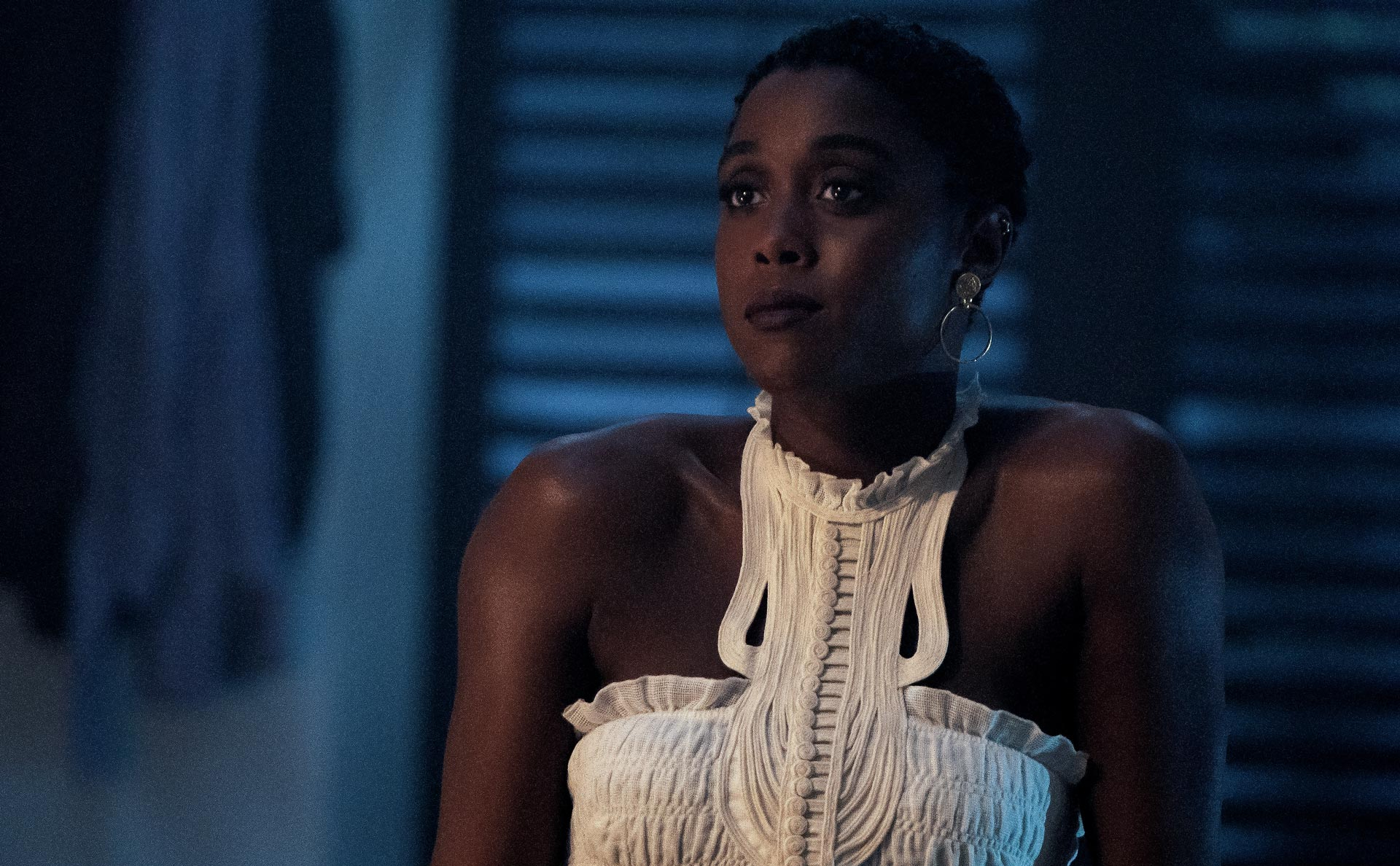
MI6 agent Nomi (Lashana Lynch) makes her debut in No Time to Die

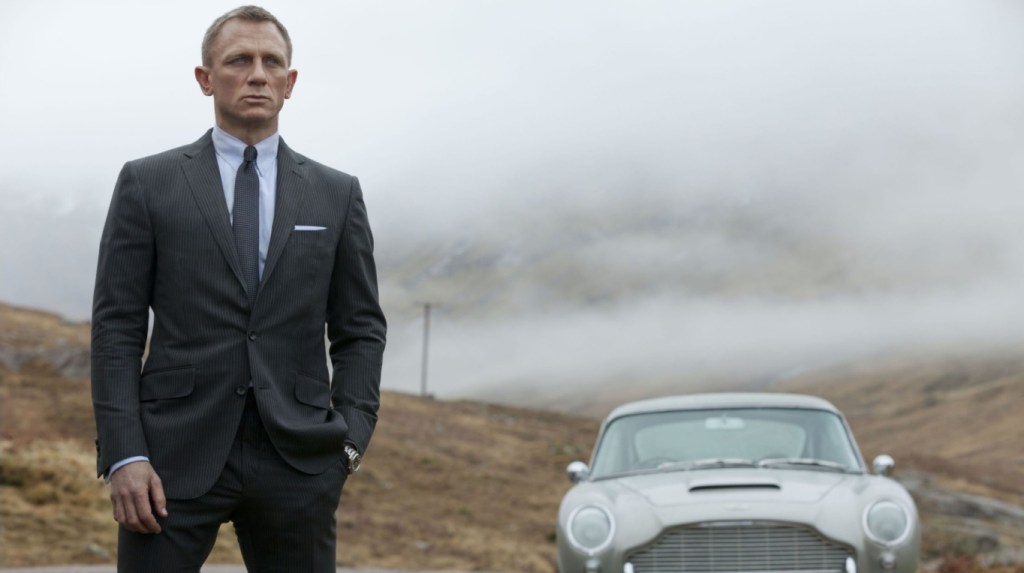
Those who have been eagerly awaiting Bond’s newest adventure will be pleased to know that No Time to Die has plenty of exciting action sequences, possibly the best of any Bond film. Among these sequences are some ferocious close-quarters encounters with impeccable choreography; intense gun fights between parties that have an unnerving realism; and two sublime car chases – the first through an Italian village in Bond’s iconic Aston Martin DB5, the second an off-road argy-bargy in a decidedly unexotic Toyota Prado.

Long-time fans of the franchise will be equally thrilled by the constant allusions to the previous Bond flicks, including the aforesaid DB5, as well as Timothy Dalton’s V8 Vantage from The Living Daylights (1987), and the occasional musical reference to On Her Majesty’s Secret Service (1969). Yet undoubtedly, the most recognisable trademark is Bond’s dry humour, here crafted with the input of another personality known for their sardonic wit: Phoebe Waller-Bridge, who is credited as one of No Time to Die’s four screenwriters.

Waller-Bridge’s comedic influence can also be found in the two “Bond girls” making their franchise debut. One is the cool, assured Nomi (Lashana Lynch), an MI6 operative and Bond’s replacement; the other is the giddy, yet resourceful Paloma (Ana de Armas) who is contracted to the CIA. The latter is a particular highlight – despite being seen only briefly, Paloma adds a vast amount of liveliness to proceedings with her unique, quirky personality, certifying herself as a protagonist who deserves a larger role in a future Bond instalment.

Although these many qualities help distinguish the 25th film from its precursors, No Time to Die is not one to deviate from the established formula, being closest in spirit to the previous chapter, Spectre (2015). This association is most evident in the lethargic pacing, flowing at a patience-testing speed that ensures the blockbuster seems every bit as long as its advertised 163-minute length would suggest. Still, both pictures remain an improvement on Quantum of Solace (2008) and its rapid-fire editing.

Another of Bond’s allies, Paloma (Ana de Armas) as she appears in No Time to Die

There is a greater problem with No Time to Die, and that’s its chief antagonist, Lyutsifer Safin (Rami Malek). In addition to possessing a convoluted plan and opaque motivations, Safin is an uncompelling character, lacking the intriguing backstory, maniacal personality and ruthless mentality of Bond villains past, with a slight facial disfigurement and soft French accent being his only distinguishable traits. Malek himself does nothing to help matters, his performance being bland, remote, and failing to convey even the slightest hint of emotion.

And on the subject of emotion, it’s worth noting that No Time to Die isn’t quite the heartfelt send-off that it’s trying so hard to be. There are numerous stirring moments within the story, yet very few of these moments feel earned, and have seemingly been put forward solely to get a cheap reaction out of the audience. What’s more, because this screenplay forms part of a serialised, five-part narrative, the emotional scenes will only find resonance with viewers who’ve seen Craig’s previous outings as 007.

25 films and very nearly six decades into its existence, the James Bond franchise is one that continues to delight and surprise, with No Time to Die profiting from superbly choreographed action sequences, welcome nods to the character’s past and the contributions of Phoebe Waller-Bridge. This may not be the satisfying denouement that Daniel Craig deserves, but it’s a fitting one nevertheless.

No Time to Die will be screening in cinemas from this Thursday, November 11th.

Ranking the James Bond Series

Long before superhero franchises came to proliferate theatres, there was just one man guaranteed to be a box-office drawcard: Bond. James Bond. His handsome looks, sophisticated wardrobe and suave tongue have allured filmgoers for decades, despite his notoriety as a heavy-drinker and misogynist, with his popularity enduring to this day. And next week, he’ll be returning to the limelight once more when his newest picture, No Time to Die (2021), finally debuts in Australian cinemas.

For the benefit of the uninitiated, Bond – who is also referred to by his codename, 007 (pronounced “double-oh-seven”) – is a spy who works as part of the British government’s secret intelligence service, nowadays referred to as MI6. His character originated in a series of wildly-popular novels penned by Ian Fleming and published at the height of Cold War-paranoia, before making his first big-screen appearance in the 1962 adaptation of Dr. No.

More movies starring the secret agent would follow in the years after, with the premise, tone, style and cast occasionally adjusted to suit the tastes of audiences, with varying degrees of success. Like many others, the team at Rating Frames has been revisiting these pictures, and can now offer to you their definitive ranking of the James Bond film franchise, listed below from worst to best.

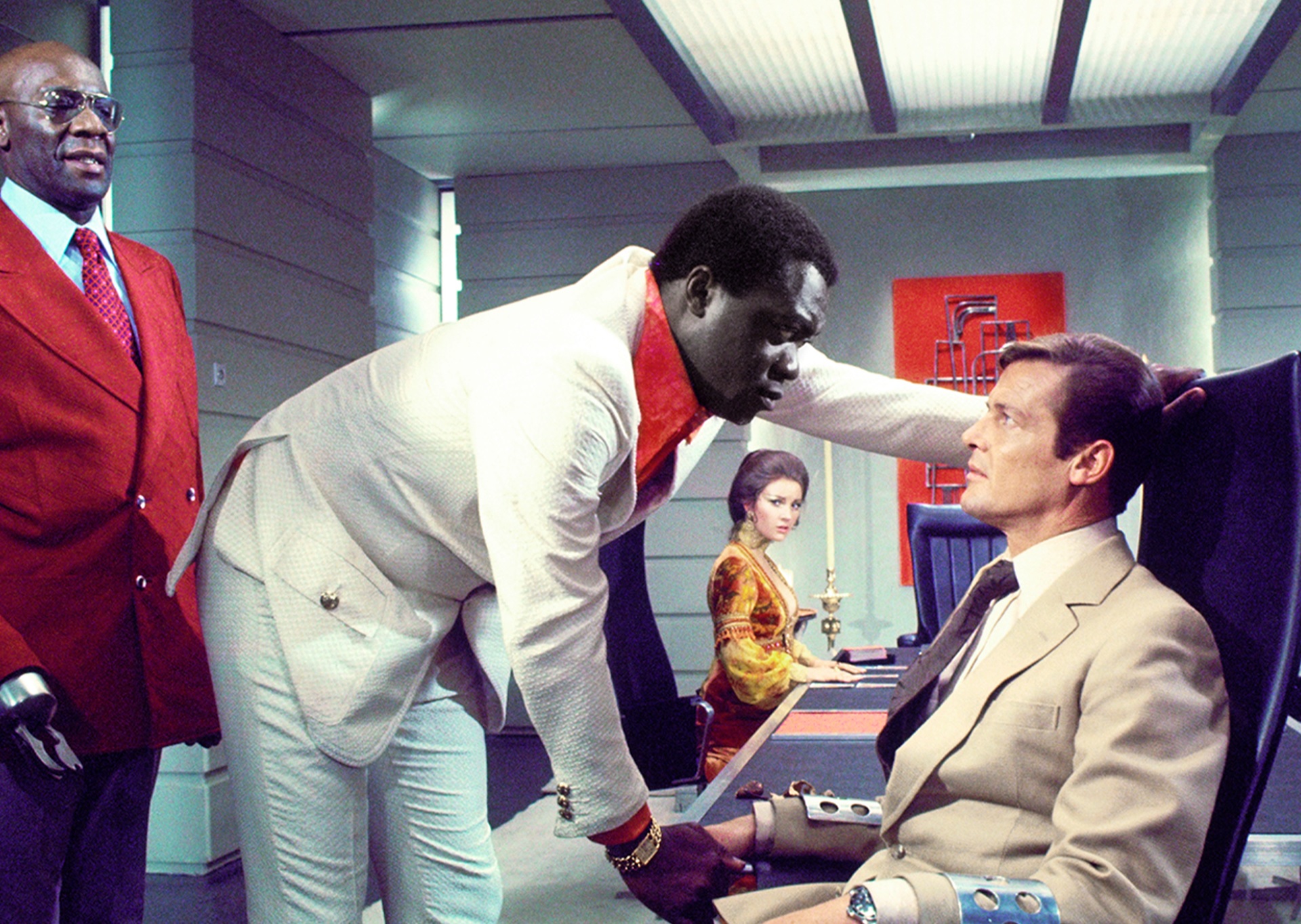
24. Live and Let Die (1973)

Roger Moore’s debut as 007 is by far and away the most embarrassing entry in the character’s history, filled with painfully unfunny one-liners, far-fetched stunts and plenty more illogical moments. A decent boat chase on the Louisiana Bayou is the only element that saves it from being unwatchable.

23. The World is Not Enough (1999)

“Monotonous” is the word that best describes this Pierce Brosnan-led bore, doing nothing to innovate the genre, nor the franchise. It’s long, slow, bland, and made even more frustrating by the presence of Denise Richards, the most unnatural and ineffectual “Bond Girl” to ever grace the screen.

22. Quantum of Solace (2008)

A misguided affair that takes a few too many cues from the Bourne movies and not enough from its predecessor, which also starred Daniel Craig. The pacing is too fast, camerawork too shaky, narrative lightweight, and Mathieu Amalric’s villain feeble at best.

21. Octopussy (1983)

This one is the most light-hearted of all the films, bordering on parody – especially during the third act; yet it’s not without its charms, with some good chase sequences, decent fights and tension involving a nuclear bomb. Certainly not a stinker, but nor is it Moore’s finest hour.

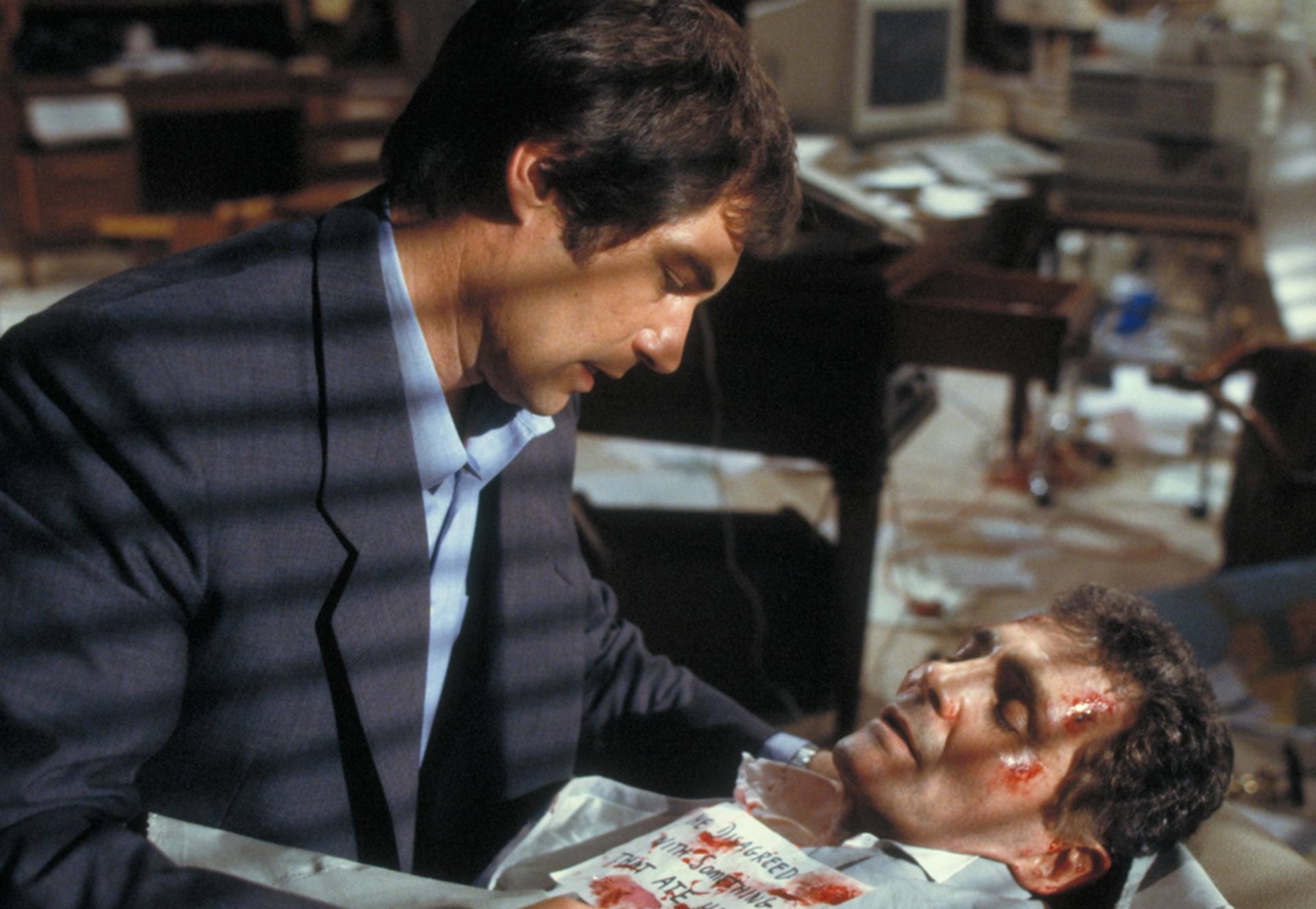
20. Licence to Kill (1989)

007 goes rogue in Timothy Dalton’s second and last picture as the secret agent, and things get very dark in the process. Quite simply, it’s too violent, too graphic and too angry for a Bond flick, its tone better suited to a Scarface knockoff.

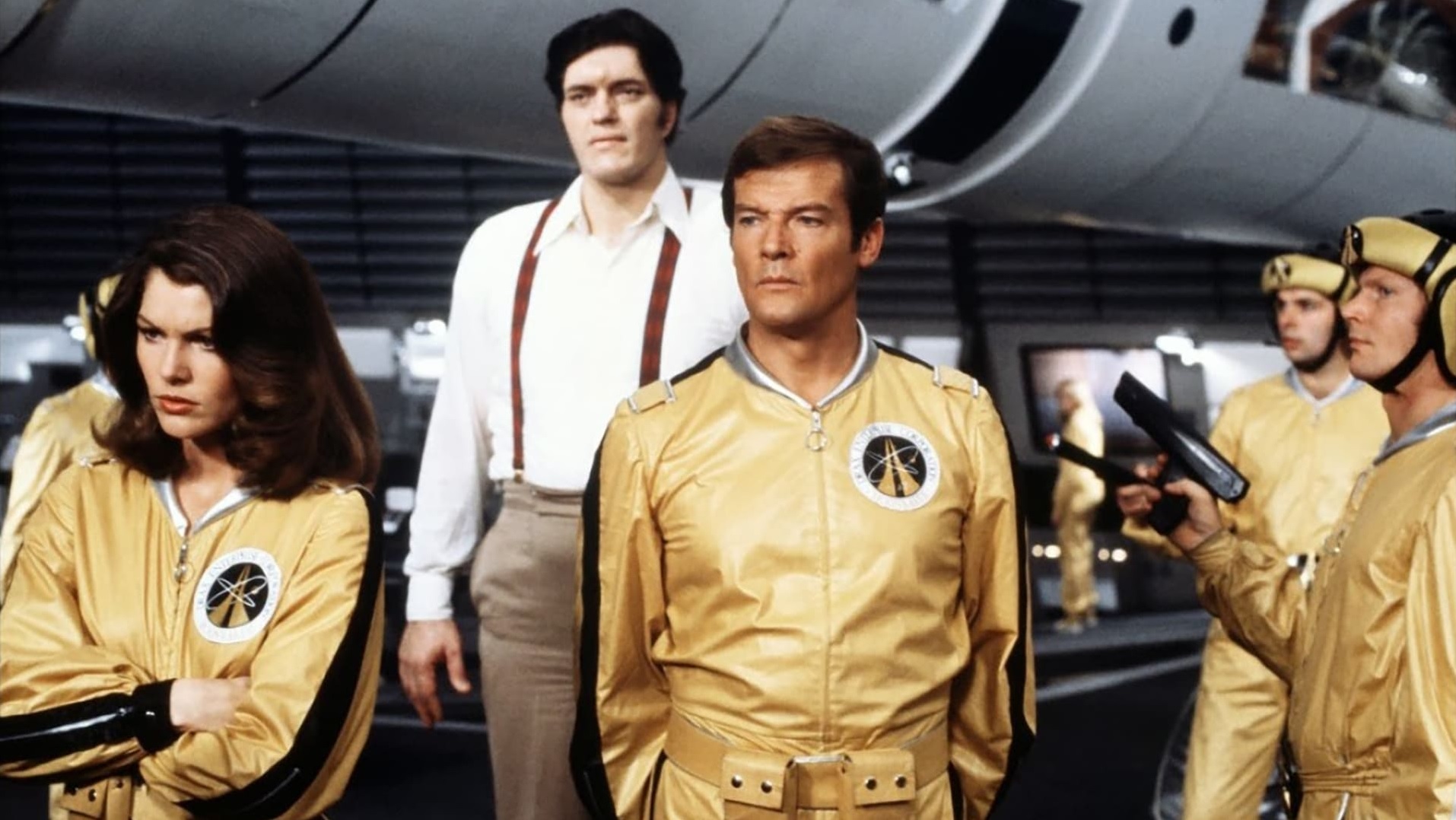
19. Moonraker (1979)

This romp saw Bond fly into outer-space in an effort to capitalise on the science-fiction craze of the late Seventies, resulting in the silliest, campiest film of Moore’s tenure – and that’s really saying something, given the quality of his other movies. With that said, the space sequences are reasonably entertaining.

18. The Man with the Golden Gun (1974)

A pretty tepid and rather forgettable affair for Moore, with the exception of its two antagonists: Sir Christopher Lee as the main foe, Francisco Scaramanga, and Hervé Villechaize as his short-statured associate, Nick Nack. That corkscrew jump is pretty cool, too.

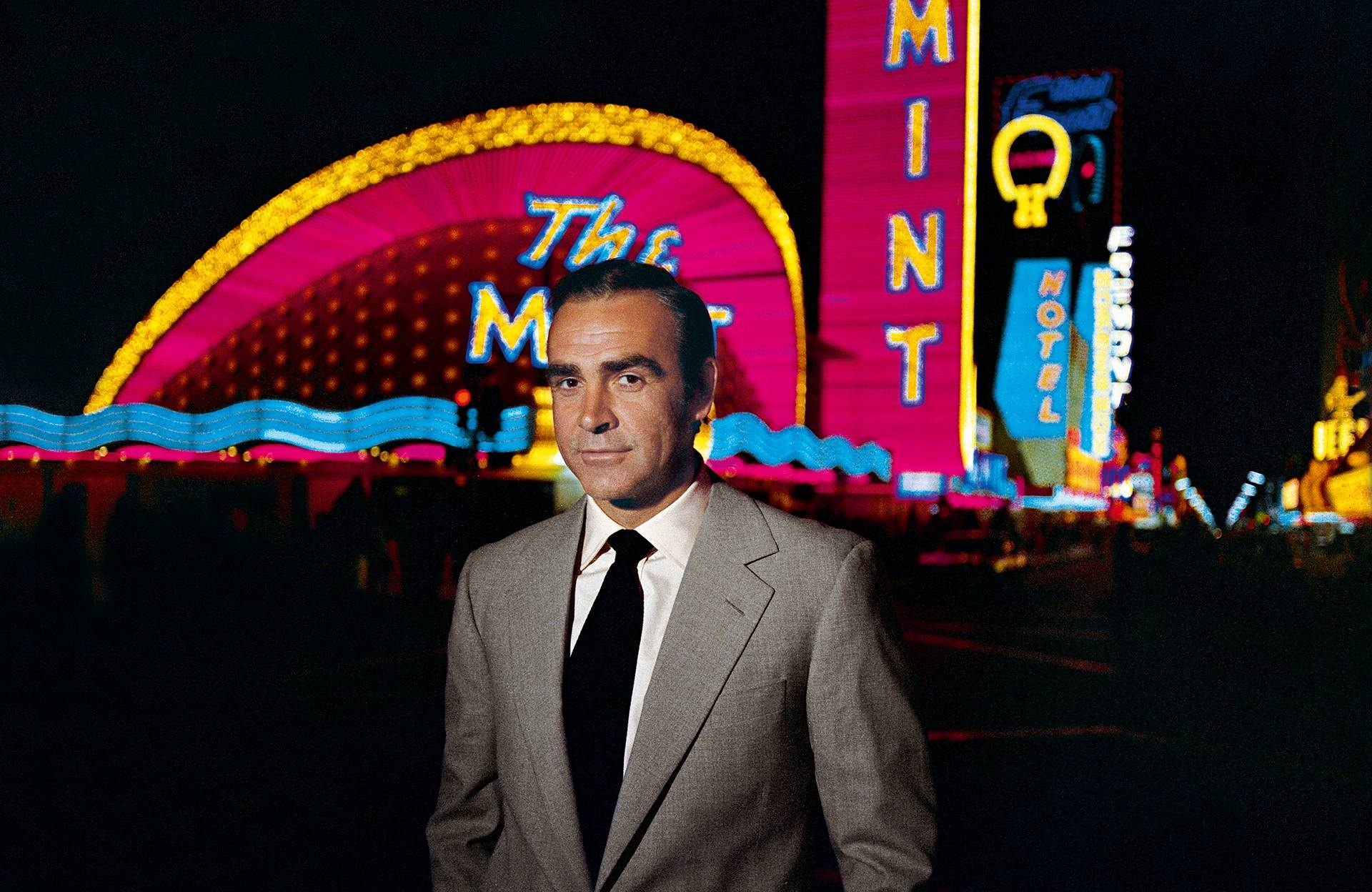
17. Diamonds Are Forever (1971)

The last official Bond film to star Sean Connery, who is virtually the only aspect that elevates proceedings. This instalment marked the franchise’s transition into camp, with bright colours and many ludicrous moments, yet is simultaneously dullened by its flat, lifeless Las Vegas setting.

16. Die Another Day (2002)

Often derided as the worst in the series, but nowhere near as bad as its reputation suggests, Brosnan’s final appearance as 007 contains a bonkers, yet fun, car chase on ice with military weaponry, and a tense climactic battle aboard a jumbo jet. Just be sure to suspend all disbelief.

15. The Spy Who Loved Me (1977)

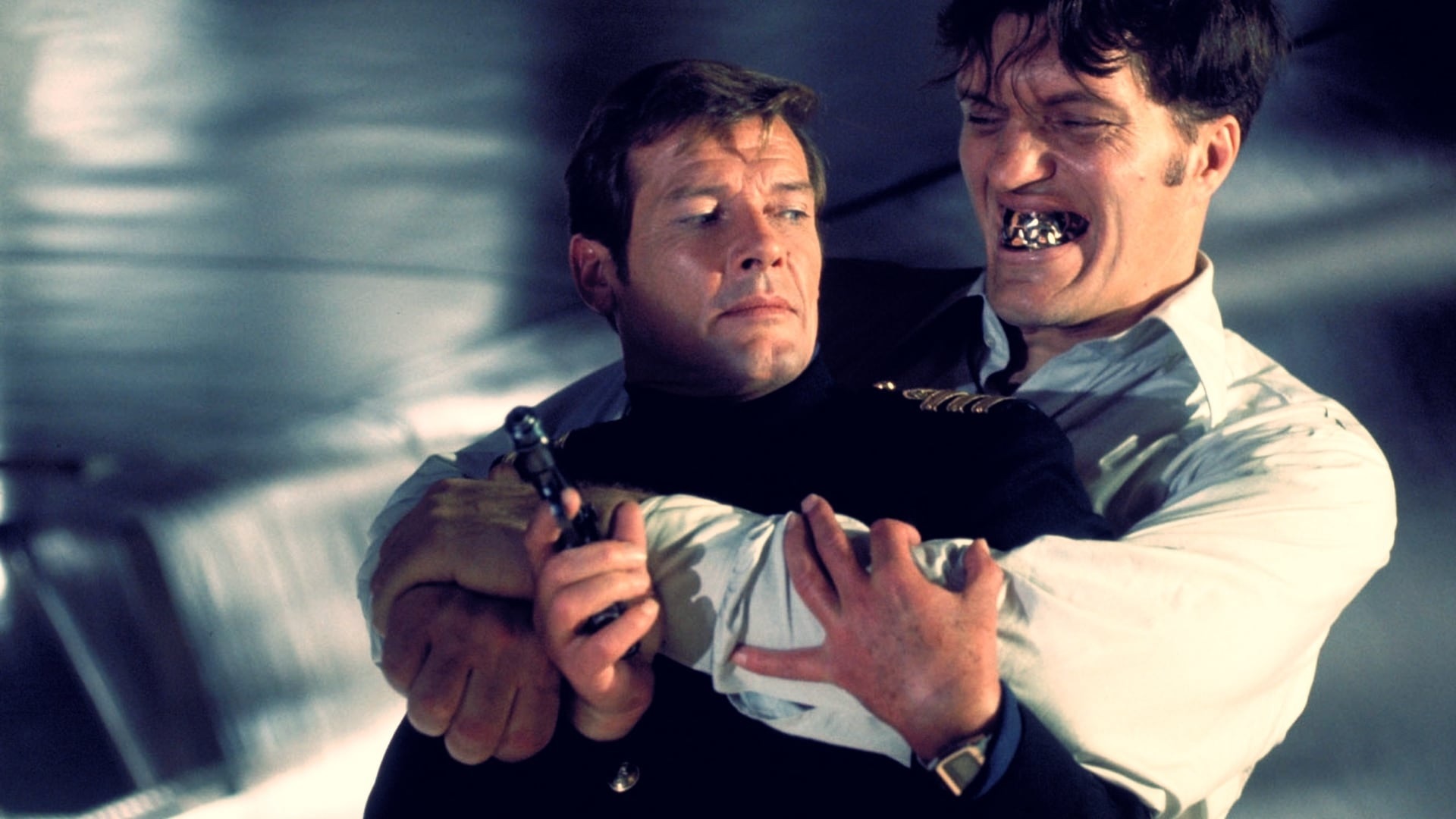
Introduced a great adversary in Jaws (Richard Kiel), and an iconic ride in Bond’s white Lotus Esprit that doubles as a submarine; beyond that though, Moore’s third movie as lead is pretty mundane, and in need of some greater thrills.

14. A View to Kill (1985)

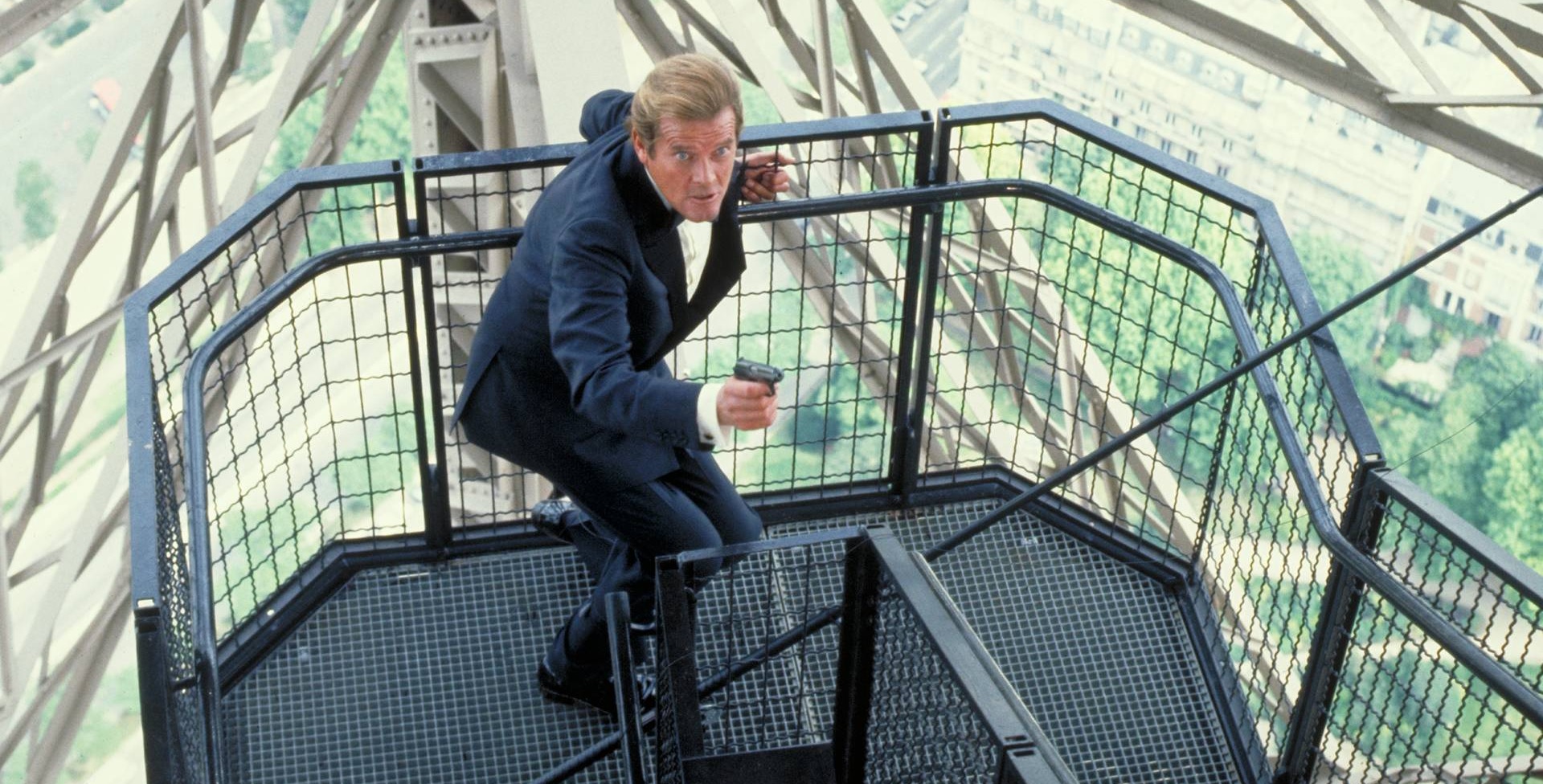
While Moore was definitely too old to be leading an action flick by this point, his swansong is good nonetheless, boasting two of the series’ best villains – Max Zorin (Christopher Walken) and May Day (Grace Jones) – and the occasional moment of high tension.  

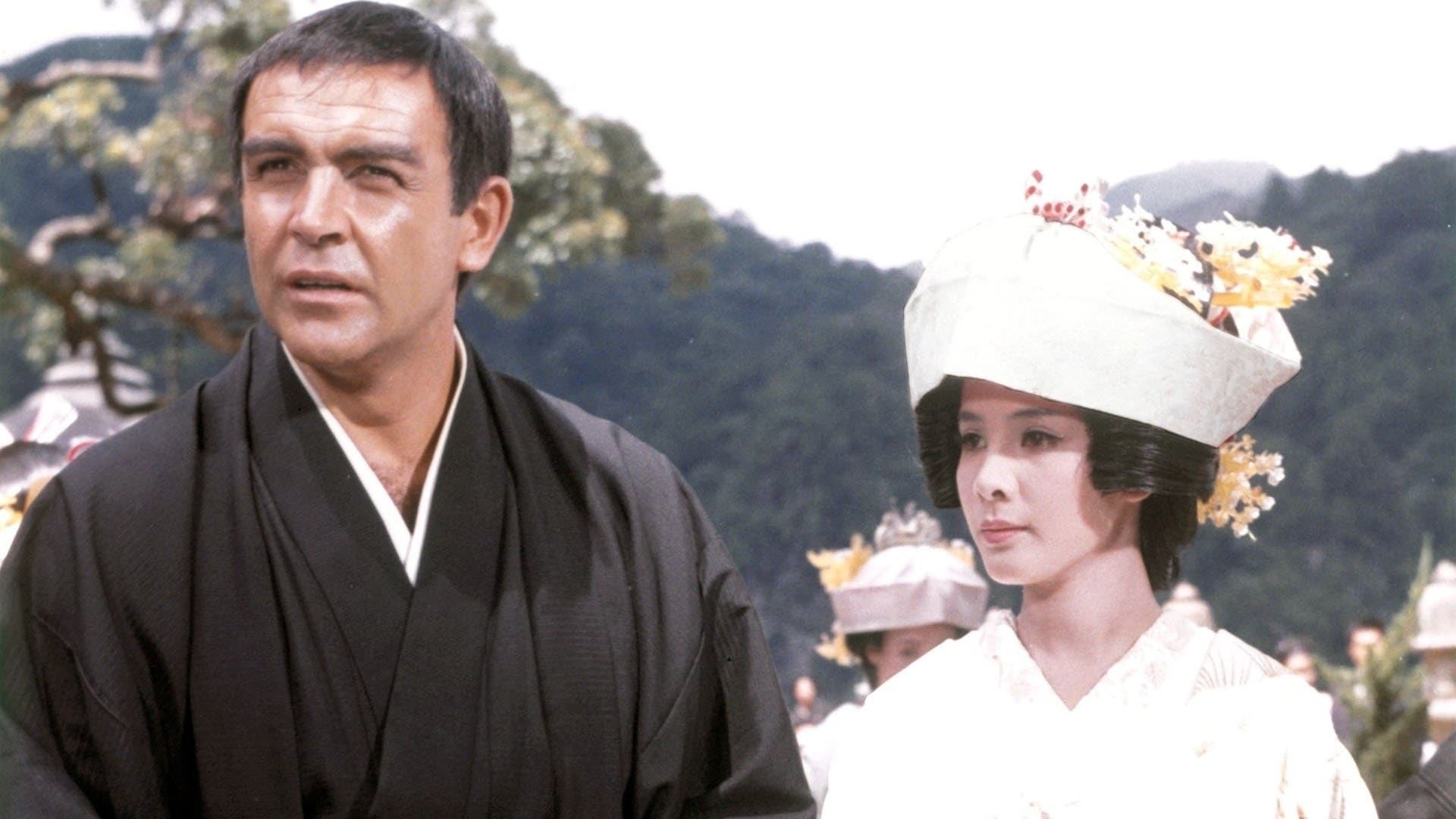
13. You Only Live Twice (1967)

Cultural appropriation of the Japanese aside, Connery’s fifth outing stands the test of time, with all the Bond trademarks present. Plus, there’s a memorable climax inside a secret lair that sees Bond’s first face-to-face encounter with his arch-nemesis: Ernst Stavro Blofeld (Donald Pleasence).

12. Dr. No (1962)

The first ever Bond film is by no means spectacular by today’s standards, yet remains one of the better instalments due to its straightforward narrative – one that’s reasonably faithful to Fleming’s original novel – and serviceable thrills. A splendid introduction to the secret agent, even if some of the effects look cheap.

11. Thunderball (1966)

Another much-loved entry from the Connery era, this one is marked by its extended underwater sequences that look exceptional; less so the editing, particularly in the third act. Probably has the driest sense of humour of any Bond script, too.

10. Tomorrow Never Dies (1997)

There’s lots to appreciate in Brosnan’s sophomore excursion as 007, including a genuinely terrifying first act, a delectable antagonist, and the presence of Michelle Yeoh, who brings with her some exciting close-quarters combat. But the pacing is too quick, and there’s a few too many corny punchlines.

9. The Living Daylights (1987)

In the first of his two appearances in the franchise, Dalton steers proceedings in a more serious direction than his precursor did, to great effect. The chase scenes and stunt-work are exemplary; the narrative involving a group of Afghan freedom fighters hasn’t aged very well, though.

8. For Your Eyes Only (1981)

The best, and least camp, picture from the Moore era, made enjoyable by the action sequences, a pretty decent twist involving the villain, and an understated sweetness that’s missing from most other instalments; yet it remains quite silly when compared to its contemporaries.

7. On Her Majesty’s Secret Service (1969)

One of the more distinctive entries in the Bond canon, owing to the snowy backdrops, romantic subplot, and George Lazenby in his first and only turn as 007. The icy driving scenes and ski chases are especially pleasing, even when paired with some unconvincing effects.

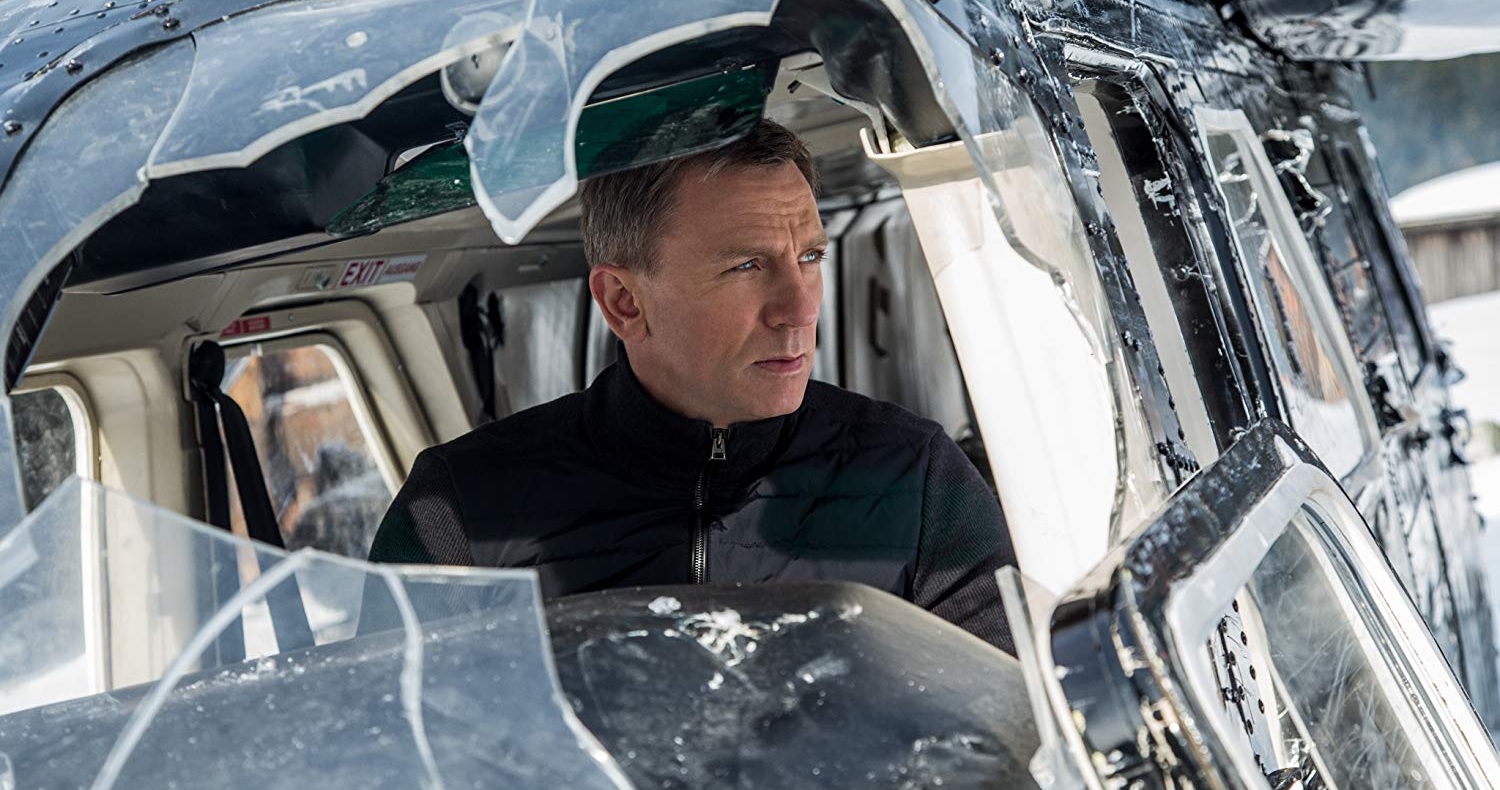
6. Spectre (2015)

Often lambasted for being too slow and too predictable, and both criticisms are valid; but the qualities of this movie cannot be denied. Caters to the franchise’s purists with its brutal fights, chase sequences and aircraft wreckages.

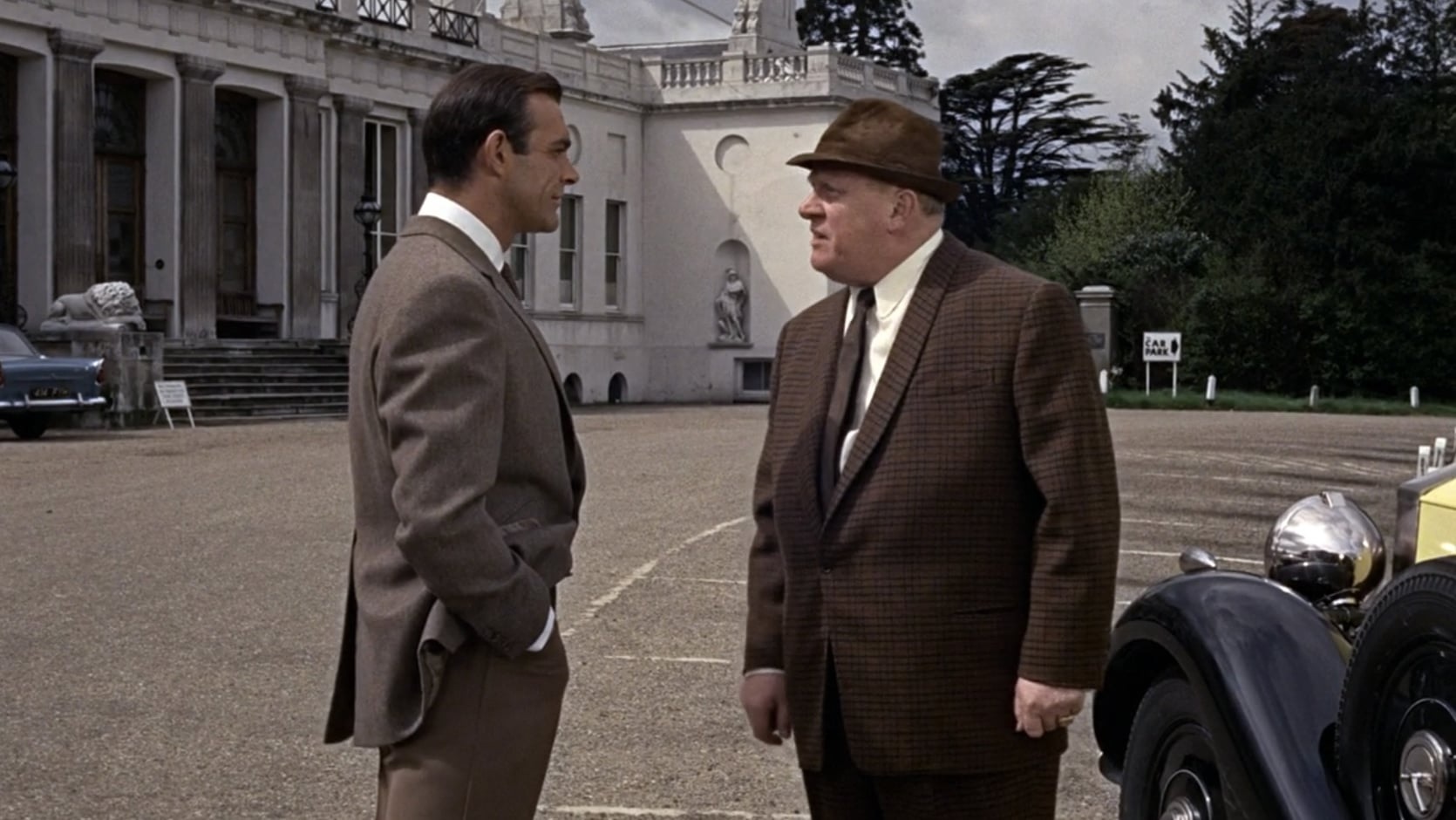
5. Goldfinger (1964)

Considered the quintessential Bond flick, and with good reason. Boasts two iconic villains in Auric Goldfinger (Gert Frobe) and Oddjob (Harold Sakata), in addition to a gadget-laden Aston Martin which has come to be synonymous with the series and the spy genre as a whole. Tacky effects and substandard editing let it down.

4. Casino Royale (2006)

Loosely inspired by Fleming’s debut novel, this is the chapter that rebooted the venerable series and introduced Craig as a cold, unflinching 007. It’s gritty, taut and occasionally brutal, factors that don’t always work to the material’s advantage; nor, for that matter, does the embarrassing product placement.

3. From Russia with Love (1963)

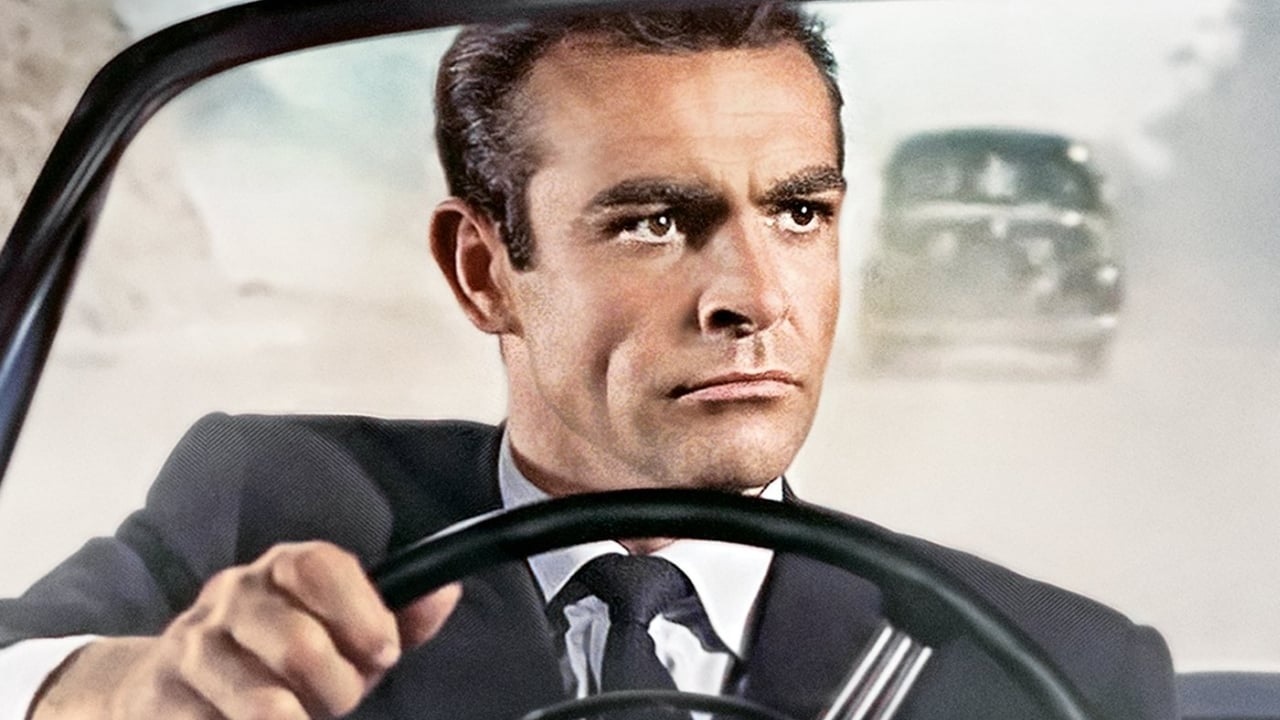
An improvement over the previous year’s Dr. No in practically every respect, courtesy of a higher budget that allowed for more action and stunts. Justly remains the feature by which all other Bond films are judged.

2. Skyfall (2012)

Deftly combines the tropes of its forebears with an intimate, grounded screenplay to create a product that pleases Bond aficionados and casual viewers alike. Quite simply, it’s one of the best blockbusters ever produced.

1. GoldenEye (1995)

Here is the genesis for the modern James Bond film, an early and brilliant demonstration of how to balance tradition with evolution, the serious with the silly. Pierce Brosnan, sublime and effortlessly comfortable in the lead role, is faced with a pair of equally formidable antagonists who can predict his every move, and the conflict that ensues is nothing short of thrilling. GoldenEye is the franchise’s finest hour, and a must-see for everybody.

East Meets West in Marvel’s Dazzling Shang-Chi

Rating: 3.5 out of 5.

Before the advent of the motion-picture, the martial arts were Asia’s greatest cultural export, imitated and appropriated by Western societies for decades. The latest film to continue this tradition comes from, of all places, the Marvel Cinematic Universe, albeit with a lot more care and consideration than is normal for a Hollywood production.

Since fleeing his homeland of China as a teenager, Shaun (Simu Liu) has led a modest life in San Francisco, keen to shun the criminal lifestyle practised by his father, Xu Wenwu (Tony Leung). The only connection he keeps to his past is a jade pendant – gifted to him by his deceased mother, Ying Li (Fala Chen) – which is worn around his neck for safekeeping; but the value of the pendant is more than sentimental, since armed mercenaries are willing to fight Shaun for it on public transport.

Though said mercenaries don’t reveal their motivations, nor their affiliations, Shaun is convinced that they are tied to Wenwu’s shady dealings, and will remain a threat to himself and others – principally his American friend, Katy (Awkwafina) with whom he shares a close bond; and his estranged sister, Xialing (Meng’er Zhang) who is thought to be living in Macau. Whatever the case, one thing is for certain: Shaun will need to confront his murky past if he wants to ensure his future.

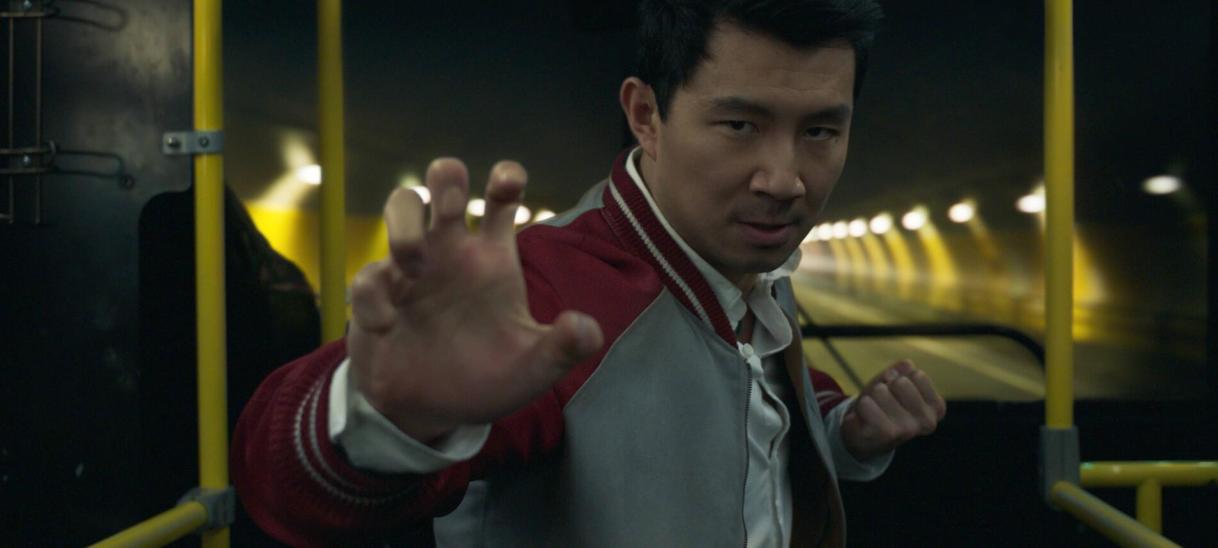
On most fronts, Shang-Chi and the Legend of the Ten Rings (2021) is rather innovative for a Marvel Studios feature, heavily drawing inspiration from the wuxia films that have long dominated Asian cinema. Kung fu is frequently incorporated into the action sequences, making for a refreshing chance from the usual superhero fisticuffs; there’s an Eastern influence in the soundtrack of Joel P. West too, with woodwind instruments and thumping drum beats heard throughout; and, more noticeably, the majority of the film’s narrative takes place in China.

The influence of Eastern movies even extends to the majority Asian cast, with Shang-Chi boasting two iconic stars of Hong Kong cinema – the aforementioned Leung, and Michelle Yeoh. While both actors provide delightful turns, it’s the lead performers who leave the greater impact, with Simu Liu looking confident and relaxed as the titular hero in his first-ever headline role; and Awkwafina constantly elevating key moments with her charisma alone. And there’s further delight still to be garnered from the supporting actors, such as comedian Ronny Chieng, and regular MCU bit-player Benedict Wong.

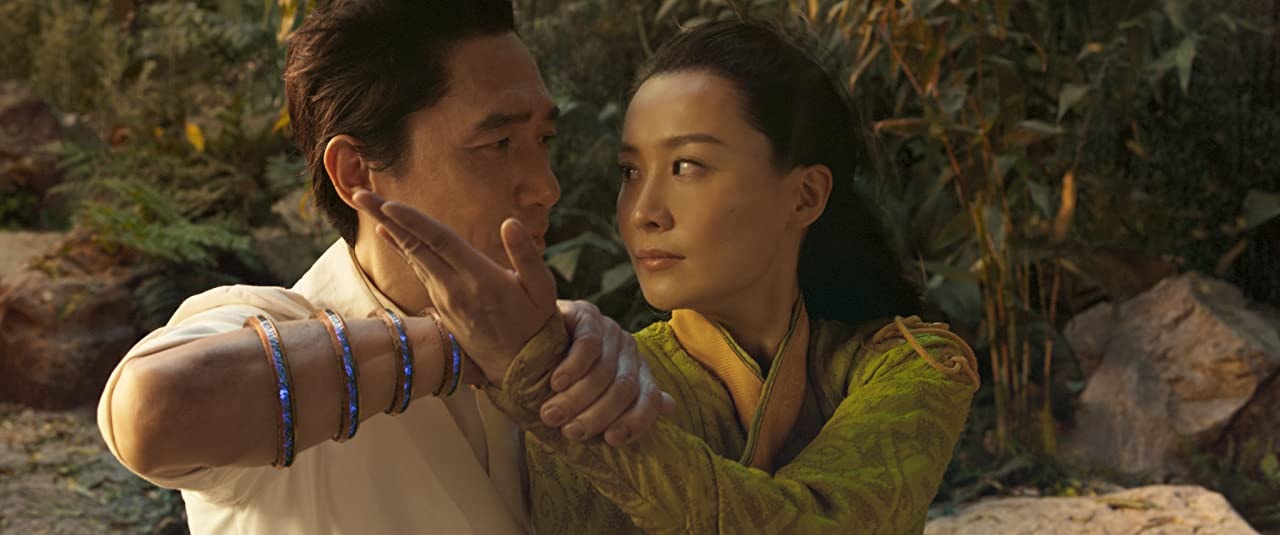
Xu Wenwu (Tony Leung) and Ying Li (Fala Chen) in Shang-Chi and the Legend of the Ten Rings

Although Shang-Chi does a great deal to singularise itself from its Marvel brethren, the film is somewhat lacking in originality, particularly in the screenplay department. The story here shares a few too many similarities with that of another MCU instalment released less than four months ago, Black Widow (2021) – both pictures follow a protagonist reuniting with an estranged sibling and returning to their country of birth to defeat a paternal figure. Whether intentional or not, these parallels will serve only to validate the notion that Marvel Studios’ output is becoming rather formulaic.

Other weaknesses are present in Shang-Chi, minor yet nonetheless irritating. One is the fight sequences, which have great choreography but could be more thrilling, for they lack the kind of death-defying stunts that Jackie Chan is renowned for executing. Also in need of refinement is the comedy, being decent and well-timed without ever reaching the level of hilarity found in other Marvel films. If Kevin Feige’s superhero factory is to continue beyond a fourth phase, both elements sorely need to be improved in any future releases.

There are some areas where this picture does improve over its predecessors, one being the depiction of its villain – blessedly, Shang-Chi has one of the better antagonists of the MCU in Wenwu, who is sinister, restrained and cool all at once, while possessing far more complexity and humanity than the average Marvel foe. The music too is above Marvel’s usual standards, with West being the closest a composer has come to matching the opulence of Alan Silvestri’s work in the Avengers movies – he deserves to be called upon for more of Feige’s projects in the years ahead.

Shang-Chi and the Legend of the Ten Rings does for the world’s Asian communities what Black Panther (2018) did for the African diaspora, utilising the familiar Marvel tropes to craft a visual and aural celebration of Eastern culture. It’s not perfect, owing to the muted humour and unoriginal script, but more than ably satisfies with its beguiling action scenes, glorious soundtrack and exceptional cast.

Shang-Chi is currently screening in theatres, and will be available to stream on Disney+ from November 12th.

Free Guy is a Serviceable, Yet Sweet Action-Comedy

Rating: 3 out of 5.

Sometimes, there’s just no saving a picture from mediocrity; but in the right hands, even a milquetoast production can win the hearts of a cynical audience, provided it has the necessary elements. Said elements could be a poignant story, or dazzling visuals, or simply a charming performance from a famous thespian… or even a combination of the three.

Free City is a place where crime is so widespread that it’s more or less accepted as a daily occurrence by those who live there, casually treating the most violent of felonies as a minor inconvenience. What the city’s many residents don’t realise is that their home is actually the setting for an open-world video-game, and they are the non-playable characters – or NPCs – who have been programmed to endure any and all hostile behaviour.

The only NPC with a shred of self-awareness is Guy (Ryan Reynolds), a bank teller who wonders if there’s more to his existence than stamping cheques and being threatened at gunpoint. Guy’s theory that proves true after a chance encounter with Molotov Girl, the avatar of human user named Millie (both played by Jodie Comer) who, much to her bemusement, explains how Guy can actively play the game, rather than just be part of it.

Much like Rich Moore’s Wreck-It Ralph (2012) or Steven Spielberg’s Ready Player One (2018), the appeal of Free Guy (2021) relies heavily on the viewer’s knowledge and appreciation of pop-culture, and gaming culture in particular – those who adhere to the latter category will undoubtedly distinguish Guy’s Free City game as an amalgamation of Grand Theft Auto Online and Fortnite. Non-gamers need not fear though, since these references to other properties are infrequent, and a greater emphasis is placed on the surprisingly compelling struggles of the characters.

One such character is Guy, whose desire to want more out of life is by no means unique, but is made endearing by his sweet, innocent and wholesome personality. It’s a performance that refreshingly deviates from Ryan Reynolds’ usual schtick, forgoing the snark and self-referential humour whilst retaining the exuberance which he now readily identifies with. Thus, Free Guy marks one of the rare instances where the presence of Reynolds doesn’t become grating.

The live-action antagonist of Free Guy, Antwan (Taika Waititi)

Of equal interest is the secondary plot involving Millie, which sees her scouring Free City to locate a stolen piece of software supposedly hidden within the game. This conflict has much higher stakes than Guy’s, thereby being the more engaging of the two; but again, its charm is due largely to the performer – in this instance Jodie Comer – adding a disarming sweetness to their character. (It’s something of a trend for Comer, who has flexed her acting muscles on TV’s Killing Eve and is now well on her way to conquering Hollywood.)

Comer and Reynolds aren’t the only charmers in Free Guy, with the film profiting from the inclusion of plenty more talented actors. Lil Rel Howley is the standout within the digital realm of Free City, offering his usual buoyant energy as Guy’s lazily-named friend, Buddy; in live-action settings, events are made pleasant by the likes of Utkarsh Ambudkar and Stranger Things’ Joe Keery, both playing coders who work under the eccentric game developer Antwan, as performed by the ever-delightful Taika Waititi.

Weirdly, the sprawling Free City is a sight that proves just as alluring. Most of the location’s exterior shots have been filmed in Boston, Massachusetts, with visual effects being utilised when required to mask similarities and maintain the illusion of a video-game, the result being an environment that looks ideally suited to a free-roaming adventure. And for petrolheads, there’s extra fun to be had in spotting all the cars and motorcycles littered throughout.

While the visuals and cast are exemplary, the other aspects of Free Guy are somewhat lackadaisical. This includes the action, which is well-choreographed yet lacks the tension and excitement of that in other blockbusters; the comedy, with plenty of quips and gags but only one or two producing a giggle; and the references, which are of such low effort that they generate no glee whatsoever. All three of these elements do nothing to elevate the picture, serving only to make proceedings decidedly plain.

Yet when all is considered, Free Guy remains deserving of appreciation, even by those with only the slimmest awareness of pop-culture. A group of gifted performers, impressive effects and an unexpectedly touching screenplay are what satisfy most, all ensuring the film is never tedious nor bland.

Free Guy is currently screening in cinemas where open, and streaming on Disney+.