With the release of his new feature Peter Pan and Wendy (2023), now is as good a time as any to dive into and rank the films of a personal favourite auteur. One of the most interesting and compelling American filmmakers to emerge in the 2010s, David Lowery has crafted a diverse filmography that leaps from quiet indie, Disney reimaginings, and Arthurian epics, all while keeping his unique style intact.
With his signature wistful (key buzzword for Lowery) yet hopeful idealism seeping into his features, Lowery is an impressively economical filmmaker that respects his audience while also searching to give them an entertaining and unique viewing experience, making him one of my favourite modern American filmmakers.
Ranking films of this ilk certainly centres around personal aesthetic preferences, with a clear upward trajectory that makes Lowery a must-see director moving forward, but I have done my best to order them here.
Some of these films are difficult finds, but most can be found on several streaming services.
7. St. Nick (2009)
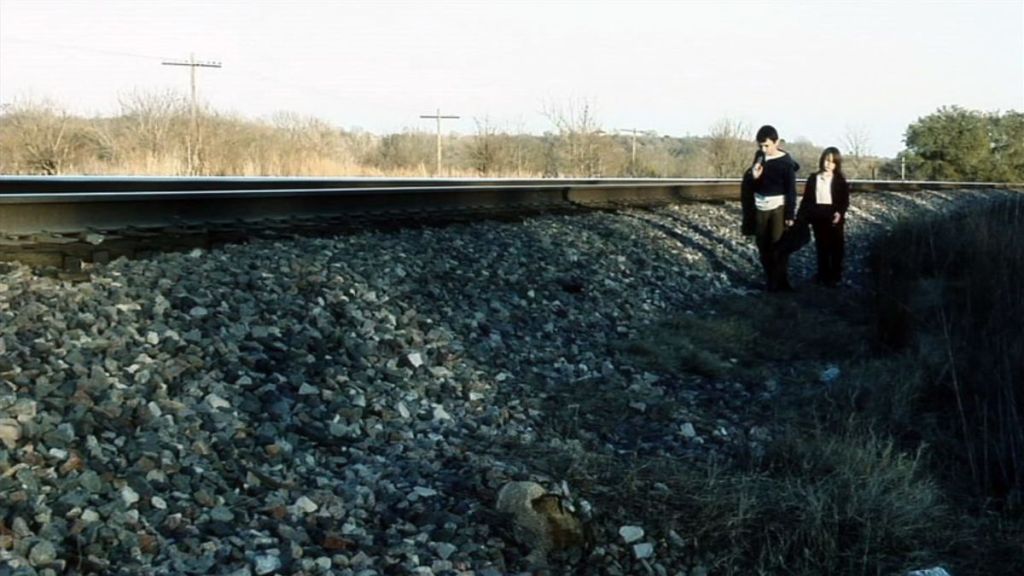
A quiet and simple debut that focuses on vibe over story, St. Nick centres around a pair of real-life siblings, Savanna (11) and Tucker Sears (8), who seek to survive on their own in the Texas wilderness.
All of the hallmarks of a Lowery feature are here: runaway plot, youthful wistfulness, and a focus on atmosphere to establish character. While not on the level of engagement as his films to follow, this is an interesting debut that establishes Lowery’s tendencies that have made him such a creative voice in American indie cinema.
6. Peter Pan and Wendy (2023)
Lowery’s newest feature unfortunately arrives near the bottom of this list, lacking the tactility and sense of space that allows Lowery’s previous work to thrive. Peter Pan and Wendy never felt grounded in London or Neverland. Where the beauty and style of Lowery’s live-action Disney film Pete’s Dragon (2016) is drawn from its Pacific Northwest location, this film is desperately searching for an identity, a criticism laid at the feet of most recent Disney features.
While certainly an improvement on the misguided Joe Wright film Pan (2015), this new adaptation is anchored to the original work, striving for recognition as the definitive version that is ultimately misguided. The only standout inclusion to the story is the compelling camaraderie between the three central female characters: Wendy, Tiger Lily, and Tinkerbell. The casting of Alyssa Wapanatâhk as Tiger Lily, who speaks Cree throughout the film feels in direct response to Wright’s film which cast frequent Lowery collaborator Rooney Mara in the role, as well as the cultural insensitivity that has been a constant in the character’s story up until now. Unfortunately, by not replacing the problematic sequences with anything of substance, Tiger Lily is sidelined completely in a second half that was sorely missing her involvement.
Lowery’s penchant for in-camera work, production design, and practical effects gets pushed to the limit of the Disney machine here. Where films further down this list require certain CGI moments for its story, Lowery always limited its use. That was not possible here. Whether through the many flying sequences, the muddy crocodile sequence (hastily edited to avoid scrutiny), or the dry emergence into Neverland that never sparks wonder, Peter Pan and Wendy too often loses its footing, limiting the audience’s ability to lean into the story.
5. Ain’t Them Bodies Saints (2013)
The film that put Lowery on the map, this out-of-time, Badlands (1973) and Bonnie and Clyde (1967) style indie drama has moments of immense quality that will be further nurtured and heightened in future projects. Working with Rooney Mara and Casey Affleck for the first of many collaborations, Saints is able to flow on a river of pained expressions that the pair have made careers out of.
The true star of this film, however, is cinematographer Bradford Young, three years before his Oscar-nominated work on Arrival (2016). Young’s work is full of expression both in his use of the strong Texan sun and harsh shadows the pair find themselves in.
Lowery feels driven to craft a 70s Texan atmospheric drama akin to Malick or Wenders, often getting in the way of the story itself. This is usually the case with young filmmakers unsure of their own voice, which will come in his later films that exude an easy confidence.
4. Pete’s Dragon (2016)
A warm and wistful reimagining of the 1977 animated musical of the same name, Lowery’s Pete’s Dragon is a much more successful Disney film by the auteur, demonstrating his ability to work within the machine. Set in the Pacific Northwest but shot in New Zealand, there is a strong sense of place in all of Lowery’s features, allowing an audience to settle into a world and atmosphere.
Lowery from his early work is shown to be a wonderful director of children, no doubt a major reason he has worked closely with Disney. Oakes Fegley gives a delightful child performance as Pete, full of both warmth and trepidation, allowing Pete’s Dragon to feel honest amongst extraordinary circumstances.
The film boasts an impressive ensemble that allows the film to ascend to heights few live-action Disney films have, including Robert Redford, Bryce Dallas Howard, Fegley, Karl Urban, Wes Bentley, and Isaiah Whitlock Jr. Redford, in particular, has a remarkably tender monologue that really elevates the film.
The film takes strong influential cues from The Never Ending Story (1984), both in its stylisation of Elliot the Dragon and in its thematic ties. The dark force Nothing in the 80s film series can be co-opted easily into the environmental parable at the heart of Pete’s Dragon. The sequence following Elliot’s capture is full of pure heartbreak, laying him out like a rich Redwood cut down for paper. This sequence’s sound design and score is hollowed out, echoing the turmoil and anti-environmentalist point of view that centres the film. When the discourse around real care is rarely given to movies for families (Eric Kohn even centred a discussion at IndieWire around Pete’s Dragon and the new Mario film), this is where the bar should be.
3. The Old Man and The Gun (2018)
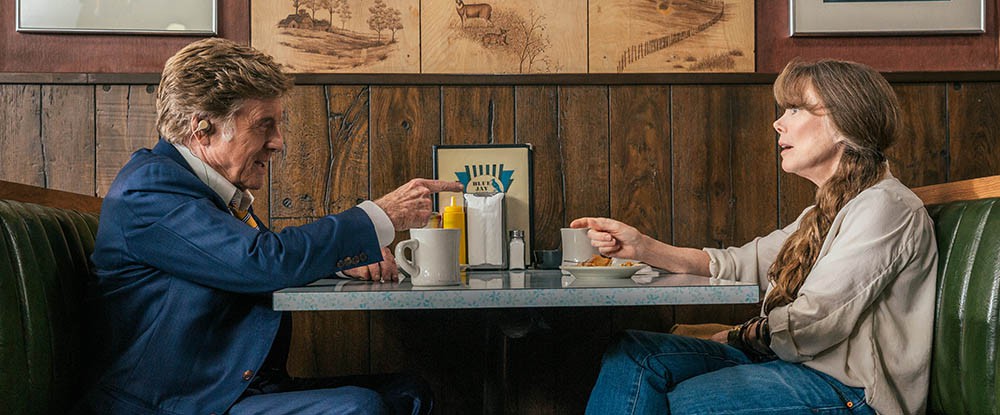
Working once again with the legend, Robert Redford, The Old Man and The Gun is a slick and tightly structured 70s crime film centred on an older bank robber Forrest Tucker (Redford). Shot on Super 16mm, the film washes over you like a cool fog in Autumn, combining its filmed aesthetic with its editing and sonic style that makes it such a joy to watch. Lowery pairs this relaxed but taught cat-and-mouse film with a uniquely wistful editing style akin to Steven Soderbergh’s debut The Limey (1999).
Lowery has always been an economical storyteller, using composition and performance to tell a wider story in fleeting moments. The introduction of Casey Affleck’s detective John Hunt, shot externally through a smashed window of a bakery, with a weathered look telling you everything about where this character is mentally and how they view their work (on their 40th birthday to add).
The shift in sound for the final 30 minutes, once Forest and John meet in the diner bathroom is subtly affecting. Lowery has always had a respect for conscious sound design choices (the man adores an L cut) that allow his films to flow with the quiet calm of a gentle river.
2. The Green Knight (2021)
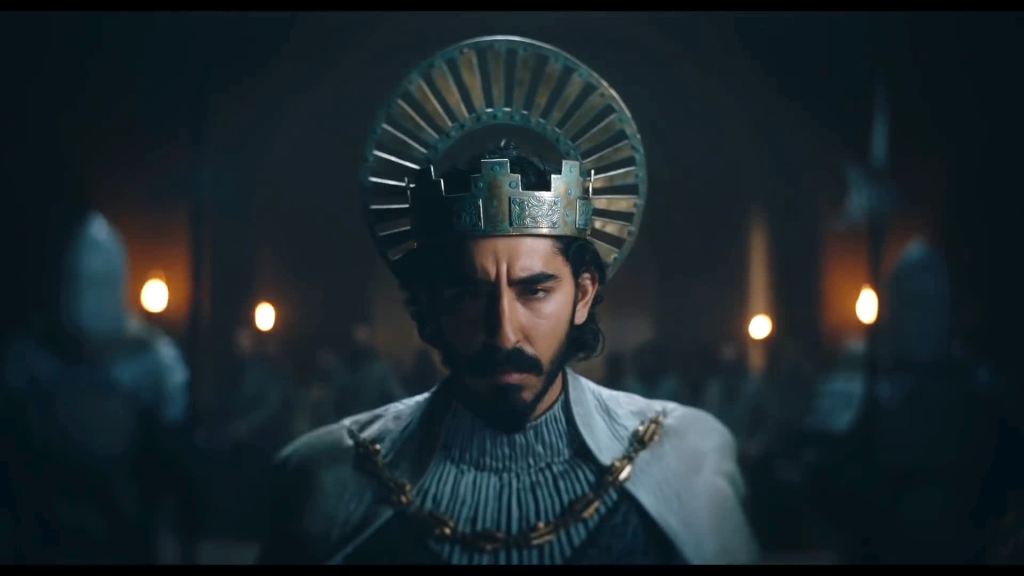
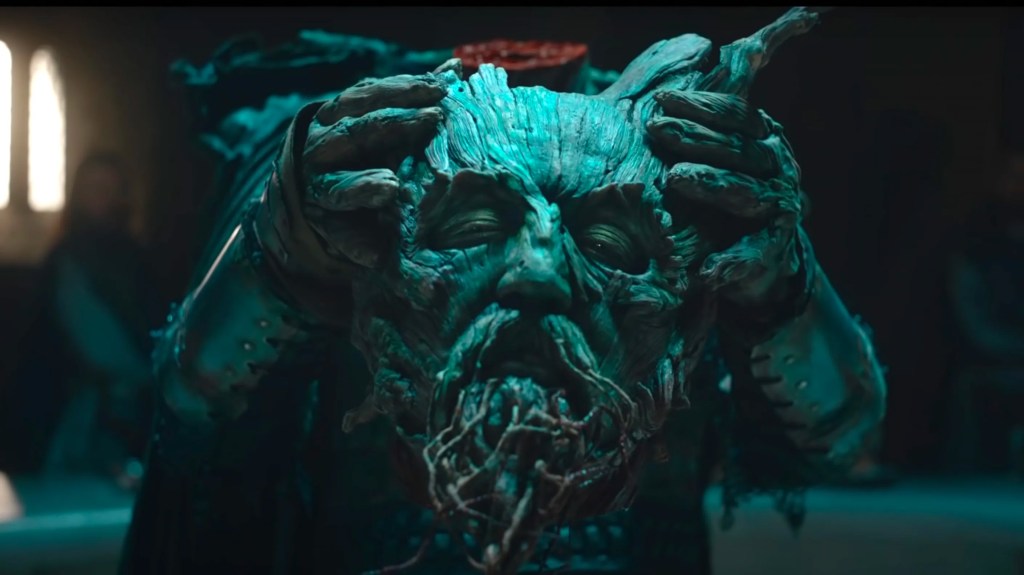
I wrote about this film on the site on release and it is still one of my favourite films of the 2020s. A murky, ethereal dream ballad of a film that demonstrates Lowery’s ability to expand his style onto bigger projects. His films are regularly grounded by terrific but always understated lead performances, and Dev Patel shows his range here as Sir Gawain. The knight is a character never sure of their footing as the ground feels to be constantly shifting beneath them through his own trepidation.
Feudal period films rarely feel as perceptive and relatable as this, while also making time for some truly majestic Arthurian imagery composed by returning collaborator Andrew Droz Palermo (A Ghost Story) as cinematographer.
Lowery has a clear inclination towards the myth-making side of storytelling – a likely reason he has operated well with Disney IP – that is fully maximised here. Similar to Robert Eggers with his three films, Lowery is able to manipulate his filmmaking sensibilities to different worlds, forming unique creations that are wholly consistent with themselves and with their wider filmography. Where Eggars is driven by a rigged accuracy to world-building and language that becomes a bedrock to tell engaging narratives, Lowery uses a combination of natural lighting, emotive sound design, and empathic screenwriting to form stories that are engagingly wistful, lightly melancholic, but always hopeful. The Green Knight is Lowery’s boldest execution of this to date. Need this to return in theatres.
1. A Ghost Story (2017)
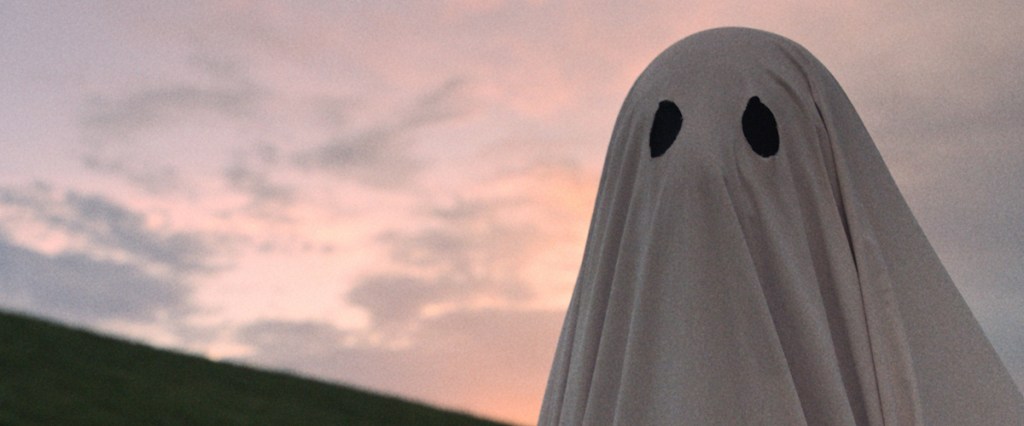
A miracle of a micro-budget indie that stands up to any film released in the past 10 years. A failing relationship depicted as a haunting, how things left unsaid can feel like immovable weights when someone is gone, A Ghost Story packs a lot into its 92-minute runtime. The classic depiction of a ghost as someone who has left things unresolved is a potently sad concept when shown from their point of view. Untethered from time and space, a ghost has nothing but these unresolved emotions to anchor them to this world. While the more powerful emotion of the film comes from the relationship between M (Rooney Mara) and C (Casey Affleck), the second half focusing on C’s ghost is always engaging with ideas that will linger in the mind forever.
Much gets made of Lowery’s eye for compositions in his films but it’s his considered use of sound throughout his filmography that allows his work to shine, none more so than A Ghost Story. The gorgeous Badalamenti-inspired score by frequent collaborator Daniel Hart allows us into the world without ever pushing us through the door. Its combination of sombre and hopeful tones flows through Lowery’s filmography, allowing us to feel for both characters who are miles apart but physically close.
The two central set pieces, the pie scene and the headphones scene of I Get Overwhelmed are anchored by the full emotional range of Rooney Mara, a gift Lowery has complete faith in. She commands our full attention with barely a word, so when it comes time for us to depart, her absence is profoundly felt, by us and C.
The film’s one misstep in a largely perfect feature is the grandstanding monologue from Will Oldham (cast in Lowery’s short Pioneer), as it never felt necessary to use most of the dialogue in the script to explain its ideas. The film is such a Rorschach test of stillness and delivery that a level of dynamism from a performer was required in the film’s psychedelic time skip sequence, a moment that widens A Ghost Story’s themes past the grieving couple, but ultimately sours the experience.
The final 30 minutes are an extraordinary passage-of-time poem – something Lowery follows up within a wonderful panning shot in The Green Knight – shot with wisdom, humour, and contentment that leaves you with more hope than you’d expect to find in a film about grief and time.
This film had a profound impact on me on release, executing something much larger than the sum of its parts, with a tiny budget but a committed cast and crew to create the highest-level student film possible. With gorgeous still photography, considered use of score, and a powerful pair of performances operating almost silently, A Ghost Story is one of the best films of the decade that will outlive us all.





 Rating Frames