MIFF 2025: Darcy’s Notebook

Another year, another chaotic year of MIFF. With some dizzying heights and impressive debuts, cinema feels in good hands as we march headfirst into the tail end of the 2020s (a wild thought). The festival is the highlight of the cinematic calendar for the city, defining the landscape as it shifts towards awards season, with a tremendous work of curation and bold decisions as addressed below that make August the best month of the year.

Twinless (2025) – James Sweeney

Rating: 3.5 out of 5.

A proper dramedy with a complicated but compelling pair at its core, Twinless is a charming and confident debut not weighed down by its writer, director James Sweeney’s decision to also star in the film. Following a pair of twins who have recently lost their other half and meet at a support group, Dylan O’Brien’s Roman (and Rocky) and Sweeney’s Dennis fall into a quick friendship as they look to fill the void.

Would make an interesting double feature with Andrew DeYoung’s Friendship (2024) as a perceptive and darkly funny look at the pursuit of modern male friendship, with many screwball moments in Sweeney’s film feeling like I Think You Should Leave (2019) pitches. Sweeney excels in wrongfooting the audience into a charming dramedy that gives space to both sides of the genre mash.

The Mastermind (2025) – Kelly Reichardt

Rating: 4 out of 5.

No one is operating on Kelly Reichardt’s small but vital level. With an autumnal romp that makes way for a surprisingly poignant introspection into one’s relationship to political change, Reichardt’s period heist mood piece captures you in a breathing world, and will linger on you long after you leave like the smell of last night’s smoke break.

Josh O’Connor’s niche as a dirtbag charmer continues with his best Elliot Gould here (absolute cinematic catnip for me) as an art school washout living in suburbia with a wife (an underused Alana Haim) and two kids who have a side hustle-slash-obsession with art heists. While not on the level of O’Connor’s recent classic La Chimera (2023), this cool, warm-hued hangout film will only expand as the months go on, where I would not be surprised if it lands on end-of-year lists and amongst Reichardt’s most beloved films.

Blue Moon (2025) – Richard Linklater

Rating: 3.5 out of 5.

A frenetic script by novelist Robert Kaplow and a high-level performance from Ethan Hawke allow Richard Linklater’s Blue Moon to shine through its humble boundaries as a film that should’ve been a play. Set against the background of the opening night of Oklahoma! On Broadway in 1943, Hawke plays the famed but troubled songwriter Lorenz Hart, who is stewing at Sardi’s, the bar soon to be the venue for the show’s party.

Hawke is flanked by a terrific cast who bounce off and counter his manic energy wonderfully, including Bobby Cannavale, Margaret Qualley, Andrew Scott, and Patrick Kennedy as an array of famous names the film nods to. Thankfully, Linklater’s love and curiosity for these artists and individuals dance energetically around the screen, allowing even those with no Broadway knowledge to understand and appreciate the film.

Sirât (2025) – Oliver Laxe

Rating: 4 out of 5.

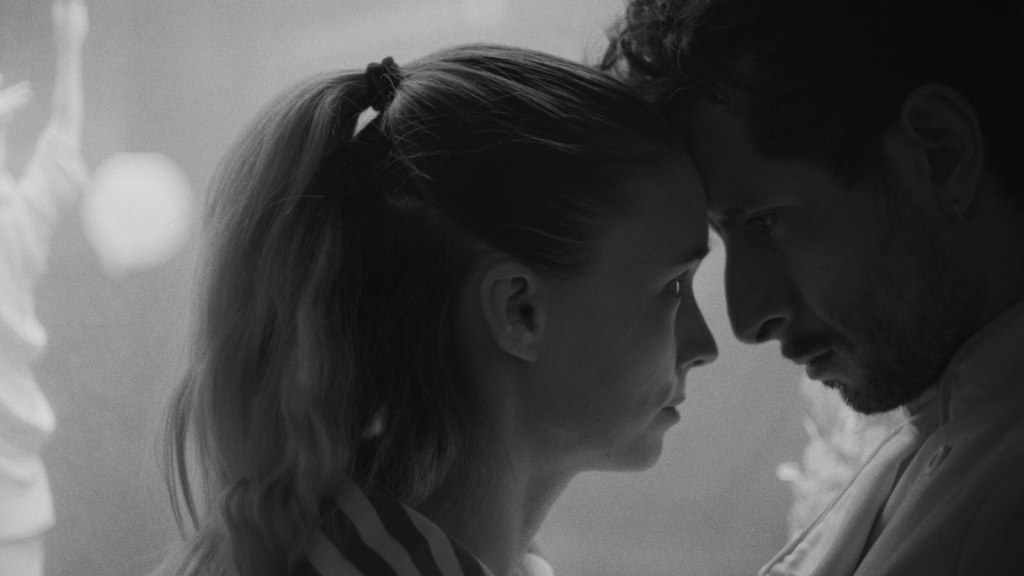
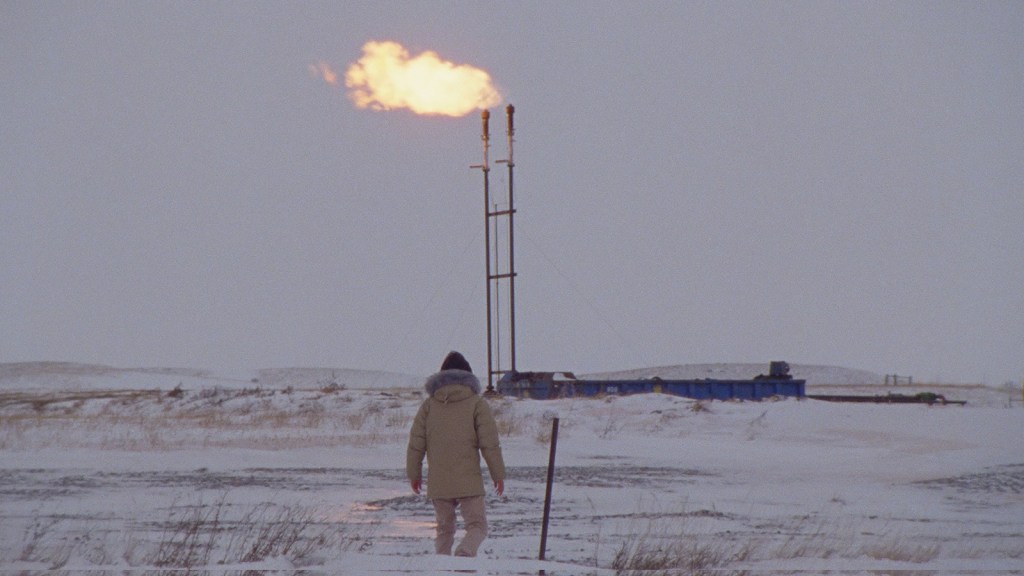
In a year of great horror and thrillers, there is no more visceral or dire theatre going experience than Óliver Laxe’s Cannes Jury Prize winning film Sirāt. Aided by the festival’s bold decision to screen this anxiety ridden, grim family nightmare at IMAX. We follow father and son Luis (Sergi López) and Esteban (Bruno Núñez Arjona) into the Moroccan desert in search of their daughter and sister Mar, leading them into an EDM festival where they are briefly liberated from the bounds of society. With its pounding techno score and 16mm film stock, Sirāt is a sensory marvel that pulls you into its world and commands you to walk desperately into the desert and into the unknown. 

With a political undercurrent and bare-boned family drama, Sirāt uses the visual language of the immortal William Friedkin fever dream Sorcerer (1977) to illustrate an Odyssey-like adventure in a world quickly becoming unrecognisable. This is a film that will take days to process, asking unique questions of yourself and to what extent you’ll chase exhilaration in your own life and in an experience on screen.

Exit 8 (2025) – Genki Kawamura

Rating: 3.5 out of 5.

No experience illustrates the power the festival has over the city than the sold-out IMAX screening of Genki Kawamura’s Exit 8, a chaotic and mesmerising Escher painting of a horror film about being trapped in a loop in Shinjuku station. With a dozen references to The Shining (1980), Kawamura focuses on mood and engagement with a game audience to draw us along its short and concise runtime. We are given just enough narrative to fill a feature, trapped in a propulsive active viewing experience, a wonderful feeling in a sold-out crowd. In a great year for horror, this is not one to miss when it enters theatres.

Resurrection (2025) – Bi Gan
Rating: 3.5 out of 5.

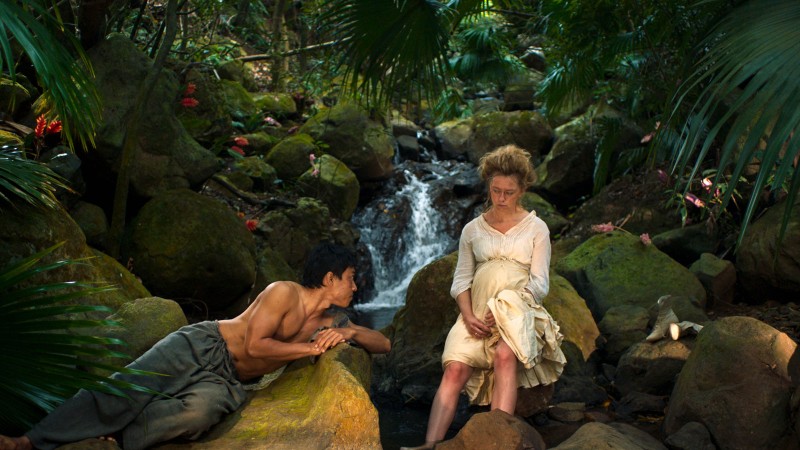
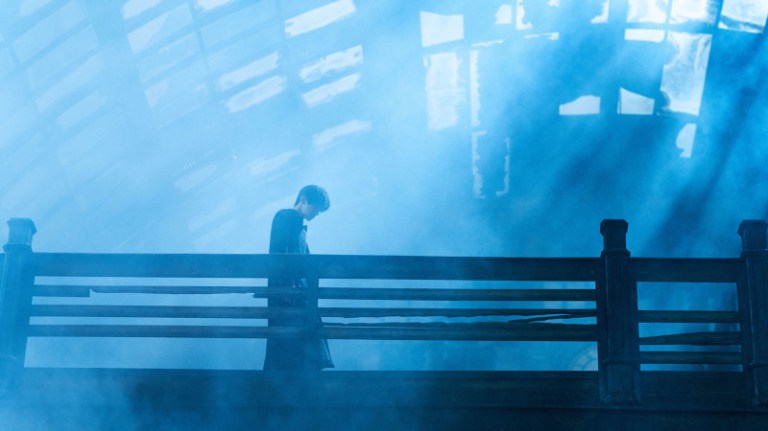
What to say about the film that has everything. Bursting at the seams with plots in miniature and arthouse bravura, Bi Gan’s follow-up to the extraordinary Long Days Journey into Night (2018) is the cinematic odyssey Resurrection. An undefinable tapestry that wears many genre hats as a sci monster powered like a projected as the line dreamer in a world that has learnt the secret to eternal life, so long as they don’t dream. Or something like that. While Gan’s previous film is expansive but intimate in its storytelling scope, Resurrection operates as basically six short genre pieces that have the density and plot to inhabit for its entire 160-minute run-time. That is a testament to Gan’s visual style and conceptual scope, even if he can get caught up in its own luxuriating to succeed as a narrative.

An interesting film to compare this expansive odyssey with is Bertrand Bonello’s The Beast (2023). Both grand-scale odysseys following a pair of characters that can’t help but pursue one another, across time or across cinematic dreams. The key distinction is that Resurrection is a work of sentiment told across cinematic history, akin to Babylon (2022), whereas Bonello’s film operates as an incisive look at relationships through the lens of their pair.

With wonderful performances by Jackson Yee and Shu Qi, played across many genres including silent film, noir, and a gangster vampire romance shot as a 30 minute oner on New Years’ Eve 1999, Resurrection can and will show you its whole heart if you’ll let it, overwhelming you with ideas and concepts rooted in the undeniable truth that the cinematic dream is irreplaceable.

Dreams (Sex Love) (2025) – Dag Johan Haugerud

Rating: 3 out of 5.

A delicate exploration of teenage love and obsession that treats it with sensuality and respect, while allowing space for realism and reflection. The third part of Norwegian Dag Johan Haugerud’s collection of films on love and desire made in quick succession, Dreams (Sex Love) centres on a teenage art student Johanne (Ella Øverbye) who pines for her new teacher Johanna (Selome Emnetu), eventually pouring her feelings and desires into a book she gives to her poet grandmother.

The film shifts in unexpected ways while still following Johanne’s emotional journey that resonates with the fresh wisdom of a good teen romance novel. The prolific nature of Haugerud’s work does not diminish the literary quality of his films, which leave room for many poignant interpersonal conversations that span generations. I was only able to catch this single entry in the collection, but I will endeavour to complete the trilogy by year’s end.

BLKNWS: Terms & Conditions (2024) – Kahlil Joseph
Rating: 4.5 out of 5.

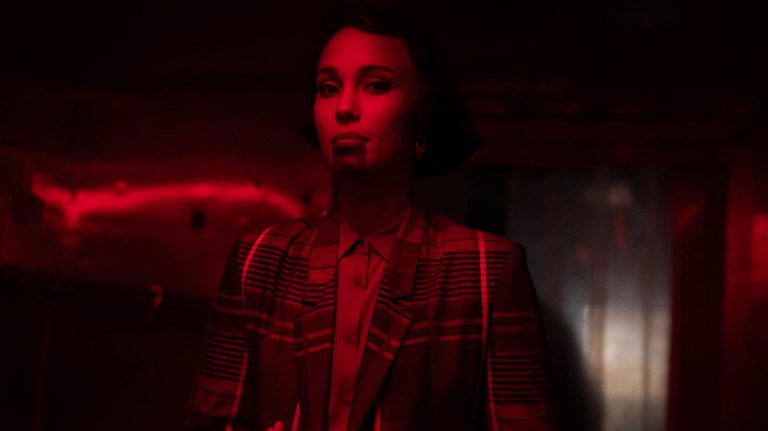
Kahlil Joseph did not set out to make a documentary. Expanding on his two screen art installations of the same name, Joseph explodes his vision of an intertwining Black past and future through an extravagant reimagining of history and form with a frenetic energy that bounces from lush Afrofuturist narratives with some of the best production design of the year to reaction memes.

With cinematography from the great Bradford Young and a pulsating score by experimental artist Klein, BLKNWS: Terms & Conditions sees beauty in the interplay between sweeping science fiction storytelling with dense, academic dialogue and modern internet culture, something rarely seen projected on a large screen. While not an easy film to grasp or comprehend in real-time, Joseph and his writing collective have crafted a dizzying piece of art that will hopefully inspire new nonfiction visual artists to explore their craft in inventive and genre-breaking ways. The film of the festival for me.

Cloud (2024) – Kiyoshi Kurosawa

Rating: 3.5 out of 5.

A cynical master storyteller returning to the twisty world of revenge cinema through the lens of a modern huckster dirtbag trying to turn a quick buck as an online reseller, Kiyoshi Kurosawa’s Cloud forces us to confront our relationship to ground-level late-stage capitalism in unexpected and darkly comedic ways. Unaware of the mild carnage he leaves behind him as he attempts to secure a comfortable life on his own terms, Masaki Soda’s Ryôsuke Yoshii is just smart enough to spot an opportunity to coldly swindle desperate people out of their undervalued goods, but not smart enough to avoid danger and risk. 

There’s no greater feeling in the theatre than when Kurosawa is moving through his spider web plots with the tension of a vintage paranoia thriller. When a true master of form and craft is still interested in the modern world and can critique and perceive it in compelling ways, we can’t afford to ignore it. Especially when they’re this enjoyable in a crowd.

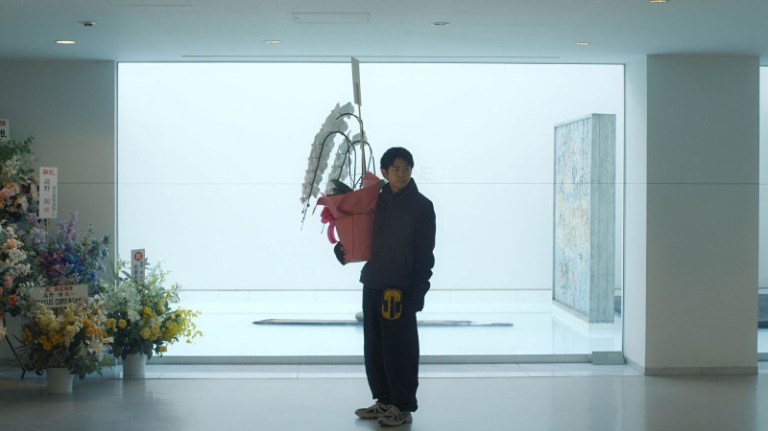
Brand New Landscape (2025) – Yuiga Danzuka
Rating: 3 out of 5.

Danzuka’s debut feature made waves as the youngest Japanese director ever to be featured in the Directors’ Fortnight at Cannes, beginning with an extended Ozu-like exploration of a family in quiet crisis. Brand New Landscape wears its compelling, if slightly clouded themes proudly of a shifting Tokyo, and more specifically Shibuya, as a space aimed to accommodate a younger generation, even if it harms its current occupants.

The film displays the ripple effects from an unimaginable event that fractures a familiar family structure alongside the construction and evolution of several key spaces in the famous Tokyo area. Brand New Landscape never reaches a triumphant peak of dramatic storytelling, but it does leave you with both a unique perspective of Tokyo and of your own experiences in your own city and neighbourhood. A rather remarkable feat for a young filmmaker to garner.

Sorry, Baby (2025) – Eva Victor

Rating: 4 out of 5.

The most assured and confident debut of the year, Eva Victor writes, directs, and stars in a playful yet poignant dramedy on the lasting impacts of trauma that finds new ground in the familiar lane of modern storytelling. As a liberal arts grad still living near campus and on the verge of starting a full-time teaching position while still processing and working through deep trauma, Agnes (Victor) feels stuck while her closest friend Lydie (Naomie Ackie) returns to tell her she’s pregnant.

A film about the adult anxiety of never being sure of the right thing to do or feel in any situation, Victor is perceptive with a sharp eye for when to be kind and when to be cutting. Sorry, Baby has such a strong command of a difficult tone throughout that the audience quickly settles into the hands of a commanding filmmaker, a rare feat in a first feature. There may be no better scene in indie cinema this year than the jury duty scene in this film with its ability to float between wry humour, female camaraderie in unlikely situations, and quiet character storytelling that announced Victor as am impressive filmmaker and performer.

The End (2024) – Joshua Oppenheimer

Rating: 3.5 out of 5.

A film about a family resolute in their self delusion, unflinching in their avoidance of personal reckoning after a climate apocalypse they helped create, played out as a musical, the genre defined by its characters constantly reckoning with their own feelings and decisions through song.

A remarkable ensemble that elevates the film above an impressive academic genre experiment, particularly George Mackay, who, after starring in Bonello’s The Beast (wow, two nods in one festival for this film), has more than proven his bona fides as a young star able to breathe life into some art cinema trappings. Oppenheimer clearly has a lot on his mind with the ability of the most powerful people in the world to craft self-delusions to survive within and what happens when others encounter and potentially destabilise those delusions, a throughline that ties his totemic documentary films to The End. The decision to mine new thematic ground in a wildly different way may go down as a defining cinematic decision of the decade, and while this film does not reach some of the transcendent moments of The Act of Killing (2012) or The Look of Silence (2014), The End is certainly worth your time and hopefully not a final foray into narrative film.

.

MIFF 2024: Darcy’s Notebook

A year of avoiding the larger titles in favour of more independent films, my MIFF experience in 2024 went from the battleground of Gaza to the quiet family dramas in modern Seoul, with a unifying theme of perseverance and defiance throughout. Much like 2023, the curatorial efforts of the festival directors are its greatest gift, ensuring a high baseline of quality that guarantees a thoughtful and compelling time at the movies no matter your interest set.

All Dirt Roads Taste of Salt (2023) – Raven Jackson

Rating: 4 out of 5.

A powerful combination of photographic and sonic qualities propels Raven Jackson’s All Dirt Roads Taste of Salt to incredible heights. Becoming larger than the sum of its modest parts, Jackson announced herself immediately as an important American artist to follow moving forward.

Flowing like a seasonal river with its rises and falls, the narrative follows Mack, portrayed seamlessly by Kaylee Nicole Johnson and Charlean McClure, as she journeys through 1960s Mississippi onwards, with all the love and difficulty that comes with staying in her hometown through a challenging time.

Squeezing every fleeting moment of thematic and emotional juice, this essayistic ode to womanhood, home, and the shared experience will wash over you if you let it, feeling reborn in the gleaning sunlight.

All We Imagine as Light (2024) – Payal Kapadia

Rating: 4.5 out of 5.

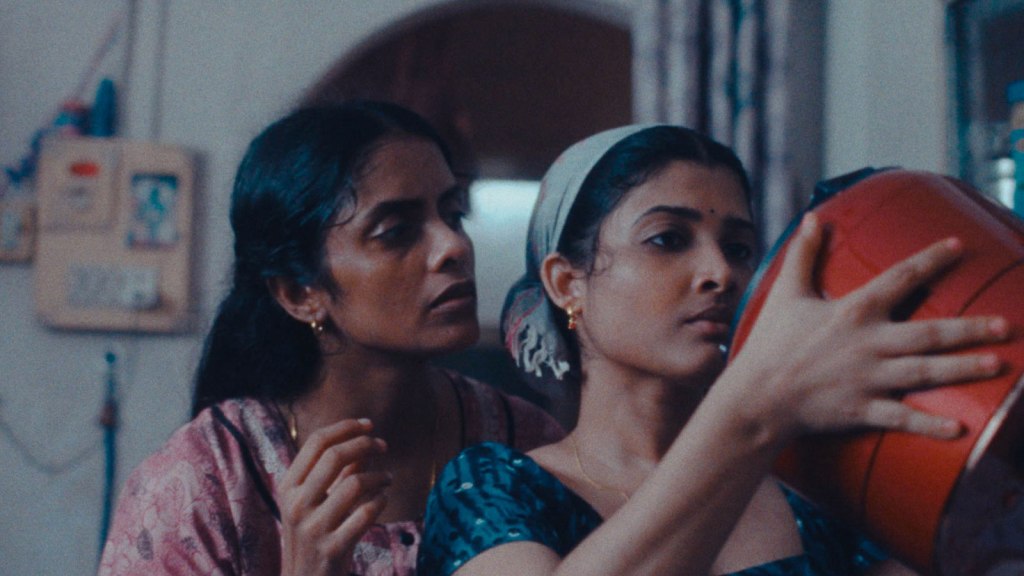
The most soulful film of the festival, documentarian turned fiction filmmaker Payal Kapadia explodes onto the scene with the remarkable All We Imagine as Light. A powerful blend of personal womanhood inside the political in modern Mumbai, Kapadia’s gorgeous and lyrical film centres on three multigenerational nurses navigating a world unable and unwilling to accommodate their lives.

Kapadia, with a refined hand through documentary work, flourishes in small moments. Whether it’s the embrace of a rice cooker given by a distant-slash-estranged husband working in Germany, or the small gesture of helping an older colleague move her things back to her old home after being wrongfully evicted, All We Imagine as Light embraces the aching emotionality of the quotidian, knowing these fleeting moments create a mosaic that reflects the light of human experience.

Brief History of a Family (2024) – Jianjie Lin

Rating: 3 out of 5.

The one-child policy of China casts a long shadow across Brief History of a Family, a taut and beguiling debut feature from Jianjie Lin. After an incident at school sparks an unlikely connection, the shy and reserved teen Shuo (Sun Xilun) begins to spend more and more time at his more confident classmate Wei’s (Lin Muran) upper-middle-class house. 

Lin’s debut is atmospheric and tense and while its decision to bunt with its bases loaded, the film still demonstrates a skill set to operate in the genre world of modern thriller, a drought-stricken place with fans desperate for new, exciting voices. Went long on the film here.

Didi (2024)- Sean Wang

Rating: 3.5 out of 5.

In what is sure to be the beginning of a wave in late 00s coming-of-age stories that will have those in their late 20s questioning all life experiences as being unique, Sean Wang’s terrific and humbling Didi shows you screwing up is an integral part of growing up.

Telling the story of a Californian skater and potential filmmaker Chris (Izaac Wang), on summer break (a bizarre theme across several MIFF releases) as he navigates girls, friends, and his family. With integral sequences playing out over AIM and MySpace (finally, a film captures the adolescent psychological torture device of the top friends section on film) that had the audience in raptures, Wang is an exciting new filmmaker that can deftly translate the modern malaise of youth into compelling cinematic storytelling.

I Saw the TV Glow (2024) – Jane Schoenbrun

Rating: 4.5 out of 5.

A truly expansive cinematic experience that will define the year in movies, Jane Schoenbrun’s miraculous and tangly I Saw the TV Glow, is the best film I saw at MIFF and will no doubt contend with my film of the year. A film that explodes ideas of what a teenage coming-of-age story can be as it explores the push and pull between stagnation and liberation, ending on a unique note that seemingly has a different taste depending on the individual audience member’s life experience. That is no small feat.

I Saw the TV Glow follows Owen, a suburban teen protracted by Justice Smith in an outrageously good performance of youthful dysphoria and I will not hear arguments otherwise. Stuck in a liminal space outside of life, Owen finds solace in a fictional 90s too-adult-but-still-for-kids show The Pink Opaque, unlocked by fellow disenchanted teen Maddy (Brigette Lundy-Paine), who invited him into the world via burned VHS recordings of the show. The film is too dense to capture in a couple sentences, and the weight of Schoenbrun’s storytelling is in its ability to envelop a whole audience in the liminal world Owen feels locked within. Where most trans texts follow an embrace of transitioning, Schoenbrun’s film instead lingers and interrogates the suffocating space of dysphoria surrounding that place, a more evocative and unique lens to capture on film.

That Schoenbrun can bring a crowd down the psychological rabbit hole of dysphoria through a trans lens is a testament to their remarkable filmmaking powers. This is not just a film for ‘Twin Peaks: The Return (2017) is an 18-hour film’ Film Twitter folks (I am sometimes in the crowd), but for anyone who has felt lost in the liminal space that can be found along the path of life.

Janet Planet (2023) – Annie Baker

Rating: 4 out of 5.

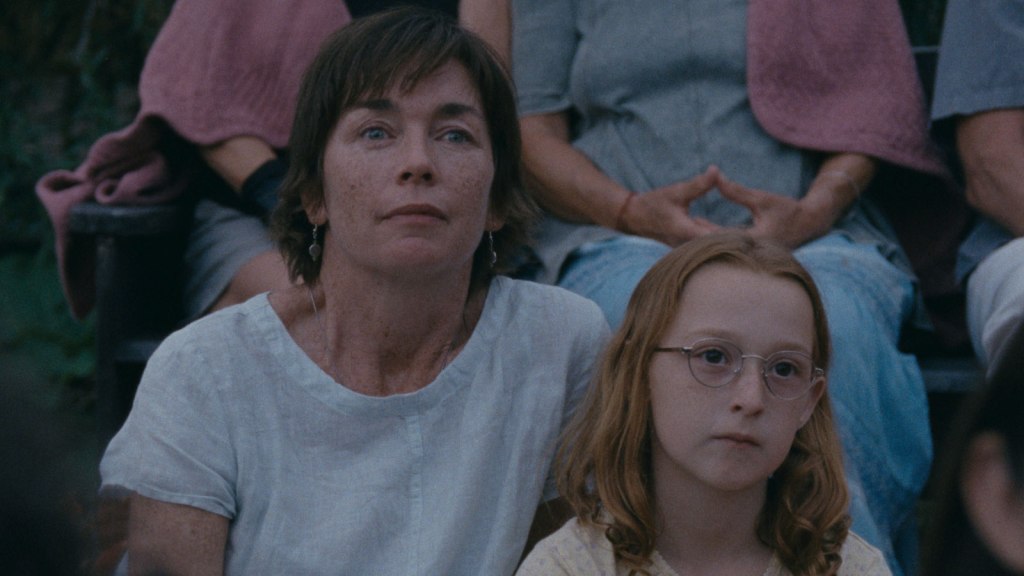
The smell of Autumn on a warm breeze as you stare, half bored and half awake at the misshapen clouds above, playwright Annie Baker’s filmmaking debut Janet Planet is the emergence of a major new voice in cinema, with all the confidence and assurance of an established artist.

Capturing a fascinating and enthralling pair in the owlish 11-year-old Lacy (a revelatory Zoe Ziegler) and her mother Janet (Julianne Nicholson) over a summer break, Baker’s precise use of silence and seasonal boredom is a beautiful ode to human connection, with the push and pull that can only come from someone you’ve known your whole life.

La Cocina (2024) – Alfonso Ruizpalacios

Rating: 3.5 out of 5.

A frenetic, seething diorama of modern America through the lens of a Times Square super diner kitchen, Alfonso Ruizpalacios’ La Cocina blends the modern and the old-fashioned in this long but never tiring hospitality nightmare. Starring Rooney Mara and Raúl Briones, La Cocina wears its metaphors of American white supremacy and immigration inside the kitchen proudly, with Ruizpalacios’s impressive filmmaking style and farcical tendencies buoying these weighty ideas.

My Sunshine (2024) – Hiroshi Okuyama

Rating: 3.5 out of 5.

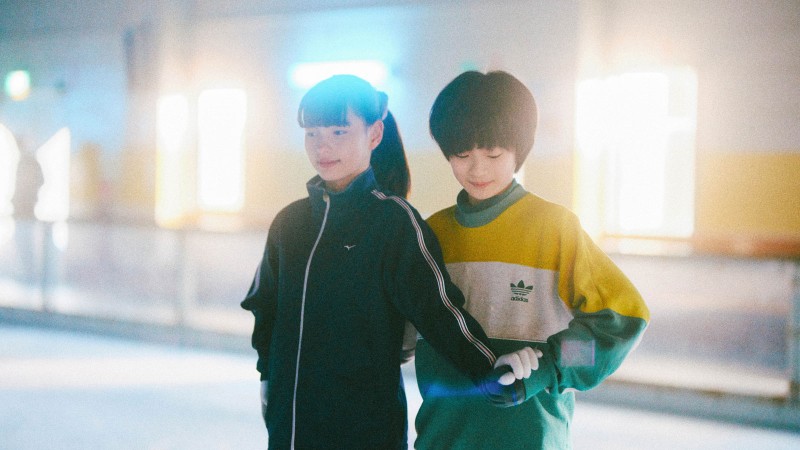
Like the enchanting mist of a crisp winter morning, Hiroshi Okuyama’s My Sunshine captures a personal tale of adolescent passion and direction with a nourishing blend of nostalgia and honesty.

My Sunshine has the trappings of a film about childhood love and coming of age, but shines through as a potent story about the importance of teachers and the connection that is made through a shared passion. While the uplifting story of Takuya’s (Keitatsu Koshiyama) journey with figure skating and growing into himself is universal and soul-nourishing, the journey of Arakawa (Sôsuke Ikematsu) rediscovering his love through his pupil’s childhood enthusiasm shows the connection with a mentor and mentee shines both ways.

No Other Land (2024) – Basel Adra, Hamden Ballal, and Yuval Abraham

Rating: 4 out of 5.

The only documentary I caught at the festival, No Other Land is a breathtaking on-the-ground experience in Gaza, with filmmaking collective Basel Adra, Hamden Ballal, and Yuval Abraham giving us a visceral document of the horrible situation in the Palestinian West Bank. Capturing Adra and his family’s village in Masafer Yatta in real-time slowly erodes any feeling of optimism in the region will hollow you out and leave you seething in rage.

On Becoming a Guinea Fowl (2024) – Rungano Nyoni

Rating: 4 out of 5.

Despite our IMAX screening needing to be restarted 30 minutes in due to a lack of subtitles, Rungano Nyoni’s On Becoming a Guinea Fowl had cast a cinematic spell that proved impossible to break. A compelling and seething portrait of the friction between community repression and warmth in modern-day Zambia, Guinea Fowl is a difficult but necessary watch with its honest telling of the ways sexual violence permeates global communities in incalculable ways.

Anchored by a truly star-making performance by Susan Chardy as the modern Shula returning home to her community in Zambia only to come across the bizarrely dead body of Uncle Fred in the middle of the street, Nyoni’s strong filmmaking chops are in full force, beautifully balancing evocative and compelling characters in an awful situation. One of the leading new voices to watch coming out of MIFF.

Pepe (2024) – Nelson Carlos de los Santos Arias

Rating: 3.5 out of 5.

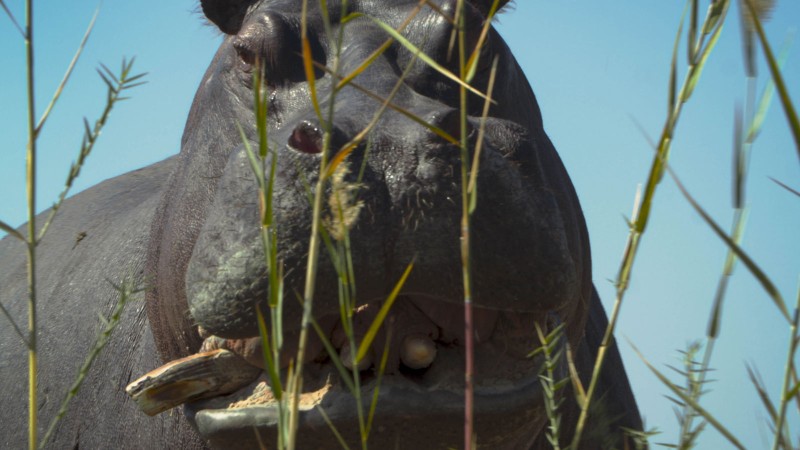
The story of Pablo Escobar’s escaped hippo told through poetic voiceover by the impossibly gorgeous baritone of Jhon Narváez, Nelson Carlos de los Santos Arias’s Pepe has one of the loglines of the year but is a film that dives compelling depths in this potential silly tale of animal personhood.

An infinitely charming and divisive story of losing a home never seen, Pepe bites off more than it can chew but has more meat on its bones than the majority of films you’ll see this year. With some truly mind-blowing filmmaking inside its modest frame, Pepe will sneak up on you and leave you surprisingly emotional about these hippos.

The Seed of the Sacred Fig: (2024) – Mohammad Rasoulof

Rating: 4.5 out of 5.

An enthralling family drama that devolves into an edge-of-your-seat thriller, Mohammad Rasoulof’s The Seed of the Sacred Fig deservedly earned second place at Cannes and easily finds itself in the conversation for film of the year.

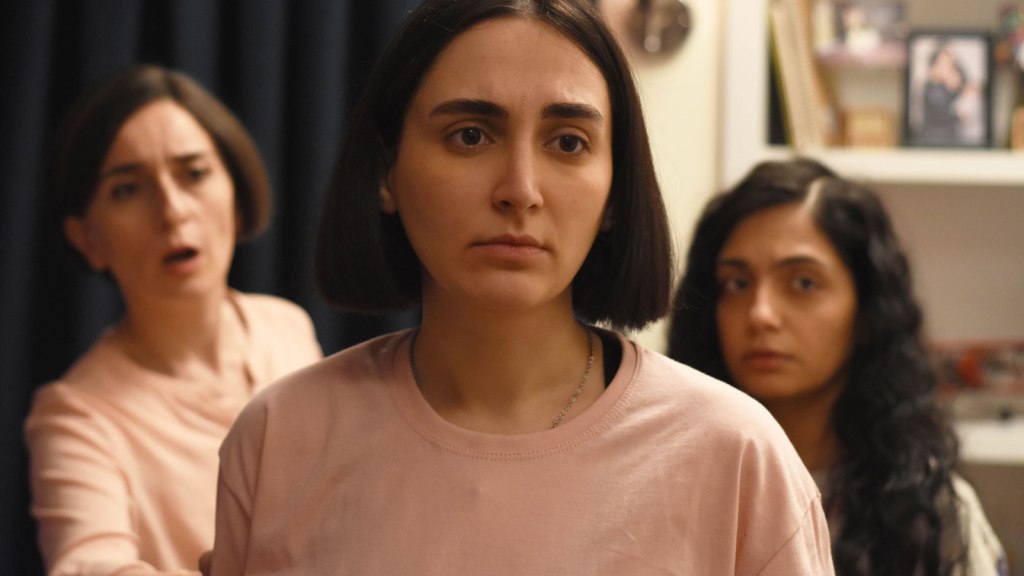
Grounding itself in the reality of student protests in Iran, potently displayed through real phone footage, Rasoulof’s film about how politics and repression are bound to its people is at times overwhelming, but never melodramatic. The Seed of the Sacred Fig is one of the most impressive screenplays of the decade due to its difficulty and focused expression, moving slowly but confidently to its unexpected climax.

Through an emotionally overwhelming use of real social media videos of Iranian political protests and violence, Razoulof risked his life making this remarkable film that so of the moment it’s hard to believe. Brilliantly blending metaphors of family dynamics as stand-ins for the regime, The Seed of the Sacred Fig is a remarkable, must-see film that may be the most crucial piece of cinema to emerge from 2024.

Sing Sing (2024) – Greg Kwedar

Rating: 4 out of 5.

The most emotionally overwhelming film of the festival, we are sure to be hearing a lot about Greg Kwedar and his incredible prison rehabilitation drama Sing Sing come awards season at year’s end.

Exploring the real theatre-based prison rehabilitation program at Sing Sing Maximum Security prison (RTA), with an open heart and boundless compassion, Kwedar and his collaborators have given audiences one of the year’s best and most open-hearted portrayals of the American prison system that will break your heart and put it back together.

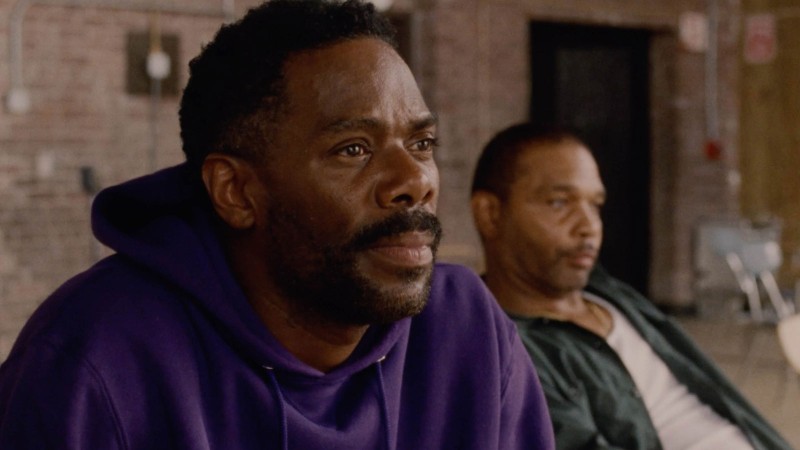
Perfectly blending reality and fiction, with an awards-worthy pair of performances by Colman Domingo and Clarence Maclin (an alum of the program), Sing Sing avoids any missteps into gratuity and gawking through an endless stream of humanity and humble decisions that is inspiring. A true miracle of a film.

The Shrouds (2024) – David Cronenberg

Rating: 3 out of 5.

A beguiling and disarmingly funny inward look at grief by a living legend, 81-year-old David Cronenberg’s The Shrouds is a film only he could make. While not on the level of Crimes of the Future (2022), Cronenberg’s outward display of grief for his late wife Carolyn Ziefman in 2017 here is poignant and more emotional than you’d expect. 

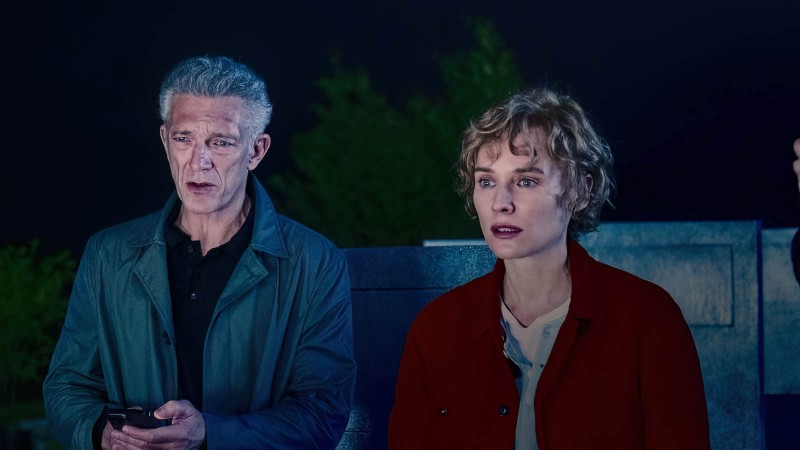
With a deliberate caricature of the auteur in the lead with a white-haired and sunglasses Vincent Cassel as a cemetery-owning video content producer with a physical obsession with the deceased, The Shrouds bizarre humour reminds one of the late Argento, but with a framework and personality that only the Canadian legend can achieve. While feeling more like a sketch than a fully realised project, in the long arc of Cronenberg’s work, this still feels like a critical late tentpole.

Sweet Dreams (2024) – Ena Sendijarevic

Rating: 3 out of 5.

A charmingly eccentric but slight look at the doomed Dutch colonialism of Indonesia, Ena Sendijarevic’s Sweet Dreams lives in the shadow of Yorgos Lanthimos and other Euro eccentric filmmakers, but still effectively skewers a worthy target.

As the death of a Dutch sugar plantation owner Jan (Hans Dagelet) plunges the land into financial turmoil, the arrival of a daffy married couple Josefien (Lisa Zweerman and Cornelis (Florian Myjer) threatens to sell off the depreciating land, much to the behest of Jan’s widow Agathe (the scene-stealing Reneé Soutendijk). 

The demise of a certain vein of European colonialism shot evocatively through natural lighting with Barry Lyndon (1975) as a touchstone, Sweet Dreams is a minor work compared to the rest of this list of MIFF films but is an entertaining enough ride to enjoy.

Universal Language (2024) – Matthew Rankin

Rating: 4 out of 5.

A poignant picaresque of Winnipeg through the language of 80s Iranian cinema, Matthew Rankin’s evocative film Universal Language charmed its way into the MIFF grand prize, the Bright Horizons award, and deservedly so.

A farcical tour through a Farsi-speaking imagined world of modern-yet-timeless Winnipeg, Rankin’s creative world-building leaves evocative nuggets around every corner, including one of the best locations in cinema this year with an Iranian-styled Tim Hortons.

One of the most rewarding and enchanting experiences in a wonderful suite of films, Rankin’s Universal Language is an idiosyncratic depiction of one’s home and cinematic loves combined, morphing into a must-see.

Sydney Film Festival ’23: Darcy’s Notebook

While I, as a Melbourne-based writer, eagerly wait for MIFF to roll back around in August, an opportunity to travel to Sydney arose just in time to catch the final days of the Sydney Film Festival to scratch my never-ending festival itch. 

In four days I was able to see 10 films of varying quality worth reporting on, so I have emptied the notebook out of my thoughts on a great selection of films from the festival. I have avoided discussing plots too much here as hopefully, most of these films arrive by year’s end for people to catch.

Past Lives (Celine Song, 2023)

The pick of the festival and best film I’ve seen in 2023, Past Lives is a simple but evocative story told with a subtle precision that will stay with you through multiple lifetimes. Joining the lineage of cinematic depictions of romantic longing that define some of the greatest works in the medium, Casablanca (1942), In the Mood for Love (2000), and Before Sunset (2004), debut feature director and writer Celine Song set the bar incredible high for her debut that she overcomes with an assured ease.

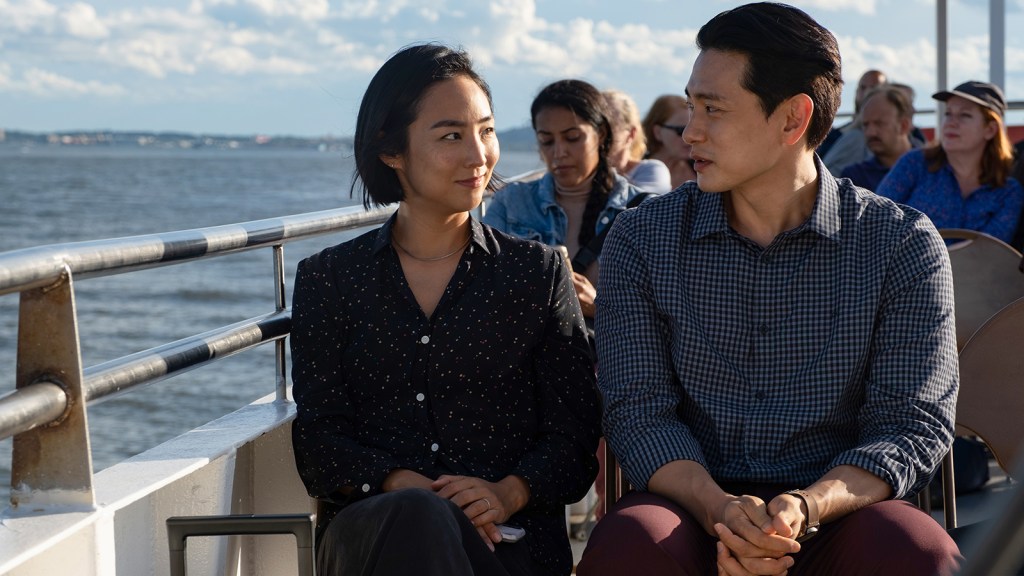
Following an invisible tether of 12-year increments, we accompany Nora (an incredible, awards-worthy Greta Lee) and Hae Sung (a revelatory Teo Yoo), two deeply linked childhood friends that reconnect online a decade after Nora’s parents emigrate to Canada. The film is best experienced the less you know, especially its final act, so I shall leave the breakdown there for now but will return when it opens wide on August 31st. 

Past Lives is an extraordinarily shot film by Song and cinematographer Shabier Kirchner, who also shot the incredible Small Axe (2020) series. This is the best looking film since Portrait of a Lady on Fire (2019), with its lingering pans and still images that would be enough to crown Song’s debut feature as a major achievement on its own. But it’s the deeply layered script, self-referential in the way our own stories are, that allows it to bloom into a uniquely moving experience.

With a Casablanca-level final act that had a sold-out audience on the verge of bursting from their seat and skin, Song has gifted us with a script and film of deeply personal experience that never feels alienating. The most personal is always the most universal, and Past Lives is a tremendous achievement that must be seen in theatres. Romantic dramas may be out of vogue as a theatrical genre, but I implore you to seek this one out with a crowd as soon as possible.

Rating: 4.5 out of 5.
Shortcomings (Randall Park, 2023)

A stronger comedy than romance, Randall Park’s debut feature Shortcomings, adapted from the screenwriter Adrian Tomine’s 2007 comic of the same name, is an uneven but enjoyable coming-of-age story centring a difficult protagonist, indie theatre manager Ben, played by Justin H. Min. The film is a provocative comedy centring on Bay Area millennials trying to work out the stagnation of their lives and relationships that is deeply influenced by Judd Apatow comedies, buoyed by its bright characters that have a horrible case of foot-in-their-mouth.


With a terrific comedy ensemble including Sherry Cola, Ally Maki, Sonoya Mizuno, and Timothy Simons, Shortcomings doesn’t attempt to reinvent the rom-com wheel, but its acidic dialogue and loquacious characters lead to many hysterical moments and an overall enjoyable watch.

Rating: 3 out of 5.
How to Blow Up a Pipeline (Daniel Goldhaber, 2022)

A work of pure tension and electricity, Goldhaber has made a powerhouse feature for an emerging generation brought up in a world of climate fatalism. Based on the acclaimed nonfiction book of the same name, Goldhaber and co-writers Jordan Sjol and lead actress Ariela Barer (Xochitl) bring the genre formalism of heist and caper cinema to a subject matter that is too often weighed down by its own importance. 

Due to the time restraints of filmmaking, it is rare for a film to feel pressingly of the moments, which makes Pipeline an even more impressive achievement. The film operates almost as a forbidden, micro-budget indie that works so effectively in films like The Texas Chainsaw Massacre (1974) and The Blair Witch Project (1999), allowing the tension and drama to feel rooted in desperate reality that makes for an irresistible watch. 


Pipeline excels through its terrific ensemble of well realised modern Gen Z characters in Sasha Lane, Lukas Gage, Forrest Goodluck, Jayme Lawson, Jake Weary, Kristine Froseth, and Marcus Scribner. All the performers are just obscure enough to allow the film to maintain the air of unexpectedness and panic that heightens every shaky hand and nervous breath that will have you clawing at your seat for 90 minutes.

Rating: 4 out of 5.
Sand (Visakesa Chandrasekaram, 2023)

Stronger in intent and theme than execution, using local crews and first-time actors, Sand evocatively places you in a difficult moment in Sri Lankan history. As a survivor of a decades-spanning civil war, Rudran (played wonderfully on debut by Sivakumar Lingeswaran) must pick up the pieces of his life, including moving back home to live with his soothsayer mother (Kamala Sri Mohan Kumar), standing trial for his slowly explained role in the war, going through therapy for his wartime injuries, and seeking out a lost love Vaani (Thurkka Magendran). 

There is a wall of plot to scale in this quiet and meditative 101-minute feature that makes for an often unengaging watch, perhaps by design as we feel the immeasurable weight that the war has left upon the shoulders of survivors like Rudran. Nonetheless, Chandrasekaram has crafted a vital film that lacks polish but oozes authenticity, about an overlooked part of world history, grounding it in the life of one character to illustrate the complexity of the moment.

Rating: 2.5 out of 5.
Afire (Christian Petzold, 2023)

Not the only comedic film on this trip to centre on a self-absorbed artist played by a German actor who cannot help their destructive tendencies from impacting those around them, but is certainly the only film that sits inside the bucket of a climate parable.

A film relatable to anyone who has ever used their work as a shield against the world, the great Christian Petzold’s newest feature, Afire, centres on young novelist Leon (Thomas Schubert) who travels to his artist friend Felix’s (Langston Uibel) family home on the coast of the Baltic Sea to finish his new novel. When they arrive at the holiday home, they learn that Felix’s mother has rented out a room to the mysterious Nadja (the terrific Paula Beer), an unwelcome distraction of the world that Leon was hoping to escape. Compounding this, there is an encroaching wildfire from the west that doesn’t appear to phase the characters, even as it spreads ever closer to their door.

Petzold often works in myth and wider thematic ideas that drift into his films as suggestive poems, with Afire centring on love, passion, and an unique climate metaphor that manages to ground itself in these young people working out their lives in a rapidly changing world.

The unique filmmaker’s first true comedy, Afire is an oddly engaging film with unique and difficult characters, similar in ways to his 2020 mythological mermaid feature Undine (also with an incredible Beer performance). Petzold never allows an audience to stay on solid ground, matching the uncertainty his characters constantly feel, which makes for a compelling experience even if you find the characters unlikable.

Rating: 3.5 out of 5.
L’Immensità (Emanuele Crialese, 2022)

A story that follows similar tracks to others before it, but told with an aching honesty and specificity, will always transcend into feeling bold and unique. L’Immensità (2022), a coming-of-age trans story set in 1970s Italy, inspired by the real life experiences of writer and director Emanuele Crialese, who came out as trans at the premiere of the film at the Venice film festival, is a beautifully shot and treated film that is at both grounded in its location, while also levitating above it as a reflective piece of filmmaking.

The brilliant duo of performances from Luana Giuliani and Penélope Cruz as Andrew and his mother Clara excel in this slight but potent domestic story. Cruz, clearly taking inspiration from Gena Rowlands in A Woman Under the Influence (1974), is the all enrapturing sunlight of the film, illuminating an immense warmth that is equally difficult to live alongside as Andrew is trying to find footing in an uncertain world.
With several madcap dance sequences taken from Italian television musical moments, L’Immensità never feels weighed down by its bleakest moments, allowing the film to flow freely into its uncertain future as the credits roll.

Rating: 3.5 out of 5.
Passages (Ira Sachs, 2023)

A sardonic tale of romantic messiness depicted with a raw honesty that bleeds into tenderness in this perfectly cast love triangle. Starring three terrific actors in Franz Rogowski, Ben Whishaw, and Adèle Exarchopoulos, Sachs’ Passages is a fascinating and comedic film that keeps you on uneven ground throughout.

With a combination of complicated and withholding characters shown in what feels like the  fraught final stages of a relationship between Rogowski’s Tomas and Whishaw’s Martin, as well as a collection of honest sex scenes that feel so rare in modern cinema, Passages is a wholly unique experience in modern romantic storytelling that while lacking sentimentality, never lacks tenderness.

Rating: 3.5 out of 5.
Monster (Hirokazu Kore-eda, 2023)

Returning in quick succession off the back of the divisive but personally beloved Broker (2022), the master humanist filmmaker Hirokazu Kore-eda has crafted a complexly woven, if only slightly contrived Rashomon-styled story on empathy in an increasingly uncaring world.

The first film without a screenwriting credit since his powerfully assured debut Maborosi (1995), working with Japanese TV writer Yûji Sakamoto, Monster follows similar trends and themes to some of the revered filmmaker’s best work, notably Nobody Knows (2004) and Shoplifters (2018), while still feeling unique in the auteur’s wider canon of family and child-based dramas.

The film plays out in three distinct phases, beginning with single mother Saori (Sakura Ando), who is trying to get to the bottom of her son Minato’s (Sōya Kurokawa) bruises and erratic behaviour who blames his homeroom teacher Hori (Eita Nagayama). Explaining more will break the spell Sakamoto and Kore-eda cast across the film, which impeccably places you within each phase, commanding a genuine shock whenever a new moment expunges all previous notions we had of events and characters. What allows the film to excel is how these revelations are shown with compassion and care, never a trick for an audience to feel twisted around like a winding road thriller, even though the film is oftentimes thrilling. With a balanced score by the late master Ryuichi Sakamoto (using mostly older recordings with a few new compositions) as his final final work that he would’ve loved. I cannot wait to watch this again with the full scope of experience in mind.

Rating: 4 out of 5.
Reality (Tina Satter, 2023)

Reality is the guiding principle of this film which was clearly a more effective work of experimental theatre, filmmaker and playwright Tina Satter brought Reality (originally titled Is This a Room) to the stage in 2019, to rave reviews, and is now being adapted for a wider audience. A compelling story playing out in mostly real-time, using only the dialogue from the audio recordings of the real encounter the day the FBI arrives at the door of NSA translator Reality Winner’s (played by Sydney Sweeney) small Augusta rental, Reality plays out as a thrilling interrogation even if you know details of the story. 

The dialogue’s clunkiness and awkwardness heightens the reality (impossible for that word not to be tip of the tongue throughout the film) of the situation, even if it oftentimes lessens the cinematic quality of the film itself. The moviemaking flourishes are isolated to the moments of redaction from the file that are purposely jarring that begin as an engagingly disorienting experience, but by its 10th roll around becomes tedious. 

The terrific central performance by Sweeney and the minimalist filmmaking and set design choices by Satter allow Reality to commit to its goals of highlighting the real events of that day in exacting detail, while giving the audience an evocative theatre experience.

Rating: 3 out of 5.
Cobweb (Kim Jee-woon, 2023)

The newest entry from Korean cult filmmaker Kim Jee-woon, Cobweb (2023) may be the most bizarrely hilarious film of the year. Set in the heavily regulated world of 1970s Korean cinema, Cobweb stars Song Kang-ho as director Kim, an obsessive filmmaker that has to desperately attempt to convince his crew, actors, and producers to reshoot two more days of his newest film Cobweb, to make it a true masterpiece. If that synopsis ignites the receptors in your cinephilic brain, this is the film for you. 


With its biting satire and melodramatic comedy that bleeds over from the film-within-a-film to the film itself, Cobweb is closer to Robert Altman’s The Player (1992) than The Disaster Artist (2017) – there is an incredible moment where the melodramatic music starts to be used on the crew that shifts the whole film’s perspective. This overtly indulgent film is both an investigation into this important time in the evolution of Korean cinema that is so vital to the medium now and a hilariously over-the-top comedy about the ludicrous nature of the film industry that will have you falling out of your seat.

Rating: 3.5 out of 5.

MIFF 22: Citizen Ashe Has Smarts, Lacks Power

Rating: 3.5 out of 5.

Historically, tennis has been a gentleman’s game, and there’s arguably no player who better personifies this philosophy than Arthur Ashe. Embodying this same spirit is a feature-length documentary about the late athlete and activist which, while fascinating and well-told, doesn’t quite do its subject justice.

Born in the former capital of the Confederacy and raised in the shadow of segregation, Ashe overcame socio-economic disadvantage to achieve a bold ambition he set himself in his youth: doing for tennis what Jackie Robinson did for baseball. On the court, he devoured opponents with an icy elegance and disarming modesty; off it, he was a polite yet passionate advocate for civil rights the world over. His relentlessness continued well into retirement, using his name and voice in the fight against HIV/AIDS – a disease which he himself contracted, with fatal consequences.

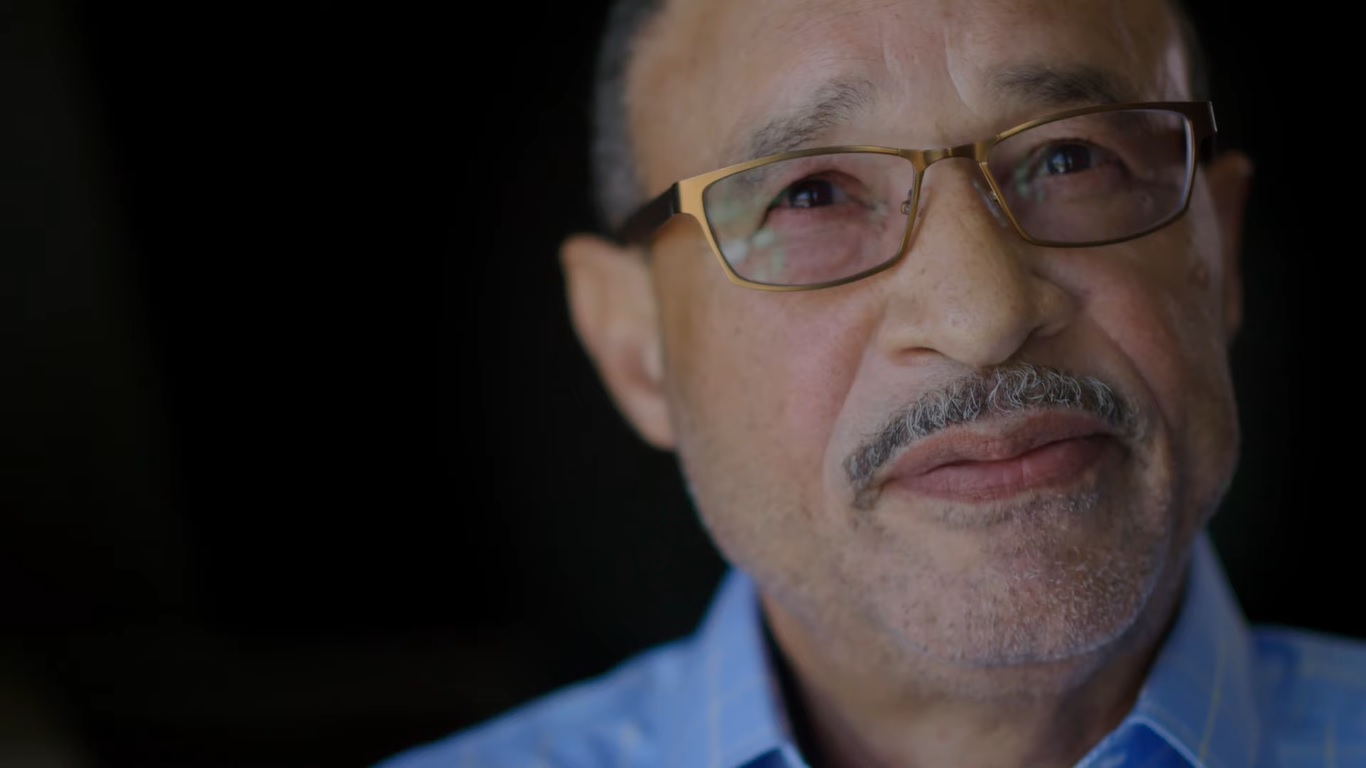
It’s quite fitting that Citizen Ashe (2021) should be screening as part of this year’s Melbourne International Film Festival. Our city is, of course, home to the Australian Open, the Asia-Pacific’s premier tennis tournament; but it’s also the place where Ashe obtained his last ever Grand Slam title, winning the Men’s Doubles competition with Aussie player Tony Roche in January 1977. Additionally, its showing continues the Festival’s affinity with politically-minded sports documentaries, with previous examples including The Witches of the Orient (2021) and The Australian Dream (2019). That’s right – this is no mere tennis story.

Ashe’s sporting achievements have since been overshadowed by the likes of the Williams sisters and Roger Federer, so it’s not surprising that directors Rex Miller and Sam Pollard have opted for a greater focus on the politics and social issues that shaped the athlete’s mindset. Insights are provided by the likes of Johnnie Ashe, who discusses his older brother’s upbringing in Montgomery, Alabama and his military service; and Harry Edwards, a former Black Panther who reflects on the tennis star’s passive approach to racism.

What’s most intriguing, and impressive, about Citizen Ashe is how Miller and Pollard tell their story. Fresh interviews with Edwards, Johnnie Ashe and others are woven together with archival video, and audio, of its subject appearing on current affairs programs and chat shows, all of which is expertly edited – to the point where the film negates the need for a dedicated narrator. At times, it’s almost as though Arthur Ashe is speaking directly to the viewer, his soundbites seemingly uttered with this very documentary in mind. And the ingenuity of the screenplay doesn’t end there.

Arthur Ashe’s younger brother, Johnnie is one of the talking heads in Citizen Ashe

Every good tale needs an adversary, and Ashe has one in Jimmy Connors. Having emerged on the tennis scene just as Ashe was reaching his peak, Connors appears to be everything that his counterpart isn’t, a man who’s strong, brash and loud – he’s widely recognised as one of the first “grunters” in the sport. Connors’ game-changing techniques contrast with the more traditional, tactical approach of his rival, making him the James Hunt to Ashe’s Niki Lauda, or the John McEnroe to the other’s Bjorn Borg. So intriguing is this rivalry that it could be a fascinating movie or mini-series on its own.

The same could be said for the rest of the documentary, for that matter. Every aspect of Ashe’s extraordinary life – whether it be his childhood, his studies in California, his military service, his visit to Apartheid-era South Africa, his coaching of the American Davis Cup team, his relationship with John McEnroe, his marriage to Jeanne Moutoussamy, or his AIDS diagnosis – is worthy of the feature-length treatment. But instead, Citizen Ashe condenses it all into a 95-minute runtime. While this is a commendable feat, the film needs at least another half-hour to thoroughly study its namesake, and reflect upon his legacy.

As a result of its abbreviated duration, the tone of Citizen Ashe is somewhat remote. His many achievements and milestones are made to feel more like footnotes, never reaching the cathartic highs of other documentaries about the African-American experience, such as Summer of Soul (2021). And in being so emotionally distant, the picture never becomes the profound, moving tale that it ought to be, nor does the viewer feel compelled to emulate its central figure and become a better person – as was the case in The Australian Dream.

Much like the man himself, Citizen Ashe refrains from melodrama, telling its narrative with poise and intelligence. The documentary falters as a tribute to the professional athlete, for it is overly clinical in its delivery, though it does serve some purpose as a neat introduction to those who are unfamiliar with all that Arthur Ashe accomplished in his remarkable, all-too-short life.

Citizen Ashe is streaming on MIFF Play until Sunday, August 28.

MIFF 22: Rewind & Play is a Must-See for Jazz Fans

Rating: 3.5 out of 5.

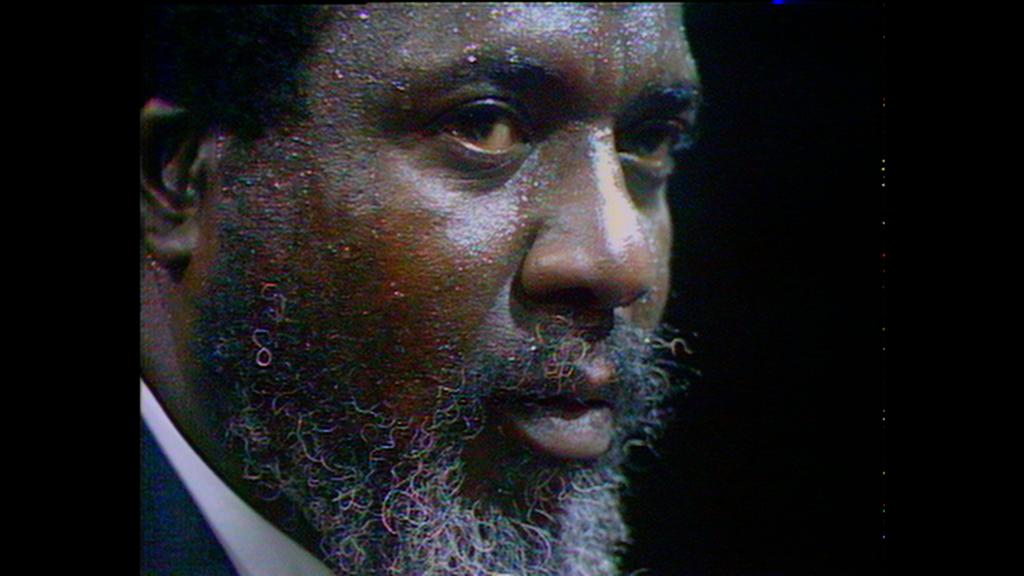
Taking place at the conclusion of Jazz titan Thelonious Monk’s European tour in 1969 on the French TV show Jazz Portrait, Rewind and Play (2022) gives us a window into how he was treated by even those that believed they were celebrating his genius. French-Senegalese filmmaker Alain Gomis uncovered this footage while working on a fictional, mosaic film based on the legendary musician. This is the filmmaker’s first documentary feature and is a remarkably selfless act to show this footage of unflinching honesty to a broader audience. 

Similar in style to Peter Jackson’s miracle of a Beatles documentary Get Back (2021), Rewind and Play gives us a window into one of Jazz’s biggest figures playing his instrument to what is ostensibly no audience. That alone is worth the price of admission. 

Right at the beginning of the film, you are struck by Monk, hunched and dripping with sweat. His exhausted breathing slowly overwhelms the rest of the audio, drowning out the host. In a film with a strong restraint in editorialisation of footage, Gomis from the first minute of screen time shows that he wants us to feel the harsh lights and environment the legendary pianist finds himself in. Gomis, throughout the documentary, uses Monk’s words and, more importantly, his piano, to drown out the words of those around him.

As soon as the host Henri Renaud begins to interview Monk, the callous and horrible treatment we are soon to endure rears its ugly head. When asked about his first time in France, Monk immediately mentions how he was ossified, something the host doesn’t want to be included in the show, as “it’s not nice”. The statement is also used by Gomis in the film’s opening credits.

Thelonious Monk in Rewind & Play. Screening provided by Andolfi Productions

Monk, like many musicians, communicates through his instrument. The language barrier is larger than the English and French divide here. He is clearly uncomfortable discussing his life, especially in front of a piano that he would rather be playing. Renaud is constantly interjecting his own experiences with Monk throughout the show, while also lazily translating what the pianist is saying back into French, usually in service of himself. The lack of respect and even acknowledgement of Monk’s playing is beyond frustrating, something we see draped across his face constantly.

The sadness from the documentary comes from Monk’s constant civility, coupled with an inability, or lack of desire, to combat with the host and crew on this french late night show. This is not James Baldwin on the couch of a French talk show trading barbs, Monk can only talk his frustrations out on the Steinway in front of him.

The repetition and rigidness of the talk show format is such an antithesis to the early jazz style, which centred on free-flowing, emotive pieces that had no desire to be replicated. The power of the Blue Note jazz movement came from the spontaneous outbursts in creative musicality that can be shared with an audience.

To have one of Jazz’s preeminent figures reduced to essentially a hotel lobby pianist is truly heartbreaking. And it’s not like these tv producers have an issue with the musician. They clearly adore Monk’s music and place in modern Jazz, but they cannot help themselves with their stereotypical ideas about him.

Gomis ironically closes the film with a cross-cutting sequence of Monk playing as the host describes a story of seeing the musician in a Harlem club, playing during a knife fight. The host asked Monk after the club shut down “Thelonious, how come you had the nerve to go on playing?” To which Monk replied, “it was no big deal, there was no need to stop”. This quote perfectly encapsulates the legendary musician’s relationship with music and the chaos of the world around him, highlighting the host’s lack of understanding about the man he was dealing with, then and now.

Rewind & Play will be in select theatres from August 17th to 21st and on MIFF Play from August 12th.