The Beast is an Unwieldy but Rewarding Art House Epic

Rating: 3.5 out of 5.

With ideas of love, death, and a modernist interpretation of Buddhist reincarnation splayed out across 150 years, Bertrand Bonello’s wide ranging sci-fi romantic epic The Beast (2023) is a sprawling and fascinating film that somehow leaves you wanting more. 

A film born of countless fascinating artistic and narrative choices, The Beast is stretched and pulled across multiple lifetimes and styles, from a modern-day LA, a 2044 future setting of all-consuming AI and monotony, and a love story set amongst the 1910 Paris flood. At the centre of it all is Gabrielle Monnier, played by the extraordinary Léa Seydoux. From an Age of Innocence (1993) inspired period drama centring on Gabrielle as a concert pianist, to a futurist worker being asked to wipe to purge her DNA of the memories and anxieties of her previous lives by AI overlords. Concluding finally with Gabrielle as a lonely LA actress trying to find her place in the world, The Beast is an unwieldy art house film that brings to mind the great films of David Lynch and Brian De Palma at its most kinetic, while struggling to leave a mark of its own in the space.

The film focuses on Gabrielle’s internalised fear and anxieties of an unknown catastrophe that she believes is just around the corner. This well understood anxiety that Gabrielle feels bleeds into her many lives, resulting in a profound loneliness and paralysis that impacts her on a near cellular level. 
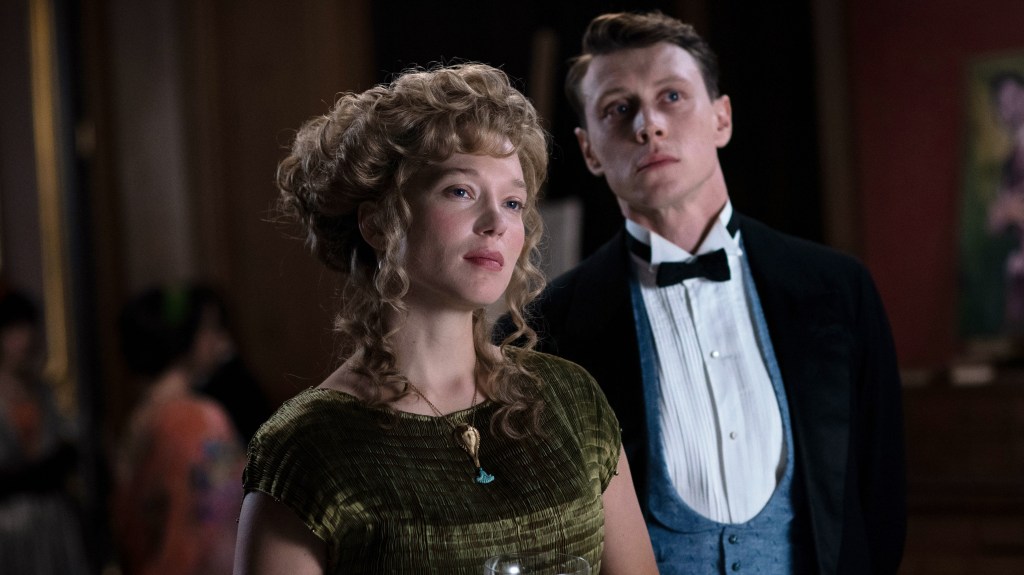
Léa Seydoux and George Mackay in The Beast.

While The Beast is centred on the many lives of Gabrielle and her compounding dread and anxiety across lifetimes, she is not alone in this experience. Passing through her life as a seemingly literal soulmate is Louis Lewanski (the surprisingly bilingual George Mackay) as a 20th Century bon vivant, a fellow future worker being asked to purge their DNA, and in an intriguingly jarring shift, a present-day incel with potentially violent ideations. The second half of the film weaponises this shift in temperament and character, moving from an ephemeral sense of peril and anxiety to something keenly modern and grounded that electrifies these once placid waters.

Where films like Mulholland Drive (2001) and Eternal Sunshine of a Spotless Mind (2004) succeed in finding the intimate in the existential, Bonello’s film fluctuates wildly between the two emotional states, only rarely succeeding in finding this balance. The filmmaker clearly has a penchant for pretence which is occasionally buoyed by artistic risk-taking and playfulness, particularly in its modern setting, but the decision to spend an hour of semi-build-up to this place is confounding, making even the most alluring moments of the film felt at a befuddled remove. 

But a 150-minute art film predominantly focused on Lea Seydoux’s wide expressions and emotions will never be an unengaging feature, even if there are valleys that under normal circumstances would derail the whole experience. Luckily, however, The Beast’s total commitment and unique narrative keeps one on the hook. Bonello has faith in his sharply drawn concepts on how an individual’s past impacts their future, shown through inventive filmmaking swings, which makes up for the loosely flowing structure of the screenplay, a faith that is justified more often than not.
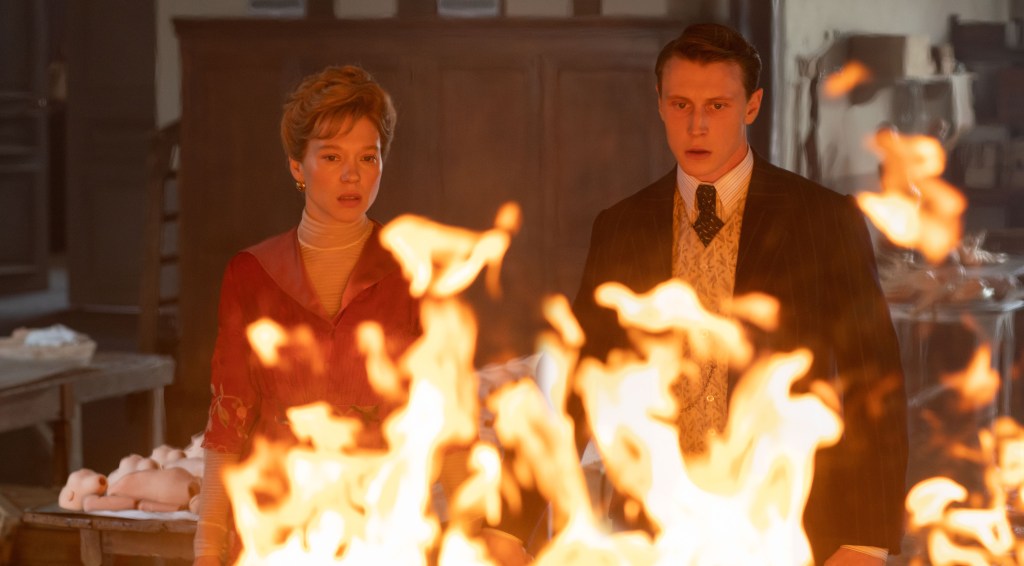
Léa Seydoux and George Mackay in The Beast.

Whether Gabrielle is unique in this feeling of past lives reverberating through her present is unknown to us, but we are given a strong sense that these other characters from the future setting have a similar sensation as they continue to inhabit these nostalgic clubs. Nostalgic events and content having purpose due to people’s past lives echoing forward into their future selves is a compelling notion situated tightly within this beast of a film. 

A film both manic and mannered like The Beast, while inventive, ultimately arrives with a lack of kineticism to consistently work across its extended run time. The film will certainly improve across multiple viewings due to its mysterious narrative and entrancing chemistry between Seydoux and Mackay, with the depth of concepts and emotional stakes we crave from these sorts of wild cinematic swings.

The back end is brimming with a watered down but still palpable Lynchian dread and unease that breathes new life into the film. The closing sequences of the film wield a carnal heartbreak that will linger long in the mind of the audience. A profound feeling of past mistakes and inactions being placed at the doorstep of our future selves is the sort of existential dread found all too rarely in science fiction horror, a realm where The Beast emerges triumphant.

The Beast is in select theatres now.
The Taste of Things is a Glorious Culinary Drama

Rating: 4.5 out of 5.

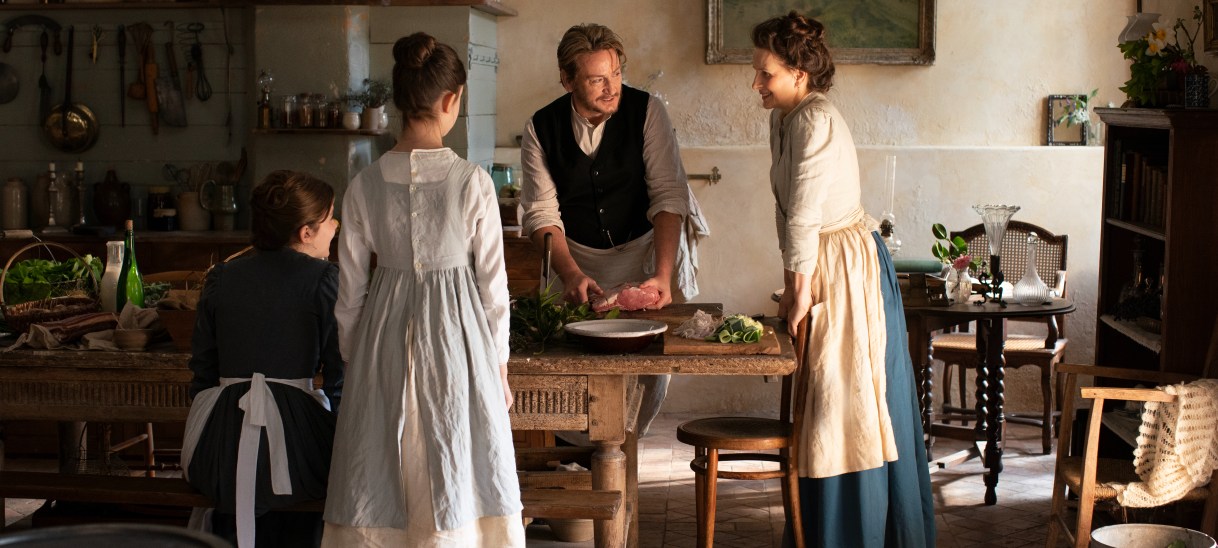
From the opening moments of Tran Anh Hung’s sumptuous new film The Taste of Things (2023), we understand this is not your typical cinematic culinary experience. A glorious 38-minute sequence of its central characters, esteemed cook Eugénie (Juliette Binoche), gourmet chef and partner Dodin Bouffant (Benoît Magimel), as well as teenage assistants Violette (Galatéa Bellugi) and Pauline (Bonnie Chagneau-Ravoire), preparing a gastronomical adventure for a dinner party, is almost the antithesis of American kitchen dramas like The Bear and Boiling Point. The motions are smooth and articulate, and the pace is casual but never languid. Tran is keenly aware that an audience will be salivating over this high execution of French cuisine and intrigued by its characters, desiring to know more than just how to get their hands on a plate. The lack of score and dynamic sounds throughout this sequence and the film as a whole allows the quiet expression of the art of cooking and eating to dance across the screen. 

Based on the popular French novel The Passionate Epicure (1920), written by Marcel Rouff, The Taste of Things operates closer to a prequel to the novel, expanding on and inhabiting this merging of equals between Eugénie and Dodin. Their relationship plays out in a slow simmer across the film, with Tran’s camera dancing calmly between their cooking and intimate dialogue scenes, while remaining an impressively clear eye for both situations as an opportunity to explore the characters. Binoche has always been an extraordinary screen presence and the film relishes in that from entrée to dessert. 

Like a perfectly cooked meal at a dinner party, it is impossible to avoid becoming entranced in the moment-to-moment treasures of this charming film. From the opening frames, we are taught to embrace the pleasant ambience of crackling pork fat and the sizzling butter, allowing its narrative to surprise you like the pang of spice in a seemingly gentle soup. There is a simple plot of Dodin being invited to a prince’s palace that boasts one of the best chefs in the world (played by three-star chef and the film’s culinary consultant Pierre Gagnaire), whose response is to return serve with an invitation of his own, but Tran is only tepidly interested in this space. He is more keenly preoccupied with the relationship found between Eugénie and Dodin, a pair of incredible artists who want for life and to share their love of food and cooking with others.

Benoît Magimel and Juliette Binoche in The Taste of Things.

A gentle smile between Magimel and Binoche, during a gorgeously romantic dinner where Dodin cooks for Eugénie, simply melts your heart. The air of trepidation and expectation before someone eats the first bite of a meal you’ve sought to perfect is a difficult moment to reflect on screen and is perhaps the film’s greatest accomplishment. This powerful moment is achieved through the chemistry both behind and in front of the camera, from Binoche and Magimel, to cinematographer Jonathan Ricquebourg and director Tran Anh Hung, and importantly, culinary consultant Gagnaire who designed an extraordinary menu for the film.

The Taste of Things feels closely tied to Kelly Reichardt’s recent wonder Showing Up (2022), a gentle but honest depiction of the day-to-day craft of creativity and creation through the eyes of a sculptor. The camera weaves in and out of the patient crafting of stock and demi-glace alongside a spread of different meats, learning more and more about the characters in the kitchen as they prepare and cook. French cuisine is all about patience and simplicity, seeking bite-sized perfection from a large base, which is emulated in the filmmaking style on display.

Culinary and gastronomy nerds will savour the glancing mentions of famed chefs Carême and Escoffier, placing the film directly within the deep history of French cuisine and gastronomy. The Taste of Things could operate perfectly at any time, but there is an evocative nature to the period setting of the film, particularly inside the world of the kitchen. 

Juliette Binoche and Benoît Magimel in The Taste of Things.

Much like Dodin’s decision to serve pot-au-feu (simple but delicious slow-cooked meat and veg) to the prince, the film’s narrative is simple and elegant with an undercurrent of complexity and nuance that heightens each scene, even when you know the destination. What allows us to connect with this simple narrative is Tran’s use of time, executed through a near-constant camera motion, weaved with some of the most seamless editing by Mario Barristel that you’ll see this year.

In its transcendent final sequence, the total emulsion comes together to leave you wholly satisfied. The combination of contrasting natural lighting, echoes of its rigorous but delicate opening sequence, and the compelling performances of Binoche and Magimel heightens the crescendo to a point of potency that arrives unexpectedly on the palate. The Taste of Things gives you just enough narrative and plot on your plate to satisfy, but it is this unique focus on naturalism and craft that is the aftertaste you are left with.

However, this is not a film of food porn extravagance, there is a compelling world of emotion and relationships steeped below. Like the perfect demi-glace, the most important component is time and patience. Give this film both and you’ll be richly rewarded.


The Taste of Things is in select theatres now.