A dark comedy satire about modern conspiracies that devolves into chaos, Bugonia (2025) is a perfect follow-up for Greek auteur Yorgos Lanthimos’ uneven but fascinating 2024 triptych Kinds of Kindness. Based on Jang Joon-hwan’s too-early-for-the-moment film Save the Green Planet (2003), Lanthimos works with The Menu (2022) screenwriter Will Tracy, tapping into the moment of conspiracy and class-based desperation as the wealth gap opens into a chasm that flits between glancingly poignant insights.
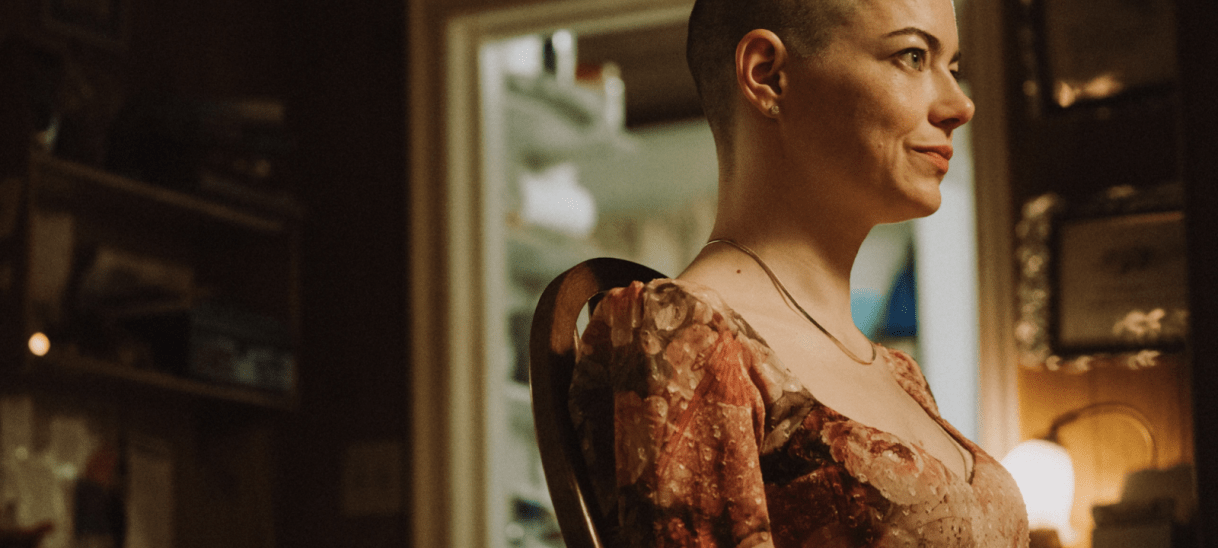
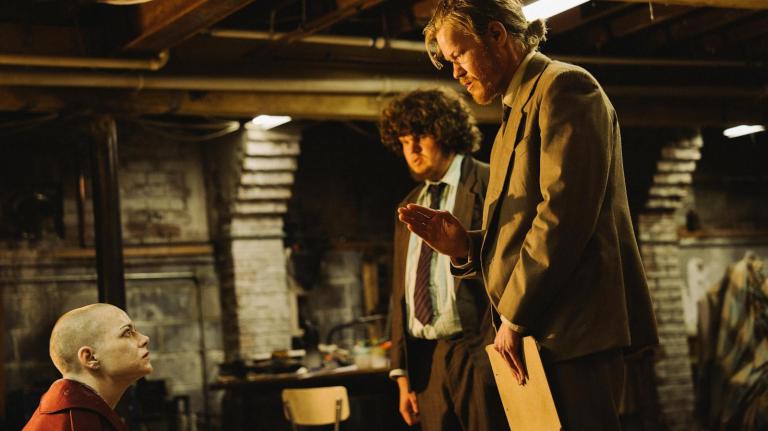
Set around the outskirts of Atlanta, cousins Teddy (Jesse Plemons) and Don (Aidan Delbris in his first screen role) are conspiracy-addled loners living in Teddy’s family home, preparing to kidnap a nearby pharmaceutical CEO they believe is an alien hellbent on destroying the planet. The CEO in question, Michelle Fuller, played by now-regular Lanthimos collaborator and producing partner Emma Stone, holds this shaky film and script together with a powerfully committed performance that would command greater Oscar buzz if the film weren’t so off-putting, likely dissuading voters from admiring her work.
In quiet and chaotic scenes alike, Stone plays the cousins and audiences constantly, as we search for any clue as to whether Teddy is right about any of his ravings. While the film fluctuates in tone, never settling on a worldview of humanity that usually allows Lanthimos’ films to shine through the affectation, Stone is perhaps Hollywood’s most dexterous performer of tonality, with an ever-increasing ability to comfort and challenge an audience at a moment’s notice.

When the film is thriving, it bounces between satirical black comedy moments from Teddy’s conspiratorial ravings about aliens causing all of his personal problems and Michelle’s faux empathic conversations with her employees. By so heavily linking Teddy’s personal traumas to his conspiracies as well as his solution of convincing the aliens to spare Earth, we are drawn deeper into the spiral of empathising with a violent protagonist while never wavering in our scepticism. Teddy’s seeming displeasure with other people also has the audience questioning why his end goal is to save humanity, when he only appears to like his family and the bees he cares for.
Plemons and Stone have become so locked into Lanthimos’ sets that they become true extensions of the filmmaker that are worth the price of admission. Robbie Ryan’s 35mm Vistavision camera focuses so intently on faces during key confrontation scenes that complicate and enrich every fraught interaction between the three characters, playing out like an absurdist tragedy of modern nihilism and the cost of humanity in simple close-up.
Even with its often bracing moments and artistic flourishes that have won and lost the Greek filmmaker’s fans over the years, Bugonia will go down smoother than recent entries due to its deliberately modern setting. With a pair of iconic needle-drops in Chappel Roan’s Good Luck, Babe and Green Day’s Basketcase, Lanthimos’ film stretches out past his own artistic bubble, offering a hand to a contemporary audience needing to be invited into his world that is richly rewarding.
Teddy is a beekeeper and blames Michelle’s company for the death of the countless bees (bees feature as prominently here as in Jason Statham’s bizarre 2024 film The Beekeeper), as well as the death of his mother, clouding the audience’s perceptions of whether this kidnapping is mostly an act of personal vengeance. The title Bugonia comes from an ancient Mediterranean ritual based on the belief that bees are produced from a cow’s carcass. This spiritual concept of rebirth, blossoming from an integral part of the ecosystem through the death of another being, is woven throughout the film, most clearly in its final images. Unfortunately, the rest of the film’s zippy nihilism clouds these fleeting ideas, never reaching above a wry smirk or passing glance towards a future it believes in.
The Greek auteur’s work can too often feel disconnected from our world, much like his clear idol, Terry Gillem, striving for the work to be seen and appreciated outside time rather than exist alongside it. In Bugonia, however, we live in an achingly dissolving world of Teddy’s conspiracies and Michelle’s jarring CEO ruthlessness, echoing much of the world in our mid-2020s in a similar vein to Ari Aster’s divisive Eddington (2025).
But in a current climate of political violence and peak conspiratorial thinking in positions of power, what does it mean to centre a violent conspiracy theorist in a contemporary movie? Kudos to Tracy and Lanthimos for adapting Jang Joon-hwan’s 22-year-old film into this fraught moment, but do they truly reckon with that decision? A film that plays with your ideas of truth and fiction, Bugonia lands in a certain vein of deterministic nihilism that questions why bother asking the question in the first place, leaving us with a satisfying movie but a bizarre aftertaste. Turning to conspiracy as a direct result of tragedy is an evocative core at the heart of a contemporary story, but are you willing to turn inwards and face that ugly humanness that is uncovered?
Bugonia is in theatres on October 30.
 Rating Frames