Beetlejuice Beetlejuice: Tim Burton Turns Back the Clock with a Nostalgic Sequel

Rating: 4 out of 5.

Beetlejuice Beetlejuice preview screening provided by Universal Pictures.

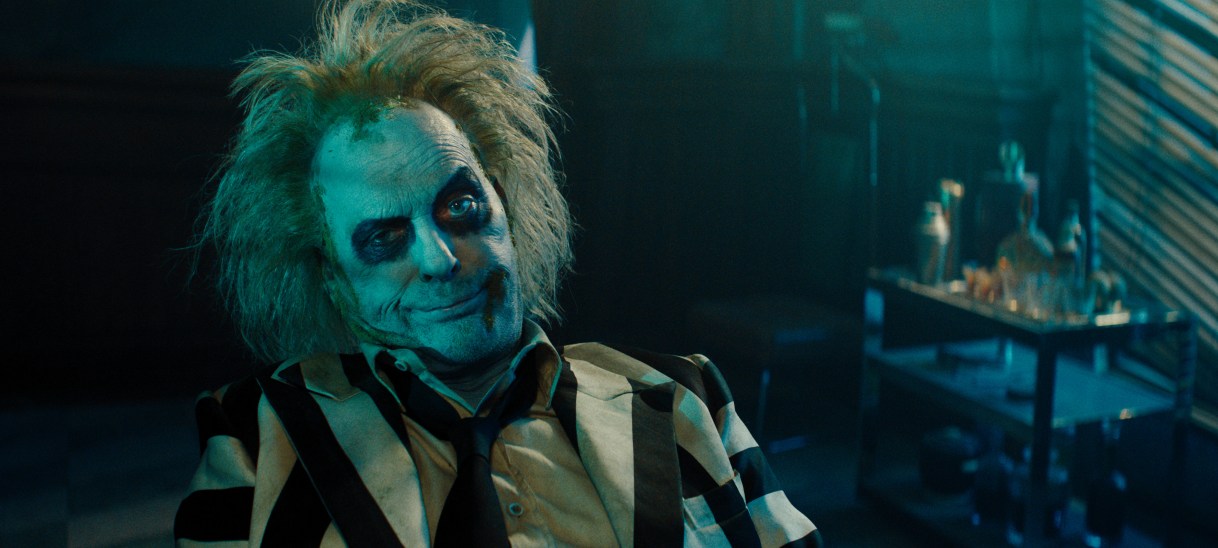
Whether you like him or not, mesh with his unique aesthetic or run the other way, Tim Burton occupies a space in modern cinema that he’s carved from consistency: in strangeness, in the casting of brilliant oddballs, and in retaining his trusted collaborators. It’s a big reason why Beetlejuice Beetlejuice (2024), his follow-up to the now classic Beetlejuice (1988), is such a breezy experience at the cinema, one that picks up effortlessly from where its predecessor left off, and feels just as fresh and alive as it did 36 years ago.

It’s all the better, in fact, with this sequel using the foundations established in the first film and elevating them to a level of zaniness and tomfoolery that only Burton is capable of. Beetlejuice Beetlejuice plays out like a celebration of its predecessor, one that’s well thought out and that doesn’t feel like it’s had to reinvent itself for a modern audience. That’s in stark contrast to Burton’s attempt at Dumbo (2019), a film that from the outside looked like it was marred by too much intervention and creative oversight by Disney to the point where it felt like two visions clashing, with the result being a pretty mess.

Burton’s return to his own fabled creation has the opposite effect, showing a director who’s at ease and in his element, as though he needed a reset by returning to something so beloved to find his groove again. The title sequence attests to this, with a sweeping overhead shot of the town of Winter River that’s almost identical to the one he utilised in the first film; it’s a familiar, nostalgic sight, with most of the film leaning on callbacks to the original to appeal to audiences both old and new.
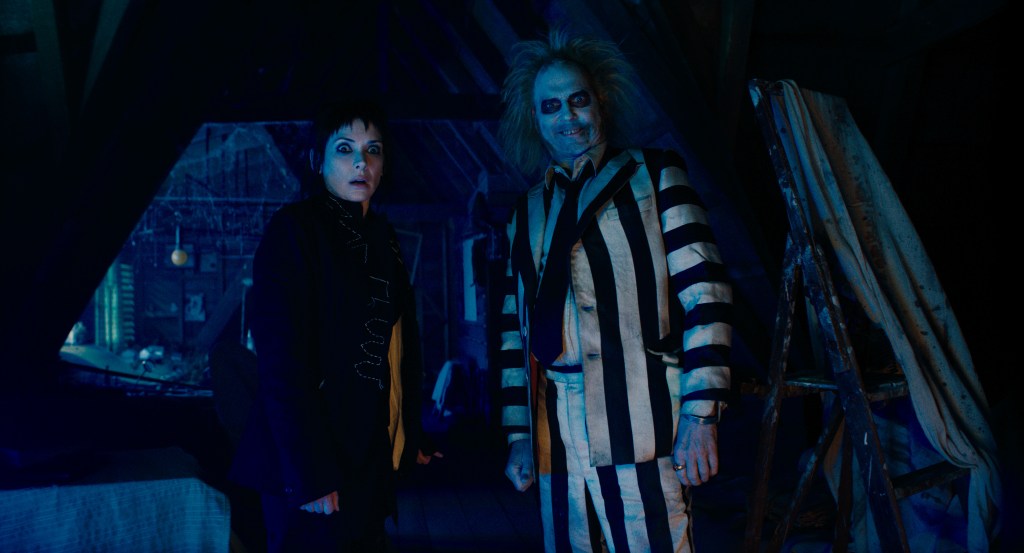
(L-r) WINONA RYDER as Lydia and MICHAEL KEATON as Beetlejuice in Warner Bros. Pictures’ comedy, “BEETLEJUICE BEETLEJUICE.”

From the overhead shot, we land on Winona Ryder’s Lydia Deetz who’s now hosting her own show on paranormal horrors as though this was an episode of Ghost Hunters. She’s still just as quirky as in the first film, but is also much more on edge as she’s clearly still haunted by her own encounter with Beetlejuice (Michael Keaton) many years ago. It could also be that her overly sleazy TV-producer boyfriend, Rory (Justin Theroux) is right up in her business trying to solve her problems the moment she gets a bit jittery; or even that her own daughter Astrid (Jenna Ortega) ignores her texts and doesn’t believe her ghost obsessions.

The truth is, it’s a mix of those things, but especially the former. Beetlejuice’s presence is still felt by the characters of the first film, including Delia (an ever so comical and hilariously bougie Catherine O’Hara), but he’ll play a key part in helping them deal with the film’s wider threats, including an old flame of his, Delores (aptly played by Monica Bellucci), who’s stapled herself back from the dead and wants revenge.

That’s not the least of the backstory that Burton traces through, with the first 25 or so minutes of the film introducing and reintroducing the film’s characters. Others include Wolf Jackson (Willem Dafoe), a dead-actor-turned-detective in the Afterlife who’s full of wits as he’s tasked with tracking down Delores, treating his job like a performance in the process. The standout of the newcomers is of course Ortega who, after her success with Burton’s hit Netflix show Wednesday, slots effortlessly into the director’s zanny world. Her chemistry with Ryder is a revelation, with their pairing singing the tune of the film and its theme around reconciliation and the bond between a mother and daughter.

(L-r) JENNA ORTEGA as Astrid and WINONA RYDER as Lydia in Warner Bros. Pictures’ comedy, “BEETLEJUICE BEETLEJUICE.”

The Afterlife itself is just as teeming with (dead) life, and looks just as vibrant and charming as it did all those years ago. It’s a testament to production designer Mark Scruton’s eye for detail as he decorates this setting with even more personality and character through his whacky designs. In fact, all of Burton’s collaborators are on their A-game, especially his regulars; Danny Eflman’s score has an ethereal quality that is reminiscent of the heyday of this genre of film, while costume designer Colleen Atwood once again dresses the cast to impress, to the point where one’s eye is naturally drawn to all characters lurking in the background.

There’s rarely ever any wasted space in a Burton film which is something that all filmmakers working in tight runtimes should aspire to. Every frame feels well thought out, every gag is executed cleanly and every prop feels like it’s just where it needs to be. Keaton has more screen time this time around as well, but everyone gets a share of the spotlight. There’s even time for a Chucky-esque demon baby-Beetlejuice, a room full of awkward Bob-like, small-headed, big-bodied beings, and a ‘Soul Train’ that —befitting to its name— transports soul musicians (and has wider implications in the plot). It’s a film that feels like it was made for the 80s gothic B-movie scene, was somehow never shown the light of day, but was unearthed at the right time.

Beetlejuice Beetlejuice opens nationally from the 5th of September.
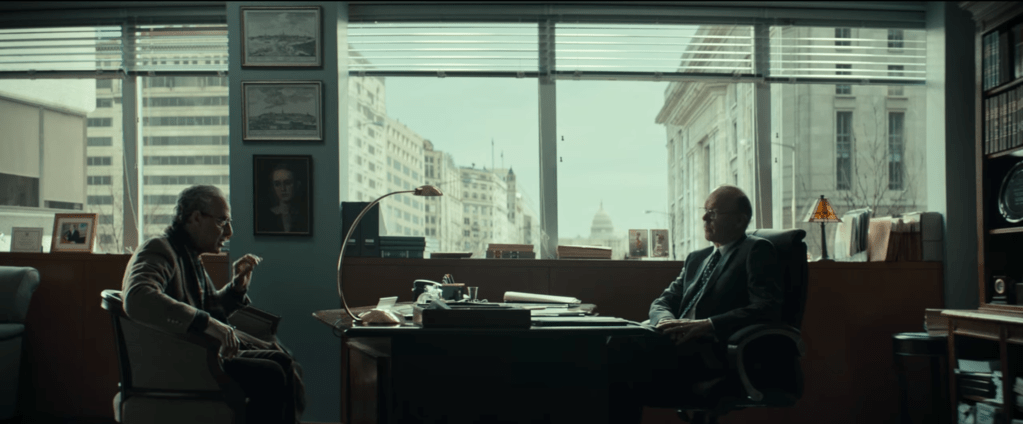
Worth Tackles Questions of Loss and Tragedy in 9/11 Drama

Rating: 3 out of 5.

Releasing onto Netflix in time for the 20th anniversary of the 9/11 attacks, Sara Colangelo’s Worth (2020) asks the daunting question of valuing a human life and the emotional turmoil of asking an individual to calculate that number in dollars and cents. That is the task of Ken Feinberg (Michael Keaton) and Camille Biros’s (Amy Ryan) law firm after the tragedy of the September 11th attacks, a task only Feinberg jumps at the opportunity to pursue. Just over a week after the attacks, the US Congress passed a bill to compensate the families of those that were lost, with the promise of not suing the airlines involved in the attacks, an act we are told would sink the economy, with Feinberg’s task to be to find the right number value for this compensation.

The film is setup well and has a high level of care given to the events that tell the audience immediately the sort of 9/11 drama this will be. Yes, there will be emotional scenes with grieving families breaking down in law offices, but the film will not confront you with the horrors of the events, that is not where its interests lie.

Keaton is a standout here, having an impressive command of the film while never being flashy, maintaining a consistent and measured demeanour, never wanting the emotional weight of tragedy the job requires to cloud his judgement. There are no “they knew!” scenes of emotional release that Spotlight had here – which won’t help it come awards season – the emotion of the film instead was carried through the circumstances and the testimonies of the families, an aspect Colangelo never abused, peppering these scenes in to create a measured flow to the film.

But this was no one-man show. The whole cast was excellent and individualised, especially Amy Ryan and Shunori Ramanathan, who at times were given the task of grounding and transferring the emotional weight of the film from the families to the firm, something she did with a certain energy and grace that was quite remarkable. It did on occasion lean too heavily into the tropes of the grizzled boomer man needing to be taught empathy by the women in his life, but the performances of Keaton, Ryan, and Ramanathan ground it just enough to avoid falling over.


Colangelo and cinematographer Pepe Avila del Pino (who worked together on Colangelo’s complex previous film The Kindergarten Teacher) also created an engaging and compelling visual language to Worth that should be celebrated. There’s a heavy use of negative space throughout the film, emphasising the isolation the lawyers are feeling as they attempt to connect with different parties, as well as an interesting use of centre framing, something quite unique in this sort of biopic film that stylises it in a singular way. Too often movies of this nature focus too much on dialogue in dull fluorescent lit offices and ignore the infinite ways filmmaking techniques can communicate a theme and emotion that makes the best films so impactful.

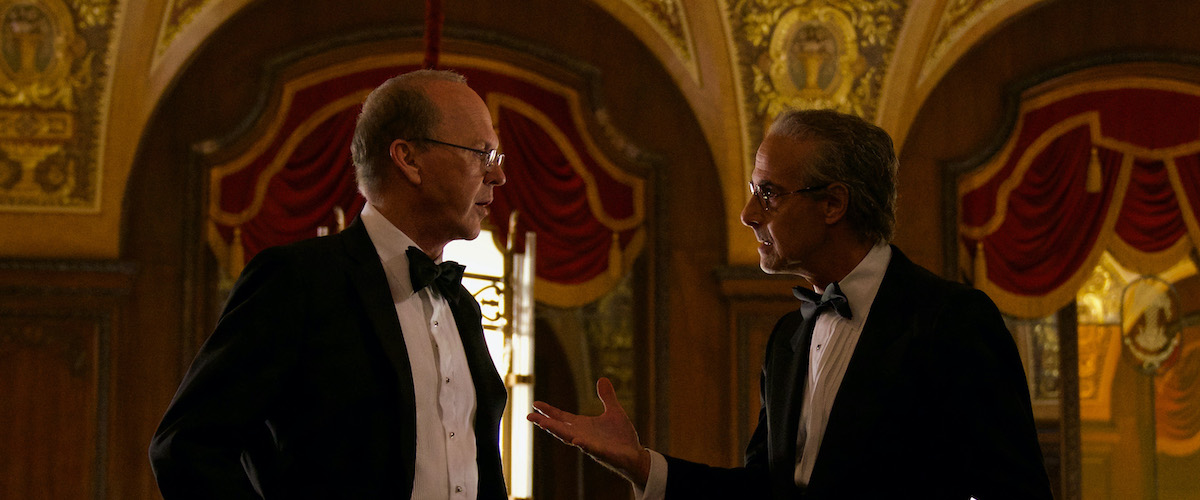
Stanley Tucci and Michael Keaton’s pivotal confrontation in Worth

One area that didn’t feel as considered as the framing, however, was the haphazard score, with different styles being thrown around between very quiet and sterile scenes. Even with the musical connection of opera and classical music being formed between Keaton and Tucci’s characters, this bond is never felt on a filmic level, with some score choices feeling at odds with the nature of the scenes they are intended to accompany. Compare that to Spotlight, something impossible to ignore throughout the film, which has one of the best scores of the 2010s by legend Howard Shore. What makes that score transcendent isn’t the flashy, rousing orchestral moments we usually attribute to the best scores, but in how well it connects to the film it is contained within and elevates in its emotional weight, something Muhly’s score falls short on.

The Shore score is measured, inquisitive, and almost mourning, matching and amplifying the tone of the film. The Muhly score, however, feels disjointed with its use of different instruments and styles with no real sense of cohesion between pieces, and rarely matched the emotional stakes of the scenes they were in which limited the film’s ability to transcend the more cliche and typical aspects of the film. It may feel harsh to harp on just this one aspect of the film but it feels a microcosm for the issues of the film and what holds it back from being great.

Worth is an admirable film that is considered and thoughtful about an important time in our history that needs to be viewed more closely and has set Colangelo up for a potentially long career oscillating between indie and studio filmmaking. It’s worth your time. (I couldn’t help myself.)

Worth is currently streaming on Netflix.