Returning to Pandora after just three years, James Cameron’s third entry into his one-of-a-kind franchise, Avatar: Fire and Ash (2025), is closely linked to its previous chapter, Avatar: Way of Water (2022), giving the film its first sense of stagnation. But that is not to say Fire and Ash is a regression. The film is overwhelming and unwieldy, and in a normal year would be the best in a lacklustre slate of Hollywood blockbuster filmmaking with its incomparable visual style and boundary-pushing ingenuity that still convinces global audiences to leave the house and wear 3D glasses. But with the releases of Sinners (2025)and One Battle After Another (2025), two of the year’s films, should audiences start asking more from the stories coming out of Pandora?
Taking place one year after Way of Water, the Sully family is still mourning the loss of Neteyam (Jamie Flatters), all in different ways. As a Na’vi, most are still in a mourning period, especially Neytiri (Zoe Saldana), who feels lost in her grief. Jake (Sam Worthington), however, introduces the human concept of never addressing your feelings and pushing through in the hope of progress to the community.
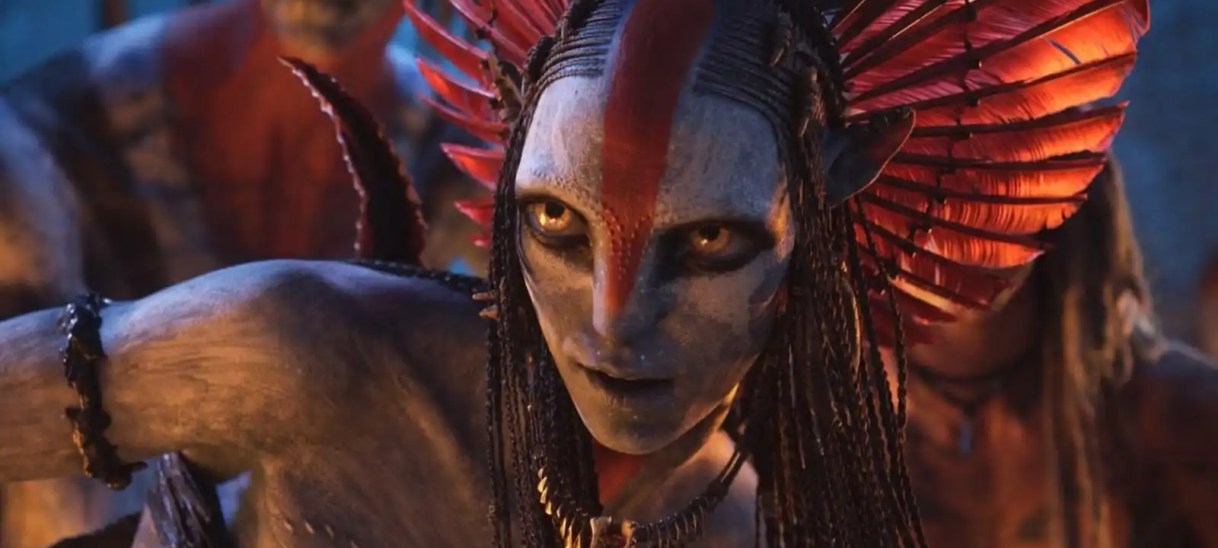
There is little time to settle back into Pandora before the action starts. Spurred by the adults’ desire to remove Spider (Jack Champion, their sort of adoptive son and only human protagonist left in the franchise) from their community, much to the rage of the rest of their young and growing family, the Sully clan are ambushed by the Mangkwan clan, or Ash people, are they are known. A brutal Na’vi group headed by Varang (Oona Chaplin), a war chief who leaps off the screen and gives this long film the jolt it needs to sustain itself, even if we are constantly let down by a lack of development.

While Varang is a viscous and instantly captivating antagonist, entering the canon of Cameron villains, we are constantly seeking more depth behind the violence and destructive tendencies. What does it mean for a leader of a seemingly nomadic group of Na’vi styled like the Comanche to so easily join the colonising oppressive humans, and what does it mean that these questions are not explored? While appreciating that screenwriters Cameron, Rick Jaffa, and Amanda Silver explore different sides of their Native American and colonist sci-fi allegory, the lack of depth or curiosity in its own writing falls flat, underwhelming what should be an explosive final act.
With a script and thematic conceptions decades out of date and technological cinema spectacle decades ahead of its competitors, James Cameron’s Avatar films live outside of time, allowing us extended peaks at this bizarre yet captivating place. What has allowed these films to thrive after all these years is their commitment to elemental storytelling, and not just in its commitment to adding elements like its naming brother, Avatar: The Last Airbender (2005) (definitely adding an earth tribe next). The family dynamics are overwhelmed with melodrama, deeply intertwining friend and foe with children and lost families, all with a growing connection to the land and its creatures, the more time they spend there, to a point where the climax of the film is weighted equally to the Na’vi as the Tulkan (whale creature added in the previous film) Payakan.
Cameron’s franchise expands in surprisingly organic ways, closer to a sweeping fantasy novel series than a film franchise spinning its wheels and playing the hits. Heroes and villains remain as the story is almost solely fascinated by their evolution as characters in a shifting world rather than having an expanding world smash up against rigid, established characters. As a double-edged sword, however, this does mean that at a runtime of 197 minutes we are focusing a lot of time and resources on the story of Spider, a mildly interesting but repetitive character, and his two fathers, Jake and Quarich (Stephan Lang).

While the script and characterisations continue to lack, we still marvel at the film’s visual palette and stunning sound design. With its use of high frame rates, something that takes time to settle into, water and elemental scenes really soar, while the textured sound design grounds the world in the familiar, a delicate balance that allows each scene to grip you even if the storytelling falls away. Unfortunately the score by Simon Franglen still remains uninspired in these films, with preplanned swells that stir less emotion than is required for a film of this scale and craft.
Where films like The Creator (2023) seem designed to offer its cinematic approach to CGI filmmaking to future films in the genre, Cameron’s Avatar films strive for the visual Pantheon to be worshipped not emulated. We marvel, moment to moment at scenes of lush forests and dense reef ecosystems, fully immersed in a world of human creation, even as we get swept up in an expansive story about our need to protect and connect with nature. Like going to the aquarium and spending all day in the VR room.
But at what stage does it feel greedy to ask for more from a franchise now 551 minutes into its on-screen runtime? As we round the corner to home plate and the James Cameron payoff machine starts working its gears, it’s hard not to be hit by a pang of sadness that this fascinating cultural item at the heart of a medium in a state of panic doesn’t strive for something more human or poetic. Audiences may never stop returning to Pandora once invited, but they may begin to ask for something under the surface to sustain them.
Avatar: Fire and Ash is in theatres now.
 Rating Frames