Dad, Larrikin, Friend, Genius, Icon, Documentary Subject But Also John Clarke

Rating: 4.5 out of 5.

“Life could be pretty boring if we didn’t make it funnier.”

Eight years have passed since Australia, and the world lost legendary satirist John Clarke, a New Zealander whose comedic alter-ego made him a national celebrity, before he made the trip across the Tasman, called Melbourne home and delighted another whole country with his distinct brand of humour. His death in 2017 was met with the kind of despair our brethren generally reserve for athletes, movie stars or royalty; praise came forth from all quarters – journalists, thespians, second-rate critics and the very individuals he so often lampooned, politicians, all effusively praising his wit and drawing attention to his huge body of work in written, aural and visual formats.

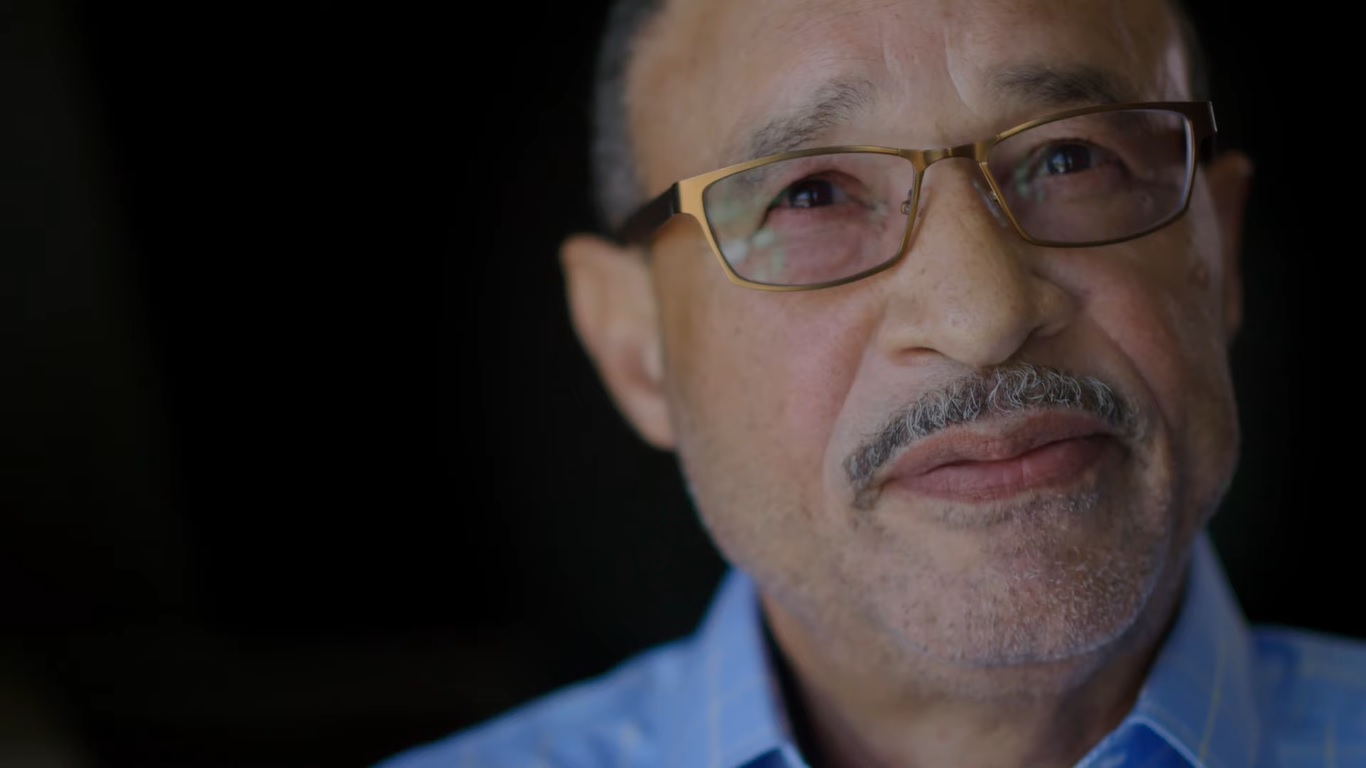
No figure is better placed to tell the story of this Kiwi multihyphenate than his eldest daughter Lorin, who emulates his diverse artistic talents by performing the manifold roles of director, producer, writer, interviewer and narrator of the very documentary that bares his name: But Also John Clarke (2025). Through monologues, conversations, anecdotes and a treasure-trove of archival footage – including home-videos, and Lorin’s own conversations with her father before his untimely death – viewers are presented with a captivating and amusing portrait that cordially pays homage to its eponymous focal point.

Much of the narrative’s first half is spent (as is often the case with stories of a biographical nature) exploring Clarke’s younger days in his mother-country, detailing a tumultuous upbringing that saw his creative spirit very nearly stymied by an oppressive boarding school, and a court blame him for the failed marriage of his parents rather than the more logical explanations of “irreconcilable differences” or “emotional trauma stemming from the horrors experienced in the Second World War”. Such torment would have broken an ordinary man, but not John Clarke, who overcame this animosity by way of several failed university courses, a brief sojourn to Europe and applying himself to the scene of theatre. This, of course, begat the persona we know as Fred Dagg.

Our attention is soon diverted to happenings in Australia, where John raised his family, refined his craft and began making allegorical waves via supporting roles on ABC Radio’s Science Show – despite having virtually no knowledge of any scientific pursuits – and ABC TV’s The Gillies Report, on the latter programme earning recognition as the globe’s foremost authority on farnarkeling. Then came sketches with Bryan Dawe on A Current Affair, in which Clarke masterfully impersonated political dignitaries and those of a comparable persuasion through the simple act of bearing their name and emulating their mannerisms, followed by the equally-innovative mockumentary series The Games.

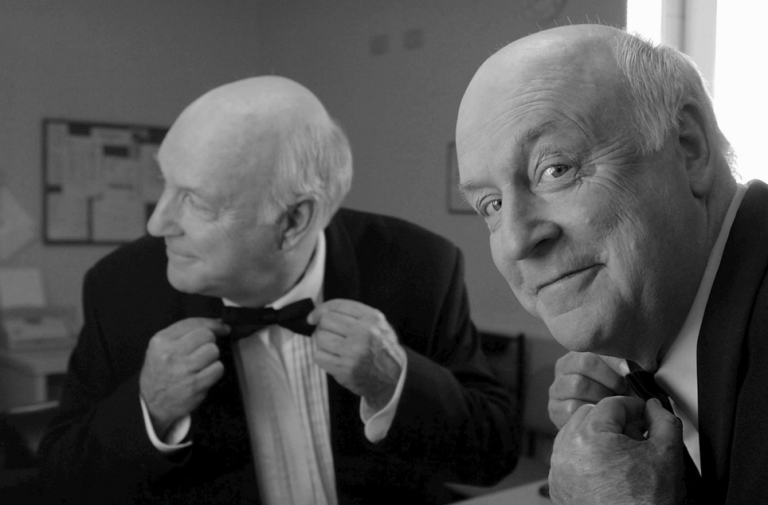
Shaun Micallef (left) is one of several talking-heads acquiesced for But Also John Clarke

Parties from Clarke’s homeland and adopted nation lend their voices to the film on a pro rata basis, ranging from his theatrical contemporaries to the funnymen he himself would go on to inspire, and some fellow NZ expatriate by the name of Sam Neill (we’re told he’s quite famous). As director, editor et al, Lorin utilises their insights to craft a story warm and moving without succumbing to the egregious crime of saccharinity that all too often befalls personality-driven documentaries. More impressive still is her compelling argument put forward that Fred Dagg, and by extension John not only gave birth to New Zealand’s comedy scene, but also helped to foster an irreverent, self-deprecating sense of national pride.

Faults in the picture are few and far between, especially when viewed on a cinema screen via digital projection. A more discerning eye may be saddened by the lack of consideration given to Clarke’s international standing, with an opening remark from Britain’s Stephen Fry being the only moment to suggest he had any influence outside of the Antipodes; others will be left to ponder why nothing is said of him providing his vocal talents to Wal in the Footrot Flats movie, The Dog’s Tail Tale (1986).

One element certainly not lacking is a steady provision of humorous clips from John’s frequent and plentiful appearances on the stage and screen during his lifetime. Some of these extracts are four or even five decades in age, yet timeless in terms of their amusement value – at the Melbourne International Film Festival screening this reviewer attended, hearty laughs were often elicited from audience members young and old. Most hilarious of all proved to be a very early sketch involving a Fred Dagg precursor named Farmer Brown, the punchline of which had yours truly succumbing to fits of tittering long after the credits had rolled.

Countless luminaries have dreamed of being the subject of a critically-acclaimed documentary that bears their name in years gone by; now, they’ll be hoping such a production is as earnest, mirthful and brilliantly told as what Lorin Clarke has put together in honour of her forebear. But Also John Clarke is a more-than-fitting tribute to a man of infinite jest who meant so much to so many people, not least his ever-talented daughter.

But Also John Clarke is screening in limited release now.

Best of 2024: Tom’s Picks

With 2024 having drawn to a close, Rating Frames is looking back at the past twelve months of cinema and streaming releases that have come our way. In the third and final of our series of articles, Tom Parry is taking a look at his ten favourite films of the year that was.

The resilience of the medium we know as cinema truly knows no bounds. Having survived a once-in-a-century pandemic and endured the dual strikes of unions representing America’s screenwriters and performers, 2024 proved – from an artistic perspective, at least – that the industry is as strong and creative as ever, with several titles catching the eye of yours truly.

As with previous end-of-year reflections compiled by this writer, the list below is dominated by English-language and blockbuster pictures, in part due to the shortage of arthouse theatres in regional Victoria and lack of opportunities to visit Melbourne; but had circumstances been different, he is confident the structure of this list would remain much the same.

10. The Apprentice

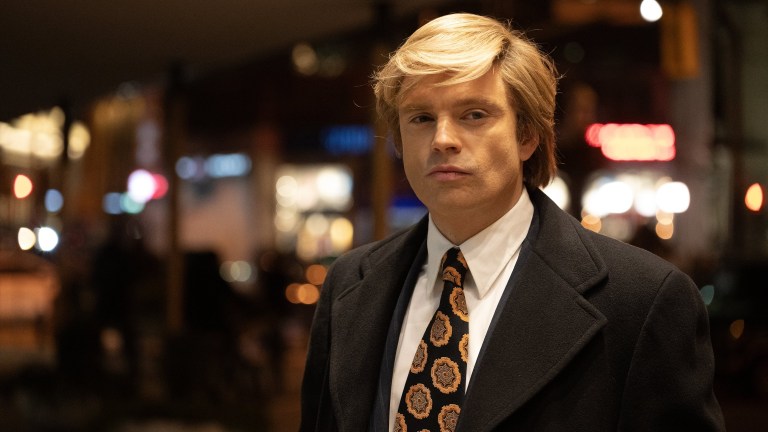
Director Ali Abbasi envisaged this biopic would sway undecided voters ahead of last year’s U.S. Presidential Election, though as the box-office returns and subsequent vote-count suggest, he failed miserably in achieving that goal. Yet what he does succeed in doing with The Apprentice is offer an astonishing re-creation of 1970s New York; elicit uncanny, lifelike performances from Sebastian Stan and Jeremy Strong; and provide a surprisingly nuanced examination of a man whose single-minded pursuit of wealth and fame turned him into the physical embodiment of every negative stereotype we associate with his countrymen.

9. Conclave

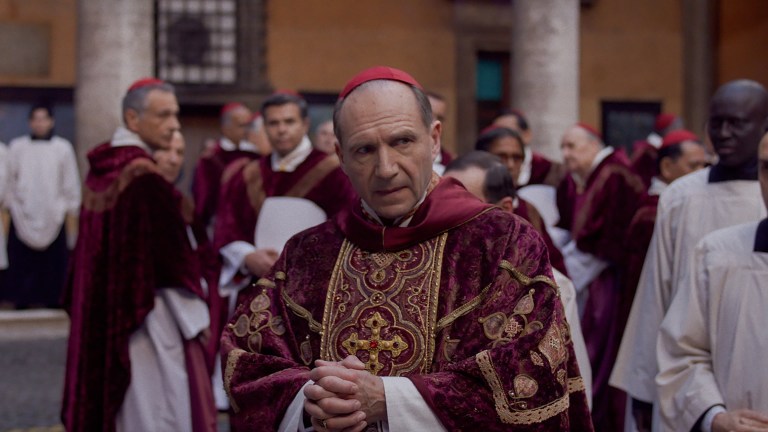
Applying the term “mature” to a feature-length drama, for most, conjures in the mind imagery, actions, themes and language inappropriate for younger audiences; yet it can also be used to define a production which is nuanced, composed and cerebral – all apt descriptions for Conclave. Here is what can be considered a political thriller without politicians, or Glengarry Glen Ross (1992) without the excessive swearing, taking viewers behind the façade of pageantry and into the halls of power, complete with excellent performances, great dialogue and a fantastic narrative that hooks until the very last twist.

8. Anora

For the better part of a decade, Sean Baker has made it his mission to document those on the margins of American society, a pursuit that has rightfully brought him countless accolades and admirers. He may well have reached his directorial and screenwriting peak with his latest effort Anora, a film so mesmeric that it has placed within in the Top Ten of this year’s Best-Of lists by all three of Rating Frames’ resident scribes – though Arnie and Darcy both seem to have neglected mentioning the ever-delightful Igor (Yura Borisov), one of the best characters of any picture in recent years.

7. Perfect Days

Despite earning high praise at the Sydney and Melbourne International Film Festivals the year prior, it wasn’t until March of 2024 that Wim Wenders’ Japanese drama received a theatrical release in Australia. That decision flies in the face of what is a beautiful story, one that’s tranquil and almost poetic in its observations of an otherwise unremarkable man who cleans toilets for a living. Add to that the gorgeous cinematography and impeccable soundtrack, and Perfect Days pretty much lives up to its title.

6. Super/Man: The Christopher Reeve Story

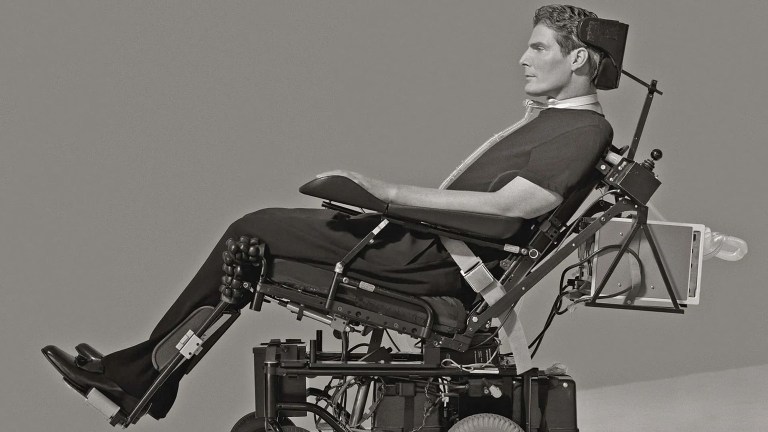
The 72nd iteration of MIFF was the first time since a certain global pandemic that yours truly attended an in-person screening in the Festival’s namesake city, an occasion marked at The Capitol with this very documentary. Its moving screenplay – yes, tears were shed – explores Reeve’s upbringing, early career as stage actor, casting as the Man of Steel, paralysis and charity work, told via interviews with some very famous and unexpected talking-heads (Jeff Daniels! Glenn Close! Susan Sarandon!) plus unseen home-videos and archival footage. An intimate portrait that offers a heartfelt tribute to its subject while not shying away from his faults.

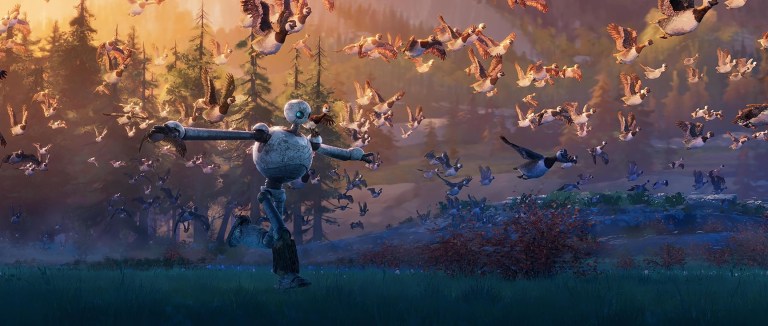
5. The Wild Robot

Amid Disney’s ongoing cultural and commercial dominance, and increasing competition from Sony Pictures Animation, the once-mighty DreamWorks had in recent times gone from being a pioneer of the industry to a studio at-risk of losing its prestige. That belief was immediately dispelled with the arrival of The Wild Robot, a feature-length production which not only proved a better film than any of its animated contemporaries released last year, but is also its studio’s most-impressive effort since the How to Train Your Dragon movies, complete with a talented voice-cast, stunning visuals, touching screenplay and rousing score from Kris Bowers.

4. The Iron Claw

Here lies a biographical narrative far better than it has any right to be. Distributed on our shores last January and lost in the thick of Awards Season, The Iron Claw recounts the lives of the famed Von Erich brothers, their contributions to the sport of wrestling, and the tragedies which impacted them as they pursued glory. Among its impressive elements are the cinematography, perfectly-curated rock soundtrack, and raw, compelling script that, astonishingly, had to be toned-down because the family’s actual story proved too sad and unbelievable. A must-watch, even for non-wrestling types (this writer included).

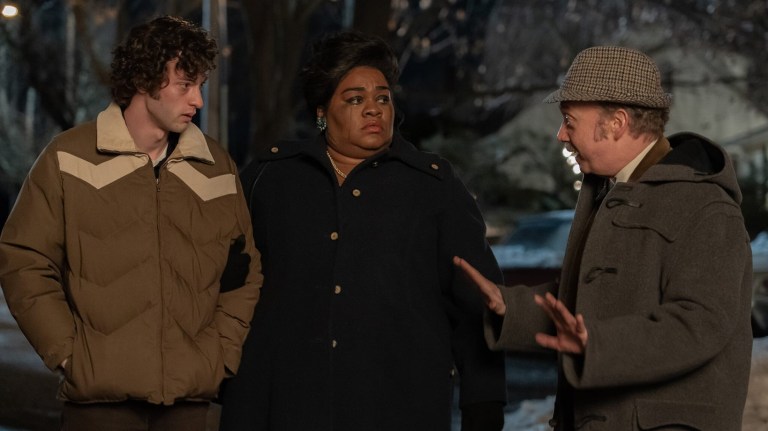
3. The Holdovers

Yet another release that made a belated appearance in Australian theatres, and unfairly so, since The Holdovers would have made for ideal festive viewing had it been brought here just one month earlier. Beneath the sardonic, caustic veneer of a history teacher (Paul Giamatti), anarchic rebellion of a student (Dominic Sessa) and remoteness of a cook in mourning (Da’Vine Joy Randolph) lies a transfixing, warm and sweet – yet never saccharine – tale embodying all the best qualities of Christmas.

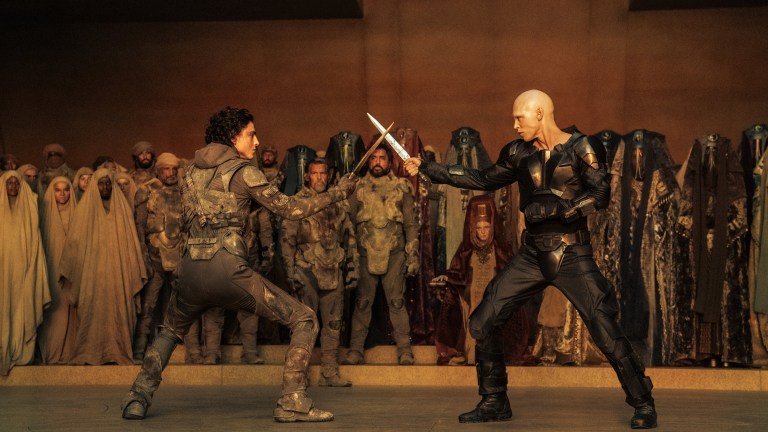
2. Dune: Part Two

Arnie and myself have quite differing tastes when it comes to cinema, but on one count we are in strong agreement: the sequel to 2021’s Dune is the second-best release of 2024. Canadian auteur Denis Villeneuve provides with Dune: Part Two the Empire Strikes Back (1980) to its predecessor’s New Hope (1977), a follow-up that builds upon the lore of its established characters and setting, and pairs them with even-more impressive visuals, sound and music. Also, kudos to Villeneuve for leaning heavily into the religious allegories of Frank Herbert’s original text.

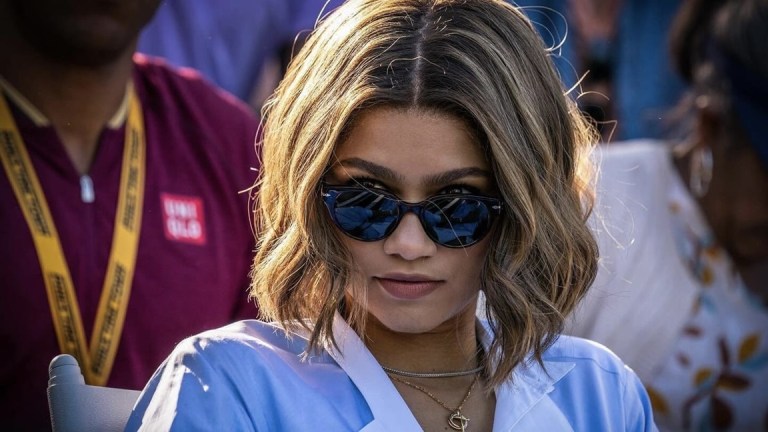
1. Challengers

The sheer number of quality pictures meant choosing this final list of ten proved much harder than in previous years, and deciding where to place the Top Five was a more difficult decision still. All came close to usurping the honour of being this writer’s ultimate favourite of 2024, yet only one prevailed – chiefly due to its flamboyance and idiosyncrasy.

Expertly helmed by Luca Guadagnino, Challengers boasts a tense, pulsating techno soundtrack from Trent Reznor and Atticus Ross; a non-linear narrative with a conflict that remains engaging throughout; fun camera angles and photography during its tennis sequences; and morally-ambiguous characters who defy the traditional concepts of a protagonist, yet never succumb to being antagonists. Put simply, there’s been no other film quite like it in the previous 12 months – and perhaps ever.

Honourable mentions: Civil War, Monkey Man, Kingdom of the Planet of the Apes, Kinds of Kindness, Unbreakable: The Jelena Dokic Story

Three Mad Max Theories that Change How You See the Franchise

Of all the cultural exports to emerge from Australia, arguably none is more widely recognised or celebrated than the Mad Max film series. These post-apocalyptic, dystopian tales have inspired praise and enthusiastic fan-bases the world over, from Asia to the Americas, all enamoured by the franchise’s idiosyncratic characters, punk-like aesthetics, and high-octane action sequences.

This popularity is quite remarkable when one considers the franchise’s humble origins. The initial Mad Max (1979) was conceived by its director, George Miller — a qualified surgeon — as a means of highlighting the impacts of road trauma, with the hallmarks for which the series is most-widely known not being introduced until its sequel, two years later. And even then, it is never directly stated nor explained why, or how, Max’s world operates the way it does.

This mystique has led to several theories from cinephiles, some of which help explain discrepancies that have emerged in the franchise’s four-picture, five-decade history. With the latest film in the long-running saga, Furiosa set to reach our screens this week, we’re sharing three of our favourites. Spoilers follow!

Max is Dreaming
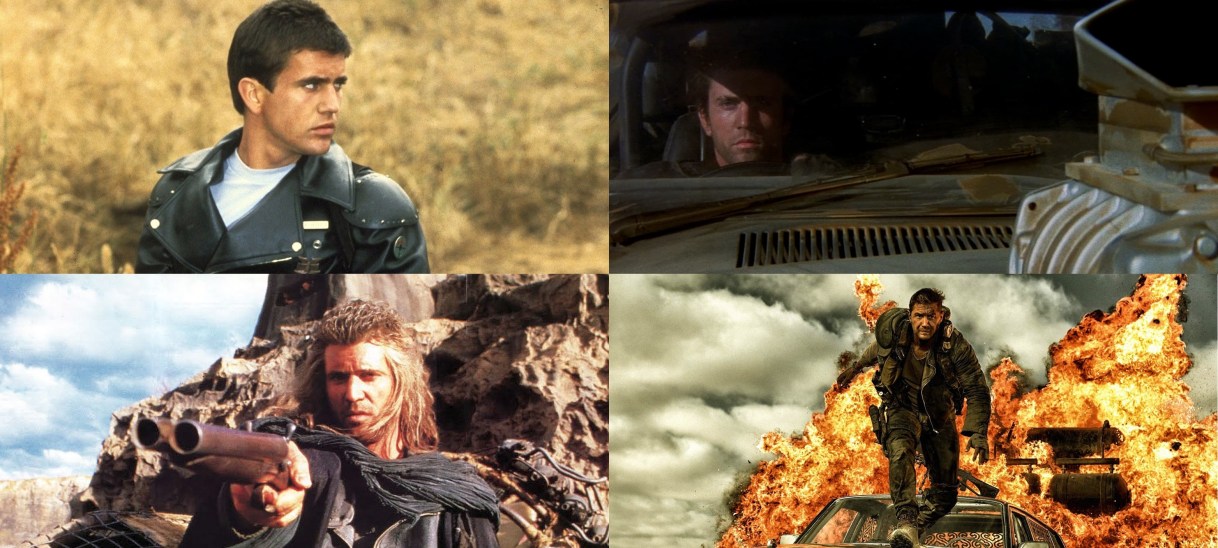
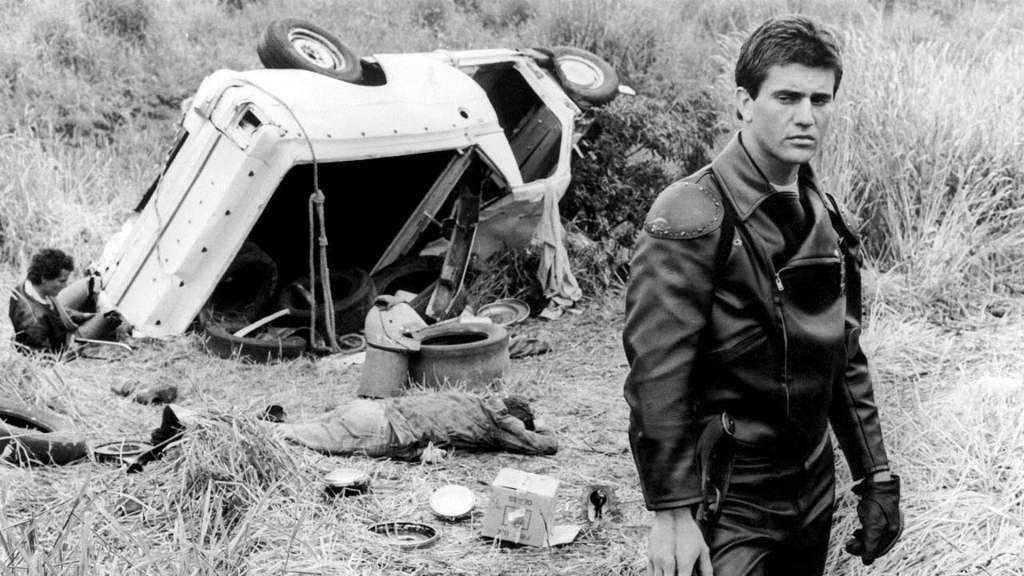
Max Rockatansky (Mel Gibson) as he appears in the final moments of the first Mad Max

This first theory postulates that our main protagonist, Max Rockatansky is imagining the events which occur in the second, third and fourth entries in the series, and stems from what transpires in the first picture. As a reminder: Max (Mel Gibson) loses his best mate, Jim “Goose” Rains (Steve Bisley), wife Jessie (Joanne Samuel) and infant son Sprog (Brendan Heath) to the violent hands of a rogue biker gang, led by The Toecutter (Hugh Keays-Byrne).

The argument here is that Max, having been distressed by the loss of those closest to him, becomes listless and descends into madness — hence the title — by entering a fantasy world of his own creation, one where he gets his revenge on Toecutter and his minions. From there, he visualises himself as a champion of the oppressed, committing vengeance against those who dare to stymie the peaceful will of others.

Applying the Caligari-esque mentality of it all being a dream may appear juvenile, but there are some elements which help provide credence to this belief. Note how, for instance, the respective plots of Mad Max 2: The Road Warrior (1981), Mad Max: Beyond Thunderdome (1985) and Mad Max: Fury Road (2015) all have Max entering a cult as an outsider, becoming their leader in all but name, and defeating their oppressors in a climactic chase sequence.

The theory also explains the use of certain actors in more than one film. Bruce Spence is a prime example — he plays the Gyro-Captain in The Road Warrior, and then appears as an amateur pilot in Beyond Thunderdome, both times assisting Max and his allies as they escape tyranny. Then there’s Max Fairchild, who appears in supporting roles in the first and second instalments; and Toecutter himself, Hugh Keays-Byrne, who portrays Fury Road’s antagonistic Immortan Joe over three decades after his first casting as a villain.

Max is a Legend
Max (Mel Gibson, again) with The Ones Left Behind in Mad Max: Beyond Thunderdome

By that, we mean he’s a mythical figure, akin to the Roman or Greek gods written about centuries ago. A couple of the examples used above could also be utilised as evidence for this second theory — the appearance of thespians as different characters in multiple films; the vaguely similar narratives of the three sequels — and more besides.

The Road Warrior is the entry which most readily identifies with Max Rockatansky being a myth. From the outset, it’s made clear the story is set in the future, with an elderly man (voiced by Harold Baigent) recounting the events of his past, who by story’s end reveals himself to be one of Max’s allies: the Feral Kid (Emil Minty).
More proof comes from the end of Beyond Thunderdome, where an adult Savannah Nix (Helen Buday) is seen recounting the tale of how she and her fellow tribespeople were rescued by Max. And then, there’s this quote which appears at the end of Fury Road:

“Where must we go… we who wander this Wasteland in search of our better selves?”

That line is attributed to “The First History Man”, and unknown and unwitnessed figure who, we can assume, is responsible for telling Max’s story.

Also indicative of this theory is the demise and unexplained return of Max’s iconic car, The Interceptor. This heavily-modified Ford XB Falcon Hardtop was stolen by Rockatansky in the third act of the original film, and destroyed in Mad Max 2, only to miraculously appear in the opening scenes of Fury Road (though in fairness, Miller circumvents this plot-hole by describing the latter picture as a “revisiting” of the franchise).

There’s More than One Max
Max (Tom Hardy) strapped to the front of a War Boy’s car in Mad Max: Fury Road

In the days and weeks following the release of Fury Road, there were certain netizens who hypothesised that this particular Max is, in fact, the aforementioned Feral Kid from Mad Max 2, owing to his long hair, the return of The Interceptor, him being played by a different actor, and the character reluctantly sharing his name.

Miller himself entertained this idea when queried by IGN, labelling it “interesting” but ultimately dismissing it, pointing to The Road Warrior’s end narration. Other factors that work against the premise include Tom Hardy being directly credited as “Max Rockatansky” in Fury Road’s opening, and his voice-over where he directly states:

“Once I was a cop, a Road Warrior searching for a righteous cause.”

But, tying into the theory that Max is a fable, it is possible that he is not the only “Max” in this universe. Again, The Interceptor helps provide weight to this theory — if this is the same Max we saw in Road Warrior and Thunderdome, how is it that “the last of the V8s” (as the car is labelled in the first and second chapters) is still in his possession after being lost?

There’s the matter of his name, too. Rockatansky only says his name twice in Fury Road — in the initial voice-over, and in the third act when he saves Furiosa’s life; he shares it about as often in Mad Max 2, and doesn’t utter it even once in Thunderdome, where he’s instead called “the Raggedy Man” or “the Man with No Name”. Perhaps our History Folk are telling of several figures who came to the aid of others, and just so happen to have named their hero “Max” in each tale.

Furiosa: A Mad Max Saga is screening in theatres nationwide from this Thursday, May 23rd. The other four Mad Max films are available via home-video, streaming and on-demand services.

Like the Comics of Old, The Peanuts Movie Remains a Charmer

Nearly a quarter of a century has passed since the last Peanuts comic strip was printed in newspapers; in that time, neither its popularity nor its relevance have faded — merchandise and media featuring its many characters are a constant, while the timelessness of the material ensures cross-generational appeal. And there is no better assurance of the latter fact than this feature-length adaptation from Blue Sky Studios.

Charlie Brown (voice of future Stranger Things star Noah Schnapp) is a boy with a perennial run of Bad Luck, unable to so much as fly a kite without it gravitating toward a tree, and everybody in the neighbourhood knows it. Well-aware that his reputation precedes him, he is spurred to reverse his fortunes by the arrival of a new kid in town, hopeful of leaving a positive impression on them and not an unfortunate one. That willpower only grows when Charlie Brown learns who the kid is: a cute girl with red hair who just so happens to be the same age as he.

Meanwhile, Charlie Brown’s dog Snoopy (voice of Bill Melendez) — a bipedal, literate beagle who sleeps atop a red kennel — is scripting works of fiction on a second-hand typewriter. Utilising his owner’s misfortunes as inspiration, and with the assistance of his good friend Woodstock the bird (also voiced by Melendez) he conceives tales of a fighter pilot in France, his aerial exchanges with the Red Baron, and his attempts to win the affections of a poodle named Fifi (Kristin Chenoweth).

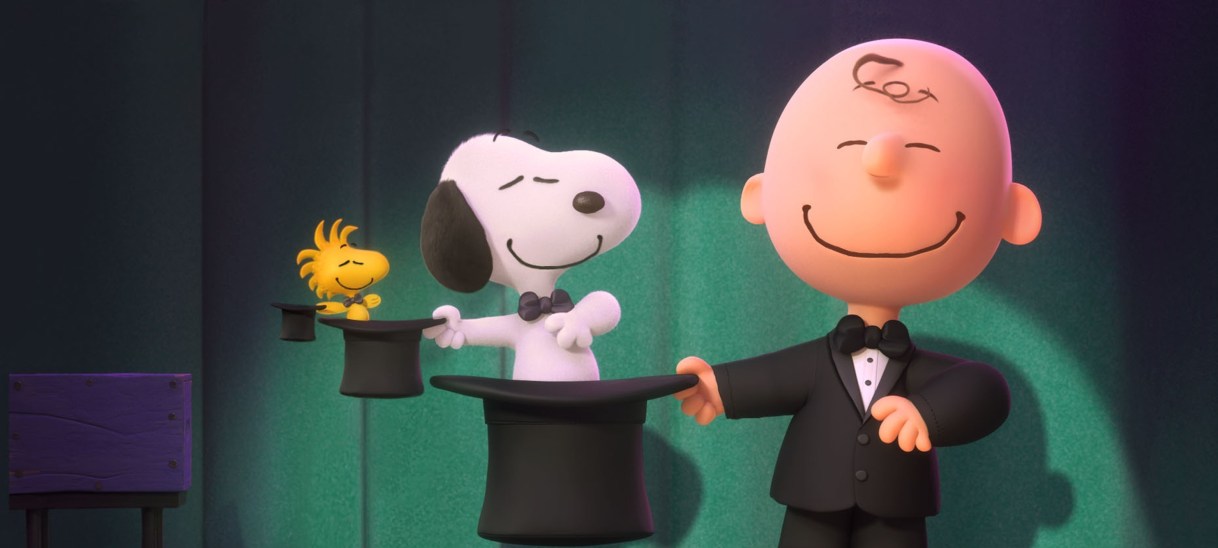
Characters of The Peanuts Movie (from left): Franklin, Lucy, Snoopy, Linus, Charlie Brown, Peppermint Patty, and Sally.

The origins of Peanuts can be traced back to the late 1940s, when American cartoonist Charles M. “Sparky” Schulz published a weekly strip called Li’l Folks in his local newspaper. Within three years, the strip had become a daily, earned nationwide syndication and was renamed to its better-known title, which would be drawn and continuously printed for the next five decades. By the end of its print run in February 2000, Peanuts had established itself as a cultural institution, with its widely-recognised characters — chiefly Snoopy — proving as popular globally as the likes of Mickey Mouse and Bugs Bunny.

Key to the popularity and longevity of Peanuts was its resonant material. Beneath its juvenile sheen were philosophical musings that covered all aspects of life, be they existential or minute, and young minds whose constant streak of heartbreaks proved equal parts tragic and hilarious. Additionally, Schulz would often write storylines or introduce protagonists to align his strip with the times, such as Charlie Brown’s sage African-American friend Franklin, or the lovesick, sports-mad tomboy Peppermint Patty.

Both qualities are somewhat lacking from The Peanuts Movie (2015) but, pleasingly, its tone remains consistent with the spirit and ethos of the comics on which it’s based. A perfect balance is found between gentleness and causticity, the positive and the sombre; there’s plenty of tragedy that befalls our protagonists, but always an underlying sense of hope and optimism. Some pundits argue that its approach is a tad too saccharine and feel-good when compared to the source material, though such a fault could hardly be labelled as egregious — and it certainly won’t bother younger viewers who aren’t as familiar with the film’s origins.

Charlie Brown and Peppermint Patty in The Peanuts Movie.

The multitude of Peanuts television series and specials from years gone by also play their part in shaping the picture. A Charlie Brown Christmas (1965) is the most overt point of reference, as evidenced by the partial Christmas setting, the music of Vince Guaraldi, and the children’s wintry outfits that mimic those seen in the programme. Elsewhere, Melendez’s voicework of Snoopy and Woodstock is entirely archival, recorded for other adaptations prior to the famed animator’s death in 2008, and the voices of the child actors perfectly match those of their filmic counterparts, emulating a key strength of the TV shows.

Another commendable aspect is the lowkey nature of the screenplay, with Snoopy and Charlie Brown: The Peanuts Movie (to give its Australian title) eschewing the blockbuster trends of grandiose adventures and riotous humour to, again, mirror the ambiance of the original strips. That’s not to say its story is all minutiae and mundanity, with Snoopy’s adventures as the Flying Ace helping to offset the relative sedateness of the principal storyline — that being Charlie Brown’s quest to improve his reputation — before easing back into the main proceedings just as the aviation sequences become too much, once again finding a perfect balance.

Charming further is the animation, which blends contemporary techniques with the traditional Peanuts aesthetics. Characters are rendered with computers into three-dimensional imagery, yet appear much the same as they do in the strips, owing to the clever utilisation of cel-shading; their movements are animated at half the usual frame-rate, evoking the hand-drawn specials and shows of yesteryear; and, as an added treat, Charlie Brown’s dream sequences are two-dimensional, black-and-white illustrations that practically mirror what Schulz drew. Yet again, a perfect balance has been found.

One of Snoopy’s dream sequences in The Peanuts Movie, featuring a dogfight with the Red Baron.

Despite all these many and impressive qualities — not to mention the brand prestige and nostalgia — The Peanuts Movie made only a modest impact on the box-office, in part due to the fierce competition it faced in theatres. Its opening weekend was shared with the James Bond flick Spectre (2015) in North America, and upon reaching Australia the following January, Snoopy and Charlie Brown had to contend with the blockbuster juggernaut that was Star Wars: The Force Awakens (2015). Resultingly, any contemporary impact the picture could have achieved was annulled.

But nobody can argue it has damaged the Peanuts legacy which, if anything, has strengthened since the film’s release eight years ago. Strips are still being printed in book form; merchandise continues to adorn the shelves of retailers; Apple TV+ has an exclusive deal to stream not just the classic Peanuts shows and specials, but any motion-picture material produced forthwith. To the latter point, Apple revealed just two months ago that the company would be producing a feature-length movie of its own, boasting the talents of director Steve Martino, Schulz’s son Craig and his grandson Bryan — the same team behind the 2015 picture.
And why shouldn’t they return for a follow-up when their first effort is as likeable and delightful as the comics on which it’s based? The Peanuts Movie draws upon the strengths of its originator and fuses them with its own quirks, presenting a somewhat fresh perspective that ideally, and remarkably, moulds with Charles M. Schulz’s vision. The result is a film that all viewers can appreciate, whether they be young or old, fans or otherwise.

The Peanuts Movie is available to stream on Disney+.

Best of 2023: Tom’s Picks

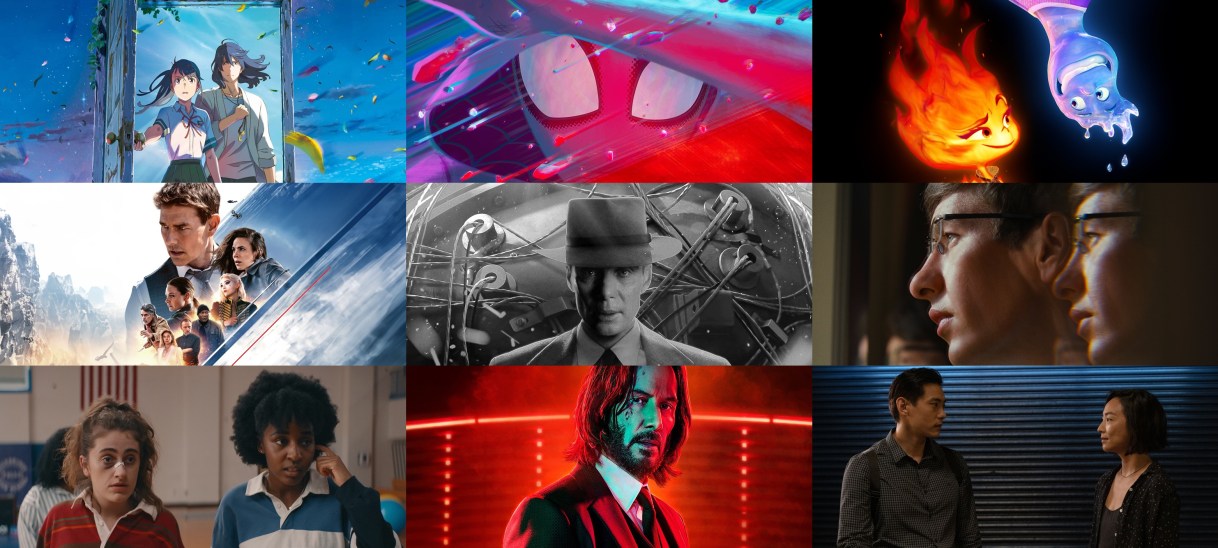
With 2023 having drawn to a close, Rating Frames is continuing to look back at the past twelve months of cinema and streaming releases which have come our way. In the second of our series of articles, Tom Parry takes a look at his ten favourite films of the year that was.

It’s been a most productive film-viewing period for yours truly. He began 2023 settled in Gippsland, with opportunities for cinema visits proving few and far between; but as the year passed its midway point, he found himself landing a new job and returning to his hometown of Bendigo, thereby allowing him additional time to see the newest releases and, better still, make more frequent journeys to Melbourne to see what he otherwise would not be able to in regional Victoria.

While this writer hasn’t viewed as many new releases as his contemporaries — and he’s still eagerly awaiting a chance to see Yorgos Lanthimos’ Poor Things (2023) — he did visit the theatre more often than he did in 2022, meaning he can once more utilise the Top Ten format to which everybody is most accustomed.

10. Bottoms

Its synopsis reads like the plot of a seedy adult film: A group of lesbian high-schoolers start a Fight Club as a means to lose their virginities to cheerleaders. Yet look beyond this raunchy premise, and there’s a picture that subverts the “traditional” Hollywood teen sex comedy through its queer representation, message of female empowerment and left-field gags.

Neat gags they are too, with Bottoms (2023) being one of the funnier comedies to emerge in recent times; it also boasts a great soundtrack and fantastic cast, with Ayo Edebiri being the standout as co-lead Josie. While the screenplay could use more originality — its use of the juvenile, overdone “Liar Revealed” trope particularly frustrates — the film nevertheless remains one of the most energetic and refreshing comedies to emerge in recent times.

9. Past Lives

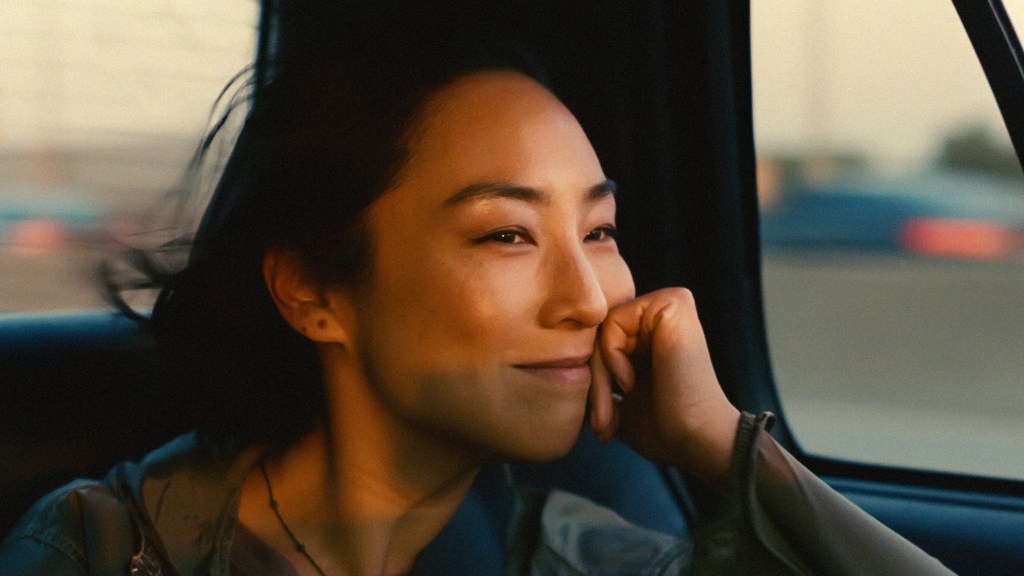
The romance genre relishes in the cliché of the Star-Crossed Lovers — a pair of individuals who are ideally suited for one another, yet destined never to be together. Such is the premise of writer-director Celine Song’s debut feature, which draws upon her own life experiences to craft a tender, stirring and beautifully-told narrative.

Song admirably refuses to adhere to the genre’s conventions, telling the story at her own pace and largely without conflict, all while eliciting a stellar performance from lead actor Greta Lee and brilliantly utilising natural light to bathe her scenes (as evidenced above). Though it is a gorgeous product, viewers must note that Past Lives (2023) is also a slow-moving film that takes some length to reach the crux of its story.

8. Elemental

At one stage, this feature-length animation looked destined to become Pixar’s first box-office bomb, owing to muted returns from the opening weekend of its theatrical run. But as the weeks passed, interest in the film remained steady as audiences found resonance with its tale of a migrant daughter struggling to meet the expectations of her parents, and the bond she forges with a young man whose personality could not be any more different.

Elemental (2023) is enjoyed best when viewed as a romantic-comedy — its tale of a mismatched duo who develop feelings for each other proves the most gripping aspect of what is, ostensibly, an allegorical examination of racism through a fantasy lens. Adding to the enjoyment is the beautiful score of Thomas Newman, and creative imagery rendered to the high standards of Emeryville.

7. Suzume

‘Twas a long wait for Makoto Shinkai’s latest feature to reach our shores, coming five months after its Japanese release and nearly 14 months after its world premiere. It sees the famed Japanese animator return to the fantasy genre once more, telling of a teenage girl who is tasked with preventing a series of supernatural calamities and delivering yet another compelling, wonderfully-told story in the process.

All the Shinkai hallmarks are present in Suzume (2022), including references to Japanese fables, natural disasters, adolescents pining for the affections of another, and trains. (He really does love his trains.) Yet there are also plenty of improvements over his previous works, including a rousing orchestral soundtrack, a screenplay filled with tension and humour, and Shinkai’s most detailed and cleanly-animated illustrations to date.

6. Saltburn

Having won Best Screenplay at the 93rd Academy Awards for Promising Young Woman (2020), anticipation was justifiably high for Emerald Fennell’s second directorial effort. Her follow-up takes place in England, where a scholarship student at a prestigious university (Barry Keoghan) befriends a classmate from an aristocratic family (Jacob Elordi) and is subsequently invited to spend the summer at their sprawling estate.

A beautifully twisted thriller, Saltburn (2023) possesses a sharper edge and level of savagery that Fennell’s debut feature sorely lacked. Her direction once again is confident and assured, her characters nuanced and complex, the performances great and the soundtrack fantastic. This author’s only issue with the film is that it doesn’t adequately explain or justify the actions of its main character.

5. Broker

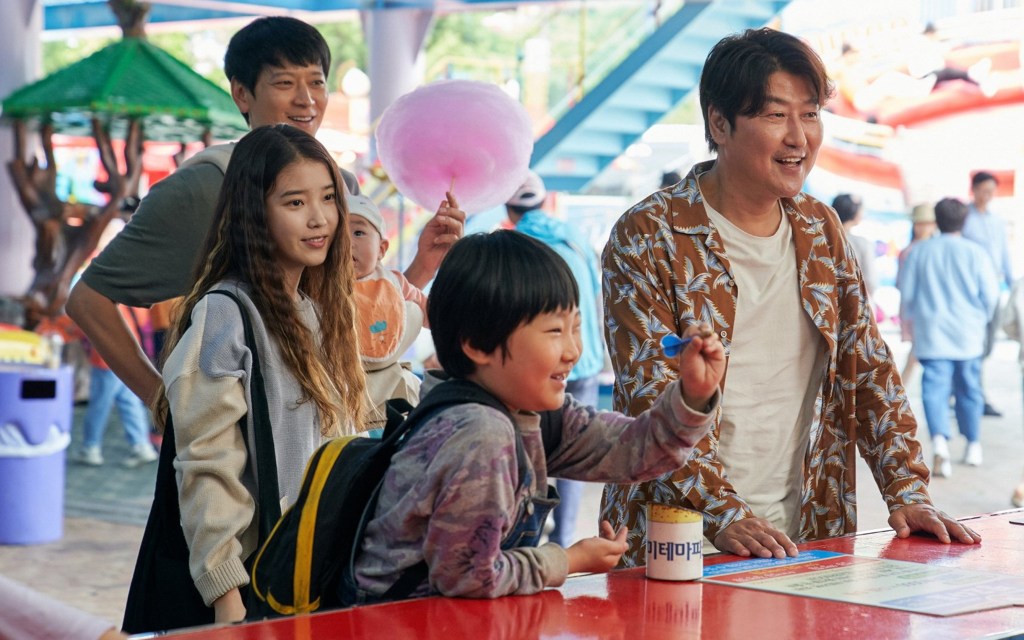
First premiering at the Cannes Film Festival last year, it would be another nine months before this feature-length Asian drama gained a limited theatrical release in the Antipodes — a very apt length of time to wait, when one considers the subject matter. Broker (2022) follows a ragtag group of criminals who form an emotional bond while trading orphaned babies to infertile couples for money. Though the premise is somewhat cheesy, the final product is anything but, with director Hirokazu Kore-eda delivering a story which is equal parts charming and poignant.

Fellow Rating Frames scribe Darcy Read has long been a champion of this feature, having listed it in his Best of 2022 list and reviewed it glowingly and at-length back in March. There’s not much that can be added to his remarks; all that this writer can offer is a reiteration of Darcy’s praise.

4. Mission: Impossible – Dead Reckoning Part One

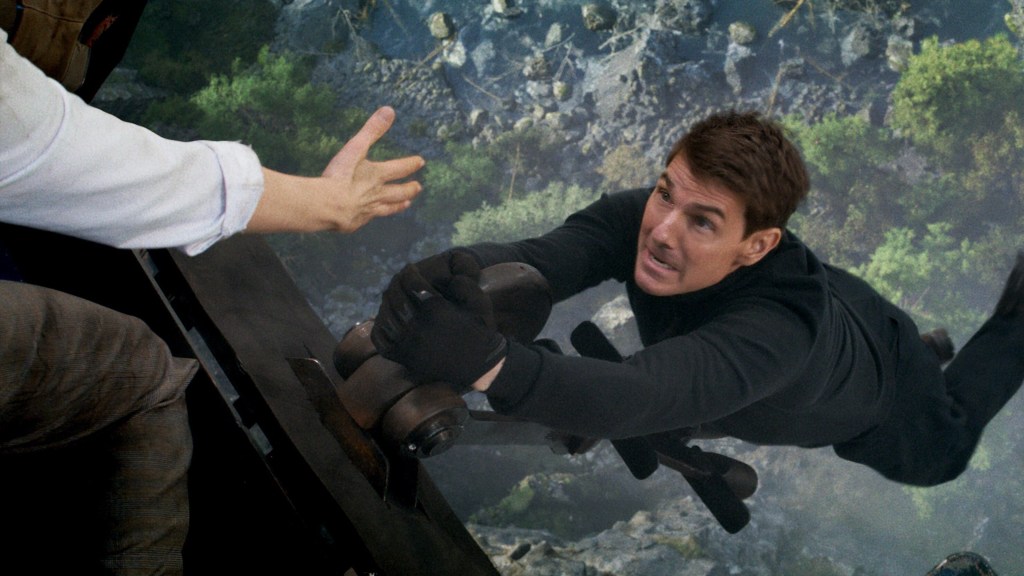
Seldom can a film series lay claim to having improved with each and every instalment; Mission: Impossible is one of the few. For the franchise’s seventh feature-length outing, the ante and excitement is upped once more as secret agent Ethan Hunt (Tom Cruise) faces his most threatening antagonist yet: a faceless, internet-borne Artificial Intelligence program that can not only predict his every move, but distort the truth as it sees fit.

Dead Reckoning Part One (2023) is filled with exhilarating action sequences, including a car chase through the streets of Rome, a duel of close-quarters combat in a narrow alleyway, fisticuffs on a runaway train, and plenty of throwbacks to the series’ past. In doing so, M:I7 eclipses the thrills of Mission: Impossible – Fallout (2018) to position itself as one of the greatest action movies of all time.

3. Spider-Man: Across the Spider-Verse

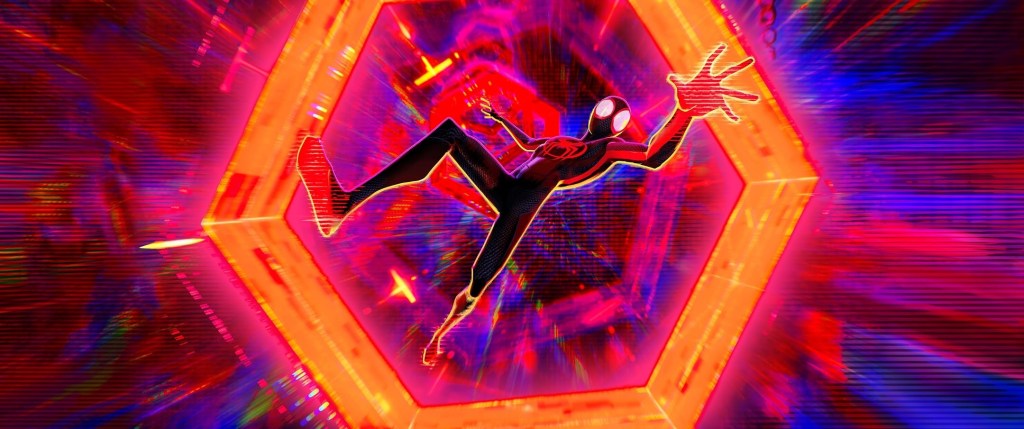
Not for the first time, Sony Pictures Animation floored all expectations with their latest feature-length release, surpassing the very high bar the studio itself had set four-and-a-half years earlier. The studio’s successor to the much-adored Into the Spider-Verse (2018) is an improvement in many regards, placing a greater focus on the struggles of Gwen Stacy (voice of Hailee Steinfeld) while also continuing with the narrative of Miles Morales (Shameik Moore).

There are many aspects in which Across the Spider-Verse (2023) proves a better film than its predecessor, particularly in the screenplay department — the story here is less clichéd and more original — and visually, with no shortage of lush images to gaze at. Impressively, the film does this while also sharing its precursor’s qualities, such as a talented voice-cast and awesome soundtrack.

2. John Wick: Chapter 4

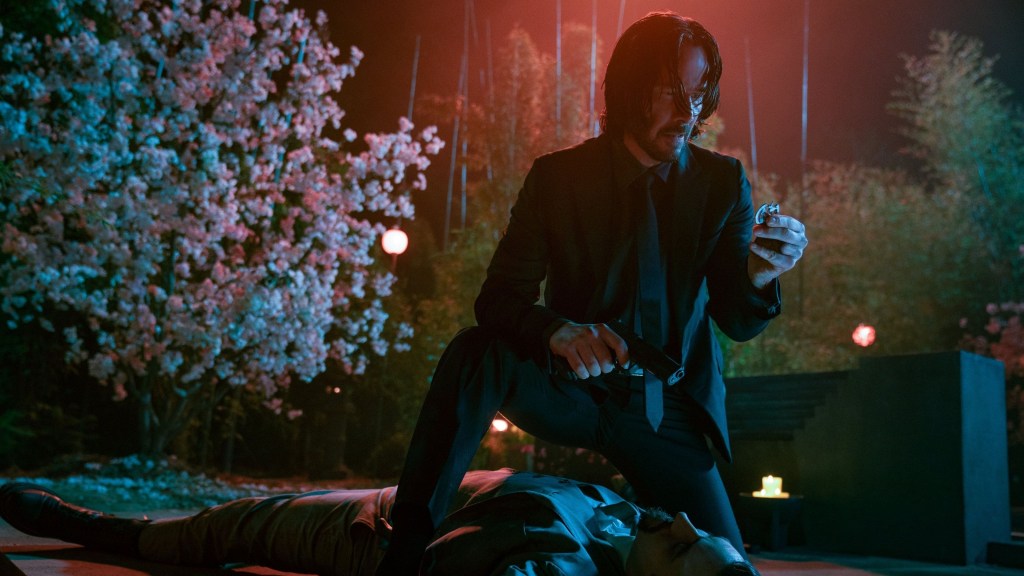
Turns out that 2023 delivered not one, but TWO of the greatest action movies ever made. The more impressive example proved to be the fourth entry in the Keanu Reeves-starring John Wick franchise, which once again has the professional hitman seeking revenge against the figures who have wronged him, and simultaneously trying to avoid the network of bounty hunters who wish him dead.

Plenty of the franchise’s trademarks are present here, including the exceptional stunt-work, astonishing set-pieces, brilliant choreography, immaculate sound design and gorgeous lighting, all richer than ever. It’s best appreciated by those who have seen and enjoyed the three previous instalments — anybody walking into John Wick: Chapter 4 (2023) without doing so is bound to be confused.

1. Oppenheimer

Since helming The Dark Knight (2008), Christopher Nolan has been revered by cinephiles as one of the artform’s best directors, his every film greeted with fervent enthusiasm. Subsequent releases have been met with overblown mania, such as Interstellar (2014), while others earned muted praise, like Dunkirk (2017). But for his portrait of scientist J. Robert Oppenheimer (Cillian Murphy), the hype and audience response is truly deserved.

Despite its three-hour length and multitude of secondary characters, Oppenheimer (2023) is never boring nor baffling — it’s enthralling from beginning to end. Within the picture is a fantastic screenplay dealing with complex themes, strong performances from the entire cast, a remarkable score from Ludwig Göransson, dexterous film editing, great sound design, incredible practical effects, and a surprisingly tense bomb-testing sequence.

What’s here is Nolan’s magnum opus; his crowning achievement, the picture which shall come to define him years from now. At the risk of being rash, it could well become this writer’s favourite film of the decade.

Honourable Mentions: Babylon (released January 2023), Creed III, Guardians of the Galaxy Vol. 3, Dumb Money, The Killer.

The Films of Hayao Miyazaki, Ranked

In recognition of The Boy and The Heron releasing nationwide this very week, our resident animation buff Tom Parry is here to list its director’s filmography from least best to absolute best — because there is no such thing as a bad Miyazaki picture! But first, an explainer…


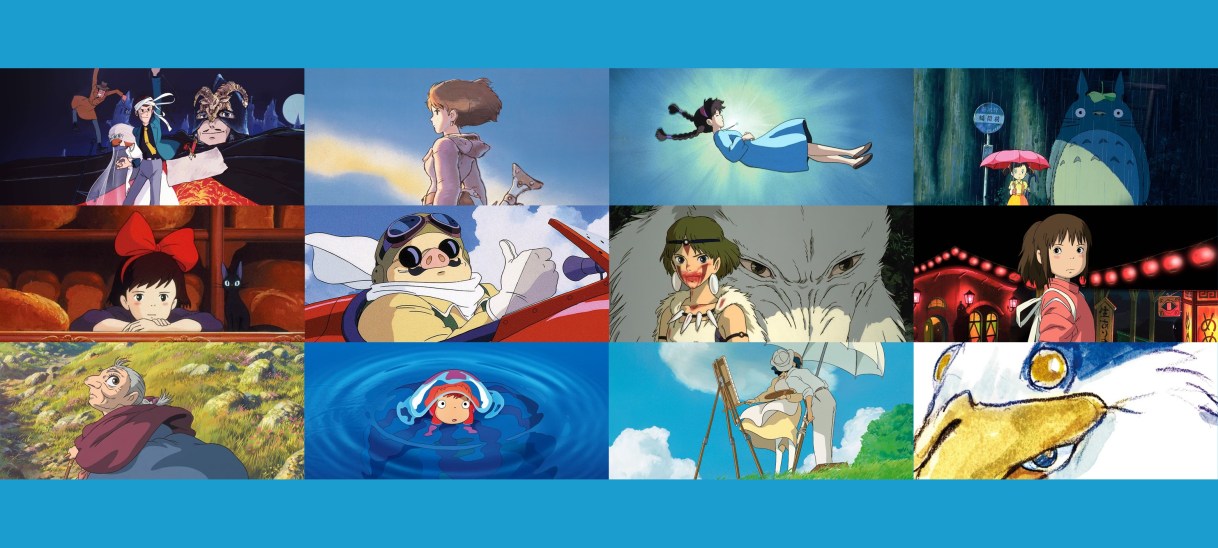
With the exception of Walt Disney, there is indisputably no animator more famous or revered than Hayao Miyazaki. In a career spanning six decades, the Japanese auteur has left an indelible mark on the artform through his distinctive films, readily identified by their gentle tone, strong female characters, fantasy themes, pertinent morals and gorgeous illustrations.

His work has spawned plenty of imitators and thousands more admirers, both within the industry and outside of it — all of his feature-length pictures have an average rating of 3.95 stars or above on Letterboxd, plus an approval rating of 87 percent or above on Rotten Tomatoes. He’s garnered no shortage of accolades either, including Berlin’s Golden Bear, numerous Annie Awards, and two Oscars — one competitive, one honorary.

Miyazaki-san is also notorious for prematurely exiting the industry, having declared retirement in the late 1990s, 2013, and again in 2018, only to return to directing each time, hence earning himself a reputation as the John Farnham of Cinema. He pulled the same trick just this year, announcing he has another project in the works despite previously saying that The Boy and The Heron (2023) would be his last as a director.

That title is finally reaching local cinemas this week, and to celebrate this momentous occasion, yours truly is taking a look back at Miyazaki’s previous 11 releases and determining which of his releases is best. Of course, all of his pictures are fantastic, which makes ranking his filmography a nigh-on impossible task; if nothing else, consider this list a guide for which of the living legend’s masterpieces to prioritise seeing before his latest one.

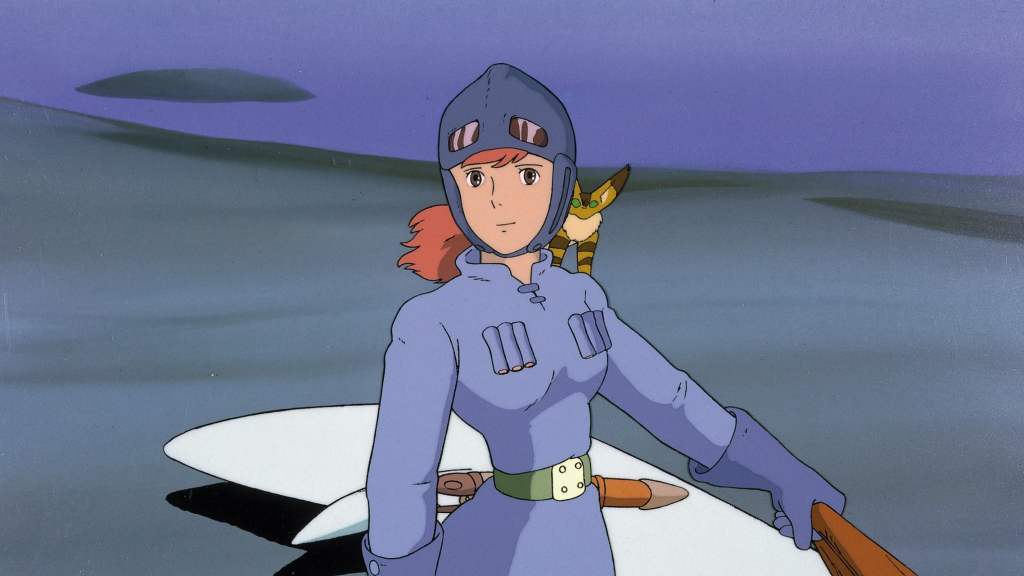
11. Nausicaä of the Valley of the Wind (1984)

One of the earliest directorial efforts from Miyazaki, and it shows — but it’s certainly not without charm. Nausicaä follows its eponymous heroine, a teenage princess of a post-apocalyptic land, who seeks to protect a neighbouring jungle and its large insectile inhabitants from a warring kingdom, one seemingly hellbent on the forest’s destruction.

This feature, the second to be helmed by Miyazaki, can be considered the genesis for the themes which would later come to define his catalogue. Its screenplay touches upon themes of conservation, pacifism and anti-Imperialism, all tropes which have come to be a consistent presence in his career, while also drawing upon his penchant for aviation and placing a brave, resourceful young woman in a leading role.

Yet it’s not without flaw. The screenplay is too reliant on dialogue to tell its story; the score of Joe Hisaishi — in the first of his many collaborations with Miyazaki — utilises electronic instruments at times, which prove tonally jarring; and the illustrations lack detail, being near-indistinguishable from other anime projects of the period. (In fairness, the film was produced on a limited budget.) Nausicaä may be considered a classic, and rightly so, but to consider it Miyazaki’s best is doing the remainder of his works a great disservice.

10. Howl’s Moving Castle (2004)

Countless productions have paid tribute to Miyazaki, but here is a rare instance in which the director pays homage to himself. Adapted from British author Diana Wynne Jones’ novel of the same name, its plot concerns a young woman who is cursed with an elderly body, the wizard who offers her refuge, and the moving, mechanical fortress which they call home.

Howl’s Moving Castle plays like a melange, or even a rehash of all the Miyazaki films released up until that point, sharing many of the themes and even the same aesthetics as those made previously. This, in turn, marks the picture as the least distinctive and least memorable of his career.

Yet the film is not without appeal. The characters are all likeable and well-written, the orchestrations of Hisaishi beautiful and the illustrations, as ever, stunning to look at. It’s a less-than-stellar glint in his resumé, sure, but certainly not bad. Heck, compared to most other animated features, it’s exceptional.

9. Ponyo (2008)

For a film-maker unafraid to place mature and complex themes into his stories, Ponyo appears a retrograde step for Miyazaki-san; it takes place in a contemporary setting, has two kindergarten-aged children as its core protagonists, and borrows heavily from a Danish fairy-tale that has been told countless times elsewhere. The only difference being, this Little Mermaid’s dream of becoming human could lead to an ecological catastrophe. Now there’s a twist!

Despite being a definite contender for the cutesiest and most juvenile product in this list, it’s impossible not the be charmed by Ponyo, nor its namesake character — her insatiable enthusiasm for the human world and its delicacies is the undoubted highlight. Pleasing further is a driving sequence that evokes Miyazaki’s earliest cinematic handiwork (more on that later) and rich use of colour throughout; less so a nauseating theme that accompanies the English dub, and the heavy-handed application of its environmentalist themes.

Anime purists may scoff at its soft tone and simplistic messaging, but those apparent misgivings are what makes the title ideal for a younger audience, or those needing an easy entry point to Japanese animation.

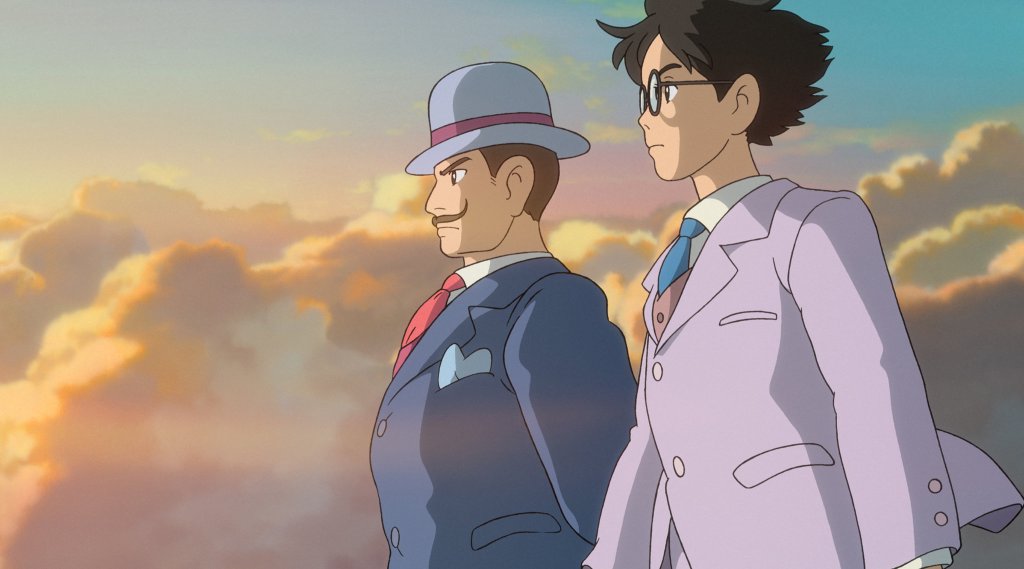
8. The Wind Rises (2013)

Biographical stories aren’t typically the domain of animators; then again, Miyazaki isn’t your typical animator. This one recounts the life of inventor, aviator and engineer Jiro Horikoshi — infamous for developing the Mitsubishi “Zero” fighter planes that fought during World War II — tracing his journey from teenagehood to immediately after the Japanese surrender, revealing himself to be an idealistic dreamer.

The Wind Rises ties firmly with two of Miyazaki’s persistent motifs: his fondness for aviation, and his unwavering advocacy for pacifism. It’s the former which comes through most strongly, courtesy of the mesmeric flying scenes, Jiro’s dream sequences, and the human sound effects applied to the aircraft that assist in personifying them. And, of course, the animation and music are exquisite.

Sadly, there are flaws. The film does romanticise its main protagonist somewhat, who lacks complexity and doesn’t appear particularly distressed by his aircraft being utilised for warfare; and some of the minor characters present themselves more like caricatures than they do human beings.

7. Castle in the Sky (1986)

Properly considered the first movie to hail from Studio Ghibli — the world-renowned animation firm co-founded by Miyazaki, fellow director Isao Takahata, and producer Toshio Suzuki — and a captivating one at that. Its story is about a young girl and boy in possession of a powerful crystal, who travel across their homeland in search of a mythical flying kingdom known as Laputa.

There are numerous signs of a director transitioning into an auteur in Castle in the Sky, as Miyazaki again applies his themes of environmentalism, nonviolence and aviation to the screenplay. Other connections to his future output are also present, such as the steampunk visuals that would later be applied to Howl’s Moving Castle.

Even so, parts of this picture clearly indicate a career still in its infancy. The script is rather dialogue-heavy, much like Nausicaä, breaking the medium’s golden rule of “Show, Don’t Tell”; the moods of the supporting characters are rather capricious; and it doesn’t quite reach the level of storytelling magic for which Studio Ghibli is nowadays famed for.

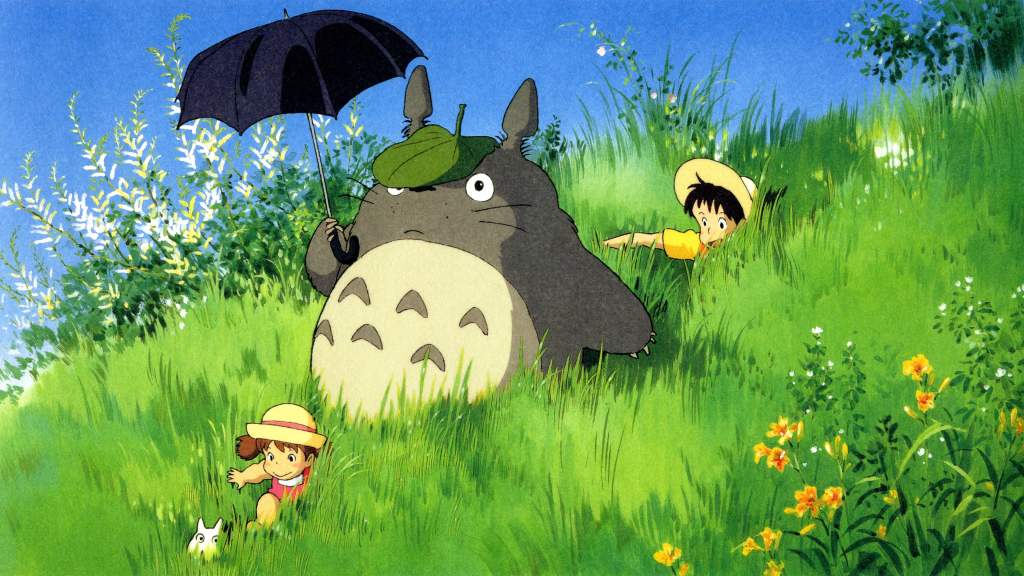
6. My Neighbour Totoro (1988)

Undoubtedly the sweetest, cutest and most innocent feature to be directed by Miyazaki.  Here, the plot unfolds in rural Japan, where a mother-of-two is recuperating from an undisclosed illness; nearby lives her husband and their two daughters, who occupy their time by playing in the adjacent forest. It’s in this same forest that the girls encounter a series of friendly beings — including a large grey one whose name graces the title.

Chief to the appeal of Totoro is the ingeniously-designed creatures who interact with Satsuki and Mei; this includes Totoro himself, who would go on to be incorporated into Studio Ghibli’s logo, and become the company’s official mascot. Also notable is the picture’s tone, which is light and palatable to even the youngest of viewers, possessing very little in the way of threat or conflict.

And therein lies Totoro’s biggest problem: this slice-of-life drama is too light and fluffy for its own good. The only tension that occurs is when Satsuki learns of her mother’s deteriorating health, leaving her angry and causing her to yell at her younger sister, and even that low level of friction is resolved in a matter of what feels like seconds.

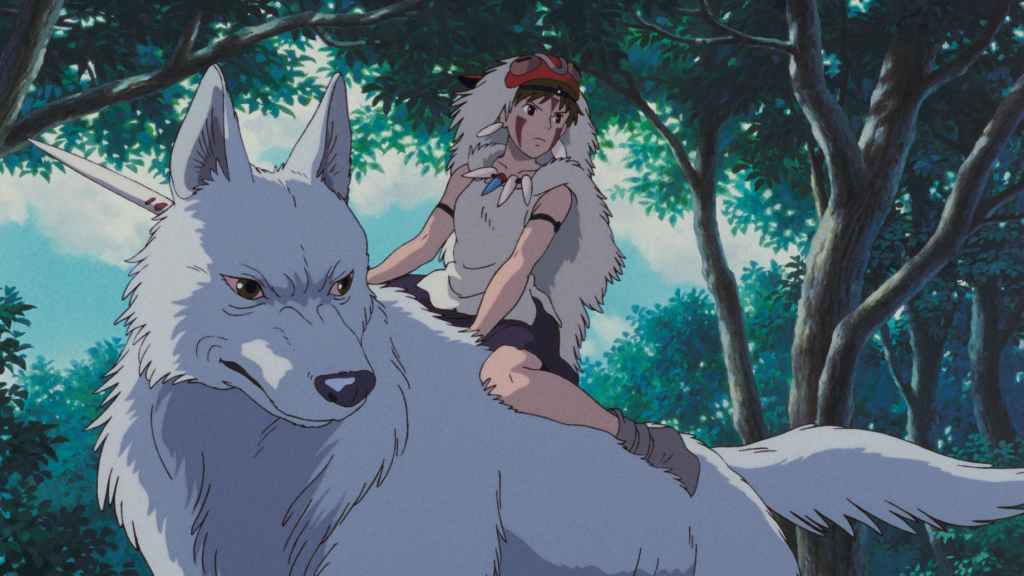
5. Princess Mononoke (1997)

Quite possibly the most mature and complex work of this list, and one often rated highly in animation circles. Its title refers to a female warrior raised by wolves, who seeks to protect the forests she calls home in feudal-era Japan. But she is not the central figure in this tale. Instead, the lead protagonist is a young prince who seeks to stop the demons that are terrorising his village.

Mononoke’s tone is noticeably darker than all other Miyazaki pictures, as evidenced by the amount of violence and blood on display; it also leans heavily into its conservationist, pacifist and anti-imperialist themes. Additionally, the film possesses characters that are well-written with intricate personalities; and what may well be Hisaishi’s best score, at times evoking the work of his American contemporary, Howard Shore.

As for problems, having the narrative follow Prince Ashitaka — as noted above — means less attention is paid to San, who is by far the more interesting of the duo; and the conclusion isn’t wholly satisfying. Those flaws aside, there’s very little to complain about.

4. Kiki’s Delivery Service (1989)

Another literary adaptation, and one of Miyazaki’s better examples. Beginning with its heroine, a young witch, leaving her home to partake in an adolescent rite-of-passage, the story eventually settles in the town of Koriko, where our broomstick-riding maiden comes to find employment at a bakery in exchange for a place to stay.

Like Totoro before it and Ponyo after it, Kiki has a sweet, inoffensive tone that makes it perfect viewing for youngsters, or those otherwise unfamiliar with anime. But where Totoro is largely devoid of conflict, Kiki has its central protagonist undergo a great emotional struggle; and where Ponyo talks down to its audience with simplistic messaging, Kiki has faith in their intelligence and maturity.

And then there’s the wonderful flying sequences, and the immensely likeable characters, and the European aesthetics, all of which combine with the usual Miyazaki hallmarks to make a fun, heart-warming adventure. If there’s any fault with Kiki, it lies in the somewhat rushed conclusion, and the convenient amount of time its witch takes to overcome her woes.  

3. Porco Rosso (1992)

This one is quite the achievement; not only does it contain a Flying Pig as the main character, but it manages to overcome its rather silly premise to be a funny, heartfelt and mesmerising tale. It’s a tale that sees Marco — a veteran of the First World War who has gone on to become an aerial bounty hunter — partner with an aspiring female mechanic to defeat his American arch-rival, Curtis, and the shenanigans that ensue.

Predictably, yet pleasingly, Miyazaki’s love of aviation shines through in Porco Rosso, with detailed illustrations of aircraft and enchanting moments of planes in flight; also emerging strongly is his steadfast objection to Imperialism, with the film’s titular protagonist outrightly condemning fascist ideology. What makes this picture truly stand-out though, is the level of humour, with more gags and therefore laughs to be had than just about any production from the Great Man.

Porco Rosso comes ever so close to being top-ranked; but, as with Kiki, the conclusion arrives rather abruptly, almost to the point of being anti-climactic and leaving the viewer underwhelmed. Thankfully, no such issue plagues the next two entries on the list.

2. The Castle of Cagliostro (1979)

Miyazaki’s debut feature is one far removed from anything else in his filmography, yet proves one of his most entertaining works. Spinning off from the Lupin the Third TV series — which itself was based on the manga of the same name — Cagliostro tells of a gentleman thief who uncovers a counterfeiting operation in a dilapidated European kingdom, while simultaneously pining for the affections of the country’s Princess.

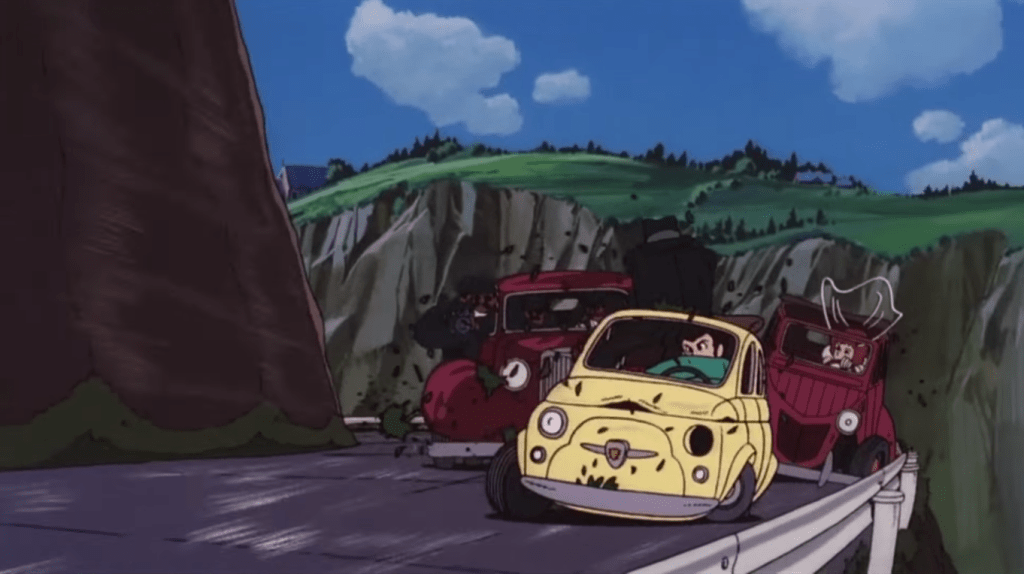
Laced within this ostensible crime-caper is a mystery bountiful in action and humour, as evidenced by a chaotic, destructive chase scene between a yellow Fiat 500 and two much-larger sedans (see above); our hero, Arsene Lupin III running full-pelt down the steepest of roofs; and Lupin desperately trying to escape a plunge of certain death by swimming up a waterfall! Additionally, there’s a surprisingly warm romance between Princess Clarisse and Lupin; and while the illustrations aren’t up to the standards of later Miyazaki efforts, they still have appeal.

Cagliostro was a critical and commercial success upon release in Japan, and went on to have a profound impact on several Western film-makers — its influence can be seen everywhere, from the climactic clocktower sequence in Basil the Great Mouse Detective (1986) to the Roman car chase in Mission: Impossible – Dead Reckoning Part One (2023). Steven Spielberg is also said to be an admirer, with the story purportedly inspiring him to create Raiders of the Lost Ark (1981).

1. Spirited Away (2001)

Is it a cliché to consider this Miyazaki’s best film? At this point in history, possibly; yet to consider anything other than Spirited Away as his greatest achievement would be sacrilege. Inspired by Lewis Carroll’s Alice in Wonderland stories, it centres on a girl named Chihiro and her journey through a mystical realm of spirits, witches and beasts; a realm where she must grow-up in order to find her way home.

Along the way, viewers are met with imaginatively designed creatures; strangers who are curt and kind; stunning painted landscapes; and Joe Hisaishi’s gentle, catchy piano refrain that enters the ear like a cool breeze on a summer’s day. In terms of faults, the pacing is lethargic on initial viewing, taking a long time to establish the setting and its characters; and the screenplay is a bit too eager to portray Chihiro as a spoilt brat in its early stages, rather than a flawed heroine. But so haunting, moving and transfixing is the story that these qualms are more or less forgotten by its end.

Universally, rightly lauded, Spirited Away is to date the only Japanese production and the only hand-drawn work to have won the Academy Award for Best Animated Feature; it’s also beloved by the public, sitting in the upper-echelons of the IMDb Top 250, and Letterboxd’s Top 250 Narrative Features. And, on a personal note, it happens to be the very film that fostered this writer’s interest in anime — there are almost certainly others who can say the same.

This is a film not to be ignored; a must-see for fans of animation, cinephiles, and indeed anybody with even the barest of interest in movies.

Hold up, The Bob’s Burgers Movie is a Tasty Adaptation

Rating: 4 out of 5.

Several animated series have made the leap from broadcasting to celluloid in years gone by — The Simpsons, South Park and Beavis and Butt-Head to name but a few. Although most examples have proven enjoyable, to date none of these feature-length adaptations have been of a greater calibre than the shows which inspired them, nor outshone them in the public zeitgeist. Such a problem afflicts the newest addition to this cohort of adaptations, despite the movie being quite enjoyable in its own right.

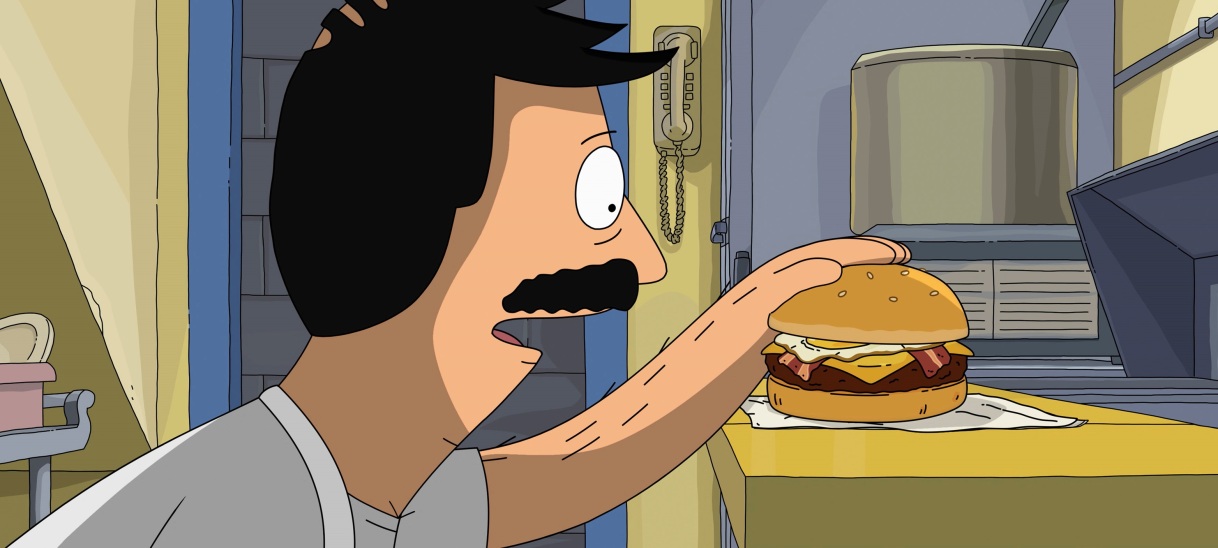
Father-of-three and small business owner Bob Belcher (voice of H. Jon “Archer” Benjamin) has been issued an ultimatum by his bank: pay his latest instalment within seven days, or see his beloved, self-named burger eatery repossessed. Making that repayment won’t be easy for the perpetually cash-strapped Bob, not least because his busiest period — the summer holidays — are still a week away; worse still, a giant sinkhole has emerged right outside the entrance of his store, robbing him of what little income he already receives.

Before The Bob’s Burgers Movie (2022), there was the animated television programme Bob’s Burgers, which premiered on the Fox Network in 2011 to meteoric ratings. While those sky-high viewing figures didn’t last — as has been the case for most shows the world over — interest remained strong in the seasons that followed, in part due to its many and varied qualities. Such attributes include a wholesome tone, quirky sense of humour, fantastic use of colour, catchy soundtrack, great cast of voice-actors, and bevy of eccentric supporting characters — among them handyman and loyal customer Teddy (Larry Murphy), who is practically a lead protagonist.

Most of those elements have carried over to the Movie including, most pleasingly, the principal voice-cast. Jon Benjamin reprises his role as the series’ patriarchal namesake, so too John Roberts as Bob’s ultra-supportive, high-energy wife Linda; Dan Mintz as their lovesick thirteen-year-old daughter Tina; Eugene Mirman as middle-child and musical prodigy Gene; Kristen Schaal as youngest daughter, the pink bunny-ears-wearing Louise; Murphy as fan-favourite Teddy, plus several other supporting players. All voices involved have nailed the persona and emotions of their characters, giving their all whether they be uttering dialogue, or singing one of the film’s tunes.

Talking of the latter, jaunty music is another quality this picture shares with its televisual source. A trio of numbers is contained within, first of which being the upbeat opener “Sunny Side-Up Summer”, then the Louise-led “Lucky Ducks” and, as the plot enters its third act, “Not That Evil” – sung by the Movie’s hidden antagonist. Though there isn’t much to distinguish the three songs from each other — all have a similar sound and tempo, differentiated only by the lyrics and key they are sung in – it’s the opening track which proves the most enjoyable, being memorable, hummable, infectiously happy, and setting the mood for all that follows.

Bob and Linda Belcher, trying to stay positive in the face their restaurant’s impending closure in The Bob’s Burgers Movie.

One of the significant improvements the film holds over its originator is the strength of its hand-drawn animation. Where in the show, a limited budget sees humans move stiffly or remain static for many a scene, here the characters bounce, weave, flex and shimmy with near-fluid motion; likewise, their faces are as rubbery and expressive as they’ve ever been. All this energetic bodily and facial movement only adds to the joyous atmosphere, as does the vibrant palette — note how the buildings and backgrounds are multi-hued, rather than painted in a single shade.

Yet another strength is the screenplay, which contains multiple, interweaving conflicts. The most investing of these threads is one centring a skeleton found in the abovementioned sinkhole; it sees Louise coerce her older siblings into solving the mystery of who placed it there, both in hopes of saving her family’s restaurant and proving to her schoolmates that she’s braver than her pink ears suggest. It’s an intriguing subplot with some great turns, and a strong one too — so much so, it becomes the central narrative by the third act. That in turn, and unfortunately, means the pre-established struggles of the other characters are relegated to tertiary importance.

Such is the case with Tina, who is hoping to ask long-time crush Jimmy Pesto Jr. (voiced by Benjamin, like Bob) to be her summer boyfriend, yet is reluctant to commit to a relationship; and Gene, who wants to reunite his band but fears their avantgarde sound won’t be accepted — effort is made to integrate both subplots into the main narrative, but with limited success. More frustrating, though, is the lack of story afforded to Linda, who’s given no conflict of her own to explore nor the opportunity to grow as a character, instead tasked with being’s Bob’s better conscience.

Another grievance to be had with the film is how it fails to utilise the large roster of characters who frequent the TV show. This was a deliberate choice made on the part of director (and show creator) Loren Bouchard and his co-producer Nora Smith, who say they didn’t wish to see their adaptation become an endless parade of cameos and risk alienating newcomers. That’s a fair call, but when one considers how effectively and cleverly The Simpsons Movie (2007) incorporated an even-bigger list of deuteragonists into its tale, it more or less makes Bouchard and Smith’s argument invalid. Yet that’s not the biggest gripe to be had.

The Belcher siblings (from left) Tina, Louise and Gene in The Bob’s Burgers Movie.

Of foremost disappointment is the low-key manner in which The Bob’s Burgers Movie presents itself. Making an appearance in theatres should be a cause for celebration, an opportunity to take the characters in a new direction, or make some bold decisions that wouldn’t be possible to enact in the medium of TV. Or ideally, all of the above, as was the case with The Simpsons Movie. Instead, what’s being presented seems more akin to an extended episode of the series, one which could just as happily be watched on a smaller screen. And for fans of the show, that’s a real shame.

Having said that, this remains an enjoyable piece of Bob’s Burgers media and, importantly, a great film when judged solely on its own merits, fulfilling Bouchard’s wish of being accessible to “all the good people who’ve never seen the show.” Rating Frames is not alone in this view — upon its initial release, critics seasoned and unfamiliar with the Belcher clan alike found a shared appreciation for the Movie and its merits, as evidenced by a Certified Fresh designation from Rotten Tomatoes and average rating of 75 percent from Metacritic. Which begs the question as to why that praise — and the programme’s avid following to boot — did not translate into box-office success.

There are, as it happens, multiple factors that point to The Bob’s Burgers Movie’s lacklustre theatrical run, such as the constant production delays, limited marketing, wariness around the pandemic, and the negative sentiment toward the programme which has lingered since its first season. Yet ultimately, fault lies with the decision to release it on the very same date as Top Gun: Maverick (2022) in a misguided attempt at counterprogramming. Had it not been released at that time, there’s every chance the film would have found the audience, and the returns, it so rightly deserves.

Even though it falls short of being the stirring adventure that fans desired and were promised, The Bob’s Burgers Movie is nevertheless a bright, joyous feature for viewers of all ages, whether they’re devotees of the original series or not. All the virtues of its source material are there, while the slick animation and mystery element of the screenplay only adds to the delight. Not the Belchers’ crowning achievement, but a letdown it most certainly is not.

The Bob’s Burgers Movie and its associated series are both available to stream on Disney+.

Best of 2022: Tom’s Picks

In a normal year, this writer would have no difficulty whatsoever in listing his favourite feature-length releases from the past 12 months. But 2022 was not a normal year.

Having obtained full-time employment for the first time in his life, moved even further away from Melbourne than he was before and settled into a place of his own, no time was left for his one true love: the cinema. What few spare moments he did have were spent returning to old favourites, viewing classics from yesteryear, fixated on streaming services or – on the very rare occasion – watching a blockbuster at his nearest theatre.

What’s more, these limited opportunities for moviegoing meant that several of the year’s most-heralded films weren’t seen until awards season, including The Northman, Glass Onion, Guillermo del Toro’s Pinocchio and the eventual Best Picture winner, Everything Everywhere All at Once, among others.

As a consequence, the well-established Top 10 format of this website (as utilised by Arnie and Darcy in their retrospectives) has been eschewed on this occasion, with yours truly instead listing seven of the pictures he enjoyed most in a very busy, cinema-sparse year.

The Batman

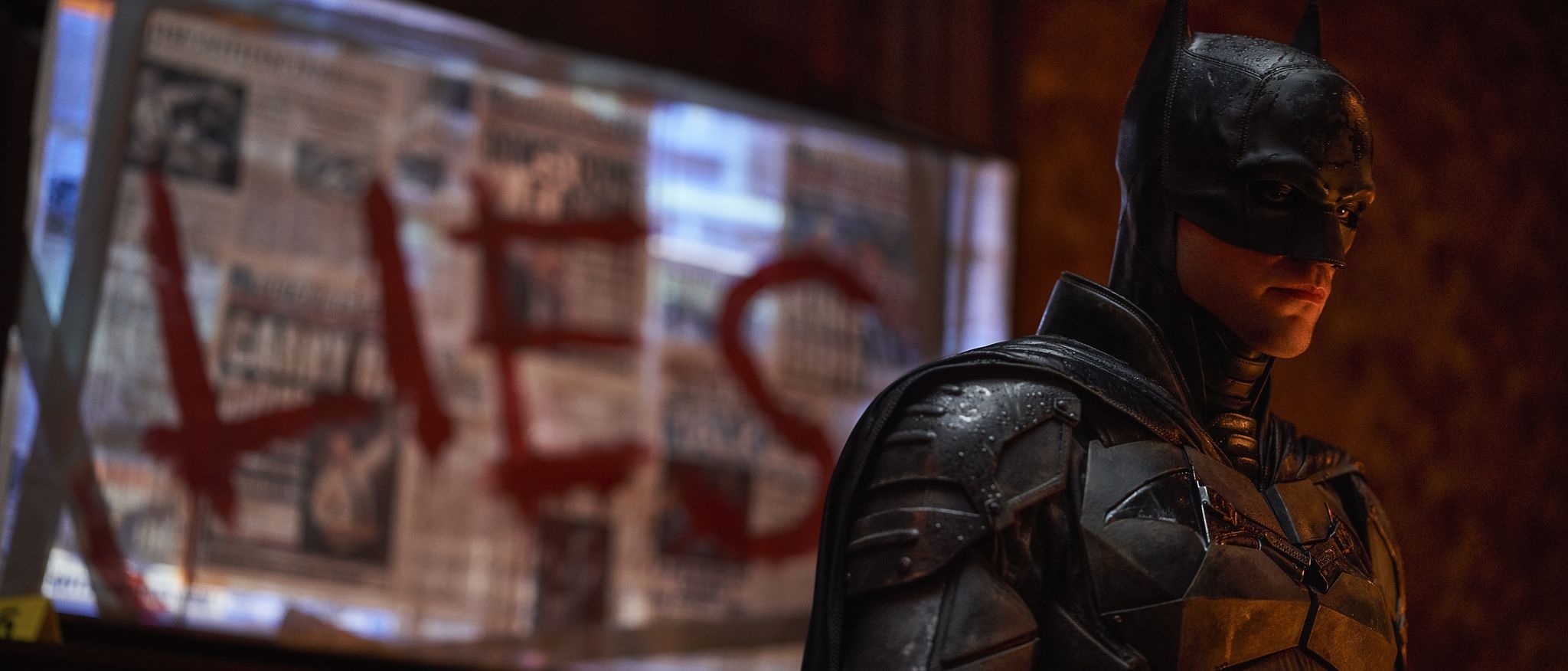
Oh, how people groaned when Warner Bros. announced they were rebooting Bruce Wayne’s adventures for the third time in two decades. “What,” they asked facetiously, “can this movie bring to the table that hasn’t already been done before?” In response came a dark and gorgeous spectacle that ranks among the best superhero blockbusters of all time.

There’s so much to admire about Matt Reeves’ picture, from an all-star cast that delivers fantastic performances across the board, to the exquisite cinematography of Greig Fraser, to the fusion of visual elements from Batman films past. And then there’s the exceptional score of Michael Giacchino, who borrows a simple four-note motif from Nirvana and utilises it to great effect. It’s not a perfect film – its screenplay lacks the narrative heft of Christopher Nolan’s Dark Knight trilogy, for instance – but in terms of thrills, The Batman can hardly be faulted.

Turning Red

Every time Pixar appears to have lost its mojo, along comes a film that reminds everybody of their creative might. 2022’s reminder came from Domee Shi, writer-director of the critically-acclaimed short film Bao, who delivered a feature with a level of vim and originality not witnessed in the studio’s output for some years. And this is coming from a man who really, REALLY loved Soul (2020).

What particularly makes Turning Red delightful is how it forgoes Pixar’s hallmarks and tropes for a distinctive art-style, self-aware protagonist, rapid editing and energetic animation, all while delivering a resonant and timeless coming-of-age story. If anything, the picture serves as a convincing argument for Emeryville to take more risks with their material.

The Drover’s Wife: The Legend of Molly Johnson

This would likely have made yours truly’s Top 10 of 2021, had it been released as scheduled – it was originally slated to premiere at the 69th Melbourne International Film Festival before a spike in Covid infections curtailed that plan, and its subsequent opening in theatres. Cinemagoers finally got a taste of what they missed in May – a Meat Pie Western that proved to be the best Australian production of the year, hands-down.

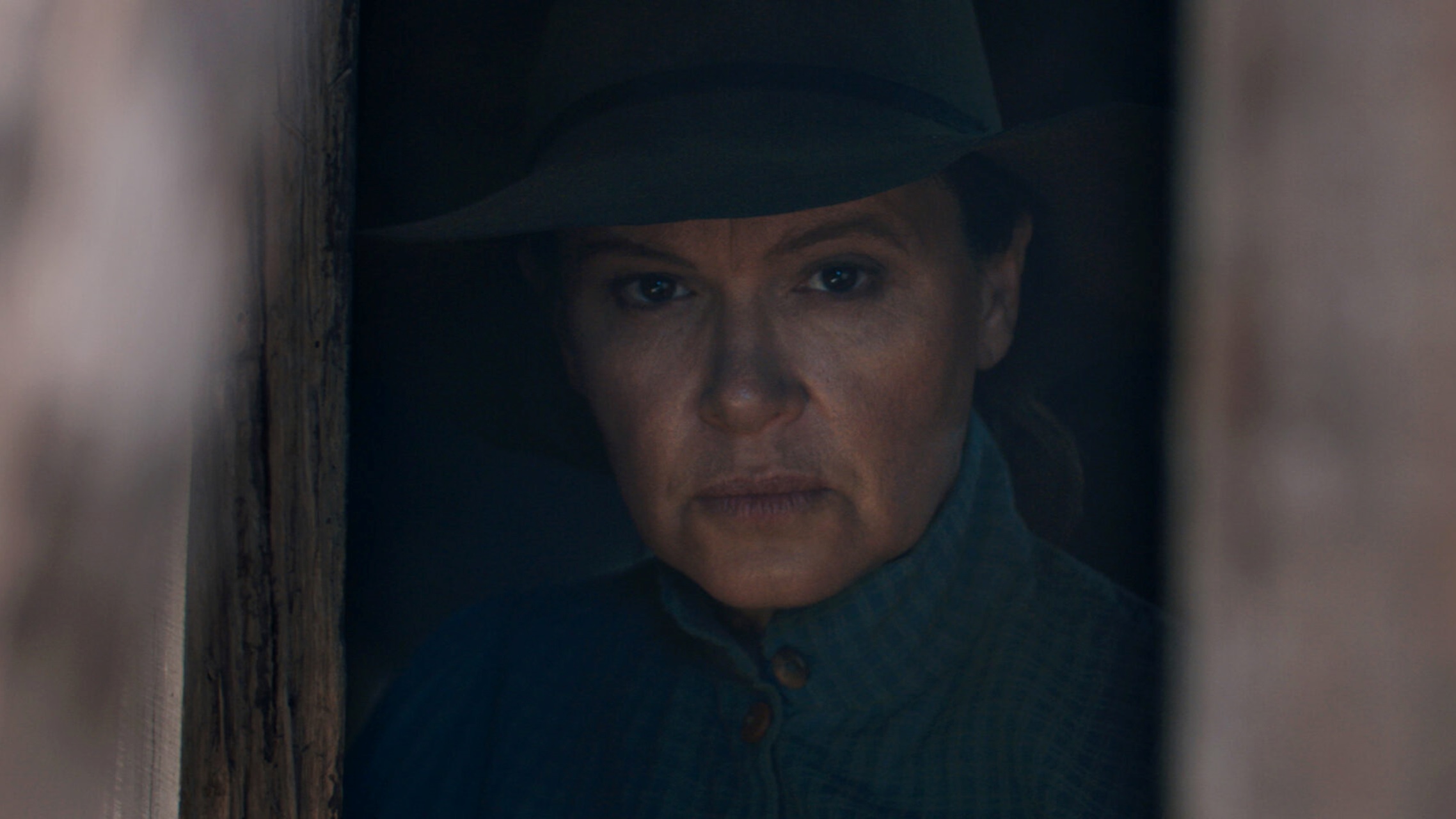
Juggling treble roles of star, writer and director, Leah Purcell (pictured) handles the grim and at times confronting material with confidence and professionalism. A stellar cast of familiar faces lend further gravitas to proceedings, while the acoustical score of Salliana Seven Campbell proves an ideal accompaniment, and Snowy Mountains a stunning backdrop. All of these elements ensure The Drover’s Wife as a fine addition to a rich, growing list of First Nations stories.

Top Gun: Maverick

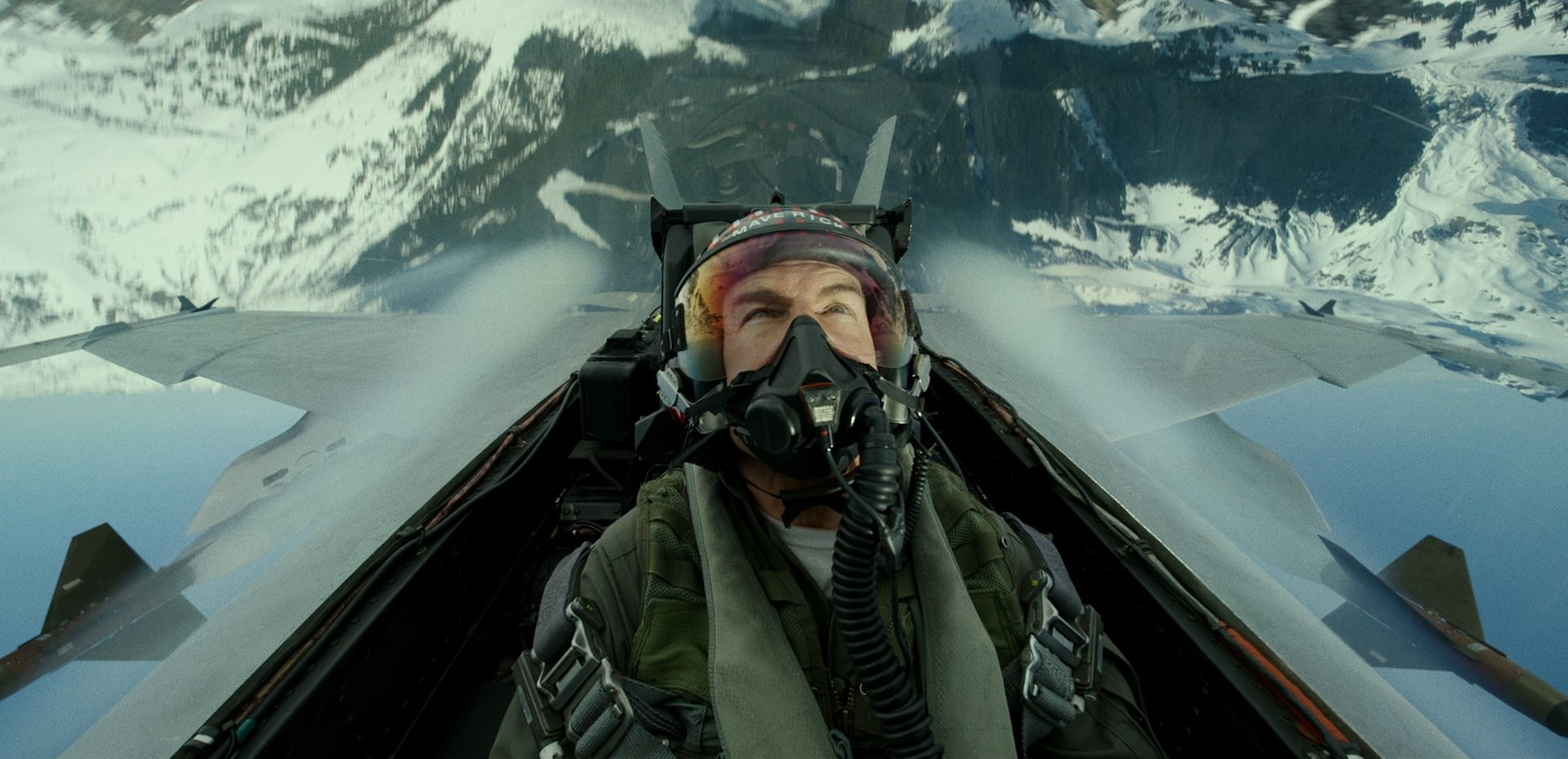
It was the sequel nobody asked for that became a must-see cinematic experience and earned praise as one of the best films of 2022 – an acclamation that’s being repeated here. After all, when a picture boasts a bevvy of practical effects, impressive stunt-work, exceptional cinematography, fantastic sound editing and a diverse cast stacked with many likeable, talented actors, it’s hard not to fall in love with it.

What makes Top Gun: Maverick even more enjoyable is how it pays tribute to the first Tony Scott-directed production, via the opening credits and a touching cameo from The Iceman himself, Val Kilmer. Had it evoked its 1986 originator even further and added just a tad more cheese, it would have likely become this writer’s favourite picture of the year.

The Bob’s Burgers Movie

What a shame this had to be released the same week as Top Gun. Had it not, a much larger audience may have paid witness to a bright, wholesome and entertaining caper that ranks as one of the best film adaptations of all time. That’s no mean feat, given its Emmy-winning source material is considered one of the best television programmes currently on-air.

Many qualities carry over from its originator, including the terrific voice-cast, quirky tone and catchy songs, while adding exceptional animation and an intriguing mystery with some great turns. While it doesn’t quite satisfy every itch that fans have ever held, it does fulfil co-director and producer Loren Bouchard’s promise of being accessible to those who don’t watch the Belcher family’s adventures on TV. For that reason alone, The Bob’s Burgers Movie is worth a watch.

Nope

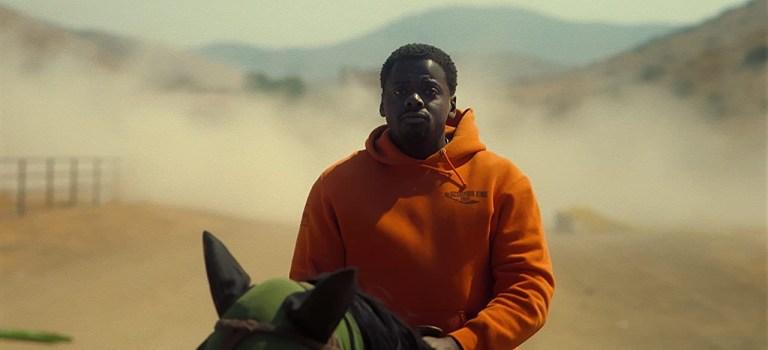
Having floored the cinematic landscape with his debut feature Get Out (2017) and delighted just as much with his follow-up effort Us (2019), anticipation was rightfully high for Jordan Peele’s third directorial effort. Not only did he deliver yet again with another smart, engrossing horror flick, he also did the impossible: made a whole generation afraid of clouds.

Among the elements that make this film a winner are the impressive photography of the surehanded Hoyte van Hoytema; the spooky, ethereal score of returning Peele collaborate Michael Abels; the great performances of the entire cast; and an ingeniously-designed UFO – sorry, UAP – that’s bound to influence every science-fiction film that follows. Also, don’t be fooled by that lowly “M” rating – despite possessing less violence and blood than its contemporaries, Nope is nothing short of a scary and most terrifying feature.

Puss in Boots: The Last Wish

As one of the strongest years for the medium of animation in recent memory, 2022 gifted no shortage of great offerings, be they stop-motion, hand-drawn or rendered with computers. DreamWorks provided the metaphorical cherry atop a most delicious cake in December’s final days with a sequel that could not be more different to its predecessor.

Contained within Puss in Boots: The Last Wish is a mature, pensive screenplay where complex, nuanced personalities grapple with conflicts that are usually reserved for adult-oriented dramas, not animated children’s films – a surprising and most-welcome move. Paired with these thoughtful musings is an art-style that, pleasingly, borrows just as many cues from oil paintings or storybooks as it does from Spider-Man: Into the Spider-Verse (2018).

MIFF 22: Citizen Ashe Has Smarts, Lacks Power

Rating: 3.5 out of 5.

Historically, tennis has been a gentleman’s game, and there’s arguably no player who better personifies this philosophy than Arthur Ashe. Embodying this same spirit is a feature-length documentary about the late athlete and activist which, while fascinating and well-told, doesn’t quite do its subject justice.

Born in the former capital of the Confederacy and raised in the shadow of segregation, Ashe overcame socio-economic disadvantage to achieve a bold ambition he set himself in his youth: doing for tennis what Jackie Robinson did for baseball. On the court, he devoured opponents with an icy elegance and disarming modesty; off it, he was a polite yet passionate advocate for civil rights the world over. His relentlessness continued well into retirement, using his name and voice in the fight against HIV/AIDS – a disease which he himself contracted, with fatal consequences.

It’s quite fitting that Citizen Ashe (2021) should be screening as part of this year’s Melbourne International Film Festival. Our city is, of course, home to the Australian Open, the Asia-Pacific’s premier tennis tournament; but it’s also the place where Ashe obtained his last ever Grand Slam title, winning the Men’s Doubles competition with Aussie player Tony Roche in January 1977. Additionally, its showing continues the Festival’s affinity with politically-minded sports documentaries, with previous examples including The Witches of the Orient (2021) and The Australian Dream (2019). That’s right – this is no mere tennis story.

Ashe’s sporting achievements have since been overshadowed by the likes of the Williams sisters and Roger Federer, so it’s not surprising that directors Rex Miller and Sam Pollard have opted for a greater focus on the politics and social issues that shaped the athlete’s mindset. Insights are provided by the likes of Johnnie Ashe, who discusses his older brother’s upbringing in Montgomery, Alabama and his military service; and Harry Edwards, a former Black Panther who reflects on the tennis star’s passive approach to racism.

What’s most intriguing, and impressive, about Citizen Ashe is how Miller and Pollard tell their story. Fresh interviews with Edwards, Johnnie Ashe and others are woven together with archival video, and audio, of its subject appearing on current affairs programs and chat shows, all of which is expertly edited – to the point where the film negates the need for a dedicated narrator. At times, it’s almost as though Arthur Ashe is speaking directly to the viewer, his soundbites seemingly uttered with this very documentary in mind. And the ingenuity of the screenplay doesn’t end there.

Arthur Ashe’s younger brother, Johnnie is one of the talking heads in Citizen Ashe

Every good tale needs an adversary, and Ashe has one in Jimmy Connors. Having emerged on the tennis scene just as Ashe was reaching his peak, Connors appears to be everything that his counterpart isn’t, a man who’s strong, brash and loud – he’s widely recognised as one of the first “grunters” in the sport. Connors’ game-changing techniques contrast with the more traditional, tactical approach of his rival, making him the James Hunt to Ashe’s Niki Lauda, or the John McEnroe to the other’s Bjorn Borg. So intriguing is this rivalry that it could be a fascinating movie or mini-series on its own.

The same could be said for the rest of the documentary, for that matter. Every aspect of Ashe’s extraordinary life – whether it be his childhood, his studies in California, his military service, his visit to Apartheid-era South Africa, his coaching of the American Davis Cup team, his relationship with John McEnroe, his marriage to Jeanne Moutoussamy, or his AIDS diagnosis – is worthy of the feature-length treatment. But instead, Citizen Ashe condenses it all into a 95-minute runtime. While this is a commendable feat, the film needs at least another half-hour to thoroughly study its namesake, and reflect upon his legacy.

As a result of its abbreviated duration, the tone of Citizen Ashe is somewhat remote. His many achievements and milestones are made to feel more like footnotes, never reaching the cathartic highs of other documentaries about the African-American experience, such as Summer of Soul (2021). And in being so emotionally distant, the picture never becomes the profound, moving tale that it ought to be, nor does the viewer feel compelled to emulate its central figure and become a better person – as was the case in The Australian Dream.

Much like the man himself, Citizen Ashe refrains from melodrama, telling its narrative with poise and intelligence. The documentary falters as a tribute to the professional athlete, for it is overly clinical in its delivery, though it does serve some purpose as a neat introduction to those who are unfamiliar with all that Arthur Ashe accomplished in his remarkable, all-too-short life.

Citizen Ashe is streaming on MIFF Play until Sunday, August 28.

Turning Red is a Bold, Welcome Deviation

Rating: 4 out of 5.

Critics are fast running out of superlatives to describe the filmography of Pixar Animation Studios. Every release by the company, especially of late, has possessed a rousing soundtrack, heartfelt screenplay, top-notch voice-acting and of course, computer-generated illustrations beyond compare, almost to the point of conformity. That all changes with this production, and for the better.

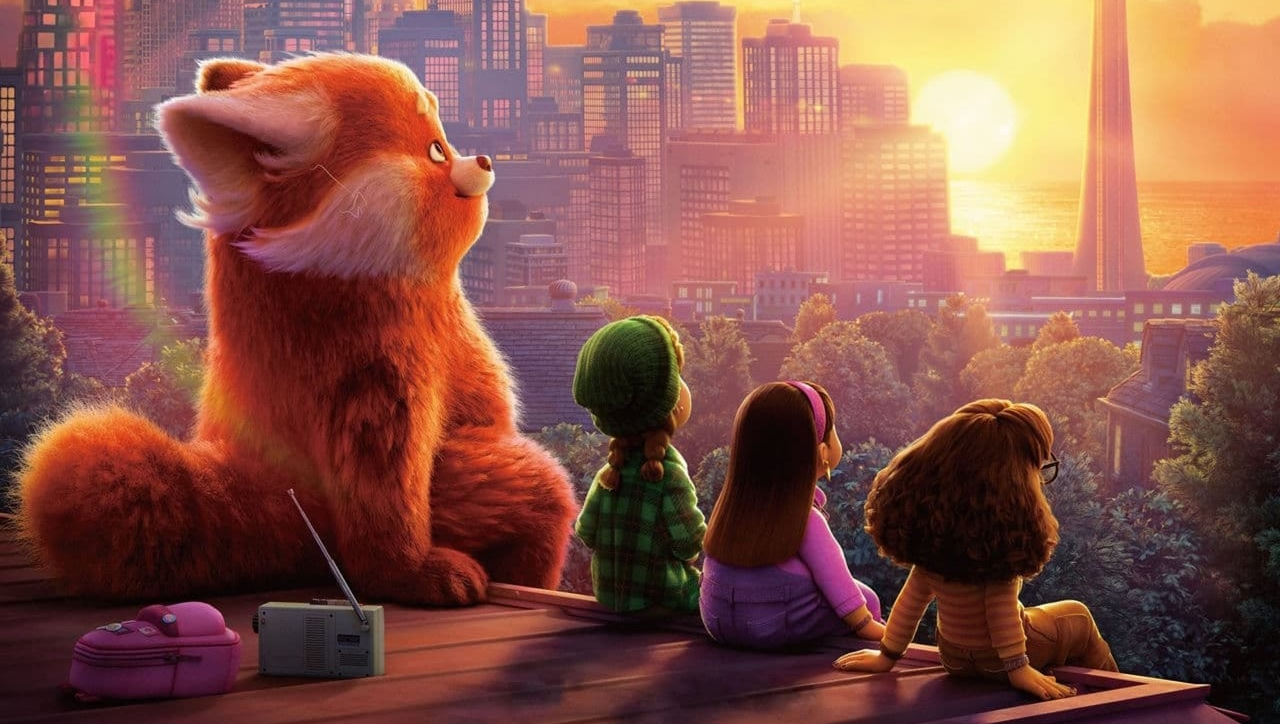
Toronto resident Meilin Lee (Rosalie Chiang) is on the verge of adolescence, lusting after boys she ordinarily wouldn’t and engaging in activities that draw the disapproval of her otherwise doting mother, Ming (Sandra Oh). But puberty is not the only drastic change the youngster is having to contend with – now that she’s a teenager, Mei finds herself transforming into a giant red panda whenever her emotions are heightened, a source of embarrassment greater than any other in her life.

The driving force behind Turning Red (2022) is writer-director Domee Shi who, just like Mei, is a proud Torontonian with Chinese heritage. Shi’s career trajectory is more interesting than most, having joined Pixar as an intern before garnering widespread acclaim with her allegorical short film Bao (2018). After this success, Shi was promoted to Pixar’s “Brain Trust” and given the opportunity to craft her own feature-length production; in turn, the film-maker has concocted the most energetic, inimitable Pixar film yet.

The most distinguishing element of Turning Red is the art-style. While there are shades of Pixar’s influence in the design of the characters and settings, the look of the film is distinct from any of the studio’s previous feature-length productions, a change that is most welcome. Soft colours dominate the architecture of Toronto, and clothing of those who inhabit its surroundings; humans of all sizes and body types interact with one-another, while their faces are adorned with large teeth and pupils that comically dilate or contract depending on their mood.

The animation, too, is a point of difference from other Pixar films. Where in the past, a character would move smoothly and gracefully (one could even say “realistically”), in Turning Red, the movement of the protagonists is quick and frenzied, welcomely leading to some well-timed physical gags that border on slapstick. Adding to this witty and frantic vibe is the editing, which occasionally employs some Edgar Wright-style quick cuts to further discern the picture from its contemporaries. Yet the differences go even deeper than that.

Ming Lee and daughter Meilin are often at odds in Turning Red.

Further distinctions are found in the screenwriting, which matches the vibrancy of Turning Red’s visuals. The plot is narrated in the first-person by a self-aware figure who frequently breaks the fourth wall and wears her geekiness with pride, forgoing the usual stereotype of an introverted, awkward teenager. Likewise, her friends are eccentric, outgoing and unashamedly nerdy, offering the perfect social and moral support – another rarity in coming-of-age tales. Additionally, it’s a tale that feels quite timeless, despite the film’s early-2000s setting.

Yet for all the freshness this script provides, it is stymied by the occasional flaw. One such example is the antagonistic Tyler (Tristan Allerick Chen), who is underwritten and poorly developed – efforts made by the film to complexify and soften his character are tame at best and confusing at worst. Another letdown is the third act, relinquishing the vim and momentum present elsewhere in Turning Red, slowing events to an underwhelming conclusion, and providing a left-field revelation about Tyler that bears no relevance to the conflict.

The one upside to these blemishes is that they aren’t a common sight in Pixar’s filmography, offering further proof that the team at Emeryville are no longer adhering to a formula or norm. Between this flick and Luca (2021), it looks as though Pixar is shying away from being a safe, comfortable brand and instead following the route of its fellow CGI powerhouses, DreamWorks and Sony in taking risks – they’re hiring new people, toying with different art-styles and telling more diverse stories.

Turning Red heralds a promising future for Pixar Animation Studios, providing the medium with a fresh and distinctive voice in Domee Shi. Viewers will find themselves drawn to the quirky characters, original story, lively animation and bright illustrations of a stylised Toronto, making for an entertaining and resonant experience regardless of one’s background.

Turning Red is now available on home-video and on-demand services, and streaming on Disney+.