With 2025 having drawn to a close, Rating Frames is looking back at the past twelve months of cinema and streaming releases that have come our way. In the third and last of our series of articles, Tom is taking a look at his ten favourite films of the year that was.
There remains a great deal of Doom and Gloom around the film industry, with good reason. A need to appease shareholders has seen mega-corporations merge to boost their market share and profits; Artificial Intelligence continues to evolve, insofar that the technology is replacing jobs until now performed solely by teams of humans; once-bankable actors, directors and franchises no longer bring in the big bucks; and box-office revenues globally still haven’t returned to their pre-pandemic highs.
And yet, these past few months have provided yours truly every reason to be hopeful about the future of cinema. Look no further than the examples below, many of which are feature-length productions guided by auteurs and showcasing diverse voices – just a few years ago, these films would have been considered big risks for the studios credited with financing and releasing them, but their gambles have paid off handsomely, lapped-up by audiences hungry for fresh ideas and original stories.
To that end, this writer is of the belief that 2025 will come to be known as the year that Hollywood finally rediscovered its mojo, the dawn of a second New Wave that celebrates and rewards directors who possess great artistic vision. And these here are the films which shall come to define it.
10. KPop Demon Hunters
Not since Disney’s Frozen (2013) has an animated feature so readily and deservedly ruled the cultural zeitgeist. Unceremoniously added to Netflix’s catalogue in June, this genre-melding fable broke free of its seemingly-niche target audience to become staple viewing in family households, entice large crowds to theatres with sing-alongs and earn a place in music history by having one of its numbers topping pop-charts the world over.
Driving that success is qualities like a bright palette, flashy visuals, mesmeric fight sequences, great songs, and a trio of distinctive lead characters who come across as quirky, unapologetic dorks, yet just are just as capable of being strong, resourceful and ultra-cool heroines. Even non-fans of Korean pop music and fantasy stories will be won over by KPop Demon Hunters, offering further proof that its studio, Sony Pictures Animation is becoming the industry’s focal point for creative and boundary-pushing works.
9. Wake Up Dead Man
First there was Knives Out (2019), a smart and comedic subversion of the Whodunit that delivered one of cinema’s more memorable characters in recent times; then came Glass Onion (2022) which retained its eccentric protagonist while upping the laughs and intrigue. Following both is Wake Up Dead Man, and though not as inventive nor funny as its precursors, this latest chapter is the most compelling mystery to feature Benoit Blanc so far.
Lying within are pertinent commentaries about the role faith and religion plays in our lives; a script that has viewers guessing and second-guessing until the Agatha Christie-like reveal of the true culprit; and conflicts attuned to contemporary politics which come across as neither snarky nor patronising. And that’s not to forget the all-star list of thespians who inhabit their roles brilliantly, including Daniel Craig who’s delightful once more in the role of Blanc.
8. Superman
Producing a movie centred on America’s original and ultimate superhero that wins over critics and punters should be an easy task, and yet in this century alone, Warner Bros has twice brought the venerable comic-book franchise to the big screen with a reboot that underwhelmed parties in both camps. Who better, then, to restore faith in the Man of Steel than a director who made a group of obscure, space-faring bounty hunters a box-office drawcard, and transformed a reviled super-villain property into a gag-filled spectacle.
James Gunn’s Supermanis a blockbuster that understands the ethos of its titular metahuman better than most adaptations that bear his name – he’s not a god or alien, rather someone just like us who happens to possess otherworldly powers. The film’s tone is welcomely cartoonish and silly but equally sincere and loveable, meaning any initial hesitations about cheap-looking sets and vibrant colour-grading are pretty much forgotten about within minutes. Also worthy of mention is the peerless cast and plentiful references to its Richard Donner-helmed forebear.
7. Mission: Impossible – The Final Reckoning
“I need you to trust me one last time,” says Ethan Hunt to his superiors, though he could well be addressing theatregoers in that statement too. For close to three decades, we trusted him to deliver the kind of high-octane, jaw-dropping thrills that demanded to be seen on the largest screen possible, and our confidence in him was justly rewarded with the eighth feature-length instalment of a spy franchise once confined to television, but now inexplicably linked with the saviour of cinema: Thomas Cruise Mapother IV.
The Final Reckoningis burdened with issues of world-building and slow pacing in its early stages – something of a trend with 2020s action flicks – which soon after yield to some of the tensest action sequences ever witnessed, many involving practical effects and some worrying enough to give viewers a nervous breakdown. Combine that with the pertinent discussions around A.I. and assured direction of Christopher McQuarrie, and the result is a near-perfect send-off.
6. One Battle After Another
Now for the most contentious opinion shared in our end-of-year reflections – where both of his fellow Rating Frames scribes have placed the latest Paul Thomas Anderson feature at the very top of their lists, yours truly has opted for a less enthusiastic view and a position five rungs below. Reasons why are hard to pinpoint, but there is a nagging sensation that an element is missing, an itch not being scratched; a feeling the picture could be funnier, livelier, more subversive, more bonkers.
None of this is to say that One Battleshouldn’t be showered with praise, or else there’d be no mention of its title here. Of greatest appreciation is Sean Penn as the antagonist Colonel Lockjaw; Jonny Greenwood’s piano-led score which heightens the tension; and a world that perfectly captures the USA’s current political climate (note the militant police forces and sense of autocracy) without hitting too close to home a la Ari Aster’s Eddington.
5. Mickey 17
Having effusively asserted himself as one of the best directors working today with the Oscar-winning Parasite (2019), anticipation was high, and the wait long, for Maestro Bong’s follow-up. His newest effort, released in the early months of 2025, draws upon several of the motifs and themes utilised in the Korean auteur’s previous works, yet sets itself apart by – as Arnie pointed out in his Top 10 article – striking a more positive and hopeful tone.
Other merits of Mickey 17 include the fantastic production design with its grimy, rudimentary sets; the hypnotic soundtrack of composer and returning Bong collaborator Jung Jae-il; the superb editing of Yang Jin-mo which keeps the pace smooth throughout; and Mark Ruffalo, who’s a delight in every scene as the Trump-adjacent despot Kenneth Marshall.
4. Bugonia
The current political scene is casting a long shadow over Hollywood’s creative output, as evidenced by the previous two films mentioned and their not-so-veiled mocking of the Free World’s supposed leader and his lackeys. That same paranoia can be found in Greek auteur Yorgos Lanthimos’ latest, an allegorical narrative that’s all at once clever, thought-provoking and scary.
In keeping with the rest of Yorgos’ oeuvre, Bugonia has a delightfully off-kilter tone, aided in part by the bombastic, haunting and ethereal score of Jerskin Fendrix. Biting humour alleviates the stressful atmosphere, often when it’s least expected, as does newcomer Aidan Delbis in the role of Don, the screenplay’s moral and rational centre, and someone who very nearly outshines his established co-stars, Emma Stone and Jesse Plemons – both of whom prove to be their usual exceptional selves.
3. Hundreds of Beavers
“How on Earth,” you might be wondering, “does a low-budget slapstick comedy which premiered in 2022 end up appearing in a Best of 2025 list?” The answer is thus: for many Australians, the past year was their first chance to see Mike Cheslik’s homage to our favourite medium’s early 20th Century pioneers like Buster Keaton and Harold Lloyd, whether that be through SBS On Demand or limited showings in local theatres like Cinema Nova.
Jokes abound in Hundreds of Beavers, which commits wholeheartedly to the silent-era aesthetics by telling its narrative almost entirely without the spoken word. Most gags are physical in nature with all manner of harm done to our hero, Jean Kayak (Ryland Brickson Cole Tews) and his mammalian foes (various human actors in oversized animal costumes) while a meme-referencing needle-drop over the end-credits provides the cherry on top of a very rich and decadent cake of laughs. You’ll be hard-pressed to find a movie that puts a bigger smile on your face.
2. But Also John Clarke
Being a fan of its eponymous subject, and in particular his political satire meant this documentary was virtually assured a placing in this writer’s Top 10 list, and if judged solely on personal sentiment would easily slot into First Place. Indeed, its sole irksome drawback is that not enough time is devoted to his impact beyond Australia and New Zealand.
Yet to view this solely as a fawning appreciation for a comedic titan would be unfair to director Lorin Clarke, for non-fans of her late father will find plenty of interest within But Also John Clarke. Archival clips of his work, some dating back to the 1970s prove just as fresh and witty as when they first aired, while contemporary interviews offer fascinating insights into the legacy of his long-haired, gumboot-toting alter-ego Fred Dagg.
1. Sinners
The horror genre has become the go-to place for directors to establish their mark on the medium, whether they be upstarts hoping to earn a name for themselves or industry veterans eyeing status as a legend of their craft; Sinners puts Ryan Coogler firmly and assuredly in the latter category. To label it simply as a horror flick would be a disservice to Coogler’s genius though, for his blockbuster is an astute melange of several other influences – it’s a Western, a musical, an action flick with tinges of romance and comedy.
Here lies a thrilling, classy and transcendent experience, boasting an excellent cast headlined by Michael B. Jordan in dual roles, alongside phenomenal supporting performances from Wunmi Mosaku, Delroy Lindo, Hailee Steinfeld and Miles Caton. Impressing further is the film’s showstopping music sequence that honours Black artists of every era, and Ludwig Gorannson’s epic blues-inspired score that echoes the strains of Terence Blanchard, all combining to form the most awe-inspiring release of 2025.
With 2025 having drawn to a close, Rating Frames is looking back at the past twelve months of cinema and streaming releases that have come our way. In the second of our series of articles, Darcy is taking a look at his ten favourite films of the year that was.
The medium is the message of films in 2025. In a time where feature filmmaking has to, in some form or another, justify its existence on the screen in comparison to TV or internet slop fed through an infinite reel, the best work to come out this year weaponises the stranglehold a great long-form story can have on an audience. A mixture of old masters and bright new talents across genres and styles, the top of a terrific year in film was all improved by viewing them in a packed theatre, demonstrating that cinema is still at its best as a communal experience, from incisive documentaries and quiet family dramas to a provocative action spectacle that invites an audience to question its worldview.
10. The Perfect Neighbor
So much of good documentary work comes down to access and editing, and Geeta Gandbhir’s heartbreaking portrait of a Ajike Owens’ Florida community and the very active role racism can take in someone’s life has both in droves. Using almost exclusively bodycam footage, police station security tapes, and 911 calls, Gandbhir and editor Viridiana Lieberman weave a poignant and incisive story of the state’s Stand Your Ground laws and the reality of how they are abused. No other film this year will make your blood boil and your heart sink.
9. 28 Years Later
Returning 18 years later with a supposed three screenplays in hand, Alex Garland (a personal favourite writer) wanted to tell the story of the UK in recent years in a franchise that has defined a lot of 21st Century English cinema, with a remarkable and unexpectedly emotional film. Centring on a young family led by an impressive newcomer in Alfie Williams, the rich level of depth and commentary in 28 Years Later allows what could’ve easily been a quick money grab by Garland and Danny Boyle to become an instant Brexit classic. With its exploration of community and isolationism with the backdrop of a widespread outbreak, 28 Years Later places itself at the forefront of art in conversation with the world in the 2020s.
8. The Mastermind
A sleepy political heist hangout with the actor of the moment, Kelly Reichardt’s 70s whisper-of-a-film will leave a long tail that may define the year in the future. Starring Josh O’Connor in his best performance to date as an uninspired suburban dad wanting to pull off an art heist, The Mastermind glides through its own world with a protagonist who believes himself smart and savvy enough to pull off the crime. Reichardt’s hidden sharp blade of focusing on someone causing chaos through their quiet ego of knowing better than those around them allows the world around O’Connor to build from gentle embers to a raging fire.
7. Sorry, Baby
A wonderfully modern dramedy, Sorry, Baby may just usher in a new era of 2020s mumblecore with a shining new voice in Eva Victor. A story that easily could’ve landed on television and overextended, Victor, who wrote, directed, and starred in this thorny comedy of unsurety, loves cinema enough to operate and thrive within the condensed medium. As a young, depressed literary professor, Victor’s Agnes is one of the best cinematic characters of the year, a charming and thorny person you can’t help but connect with. A film that handles heavy subjects with grace and clarity, Victor has emerged as one of the brightest emerging filmmakers and performers in years.
6. Sirât
A modern experiential travel saga akin to William Friedkin’s Sorcerer (1977), Oliver Laxe’s Sirât must be seen to be believed, with several earth-shaking moments that will dig into your bones and leave scars. A shocking cinematic experience, Sirât follows a father and son as they search through an underground Moroccan desert rave scene to find their daughter and sister. The film explores community and connection, propelling you forward in line with Kangding Ray’s incredible music soundscapes.
5. Sinners
The future promise of exciting blockbuster cinema is also one of the most enjoyable and prickly films of the year. Ryan Coogler’s exploration into race, music, and history is tied to an explosive vampire action film that proves adults will still show up if given some real meat to sink their teeth into. With a terrific ensemble and a remarkable breakout by Miles Caton (so good you do not question his future self played by Buddy Guy), Coogler’s musical knows how to entertain a crowd while still provoking thoughts about how culture and music are consumed.
4. BLKNWS: Terms & Conditions
My most anticipated film experience of the year delivers and beguiles like no other. Perhaps the greatest music video director around, working with Beyonce, Kendrick Lamar, FKA Twigs, and Flying Lotus, Kahlil Joseph has a visual eye that blends hyper-modern documentary styles — which includes YouTube clips and memes — with his love and influence from the legendary Thai director Apichatpong Weerasethakul. Debuting the first iteration of BLKNWS at the Venice Biennale in 2019 as a video installation, Joseph and A24 collaborated to expand the work into a feature-length experience like no other. The film will be hard to track down, but it is as essential a watch in 2025 as any film on this list. BLKNWS: Terms & Conditions is a dense yet enjoyable work that will have you asking more from documentary and experiential cinema for the rest of the decade.
3. Sentimental Value
A tremendous follow up to Joachim Trier’s millennial classic The Worst Person in the World (2021), Sentimental Valuepulses and ripples through generations of familial connection and disconnection with grace and power that feels open and inviting even in its thorniest moments. Trier and all his creative collaborators understand that to create is to bridge an ocean of the unsaid, even if that means building a replica of your generational family home on a soundstage, only to have it hidden on the 18th page of the Netflix arthouse section. Trier and Vogt understand deeply how, even through that artifice, true openness and connection can be translated into a final, powerful image of understanding but not resolution.
2. No Other Choice
With all respect to the perfect chase scene at the conclusion of the film at the top of my list, the master of the final act, Park Chan Wook’s No Other Choice, has the finale of the year. A glorious send-up of modern late-stage capitalism as a ‘be careful what you wish for’ fairy tale that blends melodrama into a living nightmare into the best satire in years. How Park doesn’t arrive at a place of crippling nihilism in its final moments but of cruel irony and humanity is nothing short of astounding. His revenge fables are without equal in modern storytelling, with No Other Choice entering this extended canon in surprising ways. No one is pushing the language of cinematic storytelling more than Park with his visualisations of doomscrolling as a uniquely modern debilitation.
1. One Battle After Another
A film that leaps off the screen in an instant, One Battle After Anotherworks the way most immediately immortal films do. And much like many of the great immortal films, I find myself reading rather than writing about Paul Thomas Anderson’s incisive work of contemporary revolutionary cinema that even when it pulls punches, compels you forward. I’m not surprised a new PTA film that finally delves into contemporary life is my favourite film to be released in its 2020s, as his deeply humanist approach to writing over the last 30 years has defined so much of my taste in art. Combine that with subject matter I find endlessly compelling as a modern look at the humanity and personhood of revolutionaries that is fuelled by the past but never backwards-looking, and you have a film that will be the yardstick all other films will be measured against.
Honourable mentions: Black Bag, Caught By The Tides, Eephus.
With 2025 having drawn to a close, Rating Frames is looking back at the past twelve months of cinema and streaming releases that have come our way. In the first of our series of articles, Arnie is taking a look at his ten favourite films of the year that was.
In what I think is probably the strongest year in film for the current decade (surpassed only by 2021), I managed to squeeze in 36 new releases (equal to last year) and would probably have had more had I not gone overseas for a few months. That said, 2025 surprised me with just how strong the year was, with my top 10 (save for perhaps my no 1 and 2 spots) easily interchangeable depending on my mood. I did miss a few films that I really wanted to see and will hopefully see in the next month like Rental Family, Sentimental Value and Train Dreams, but overall I am delighted with what my top 10 is looking like. Here’s to a bigger and better 2026!
10. Black Bag
While it feels like forever since Steven Soderbergh’s Black Bag was released, the thriller has stuck with me for it’s a punchy, measured and meditative approach in telling its story as it focuses on the importance of trust in relationships, but amplifies that tenfold by throwing spies and high stakes into the mix. The film is an exercise in precision, in patience, in waiting for the right moment to make your move but takes a snappy, well paced approach in portraying those aspects. Michael Fassbender’s coolness and straight-talking robotic like persona is matched by Cate Blanchett, with the duo finding a dance like rhythm / choreography every time they’re on screen, making it intoxicating to watch them to the point where you feel like a third wheel between their sexual chemistry. To top it off, the film is around 90minutes and doesn’t waste a second, demonstrating Soderbergh’s knack for pacing and witty dialogue when it comes to thrillers.
9. Mission: Impossible – The Final Reckoning
Speaking of thrillers, the final entry in Tom Cruise’s Mission: Impossible franchise, The Final Reckoning, is an exhilarating finale to this almost 30 year exercise in pushing the boundaries of what is possible on the big screen. While it doesn’t quite hit the highs of Fallout (2018) and Dead Reckoning Part One (2023) in terms of scale and plotting, Christopher McQuarrie and Tom Cruise sign off in style, with everything from deep sea submarine diving to flying and dangling off of aeroplanes because… well… why not. The film does take some time to really kick into gear, with a beefy first act having a weightiness to it that takes a moment to shake off as story threads are tied from past films, but once it gets to the fun and games of the second act, it has that free flowing, pacey energy that the franchise is known for.
8. If I Had Legs I’d Kick You
If I Had Legs I’d Kick You came as a late entry for me but quickly cemented itself in my top 10. For starters, Rose Byrne delivers one of the most electrifying performances of the past few years and easily a career best which is sure to earn her an Oscar nomination and perhaps the Oscar itself. Secondly, this is the most stressful film I’ve watched in a long time with Mary Bronstein creating a sense of tension and holding on to it throughout the film’s majority through Byrne’s performance and her ability to isolate her in and around the problems she has, giving the film an almost straitjacket feeling that can’t be shaken off.
The approach to focus on a woman who has this literal and figurative hole in her life that is a reflection of her struggles to raise a sick child while her husband compounds her struggles from a distance (as he isn’t present), creates a simmer that never seems to cool down. Coupled with a camera that maintains a relatively tight close up on her for the most part and works in tandem with a score that has a dread like quality, amplifies the sense of hopelessness that the character endures.
7. Avatar: Fire and Ash
James Cameron’s third entry in the Avatar franchise is the biggest and most visually striking film of the year, and it’s a testament to the director’s desire to push the medium forward by pulling out all stops. The CGI and performance capture are unmatched in Fire and Ash as is the lifelike quality of Pandora and its blue inhabitants, the flora and fauna, and the wider setting. While the script feels a little more drawn out and repetitive compared to the previous two films (there’s a lot of similar story beats and wonky subplots), the heart of the film and Cameron’s love for this universe shine through in its three and a bit hour runtime.
Listening to Cameron’s interviews after having seen the film have bought me into his vision even more and helped me appreciate the level of depth and thought that go into every performance and the way the world interacts with these performances (almost a video game-esque quality). Sometimes the transition from 48fps to 24fps can be quite jarring where I would have preferred for the whole film to be shot in the former, but no one is making films of this scale and with this much originality compared to Cameron and I would gladly take another two of these films in the coming years.
I was blown away watching this in 3D in Melbourne’s newest and second only IMAX screen.
6. Bugonia
After leaving me rather underwhelmed with Poor Things (2023) and Kinds of Kindness (2024), Yorgos Lathimos’ Bugonia felt like a return to form as the director brought his regulars Jesse Plemons and Emma Stone into this conspiracy theory game of ‘who breaks first’. Lanthimos and The Menu (2022) screenwriter Will Tracy wrote a clever script that blends humour with desperation as one man becomes convinced that the CEO of his company is an Alien and decides to capture her so that he can learn where her mothership is and how to make contact with it. Beneath the often comedic, sometimes rattling plot is a film that shows the lengths people will go to when faced with a desperate situation, one that speaks to wider issues of failed healthcare systems and the people they leave in their wake. The final third of this film is a wild rollercoaster of “I know what’s going to happen” to “Oh, now I know what’s going to happen” to “I knew that first thing was going to happen”. Lanthimos paces this film incredibly, leaving you on the edge of your seat to ponder whether questions we ask ourselves about the world are worth asking, whether for better or worse.
5. Sinners
Ryan Coogler’s Sinners felt like a breath of fresh air as this almost neo-western, horror type gothic genre epic. Sinners feels both familiar and different, owed in large part to Coogler’s understanding of Black history mixed with his penchant for spectacle and creating moments that cut through and challenge you as a viewer like a musical sequence that mixes in blues, jazz, hip hop and a wide range of music genres in this pseudo-multiverse portrayal which is unlike anything I’ve seen in recent times. Clearly taking a leaf out of Robert Rodriguez’s From Dusk Till Dawn (1996), Sinners finds a harmonious balance between the horrific and the heartfelt, where Coogler patiently builds up to the unhinged killing fest and doesn’t slow down when it hits.
4. No Other Choice
It’s no secret that the job market has been absolutely fucked, something that the proliferation of AI has only amplified, with Australia feeling the strain of unemployment to a large degree as well. Park Chan Wook’s No Other Choice, like some of the legendary director’s films before, is a brutal, sometimes comical, portrayal of the lengths people will go to begin to make sense of the situation they are put in, whether through their own doing or not.
Man-su (a brilliant Lee Byung-hun) delivers one of the year’s best performances as a paper worker who loses his job due to downsizing and decides that the only way to stand any chance of regaining unemployment and keeping his idealistic lifestyle is to kill the true competition that is applying for the same jobs as him. Park is a technical genius who proves his worth once again through striking transitions and camerawork right through to interesting plotting choices that all build up a sense of desperation as Man-su spirals into a void.
3. Mickey 17
While not quite hitting the same highs as his Best Picture winning Parasite (2019), Bong Joon Ho’s Mickey 17 continues the director’s fascination with the caste system, capitalism and human dispensability. It’s a goofy film with strange characters and creatures and a closing sequence that is weird in its own right, but it speaks to wider issues of injustice and treating people with inhumanity for material gain, yet it’s Bong’s most optimistic film as well.
There’s a palpable pity in watching Robert Pattinson’s Mickey character be reprinted through a human printing machine time and time again, until through an error, two versions of him emerge, opposed in multiple ways yet finding a commonality in their disposable existence to unite against those that discard them like an old shoe. The scale of the film is evident in its Hollywood-ised grandeur of space travel and all that comes with it, but it stays close to the heart of its oddballs, never losing sight of the human condition even as it threatens to become relegated to a means to something more sinister.
2. It Was Just an Accident
Jafar Panahi’s It Was Just an Accident blew me away in more ways than one. The Iranian filmmaking juggernaut has never been coy when it comes to his criticism of Iranian oppression and abuses of power, and in this film he focuses on how that abuse and specifically, torture, imprisons people for their whole lives.
He frames this through a group of people whose lives have never been the same after a man with a squeaky leg tortured them some years ago at the request of, and for the good of, the “regime”. When Vahid, a survivor and humble mechanic, hears the squeaky leg of a man whose car has broken down outside his repairs shop, all of those horrific memories come flooding in and he decides to capture and bury him the day after. That is, of course, until the man vehemently asserts that he’s not this ‘Eghbal’ torturer that Vahid is looking for. From there, Vahid is set on confirming the man’s identity before deciding what to do with him, meeting others who were beaten and brutalised under his authority.
The film is sometimes comical, often gut-wrenching, especially towards the second half where a subtle shift in tone shows the length the oppressed will go when they’re desperate for vengeance. Panahi paints humanity as a fragile construct in a film that threatens to tip the scales between victim and oppressor, showing what a broken, unjust system can do to people as they become prisoners of their own mind because of the actions of others. The final shot might just be the most harrowing of the year.
1. One Battle After Another
Another year, another Paul Thomas Anderson masterclass; it’s been many years since a new release sold me on 5 stars, and who else’s film could do that other than PTA’s? One Battle After Another, his latest politically charged (which is more of a byproduct) yet grounded story of a father and daughter dynamic, is a culmination of all of the best parts of his oeuvre. Loosely based on Thomas Pynchon’s 1990 Vineland, a book with its own political leanings and criticisms of the Reagan administration, One Battle After Another is also PTA’s most contemporary film to date. Where previously he has tended to look back, his latest film is very much a forward-looking, foreshadowing of what’s to come if we let forces greater than us hunt us down in the little spaces we’ve carved out for ourselves in a world that feels like it’s already getting smaller around us.
One Battle After Another is the breeziest, almost 3 hour film experience I’ve had in years which is testament to PTA’s ability to pace his films and leave no dialogue wasted for filler. Each moment gives the film momentum and builds on the cause and effect chain of events, with an abundance of set pieces (easily the most in his career). This all culminates to a closing sequence that as a whole, is one of the most striking I’ve seen in years (a car chase shot through swerving, dusty roads will stick with you).
PTA has always managed to get the best out of his ensembles much like his inspiration, Robert Altman, and it shows here as Leonardo DiCaprio delivers a career best performance along with Sean Penn (who is no doubt a shoehorn for Best Supporting Actor), with Chase Infiniti, Benicio del Toro and others also at the top of their game.
I felt like I was watching a classic in the making and a film that will stand the test of time as an epic much like There Will Be Blood (2007) has all these years later, and I can’t wait to buy the 4k bluray later this month to experience it all over again.
It’s the most wonderful time of the year if you’re a cinephile, and it’s just around the corner.
Yes, the Academy of Motion Picture Arts and Sciences’ Night of Nights —otherwise known as “The Oscars”— will be taking place this Monday morning, March 1st (Naarm time) and the team at Rating Frames is as excited as ever.
As they did last year, our three resident critics have made their predictions as to what, or who, will be victorious in all 23 categories.
Below are the films that Arnel, Darcy and Tom are predicting will walk away with a coveted statuette at the 97th Academy Awards, and their personal vote, in each category
Best Picture
What will win // What deserves to win
Arnel: The Brutalist // Anora
Darcy:Anora // Nickel Boys
Tom: Conclave // Dune: Part Two
Best Director
Arnel: Brady Corbet (The Brutalist) // Sean Baker (Anora)
Darcy: Sean Baker (Anora) // Brady Corbet (The Brutalist)
Tom: Sean Baker (Anora) // Sean Baker
Best Actor
Arnel: Adrien Brody (The Brutalist) // Adrien Brody
Darcy: Adrien Brody (The Brutalist) // Adrien Brody
Tom: Adrien Brody (The Brutalist) // Ralph Fiennes (Conclave)
Ralph Fiennes, nominated for his performance in The Conclave
Best Actress
Arnel: Mikey Madison (Anora) // Mikey Madison
Darcy: Demi Moore (The Substance) // Mikey Madison (Anora)
Tom: Demi Moore (The Substance) // Mikey Madison (Anora)
Best Supporting Actor
Arnel: Kieran Culkin (A Real Pain) // Kieran Culkin
Darcy: Kieran Culkin (A Real Pain) // Guy Pearce (The Brutalist)
Tom: Kieran Culkin (A Real Pain) // Yura Borisov (Anora)
With 2024 having drawn to a close, Rating Frames is looking back at the past twelve months of cinema and streaming releases that have come our way. In the third and final of our series of articles, Tom Parry is taking a look at his ten favourite films of the year that was.
The resilience of the medium we know as cinema truly knows no bounds. Having survived a once-in-a-century pandemic and endured the dual strikes of unions representing America’s screenwriters and performers, 2024 proved – from an artistic perspective, at least – that the industry is as strong and creative as ever, with several titles catching the eye of yours truly.
As with previous end-of-year reflections compiled by this writer, the list below is dominated by English-language and blockbuster pictures, in part due to the shortage of arthouse theatres in regional Victoria and lack of opportunities to visit Melbourne; but had circumstances been different, he is confident the structure of this list would remain much the same.
10. The Apprentice
Director Ali Abbasi envisaged this biopic would sway undecided voters ahead of last year’s U.S. Presidential Election, though as the box-office returns and subsequent vote-count suggest, he failed miserably in achieving that goal. Yet what he does succeed in doing with The Apprentice is offer an astonishing re-creation of 1970s New York; elicit uncanny, lifelike performances from Sebastian Stan and Jeremy Strong; and provide a surprisingly nuanced examination of a man whose single-minded pursuit of wealth and fame turned him into the physical embodiment of every negative stereotype we associate with his countrymen.
9. Conclave
Applying the term “mature” to a feature-length drama, for most, conjures in the mind imagery, actions, themes and language inappropriate for younger audiences; yet it can also be used to define a production which is nuanced, composed and cerebral – all apt descriptions for Conclave. Here is what can be considered a political thriller without politicians, or Glengarry Glen Ross (1992) without the excessive swearing, taking viewers behind the façade of pageantry and into the halls of power, complete with excellent performances, great dialogue and a fantastic narrative that hooks until the very last twist.
8. Anora
For the better part of a decade, Sean Baker has made it his mission to document those on the margins of American society, a pursuit that has rightfully brought him countless accolades and admirers. He may well have reached his directorial and screenwriting peak with his latest effort Anora, a film so mesmeric that it has placed within in the Top Ten of this year’s Best-Of lists by all three of Rating Frames’ resident scribes – though Arnie and Darcy both seem to have neglected mentioning the ever-delightful Igor (Yura Borisov), one of the best characters of any picture in recent years.
7. Perfect Days
Despite earning high praise at the Sydney and Melbourne International Film Festivals the year prior, it wasn’t until March of 2024 that Wim Wenders’ Japanese drama received a theatrical release in Australia. That decision flies in the face of what is a beautiful story, one that’s tranquil and almost poetic in its observations of an otherwise unremarkable man who cleans toilets for a living. Add to that the gorgeous cinematography and impeccable soundtrack, and Perfect Days pretty much lives up to its title.
6. Super/Man: The Christopher Reeve Story
The 72nd iteration of MIFF was the first time since a certain global pandemic that yours truly attended an in-person screening in the Festival’s namesake city, an occasion marked at The Capitol with this very documentary. Its moving screenplay – yes, tears were shed – explores Reeve’s upbringing, early career as stage actor, casting as the Man of Steel, paralysis and charity work, told via interviews with some very famous and unexpected talking-heads (Jeff Daniels! Glenn Close! Susan Sarandon!) plus unseen home-videos and archival footage. An intimate portrait that offers a heartfelt tribute to its subject while not shying away from his faults.
5. The Wild Robot
Amid Disney’s ongoing cultural and commercial dominance, and increasing competition from Sony Pictures Animation, the once-mighty DreamWorks had in recent times gone from being a pioneer of the industry to a studio at-risk of losing its prestige. That belief was immediately dispelled with the arrival of The Wild Robot, a feature-length production which not only proved a better film than any of its animated contemporaries released last year, but is also its studio’s most-impressive effort since the How to Train Your Dragon movies, complete with a talented voice-cast, stunning visuals, touching screenplay and rousing score from Kris Bowers.
4. The Iron Claw
Here lies a biographical narrative far better than it has any right to be. Distributed on our shores last January and lost in the thick of Awards Season, The Iron Claw recounts the lives of the famed Von Erich brothers, their contributions to the sport of wrestling, and the tragedies which impacted them as they pursued glory. Among its impressive elements are the cinematography, perfectly-curated rock soundtrack, and raw, compelling script that, astonishingly, had to be toned-down because the family’s actual story proved too sad and unbelievable. A must-watch, even for non-wrestling types (this writer included).
3. The Holdovers
Yet another release that made a belated appearance in Australian theatres, and unfairly so, since The Holdovers would have made for ideal festive viewing had it been brought here just one month earlier. Beneath the sardonic, caustic veneer of a history teacher (Paul Giamatti), anarchic rebellion of a student (Dominic Sessa) and remoteness of a cook in mourning (Da’Vine Joy Randolph) lies a transfixing, warm and sweet – yet never saccharine – tale embodying all the best qualities of Christmas.
2. Dune: Part Two
Arnie and myself have quite differing tastes when it comes to cinema, but on one count we are in strong agreement: the sequel to 2021’s Duneis the second-best release of 2024. Canadian auteur Denis Villeneuve provides with Dune: Part Twothe Empire Strikes Back (1980) to its predecessor’s New Hope (1977), a follow-up that builds upon the lore of its established characters and setting, and pairs them with even-more impressive visuals, sound and music. Also, kudos to Villeneuve for leaning heavily into the religious allegories of Frank Herbert’s original text.
1. Challengers
The sheer number of quality pictures meant choosing this final list of ten proved much harder than in previous years, and deciding where to place the Top Five was a more difficult decision still. All came close to usurping the honour of being this writer’s ultimate favourite of 2024, yet only one prevailed – chiefly due to its flamboyance and idiosyncrasy.
Expertly helmed by Luca Guadagnino, Challengers boasts a tense, pulsating techno soundtrack from Trent Reznor and Atticus Ross; a non-linear narrative with a conflict that remains engaging throughout; fun camera angles and photography during its tennis sequences; and morally-ambiguous characters who defy the traditional concepts of a protagonist, yet never succumb to being antagonists. Put simply, there’s been no other film quite like it in the previous 12 months – and perhaps ever.
With 2024 having drawn to a close, Rating Frames is looking back at the past twelve months of cinema and streaming releases that have come our way. In the second of our series of articles, Darcy is taking a look at his ten favourite films of the year that was.
With a dense collection of titles with no clear standout, 2024 was the hardest year to rank recent releases in a long time. With a collection of new voices and revered personal icons, 2024 had a wide mixture of films that went head-on in tackling modern life, something that has felt lacking in the last few years. The only key omission to this list upon release is Ramell Ross’ Nickel Boys, a book I love from an exciting new artistic voice in the medium I’ve been desperate to see all year, which is releasing via Amazon at the end of the month. With that being said, I’m happy with how this list came together and hope these rankings get someone to check out a new exciting film.
10. Chime
I struggled with whether to include this short film by one of my favourite filmmakers Kiyoshi Kurosawa ahead of more ambitious titles (like The Brutalist 2024), but ultimately this sinister snapshot of reality was impossible to shake. In a year, and what’s shaping as a decade defined by crucial filmmakers reflecting on their lives and creative work, Kurosawa used multiple 2024 projects to open a dialogue with his early and defining work, even going as far as remaking his 1998 film Serpent’s Path with the same name but in the French language.
In Chime, Kurosawa continues his pursuit into modern perceptions of evil and the malice of life through a brief lens into a culinary school, with a student seemingly driven mad by a noise no one else can hear. What happens next is a remarkable level of cinematic dread that burrows deep into your skin, taking up space in your soul. Kurosawa’s ability to communicate complicated ideas within the short film format is astounding, making this film a must-watch whenever it becomes more widely available.
9. Perfect Days
In a year stacked with esteemed filmmakers returning with a work deep in reflection of their first works, none felt as complete as Wim Wenders’ Japanese-language quotidian reflection piece Perfect Days. Centring on a Shibuya public toilet cleaner, Hirayama, performed by screen legend Kôji Yakusho, Wenders’ film reflects his global curiosity and evolving perspective on humanity through humour and grace. It will be a film I return to often in the coming years.
8. Janet Planet
Janet Planet is a film that knows the smell and crunch of autumn leaves outside a family home that can define a childhood. Annie Baker’s debut work in the cinema space (after years as one of Broadway’s great unsung playwrights), inhabits the in-between with an honest curiosity.
Centring on a wonderful child performance by Zoe Ziegler as the 11-year-old Lacy and her mother Janet (a gravity-altering Julianne Nicholson), Janet Planet is keenly aware of the way a child can refract the adults around them, revealing new parts of a parent and child that is rare in its respect for both sides.
7. Red Rooms
No film crawled under my skin more in 2024, where it continues to remain. While Canadian filmmaker Pascal Plante’s Red Rooms contains no violence, it is the most violently confrontational film you’ll encounter from the last year. At once a spiritual successor to David Fincher’s The Girl With the Dragon Tattoo (2011) and a keenly modern devolution of how the internet has isolated and festered our worst impulses, Red Rooms is one of the great underground discoveries of the year, a chilling interrogation into modern life through the lens of true crime, dark web violence, and modern voyeur culture.
At the front of the lens of the film is Kelly-Anne, portrayed by Juliette Gariépy as an all-time thriller character on the level of Patrick Bateman. A statuette beauty who spends her time modelling, crushing people in online poker, and obsessively attending the trial of Ludovic Chevalier (Maxwell McCabe-Lokos), a serial killer of adolescent girls who uploads his extreme violence to the dark web for those who wish to see, can. With Vincent Biron’s dexterous and compelling camera, we are intoxicated by a mesmerising oscillation between extreme unwatchability and an engrossing thriller, caught in a spiderweb where escape is too late. Achieves a lot from very little.
6. Evil Does Not Exist
The best score of the year can be found in Ryuichi Hamaguchi’s follow-up to this decade’s best film Drive My Car (2021), Evil Does Not Exist (more than halfway through the decade these lists should be beginning to solidify), with its elegiac jazz progressions that evolve into a haunting rapture from Eiko Ishibashi.
As a tale of eco-modernism that leaves room for the farcical ways contemporary metropolitan life seeks to corrupt what remains of the natural world which displays Hamaguchi’s breadth and quality as a writer. When consultants for a work retreat glamping company seek to operate within the small village of Mizubiki, they are confronted by an uncooperative community.
Like its overwhelming musical compositions, Evil Does Not Exist climaxes in a confounding but engrossing final moment that lingers and provokes long after you leave. Ishibashi and Hamaguchi are carving out a place as the composer-filmmaker collaboration which the industry should be measured up against.
5. Anora
The unexpected hit out of Cannes, making it the first American film to win the Palme d’Or since Tree of Life (2011) on top of being a Best Picture contender, Sean Baker’s eighth feature Anora is larger and broader than any film he’s made before while still capturing his uptempo yet sobering look into the contemporary American underbelly.
The modern chronicler of contemporary fringe America maintains his scepticism-bordering-on-cynicism about his homeland throughout his filmography, which is stretched to a compelling breaking point here. The internet has explained the film as a modern-day Pretty Woman (1990) by way of Uncut Gems (2019) with a Goodfellas (1990) like structure, but Sean Baker and star Mikey Madison are more interested in exploring how Ani is placed within different worlds than how the world changes her. Anora is a fully realised character that still carves out space to surprise us in moving and memorable ways.
4. The Seed of the Sacred Fig
A film with a backstory as compelling as its on-screen drama (filmmaker Mohammad Rasoulof, the cast and creatives were forced to flee during production due to a warrant out for their arrest in Iran for filmmaking that goes against the regime), Rasoulof’s The Seed of the Sacred Fig speaks generationally about the modern Iranian moment through the language of family drama and genre filmmaking.
Through the use of social media footage from a recent student protest that turned violent—surprisingly a late addition in the editing process once they had fled the country—Rasoulof creates a certain surreality that arrives through this directness. This allows the simmering political drama to expand past the confines of the narrative into an explosive condemnation of authoritarian rule. While its final tonal shift won’t be for all audiences, it complicates and transforms the film into something larger and more elliptical than its humble and understated beginnings.
3. I Saw the TV Glow
In the days since the passing of the great David Lynch, much has been made about how modern cinema has increasingly lacked this effervescent feeling come to be known as ‘Lynchian’. But with the emergence of Jane Schoenberg and their second feature, I Saw the TV Glow in 2024, that essential Lynchian sensation that has defined indie filmmaking for 40 years has returned to breathe new life into our contemporary world.
With a close kinship to Twin Peaks: Fire Walk With Me (1992) — in contention for best film of the 90s — I Saw the TV Glow ties 90s television fan nostalgia with the dissociative world of the adolescent trans experience that is willing to go to some deeply uncomfortable depths of the soul. Schoenberg’s modern reflection of the trans experience as a Lynchian world won’t place it within the awards season conversation, but alongside the extraordinary documentary No Other Land (2024), I Saw the TV Glow is the only essential film to arrive in theatres this year.
2. Do Not Expect Too Much From the End of the World
The funniest film of the year is also the hardest to wrestle with. Rade Jude is indie cinema’s great punk rocker, throwing rotten fruit at those that need it. After releasing what will eventually be seen as the definitive Covid satire, 2021’s Bad Luck Banging or Loony Porn, the Romanian satirist Jude returns to take aim at the capitalistic infrastructure of modern Bucharest, the gig economy, and the iron claw multinational corporations hold over even small production companies just trying to get by.
With Ilinca Manolache at the centre of his film as production assistant and part-time TikTok satirist Angela, Jude has the perfect muse for life in the Romanian capital, strained in every direction to get by, all for the financial security of a soulless multinational corporation, personified by a great cameo by Nina Hoss.
With its expansive 163-minute runtime, Jude holds many feet to the fire, concluding with a virtuosic yet simple long take for a workplace safety video which will prevent the families from suing the company for culpability, that both cements and brushes off its themes and frustrations like a poetic middle finger to the ruling class.
By culminating this long-form screed on modernity with a capitalistic nightmare version of Bob Dylan’s iconic music video for Subterranean Homesick Blues, with the family of a worker injured at work told to hold up blank pages meant to express their side of the story but will be written in post instead of in their own voice, Do Not Expect Too Much From the End of the World cements Jude as the modern satirist to compare all others to. No one is doing it like him, but I wish more tried.
1. All We Imagine as Light
In a deep movie year with no real standouts like previous years have had, picking a number one was exceedingly difficult. That being said, no film expanded and deepened in my mind on rewatch as Payal Kapadia’s All We Imagine as Light. I was recently able to review this film properly since its showing at MIFF left me staggered. Kapadia’s soulful rendering of modern-day Mumbai is gorgeous and a must-see while it remains in theatres.
With a refined hand through documentary work, Kapadia flourishes in small moments. Whether it’s the embrace of a rice cooker given by a distant-slash-estranged husband working in Germany, or the small gesture of helping an older colleague move her things back to her old home after being wrongfully evicted, All We Imagine as Light embraces the aching emotionality of the quotidian, knowing these fleeting moments create a mosaic that reflects the light of human experience.
Honourable mentions: The Brutalist, Ryuichi Sakamoto: Opus, Challengers, No Other Land.
With 2024 having drawn to a close, Rating Frames is looking back at the past twelve months of cinema and streaming releases that have come our way. In the first of our series of articles, Arnel Duracak is taking a look at his ten favourite films of the year that was.
While my 2024 viewings came in just short (36 new releases) compared to my 2023 viewings (37), there were a few titles that I had anticipated for a while and that really delivered to land on my top 10 list. Comparatively, I do think my 2023 top 10 was a stronger one overall, however I was pleasantly surprised to see what titles rounded off my ranking. I was also rather disappointed that I didn’t manage to catch some films at the cinema like The Brutalist, Didi and I Saw the TV Glow, however I’m hoping that 2025 will be a bigger year for my cinema viewings.
10. Blink Twice
As far as compact thrillers go, you’ll be hard pressed to find one as spicy, twisty and horny as Blink Twice.
Zoë Kravitz manages to blend just the right amount of suspense and teasing while bringing plenty of edginess and humour about through her script — and this is her directorial debut, mind you!
Channing Tatum also flips the charming sex appeal he’s come to be known for on its head by using it as a means to deliver a punchy, sometimes intense, performance.
While the film didn’t blow me away in ways that a similarly paced and executed film like Get Out (2017) did, Kravitz never lost my attention, even if the ending rounded off rather cheesily.
9. Challengers
Speaking of spicy and horny, Luca Guadagnino’s Challengers saw the phrase “sexy tennis” circulate all over social media.
It’s his second film of 2024 along with Queer (he’s had a busy year!) and it served up a hot and heavy treat, with Zendaya, Mike Faist and Josh O’Connor acting out a love triangle both on and off the court.
I don’t remember too much from the film which is probably why it’s lower on my list, but one thing that did stick in my mind was Trent Reznor and Atticus Ross’ pulsating techno score which was stuck in my head for at least a week after seeing the film.
The final sequence did also stick in my mind as being one of the most creative, well executed from last year, with zany camerawork and all around clever direction.
The film is worth a watch, especially when you hear that the great Andy Murray admitted he “didn’t really understand it.”
8. Gladiator II
Almost 25 years have passed since Gladiator (2000) took the world by storm, and Ridley Scott finally delivered his much anticipated sequel.
To Paramount’s relief, it proved to be a success, both at the box office (grossing over $400 million) and in its reviews and ratings.
As a massive Ridley fan, GladiatorIImore than makes up for the sloppiness of Napoleon (2023) as it picks up some years after the first film and brings a level of freshness to the blockbuster scene now that Marvel’s reign has slowed down.
While the film does play it a bit too safe by essentially treading similar ground in terms of plot and structure to the first film, it rounds off the original with flashier set pieces and just… more… everything. I mean, sure, John Mathieson bitched about Ridley’s abruptness with shooting things without properly lighting a scene while on a podcast (no doubt a big reason he’s been able to churn out as many big films in recent years as he ever has), and sure there might be some historical inaccuracies (was the Colosseum really that flooded and filled with sharks?), but it’s Ridley Scott so that’s got to count for something?
7. Beetlejuice Beetlejuice
If you thought the length of time between Gladiator and its sequel was long, it’s been almost 40 years since Beetlejuice (1988) came out, but alas, Tim Burton’s long awaited follow up to his classic proved a success as well, raking in over $400 million at the box office.
Beetlejuice Bettlejuicetakes all of the quirkiness of the first film and goes bigger at every turn. While the plot isn’t as refined as the original, Burton takes audiences deeper into the ‘Afterlife’, with production designer Mark Scruton creating a world teeming with tangible sets and props. It’s a testament to how Burton likes to work which is very much by not taking shortcuts, building out sets and staying true to the practicality from his beginnings.
Frequent collaborators Danny Elfman and Colleen Atwood are also back and do a great job reinvigorating the world through their craft. Of course, what is a Beetlejuice sequel without the man himself; Michael Keaton, while noticeably older and wrinklier, still delivers his all in just as whacky a performance as in the original.
Burton’s latest muse, Winona Ryder successor (but not replacer), Jenna Ortega, fits the bill of the director’s artistic vision and really takes her learning’s on Netflix hit, Wednesday, to deliver a sound performance.
6. The Wild Robot
With some big titles in animation popping up in the last year ranging from Inside Out 2, Moana 2, Flow and Memoir of a Snail, it was the beached service robot who took the cake for me.
While I’m yet to see the latter two of those animations, Chris Sanders’ The Wild Robot is a wholesome animation that doesn’t ram woke messaging down your throat and undercut genuine storytelling with political agendas. The film is enveloped in a coat of warmth and lets its heartfelt story of companionship do the talking.
The animation is equally unique and has a Bob Ross quality to it in how the environment is presented, with a scratchy, paint-brushy style that gives it its own flavour among some of those aforementioned films.
When a film can make you care about whether a young goose will be able to learn how to fly, I think that’s a winner.
5. Megalopolis
For anyone that has tried to review Megalopolis out there, I commend you but I don’t envy you.
Francis Ford Coppolla’s self-funded, futuristic epic became an unexpected comedy at the screening I attended along with fellow Rating Frames colleague, Darcy.
Many have written off the film as being a nonsensical, convoluted mess, but in that sentiment lies the very foundation of the film’s angle which is that shit just doesn’t make sense and the more we try to make sense of the world around us while ignoring its structural flaws, the more we fail to see the bigger picture and prevent our own demise.
That interpretation may well fall on deaf ears and others may simply say “whatever Coppolla was smoking, I’ll have some of that”, but Megalopolis is a trip in and of itself and beckons to be experienced.
4. Anora
After the success of The Florida Project (2017) and Red Rocket (2021), Sean Baker’s Anora hits like a freight train and some more. In what is an emotional roller coaster with a clever script that’s at once humorous and full of anguish, Anora caught me off guard and left me in limbo with its final shot.
Sean Baker has a knack for showing people that deserve better in life go through the motions, often coming agonizingly close to some form of a “break” from the difficult lives they lead only to have it all snatched away in the blink of an eye.
He’s a real actors director, with those helming his productions being laid bare (sometimes literally) as he gets the most from their performances. Whether that’s Simon Rex struggling as an actor before Baker gave him the reigns to struggle as a washed-up pornstar or Mikey Madison this time around as a struggling stripper who thinks she’s hit the lottery with a Russian billionaire’s son — the central performance is the make or break aspect to his films.
Anora will make you laugh, cry, laugh some more and then break you by the end, and it just leaves me craving Baker’s next work.
3. Ferrari
As a Michael Mann diehard, watching Ferrari was like a wet dream.
Mann’s films are characterised by their brash, uncompromising antiheroes, figures who are driven and work oriented, who struggle to balance the personal with the professional. It’s why when his film about automotive titan Enzo Ferrari was announced, it just made perfect sense as the next obsession for him.
While Ferrari is less brazen in terms of its set pieces, playing out more as a melodrama that’s focused on a period of Ferrari’s life, Mann’s ability to build out and showcase Ferrari’s larger-than-life status and the constant tension he manages to build until that final harrowing sequence, is just vintage Mann.
2. Dune: Part Two
Denis Villenueve’s Dune: Part Two took the learnings of the first film and doubled down on them even more to create a bigger, more expansive world from Herbert’s writing.
The fact that more happens in the second half of the book compared to the first is represented on-screen, with greater scale, jaw dropping set-pieces and just more oomph compared to the first film which prioritised more methodical, patient worldbuilding and establishing.
The Arrakis of Part Two looks incredible, with Greig Fraser once again using his eye for macro detail to shoot the deceptively beautiful sandy vistas at a high quality — earning him a deserved Best Cinematography nomination at the Oscars. That Villeneuve once again didn’t receive a Best Director nomination at this year’s Oscars is a massive miss on the Academy’s part, but Part Two‘s success at the box office and critical acclaim hopefully make up for that.
1. Furiosa: A Mad Max Saga
In what was my perhaps my most anticipated film of 2024, George Miller’s Furiosa: A Mad Max Saga blew me away, coming close to the perfection of Mad Max: Fury Road (2015).
No one understands this world better than Miller, and with Furiosa he’s gone for bigger and better at almost every turn. Looking back, my biggest fault with a pretty faultless film is that it’s still anchoring itself to the quasi-mythological Max character as its selling point (at least in the title, and towards the end). It’s hardly an issue, but Furiosa is very much a standalone piece from Miller’s original trilogy, with Fury Road even being a standalone given Mel Gibson obviously wasn’t involved in that film, and the screentime Hardy did have rendered him more a side-character to Charlize Theron’s Furiosa.
If any of that can be viewed as a shortcoming (and even I’m hardly convinced of it as I’m writing this), then Furiosa‘s high-points just took the cake for me ahead of anything else in 2024. It might be that seeing this in IMAX and hearing the roaring V8 engines in that soundscape was the cinema experience I’d be craving, but more than that, Miller’s prequel doesn’t compromise on creating a unique, new experience amidst all of the familiarity it’s bringing back to entice lovers of the previous films — Fury Road, especially.
From every car flip, gun shot and extraordinary set-piece, Furiosa is a ride worth taking and proves that taking a practical route to filmmaking wherever possible is what really creates the authentic, lived-in atmosphere that a post-apocalyptic film like this is striving to achieve.
For horror season, the Criterion Channel has crafted an eclectic and bountiful collection of iconic Japanese Horror films to immerse yourself in. From ’60s cult classics to the ’90s and early ’00s staples that exploded the country’s unique horror classics onto the world stage, this collection has something for both the cinephile horror fan and those looking for an entry point.
The genre is defined by old folklore and urban legends about Oni, invisible demons that potentially bring disaster and disease with them. A key form of Oni is Yūrei, or vengeful spirits, which we can see spread across almost all Japanese horror cinema. Perhaps the most well-known story of Yūrei is of Okiku, a young maid who was thrown down a well by a samurai after she refused his advances, returning as a vengeful spirit. Okiku is defined by her long black hair and hushed whisper, iconography burned into the celluloid of the country’s horror storytelling for generations, forming the immortal image that spreads across this entire collection.
Japanese horror storytelling thrives when these legends of Yūrei and other Oni are weaved into their contemporary settings, from post-civil war anxiety (Onibaba) to suburban anxiety and community suspicions (Creepy) and the encroaching dominance of technology in our world (Ring, Pulse, Tetsuo: The Iron Man). This creates a consistent cultural imprint that makes the genre so satisfying to engage with and return to.
So what better way to spend October than to binge through these and craft a ranking list from this well-curated list of classics from the fine folks at Criterion.
13. Ichi the Killer (2001) – Takashi Miike
⭐⭐⭐
Rating: 2.5 out of 5.
Extremist hyperviolence for the incels, industry legend Takashi Miike’s bizarre and underbaked screed Ichi the Killer, made two years after his brilliant film Audition (which will arrive later in this list), was banned in multiple countries for its approach to sexual violence and sadomasochism. Centring on the titular Ichi (Nao Ômori), an emotionally disturbed man who is just as likely to weep uncontrollably in the corner of a room as he is to violently murder those around him, most likely with a blade hidden in his boot. Pursuing Ichi is a sadomasochistic yakuza enforcer Kakihara (Tadanobu Asano), known for his brutality and Joker-like scars along his cheeks, who is impressed and tantalised by Ichi’s level of violence.
If that reads like a teenage boy fantasia of hyper-violence and extremity at the expense of taste and storytelling, that’s because it is. The only skippable film on this list, Ichi the Killer sees the chaotic filmmaker indulge in all his worst impulses which were weaved in more creatively in his other films.
While the film and the manga it is faithfully adapting has clearly influenced a generation of filmmakers, particularly in manga and anime circles, its haphazard approach to storytelling centred on a hyper-violent incel creates an instant callous so thick, the proceeding depravity sparks little to no emotion.
12. Ju-On: The Grudge 2 (2003) – Takashi Shimizu
⭐⭐⭐
Rating: 2.5 out of 5.
Even as the lesser of the films in the franchise selected by Criterion, Ju-On: The Grudge 2 is not without its iconic moments that each film in the franchise achieves. Operating in a surprisingly quieter, more atmospheric horror register, Ju-On: The Grudge 2 centres its plot on a TV crew working on a reality show about ghosts set in the house of the original film.
The Yūrei at the heart of the franchise stems from a murdered housewife, cursing all those who enter the house to an inevitable demise. The horror set pieces in the film and the franchise grow repetitive in a hurry, but still manage a psychological stickiness through some impressive genre flourishes. The ghost’s death rattle sound remains one of the great noises in the horror canon that ratchets up tension faster than any convoluted plot.
Following the similar trajectory of the previous film with its nonlinear narratives inside character (read, next victim) focused chapters, Ju-On: The Grudge 2 has a more menacing air of inevitability that never feels oppressive. Instead, it makes for an easier watch than the first film, albeit with the same issues.
The time-skipping narrative in this film is more potent and evocatively tied to the whole story than the original, making its climactic final act wash over you in waves of sadness and melancholy, even with its bizarre final ten minutes.
11. Ju-On: The Grudge (2002) – Takashi Shimizu
⭐⭐⭐
Rating: 3 out of 5.
The all-time ‘just leave the house’ franchise, Ju-On: The Grudge thrives in the unknown. The horror is a tightly contained, well-chosen horror house, a small collection of characters and a looming presence we are desperate to learn more about, even if the resolution ultimately lessens the experience in the film’s uneven conclusion.
Ju-On: The Grudge’s keen focus on sound design with its wall scratching, cat screeches, and the iconic death rattle heightens an unfocused plot, held together by its terrific horror set pieces, Hitomi’s (Misaki Itô) chapter especially. Japanese horror, and especially those centred on yūrei have these unexpected and often moving notes of sadness at the heart of the curse, something that can be felt even within the iconic stair scene at the climax of the film, largely through Takako Fuji’s performance as the ghost Kayako.
Ju-On thrives in its limitations as a micro-budget film shot in a tremendous house for a horror, which Shimizu puts great attention to laying out, but is bogged down by a serious lack of characterisation, opting instead for time skipping and short chapters that prevent the inventive filmmaking to thrive. Ultimately, these films have such aggressively passive characters stuck in these doom loops that while tepidly compelling, never excel as an overall experience.
10. Tetsuo: The Iron Man (1989) – Shinya Tsukamoto
⭐⭐⭐⭐
Rating: 3.5 out of 5.
Pure heavy metal cinema that some have deemed ‘migraine cinema’, the wildly feverish Tetsuo The Iron Man leaves a crater in the medium we can only hope to mine for future resources. With the self-awareness to hit the ejector seat after 67 minutes, Shinya Tsukamoto’s manic sci-fi nightmare about a self-professed ‘metal fetishist’ (Tomorô Taguchi) is driven mad (or already was), creating a sequence of events which include a graphic and hysterical sex scene, an incredibly tactile chase sequence, all culminating in a transcendent moment of mania you’ll be coming down for days after.
This Japanese Eraserhead (1977) crushes your skull with a relentless pace and style, truly fitting its design aesthetic of violent machinery bursting from limbs like the chest burster in Alien (1979). There is no Crash (1996) or Titane (2021) (and to a certain extent The Substance, 2024) without Tetsuo, placing it violently at the top of the heap of the cinema of extremity, even if its ideas arrive with a blunted edge.
9. Dark Water (2002) – Hideo Nakata
⭐⭐⭐⭐
Rating: 3.5 out of 5.
A tense and poignant drama of a family going through a divorce wrapped up in a ghost story, Dark Water is a melancholic look at childhood neglect and trauma with a beautiful and unexpected third act.
Directed by Hideo Nakata who thrust the Japanese horror genre onto the world stage with Ring (1998) —appearing later in this list— based on a short story collection by Koji Suzuki (who also wrote the Ring novels), Dark Water centres on a young mother in the process of divorcing her husband and rebuilding a life for herself and her young daughter Ikuko (Rio Kanno). The mother, Yoshimi (Hitomi Kuroki), rents a rundown apartment for her and her daughter where strange occurrences happen, localising around the water in the building.
Four years after his enormous success with Ring, Nakata is driven to a more potent emotional story of childhood neglect and a fracturing family, lowering the temperature of the horror, using the genre instead to heighten the dramatic storytelling rather than as a means to an end. The film succeeds as a sombre piece of atmospheric storytelling that weaves two unique stories together, the family divorce drama that gives remarkable attention to the young child’s feelings throughout, and the ghost story in the apartment.
Held together by a pair of fantastic performances by Kuroki and Kanno, with the latter giving an all-time child performance in a horror film, Dark Water sneaks up on you with its deceptively poignant storytelling and characters, culminating in the most emotionally resonant final act on this list. The horror genre, and especially ghost stories, excel in articulating a sense of longing and lost time, with those we love and those that need to be loved.
8. Creepy (2016) – Kiyoshi Kurosawa
⭐⭐⭐⭐
Rating: 3.5 out of 5.
It is no mistake that Kiyoshi Kurosawa finds himself on this list three times, as the great master formalist makes a case for the most important voice in horror storytelling since John Carpenter. A film that understands the anxiety an audience gets from a whisper in a stressful situation, or a quiet interview in a frame full of people, Creepy brings Kurosawa’s doom scenario milieu to the suburbs, tracking an ex-detective Koichi Takakura (Hidetoshi Nishijima) forced to retire from the force and move with his young wife Yasuko (Yūko Takeuchi).
With a clear itching to return to detective work, as well as a heightened sense of danger and menace behind every door, influenced by a level of unresolved PTSD, Koichi becomes obsessed with a local cold case brought on by an ex-colleague, as well as being unnerved and suspicious of his neighbours.
Kurosawa’s formalism is well suited to the obsessive detective narrative, with the modern suburbia setting slowly pierced by the auteur’s signature sense of overwhelming dread and suspicion. His measured camera movements, at times unsettlingly ahead of the action, heighten the anxiety of any given moment, binding us to the experiences of his characters.
The legendary auteur is at his best when he can place the audience, alongside his characters, in situations where anything is possible. Like reality, not every moment is cause and effect, where potentially horrifying incidents can occur seemingly without motive or reason. This troubling, anxiety-fuelled sensation is where Kurosawa is more keenly tapped into than perhaps any living filmmaker, allowing his seemingly mundane character dramas to glide into some of the greatest horror moments of the past 30 years.
A bold perspective gearshift in the film’s second half almost derails the drama and tension Kurosawa so brilliantly establishes for over an hour, held together only by the filmmaker’s ability to reignite the dramatic flame for a memorable closing moment. While not in the highest tier of works, Kurosawa’s Creepy is as satisfying an unsettling portrait of suburban anxiety and destabilisation as you will find.
7. Ring (1998) – Hideo Nakata
⭐⭐⭐⭐
Rating: 4 out of 5.
The quintessential Japanese horror film, Hideo Nakata’s Ring is probably the most iconic film on the list, defined by its Yūrei antagonist Sadako (Rie Ino’o), clearly based on the Okiku legend, down to her horrific murder of being thrown down a well. It’s also the film that sparked a Western fever over the Japanese horror industry, rapidly adapting them into American versions of middling success (four films on this list have American adaptations), the best of the lot being Gore Verbinski’s impressive adaptation The Ring in 2002.
To catch those up to speed with the story of this blockbuster from Japan, Hideo Nakata’s Ring has the all-time horror premise of a mysterious VHS tape that, once watched, will have you scared into an early grave seven days after watching. Wonderfully blending Japanese folklore with modern society’s relationship with physical media and storytelling, all wrapped up in a moody yet propulsive journalism procedural centred on the brilliant Nanako Matsushima and Hiroyuki Sanada as ex-wife and husband pair Reiko and Ryūji.
Where Ju-On falters by being solely driven by its formula and inventive kills, Ringu thrives in its deep fascination with the looming spectre of Sadako, using the framework of the journalism procedural to uncover the reality that she is less a hostile ghost and more of an enraged victim.
The film elevates itself with an emotionally overwhelming moment in the climax, with Reiko warmly embracing the skeleton of Sadako, a graceful note in a film that until this moment thrived in its procedural meticulous storytelling. In a genre defined by outcasts reaping revenge on the world, this moment of tenderness pierces through the shroud of menace and cynicism, leaving behind a desperate mother letting her tormentor know it will be okay. Even though this moment is followed by a scene with the franchise’s most iconic imagery of Sadako crawling out of the television, it’s without question the film would be stronger for ending at this place (the TV crawl scene could happen at any point), perhaps moving it higher up this list.
6. House (1977) – Hideo Nakata
⭐⭐⭐⭐
Rating: 4 out of 5.
A destabilising horror experience, unlike anything you’ve seen before. With a feverish energy and imagination that removes an audience’s ability to anticipate an inch in front of their face —a crucial component of any great horror— Nobuhiko Ôbayashi’s House, playfully referred to as a psychedelic comedy horror, is the most unique film on this list that quickly became a global cult object.
A tremendously enjoyable film, House follows seven schoolgirls with names like Gorgeous (Kimiko Ikegami) and Kung Fu (Miki Jinbo, MVP of the group once the mania starts), played by mostly amateur actors, who go on a summer vacation to a country estate owned by Gorgeous’ aunt (Yōko Minamida), an eccentric older woman. Strange occurrences and violent episodes begin to plague the girls at the house, shifting the film from a glossily bizarre romp into a clear ur-text for Sam Raimi’s Evil Dead films while never losing its internal style and spirit.
Ôbayashi has made a film on such a different frequency to the rest of cinema, a feat that forces you to realign your senses to get onto its wavelength. But once you’re there, the results will astonish you. You’ll be so overwhelmed with a sense of dysphoria, oscillating rapidly between genuine glee and anxiety with its feverish editing style and use of stop motion and simple animations. In a secluded cabin where anything is possible, even a cat can become a nightmare.
5. Onibaba (1964) – Kaneto Shindō
⭐⭐⭐⭐
Rating: 4 out of 5.
The demonic nature of war and conflict which sows its violence into the very earth, Kaneto Shindô’s atmospheric and captivating 14th-century folk tale has perhaps the loosest attachment to the horror genre as anything on this list, earning its place through its deep connection to post-war anxiety, reflected through the prism of Japanese samurai cinema.
With her son, Kichi, away at war as a samurai, a woman (Nobuko Otowa) and her daughter-in-law (Jitsuko Yoshimura) struggle to survive on their own in the outskirts of Kyoto, resorting to killing solitary samurai and stealing their swords and clothes to a local merchant for food. Upon the return of a neighbour, Hatchi (Kei Satô), who tells them of the death of the son, the trio begin a dance of seduction and connection fuelled by loneliness, jealousy, and desire.
Onibaba lives in the sound of nature in conflict with human violence, the aggressive rustling of grain and reeds, the coarse splashing of water on a riverbed as two nameless men fight, tying notions of human violence and horror to the very earth, better than almost any film has since. As the oldest film on this list, it is as crucial a watch as any in understanding the genre as a whole.
4. Kuroneko (1968) – Kaneto Shindō
⭐⭐⭐⭐
Rating: 4 out of 5.
Such a wonderful companion to his previous film Onibaba it’s impossible to separate the pair, with its casting of Nobuko Otowa in near identical roles, mirrored visual motifs and narrative of the women left behind and left to rot in the burnt ruins of a world left by feeble men.
Opening with the brutal murder of a woman, Shige (Kiwako Taichi), and her mother-in-law Yone (Otowa), at the hand of a band of samurai that sets the tone for the rest of this haunted revenge thriller as the pair return to the world as cat formed Onryō, a more vengeful form of yūrei.
In many ways, this is the more overtly horrific film of the pair, but where Kuroneko really excels and where Shindō clearly improves as a writer is in the dramatic storytelling that is unlocked in the centre of the film with the return of Gintoki (Nakamura Kichiemon II), Yone’s son, Shige’s husband, and crucially, a samurai. This return creates a compelling internal battle for Shige and Yone, who have returned to the mortal world to seek vengeance on the samurai plaguing and overwhelming the land, but still harbour a great love and longing for the man who left them.
At its core, Kuroneko is a story of vengeance against the inhumanity of male violence, with its beautiful knots of human longing and connection in the face of great pain piercing the heart more powerfully than any fang.
3. Audition (2001) – Takashi Miike
⭐⭐⭐⭐
Rating: 4 out of 5.
Recently ranked the 7th best horror film of all time by Variety, Takashi Miike’s second and much more successful entry on this list, Audition, moves as an anglerfish, enrapturing you in its romantic light, masking the dark monster lurking in the shadows.
Beginning with a beautiful three-minute prologue of a young family losing their mother in a hospital, Miike’s Audition blooms from a place of empathy and loss, creating a lush bed to destabilise us. Set seven years after this, Shigeharu’s (Ryo Ishibashi) son Shigehiko (Tetsu Sawaki) presses him to find a wife. Shigeharu’s friend Yasuhisa (Jun Kunimura), a film producer, devises a plan to hold an audition for a fake film project with the goal of Shigeharu choosing a wife out of the cohort.
Immediately, Shigeharu is enchanted, bordering on obsessed with one prospect, the quiet Asami (Eihi Shiina), and pursues her, even though Yasuhisa urges him to reconsider as he believes something is off about her. Miike uses his chaotic approach to editing and story structure that tipped over Ichi the Killer here as a piercing needle into the skin of this Vaseline-covered pulpy romance. It is in this needling contrast that the film thrives.
Miike has a profound eye for composition and lighting, transcending the material into a consistent wave of tangible emotion, never letting its characters or the audience off the hook he so delicately dangles. This lush style is wrapped in a discordant editing style once we meet Asami, reshaping any notion of the type of film we are watching from moment to moment, culminating in a wild final act that made the film legendary to horror fans.
2. Pulse (2001) – Kiyoshi Kurosawa
⭐⭐⭐⭐⭐
Rating: 5 out of 5.
The year is 2001 and the legend Kiyoshi Kurosawa is deeply sceptical about the internet’s promise to connect the global population more deeply with each other. In Pulse, at the turn of the millennium with the internet burgeoning into being, a creeping loneliness epidemic appears to be bleeding into people’s lives through their computer screens, leaving its victims in a fate worse than death.
In conversation with Hideo Nakata’s Ring with their relationships to media and technology’s place as the medium to our new folk stories, Pulse elicits a similar feeling the VHS tape has with its steadily increasing number of apparent ghosts taking form inside the internet, desperate to escape for reasons that become clearer at the film’s remarkably evocative climax.
Viewing the relationship between a rapidly isolating city and life through the lens of a small group of young people retreating into their own worlds via the internet is eminently recognisable in 2024. With a steady march towards depression tied to the oblivion of disconnection that Kurosawa achieves better than almost any living filmmaker, we are forced into the role of both protagonist and camera operator, refracting our modern life into this 23-year-old film. For this reason, alongside its depressive but uncynical atmosphere, Pulse is potentially the definitive work of cinema for our online, modern age.
The miracle of Kurosawa’s films is their ability to form a compellingly bleak drama without an overwhelmingly cynical worldview. While the film is defined by suicide and internet-driven malaise, Pulse is never driven by a contempt for the ghostly presences or the young victims like in the Ju On films. Even in the final, apocalyptic moments, the audience, with Kurosawa by our side, is hopeful for a potential step forward.
With all that said, what supercharges these ideas and propels them into a plane few films achieve is their ability to operate as a truly terrifying work of horror. Even in a horror collection that boasts iconic horror scenes like the ones in Ring or Ju-On, nothing is as bone-chilling and skin-crawling as the slow-moving ghost sequence, perfectly calibrated to destabilise our ideas of how our fears can be provoked in such a simple scene.
The unveiling of the Big Bang event at the film’s core as a deeply personal, isolating act of exposed self-annihilation is overwhelmingly emotional. The best horror films root themselves in empathetic moments of anguish that birth a larger malice to those in its orbit, which Pulse achieves better than anything on this list and in almost any other film in the genre.
1. Cure (1997) – Kiyoshi Kurosawa
⭐⭐⭐⭐⭐
Rating: 5 out of 5.
Perhaps the film I’ve thought about the most since watching it on a gloomy night in 2020, sliding ever higher up my all-time list, making its ultimate landing spot at the top here felt inevitable but still celebratory. Kurosawa’s best film, Cure, is the perfect blend of his obsessions of ingrained human anxiety and potential for violence, with his filmmaking influences, equal parts Andrei Tarkovsky and Tobe Hooper, flourishing at every turn.
Centring on obsessive detective Takabe (a colossal performance by Kōji Yakusho), with a deteriorating home life due to his wife’s (Anna Nakagawa) failing mental health, who is tasked with solving a series of seemingly random murders connected only by the assailants having carved an ‘X’ into the neck or chest of the victim. We are shown these violent attacks in Kurosawa’s familiar smooth camera movements, creating an unnerving balance that stems from the potential violence of everyday life.
Much like David Fincher’s Se7en (1995), a film deeply tied to Cure, our burgeoning obsession with true crime storytelling is being reflected back at us, forcing us to contend with our own impulses towards viewing violence in this way. Cure excels because Kurosawa is keenly aware of these impulses and genre conventions, understanding when to subvert them or allow them to play out at his own deliberate pace.
Cure’s greatest act of subversion comes from the crafting of perhaps the best horror character of the past 30 years, the black hole known as Mamiya, the man seemingly hypnotising people into performing these murders. Portrayed with a compelling aloofness by Masato Hagiwara that disarms both the audience and other characters, while also flooding the air with a palpable sense of tension and dread. Mamiya’s hypnotism scenes are extraordinary set pieces in magnetic genre filmmaking, focusing on elemental connections like the flame of a lighter or the meditative quality of washing over you like a steadily rising tide. The film transcends past its terrific villain and set-pieces due to our near-instant tethering to Takabe’s obsession with understanding these murders, propelling us deeper and deeper into the world and ultimately, Mamiya’s spell.
Takabe’s ultimate decision to give his ailing wife over to an asylum creates an absence inside him that allows him to reach the precipice of defeating Mamiya but directly asks us the cost of this sacrifice. In a world void of something to fight for, how does one look into the abyss and see anything but themselves? In a genre of scares and nightmarish atmospheres, these lasting questions and closing moments will have you questioning how you view humanity itself.
A year of avoiding the larger titles in favour of more independent films, my MIFF experience in 2024 went from the battleground of Gaza to the quiet family dramas in modern Seoul, with a unifying theme of perseverance and defiance throughout. Much like 2023, the curatorial efforts of the festival directors are its greatest gift, ensuring a high baseline of quality that guarantees a thoughtful and compelling time at the movies no matter your interest set.
All Dirt Roads Taste of Salt (2023) – Raven Jackson
⭐⭐⭐⭐
Rating: 4 out of 5.
A powerful combination of photographic and sonic qualities propels Raven Jackson’s All Dirt Roads Taste of Salt to incredible heights. Becoming larger than the sum of its modest parts, Jackson announced herself immediately as an important American artist to follow moving forward.
Flowing like a seasonal river with its rises and falls, the narrative follows Mack, portrayed seamlessly by Kaylee Nicole Johnson and Charlean McClure, as she journeys through 1960s Mississippi onwards, with all the love and difficulty that comes with staying in her hometown through a challenging time.
Squeezing every fleeting moment of thematic and emotional juice, this essayistic ode to womanhood, home, and the shared experience will wash over you if you let it, feeling reborn in the gleaning sunlight.
All We Imagine as Light (2024) – Payal Kapadia
⭐⭐⭐⭐⭐
Rating: 4.5 out of 5.
The most soulful film of the festival, documentarian turned fiction filmmaker Payal Kapadia explodes onto the scene with the remarkable All We Imagine as Light. A powerful blend of personal womanhood inside the political in modern Mumbai, Kapadia’s gorgeous and lyrical film centres on three multigenerational nurses navigating a world unable and unwilling to accommodate their lives.
Kapadia, with a refined hand through documentary work, flourishes in small moments. Whether it’s the embrace of a rice cooker given by a distant-slash-estranged husband working in Germany, or the small gesture of helping an older colleague move her things back to her old home after being wrongfully evicted, All We Imagine as Light embraces the aching emotionality of the quotidian, knowing these fleeting moments create a mosaic that reflects the light of human experience.
Brief History of a Family (2024) – Jianjie Lin
⭐⭐⭐
Rating: 3 out of 5.
The one-child policy of China casts a long shadow across Brief History of a Family, a taut and beguiling debut feature from Jianjie Lin. After an incident at school sparks an unlikely connection, the shy and reserved teen Shuo (Sun Xilun) begins to spend more and more time at his more confident classmate Wei’s (Lin Muran) upper-middle-class house.
Lin’s debut is atmospheric and tense and while its decision to bunt with its bases loaded, the film still demonstrates a skill set to operate in the genre world of modern thriller, a drought-stricken place with fans desperate for new, exciting voices. Went long on the film here.
Didi (2024)- Sean Wang
⭐⭐⭐⭐
Rating: 3.5 out of 5.
In what is sure to be the beginning of a wave in late 00s coming-of-age stories that will have those in their late 20s questioning all life experiences as being unique, Sean Wang’s terrific and humbling Didi shows you screwing up is an integral part of growing up.
Telling the story of a Californian skater and potential filmmaker Chris (Izaac Wang), on summer break (a bizarre theme across several MIFF releases) as he navigates girls, friends, and his family. With integral sequences playing out over AIM and MySpace (finally, a film captures the adolescent psychological torture device of the top friends section on film) that had the audience in raptures, Wang is an exciting new filmmaker that can deftly translate the modern malaise of youth into compelling cinematic storytelling.
I Saw the TV Glow (2024) – Jane Schoenbrun
⭐⭐⭐⭐⭐
Rating: 4.5 out of 5.
A truly expansive cinematic experience that will define the year in movies, Jane Schoenbrun’s miraculous and tangly I Saw the TV Glow, is the best film I saw at MIFF and will no doubt contend with my film of the year. A film that explodes ideas of what a teenage coming-of-age story can be as it explores the push and pull between stagnation and liberation, ending on a unique note that seemingly has a different taste depending on the individual audience member’s life experience. That is no small feat.
I Saw the TV Glow follows Owen, a suburban teen protracted by Justice Smith in an outrageously good performance of youthful dysphoria and I will not hear arguments otherwise. Stuck in a liminal space outside of life, Owen finds solace in a fictional 90s too-adult-but-still-for-kids show The Pink Opaque, unlocked by fellow disenchanted teen Maddy (Brigette Lundy-Paine), who invited him into the world via burned VHS recordings of the show. The film is too dense to capture in a couple sentences, and the weight of Schoenbrun’s storytelling is in its ability to envelop a whole audience in the liminal world Owen feels locked within. Where most trans texts follow an embrace of transitioning, Schoenbrun’s film instead lingers and interrogates the suffocating space of dysphoria surrounding that place, a more evocative and unique lens to capture on film.
That Schoenbrun can bring a crowd down the psychological rabbit hole of dysphoria through a trans lens is a testament to their remarkable filmmaking powers. This is not just a film for ‘Twin Peaks: The Return (2017) is an 18-hour film’ Film Twitter folks (I am sometimes in the crowd), but for anyone who has felt lost in the liminal space that can be found along the path of life.
Janet Planet (2023) – Annie Baker
⭐⭐⭐⭐
Rating: 4 out of 5.
The smell of Autumn on a warm breeze as you stare, half bored and half awake at the misshapen clouds above, playwright Annie Baker’s filmmaking debut Janet Planet is the emergence of a major new voice in cinema, with all the confidence and assurance of an established artist.
Capturing a fascinating and enthralling pair in the owlish 11-year-old Lacy (a revelatory Zoe Ziegler) and her mother Janet (Julianne Nicholson) over a summer break, Baker’s precise use of silence and seasonal boredom is a beautiful ode to human connection, with the push and pull that can only come from someone you’ve known your whole life.
La Cocina (2024) – Alfonso Ruizpalacios
⭐⭐⭐⭐
Rating: 3.5 out of 5.
A frenetic, seething diorama of modern America through the lens of a Times Square super diner kitchen, Alfonso Ruizpalacios’ La Cocina blends the modern and the old-fashioned in this long but never tiring hospitality nightmare. Starring Rooney Mara and Raúl Briones, La Cocina wears its metaphors of American white supremacy and immigration inside the kitchen proudly, with Ruizpalacios’s impressive filmmaking style and farcical tendencies buoying these weighty ideas.
My Sunshine (2024) – Hiroshi Okuyama
⭐⭐⭐⭐
Rating: 3.5 out of 5.
Like the enchanting mist of a crisp winter morning, Hiroshi Okuyama’s My Sunshine captures a personal tale of adolescent passion and direction with a nourishing blend of nostalgia and honesty.
My Sunshine has the trappings of a film about childhood love and coming of age, but shines through as a potent story about the importance of teachers and the connection that is made through a shared passion. While the uplifting story of Takuya’s (Keitatsu Koshiyama) journey with figure skating and growing into himself is universal and soul-nourishing, the journey of Arakawa (Sôsuke Ikematsu) rediscovering his love through his pupil’s childhood enthusiasm shows the connection with a mentor and mentee shines both ways.
No Other Land (2024) – Basel Adra, Hamden Ballal, and Yuval Abraham
⭐⭐⭐⭐
Rating: 4 out of 5.
The only documentary I caught at the festival, No Other Land is a breathtaking on-the-ground experience in Gaza, with filmmaking collective Basel Adra, Hamden Ballal, and Yuval Abraham giving us a visceral document of the horrible situation in the Palestinian West Bank. Capturing Adra and his family’s village in Masafer Yatta in real-time slowly erodes any feeling of optimism in the region will hollow you out and leave you seething in rage.
On Becoming a Guinea Fowl (2024) – Rungano Nyoni
⭐⭐⭐⭐
Rating: 4 out of 5.
Despite our IMAX screening needing to be restarted 30 minutes in due to a lack of subtitles, Rungano Nyoni’s On Becoming a Guinea Fowl had cast a cinematic spell that proved impossible to break. A compelling and seething portrait of the friction between community repression and warmth in modern-day Zambia, Guinea Fowl is a difficult but necessary watch with its honest telling of the ways sexual violence permeates global communities in incalculable ways.
Anchored by a truly star-making performance by Susan Chardy as the modern Shula returning home to her community in Zambia only to come across the bizarrely dead body of Uncle Fred in the middle of the street, Nyoni’s strong filmmaking chops are in full force, beautifully balancing evocative and compelling characters in an awful situation. One of the leading new voices to watch coming out of MIFF.
Pepe (2024) – Nelson Carlos de los Santos Arias
⭐⭐⭐⭐
Rating: 3.5 out of 5.
The story of Pablo Escobar’s escaped hippo told through poetic voiceover by the impossibly gorgeous baritone of Jhon Narváez, Nelson Carlos de los Santos Arias’s Pepe has one of the loglines of the year but is a film that dives compelling depths in this potential silly tale of animal personhood.
An infinitely charming and divisive story of losing a home never seen, Pepe bites off more than it can chew but has more meat on its bones than the majority of films you’ll see this year. With some truly mind-blowing filmmaking inside its modest frame, Pepe will sneak up on you and leave you surprisingly emotional about these hippos.
The Seed of the Sacred Fig: (2024) – Mohammad Rasoulof
⭐⭐⭐⭐⭐
Rating: 4.5 out of 5.
An enthralling family drama that devolves into an edge-of-your-seat thriller, Mohammad Rasoulof’s The Seed of the Sacred Fig deservedly earned second place at Cannes and easily finds itself in the conversation for film of the year.
Grounding itself in the reality of student protests in Iran, potently displayed through real phone footage, Rasoulof’s film about how politics and repression are bound to its people is at times overwhelming, but never melodramatic. The Seed of the Sacred Fig is one of the most impressive screenplays of the decade due to its difficulty and focused expression, moving slowly but confidently to its unexpected climax.
Through an emotionally overwhelming use of real social media videos of Iranian political protests and violence, Razoulof risked his life making this remarkable film that so of the moment it’s hard to believe. Brilliantly blending metaphors of family dynamics as stand-ins for the regime, The Seed of the Sacred Fig is a remarkable, must-see film that may be the most crucial piece of cinema to emerge from 2024.
Sing Sing (2024) – Greg Kwedar
⭐⭐⭐⭐
Rating: 4 out of 5.
The most emotionally overwhelming film of the festival, we are sure to be hearing a lot about Greg Kwedar and his incredible prison rehabilitation drama Sing Sing come awards season at year’s end.
Exploring the real theatre-based prison rehabilitation program at Sing Sing Maximum Security prison (RTA), with an open heart and boundless compassion, Kwedar and his collaborators have given audiences one of the year’s best and most open-hearted portrayals of the American prison system that will break your heart and put it back together.
Perfectly blending reality and fiction, with an awards-worthy pair of performances by Colman Domingo and Clarence Maclin (an alum of the program), Sing Sing avoids any missteps into gratuity and gawking through an endless stream of humanity and humble decisions that is inspiring. A true miracle of a film.
The Shrouds (2024) – David Cronenberg
⭐⭐⭐
Rating: 3 out of 5.
A beguiling and disarmingly funny inward look at grief by a living legend, 81-year-old David Cronenberg’s The Shrouds is a film only he could make. While not on the level of Crimes of the Future (2022), Cronenberg’s outward display of grief for his late wife Carolyn Ziefman in 2017 here is poignant and more emotional than you’d expect.
With a deliberate caricature of the auteur in the lead with a white-haired and sunglasses Vincent Cassel as a cemetery-owning video content producer with a physical obsession with the deceased, The Shrouds bizarre humour reminds one of the late Argento, but with a framework and personality that only the Canadian legend can achieve. While feeling more like a sketch than a fully realised project, in the long arc of Cronenberg’s work, this still feels like a critical late tentpole.
Sweet Dreams (2024) – Ena Sendijarevic
⭐⭐⭐
Rating: 3 out of 5.
A charmingly eccentric but slight look at the doomed Dutch colonialism of Indonesia, Ena Sendijarevic’s Sweet Dreams lives in the shadow of Yorgos Lanthimos and other Euro eccentric filmmakers, but still effectively skewers a worthy target.
As the death of a Dutch sugar plantation owner Jan (Hans Dagelet) plunges the land into financial turmoil, the arrival of a daffy married couple Josefien (Lisa Zweerman and Cornelis (Florian Myjer) threatens to sell off the depreciating land, much to the behest of Jan’s widow Agathe (the scene-stealing Reneé Soutendijk).
The demise of a certain vein of European colonialism shot evocatively through natural lighting with Barry Lyndon (1975) as a touchstone, Sweet Dreams is a minor work compared to the rest of this list of MIFF films but is an entertaining enough ride to enjoy.
Universal Language (2024) – Matthew Rankin
⭐⭐⭐⭐
Rating: 4 out of 5.
A poignant picaresque of Winnipeg through the language of 80s Iranian cinema, Matthew Rankin’s evocative film Universal Language charmed its way into the MIFF grand prize, the Bright Horizons award, and deservedly so.
A farcical tour through a Farsi-speaking imagined world of modern-yet-timeless Winnipeg, Rankin’s creative world-building leaves evocative nuggets around every corner, including one of the best locations in cinema this year with an Iranian-styled Tim Hortons.
One of the most rewarding and enchanting experiences in a wonderful suite of films, Rankin’s Universal Language is an idiosyncratic depiction of one’s home and cinematic loves combined, morphing into a must-see.
Of all the cultural exports to emerge from Australia, arguably none is more widely recognised or celebrated than the Mad Max film series. These post-apocalyptic, dystopian tales have inspired praise and enthusiastic fan-bases the world over, from Asia to the Americas, all enamoured by the franchise’s idiosyncratic characters, punk-like aesthetics, and high-octane action sequences.
This popularity is quite remarkable when one considers the franchise’s humble origins. The initial Mad Max (1979) was conceived by its director, George Miller — a qualified surgeon — as a means of highlighting the impacts of road trauma, with the hallmarks for which the series is most-widely known not being introduced until its sequel, two years later. And even then, it is never directly stated nor explained why, or how, Max’s world operates the way it does.
This mystique has led to several theories from cinephiles, some of which help explain discrepancies that have emerged in the franchise’s four-picture, five-decade history. With the latest film in the long-running saga, Furiosa set to reach our screens this week, we’re sharing three of our favourites. Spoilers follow!
Max is Dreaming
Max Rockatansky (Mel Gibson) as he appears in the final moments of the first Mad Max
This first theory postulates that our main protagonist, Max Rockatansky is imagining the events which occur in the second, third and fourth entries in the series, and stems from what transpires in the first picture. As a reminder: Max (Mel Gibson) loses his best mate, Jim “Goose” Rains (Steve Bisley), wife Jessie (Joanne Samuel) and infant son Sprog (Brendan Heath) to the violent hands of a rogue biker gang, led by The Toecutter (Hugh Keays-Byrne).
The argument here is that Max, having been distressed by the loss of those closest to him, becomes listless and descends into madness — hence the title — by entering a fantasy world of his own creation, one where he gets his revenge on Toecutter and his minions. From there, he visualises himself as a champion of the oppressed, committing vengeance against those who dare to stymie the peaceful will of others.
Applying the Caligari-esque mentality of it all being a dream may appear juvenile, but there are some elements which help provide credence to this belief. Note how, for instance, the respective plots of Mad Max 2: The Road Warrior (1981), Mad Max: Beyond Thunderdome (1985) and Mad Max: Fury Road (2015) all have Max entering a cult as an outsider, becoming their leader in all but name, and defeating their oppressors in a climactic chase sequence.
The theory also explains the use of certain actors in more than one film. Bruce Spence is a prime example — he plays the Gyro-Captain in The Road Warrior, and then appears as an amateur pilot in Beyond Thunderdome, both times assisting Max and his allies as they escape tyranny. Then there’s Max Fairchild, who appears in supporting roles in the first and second instalments; and Toecutter himself, Hugh Keays-Byrne, who portrays Fury Road’s antagonistic Immortan Joe over three decades after his first casting as a villain.
Max is a Legend
Max (Mel Gibson, again) with The Ones Left Behind in Mad Max: Beyond Thunderdome
By that, we mean he’s a mythical figure, akin to the Roman or Greek gods written about centuries ago. A couple of the examples used above could also be utilised as evidence for this second theory — the appearance of thespians as different characters in multiple films; the vaguely similar narratives of the three sequels — and more besides.
The Road Warrior is the entry which most readily identifies with Max Rockatansky being a myth. From the outset, it’s made clear the story is set in the future, with an elderly man (voiced by Harold Baigent) recounting the events of his past, who by story’s end reveals himself to be one of Max’s allies: the Feral Kid (Emil Minty).
More proof comes from the end of Beyond Thunderdome, where an adult Savannah Nix (Helen Buday) is seen recounting the tale of how she and her fellow tribespeople were rescued by Max. And then, there’s this quote which appears at the end of Fury Road:
“Where must we go… we who wander this Wasteland in search of our better selves?”
That line is attributed to “The First History Man”, and unknown and unwitnessed figure who, we can assume, is responsible for telling Max’s story.
Also indicative of this theory is the demise and unexplained return of Max’s iconic car, The Interceptor. This heavily-modified Ford XB Falcon Hardtop was stolen by Rockatansky in the third act of the original film, and destroyed in Mad Max 2, only to miraculously appear in the opening scenes of Fury Road (though in fairness, Miller circumvents this plot-hole by describing the latter picture as a “revisiting” of the franchise).
There’s More than One Max
Max (Tom Hardy) strapped to the front of a War Boy’s car in Mad Max: Fury Road
In the days and weeks following the release of Fury Road, there were certain netizens who hypothesised that this particular Max is, in fact, the aforementioned Feral Kid from Mad Max 2, owing to his long hair, the return of The Interceptor, him being played by a different actor, and the character reluctantly sharing his name.
Miller himself entertained this idea when queried by IGN, labelling it “interesting” but ultimately dismissing it, pointing to The Road Warrior’s end narration. Other factors that work against the premise include Tom Hardy being directly credited as “Max Rockatansky” in Fury Road’s opening, and his voice-over where he directly states:
“Once I was a cop, a Road Warrior searching for a righteous cause.”
But, tying into the theory that Max is a fable, it is possible that he is not the only “Max” in this universe. Again, The Interceptor helps provide weight to this theory — if this is the same Max we saw in Road Warrior and Thunderdome, how is it that “the last of the V8s” (as the car is labelled in the first and second chapters) is still in his possession after being lost?
There’s the matter of his name, too. Rockatansky only says his name twice in Fury Road — in the initial voice-over, and in the third act when he saves Furiosa’s life; he shares it about as often in Mad Max 2, and doesn’t utter it even once in Thunderdome, where he’s instead called “the Raggedy Man” or “the Man with No Name”. Perhaps our History Folk are telling of several figures who came to the aid of others, and just so happen to have named their hero “Max” in each tale.
Furiosa: A Mad Max Saga is screening in theatres nationwide from this Thursday, May 23rd. The other four Mad Max films are available via home-video, streaming and on-demand services.
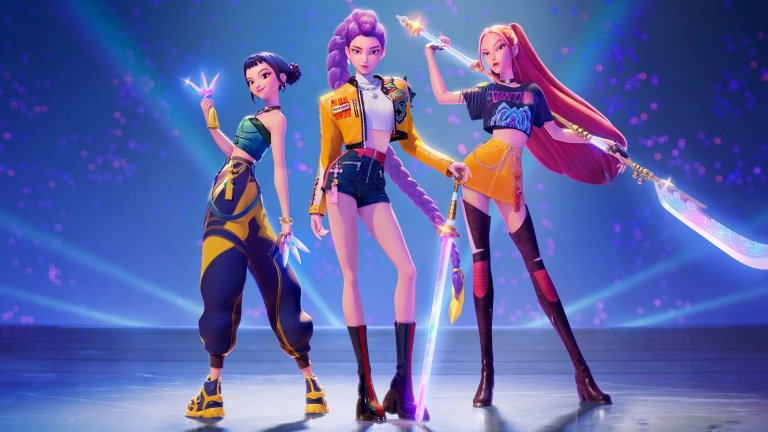
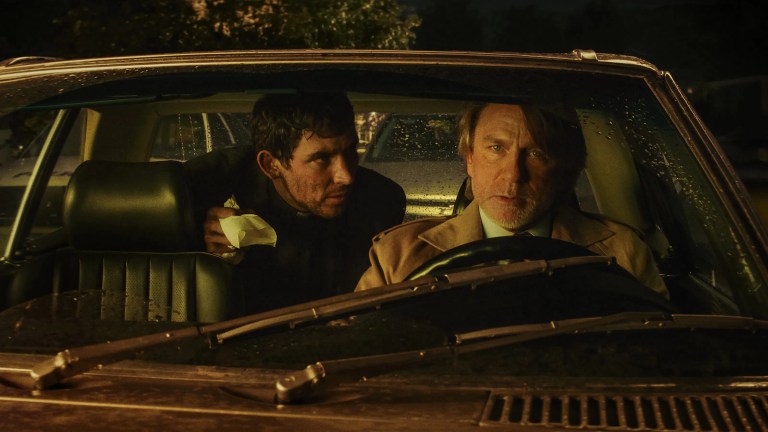
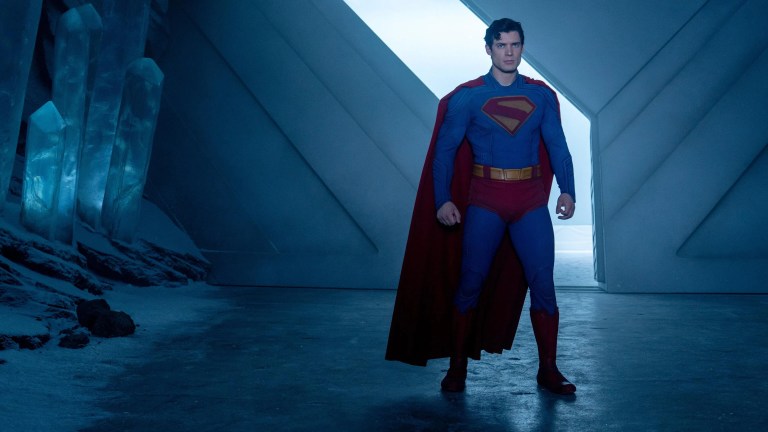

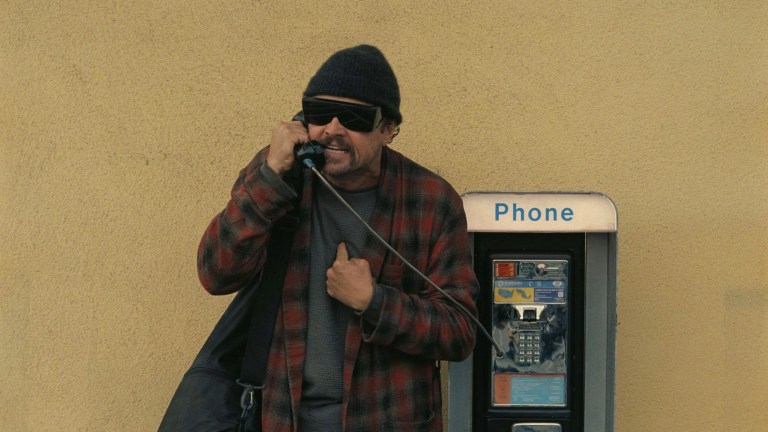
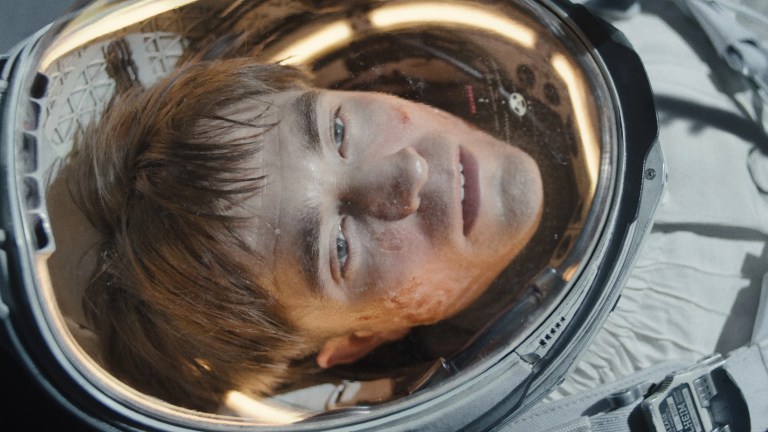
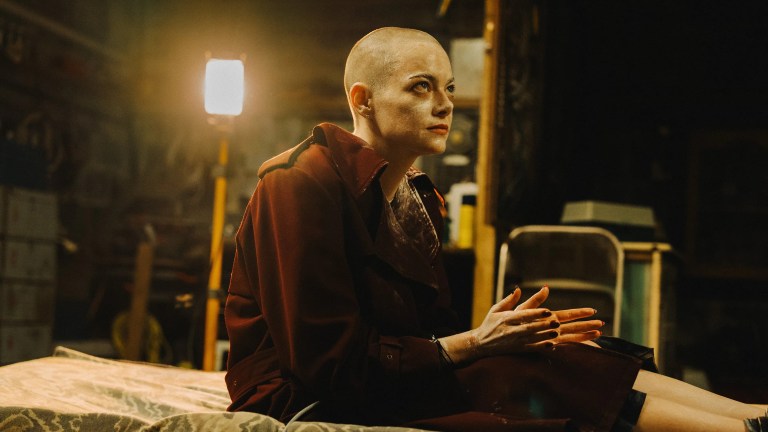
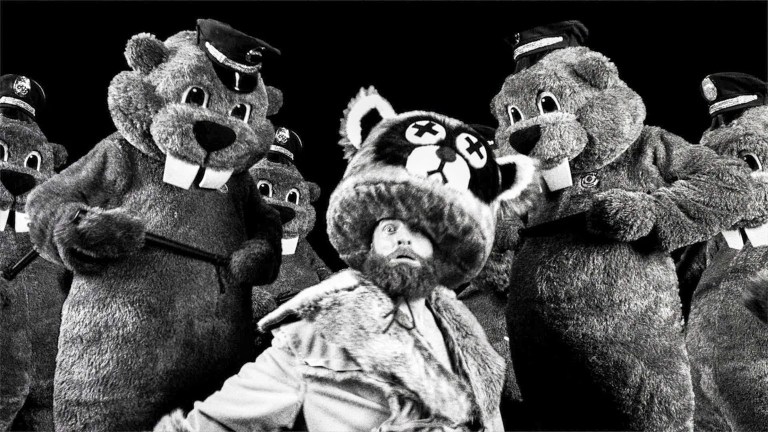
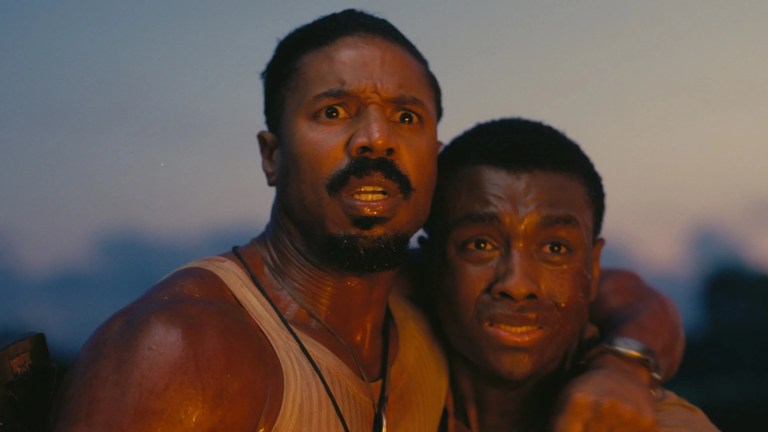

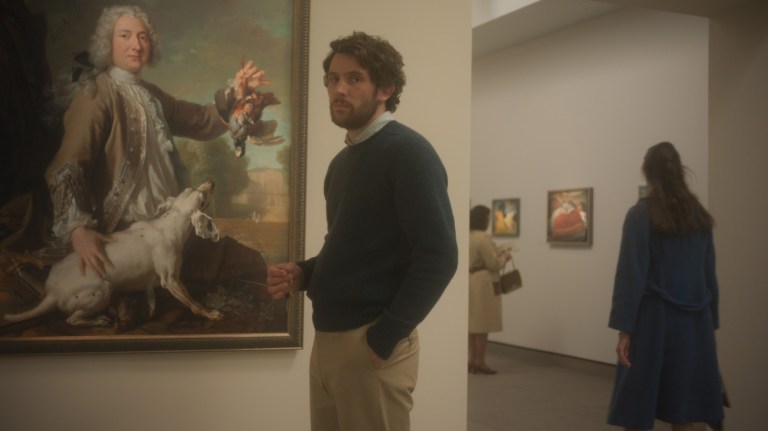
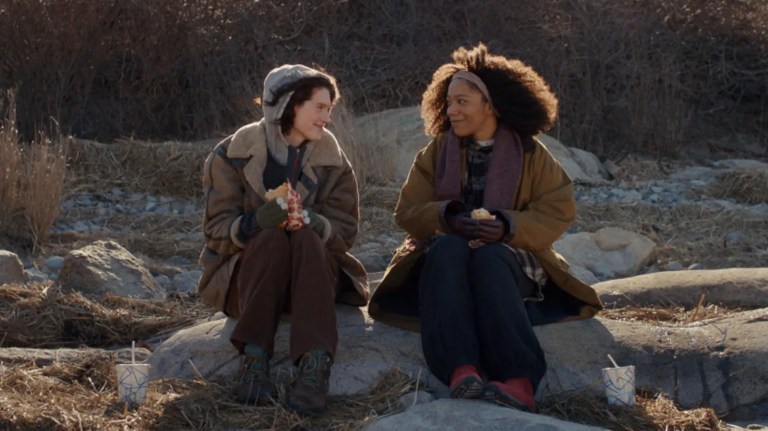
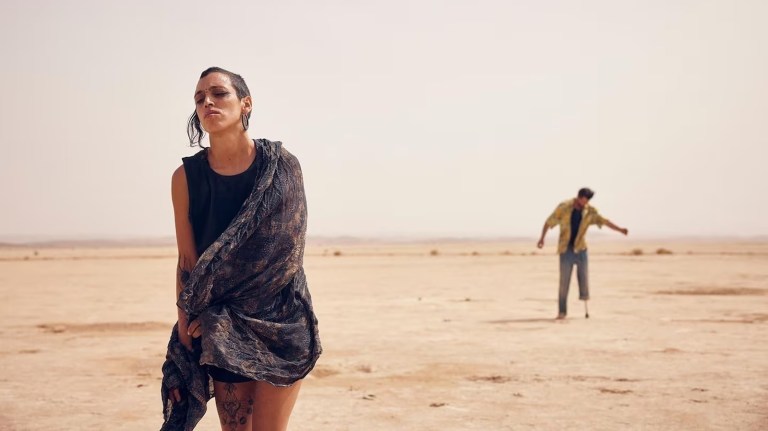
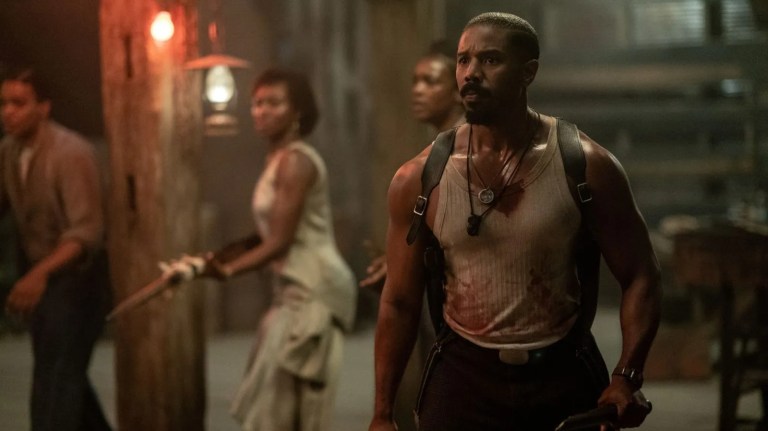
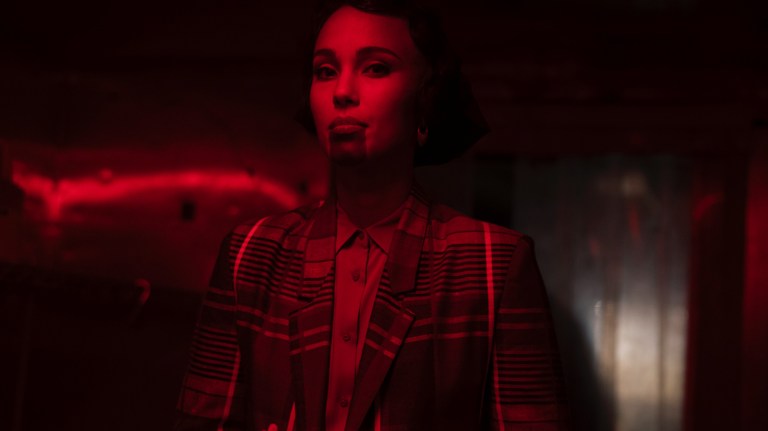

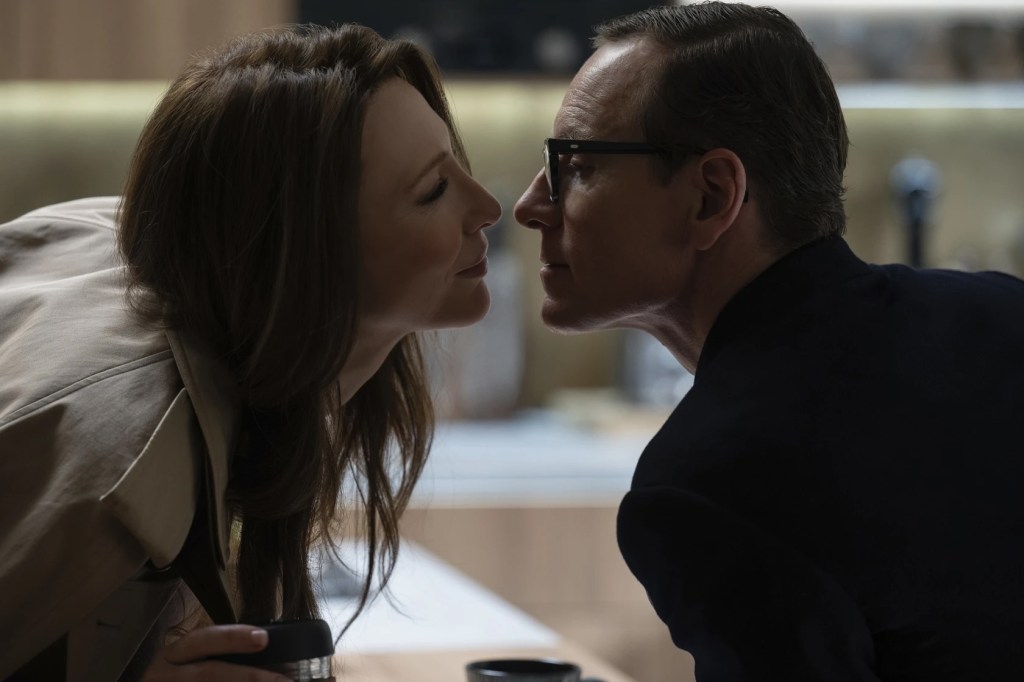
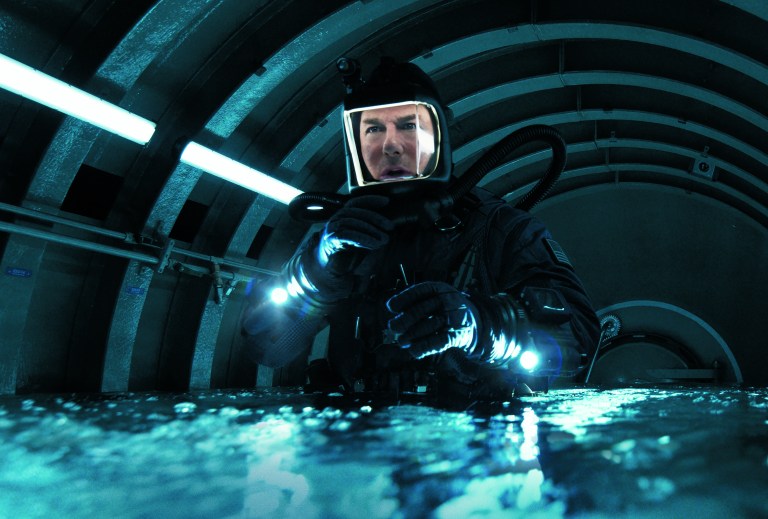
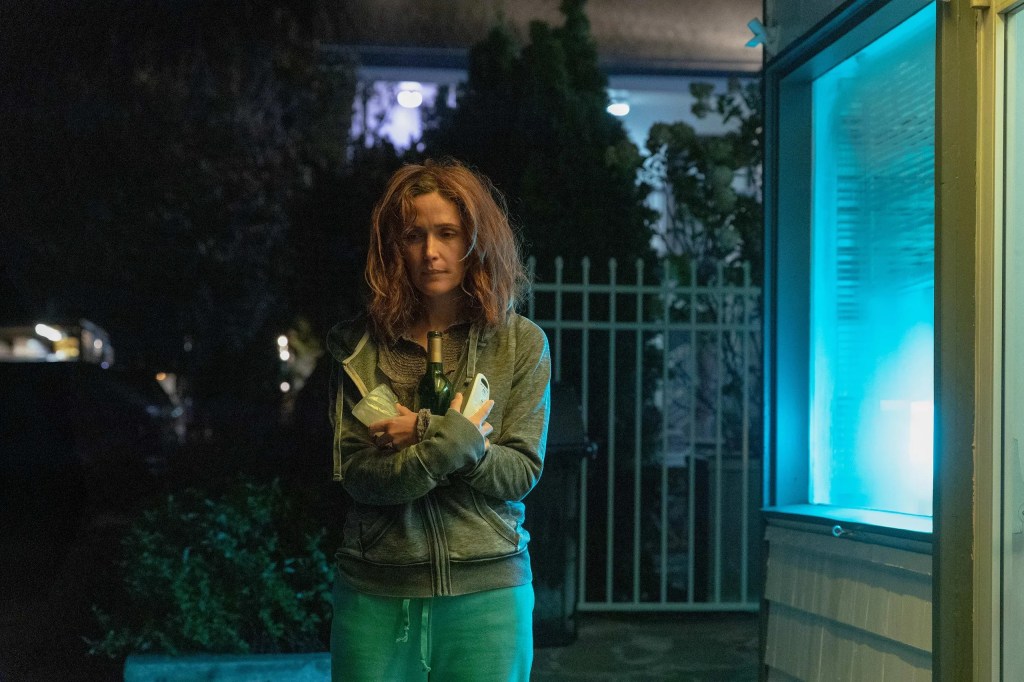

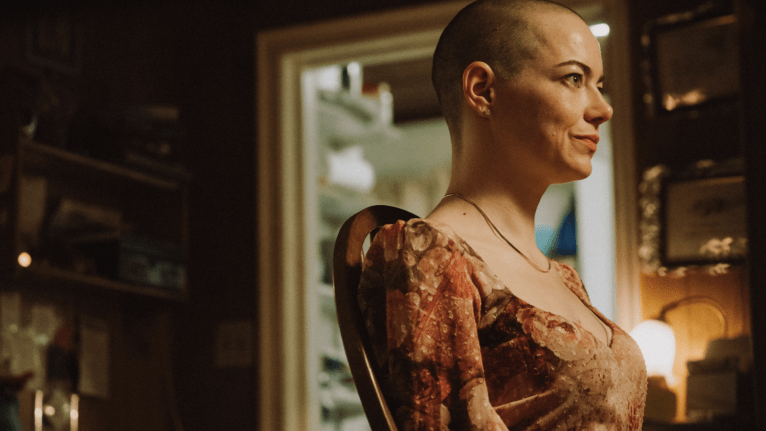
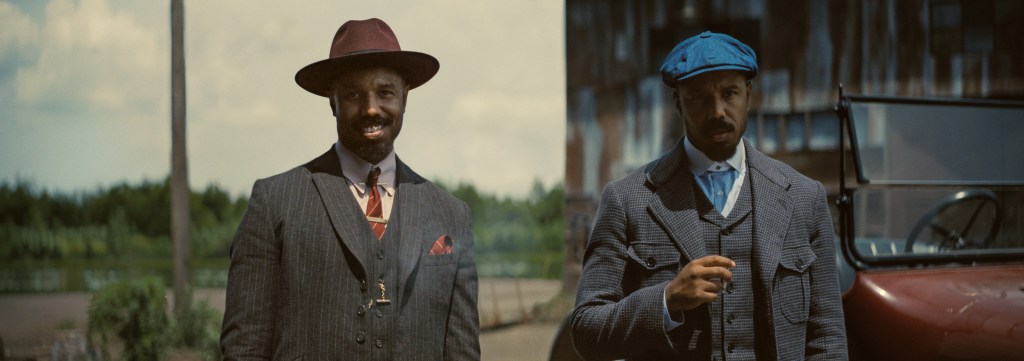

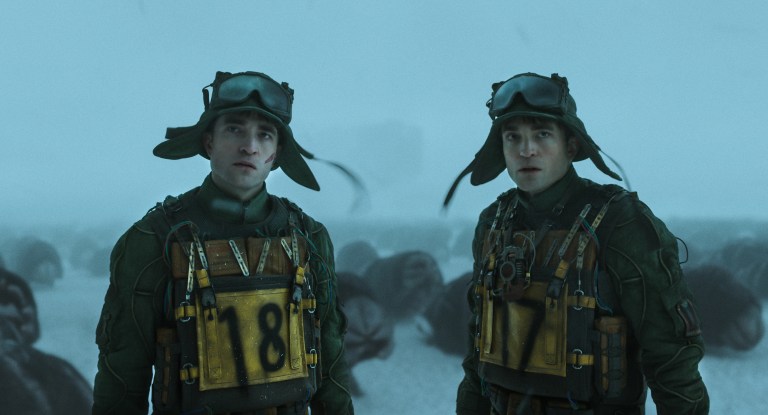
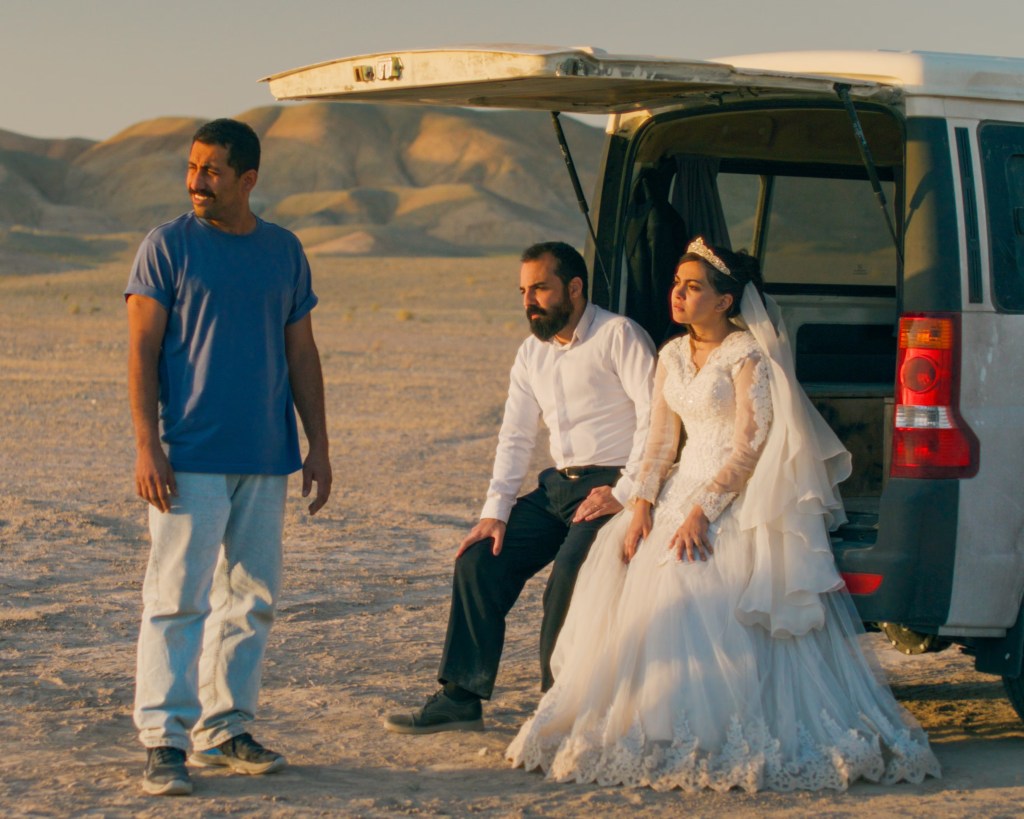

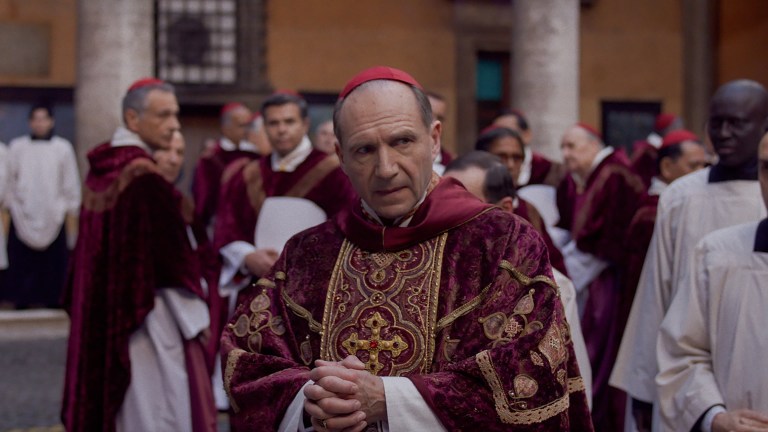

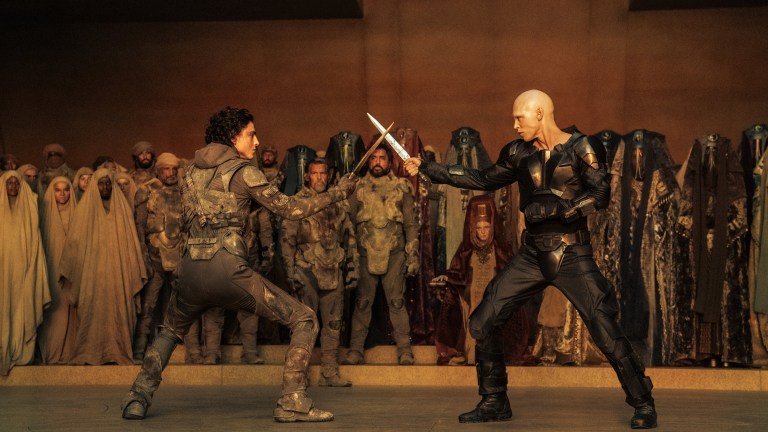

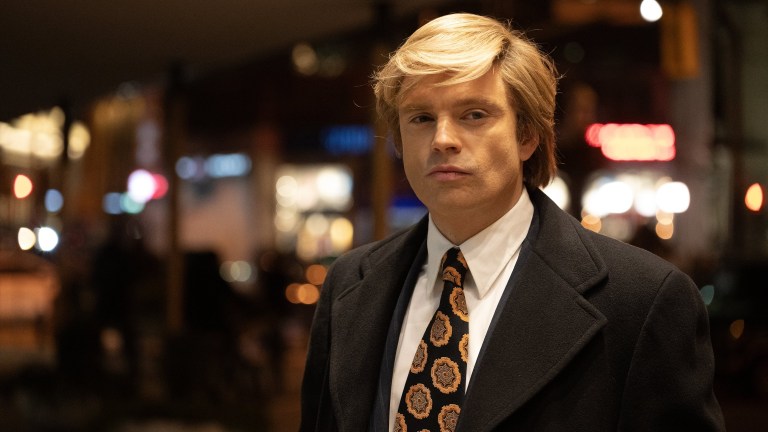


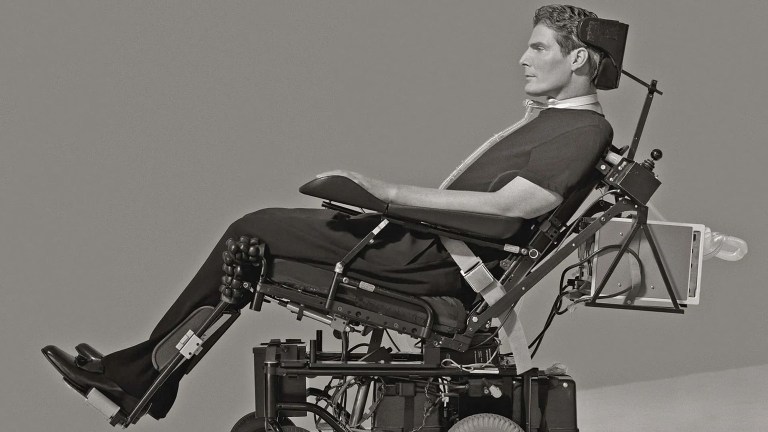
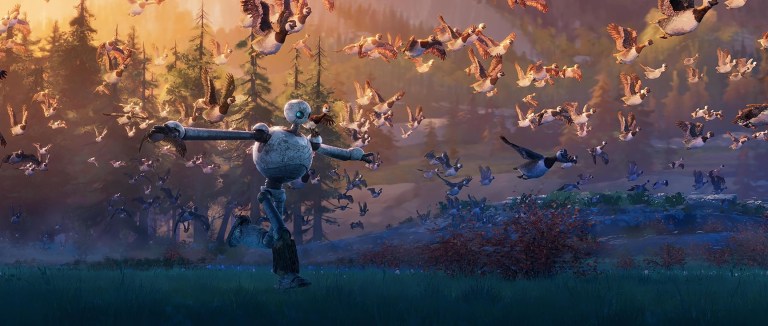

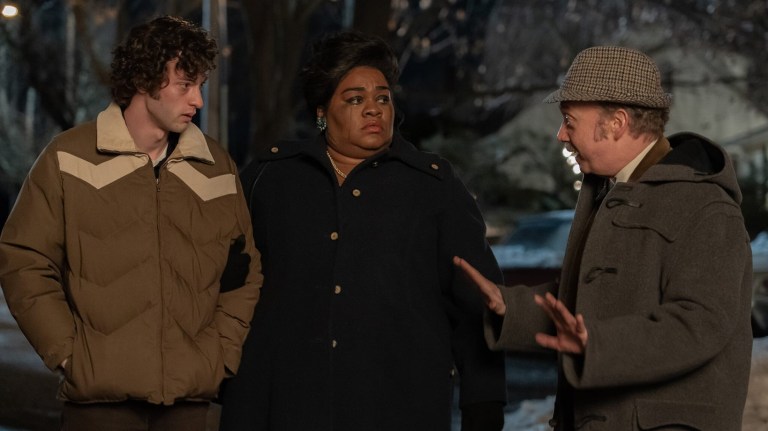
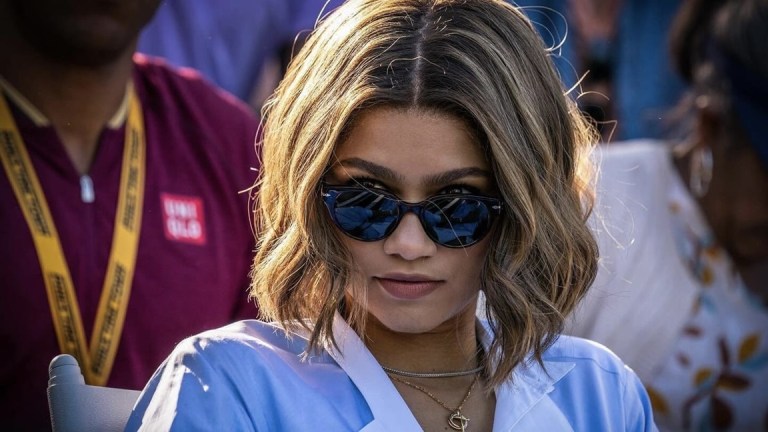
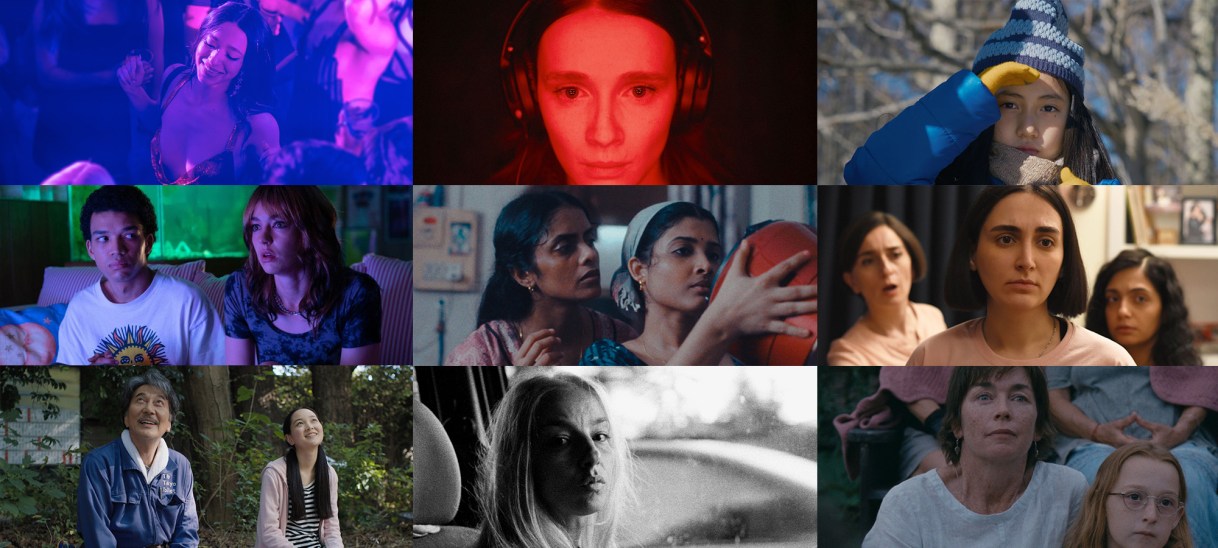


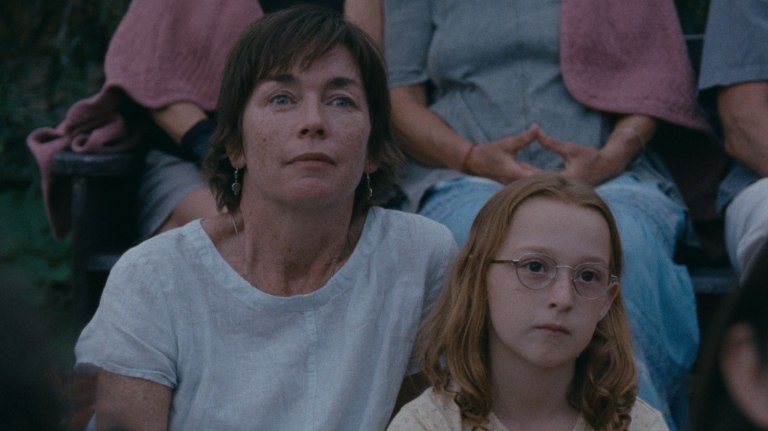
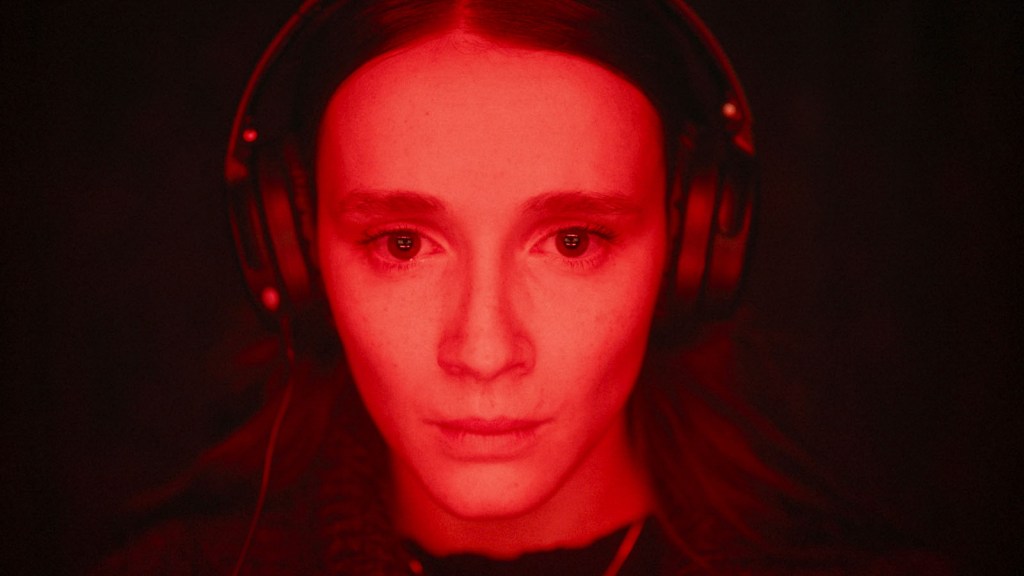
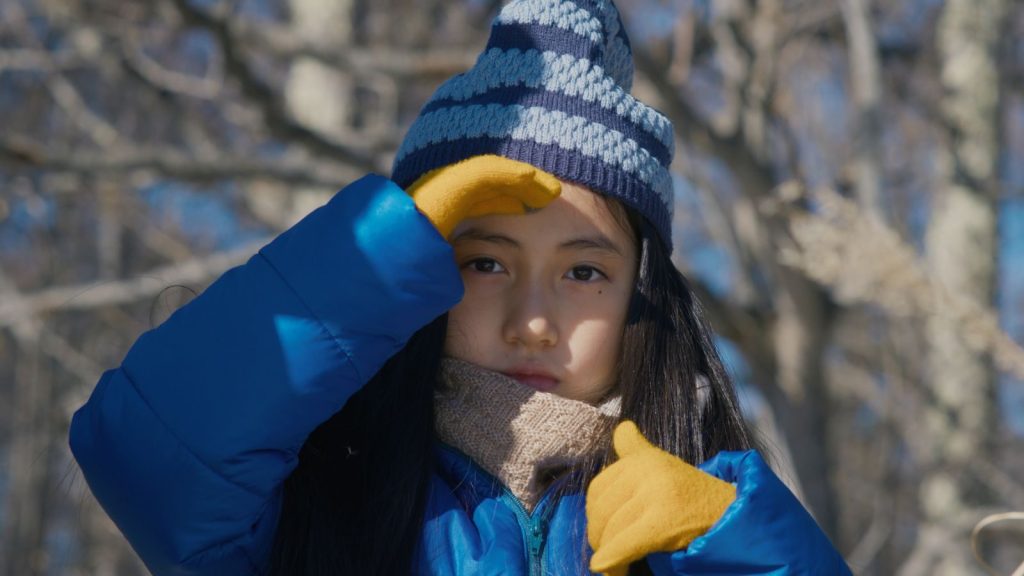

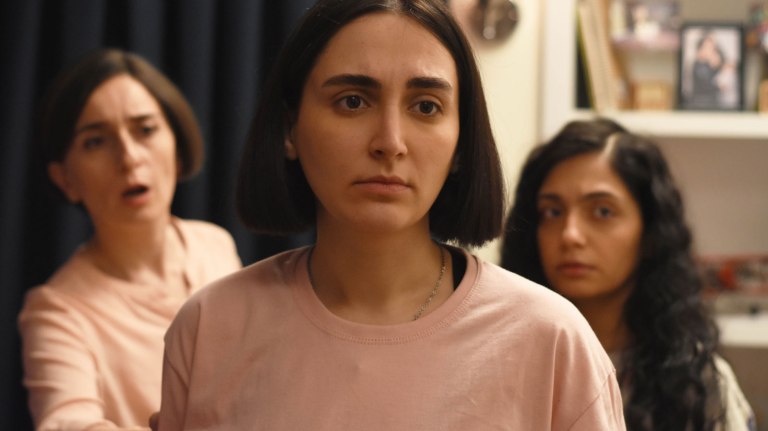

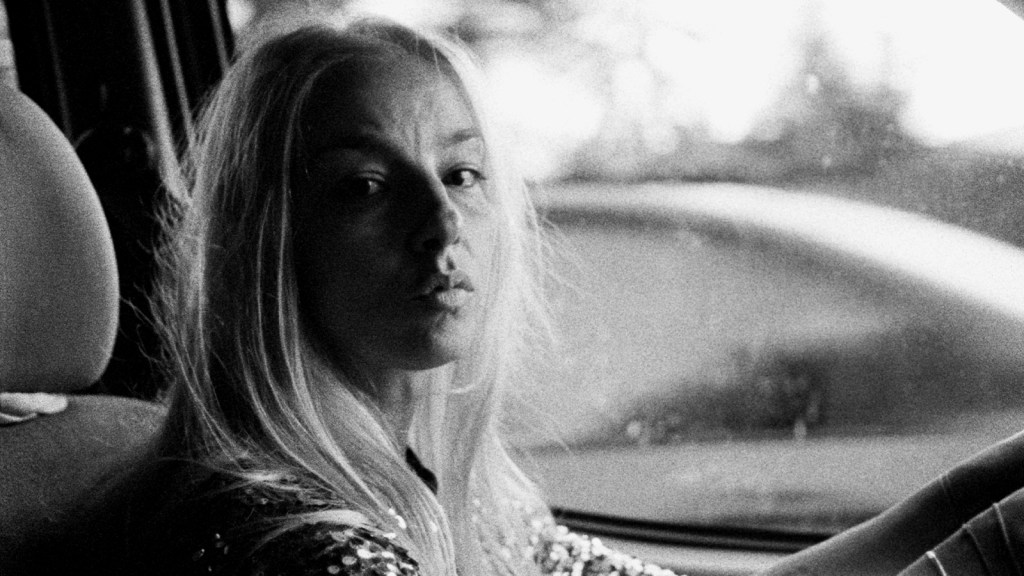


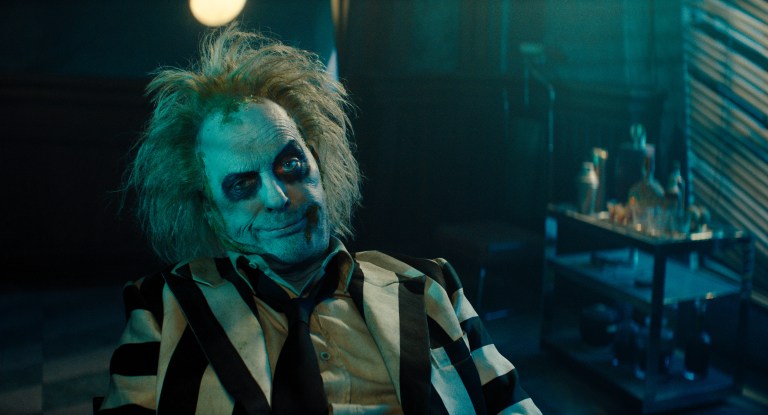


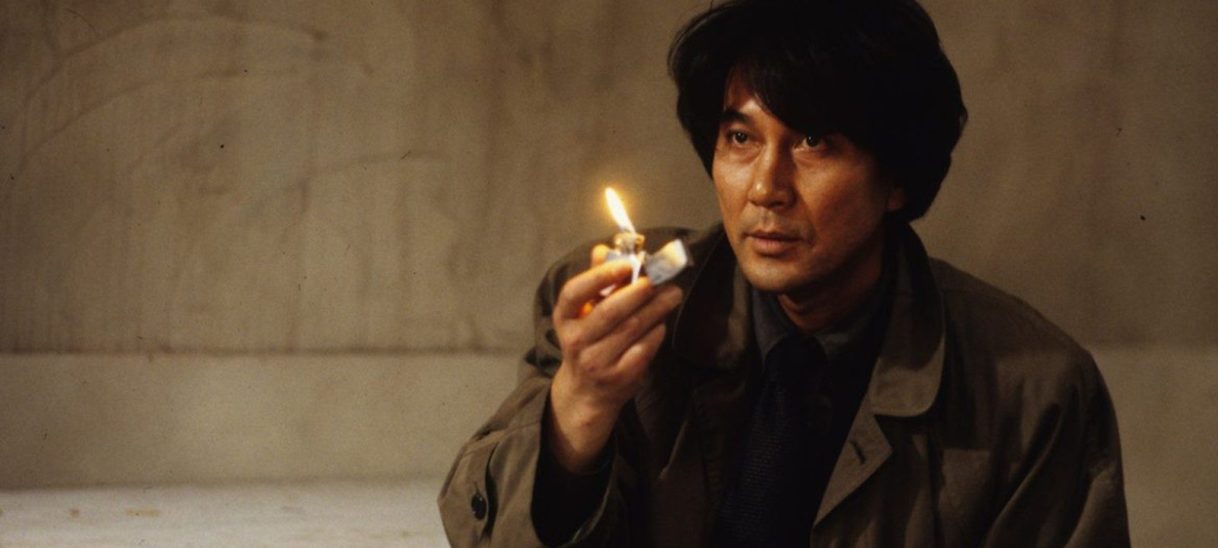
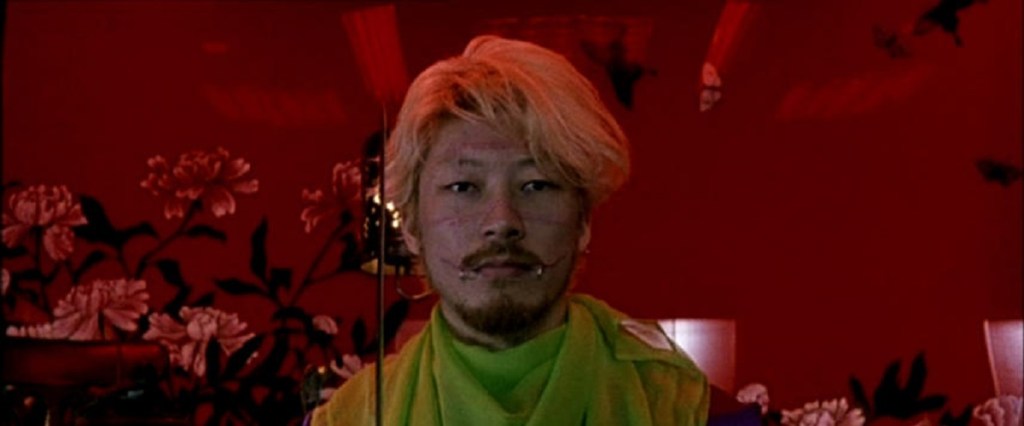
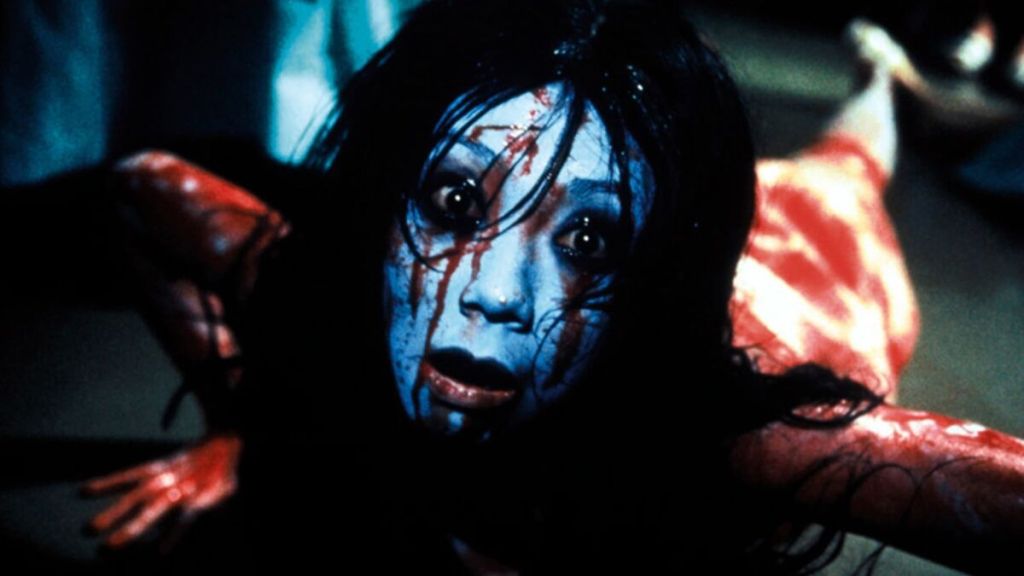


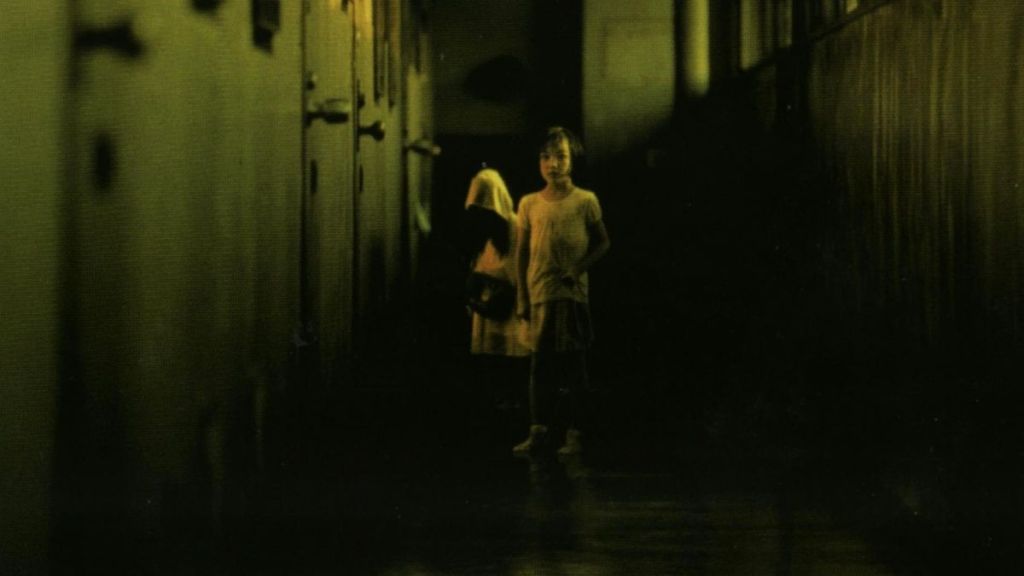


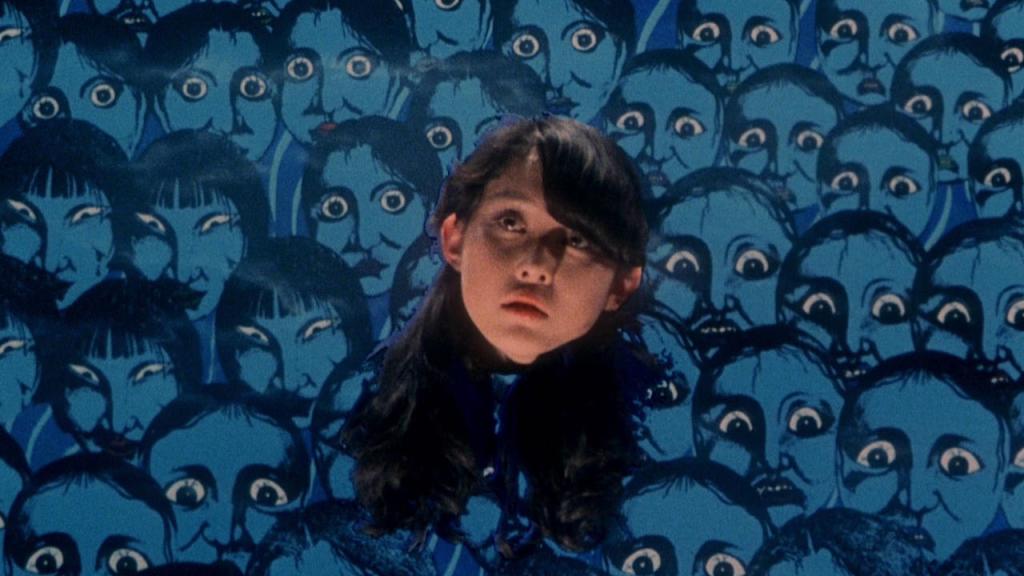


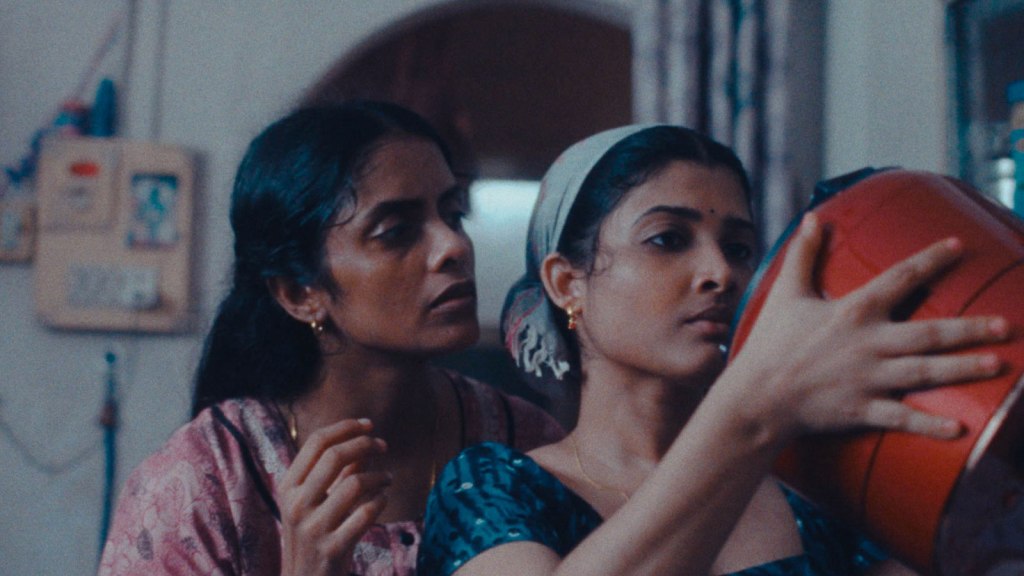


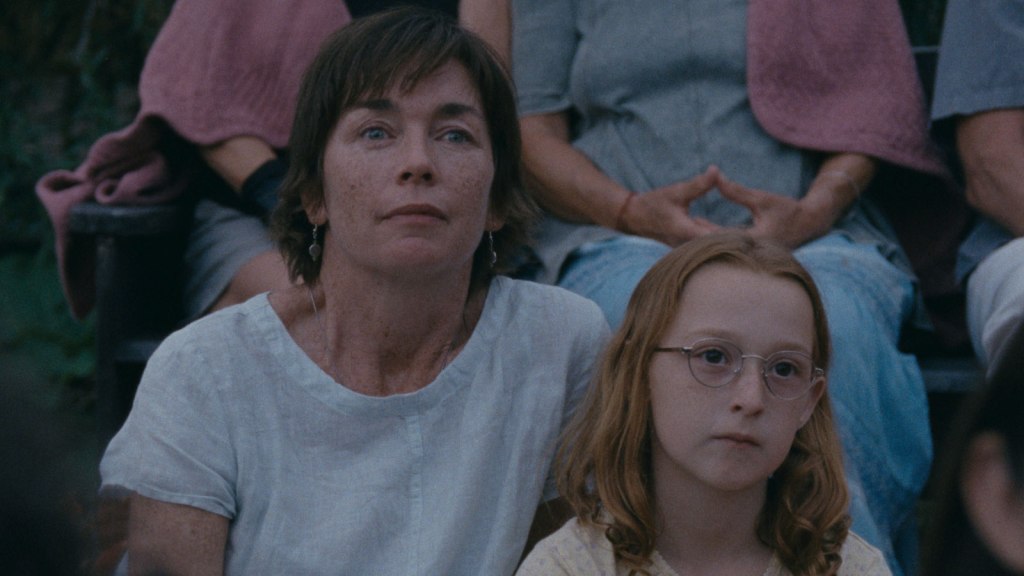
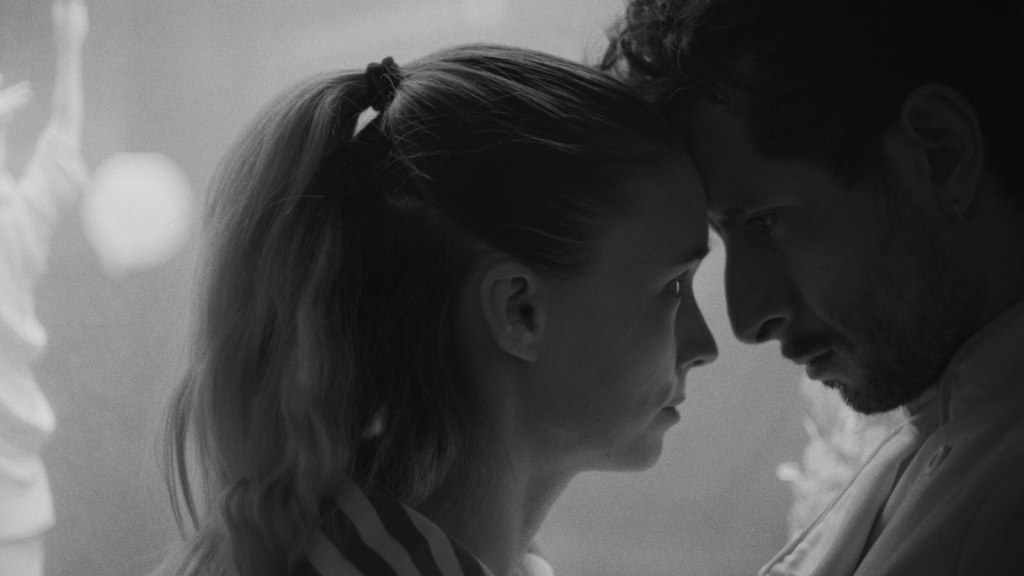
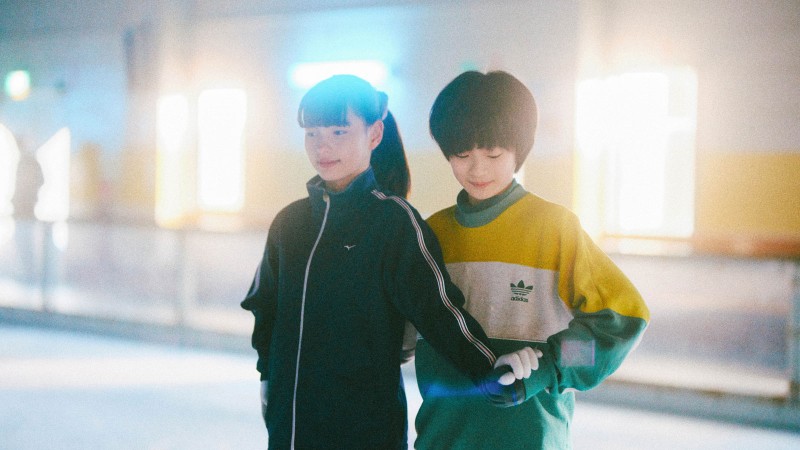


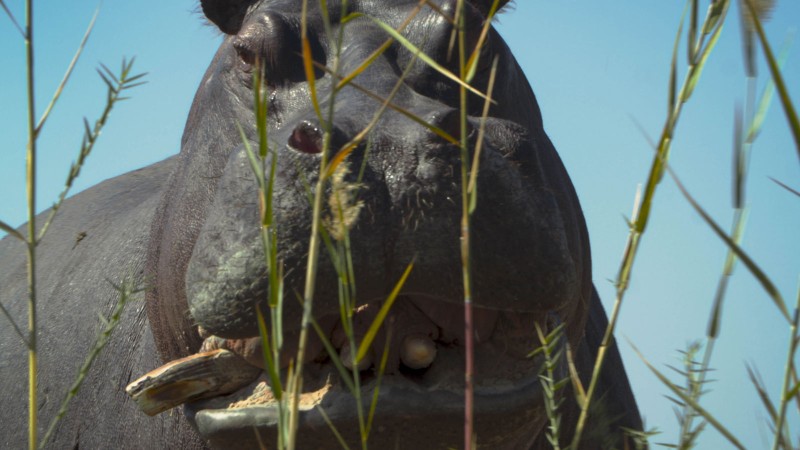
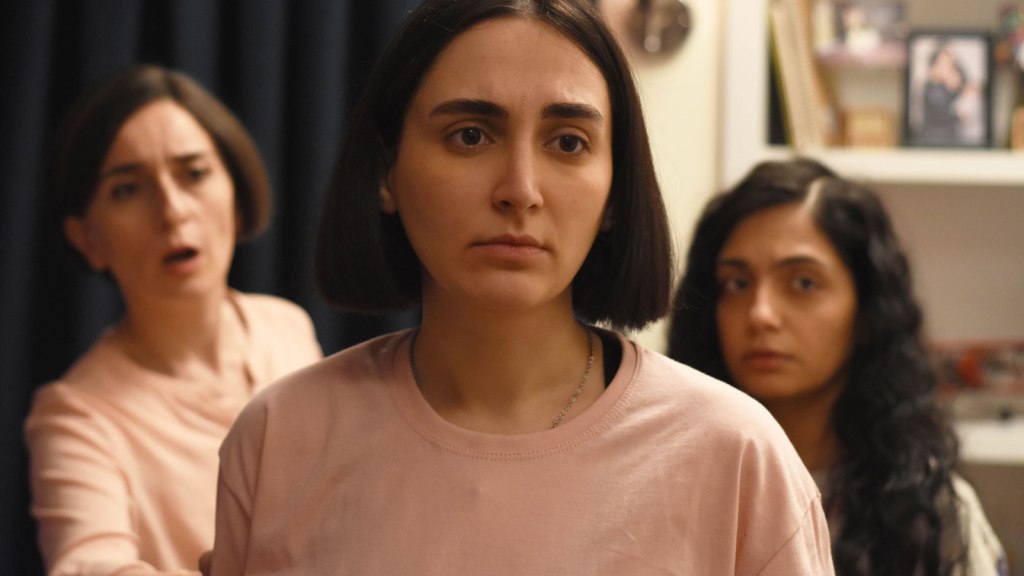
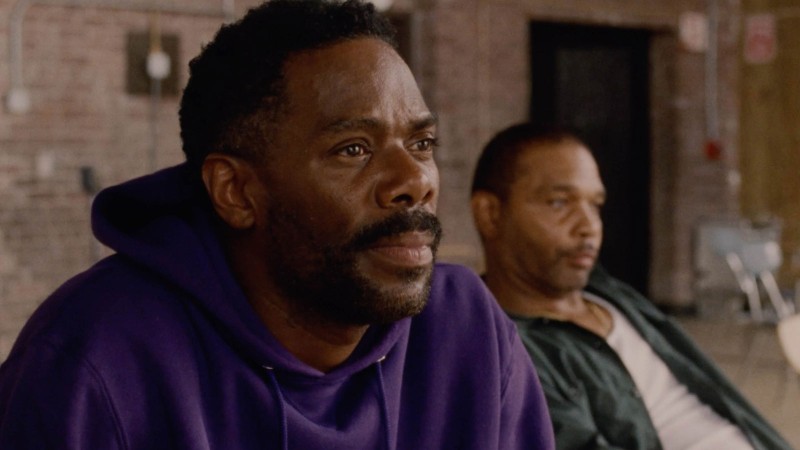



 Rating Frames