Celebrating The Adventures of Tintin, The Dream Collaboration

The adventure serial was once a staple of cinema, with theatregoers each and every week treated to fresh takes of heroes in exotic, faraway lands. After a decades-long period of dormancy, the genre saw a brief revival in the 1980s, only to fade into obscurity once again; but for a brief moment in the early 2010s, it looked as though adventure films were here to stay, all thanks to a pair of the medium’s modern-day pioneers.

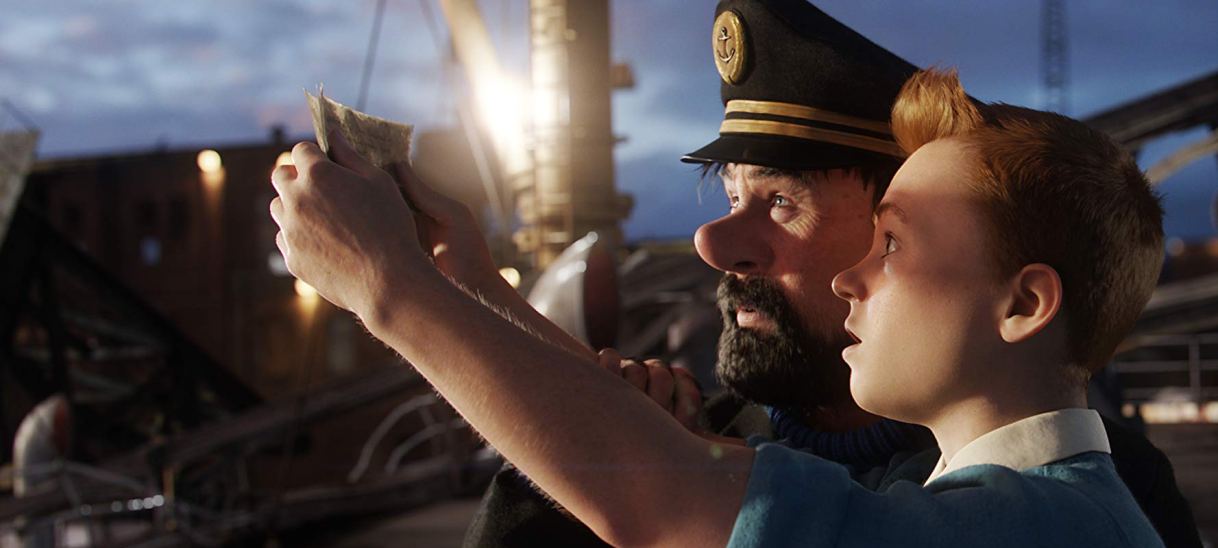
Tintin (Jamie Bell) is a famed investigative reporter whose journeys and discoveries have enraptured millions across Europe, and whose latest mystery involves the model of a sailing ship – bought by him at a flea market for a minimal sum – which no less than two men are willing to pay a substantial amount of money for. As it happens, the seemingly innocuous model is of a naval vessel known as the Unicorn, fabled to have sunk with countless riches.

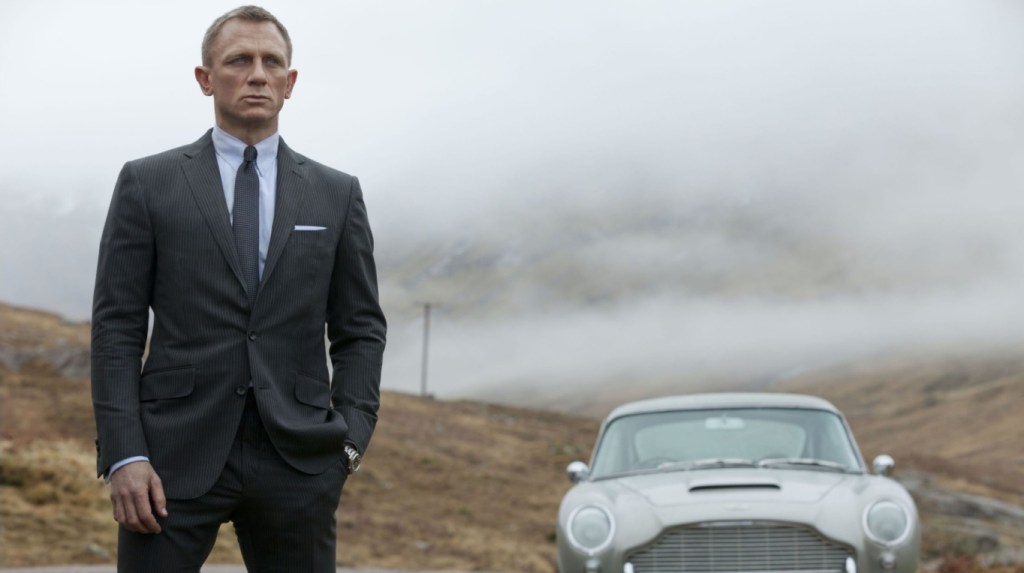
One of the men seeking to acquire the model from Tintin’s possession is Sakharine (Daniel Craig), who believes it holds the key to the real ship’s final resting place, and therefore the treasure sunken with it. So dogged is Sakharine in his pursuit of the plunder that he’s even kidnapped Archibald Haddock (Andy Serkis), a descendant of the Unicorn’s captain, to prevent him from laying claim to the ship’s fortune – by which he has rights to.

The Adventures of Tintin: The Secret of the Unicorn (2011) was a long-gestating project for veteran director Steven Spielberg, who first took an interest in the character thirty years prior. Whilst promoting his film Raiders of the Lost Ark (1981) in Europe, Spielberg noted that many French reviews repeated the phrase “Tintin”, unaware what was being referred to. He soon learned that critics were referencing the Tintin comics, written and drawn by Belgian artist Hergé, which they claimed bore a similarity to the escapades of Indiana Jones.

The antagonistic Sakharine, as he appear in The Adventures of Tintin

Spielberg initially envisaged the film as a feature-length animation, then as a live-action production, procuring the services of Peter Jackson’s visual effects company, Weta Digital, to create a computer-generated version of Tintin’s faithful dog, Snowy. Being a long-time fan of Hergé’s work, Jackson took a keen interest in the project, eventually convincing Spielberg to utilise motion-capture technology for the final product, resulting in visuals that fused photorealism with the “traditional” look of Tintin.

This imagery proved rather polarising upon the film’s release, with some viewers unsettled by the not-quite-human looks of the protagonists; yet for others, including this author, the 3D representations of Tintin and his associates are quite charming, striking a perfect balance between the cutesy drawings of Hergé’s work and the lifelike renderings of other motion-capture projects, such as The Polar Express (2004) – and just like said project, the faintest hint of an actor’s likeness can be seen in the characters they portray.

The character designs are certainly the most talked-about element of The Adventures of Tintin, but they are far from the most notable; in actuality, the most enthralling aspect is the animation, which is masterfully rendered and quite fluid. The high quality of the illustrations allows for some exciting sequences, including a flashback scene of a piratical raid on the Unicorn; a one-shot motorcycle chase through a Moroccan city; and a climactic battle in a dockyard featuring all manner of destruction.

Also appreciable is the orchestral score, composed by musical legend and Spielberg’s favoured collaborator, John Williams. Although not as perpetually hummable as his work for other franchises (think Star Wars, Harry Potter), Williams’ compositions here provide a sense of whimsy and grandeur that fits perfectly with the adventurous tone of the story. So impressive was The Adventures of Tintin’s soundtrackthat it earned John Williams his 46th nomination at the Academy Awards, breaking the record of fellow composer Alfred Newman.

A naval battle, one of the many astonishing scenes in The Adventures of Tintin

A less commendable element of The Adventures of Tintin is the screenplay – it’s certainly captivating enough, with a strong mystery element and decent gags, but is also blemished by the occasional cliché; and there’s further irritation to be had at the characterisation of Captain Haddock, who is way too buffoonish for him to be taken seriously. These faults aside though, The Secret of the Unicorn is a rousing adventure, and an ideal entry point for children too young to witness the exploits of Dr. Henry Jones Jr.

Spielberg and Jackson’s Tintin generated plenty of buzz upon its initial release in 2011, with foreign markets taking a particular interest. Even before earning decent reviews from critics and becoming a modest box-office success, discussion of a sequel was fervent, with both directors expressing their interest in a potential Tintin trilogy and Jackson even confirmed to helm the second instalment. And yet, despite the picture’s critical and financial triumphs, audiences are still waiting for a sequel.

It would seem that neither director is in a hurry to make the next Tintin film. On the verge of Unicorn’s tenth anniversary, Spielberg is currently directing an autobiographical film about his childhood, while Jackson is promoting his latest documentary project Get Back (2021); but beyond that, the former is consigned only to production duties, and the latter has no other projects planned, so there’s every possibility that a new movie from the pair is just around the corner – and we all sorely hope that’s the case.

In the meantime though, there’s immense pleasure to be had in rewatching the original collaboration. Lovingly woven together by two giants of cinema, The Adventures of Tintin: The Secret of the Unicorn is a picture that encapsulates the qualities of both Steven Spielberg and Peter Jackson, its enjoyment solidified by fantastic animation, unceasing thrills and a majestic soundtrack.

The Adventures of Tintin is currently streaming on Netflix, Prime Video, and Stan.

9 Campy, Schlock Horror Films to Watch this Schlocktober

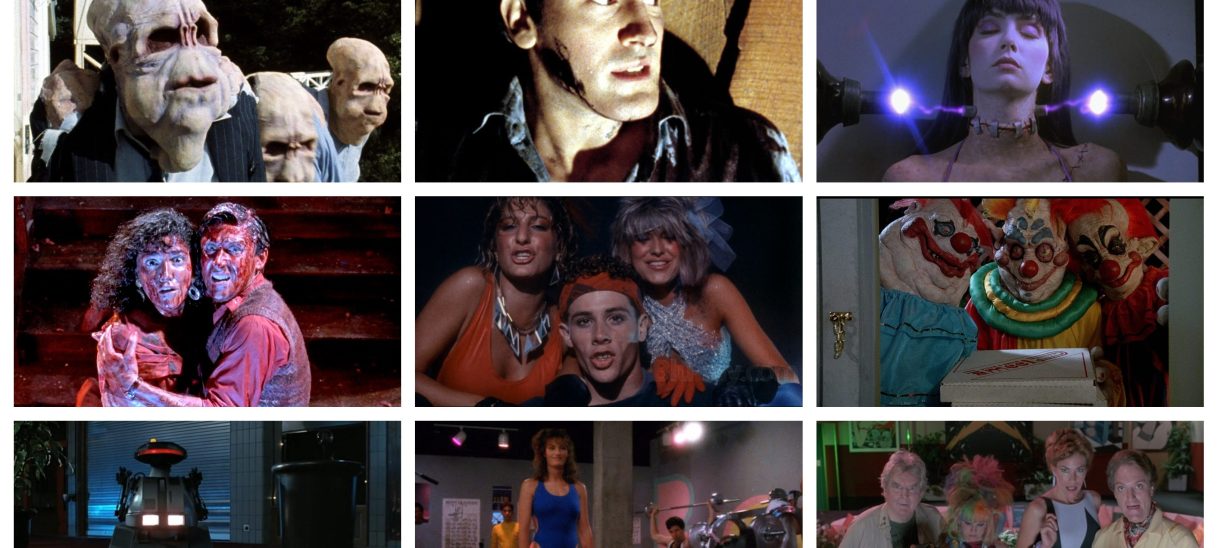
It’s that time of year again when people across the world start getting their pumpkins ready for carving and their costumes ready for wearing. It’s also that time of year when horror fanatics dive into their favourite horror films as Halloween nears. To prepare you for Halloween on the 31st of October, I thought I’d make a list of 9 campy, schlock-horror films to watch before the 31st. Most of these films are about as B movie as you can get with their small budgets, practical effects, zany plots, and comical performances. So lets look at some of the titles.

Bad Taste (1987)

As a life-long devotee to anything Peter Jackson related (given I’m a Kiwi), Bad Taste is about as great a debut feature as one can make. Not only was this film made with a small budget, but it was able to do so much with how little it had. Jackson made this with his friends and shot most of the film at his parents NZ house, with a documentary somewhere online showing his mum handing out sandwiches in-between takes.

The film has some structure for about the first 15-20min and then just quickly goes off the rails as practical effects subsume all coherency, and all out carnage ensues. There’s a scene involving barf drinking, there’s blood squirting almost consistently, there’s dudes in ninja costumes, guns galore, and there’s RPG explosions.

The film is really a testament to Jackson’s creativity and it’s far from his best schlock induced work (Braindead would follow), but it is a thrilling and outright enjoyable 90 minutes that never gives you any respite. It’s crazy to think studio executives would give Jackson The Lord of the Rings (2001-2003) to direct, but boy did they make the right choice.

The Evil Dead (1981)

It’s hard to make a list like this without including Sam Raimi’s ever celebrated The Evil Dead. In its 40 years, the film has withstood the test of time to become a cult classic in the horror genre. The film, while definitely more of a professional, serious production, would go on to inspire and pave the way for a wave of 80’s and 90’s schlock horror and campy films.

The premise revolves around a bunch of college students, a cabin in the woods, and a mysterious book that unleashes a demonic force to hunt the students down. It really is a premise with three signature horror elements that has been parodied and done-over countless times.

It’s another example of making do with what you’ve got, and boy does Raimi make do. Plenty of gore to be had and also scares, which is something that this film has over the others on the list as it is more of a nuanced horror that happens to fall into this schlock category as well.

Frankenhooker (1990)

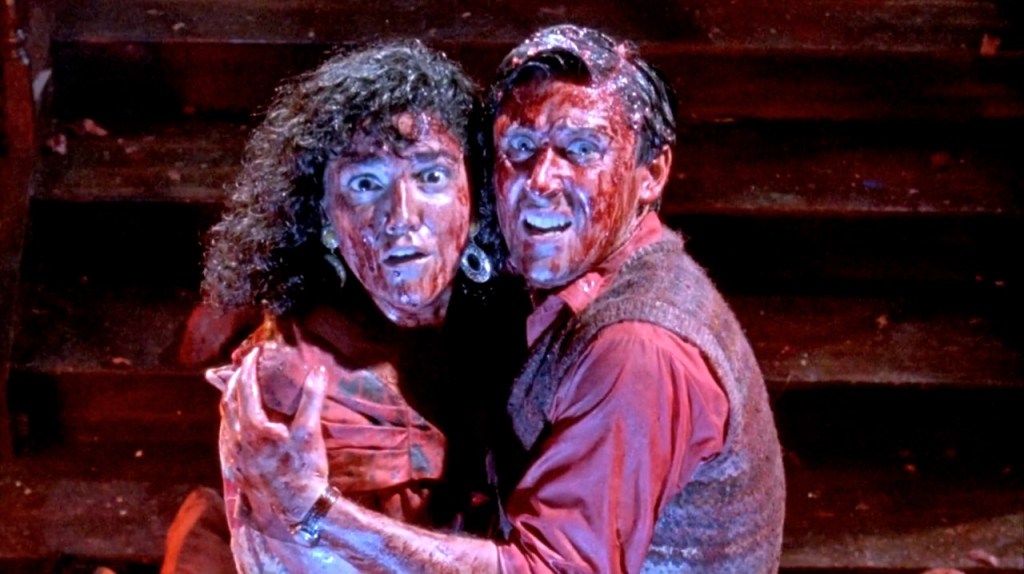
Frankenhooker is just as its name suggests — a Frankenstein zombie made from the body parts of prostitutes. Made by Frank Henenlotter, known for such titles as Basket Case (1982) and Brain Damage (1988), Frankenhooker is about a guy that blows up some prostitutes and stitches them back together to create his dead fiancé (who was killed by a lawnmower).

The film is a comical exploitation film that leans into physical humour for laughs. Though the film falls under sexploitation and is no doubt misogynistic, it has retained a cult status for its nonsensicalness and bemusing premise. The film gets more wild as the scenes roll on, with Elizabeth (the concoction of those prostitute parts) eventually getting a greater consciousness and exacting revenge.

There is evidently a lot of love and care that has gone into the film which give it that rewatch status and it’s no doubt a trashy 90 or so minutes to be had.  

Braindead (1992)

If I haven’t made it obvious, I’m a sucker for anything Peter Jackson related. Braindead is no exception and is one of the best films in the schlock horror, B movie category.

New Zealand humour and LOTS of blood subsume the film in this gore fest where Jackson is pretty much set on just destroying any and all human costumes and props. From the outset, Jackson is set on entertaining the audience as he leans into chaotic scenes involving intestine like creatures, zombies, swinging babies, and all while injecting the film with delirious gags and infectious humour.

Braindead is to the comedy-horror genre what Blade Runner (1982) is to the sci-fi genre.

Night Train to Terror (1985)

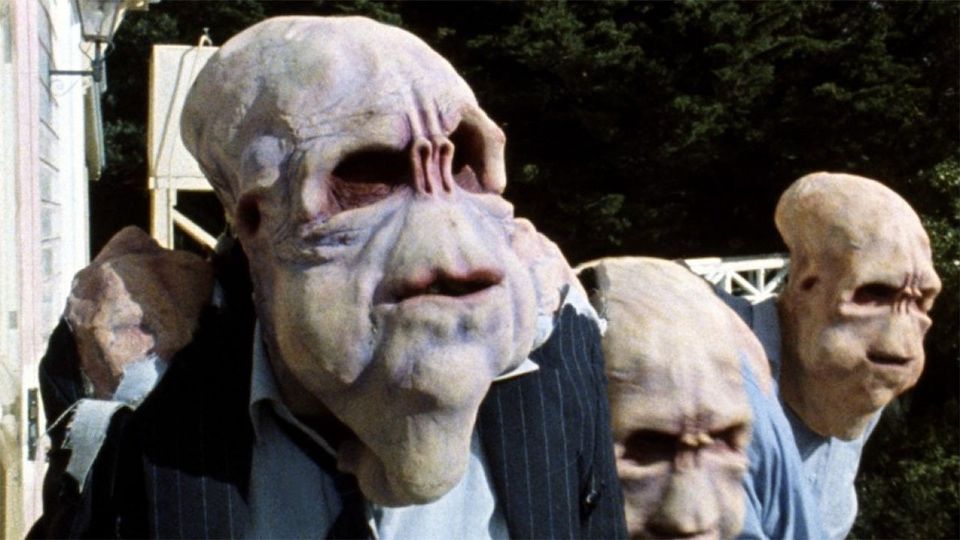
I don’t know where to start with this film. It’s like if Snowpiercer (2013) met Zoolander (2001) and Step-Up (2006), and even then that would still be an understatement. The film is quintessential viewing if B movie, schlock horror comedies are your thing.

Everything takes place on a train and the stories are absurd with multiple different ones intertwined throughout. The acting is bonkers, the humour feels out of place but works because it is, the practical effects are a staple of the time, and for some reason God and Satan are just having a casual chat amidst all the chaos.

It’s really an experience to be had rather than one that can be articulated as, like Sean Baker says on Letterboxd, the film is “Such an insane mess of a movie”.

Killer Klowns From Outer Space (1988)

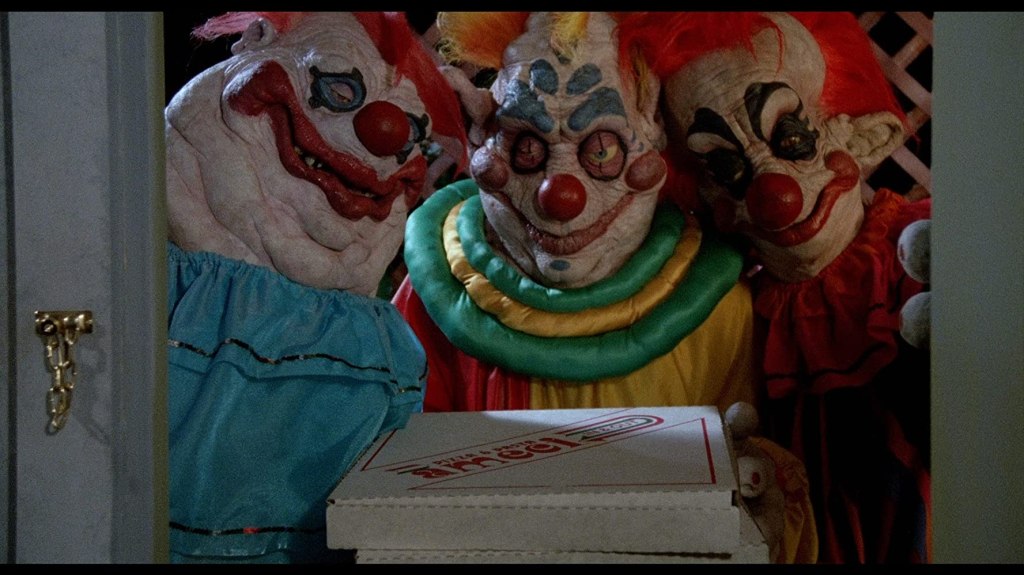
As its name suggests, the film is about some killer clowns from space that come to earth and terrorise those they meet.

There really isn’t much to say in the way of what to expect or what works. Everything works because it doesn’t — the absurdness of the plot and performances lean into a humorous telling, and there is just a bunch of nonsensical killing that many would find is “so bad it’s good”.

I’m usually not good with horror movies in general let alone horror movies with clowns, but because this film (like most on this list) are as crude and bizarre as horror movies go, it was worth a mention.

Chopping Mall (1986)

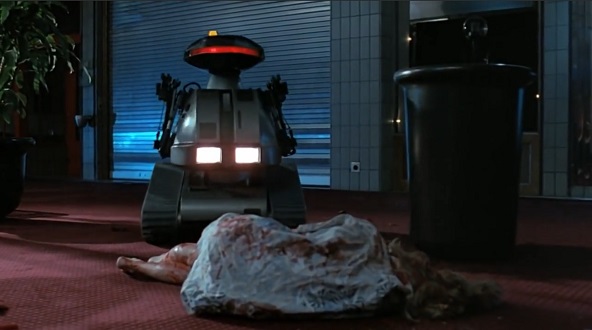
Aside from having one of the greatest simple titles of any film on this list, Chopping Mall is also (from memory) the only film on here (save for Death Spa) that brings robots into the equation!

I like to think of this film as The Breakfast Club (1985) meets WALL-E (2008), only WALL-E is a killer robot. Teens basically get trapped in a shopping mall after the mall goes into lockdown, only for security robots to go on a killing spree to rid these ‘intruders’. That’s really it.

The film is about as 80’s B movie as they come, with lots of satirical elements (particularly pertaining to mall culture and how prominent that was among teens at the time), scenes involving electrocution and also laser death.

Death Spa (1989)

Like Chopping Mall but also unlike Chopping Mall, Death Spa sees the spa computer system turn the workout equipment and other facets of the spa (including steam rooms and hair driers) against the spa goers.

It’s a ludicrous film (but what film on this list isn’t?), with garbage acting and a forgettable premise, but it keeps people coming back for its absurdity and how it doesn’t hesitate to knuckle down on its trashiness. The props and practical effects are lacking in comparison to most of the films on this list, but it has that 80’s vibe and colour palette that seem to be enough to keep viewers coming back.

The only thing missing from the film is Arnold Schwarzenegger and this would have been the Mr Olympia training film of the century.  

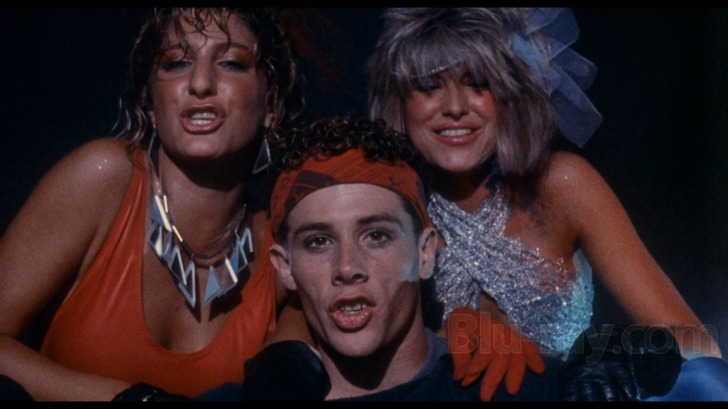
TerrorVision (1986)

Rounding off the list is a film where a family’s newly installed satellite dish attracts alien signals and eventually, the aliens themselves.

The film is a bizarre delight with cheap set designs, a very satirical undertone (basically ripping into everything 80’s), goofy characters, a surprisingly diverse cast (including Gerrit Graham, Jon Gries, and Bert Remsen), a very cartoony feel, and practical effects that get the job done. 

Essentially, if you wanted to get an idea of what the 80’s looked and felt like (from the hairdo’s, fashion, music and comedy), then this is the film for you.

Rating Frames is on Social Media!

Staying up-to-date with Rating Frames is now easier than ever. By giving us a Like on Facebook, or Following our official account on Twitter, you can keep informed about the latest articles on our website and, of course, share your thoughts with us.

Find our official Facebook page here: facebook.com/ratingframesAU

Find our official Twitter feed here: @ratingframes_AU

The three authors can also be found on Letterboxd, the cinephile’s social media network, where you can discover what they’ve watched, and the films they’re most looking forward to seeing.

Arnel’s profile: @arnel

Darcy’s profile: @redbeard7

Tom’s profile: @popcorntom

WordPress users can also follow us using their WordPress account. And for those who prefer to get their updates via email, we’ve got you covered too. On our homepage, scroll to the bottom where you can subscribe to receive email alerts whenever we post an article.

Australia’s Irish Film Festival Goes Virtual For 2021

The Republic of Ireland typically isn’t a country associated with cinema – aside from Alan Parker’s The Commitments or the works of John Carney, it’s difficult to think of a film that hails from the land of St. Patrick. Yet in recent years, the Republic’s output of productions has grown exponentially, priming themselves as a key player in the industry.

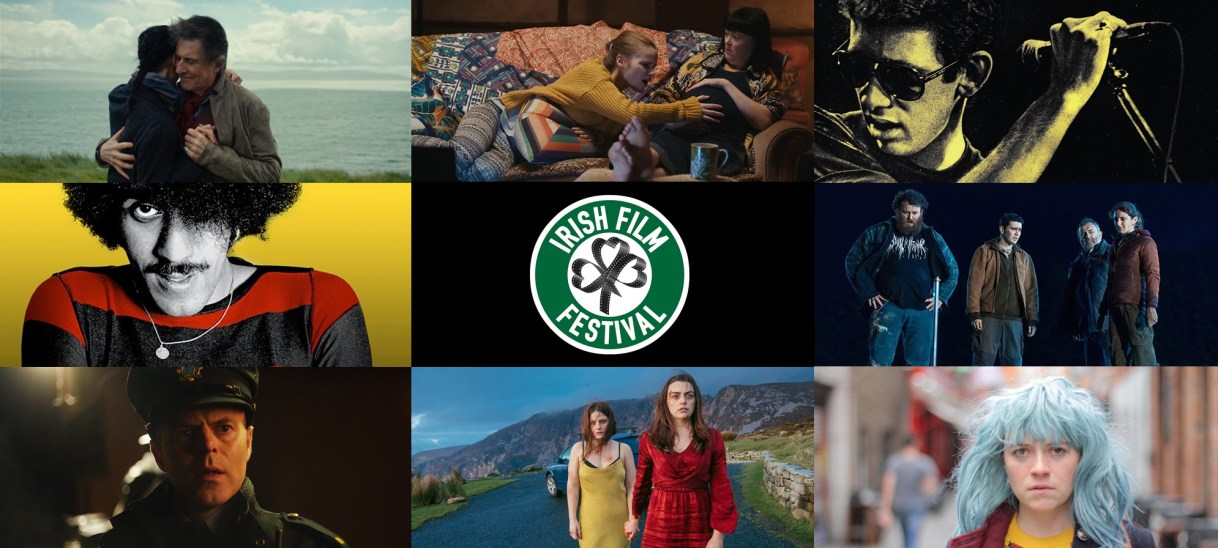
Nowhere is this fact more evident than in the line-up for the annual Irish Film Festival, set to begin this week. Years past have seen the event grace theatres in Sydney and Melbourne; but with both cities currently subject to lockdowns, the Festival will heading online in 2021, allowing cinephiles across Australia to see the very best movies that Ireland has to offer.
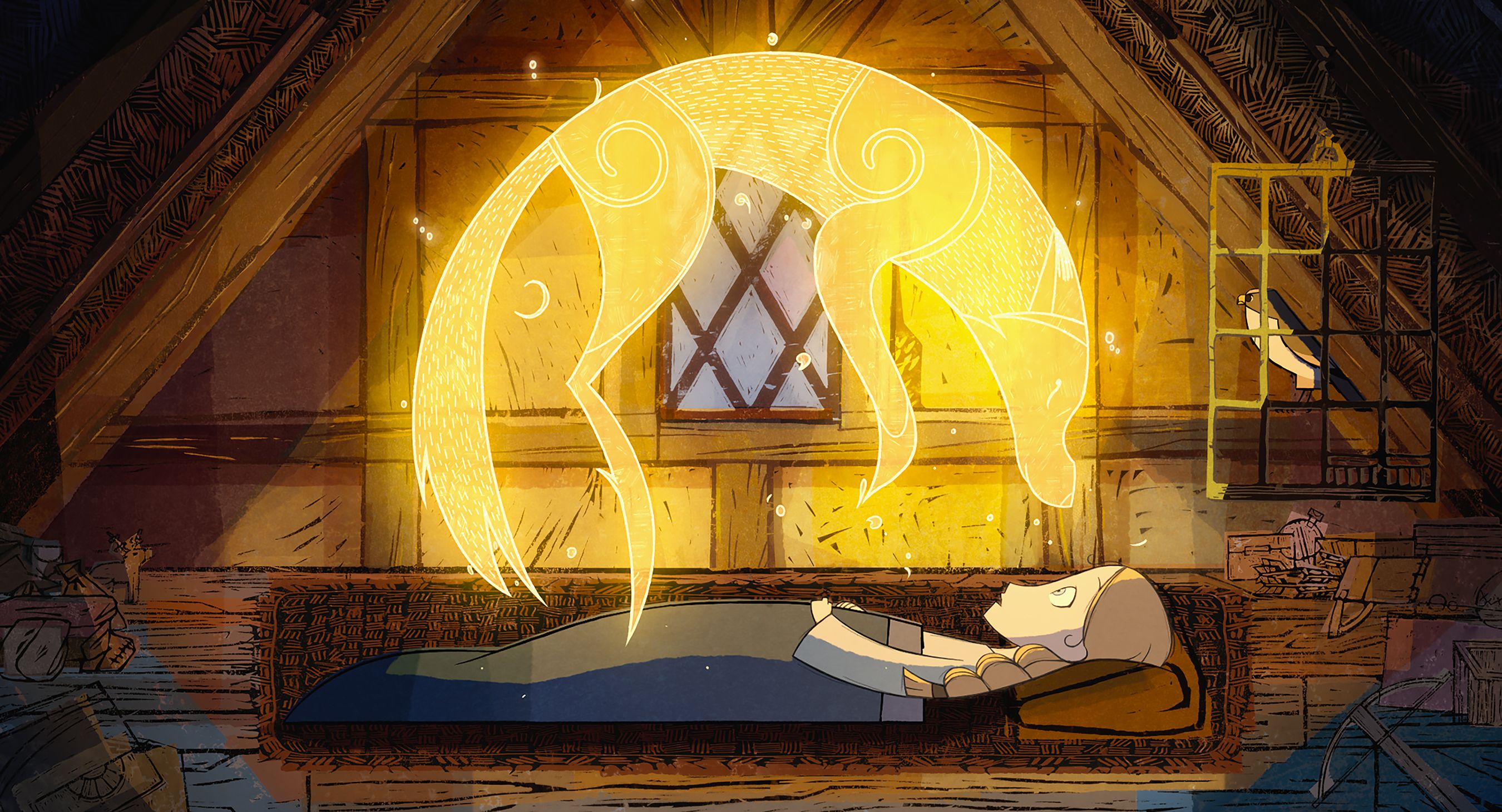
Headlining the virtual festival is the Academy Award-nominated Wolfwalkers, a feature-length animation from Cartoon Saloon – the studio behind critically-acclaimed films such as The Secret of Kells (2009) and The Breadwinner (2017). Having already been screened overseas, the picture currently has a near-perfect 99% approval rating on Rotten Tomatoes, placing it among the highest-rated movies on the site. It’s an exciting prospect, not least because Wolfwalkers has been an exclusive title on Apple TV+ for some months now, making this is a rare opportunity to view the feature outside of its usual confines.
A still from Cartoon Saloon’s Wolfwalkers, featuring protagonist Robin and her wolf spirit

Wolfwalkers is something of an outlier at the festival, since most of the films being shown are low-budget features making their Australian debut. The most intriguing of these debuts is Cathy Brady’s Wildfire, which sees a missing woman return to Northern Ireland and reunite with her sister, hinting at a Dragon Tattoo-esque storyline. Similar themes permeate the crime thriller Broken Law, a narrative about two brothers – one a cop, the other an ex-crim – trying to escape their past.

Those looking for a more humorous proposition may enjoy The Bright Side, focusing on a stand-up comedienne who tackles her cancer diagnosis with plenty of dry wit; or the Festival’s other dark comedy offering, Deadly Cuts, telling of a group of hair-stylists who dare to challenge the gangs of Dublin. The two other comedies playing at the Festival are Boys From County Hell, an Irish take on Shaun of the Dead, and A Bump Along the Way, following a middle-aged woman who falls pregnant after a one-night-stand.

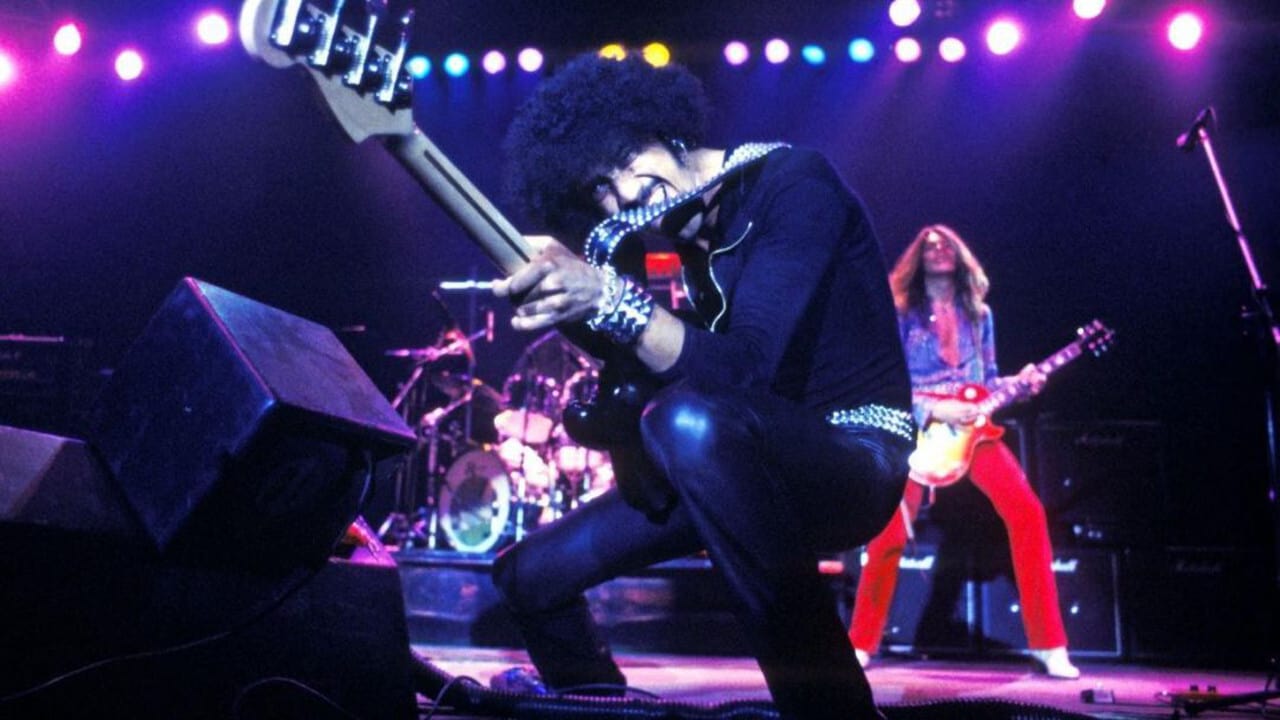
For the musically inclined, there’s three music documentaries to whet the palette, including one filmed here in Australia: Áine Tyrrell – Irish Troubadour, charting the subject’s journey from domestic violence victim to renowned folk singer. Phil Lynott: Songs For While I’m Away documents the largely-unknown life of Thin Lizzy’s front-man and Ireland’s greatest rock star, while Crock of Gold: A Few Rounds With Shane MacGowan looks at the pioneer of Celtic punk.

Phil Lynott, the lead singer of Irish rock band Thin Lizzy and subject of Phil Lynott: Songs For When I’m Away

The musical theme continues with the Gabriel Byrne-led Death of a Ladies’ Man, a dramedy inspired by, and paired to, the songs of Leonard Cohen. And for lovers of all things sports, there’s a documentary examining the psyche of Jack Charlton, an enigmatic soccer player from England who became coach of Ireland’s national team, aptly titled Finding Jack Charlton.

Although the selection of twelve films is meagre when compared to its contemporaries, this year’s Irish Film Festival is definitely not short on quality – if this is just a taste of what Ireland has to offer, there’s every chance of the nation becoming a cinematic powerhouse in just a few short years. And while nothing beats the theatrical experience, being able to watch each of these films from your couch, at your own convenience, comes a pretty close second. In short, this Festival is definitely worth checking out.

The Irish Film Festival begins this Friday, September 3rd. For more information, head to the Festival’s official website.

Revisiting Your Name, Makoto Shinkai’s Blessing for a Disaffected World

Every so often, there comes a film that transcends boundaries to find mainstream success. Such an example is this feature-length animation from 2016, a narrative that spans multiple genres and subverts expectations to be one of the artform’s most beautiful, original and compelling offerings, leagues above anything else from that same period.

Teenagers Mitsuha and Taki lead very different lives – the former is an introverted girl who resides in the Japanese countryside with her grandmother and younger sister; the latter has no siblings and shares an apartment with his father in Tokyo. Over the course of several months, these two strangers will awake in each other’s bodies, altering and manipulating their usual routines to the point where they become different people entirely.

As its manga-style designs make obvious, Your Name (or Kimi no Na Wa) is a feature-length anime, being one of several released in its home country of Japan every year; yet despite their ubiquity, very few of these pictures make their way into the Western hemisphere, and fewer still attain any semblance of popularity – arguably, only the releases of Studio Ghibli have managed to do so. This fact alone is enough to make the prominence of Your Name noteworthy, but what makes it all the more extraordinary is knowing who directed the feature-length production.

Responsible for helming Your Name is Makoto Shinkai, who had developed a modest following with his oeuvre in the years prior. Many of the themes in Shinkai’s previous films are rekindled in his 2016 effort, including adolescence, time and companionship, as are the fantasy elements that he so often incorporates. Think of it less as somebody lazily applying the same old tropes, and more an auteur utilising his motifs, like Hayao Miyazaki and his recurring morals of environmentalism and pacifism.

One of the greatest strengths of Your Name is how fluidly it morphs between genres, dabbling in fantasy, science-fiction, romance and drama without tying itself to any one in particular. Just when the picture looks to have settled on a tone – just when the viewer thinks they’ve worked out where the screenplay is heading – along comes an unexpected turn that sees it transform, almost into an entirely different narrative. Impressively, these transitions are never jarring or bewildering, but rather a smooth, natural progression of the story.

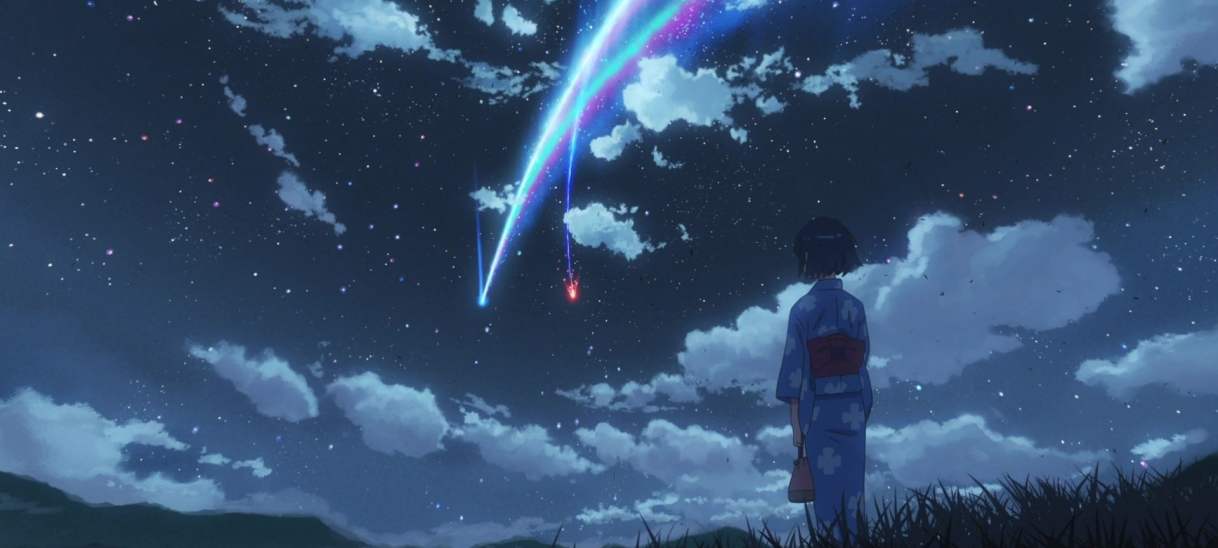
Mitsuha scribbles on her face in Your Name

Just as investing is the development of the protagonists, who become more likeable as the movie progresses. From the outset, audiences will find themselves relating to the struggles of Mitsuha and Taki, but their naivety and timidness are evident; as the plot continues, both characters mature and gain confidence through their body-swapping experiences, changing from archetypal youths to well-rounded adults. As a result, the viewer grows so attached to Mitsuha and Taki that the film’s emotional moments are made absolutely heart-wrenching.

Another reason to love Your Name is the animation, which is of a quality seldom witnessed in a Japanese production. All of the illustrations, be they the character designs, landscapes, vehicles or otherwise, are superbly detailed and splashed with colour, with the highlight being an ethereal, dreamlike sequence that sees Taki transported through time. This is Ghibli-levels of artistry on display here, with images so gorgeous that they deserve to be placed on the walls of a museum.

Although there’s plenty to distinguish this picture from its anime brethren, Your Name still ties itself firmly to the medium. Frequent references are made to Japanese culture and tradition, tropes of the artform appear every so often, and there’s an upbeat J-pop soundtrack provided by Radwimps that’s surprisingly pleasant to the ear. That’s the beauty of Your Name – clichés that would detract from the experience in another feature prove nothing but endearing here.

Unfortunately, there is one drawback to Your Name, and that’s the epilogue. While touching and by no means bad, these last few minutes feel like an eternity, needlessly delaying the inevitable outcome to the point where the film overstays its welcome. In fairness though, this is only a minor criticism that in no way frustrates, nor does it sour the rest of Your Name, which is as close to faultless as any feature-length anime has come in the past decade.

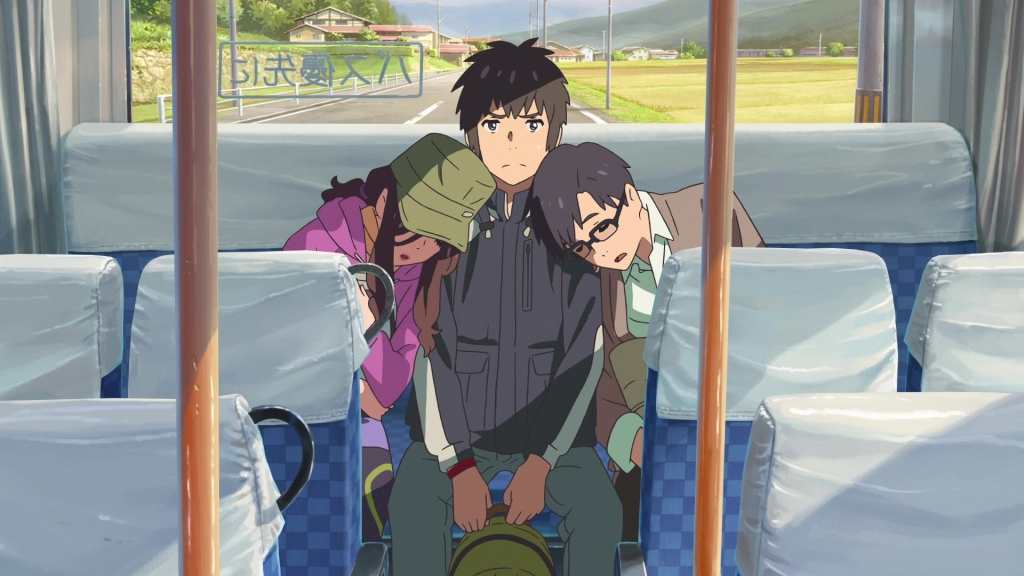
Taki (centre) with friends Miki and Tsukasa in Your Name

That consensus is one that’s widely shared by critics and cinemagoers – Your Name earned rave reviews in Japan upon its theatrical release and shattered records at the domestic box-office, being the highest-earning film of 2016 by a considerable margin and becoming the second highest-grossing anime film of all-time, behind Miyazaki’s Spirited Away. (It’s now in third position, with Demon Slayer: Mugen Train having usurped the top spot.) Those accomplishments were later mirrored in the West, where the movie generated far more interest than usual for a Japanese release.

Your Name’s unexpected success in the Anglosphere can be attributed to two factors. One is the releases it performed against: a myriad of ordinary blockbusters that did squat to innovate the medium, and just as little to appease cinephiles. The second factor is the downbeat period in which the picture was released – remember, 2016 was a particularly miserable time for many people, owing to Trump, Brexit, and a swathe of beloved celebrities passing away, among other things. What this movie provided wasn’t just an alternative to its lacklustre contemporaries, but an escape from the glum realities of life.

Three years after Your Name, Shinkai would attempt to capitalise on his global triumph with the release of Weathering With You, a film that shares many of the same attributes. In addition to utilising the plot mechanics from his prior works, Shinkai’s follow-up boasts beautiful illustrations, charming protagonists and an accompanying Radwimps-penned soundtrack; yet it also suffers from the identical problem of a prolonged third act. One thing Weathering fails to capture though is the magic of its predecessor, lacking that sense of wonder – but then again, there a few other films that do possess such wonder.

Placing in the top tier of animation and eclipsing most live-action productions, Your Name is a disarming, spellbinding feature with beautiful illustrations, loveable characters and a fresh screenplay that is unpredictable in the best possible way. It’s essential viewing for anybody who calls themselves an anime fan, and an ideal entry-point for those wanting to immerse themselves in the artform.

Your Name is currently streaming on Netflix.

Peter Jackson’s The Lord of the Rings Revisited, 20 Years On

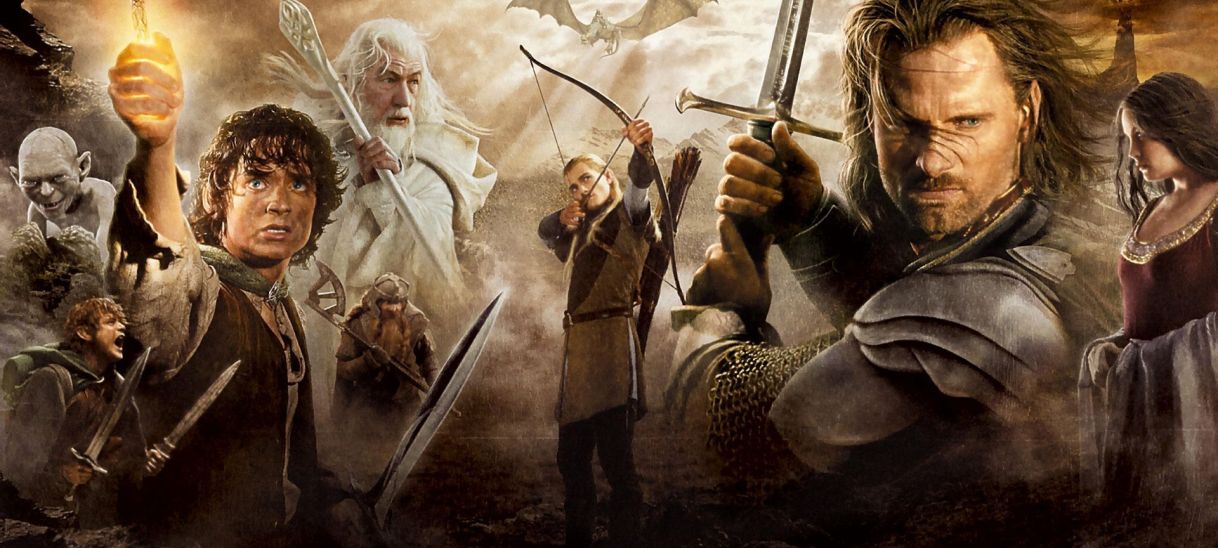
It’s been almost 20 years since Sir Peter Jackson introduced audiences — both new and familiar — to the world of Middle Earth, on the big screen. In those 20 years since The Lord of the Rings: The Fellowship of the Ring (2001), nothing, save for the sequels to The Fellowship of the Ring, has managed to capture the awe and bravado of Jackson’s Middle Earth. Franchises have come and gone, and Jackson has also adapted The Hobbit (2012 – 2014) for the big screen, but The Lord of the Rings continues to inspire as well as keep audiences coming back for more as the years roll on. Much has been said and written about the trilogy, but I believe it’s important to remind audiences why this trilogy has remained a staple in cinema history. What follows is an analysis of why Jackson’s adaptation of The Lord of the Rings has continued to permeate film culture, how it redefined the Fantasy genre, and what made the franchise as celebrated as it is.

The Lord of the Rings Trilogy Before the Acclaim

Before delving into the aforementioned concerns of the piece, it is important to first outline the trajectory of The Lord of the Rings in cinema culture — from its inception, up until Jackson’s adaptation. In the years before Jackson’s The Lord of the Rings adaptation came to fruition, there had been an animation adaptation in 1978 by Ralph Bakshi, which opened to a fair reception, and the Beatles had apparently wanted to star in a live-action adaptation of the books, with Stanley Kubrick said to have been their choice to direct. Kubrick allegedly turned down the offer to direct the planned film after saying that it was unfilmable (at least in terms of the technology not being there yet). As J.R.R Tolkien owned the rights to his work, he also turned the proposed Beatles film down as he didn’t want his work to be taken by the band and turned into something outlandish for the big screen.

It wasn’t until sometime in the mid-90s that the idea of a Jackson-led The Lord of the Rings adaptation began to circulate in the media. With Jackson’s earlier films like Bad Taste (1987) and Braindead (1992) being the epitome of schlock horror — films characterised by their absurd plots, quirky characters, campy humour, and so forth — it was no surprise that doubts were raised over the announcement that Jackson was to adapt the work of beloved and trailblazing author, J.R.R Tolkien.

Jackson had come off of directing a decently received, The Frighteners (1996), before pitching the idea of turning The Lord of the Rings into a live-action trilogy, to Miramax. Miramax said that they would be able to make two films instead of the proposed three, with the cost of the films driving their decision. However, Miramax eventually decided that that they were unable to fund the making of two films at the scale proposed. Subsequently, Jackson was allowed to pitch the idea for the films to other studios, and was eventually able to bring New Line Cinema on board to finance the film.

With New Line greenlighting the proposal for an adaptation helmed by Jackson, the next big hurdle came with the budget increase for each film. New Line had reportedly agreed to spend around US $60 million on each film, but that budget proved unrealistic with how audacious and large each film ended up becoming. Instead, New Line ended up spending around US $120 million on each film, with that eventual sum being agreed upon through much deliberation and even heat between Jackson and film executive Michael Lynne. It wasn’t until a 20 minute preview screening at Cannes in 2001 that the studio’s fears regarding the increase in budgeting, were alleviated. This was primarily due to the positive reception the footage of The Fellowship of the Ring received, and the realisation that the money invested into the film was paying off (with the Balrog scene being one that was shown).

With The Fellowship of the Ring eventually being made, and its sequels releasing within the next two years, the trilogy had officially survived the struggles of pre-production, production, and Harvey Weinstein. The trilogy would go on to become one of the highest grossing and consistently well received franchises of all time.

Hugo Weaving, Peter Jackson, and Ian Mckellen on the set of The Lord of the Rings

What Made the Trilogy as Influential and Beloved as it is?

Trying to provide a single answer to why Jackson’s The Lord of the Rings is as iconic and influential as it is, simply cannot be done. Therefore, I will break down some of the key aspects of the trilogy and why they’ve seen the trilogy continue to enjoy the success that it has.

For starters, one of the biggest issues Jackson faced was trying to transpose such a well regarded and nuanced piece of fantasy literature as faithfully as he could, and in the time he had. Tolkien’s writing is renowned for its ability to capture the minutiae of any given aspect of the world of Middle Earth — whether that be a blade of grass or a trickle of water. In saying that, Jackson was fortunate that he had a lot to work with from Tolkien’s writing, particularly because the drawn out descriptions Tolkien provides, ultimately led to a level of clarity that Jackson simply moulded for a modern audience. Sure there was no Tom Bombadil or the battle for the Shire or the character of Gildor Inglorian, but given the scale of Tolkien’s world (those who have read The Silmarillion will know the struggle of making sense of everyone and everything being described), Jackson was able to focus on the fundamentals of the book in order to guide audiences through the three films.

A major factor that contributed to the trilogy’s acclaim and success is the fact that all facets of production aligned and worked to support each other for the entirety of the three films. There were two units that worked on the film: one that was helmed by Peter Jackson, and the other, by John Mahaffie (Second Unit Director). Both units were well equipped with resources to traverse the New Zealand landscape and country side (which is explored more in the exquisite documentary-like, behind the scenes), and Weta Workshop went above and beyond to produce sets, costumes, armour, weapons, creatures and miniatures. What this all means is that there was a sense of totality and scale unlike anything seen before or since, in a blockbuster or film of any kind. The result is one that led to the record breaking Oscars sweep for The Return of the King (2003) which won all 11 Oscars it was nominated for, and is tied with Ben-Hur (1959) and Titanic (1997) for most award wins in Oscars history.

But aside from the recognition from award wins and box office success, Jackson’s trilogy has continued to amaze viewers (included yours truly) across multiple viewings in the 20 years since. Some of the reasons why include the thematic consistency as the films went on; the largely practical approach to making the films; Howard Shore’s mesmerising score that speaks to various scenes and characters; the epic battle sequences both large and small; the memorable performances from each and every actor involved; and how the trilogy paved the way for fantasy films (and shows) to be taken as seriously as they are today.

The way in which Jackson developed a sense of forwardness from the first film to the last meant that the pacing always felt consistent, and audiences were given ample time to spend with various side characters and events, while never losing sight of the primary goal of The Fellowship. For instance, The Fellowship itself and its eventual separation, serves to engage the audience with the likes of Theoden (Bernard Hill), Eowyn (Miranda Otto), Emoer (Karl Urban), Arwen (Liv Tyler), Galadriel (Cate Blanchett), Faramir (David Wenham) and so forth. All of these characters have role to play in The Fellowship’s quest, but they also bring to surface the lore of Middle Earth that cannot be wholly accounted for.

The battle sequences also stand out, particularly due to how practical they were and how little they relied on CGI in contrast to blockbusters being released today. Ridley Scott’s Gladiator (2000) is another film that comes to mind in terms of being remembered for the amount of choreography it had and the lack of CGI it used. Rarely are modern blockbusters as hands on in their approach to large scale battles as The Lord of the Rings was, and that’s another big drawcard for revisiting the trilogy — the action strived to create an out-of-body experience that sucked audiences into the world.

Another major aspect that contributed to the ongoing success of The Lord of the Rings is the way in which the show put the fantasy genre in the limelight for film and television. The point here is simply to highlight how Jackson’s films have paved the way for the fantasy genre to be taken more seriously as a form of art. A show like HBO’s Game of Thrones has won multiple Emmy awards and has been compared to The Lord of the Rings (and rightfully so given that George R.R. Martin is greatly inspired by Tolkien). Netflix’s The Witcher show has also emerged in the last couple of years and has quickly become a fan favourite. So essentially, Jackson and his first trilogy of films have brought as much attention to the fantasy genre as George Lucas and his first Star Wars trilogy did for the Sci-Fi genre.

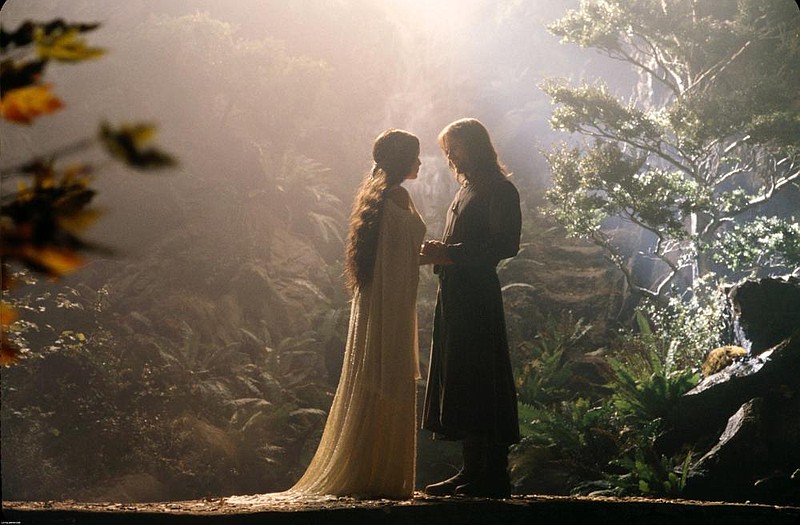
Liv Tyler and Viggo Mortensen in The Lord of the Rings

Closing Thoughts

In the 20 years since The Fellowship of the Ring, the trilogy continues to be shown in cinemas worldwide and has had a successful shelf life (with a 4K remastering having been overseen by Jackson and released last year). With a Lord of the Rings show coming to Amazon Prime in late 2022 (supposedly exploring an earlier part of the Second Age of Middle Earth), now is the perfect time to begin revisiting Middle Earth and Jackson’s trilogy. Whether or not the show will capture the hearts of audiences and critics alike is yet to be seen, but judging by a recently released still from the show, it’s anyone’s guess. What is known is that Tolkien’s The Lord of the Rings and Jackson’s adaptation of the book are just as influential today as they were during their inception, and will continue to be in another 20 years.

Sources Consulted:

  1. https://screenrant.com/lotr-everything-know-kubrick-beatles-unproduced-adaptation/
  2. https://www.nytimes.com/2001/12/12/movies/gambling-film-fantasy-lord-rings-shows-new-line-cinema-s-value-aol.html
  3. https://www.thethings.com/how-harvey-weinstein-almost-ruined-the-lord-of-the-rings/
  4. https://www.indiewire.com/2021/07/peter-jackson-screamed-studio-lord-of-the-rings-budget-battle-1234649369/

A Beginner’s Guide to Evangelion, The Monolithic Anime Franchise

This week heralds a momentous event: the worldwide debut of Evangelion: 3.0+1.01 Thrice Upon a Time, the definitive conclusion to Hideaki Anno’s anime franchise, on Prime Video. Why is it momentous? Well, because the Evangelion series is widely celebrated for reinvigorating and redefining the Japanese animation industry, with its production values, narratives, religious allegories, and musings on humanity all being of exceptional quality. These attributes have resulted in Evangelion amassing a legion of fans across the globe, and hence, a great deal of anticipation for the feature-length finale.

For those who are unfamiliar with Evangelion, and wanting to see the new film without being mystified, Rating Frames has provided this handy recap of the entire series, from its televisual origins right up until the third instalment of the cinematic reboot. This article will contain spoilers, so those wanting their viewing experience of the other Evangelion media to be unsullied are best advised to look away now.

The TV Series

In the beginning, there was Neon Genesis Evangelion, a 26-episode series that debuted on October 4th, 1995 in its native Japan. Its story takes place in a futuristic, post-apocalyptic world that is under attack from large, omnipotent monsters referred to as “Angels” throughout the series. Defending against these threats is a well-financed, transnational militant outfit known as NERV, which has developed giant mechanical weapons capable of defeating the Angels. There’s a catch though – the machines can only be operated by a teenage pilot who is linked to the interface.

The programme largely centres around Shinji Ikari, the pilot of EVA Unit-01, whose father Gendo is the director of NERV’s operations. Shinji fights the Angels alongside the “First Pilot”, Rei Ayanami, and the two are later joined by the feisty Asuka Langley Soryu, who pilots EVA Unit-02. When not defending the world against an Angel attack, Shinji lives in Tokyo-3 under the guardianship of Misato Katsuragi – who is also his superior at NERV – and attends school, there struggling to connect with his fellow students.

Neon Genesis Evangelion was created and overseen by Hideaki Anno, who drew inspiration from the mecha anime of his youth, as well as his own experiences with depression. The latter is what better informs the narrative, being an examination of loneliness, mortality, purpose, and the burden of expectation. Though fleeting in comparison to these philosophical discussions, the giant robot fights are quite exhilarating too, being among the best that the industry has ever produced.

There are some inherent weaknesses with the series, including the concealed motivations of the characters, slow pacing, and the sexualisation of the female characters; yet the harshest judgements are often reserved for the final two episodes, which some viewers deemed too vague and allegorical for their tastes. Nevertheless, the programme remains a standard-bearer for the medium and, alongside Pokémon and Cowboy Bebop, is broadly regarded for popularising anime in the West.

Death, Rebirth & The End

After the mixed reception to the final episodes of Neon Genesis, Anno set to work on a feature-length production that would serve as a comparatively straightforward conclusion. The narrative would eventually be released in two parts, the first of which, Evangelion: Death & Rebirth premiered in March 1997. Much of the film was little more than a clip-show summarising the key moments of the TV series, with the exciting, all-new material saved for the last half-hour – which itself was essentially an extended teaser for the second movie.

Said movie was ultimately released three months later as The End of Evangelion, a retelling of Episodes 25 and 26 of the show. This picture serves as a grand culmination of everything hinted at in the TV series, directly and explicitly revealing what happens to the characters through the most haunting, harrowing and enduring imagery ever witnessed. What’s more, in a continuation of the series’ tone, the film also offers complex, existential discussions about what it means to live meaningfully.

Quite ironically, Evangelion fans who loathed the series finale found themselves even more displeased by End of Evangelion, taking aim at the depressing plot and ambiguous epilogue. Some circles have gone further in their criticisms to suggest that the movie is Anno’s way of trolling his audience, pointing to not only the screenplay, but also the credits rolling mid-film, and an extended live-action sequence that includes a crane shot of a bored crowd in a cinema.

Yet for every detractor, there is just as much fervent support for End of Evangelion – it’s often cited as one of the best anime films of all-time and one of the greatest animated films generally, thus cementing the franchise’s legacy. Its creator was lauded too as a visionary and innovator of the artform; but Anno, ever the perfectionist, was unsatisfied with his work and soon began development on another feature-length instalment.

You Can (Not) Rebuild

A decade after The End of Evangelion came the first in a series of films known as the Rebuild of Evangelion, ostensibly starting the franchise afresh and introducing it to a new generation. Titled Evangelion: 1.0 You Are (Not) Alone, the picture is a virtual rehash of the TV series’ first six episodes, with only the slightest of changes to the music and plot. The visuals are the most noticeable difference, with large objects such as the EVA Units and Angels being computer-generated animations, while the hand-drawn characters, surroundings and backgrounds are all richer in colour.

Next came 2.0 You Can (Not) Advance, going in the opposite direction and deviating wildly from the source material by gifting fan-favourite Asuka with a new introduction, different surname and fresh character arc. The ending of the film is a wilder change still, retconning the series’ timeline by seeing Shinji inadvertently trigger a second apocalypse in a desperate attempt to save Rei’s life – a conclusion that is heart-wrenching on multiple levels. Less appealing is the character of Mari, a newly-introduced, hyper-sexualised EVA pilot whose sole function is Fan Service.

Following the highs of the second Rebuild film was the relatively sedate 3.0 You Can (Not) Redo, taking place 14 years after the prior movie’s events. Shinji awakes – having been placed in a coma since the “Third Impact” – to find himself in the custody of WILLE, a ragtag command of defectors from NERV and other freedom-fighters. It’s a slow and rather obscure narrative, one that will surely test the patience of even the most ardent Evangelion devotee; in all other respects though, the picture is satisfying, containing the same exquisite illustrations and music as its predecessors.

And now comes the fourth and final instalment of the Rebuild saga after quite a lengthy delay, arriving five months after its Japanese premiere and eight years after the previous movie’s theatrical run. The response in Evangelion’s homeland has been largely positive, with Thrice Upon a Time breaking box-office records – despite the pandemic’s ongoing presence in the country – and critics lavishing praise upon the film, but whether that success will be repeated internationally remains to be seen.

In any case, all of this will hopefully provide some context as to why a film about giant fighting robots is one of the most hotly-anticipated releases of 2021.

Availability

A freshly-dubbed version of the original television series is available for streaming globally via Netflix, which also has the rights to The End of Evangelion and an abbreviated version of Death & Rebirth, titled Death(True)2.

All of the Rebuild films, including Thrice Upon a Time, will be available worldwide on Prime Video from this Friday, August 13th.