Joker: Folie à Deux preview screening provided by Universal Pictures.
When word came out that Todd Phillips’ sequel to his box office hit, Joker (2019), would take the form of a quasi-musical for large parts, intrigue with a sprinkle of hesitation was coursing through the veins of pop culture discourse. After all, Phillips’ track record with sequels, namely the Hangover sequels, isn’t exactly the most compelling; but when you’ve got Joaquin Phoenix helming your film, anything is possible.
It wasn’t until news of Lady Gaga’s involvement with the sequel, however, that interest really started picking up. Here’s a director who’s landed arguably the greatest actor of his generation for a second roll of the dice, AND he’s got one of the biggest pop stars in the world as well? Well, If A Star is Born (2018) was a recipe for success, Joker: Folie à Deux was practically a delicious dish waiting to be served.
And to be fair, that intrigue carries into the first 20 or so minutes of Folie à Deux, with the events of the first film where Arthur Fleck (Joaquin Phoenix) blew out the brains of a hit late-night talk-show host live on TV, permeating. Arthur is now a martyr of sorts to other troubled minds, with a TV movie charting his killings earning him far reaching recognition, however he’s also in Arkham Asylum and hardly reaping the benefits of his infamous status.
It’s in these first 20 minutes that Phillips also sets the stage for Arthur’s eventual relationship with Harleen ‘Lee’ Quintal (Lady Gaga), an arsonist who catches Arthur’s eye from within the prison’s singing group for inmates. After Arthur is enrolled in the class by a brutal prison guard (played by the legendary Brendan Gleeson), it’s easy to see where this thread is going.
Whether or not Lee is drawn to the real Arthur or his alter-ego Joker, is still relatively vague at this stage, but it’s a concern that Phillips leans on for a majority of the film’s tension — the distortion between reality and fantasy. The idea of unpacking where Arthur Fleck ends and where the Joker begins is an interesting one, if it wasn’t already so fleshed out in the first film.
(L to r) JOAQUIN PHOENIX as Arthur Fleck and LADY GAGA as Lee Quinzel in Warner Bros. Pictures’ “JOKER: FOLIE À DEUX,” a Warner Bros. Pictures release.
It’s also what the film’s many jazzy musical numbers serve to emphasise, as they speak to Arthur’s attempt to cope with and manage the reality he’s been dealt and the fantasy he’s created for himself. Oftentimes I found myself at odds with these numbers, where at once they offer little glimpses into the psyche of a self-absorbed psychopath, but also act as distracting detours that seem to be the only opportunity to give Gaga some leg room to do… well… anything (though I’m mindful this is a film about the titular character and not the Harley Quinn show).
These numbers become even more prevalent as the film kicks into the second act where Arthur is on trial for his murders, as the jury seeks to determine whether he’s downright insane, or playing things up for show — essentially the film’s primary concern. This whole courtroom drama, second act overstays its welcome, with drawn out nothingness that reminded me of just how well other film’s manage similar situations (like 2023’s Killers of the Flower Moon). Phoenix gets some brief moments to lean into his even thinner physique, but beyond that this whole middle section feels like its treading old ground that the first film already established and resolved.
The brilliance of the Joker character in the DC universe has tended to shine through his caped crusader counterpart. It’s why Nolan’s version of Joker is so memorable, because he feels like a larger than life presence — something that’s earned in those films through methodical world building. In Folie à Deux, Arthur is contending with himself for a large majority of the film, trying to redeem himself in parts while succumbing to the voices within, in others. For such a big film, in this way it feels rather small which comes at the expense of the sort of substance you might expect from a film about such a recognisable character. As a result, a lot is banking on Phoenix’s performance to carry the often dull moments, but the shock factor of seeing him embody the character in the same way he did in the first film flies out the window this time around, so the shortcomings in the script are more noticeable.
While reducing the scale and confining audiences to Arthur’s world is a welcome subversion to what audiences might expect, it comes at the cost of an entertaining narrative. There are no mind blowing set pieces or scenes that build momentum into something; the biggest moment of the film comes rather late on, and even then it closes itself up faster than it opened (which will make sense as you watch the movie). Arthur —and by extension, the Joker— is relegated to the sidelines: he poses no palpable threat in the same way he did in the first film, and as a result the stakes don’t feel nearly as significant because he’s contained. Whether or not that’s a satiating enough angle for audiences by the time the credits roll is hard to say, but you may be left hungry for more.
A year of avoiding the larger titles in favour of more independent films, my MIFF experience in 2024 went from the battleground of Gaza to the quiet family dramas in modern Seoul, with a unifying theme of perseverance and defiance throughout. Much like 2023, the curatorial efforts of the festival directors are its greatest gift, ensuring a high baseline of quality that guarantees a thoughtful and compelling time at the movies no matter your interest set.
All Dirt Roads Taste of Salt (2023) – Raven Jackson
⭐⭐⭐⭐
Rating: 4 out of 5.
A powerful combination of photographic and sonic qualities propels Raven Jackson’s All Dirt Roads Taste of Salt to incredible heights. Becoming larger than the sum of its modest parts, Jackson announced herself immediately as an important American artist to follow moving forward.
Flowing like a seasonal river with its rises and falls, the narrative follows Mack, portrayed seamlessly by Kaylee Nicole Johnson and Charlean McClure, as she journeys through 1960s Mississippi onwards, with all the love and difficulty that comes with staying in her hometown through a challenging time.
Squeezing every fleeting moment of thematic and emotional juice, this essayistic ode to womanhood, home, and the shared experience will wash over you if you let it, feeling reborn in the gleaning sunlight.
All We Imagine as Light (2024) – Payal Kapadia
⭐⭐⭐⭐⭐
Rating: 4.5 out of 5.
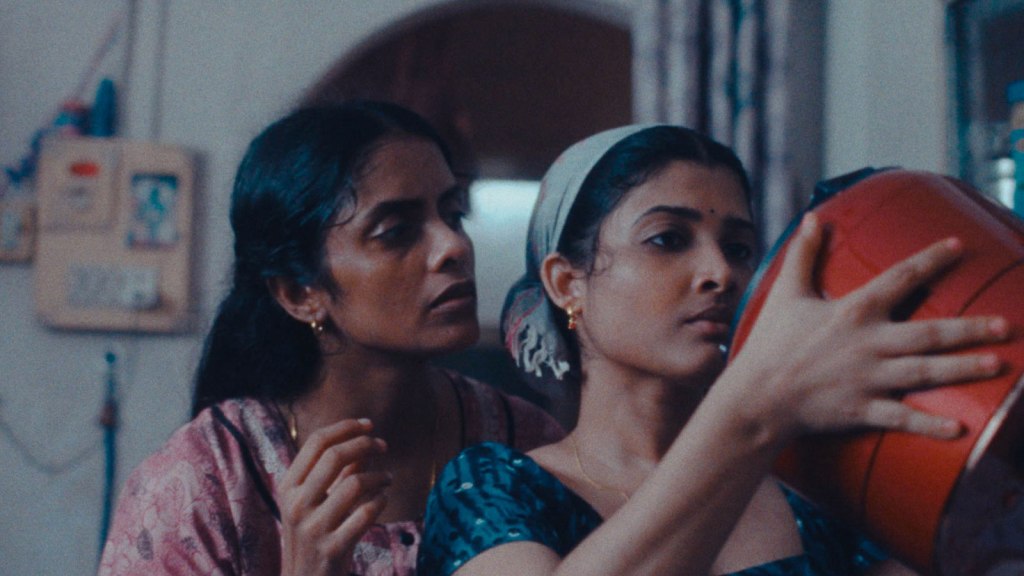
The most soulful film of the festival, documentarian turned fiction filmmaker Payal Kapadia explodes onto the scene with the remarkable All We Imagine as Light. A powerful blend of personal womanhood inside the political in modern Mumbai, Kapadia’s gorgeous and lyrical film centres on three multigenerational nurses navigating a world unable and unwilling to accommodate their lives.
Kapadia, with a refined hand through documentary work, flourishes in small moments. Whether it’s the embrace of a rice cooker given by a distant-slash-estranged husband working in Germany, or the small gesture of helping an older colleague move her things back to her old home after being wrongfully evicted, All We Imagine as Light embraces the aching emotionality of the quotidian, knowing these fleeting moments create a mosaic that reflects the light of human experience.
Brief History of a Family (2024) – Jianjie Lin
⭐⭐⭐
Rating: 3 out of 5.
The one-child policy of China casts a long shadow across Brief History of a Family, a taut and beguiling debut feature from Jianjie Lin. After an incident at school sparks an unlikely connection, the shy and reserved teen Shuo (Sun Xilun) begins to spend more and more time at his more confident classmate Wei’s (Lin Muran) upper-middle-class house.
Lin’s debut is atmospheric and tense and while its decision to bunt with its bases loaded, the film still demonstrates a skill set to operate in the genre world of modern thriller, a drought-stricken place with fans desperate for new, exciting voices. Went long on the film here.
Didi (2024)- Sean Wang
⭐⭐⭐⭐
Rating: 3.5 out of 5.
In what is sure to be the beginning of a wave in late 00s coming-of-age stories that will have those in their late 20s questioning all life experiences as being unique, Sean Wang’s terrific and humbling Didi shows you screwing up is an integral part of growing up.
Telling the story of a Californian skater and potential filmmaker Chris (Izaac Wang), on summer break (a bizarre theme across several MIFF releases) as he navigates girls, friends, and his family. With integral sequences playing out over AIM and MySpace (finally, a film captures the adolescent psychological torture device of the top friends section on film) that had the audience in raptures, Wang is an exciting new filmmaker that can deftly translate the modern malaise of youth into compelling cinematic storytelling.
I Saw the TV Glow (2024) – Jane Schoenbrun
⭐⭐⭐⭐⭐
Rating: 4.5 out of 5.
A truly expansive cinematic experience that will define the year in movies, Jane Schoenbrun’s miraculous and tangly I Saw the TV Glow, is the best film I saw at MIFF and will no doubt contend with my film of the year. A film that explodes ideas of what a teenage coming-of-age story can be as it explores the push and pull between stagnation and liberation, ending on a unique note that seemingly has a different taste depending on the individual audience member’s life experience. That is no small feat.
I Saw the TV Glow follows Owen, a suburban teen protracted by Justice Smith in an outrageously good performance of youthful dysphoria and I will not hear arguments otherwise. Stuck in a liminal space outside of life, Owen finds solace in a fictional 90s too-adult-but-still-for-kids show The Pink Opaque, unlocked by fellow disenchanted teen Maddy (Brigette Lundy-Paine), who invited him into the world via burned VHS recordings of the show. The film is too dense to capture in a couple sentences, and the weight of Schoenbrun’s storytelling is in its ability to envelop a whole audience in the liminal world Owen feels locked within. Where most trans texts follow an embrace of transitioning, Schoenbrun’s film instead lingers and interrogates the suffocating space of dysphoria surrounding that place, a more evocative and unique lens to capture on film.
That Schoenbrun can bring a crowd down the psychological rabbit hole of dysphoria through a trans lens is a testament to their remarkable filmmaking powers. This is not just a film for ‘Twin Peaks: The Return (2017) is an 18-hour film’ Film Twitter folks (I am sometimes in the crowd), but for anyone who has felt lost in the liminal space that can be found along the path of life.
Janet Planet (2023) – Annie Baker
⭐⭐⭐⭐
Rating: 4 out of 5.
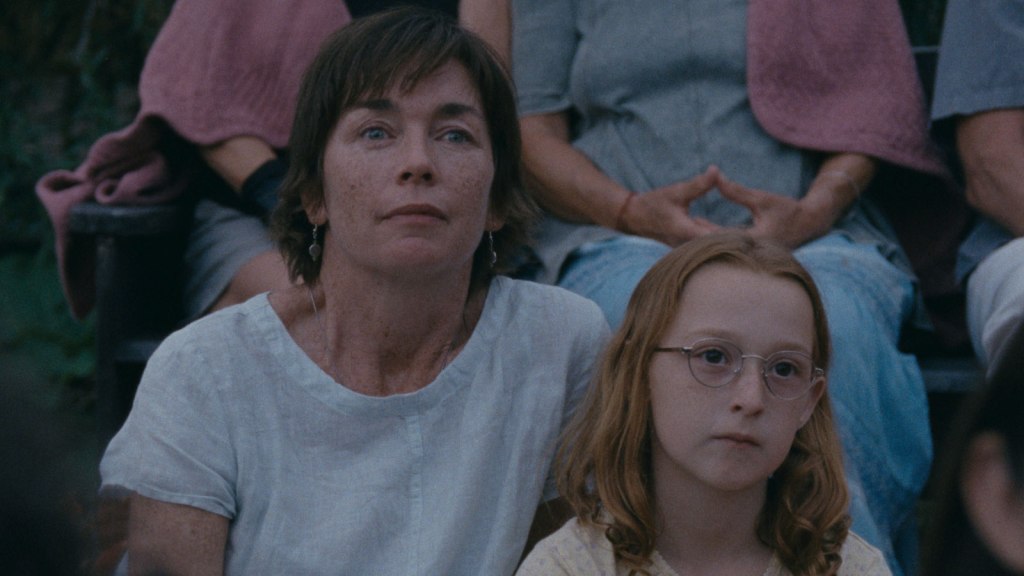
The smell of Autumn on a warm breeze as you stare, half bored and half awake at the misshapen clouds above, playwright Annie Baker’s filmmaking debut Janet Planet is the emergence of a major new voice in cinema, with all the confidence and assurance of an established artist.
Capturing a fascinating and enthralling pair in the owlish 11-year-old Lacy (a revelatory Zoe Ziegler) and her mother Janet (Julianne Nicholson) over a summer break, Baker’s precise use of silence and seasonal boredom is a beautiful ode to human connection, with the push and pull that can only come from someone you’ve known your whole life.
La Cocina (2024) – Alfonso Ruizpalacios
⭐⭐⭐⭐
Rating: 3.5 out of 5.
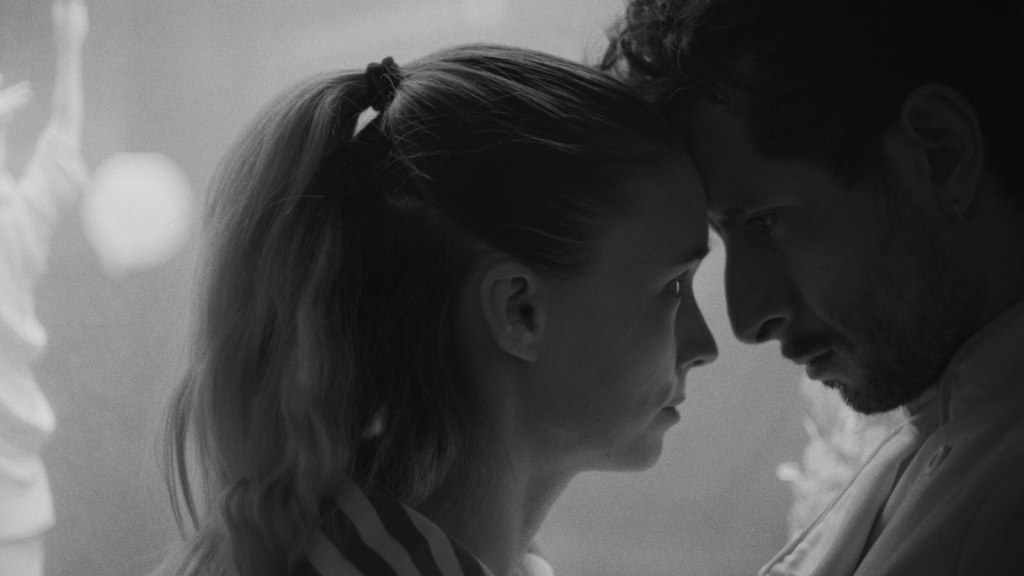
A frenetic, seething diorama of modern America through the lens of a Times Square super diner kitchen, Alfonso Ruizpalacios’ La Cocina blends the modern and the old-fashioned in this long but never tiring hospitality nightmare. Starring Rooney Mara and Raúl Briones, La Cocina wears its metaphors of American white supremacy and immigration inside the kitchen proudly, with Ruizpalacios’s impressive filmmaking style and farcical tendencies buoying these weighty ideas.
My Sunshine (2024) – Hiroshi Okuyama
⭐⭐⭐⭐
Rating: 3.5 out of 5.
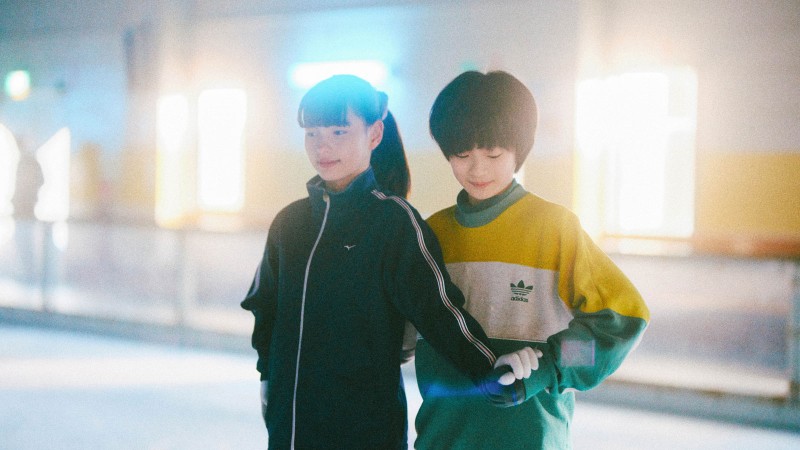
Like the enchanting mist of a crisp winter morning, Hiroshi Okuyama’s My Sunshine captures a personal tale of adolescent passion and direction with a nourishing blend of nostalgia and honesty.
My Sunshine has the trappings of a film about childhood love and coming of age, but shines through as a potent story about the importance of teachers and the connection that is made through a shared passion. While the uplifting story of Takuya’s (Keitatsu Koshiyama) journey with figure skating and growing into himself is universal and soul-nourishing, the journey of Arakawa (Sôsuke Ikematsu) rediscovering his love through his pupil’s childhood enthusiasm shows the connection with a mentor and mentee shines both ways.
No Other Land (2024) – Basel Adra, Hamden Ballal, and Yuval Abraham
⭐⭐⭐⭐
Rating: 4 out of 5.
The only documentary I caught at the festival, No Other Land is a breathtaking on-the-ground experience in Gaza, with filmmaking collective Basel Adra, Hamden Ballal, and Yuval Abraham giving us a visceral document of the horrible situation in the Palestinian West Bank. Capturing Adra and his family’s village in Masafer Yatta in real-time slowly erodes any feeling of optimism in the region will hollow you out and leave you seething in rage.
On Becoming a Guinea Fowl (2024) – Rungano Nyoni
⭐⭐⭐⭐
Rating: 4 out of 5.
Despite our IMAX screening needing to be restarted 30 minutes in due to a lack of subtitles, Rungano Nyoni’s On Becoming a Guinea Fowl had cast a cinematic spell that proved impossible to break. A compelling and seething portrait of the friction between community repression and warmth in modern-day Zambia, Guinea Fowl is a difficult but necessary watch with its honest telling of the ways sexual violence permeates global communities in incalculable ways.
Anchored by a truly star-making performance by Susan Chardy as the modern Shula returning home to her community in Zambia only to come across the bizarrely dead body of Uncle Fred in the middle of the street, Nyoni’s strong filmmaking chops are in full force, beautifully balancing evocative and compelling characters in an awful situation. One of the leading new voices to watch coming out of MIFF.
Pepe (2024) – Nelson Carlos de los Santos Arias
⭐⭐⭐⭐
Rating: 3.5 out of 5.
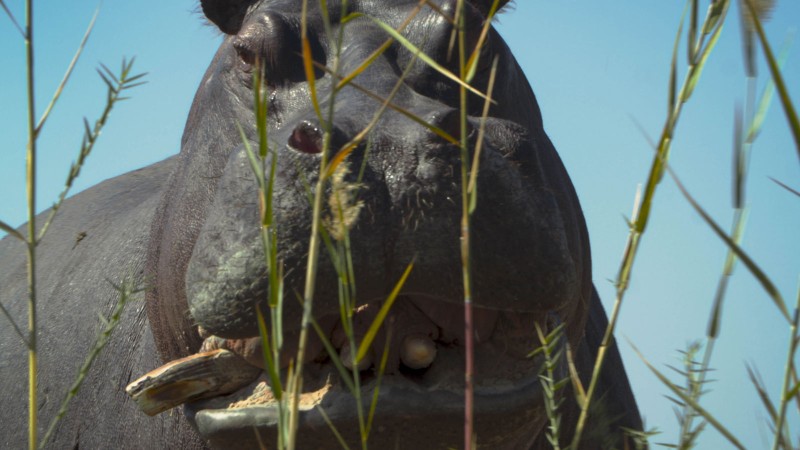
The story of Pablo Escobar’s escaped hippo told through poetic voiceover by the impossibly gorgeous baritone of Jhon Narváez, Nelson Carlos de los Santos Arias’s Pepe has one of the loglines of the year but is a film that dives compelling depths in this potential silly tale of animal personhood.
An infinitely charming and divisive story of losing a home never seen, Pepe bites off more than it can chew but has more meat on its bones than the majority of films you’ll see this year. With some truly mind-blowing filmmaking inside its modest frame, Pepe will sneak up on you and leave you surprisingly emotional about these hippos.
The Seed of the Sacred Fig: (2024) – Mohammad Rasoulof
⭐⭐⭐⭐⭐
Rating: 4.5 out of 5.
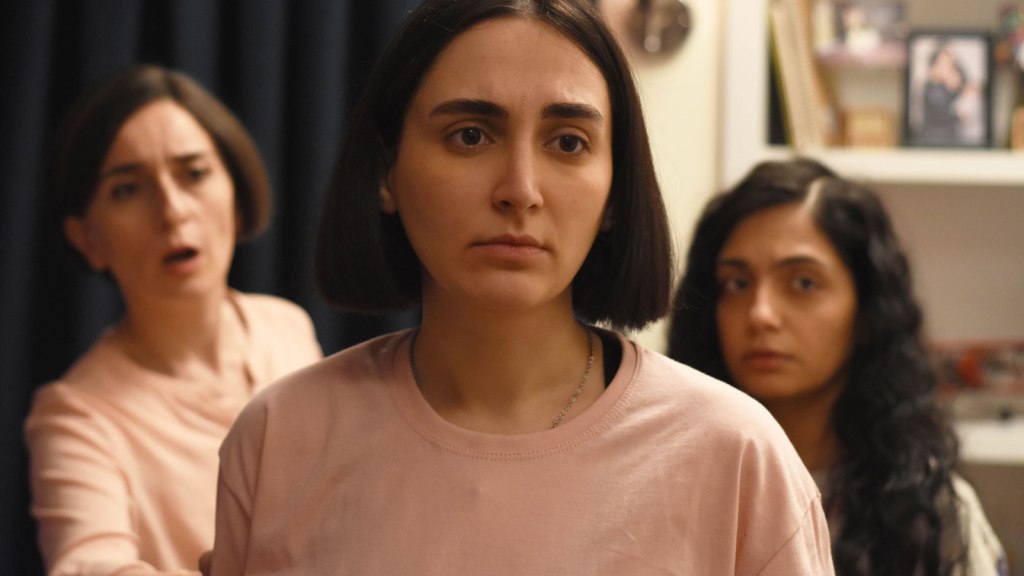
An enthralling family drama that devolves into an edge-of-your-seat thriller, Mohammad Rasoulof’s The Seed of the Sacred Fig deservedly earned second place at Cannes and easily finds itself in the conversation for film of the year.
Grounding itself in the reality of student protests in Iran, potently displayed through real phone footage, Rasoulof’s film about how politics and repression are bound to its people is at times overwhelming, but never melodramatic. The Seed of the Sacred Fig is one of the most impressive screenplays of the decade due to its difficulty and focused expression, moving slowly but confidently to its unexpected climax.
Through an emotionally overwhelming use of real social media videos of Iranian political protests and violence, Razoulof risked his life making this remarkable film that so of the moment it’s hard to believe. Brilliantly blending metaphors of family dynamics as stand-ins for the regime, The Seed of the Sacred Fig is a remarkable, must-see film that may be the most crucial piece of cinema to emerge from 2024.
Sing Sing (2024) – Greg Kwedar
⭐⭐⭐⭐
Rating: 4 out of 5.
The most emotionally overwhelming film of the festival, we are sure to be hearing a lot about Greg Kwedar and his incredible prison rehabilitation drama Sing Sing come awards season at year’s end.
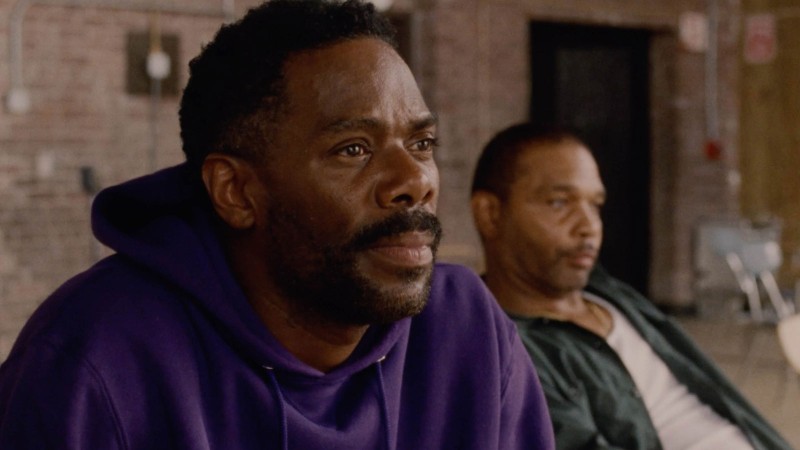
Exploring the real theatre-based prison rehabilitation program at Sing Sing Maximum Security prison (RTA), with an open heart and boundless compassion, Kwedar and his collaborators have given audiences one of the year’s best and most open-hearted portrayals of the American prison system that will break your heart and put it back together.
Perfectly blending reality and fiction, with an awards-worthy pair of performances by Colman Domingo and Clarence Maclin (an alum of the program), Sing Sing avoids any missteps into gratuity and gawking through an endless stream of humanity and humble decisions that is inspiring. A true miracle of a film.
The Shrouds (2024) – David Cronenberg
⭐⭐⭐
Rating: 3 out of 5.
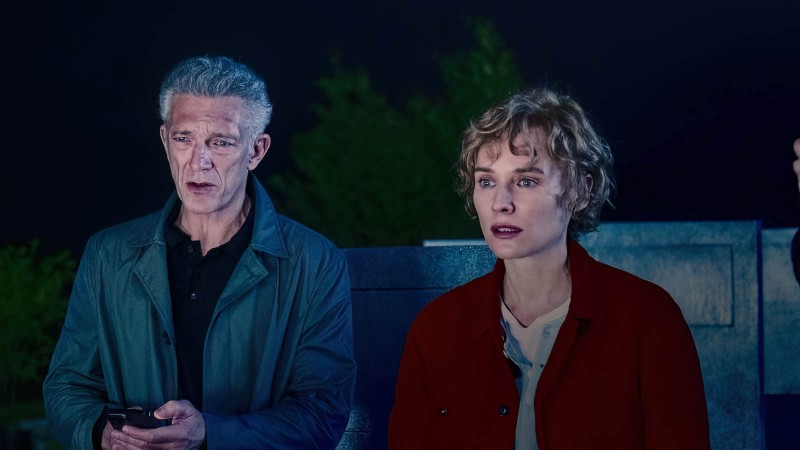
A beguiling and disarmingly funny inward look at grief by a living legend, 81-year-old David Cronenberg’s The Shrouds is a film only he could make. While not on the level of Crimes of the Future (2022), Cronenberg’s outward display of grief for his late wife Carolyn Ziefman in 2017 here is poignant and more emotional than you’d expect.
With a deliberate caricature of the auteur in the lead with a white-haired and sunglasses Vincent Cassel as a cemetery-owning video content producer with a physical obsession with the deceased, The Shrouds bizarre humour reminds one of the late Argento, but with a framework and personality that only the Canadian legend can achieve. While feeling more like a sketch than a fully realised project, in the long arc of Cronenberg’s work, this still feels like a critical late tentpole.
Sweet Dreams (2024) – Ena Sendijarevic
⭐⭐⭐
Rating: 3 out of 5.
A charmingly eccentric but slight look at the doomed Dutch colonialism of Indonesia, Ena Sendijarevic’s Sweet Dreams lives in the shadow of Yorgos Lanthimos and other Euro eccentric filmmakers, but still effectively skewers a worthy target.
As the death of a Dutch sugar plantation owner Jan (Hans Dagelet) plunges the land into financial turmoil, the arrival of a daffy married couple Josefien (Lisa Zweerman and Cornelis (Florian Myjer) threatens to sell off the depreciating land, much to the behest of Jan’s widow Agathe (the scene-stealing Reneé Soutendijk).
The demise of a certain vein of European colonialism shot evocatively through natural lighting with Barry Lyndon (1975) as a touchstone, Sweet Dreams is a minor work compared to the rest of this list of MIFF films but is an entertaining enough ride to enjoy.
Universal Language (2024) – Matthew Rankin
⭐⭐⭐⭐
Rating: 4 out of 5.
A poignant picaresque of Winnipeg through the language of 80s Iranian cinema, Matthew Rankin’s evocative film Universal Language charmed its way into the MIFF grand prize, the Bright Horizons award, and deservedly so.
A farcical tour through a Farsi-speaking imagined world of modern-yet-timeless Winnipeg, Rankin’s creative world-building leaves evocative nuggets around every corner, including one of the best locations in cinema this year with an Iranian-styled Tim Hortons.
One of the most rewarding and enchanting experiences in a wonderful suite of films, Rankin’s Universal Language is an idiosyncratic depiction of one’s home and cinematic loves combined, morphing into a must-see.
Beetlejuice Beetlejuice preview screening provided by Universal Pictures.
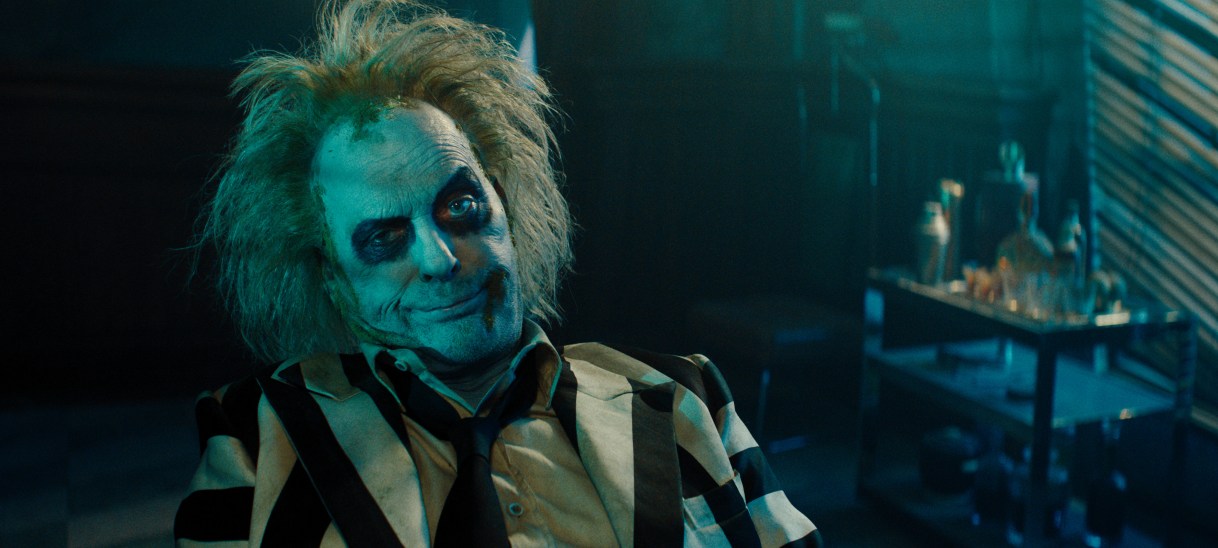
Whether you like him or not, mesh with his unique aesthetic or run the other way, Tim Burton occupies a space in modern cinema that he’s carved from consistency: in strangeness, in the casting of brilliant oddballs, and in retaining his trusted collaborators. It’s a big reason why Beetlejuice Beetlejuice (2024), his follow-up to the now classic Beetlejuice (1988), is such a breezy experience at the cinema, one that picks up effortlessly from where its predecessor left off, and feels just as fresh and alive as it did 36 years ago.
It’s all the better, in fact, with this sequel using the foundations established in the first film and elevating them to a level of zaniness and tomfoolery that only Burton is capable of. Beetlejuice Beetlejuice plays out like a celebration of its predecessor, one that’s well thought out and that doesn’t feel like it’s had to reinvent itself for a modern audience. That’s in stark contrast to Burton’s attempt at Dumbo (2019), a film that from the outside looked like it was marred by too much intervention and creative oversight by Disney to the point where it felt like two visions clashing, with the result being a pretty mess.
Burton’s return to his own fabled creation has the opposite effect, showing a director who’s at ease and in his element, as though he needed a reset by returning to something so beloved to find his groove again. The title sequence attests to this, with a sweeping overhead shot of the town of Winter River that’s almost identical to the one he utilised in the first film; it’s a familiar, nostalgic sight, with most of the film leaning on callbacks to the original to appeal to audiences both old and new.
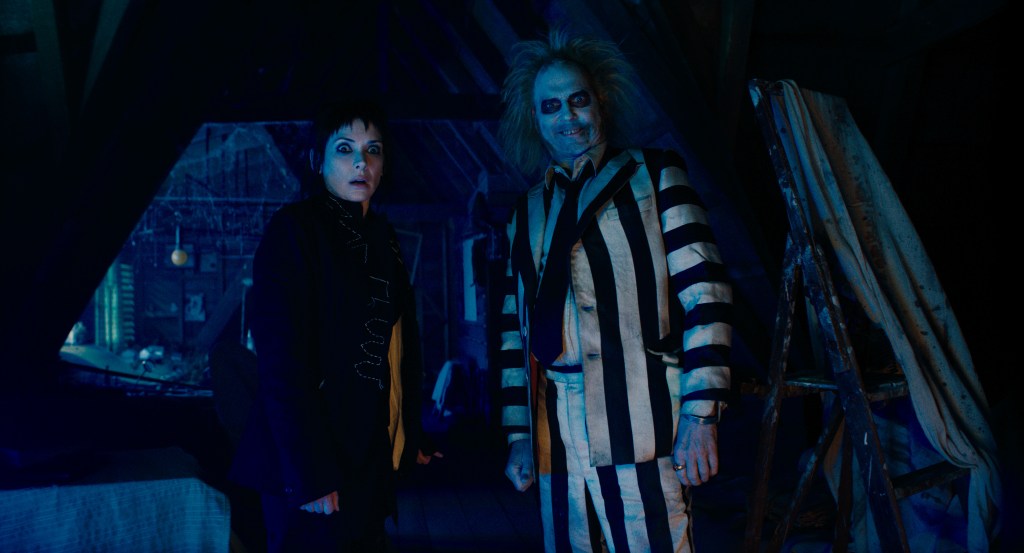
(L-r) WINONA RYDER as Lydia and MICHAEL KEATON as Beetlejuice in Warner Bros. Pictures’ comedy, “BEETLEJUICE BEETLEJUICE.”
From the overhead shot, we land on Winona Ryder’s Lydia Deetz who’s now hosting her own show on paranormal horrors as though this was an episode of Ghost Hunters. She’s still just as quirky as in the first film, but is also much more on edge as she’s clearly still haunted by her own encounter with Beetlejuice (Michael Keaton) many years ago. It could also be that her overly sleazy TV-producer boyfriend, Rory (Justin Theroux) is right up in her business trying to solve her problems the moment she gets a bit jittery; or even that her own daughter Astrid (Jenna Ortega) ignores her texts and doesn’t believe her ghost obsessions.
The truth is, it’s a mix of those things, but especially the former. Beetlejuice’s presence is still felt by the characters of the first film, including Delia (an ever so comical and hilariously bougie Catherine O’Hara), but he’ll play a key part in helping them deal with the film’s wider threats, including an old flame of his, Delores (aptly played by Monica Bellucci), who’s stapled herself back from the dead and wants revenge.
That’s not the least of the backstory that Burton traces through, with the first 25 or so minutes of the film introducing and reintroducing the film’s characters. Others include Wolf Jackson (Willem Dafoe), a dead-actor-turned-detective in the Afterlife who’s full of wits as he’s tasked with tracking down Delores, treating his job like a performance in the process. The standout of the newcomers is of course Ortega who, after her success with Burton’s hit Netflix show Wednesday, slots effortlessly into the director’s zanny world. Her chemistry with Ryder is a revelation, with their pairing singing the tune of the film and its theme around reconciliation and the bond between a mother and daughter.
(L-r) JENNA ORTEGA as Astrid and WINONA RYDER as Lydia in Warner Bros. Pictures’ comedy, “BEETLEJUICE BEETLEJUICE.”
The Afterlife itself is just as teeming with (dead) life, and looks just as vibrant and charming as it did all those years ago. It’s a testament to production designer Mark Scruton’s eye for detail as he decorates this setting with even more personality and character through his whacky designs. In fact, all of Burton’s collaborators are on their A-game, especially his regulars; Danny Eflman’s score has an ethereal quality that is reminiscent of the heyday of this genre of film, while costume designer Colleen Atwood once again dresses the cast to impress, to the point where one’s eye is naturally drawn to all characters lurking in the background.
There’s rarely ever any wasted space in a Burton film which is something that all filmmakers working in tight runtimes should aspire to. Every frame feels well thought out, every gag is executed cleanly and every prop feels like it’s just where it needs to be. Keaton has more screen time this time around as well, but everyone gets a share of the spotlight. There’s even time for a Chucky-esque demon baby-Beetlejuice, a room full of awkward Bob-like, small-headed, big-bodied beings, and a ‘Soul Train’ that —befitting to its name— transports soul musicians (and has wider implications in the plot). It’s a film that feels like it was made for the 80s gothic B-movie scene, was somehow never shown the light of day, but was unearthed at the right time.
Beetlejuice Beetlejuice opens nationally from the 5th of September.
A charming, off-kilter adventure story that stakes a claim as a story for all ages, Ant Timpson’s Bookworm (2024) offers a lot to an audience crying out for live-action family films made with care and respect. With a wry Kiwi humour that buoys the more rote storytelling choices to get to its uplifting finale, the film has the charm and enough evocative imagery to enthral both kids and parents.
After a tragic electrical accident leaves her mother Dotty (Nikki Si’ulepa) in a coma, 11-year-old Mildred’s (a spark plug Nell Fisher) world gets turned upside down as her estranged father, the washed-up illusionist Strawn Wise (Elijah Wood) returns from America to New Zealand to take care of her, whether she likes it or not. Eager to please a child he has avoided his whole life, Strawn agrees to go camping with Mildred, who is driven to dive into the forest to track down the fabled Canterbury Panther, a real New Zealand urban legend. Mildred is keen to capture proof of the fabled panther, which has a reward of $50,000 on its head, money we learn she and Dotty are desperate for.
The opening sequence, shot in a boxed aspect ratio, reflects the overprotectiveness Dotty had on Mildred, a cage she was desperate to prove herself larger than. As the unlikely pair emerge from the car into the glorious New Zealand landscape, the film expands into widescreen, a simple but effective nod towards the adventure we are about to embark on.
Mildred is not like other kids, a voracious book reader who is keen to show how mature and knowledgeable she is on all matters. Whereas Strawn is a down on his luck but an overconfident magician who only knows as much as he needs to to make a living in Vegas. The duo could not be more mismatched, creating friction that these two equally charming performers wield to delightful effect from beginning to end.
Elijah Wood and Nell Fisher in Bookworm.
The charm of seeing Elijah Wood back in the New Zealand mountains is never lost on this adventure story, and while Strawn is no Frodo, Fishers’ Mildred has all the heartful energy and tenacity of the legendary Hobbit. While the storytelling lacks cohesion, particularly in the back end that offers little thread between points, Timpson’s inventive and creative filmmaking carries us through the New Zealand countryside. While the gorgeous scenery certainly has no bad side for the camera, Timpson and cinematographer Daniel Katz’s charming use of camera setups gives us a fresh perspective on the space that easily could’ve fallen into being a tourism ad.
Surprisingly, the film arrives at the panther footage capturing sequence like it took a wrong turn. While the scene is charming and engaging, it leaves little room to continue on from, a decision it never recovers from, sputtering to invent a new take to continue on the story, with every plot exploration afterwards becoming increasingly bizarre. The off-kilter nature of the story and characters does assist the unbalancing impact of seemingly finishing our quest so early, but the film never arrives back on solid ground.
Ultimately, Timpson’s exploration into the dense, murky marshes of family entertainment is a unique trajectory for an indie filmmaker from our neck of the woods and should be celebrated. While not every piece falls into place, the chemistry between Fisher and Wood, on top of an enchanting visual palette, means Bookworm is creatively leagues ahead in a genre crying out for original voices.
Blink Twice preview screening provided by Universal Pictures.
It’s 2024 and movie characters in thrillers are none the wiser, still choosing to vacation with strangers on secluded islands in the middle of nowhere. That idea has tickled the fancy of first time director Zoë Kravitz whose star studded feature Blink Twice, which she co-wrote with E.T. Feigenbaum, is ripe with dark humour, bubbling tension, and is gripping from start to finish.
As it turns out, Instagram doesn’t tell you about stranger danger, at least not to Frida (Naomi Ackie). She’s a barely-getting-by waitress who we meet as she’s scrolling through the social media app before finding herself enthralled by millionaire Slater King (Channing Tatum) in a strange apology video he’s issued. Whether for better or worse (which becomes clear as the pace picks up), she clumsily meets him while waitressing at a fundraising event with her friend Jess (Alia Shawkat), and when he asks her if she’d like to come to his private island, of course she says yes.
She’s not the only one who takes up his offer to ‘party it up’, as though this is one of Leonardo DiCaprio’s yacht getaways. King has decided to bring a whole group, one that’s comprised of celebrities like Sarah (Adria Arjona), his troupe of mates (Simon Rex, Haley Joel Osment, Levon Hawke, Liz Caribel, Trew Mullen, and Kyle MacLachlan), and a few other unsuspecting souls.
The real fun and games commence on the island, which has a sprawling resort-like quality; frequently smiling, somewhat off-kilter staff; slithering snakes; and enough drugs to kill a herd of elephants. It’s hard to think one would ever want to leave when every day seems like a holiday, even if you don’t quite know what day it is and what happened yesterday —that’s all part of the deal, or so Frida tries to tell herself.
For what it’s worth, Ackie’s performance is solid, and when paired with Shawkat (and later, Arjona) she’s really able to lean into the constant state of flux that her character finds herself in. Coming off the back of his performance in Fly Me to the Moon (2024), Tatum is also able to hold his own, playing his rich, handsome but slightly-off/too-good-to-be-true character with a distant edge, proving that he can hold the weight of a tense scene with an equally tense gaze and charming quality.
Where similar debut thrillers like Don’t Worry Darling (2022) often have a promising start, they tend to struggle to bring plot points together in the final act and tailspin within their own twists and turns. In saying that, knowing that this is Kravitz’s debut feature is almost as wild as the film’s premise. Her direction is assured and distinct, and I was often reminded of Jordan Peele and his approach to his debut feature Get Out (2017), from which this film clearly takes inspiration from.
Kravitz’s style is especially evident in the groovy soundtrack and the frequently blunt, yet edgy, but altogether humorous, dialogue. Coupled with Kathryn J. Schubert’s snappy editing, which gives both a feeling of intoxication/trippiness as well as the flittering of time, the title Blink Twice reverberates deep into the film’s technical elements. It also helps that Kravitz is able to get all of her nuts and bolts into roughly 90-minutes where so many filmmakers today struggle to write compact scripts that don’t overstay their welcome. If Blink Twice is anything to go by, we’ll be talking about Zoë Kravitz a lot more in years to come.
Blink Twice opens nationally from the 22nd of August.
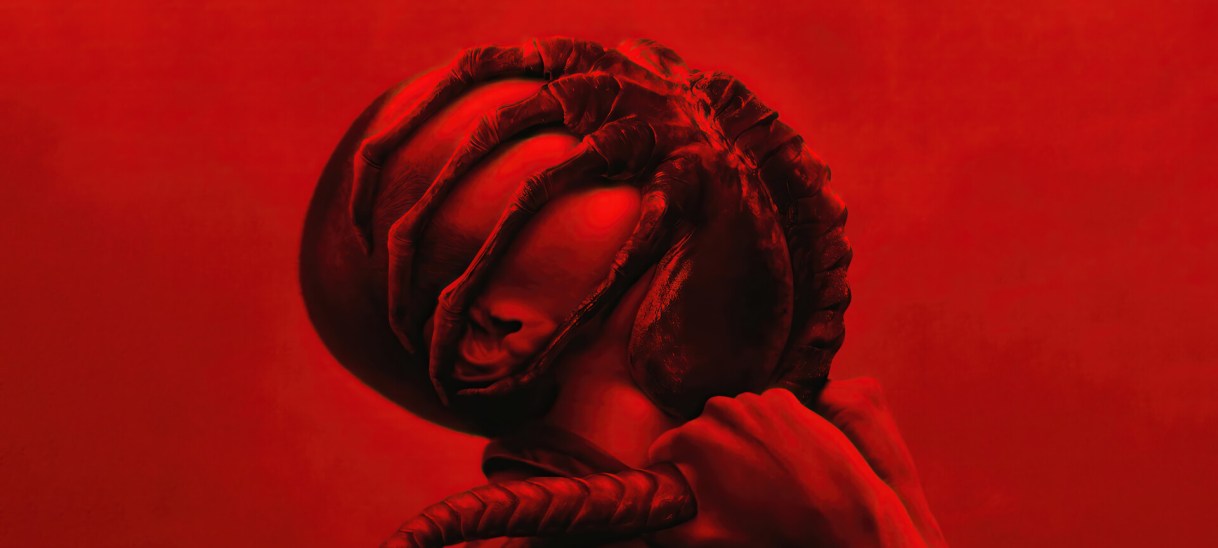
Lean, grimy, and seemingly unkillable, Fede Álvarez’s instalment in the enduring Alien franchise, Alien: Romulus (2024) is for the fans crying out for the return of true horror in a world that has moved towards epic myth-making with the return of creator Ridley Scott in recent years. Álvarez focuses on a smaller story, wedged aggressively between Alien (1979) and Aliens (1986) to cater to the ever-hungry IP crowd, over the wider original stories of Prometheus (2012) and Alien: Covenant (2017) that many audiences dismissed despite its impressive scale and profound ideas on the totality of the human experiment, for better and for worse.
Our entry point into the instalment is Rain (emerging star Cailey Spaeny) and her out-of-date android helper, lovingly referred to as her brother Andy (Industry’s David Jonsson). Rain is an overworked colony worker desperate to get off-world and see the sun again, something impossible to do in their small hellhole of corporate dystopia. When some old acquaintances show up telling Rain and Andy of a plan to take over an eerily decommissioned ship out in space, one with enough fuel to get to a planet with more opportunity and the chance to be in the sun’s rays again, they jump at it. Chaos ensues, as is always the case with those eerily decommissioned ships floating in space, isn’t it?
Cailey Spaeny and David Jonsson are brought in to reinforce the sparse dramatic moments of a film almost solely focused on its sci-fi horror architecture. In Álvarez, the franchise has looked to a true horror filmmaker to re-establish its roots as a lean, tin-box-floating-in-space creature horror, and to that extent, the film easily clears the bar. However, the film’s limited scope does mean its final swing of a final act (which will not be spoiled here) does not land with the energy and propulsion of earlier, more effective horror set pieces.
Cailey Spaeny in Alien: Romulus.
Cinematographer Galo Olivares is driven to capture the natural eeriness of vacant space stations, with its distressing orange and red warning lights a stark contrast to the stale greys seemingly close to being subsumed by the encroaching blackness. Through its committed cinematography and sound design, Alien Romulus feels at times like a more direct sequel to Don’t Breathe (2016) — Fede Álvarez’s breakout hit — than its actual sequel. While some key dramatic moments are undercut by a simple inability to see in crucial corners of the frame, the atmosphere created by these choices is the impressive engine that powers the entire ship.
The Alien franchise is maybe the best for creatives to work within as it operates as a sandbox for compelling filmmakers to experiment with the genre, a place where Álvarez thrives. The Alien films have excelled in its close quarters suspense, but styled in unique ways that have made each instalment feel fresh and alive. With Álvarez, Romulus returns to a more strictly low-fi haunted house in space space-style horror film, weaponising the claustrophobia that made the original film an instant classic.
However, by tying itself in many ways to Alien, Romulus falls between a rock and a hard place separating itself as its own work. While the script is lean and efficient in getting to the action, we are given sparing amounts of meat on the bone which becomes an issue for many horror films. Spaeny and Jonsson are terrific young actors who can do a lot with a little, but here even their most triumphant moments come through direct Ripley echoes, leaving no room to stand on their own.
Cailey Spaeny in Alien Romulus.
Fans of the deep lore of the long-spanning franchise will enjoy brief moments of service to the wider canon while never cratering its own narrative momentum, an issue more recent franchise stories have self-inflicted on their work. For fans of Roman history and mythology, the name Romulus can be used as its own entry point into the wider Alien mythos, as Prometheus (2012) did before it.
In a franchise that usually probes the depth of space to discover compelling ideas of humanity and our place within the wider universe, writing partners Álvarez and Rodo Sayagues instead delve into compelling depths of the inherent amorality of the mega-corporations that dictate the movements of humanity, and how AI is deeply entrenched in the amorality. These ideas are present throughout each Alien film, but with Romulus, they are highlighted and focused on as its primary directive. While not as emotionally enriching as the primal stories of motherhood and survival that were the heart of the Ripley story, Rain and Andy’s story is more than enough to compel us through this sci-fi horror, even if it won’t be enough to stand apart in the franchise.
Where the film attempts to stand apart, however, is in its wild swing of a final act, where Álvarez and Sayagues recall the much-maligned Alien Resurrection (1997) that will have audiences cheering and laughing in equal measure. Where the final of the strange 90s entry in the franchise leant of decades of emotional world-building of the Ripley character to a beguiling climatic choice, Romulus goes for a similar event but remains in the more core horror genre ideals that tie it closer to the original film. Álvarez’s horror roots were perfectly suited for this continuation of the original Alien, with its palpable tension rattling around a floating tin box in the vast emptiness of space.
The one-child policy of China casts a long shadow across Brief History of a Family (2024), a taut and beguiling debut feature from Jianjie Lin. After an incident at school sparks an unlikely connection, the shy and reserved teen Shuo (Sun Xilun) begins to spend more and more time at his more confident classmate Wei’s (Lin Muran) upper-middle-class house.
The first time Shuo enters Wei’s family home, he is immediately drawn to the large tree garden blooming out of the back window, his envy and wonder emanating off the well contained screen. In a mannered film like Brief History of a Family, where emotions and intentions are tightly contained, this moment shines brightly, working as a core grounding point the rest of the film is built upon.
As Shuo encroaches further and further into Wei’s family, the suspense and sinister undertones simmer at a low frequency, creating a palpable atmosphere that propels the story. The young boy quickly becomes the flower of affection for both of Wei’s parents, who are not given names in the film but are played wonderfully by Guo Keyu and Zu Feng. Their care and desire to help this teenager plays against the thriller style that Lin is seeping into every moment of the story, creating a wonderful contrast that makes for great tension.
Sun Xilun as Shuo in Brief History of a Family.
Lin’s camera and blocking choices are meticulously observed, wielded with a stern combination of remove and suspense that all the best modern thrillers embrace. However, when a filmmaker decides to withhold so much, an audience will begin to intensely scrutinise every morsel of information within a frame. The best thrillers can withstand this level of keen audience awareness, but most often the absence is felt.
With Shuo as the black hole at the centre of the frame, the film is barely able to support its own weight. The cinematography by Jiahao Zhang is deliberate and tense, accompanied appropriately by an abstract score by Toke Brorson Odin, which heightens the strong opening half of the film. However, all too often with indie thrillers that operate mostly on mood, style, and oppressive visual metaphors, the climax and resolution rarely reward the experience. The emotionality that Lin plays towards the conclusion of the film feels tepid and unrewarding, given the propulsive momentum and eerie suspense that takes up the majority of screen time. This is a delicate tightrope Lin is trying to execute in a debut feature, one that I’m sure will be more artfully handled in future projects.
That being said, Brief History of a Family’s conclusion does savvily leave you with more compelling ideas about the cost of oppressive government mandates like the one-child policy, and the impact it has on a family, from both the parents and the child. With a combination of strong performances and meticulous attention to suspenseful detail, Jianjie Lin’s debut feature will have you on the edge of your seat and questioning the next friend your kid brings home.
Beginning with a burn-chilling opening sequence that operates on a high level of performance, composition, and editing in only a few short minutes, Oz Perkins’ Longlegs (2024) creates an all-encompassing feeling of dread and paranoia from which there is no escape. With a claustrophobic boxed aspect ratio wielded with true maliciousness, the opening frames are the shocking jolt of electric current that flows through the rest of the film, which operates in a thrilling liminal space that will keep you destabilised.
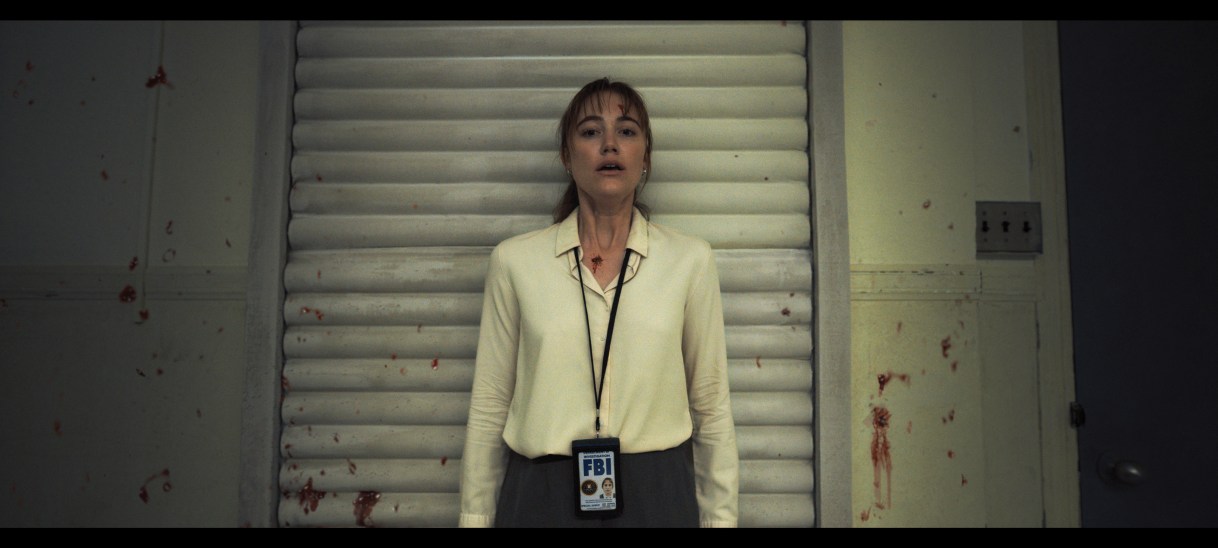
In blending serial killer procedurals with the existential dread of an unexplainable nightmare, Perkins’ internal genre mashup will surely frustrate and bewilder those on both sides of the horror spectrum. With its uncompromising vision and style, Longlegs opens up into a compelling exploration of familial abuse that will catch up to you in the days and weeks after in ways all too rare in modern horror. As a young FBI upstart, agent Lee Harker (Maika Monroe), put on the case of a serial killer who goes by (Nicolas Cage, weaponised to incredible effect), an unidentifiable killer of young families who has operated for decades. With her new partner Carter (the terrific and unheralded Blair Underwood), Lee must uncover and decrypt a series of seemingly occult clues, some seemingly linked to her life, to catch Longlegs before he targets another family.
For the crime procedural lovers, all the serial killer staple moments are here: suspenseful walks through suburbia, a tense microfiche scene in a library, and deep dives into the cult and religiosity, Longlegs has everything you could want from a modern-day homage to Silence of the Lambs (1991) inside the overused ‘elevated horror’ branding that infers hyper-considered compositions and atmosphere over ideas.
Maika Monroe in Longlegs.
This has been Perkins’ issue in the past, with the son of legend Anthony Perkins and Berry Berenson putting image over story and script in his previous work, Gretel and Hansel (2020) and I Am the Pretty Thing That Lives in the House (2016), but has broken through with easily his best script in Longlegs. The film is wider ranging and more compelling than recent entries in this new wave of American horror. Films that want to explore deep rooted causes of horror like child abuse and extreme religiosity but have no appetite to get into the true heart of this evil, something Perkins is keenly focused on conveying honestly and potently.
On the dread-inducing serial killer axis, Longlegs finds itself tightly drawn to David Fincher’s Seven (1995), with its internal focus on our central characters’ world and the encroaching evil building up around them. While his presence, and particularly his face is often obscured by the frame, Longlegs lingers in the psyche of its characters and the audience. Played with his customary intensity and ferociousness, Cage excels in limited time like Darth Vader’s limited but outsized presence in Star Wars (1977).
Lee is a fascinating character, played brilliantly — although is sure to be divisive, similar to how the performance of Justice Smith in I Saw the TV Glow (2024) has been judged — by modern horror stalwart Maika Monroe, who has as much anxiety meeting her partner’s daughter as encountering a horrific murder scene. The world weighs heavy on her mind, and Monroe gives her a level of dissociative tendencies that are incredibly difficult to portray on screen and in lesser hands would’ve derailed the film. This makes Longlegs‘ true beguiling mystery, and the beauty of the script comes from its ability to strip away Longlegs himself, leaving us compelled by the mystery of her story, the true engine of the film.
Longlegs as a film lingers in the corners of frames with the patient tension of a spider, as Perkins and cinematographer Andres Arochi revel in having an audience’s eyes dart from every inch of their considered and restrained frame that stretches out into eternity. Even in tense, quick-motion sequences, we cannot help but peer over the shoulder of Lee (which takes up two-thirds of the frame), expecting the worst in every moment.
Maika Monroe in Longlegs.
Weaponising its extreme wide lens to a chilling effect, the film sucks Lee into the frame, increasing the opportunities for the menace and dread to creep in and linger. In modern horror, a tight perspective is often given to our protagonist, heightening the tension by playing with the fantasies of the audience of what lurks beyond the frame. In Longlegs, by extending the frame outwards, in both tense scenes and in standard dialogue moments, we are instead led to explore our fears head on, even as the film plays out in a more elegiac and liminal way.
With a work of mounting dread, the inevitable climax is unique but crucial to the final impact that can be felt days and weeks later. The greatest work of insidious evil and its unexplainable nature is Kiyoshi Kurosawa’s masterpiece Cure (1997), which operates in plain sight but questions what is capable within the banality of human life. With Longlegs, Perkins decides instead to spend the final moments explaining the hows and whys of the story, turning all the lights in a house we’ve been too scared to walk around at night, believing that the true lasting impact will be felt after these capital R revelations, not prior.
The closing 10 minutes are overwhelming, and the tensest you’ll feel in a theatre all year, but one can’t help but feel a more ambiguous ending with a tight grip of evil that propelled the entire experience would’ve lingered longer in the memory of its audience. This decision to enlighten that which was kept in the dark, while removing a juicy level of elusion to reward feverish rewatches, does allow the true meaning of the film in the case of Lee’s familial story and how Longlegs operates as an outsized metaphor within it. The fact this sharp decision can easily be argued on either side shows how evocative a story Perkins has been able to tell.
What we are left with is a deeply fascinating work of modern horror from an emerging artist, one that can work both inside and outside the trappings of where the genre finds itself in the 2020s. Flanked by a great ensemble of Monroe, Cage, Alicia Witt, and Underwood, with quality craftspeople across the production, Longlegs is a nightmare born into reality, with a level of tension that is overwhelming, adding to the top of what is shaping to be an excellent year in horror.
Fly Me to the Moon preview screening provided by Sony Pictures.
As far as films about space go, Fly Me to the Moon is about as far from the launchpad as they come —which is not to say there isn’t a takeoff. Set against the backdrop of the 60s, specifically around the Space Race, Greg Berlanti’s (director of 2018’s Love, Simon) film mixes romance with rockets, focusing on one of mankind’s greatest achievements in the man-finally-meets-moon Apollo 11 mission, while throwing Scarlett Johansson and Channing Tatum in the mix to see how they bounce off of one another. There’s a sincere, if not contrived aura about Fly Me to the Moon; in other words, it’s incredibly playful, sometimes to its own detriment.
Johansson plays con artist advertiser, Kelly Jones, whose successful career is noticed by the Nixon administration and one of their shady executives, Moe Berkus (Woody Harrelson). Moe commissions Kelly to sell the moon landing with her advertising chops. On the other side of the coin is Cole Davis (Tatum), a NASA employee and veteran who oversaw the tragic Apollo 1 mission. Their paths briefly cross in a flirtatious happenstance at a diner, one they thought was just a once off, before they realise they’ll be spending more time together.
Berlanti’s film is surprisingly clever, taking the conspiracy ideas behind the Apollo 11 mission and working them into an original script that satirises this notion playfully. But more than that, Fly Me to the Moon (though too long for its own good) makes good use of its two leads who effortlessly bicker and banter amongst all the turmoil around the launch. In particular, Johansson commands the screen, playing the part with the same zest and reverence for the time as in Asteroid City (2023), proving she could be warped back to the 1960s and fit right into the classic Hollywood setting.
Kelly Jones (Scarlett Johansson) and Cole Davis (Channing Tatum) in Fly Me to the Moon.
It’s almost bemusing that a film like this would cut past streaming and land on the big screen, not because it isn’t deserving of it, but because it seems like a hard sell —even with the Johansson/Tatum pairing. While the Apollo 11 mission was a big deal at the time, it’s easy to see audiences struggling to stay with it for 132 minutes. Characters like Lance (an unsurprising scene stealer in Jim Rash) and Moe inject energy when the pace starts to falter, giving moments like a sequence around building a fake Apollo 11 stage, a much needed boost.
While still a stud at 44, Tatum doesn’t completely bring the same flair as he does in the Magic Mike films or Logan Lucky (2017). His character is there to bear the weight of deceit from Kelly, but he often plays in Johansson’s shadow, even with their enjoyable jabs, serving more as a weight that levels her character out when she’s reaching for the stars faster than others.
Fly Me to the Moon does come at an interesting time though, where conspiracies and disinformation, truth and reality, are as distorted as ever. Though it doesn’t necessarily usher the audience to think a certain way, Berlanti’s film offers food for thought for those familiar with the controversy around the moon landing, and an interesting foot in the door for those that never paid it any mind. It doesn’t quite hit the landing it hopes for, but it’s not short on fuel.
Fly Me to the Moon opens nationally from the 11th of July.
Set in the glaringly inhospitable north of Denmark in the 18th century, The Promised Land (2023), is a period drama that could’ve easily slipped into historical mad-libs. But, through a nuanced script by director Nikolaj Arcel and Anders Thomas Jensen based on the 2020 novel by Ida Jesson, we are given an easily digestible and consistently compelling epic through a real focus on character interiority. Mads Mikkelsen, with a weathered face as sprawling and inscrutable as the sparse Danish countryside, captures our attention within every frame of the film that too easily could’ve faded into obscurity without his brilliant performance.
The heath, a term for the impenetrable countryside in northern Denmark is where we find ourselves. A land with murky jurisdiction between the Danish king and local landowners, recently retired army captain Ludwig Kahlen (the formidable Mads Mikkelsen) seeks to gain permission to farm this impossible land and in return, gain land ownership and an estate. A uniquely humble period drama, The Promised Land succeeds in the grounded, universal story of perseverance and cultivation that ties us to our global history.
This is an environment we don’t often see Mikkelsen in, as the lower-born striver amongst the bourgeoisie. He is in a more anxious state than the revered actor is used to, placing his weathered face amongst the terse and difficult countryside cultivating anything that will uproot him into a higher station.
Mads Mikkelsen and Gustav Lindh in The Promised Land
A film that reflects its brooding and unsettling environment in its subject matter and style, The Promised Land still finds new pockets of period cruelty in a tense scene at the local magistrate and estate owner Frederick’s (Simon Bennebjerg) ball, highlighted by the capture and horrible torture of a runaway alongside a children’s choir. Up until this point, Frederick is seen as petulant and weak, but in this moment the world Ludwig seeks to establish himself in is realised. Bennebjerg’s performance is a great counter to Mikkelsen’s resolve, matching his severe expressions with those of an adult toddler with too many toys at their disposal.
The Promised Land pairs closely with the modern masterpiece There Will be Blood (2007), albeit with a more classical Western approach to striving protagonists combating the established power structures. While not on the same artistic level as the Paul Thomas Anderson film (few new films are), The Promised Land thrives in its modesty, propelled by its strong ensemble cast highlighted by Mikkelson and Amanda Collin as Ann Barbara, an indentured farmer who fled the cruel Frederick’s reign.
But this is not just a film about farming and potato rustling. This is a rare modern period film that actually explores the role of faith, both in religion and in the monarchical institution that Ludwig wields as a symbol of righteousness amongst chaos. These are complicated, compelling ideas to show in a grounded way, and by focusing on the individual humanity on display over the broader concepts, you see both modern life and history at once, deepening the experience.
Mads Mikkelsen in The Promised Land
The revelation of Ludwig’s trump card in this land and farming war is the lowly and persistent potato is a charming one and well reflects the character’s stern resolve in his ambition, no matter the origin. The Danish winter is harsh with only the slightest glimmer of hope coming through the promise of spring that ties us physically and emotionally to this enduring farming tale of perseverance. The cinematography by Rasmus Videbæk is beautiful in its landscapes and use of natural lighting with a focus on fire while maintaining a groundedness that can too often be lost in these more natural environments.
The casting of Mikkelson is of course integral to the production of the film, but it does alter how the narrative unfolds. As one of the great unflappable performers working today, Mikkelson always appears entirely in control of his situation, with his desire to lift himself into a higher station an inevitability. His age also complicates the story, as the character of Ludwig on the page appears a more youthful character out of the army (there is a line in the opening scene informing us that Ludwig is recently retired that seeks to explain away his age) and eager to establish themselves with money and land, but at his more advanced age, the man Mikkelson portrays appears to be on his final attempt at making a life for himself. Whether intentional or not, this creates a weight of sadness and desperation that becomes the lifeblood of the film.
Through a well realised ensemble headlined by the great Mads Mikkelson, The Promised Land is an honest and compelling period drama set in a unique world that is still close to home. With its grounded farming story and classic Hollywood western narrative of a single, wandering force upsetting the local power structures, we are placed on familiar ground, allowing us to be swept up into this formidable drama.













 Rating Frames