The Room Next Door preview screening provided by Sony Pictures.
The blurred lines between long-term friends, and lovers, and the rapid progression of time once a career begins to slow have become legendary Spanish auteur, Pedro Almodóvar’s, chief fascination in recent years, percolating and expanding in unique ways that complicate his melodramatic stories. With an extensive filmography of Spanish melodramas and knotty adult dramas spanning almost 50 years, Almodóvar is exploring a new world of cinema with his new Golden Lion-winning feature The Room Next Door (2024); his first English-language feature film and only his third work of adaptation.
After learning of a recent cancer diagnosis from an old friend, novelist Ingrid (Julliane Moore) rekindles the relationship from her youthful days at a magazine with war correspondent Martha (Tilda Swinton). In light of this diagnosis, the rekindled friendship forms a compelling inseparability, tying the melodrama to some probing ideas on the connection between relationships of all kinds and the presence of death. This friendship is immediately pressurised as Martha decides she doesn’t want to continue treatment, instead acquiring illegal medication to end her life on her own terms, in a secluded house in Upstate New York, with Ingrid accompanying her in the room next door. While not always effective as a knotty dramedy, The Room Next Door is a worthy modern entry in this new phase of Almodóvar, a singular voice in cinema.
Merging a cinematic melodrama inside of an Edward Hopper-influenced (including a centrally placed painting for maximum impact) backdrop shouldn’t sing this harmoniously, but Almodóvar makes it look like breathing. In his first non-Spanish-language feature (after his uneven but charming short Strange Way of Life from last year), Almodóvar’s passion for American literature is evident. However, the chasm between his Spanish lyricism and his English translations flitters haphazardly throughout the film. Like panning for gold in a murky riverbed, The Room Next Door contains beautifully poetic moments of humanity in the face of the end, while many other lines and whole scenes fall flat.
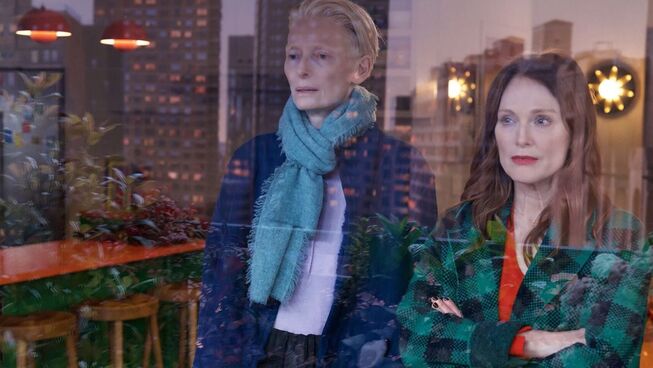
Tilda Swinton and Julianne Moore in The Room Next Door.
Luckily, the film is kept afloat by two of the best working actors and the best candidates to shepherd the Spanish auteur’s unique form of melodrama into the English language. Moore and Swinton are extraordinary together, quickly adapting to the certain quirks and manners that make Almodóvar’s style stand out in modern cinema. While the film relaxes into its story slower than his previous films, no doubt a complication from this being his first feature in English, its unique blend of offbeat humour and all-encompassing melodrama creates a luscious bedrock to lay in the sun with.
Even with the film adapted from the 2020 novel What Are You Going Through by Sigrid Nunez, The Room Next Door is a spiritual sequel to Almodóvar’s brilliant and tangly Pain and Glory (2019). While not as successful as the Antonio Banderas-led dramedy that operates achingly close to the auteur’s own life, The Room Next Door still excels in exploring contemporary ideas of loss and death in an increasingly uncertain world. In the second half of the film, fluttering between climate change doomsday scenarios brought on by John Turturro’s character Damian — an environmental academic and a previous lover of both Martha and Ingrid — and the criminal coverup necessary to keep Ingrid legally protected from Martha’s assisted suicide plan, is a rush of blood to the head, expanding this seemingly intimate story about two friends into a wider conversation about modern living. While unsuccessful in bridging this gap between late-stage friendship scenarios and the crushing weight of contemporary concerns, Almodóvar’s style still makes for an engaging and breezy ride through Upstate New York.
A final poetic choice involving Swinton’s daughter Michelle will be divisive, simultaneously poking holes at the film’s clear eyed look at death while also exploring notions of interpersonal legacy in moments of tragedy. Much like Pain and Glory, Almodóvar has given audiences a full meal to chew on for years to come.
The Room Next Door is in select theatres Boxing Day.
Sonic the Hedgehog 3 preview screening provided by Paramount Pictures
If Sonic the Hedgehog (2020) introduced audiences, both new and old, to Sega’s speedy blue gaming icon, and Sonic the Hedgehog 2 (2022) brought with it deeper lore surrounding the Sonic universe (like Chaos Emeralds and wider characters), then Sonic the Hedgehog 3 (2024) is the sum of those parts. At once taking the fun and action to new heights (literally) as well as introducing more new characters and doubling older ones up (even more literally), the third entry in this ever growing series —which has churned out three films in five years— continues the zoomy momentum by pulling out added franchise goodies and showing no signs of slowing down.
Returning to the director’s seat is Jeff Fowler who seems to have found his groove with these films, directing them like pop culture pinball machines, however the spiritual core of them resides with Pat Casey and Josh Miller whose script finds a unique blend between action, comedy and emotional intelligence that breathes life into this revered franchise for the big screen —meaning everyone can get in on the fun.
All that said, Sonic 3 is more interested in going bigger at every turn. Sonic (Ben Schwartz), Knuckles (Idris Elba) and Tails (voice acting veteran, Colleen O’Shaughnessey) are finally the trio the series has been building them out to be and face a new threat in the form of Shadow (an aptly cast Keanu Reeves), a darker hedgehog who harnesses chaos energy that renders him dangerous and unpredictable. He comes into the picture almost instantly after breaking out of prison following 50 years of controlled sedation (with more of his backstory slowly unraveling).
Shadow (Keanu Reeves) in Sonic the Hedgehog 3 from Paramount Pictures and Sega of America, Inc.
From there, the movie fires on all cylinders, with Fowler’s kinetic approach to direction and the haphazardness of the editing really coming together to keep from any real moments of respite. We get chases throughout Tokyo, a Mission Impossible esque climax in London and a battle outside of Earth’s atmosphere — it’s an accelerated experience, but one that never threatens to become anything less than mindless, popcorn fun.
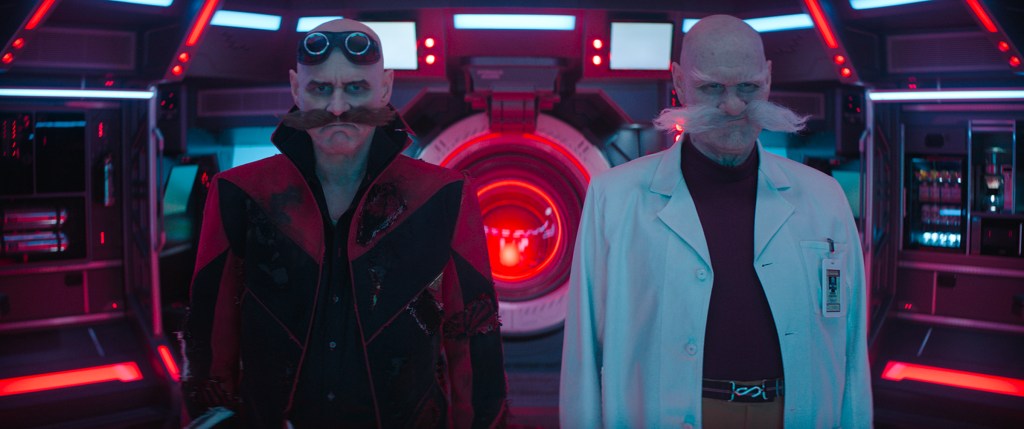
Speaking of fun, Jim Carrey is the standout here, playing two characters this time around: Dr Ivo Robotnik and his grandfather, Gerald Robotnik. Carrey steals every scene he’s in and is at the top of his game as he brings his whole overzealous being into the performances, using every trick in his book of physical humour to give these characters their own special place in the Carrey-verse of whacky weirdos. Whether it’s the whimsical banter and affection Ivo shows Gerald, the grouchy, bad-Santa esque vibe that Gerald exudes, or simply the floor crawls and random dance breakouts — Carrey is clearly having a ball and is reason enough to see the film.
Jim Carrey as Ivo Robotnik and Gerald Robotnik in Sonic the Hedgehog 3 from Paramount Pictures and Sega of America, Inc.
There are other returning faces as well, namely in the form of Tom (James Marsden) and Maddie (Tika Sumpter), but like the humans in the latest spate of MonsterVerse films, they’ve really become more like a distraction rather than an addition to proceedings. Fowler uses Tom as an emotional bridge between Shadow and Sonic, to show they’re both fighting for the same thing (those they love, or the memory of those they love), but the film is at its boisterous best when it focuses on the fun and games.
For a trilogy of films that started off on the wrong foot with that atrocious initial Sonic design, to see just how well it’s recovered and continues to be received is a testament to the heart that Fowler and the rest of the cast and crew have poured into the franchise. Whether you take a liking to the Sonic universe or are just looking for something to see over the holiday season, Sonic 3 is the perfect family film with enough humour to not feel overbearing and enough action to keep you on the edge of your seat.
Sonic the Hedgehog 3 spins into cinemas from Boxing Day.
Mufasa: The Lion King preview screening provided by Disney
When word first came that Barry Jenkins’ next project after his hit mini-series The Underground Railroad (2021) would be an origin story about Mufasa from The Lion King (1994), it’s safe to say that there were some brief head-scratch moments. After all, Jenkins hasn’t really had a miss in his filmography and there are always doubts when it comes to beloved IP taking similar or new directions. Mufasa: The Lion King (2024) is no Moonlight (2016), but it does offer a new light on one of Disney’s most celebrated animated characters, bringing his story (even if James Earl Jones’ iconic voice is no longer with us), to life on the big-screen.
From early on, it’s safe to say that Jenkins didn’t really have too much leg room to stretch out to, with the world of Mufasa being rooted in the Pride Lands of Africa. In that sense, his options were clearly limited in terms of scope and the type of origin story he could tell about a lion rising up through the ranks. In this way, Mufasa takes a bite out of The Lion King‘s notebook by focusing on a tragic event in the form of a flood (told through a flashback sequence by John Kani’s mandrill, Rafiki) that would shape cub Mufasa and inform his life thereafter.
In the same way that his son Simba (Donald Glover) would be forced to reconcile with his situation of loss, Mufasa (Braelyn Rankins, later Aaron Pierre), too, is adopted, not by a warthog or meerkat but by a new pride some distance away from his old one. Key to his success in being accepted in that pride are Taka (Theo Somolu, later Kelvin Harrison Jr.) and his mother Eshe (Thandiwe Newton), much to the disdain of their father and husband Obasi (Lennie James), respectively.
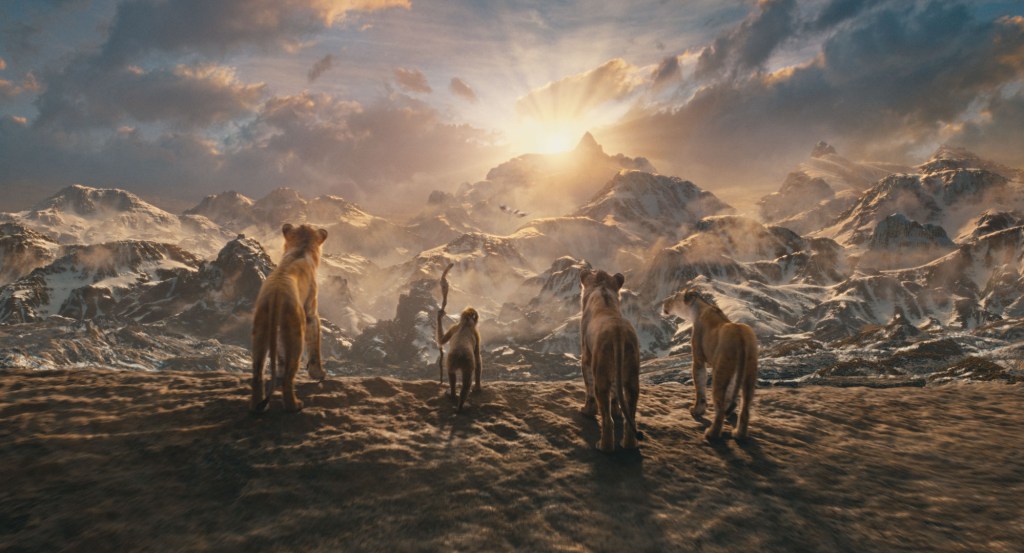
(L-R): Taka (voiced by Theo Somolu) and Mufasa (voiced by Braelyn Rankins) in Disney’s live-action MUFASA: THE LION KING.
What ultimately tests these lions’ ability to act as a cohesive pride is a competing white pride of lions, led by Kiros (Mads Mikkelsen). It doesn’t take long for Taka and Mufasa to find themselves on the run, though, as they seek out Milele — a land deemed a fantasy. This journey between the step lions is where Jenkins aims to mine the emotional core of the film, testing the strength of their relationship by throwing in a love triangle with a lioness, Sarabi (Tiffany Boone), and really looking to flesh out what it means to be a “king”, whether it’s a birth right or something to be fought for and earned.
This brotherly tussle is what really holds the film together during moments where it threatens to nosedive, especially in the late second act as it brings in twists and starts to lay the groundwork for motives in The Lion King. The biggest hurdle, however, in a film about life-like lions who talk and sing, is building that connection to these characters, a shortcoming that marred Jon Favreau’s 2019 remake. As far as the technology has come since Favreau’s film, photorealistic lions just don’t have the same expressiveness as animated ones, especially when you consider the 1994 animation has aged gracefully while the 2019 remake hasn’t, and it’s only been five years.
Lin Manuel Miranda also seemingly swapped Moana 2 (2024) for Mufasa, with songs that are identifiable to him but similarly to Moana 2, fall short in creating memorable moments that will stick in your mind.
(L-R) Mufasa (voiced by Aaron Pierre), Young Rafiki (Kagiso Lediga), Taka (voiced by Kelvin Harrison Jr.) and Sarabi (Tiffany Boone).
The added element of having Rafiki do a retelling can also feel jarring at times, especially as it pulls you out of the story he’s trying to recite which interrupts the flow and pace. Most of us know what happens to Mufasa and who Taka eventually becomes, so that’s the least surprising thing about this film, but keeping us anchored to their journey and to the vistas of the Pridelands would have saved the filler scenes from being exactly that.
The Lion King‘s idea of the circle of life is about finding balance and harmony, something Jenkins’ film takes and glosses over in a similar light by creating a state of imbalance and power struggles that have to be overcome. In fact, most of Mufasa is a gloss over, sometimes for better (the visuals are still more refined than its live-action predecessor) and sometimes for worse (the retreading of old ground amidst the new ground covered, a shortcoming Moana 2 also suffers from). As a prequel, Mufasa makes sense (even if Jenkins’ involvement is bemusing) and it gives a welcome insight into one of Disney’s most beloved characters, coming full circle in the process.
Mufasa: The Lion King opens nationally from the the 19th of December.
Nosferatu preview screening provided by Universal Pictures.
When you enter the world of Robert Eggers’ films, you are immediately placed within a space through a remarkable tactility. The old wooden walls of an estate have a smell, the dim candlelight dining halls have an air of repression and melancholy, and none of the performers carry with them the weight of modern knowledge (his actors rarely display an awareness of what an iPhone is which derails many modern period films). When you enter the world of Eggers’ Nosferatu (2024), you succumb to his whims just as the characters succumb to the enticements of the ghoulish Count Orlok (a never better Bill Skarsgård).
Adapting a 100-year-old film that defined all horror storytelling that came afterwards shouldn’t feel as comfortable as it does for Eggers and his creative team (highlighted by the extraordinary cinematographer Jarin Blaschke), but after three successful features steeped in immense period accuracy and style (2015’s The Witch, 2019’s The Lighthouse, 2021’s The Northman), Nosferatu feels like an inevitable next step for one of America’s most unique cinematic voices.
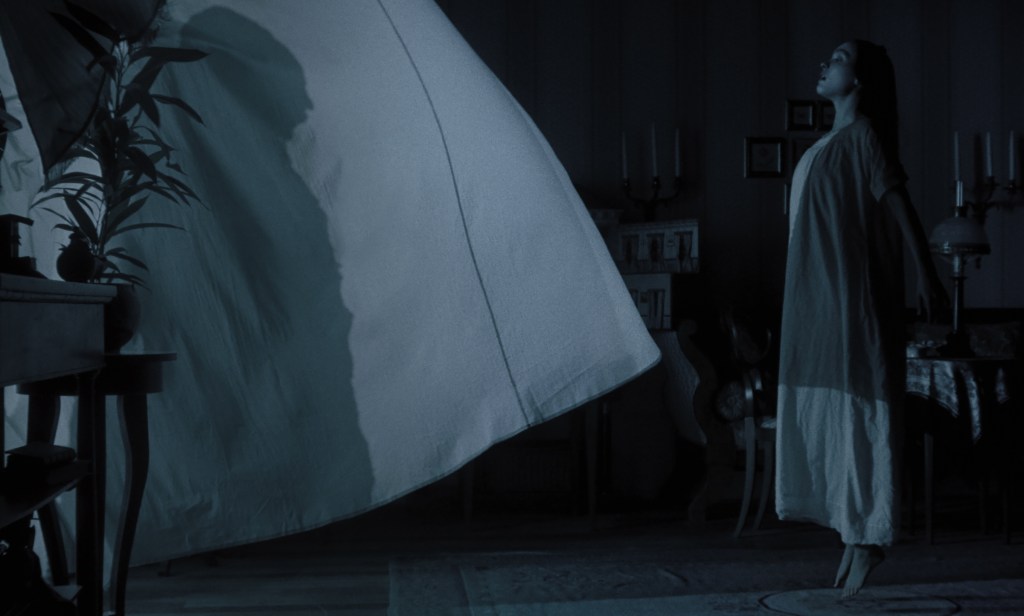
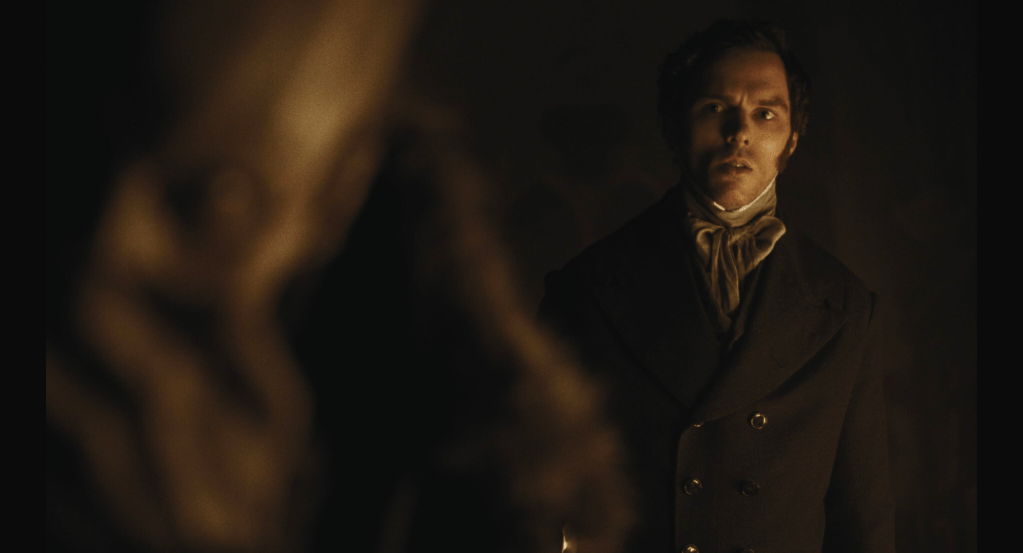
For those not up to speed on the Nosferatu story, originally an unauthorised adaptation of Bram Stoker’s Dracula novel in 1922, we follow newlyweds Ellen (Lily-Rose Depp) and estate agent Thomas Hutter (Nicholas Hoult), in 1838 Germany. Thomas is sent on a journey to Transylvania to secure the signature of the elusive Count Orlok, who is keen to purchase an old estate in town. Ellen pleads with her husband not to leave, sensing doom is quickly approaching them, a foreboding presence that she has carried with her most of her life. From the beginning of this updated version of the story, Ellen’s dark connection to Orlok is apparent, working as the film’s greatest strength. This key narrative propulsion is born from the silent era film’s greatest weakness, a focus on Thomas’ journey, eclipsing Ellen’s more internal struggle with the Count.
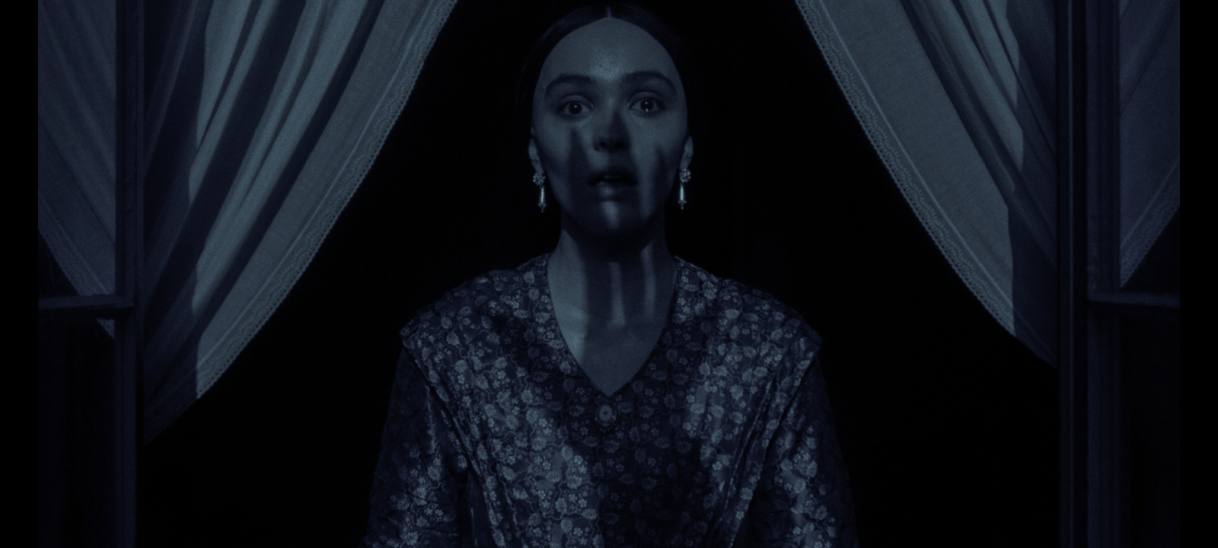
Lily-Rose Depp in Nosferatu. Credit: Courtesy of Focus Features
This focus on Ellen’s perspective and melancholy is felt even as the film shifts to Thomas’s trek to find the castle, an extraordinary sequence, propelled by both what he seeks and what has been left behind. Depp is incredible in the difficult role of Ellen, balancing her temperament seemingly as both possessor and possessed, with deep references to the genre-defining performances of Isabelle Adjani in Possession (1981) and Linda Blair in The Exorcist (1973). A performance of writhing spectacle that administers an impressive restraint when needed, wielding Eggers’ impressive ability to pen alluring scenes with no simple destination as well previous muses Anya Taylor-Joy (The Witch) and Robert Pattinson (The Lighthouse).
At the heart of this adaptation which is wholly absent from the previous two Nosferatu films is the seductive lure of the abyss that would have Nietzsche bursting out of his crypt like the Count. While the central tenet of the Nosferatu story is the psychic seduction that gives the Count power over those susceptible, a transformation is always an integral component, something Eggers removes here in place of Skarsgård’s increasingly terrifying presence.
The tightly held secret of Bill Skarsgård’s appearance as Nosferatu will not be spoiled here, just know it is worth the lock and key. Leave it to the obsessive Eggers to design a memorable and period-accurate depiction of Count Olak that expands on the original and Werner Herzog’s adaptation in 1979. Skarsgård’s count is slowly demystified across the film, creating a surprisingly destabilising experience. As an audience, we are so accustomed to the legendary character hiding and weaponising the shadows, which does occur in several key sequences in the film. Still, here, Count Orlok is brought more and more into the crisp moonlight, revealing the humanity underneath the creature of the night.
Nicholas Hoult in Nosferatu. Credit: Courtesy of Focus Features
Where the original film exploded the medium while also speaking to the modern reality of the Spanish Flu of 1918, Eggers opts instead to entrench himself in the imagery of the past. More than any of his other works, Nosferatu is a work of pure escapism, cementing the auteur as a formalist filmmaker whose worldview is tightly withheld from the work.
A filmmaking collaboration that extends environs into a three-dimensional cinematic space, Eggers and Blaschke evoke the very smells and textures that transform a text from period-accurate to fully inhabited. The film’s guiding light is Jack Clayton’s The Innocents (1961), a masterpiece in gothic literature adaptation that evokes a spellbinding atmosphere through its mixture of production design and cinematography. With its flowing curtains and long candlestick-lit hallways that invite a menacing darkness, Eggers’ Nosferatu is bringing the tentpoles of gothic storytelling to a new generation.
Gothic horror is deeply connected with the Gothic romance genres, and while the faithfulness to the original texts is admirable, it is in this expansion into other forms of gothic storytelling that Eggers’ iteration breathes new life. Through Depp’s singular performance at the heart of the film, we are compelled through the romance and horror that lurks in the shadows of every room, arriving at a near-operatic finale that never loses the wry humour that permeates through the filmmaker’s work.
However, it’s hard not to feel Eggers playing it safe across every moment of Nosferatu. Masked beneath the comfortable walls of period storytelling that rarely escapes the snowglobe-like structures he crafts in his work, it is difficult for the pangs of concern to creep in that one of America’s great craftsmen avoids the contemporary human moment like the plague. Whether it is fair to critique this absence or not, the feeling lingers.
It is perhaps too much to ask of a filmmaker so equipped in transportational genre storytelling that allows you to smell the musk of an old library or the menace of an encroaching evil in your very marrow. Still, there is a level of artistic safety that is palpable throughout the film, leaving one aching for a little more dare and bite.
Upon rewatching Moana (2016) the other night, I was reminded just how special a place that film occupies in Disney’s catalogue of releases: it both captures and celebrates Polynesian culture so sincerely while at the same time offering a fresh spin on Disney’s heroine-oriented stories by avoiding becoming another princess film with tropes we’ve seen countless times over. Moana 2 is fine, but I found myself scratching my head throughout, not because I felt like there wasn’t an interesting adventure to be had, but because this adventure feels like it has been had.
After a thick-of-the-action opening where we find Moana (Auli’i Cravalho) scouring a cliff face in search of signs of other tribes and people, it doesn’t take long for the sea to once again call Disney’s beloved Polynesian not-princess, to its aid. There are no Lin-Manuel Miranda tunes to propel her forward this time around, with the Hamilton creator opting not to return for a second stint, but rather a vision from an ancestor that shows a new destiny — to seek out a lost island that would connect all the peoples from the near beyond.
To do so, she will have to overcome an ancient god, Nalo (Tofiga Fepulea’i), who has put a curse on the island, but first she has to find it. Of course, it wouldn’t be an adventure without her trustee demigod buddy Maui (Dwayne Johnson), who has found himself entangled in his own mess and needs saving. The duo will see themselves accompanied by old and new crew members alike, like the single brain-cell chicken and her porky friend.
Still from Moana 2
As sequels tend to go, bigger always seems to be the preferred option, otherwise you’re just treading old ground, right? While going bigger is what Moana 2 naturally has to do, what makes the first film so special is that it is an intimate film of self-discovery, of venturing into the unknown and realising your destiny. In expanding the second film, both in terms of characters and action on the screen, Dana Ledoux Miller, Jason Hand and David Derrick Jr.’s film sacrifices intimacy for a more generic storytelling approach.
That’s not to say that Moana 2 isn’t filled with thrills and spills: there’s a wider array of monsters, the set pieces are more rampant, the animations are the highlight as always, and there’s just more happening on the screen. Moana has also embraced the wayfinder lifestyle and doesn’t hesitate to seek out adventure, so there has been deeper character development on that level. It makes sense from a storytelling point of view to throw her into the deep end and have more to do and overcome. However, I couldn’t help but feel that that’s not what this story needed, especially when the first film was such a perfect standalone that at once pulled at your heartstrings but would also throw in a Jermaine Clement crab curveball every now and then to keep you on your toes and smiling where it counts.
The biggest fault in a film about going bigger and louder is that it’s often looking back to do so. Most of the humour banks on similar punchlines to the first film like constant cutaways to the chicken either picking at something or screaming, while the songs themselves by Abigail Barlow and Emily Bear don’t have the same flair or catchiness to Miranda’s, even though they’re very much striving to land in the same way. Kakamoras (those cute little coconut people) once again make an appearance, and it’s one of the better highlights of the film as they team up with Moana and co to take down a large clam-shaped mountain. In trying to offer something new, the directors have looked back in large part, and when they have offered something new, it hasn’t left a lasting impression.
Maui (Dwayne Johnson) in Moana 2
One such new offering is the villains (if we can call them that) with Nalo, and to a lesser degree Sina (Nicole Scherzinger). They’re two characters who serve less as villains and more as obstacles to overcome, and they’re offered little development and motive, with Nalo in particular whose whole shtick is he hates Maui and humans and wants to keep the island of Motufetu away from their grasp.
Moana 2, like most of Disney’s films, is a children’s movie first, one with adult themes that cater to audiences young and old, second. The child in me was having a ball for the most part, but also trying to find something to cling onto beyond the fun and games (or that second part), and that’s been my general sentiment towards some of these films in recent times. With the cliffhanger the film ends on (make sure to stay for the post-credits scene!) the second film always felt like a shoehorn for more to come, especially with a live-action remake of the original in the works. While I’m always dubious about such directions, the Moana IP is still rife with joy and potential, and it’s always a pleasure to see Polynesian culture still continue to be represented and resonate with audiences.
Moana 2 opens nationally from the 28th of November.
Gladiator II preview screening provided by Paramount Pictures
Some might say that retracing your steps is a copout, a way of looking back rather than forward. It’s why a film like Blade Runner 2049 (2017) is just as revered as the original, because it went with a new direction courtesy of Denis Villeneuve while remaining faithful to the ethos of the original film. But in the same way that JJ Abrams treaded old ground while elevating the look and feel of an iconic IP with Star Wars: The Force Awakens (2015), so too does Ridley Scott in Gladiator II (2024), his sequel to his critically acclaimed Gladiator (2000).
Gladiator stood out for many reasons, not least because it won Russell Crowe a rightful acting Oscar, but it also represented the merging of the old with the new, practicality with increased digitisation. It paved the way for films like Peter Jackson’s The Lord of the Rings trilogy and Gore Verbinski’s Pirates of the Caribbean trilogy, films that we now look back on with reverence because of how they combined scale (in setting, in action etc.) with those close, intimate moments of characterisation and the human condition.
Gladiator II doesn’t stray too far from the path of the original film, going so far as to retain the meagre visual effects, but it speaks to an era of filmmaking that caught audiences by surprise for all the right reasons.
Scott once again transports audiences back in time to arena battles, slave trading and overly pompous rulers. There’s no Maximus anymore but his presence is still felt. It’s Lucius (Paul Mescal), however, who, after attempting to defend his home in Numidia before it’s besieged by Roman battle ships, finds himself back in Rome as a captive years after fleeing from those who would have seen him killed.
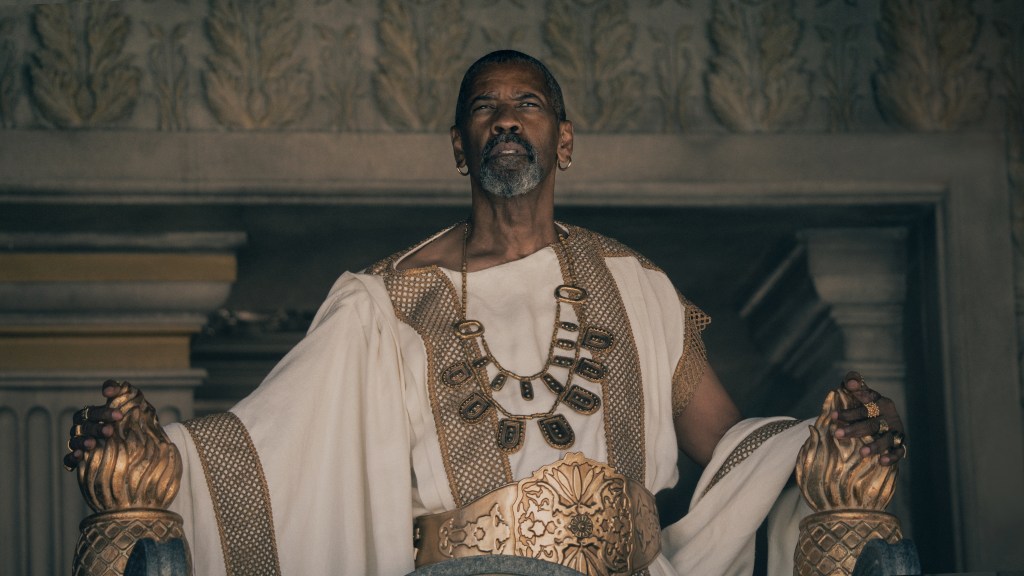
Denzel Washington as Macrinus in Gladiator II.
Lucius, like Crowe’s Maximus but via different circumstances, is forced to reconcile with his destiny to restore order back to a Rome that’s being ruled by two incompetent emperors. It takes some time to get to that point though as he’s put through his paces in a brutal bout with enraged CGI baboons, impressing a slave trader in Macrinus (Denzel Washington) who buys him for his prospects in the gladiator arena.
If that all sounds familiar it’s because Scott has repurposed the plot of the original film and doubled down on everything from flashier set pieces to a wider array of production elements and even more CGI. There’s a great deal of fan service in this film in the same way that the aforementioned The Force Awakens or even Alien: Romulus (2024) cater to returning audiences.
There’s nothing inherently wrong with this approach, especially when an actor like Washington revels in his snakey, almost Baelish-Game-of-Thrones-esque approach to proceedings while delivering lines like Robert McCall if he lived hundreds of years ago (“gimme the bow”) — you just can’t quite read him. Even more than that, this genre of filmmaking is Scott’s bread and butter to the point where, regardless of its historical inaccuracies (sharks in the Colosseum anyone?), it never feels like he’s trying to outdo his past film, but give you more of the same.
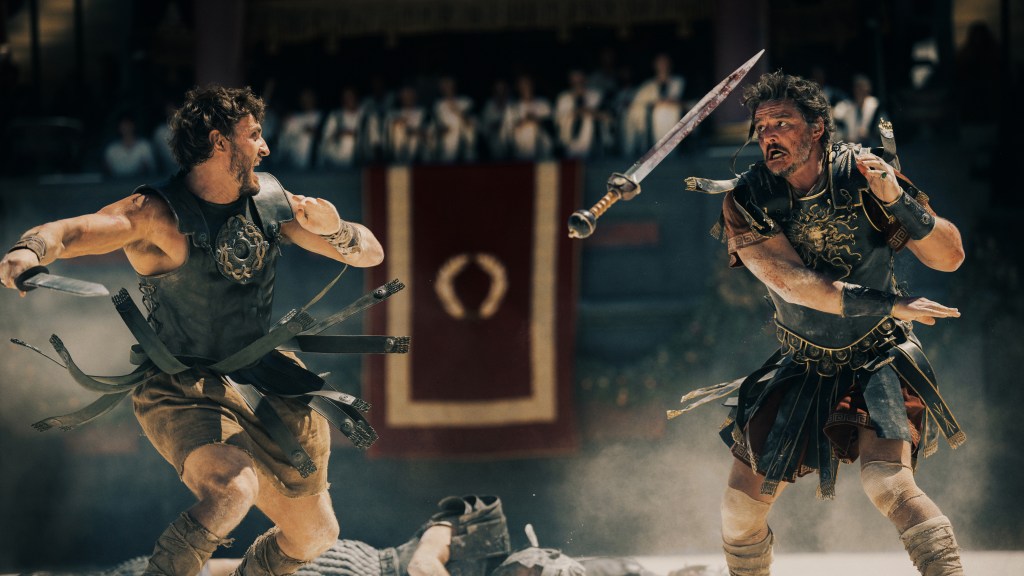
Paul Mescal as Lucius and Pedro Pascal as Marcus Acacius in Gladiator II.
The biggest fault in a film about a man who’s lost it all and is coming back from the brink is that you need to be able to buy into his cause and feel his emptiness. While Mescal has cashed in some really soul-tugging performances like in Aftersun (2022) or All of Us Strangers (2023) he doesn’t command the screen with the same gravitas that Crowe did. It helped that in the original, Joaquin Phoenix delivered just as compelling a performance as Commodus and was given ample screen time to have you loathe him just as much as Maximus did.
This time around, you have whiny emperors, a slowly unraveling Macrinus, and a misunderstood General in Marcus Acacius (Pedro Pascal). In this way, Lucius’ battle is spread across characters who are also in one way or another, battling each other. As a result, the stakes don’t feel nearly as big as the scale of the rest of the film, as great as it is to see these various storylines and plot lines interconnect and clash.
There’s a lot going on this time around whereas the screenwriters of the original, (David Franzoni, John Logan, and William Nicholson) spent more time exploring who Maximus was and giving him that more refined arc that makes him so iconic to this day. The same can’t be said for David Scarpa’s script as it does lack the deeper exploration of character needed to get you that aforementioned buy-in. This is a Ridley Scott film, however, and what’s never lacking is a memorable time or several key memorable moments; it’s all the same at the end of the day, so there’s no need for another rhetorical “are you not entertained”, it’s enough for Scott to leave you entertained.
Gladiator II opens nationally from the 14th of November.
For horror season, the Criterion Channel has crafted an eclectic and bountiful collection of iconic Japanese Horror films to immerse yourself in. From ’60s cult classics to the ’90s and early ’00s staples that exploded the country’s unique horror classics onto the world stage, this collection has something for both the cinephile horror fan and those looking for an entry point.
The genre is defined by old folklore and urban legends about Oni, invisible demons that potentially bring disaster and disease with them. A key form of Oni is Yūrei, or vengeful spirits, which we can see spread across almost all Japanese horror cinema. Perhaps the most well-known story of Yūrei is of Okiku, a young maid who was thrown down a well by a samurai after she refused his advances, returning as a vengeful spirit. Okiku is defined by her long black hair and hushed whisper, iconography burned into the celluloid of the country’s horror storytelling for generations, forming the immortal image that spreads across this entire collection.
Japanese horror storytelling thrives when these legends of Yūrei and other Oni are weaved into their contemporary settings, from post-civil war anxiety (Onibaba) to suburban anxiety and community suspicions (Creepy) and the encroaching dominance of technology in our world (Ring, Pulse, Tetsuo: The Iron Man). This creates a consistent cultural imprint that makes the genre so satisfying to engage with and return to.
So what better way to spend October than to binge through these and craft a ranking list from this well-curated list of classics from the fine folks at Criterion.
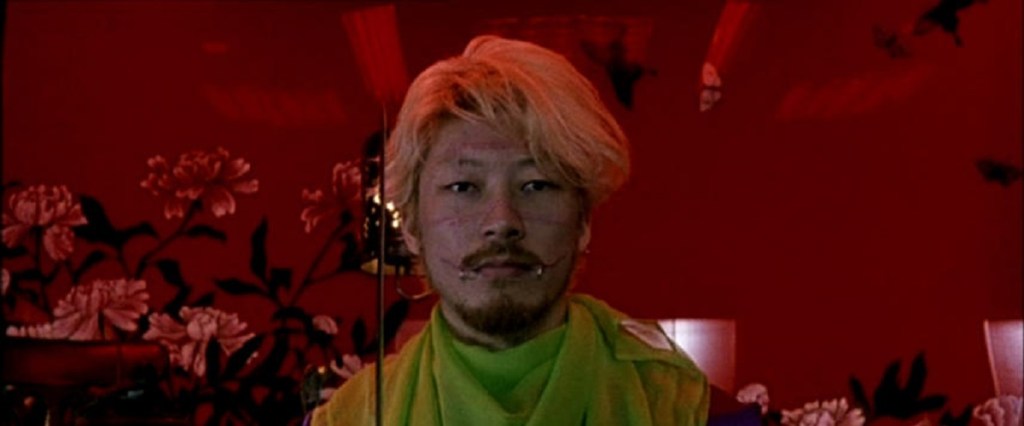
13. Ichi the Killer (2001) – Takashi Miike
⭐⭐⭐
Rating: 2.5 out of 5.
Extremist hyperviolence for the incels, industry legend Takashi Miike’s bizarre and underbaked screed Ichi the Killer, made two years after his brilliant film Audition (which will arrive later in this list), was banned in multiple countries for its approach to sexual violence and sadomasochism. Centring on the titular Ichi (Nao Ômori), an emotionally disturbed man who is just as likely to weep uncontrollably in the corner of a room as he is to violently murder those around him, most likely with a blade hidden in his boot. Pursuing Ichi is a sadomasochistic yakuza enforcer Kakihara (Tadanobu Asano), known for his brutality and Joker-like scars along his cheeks, who is impressed and tantalised by Ichi’s level of violence.
If that reads like a teenage boy fantasia of hyper-violence and extremity at the expense of taste and storytelling, that’s because it is. The only skippable film on this list, Ichi the Killer sees the chaotic filmmaker indulge in all his worst impulses which were weaved in more creatively in his other films.
While the film and the manga it is faithfully adapting has clearly influenced a generation of filmmakers, particularly in manga and anime circles, its haphazard approach to storytelling centred on a hyper-violent incel creates an instant callous so thick, the proceeding depravity sparks little to no emotion.
12. Ju-On: The Grudge 2 (2003) – Takashi Shimizu
⭐⭐⭐
Rating: 2.5 out of 5.
Even as the lesser of the films in the franchise selected by Criterion, Ju-On: The Grudge 2 is not without its iconic moments that each film in the franchise achieves. Operating in a surprisingly quieter, more atmospheric horror register, Ju-On: The Grudge 2 centres its plot on a TV crew working on a reality show about ghosts set in the house of the original film.
The Yūrei at the heart of the franchise stems from a murdered housewife, cursing all those who enter the house to an inevitable demise. The horror set pieces in the film and the franchise grow repetitive in a hurry, but still manage a psychological stickiness through some impressive genre flourishes. The ghost’s death rattle sound remains one of the great noises in the horror canon that ratchets up tension faster than any convoluted plot.
Following the similar trajectory of the previous film with its nonlinear narratives inside character (read, next victim) focused chapters, Ju-On: The Grudge 2 has a more menacing air of inevitability that never feels oppressive. Instead, it makes for an easier watch than the first film, albeit with the same issues.
The time-skipping narrative in this film is more potent and evocatively tied to the whole story than the original, making its climactic final act wash over you in waves of sadness and melancholy, even with its bizarre final ten minutes.
11. Ju-On: The Grudge (2002) – Takashi Shimizu
⭐⭐⭐
Rating: 3 out of 5.
The all-time ‘just leave the house’ franchise, Ju-On: The Grudge thrives in the unknown. The horror is a tightly contained, well-chosen horror house, a small collection of characters and a looming presence we are desperate to learn more about, even if the resolution ultimately lessens the experience in the film’s uneven conclusion.
Ju-On: The Grudge’s keen focus on sound design with its wall scratching, cat screeches, and the iconic death rattle heightens an unfocused plot, held together by its terrific horror set pieces, Hitomi’s (Misaki Itô) chapter especially. Japanese horror, and especially those centred on yūrei have these unexpected and often moving notes of sadness at the heart of the curse, something that can be felt even within the iconic stair scene at the climax of the film, largely through Takako Fuji’s performance as the ghost Kayako.
Ju-On thrives in its limitations as a micro-budget film shot in a tremendous house for a horror, which Shimizu puts great attention to laying out, but is bogged down by a serious lack of characterisation, opting instead for time skipping and short chapters that prevent the inventive filmmaking to thrive. Ultimately, these films have such aggressively passive characters stuck in these doom loops that while tepidly compelling, never excel as an overall experience.
10. Tetsuo: The Iron Man (1989) – Shinya Tsukamoto
⭐⭐⭐⭐
Rating: 3.5 out of 5.
Pure heavy metal cinema that some have deemed ‘migraine cinema’, the wildly feverish Tetsuo The Iron Man leaves a crater in the medium we can only hope to mine for future resources. With the self-awareness to hit the ejector seat after 67 minutes, Shinya Tsukamoto’s manic sci-fi nightmare about a self-professed ‘metal fetishist’ (Tomorô Taguchi) is driven mad (or already was), creating a sequence of events which include a graphic and hysterical sex scene, an incredibly tactile chase sequence, all culminating in a transcendent moment of mania you’ll be coming down for days after.
This Japanese Eraserhead (1977) crushes your skull with a relentless pace and style, truly fitting its design aesthetic of violent machinery bursting from limbs like the chest burster in Alien (1979). There is no Crash (1996) or Titane (2021) (and to a certain extent The Substance, 2024) without Tetsuo, placing it violently at the top of the heap of the cinema of extremity, even if its ideas arrive with a blunted edge.
9. Dark Water (2002) – Hideo Nakata
⭐⭐⭐⭐
Rating: 3.5 out of 5.
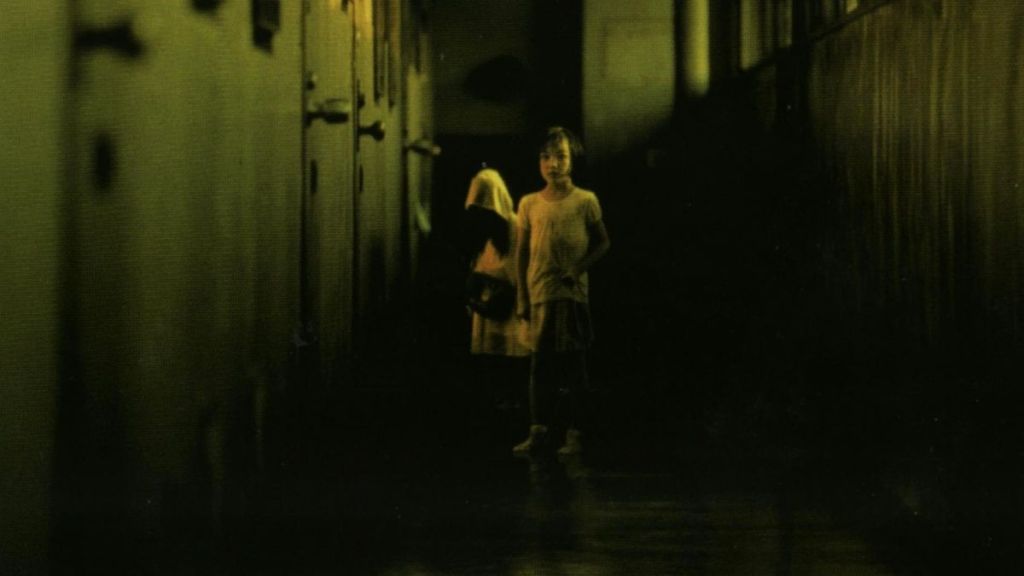
A tense and poignant drama of a family going through a divorce wrapped up in a ghost story, Dark Water is a melancholic look at childhood neglect and trauma with a beautiful and unexpected third act.
Directed by Hideo Nakata who thrust the Japanese horror genre onto the world stage with Ring (1998) —appearing later in this list— based on a short story collection by Koji Suzuki (who also wrote the Ring novels), Dark Water centres on a young mother in the process of divorcing her husband and rebuilding a life for herself and her young daughter Ikuko (Rio Kanno). The mother, Yoshimi (Hitomi Kuroki), rents a rundown apartment for her and her daughter where strange occurrences happen, localising around the water in the building.
Four years after his enormous success with Ring, Nakata is driven to a more potent emotional story of childhood neglect and a fracturing family, lowering the temperature of the horror, using the genre instead to heighten the dramatic storytelling rather than as a means to an end. The film succeeds as a sombre piece of atmospheric storytelling that weaves two unique stories together, the family divorce drama that gives remarkable attention to the young child’s feelings throughout, and the ghost story in the apartment.
Held together by a pair of fantastic performances by Kuroki and Kanno, with the latter giving an all-time child performance in a horror film, Dark Water sneaks up on you with its deceptively poignant storytelling and characters, culminating in the most emotionally resonant final act on this list. The horror genre, and especially ghost stories, excel in articulating a sense of longing and lost time, with those we love and those that need to be loved.
8. Creepy (2016) – Kiyoshi Kurosawa
⭐⭐⭐⭐
Rating: 3.5 out of 5.
It is no mistake that Kiyoshi Kurosawa finds himself on this list three times, as the great master formalist makes a case for the most important voice in horror storytelling since John Carpenter. A film that understands the anxiety an audience gets from a whisper in a stressful situation, or a quiet interview in a frame full of people, Creepy brings Kurosawa’s doom scenario milieu to the suburbs, tracking an ex-detective Koichi Takakura (Hidetoshi Nishijima) forced to retire from the force and move with his young wife Yasuko (Yūko Takeuchi).
With a clear itching to return to detective work, as well as a heightened sense of danger and menace behind every door, influenced by a level of unresolved PTSD, Koichi becomes obsessed with a local cold case brought on by an ex-colleague, as well as being unnerved and suspicious of his neighbours.
Kurosawa’s formalism is well suited to the obsessive detective narrative, with the modern suburbia setting slowly pierced by the auteur’s signature sense of overwhelming dread and suspicion. His measured camera movements, at times unsettlingly ahead of the action, heighten the anxiety of any given moment, binding us to the experiences of his characters.
The legendary auteur is at his best when he can place the audience, alongside his characters, in situations where anything is possible. Like reality, not every moment is cause and effect, where potentially horrifying incidents can occur seemingly without motive or reason. This troubling, anxiety-fuelled sensation is where Kurosawa is more keenly tapped into than perhaps any living filmmaker, allowing his seemingly mundane character dramas to glide into some of the greatest horror moments of the past 30 years.
A bold perspective gearshift in the film’s second half almost derails the drama and tension Kurosawa so brilliantly establishes for over an hour, held together only by the filmmaker’s ability to reignite the dramatic flame for a memorable closing moment. While not in the highest tier of works, Kurosawa’s Creepy is as satisfying an unsettling portrait of suburban anxiety and destabilisation as you will find.
7. Ring (1998) – Hideo Nakata
⭐⭐⭐⭐
Rating: 4 out of 5.
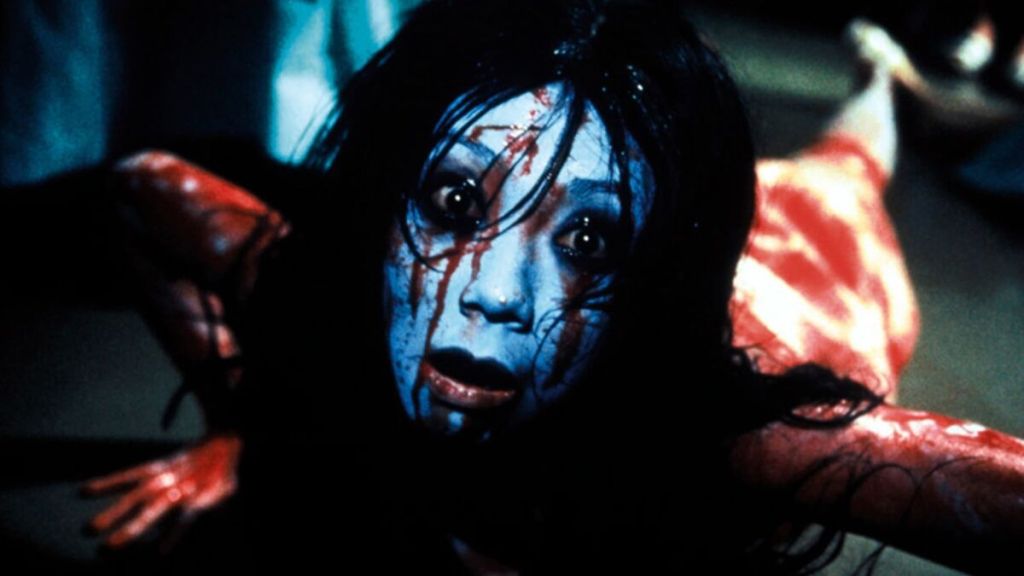
The quintessential Japanese horror film, Hideo Nakata’s Ring is probably the most iconic film on the list, defined by its Yūrei antagonist Sadako (Rie Ino’o), clearly based on the Okiku legend, down to her horrific murder of being thrown down a well. It’s also the film that sparked a Western fever over the Japanese horror industry, rapidly adapting them into American versions of middling success (four films on this list have American adaptations), the best of the lot being Gore Verbinski’s impressive adaptation The Ring in 2002.
To catch those up to speed with the story of this blockbuster from Japan, Hideo Nakata’s Ring has the all-time horror premise of a mysterious VHS tape that, once watched, will have you scared into an early grave seven days after watching. Wonderfully blending Japanese folklore with modern society’s relationship with physical media and storytelling, all wrapped up in a moody yet propulsive journalism procedural centred on the brilliant Nanako Matsushima and Hiroyuki Sanada as ex-wife and husband pair Reiko and Ryūji.
Where Ju-On falters by being solely driven by its formula and inventive kills, Ringu thrives in its deep fascination with the looming spectre of Sadako, using the framework of the journalism procedural to uncover the reality that she is less a hostile ghost and more of an enraged victim.
The film elevates itself with an emotionally overwhelming moment in the climax, with Reiko warmly embracing the skeleton of Sadako, a graceful note in a film that until this moment thrived in its procedural meticulous storytelling. In a genre defined by outcasts reaping revenge on the world, this moment of tenderness pierces through the shroud of menace and cynicism, leaving behind a desperate mother letting her tormentor know it will be okay. Even though this moment is followed by a scene with the franchise’s most iconic imagery of Sadako crawling out of the television, it’s without question the film would be stronger for ending at this place (the TV crawl scene could happen at any point), perhaps moving it higher up this list.
6. House (1977) – Hideo Nakata
⭐⭐⭐⭐
Rating: 4 out of 5.
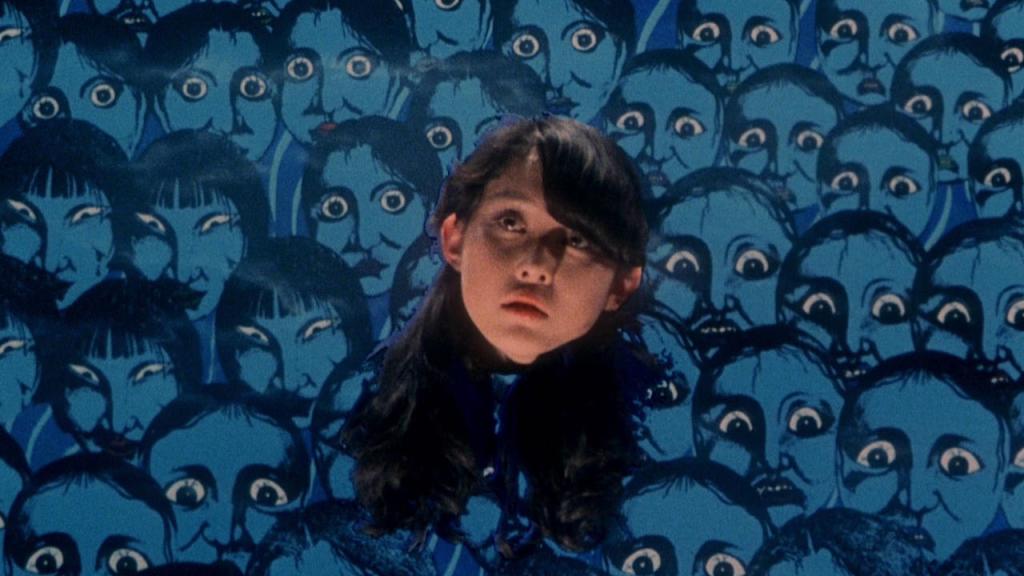
A destabilising horror experience, unlike anything you’ve seen before. With a feverish energy and imagination that removes an audience’s ability to anticipate an inch in front of their face —a crucial component of any great horror— Nobuhiko Ôbayashi’s House, playfully referred to as a psychedelic comedy horror, is the most unique film on this list that quickly became a global cult object.
A tremendously enjoyable film, House follows seven schoolgirls with names like Gorgeous (Kimiko Ikegami) and Kung Fu (Miki Jinbo, MVP of the group once the mania starts), played by mostly amateur actors, who go on a summer vacation to a country estate owned by Gorgeous’ aunt (Yōko Minamida), an eccentric older woman. Strange occurrences and violent episodes begin to plague the girls at the house, shifting the film from a glossily bizarre romp into a clear ur-text for Sam Raimi’s Evil Dead films while never losing its internal style and spirit.
Ôbayashi has made a film on such a different frequency to the rest of cinema, a feat that forces you to realign your senses to get onto its wavelength. But once you’re there, the results will astonish you. You’ll be so overwhelmed with a sense of dysphoria, oscillating rapidly between genuine glee and anxiety with its feverish editing style and use of stop motion and simple animations. In a secluded cabin where anything is possible, even a cat can become a nightmare.
5. Onibaba (1964) – Kaneto Shindō
⭐⭐⭐⭐
Rating: 4 out of 5.
The demonic nature of war and conflict which sows its violence into the very earth, Kaneto Shindô’s atmospheric and captivating 14th-century folk tale has perhaps the loosest attachment to the horror genre as anything on this list, earning its place through its deep connection to post-war anxiety, reflected through the prism of Japanese samurai cinema.
With her son, Kichi, away at war as a samurai, a woman (Nobuko Otowa) and her daughter-in-law (Jitsuko Yoshimura) struggle to survive on their own in the outskirts of Kyoto, resorting to killing solitary samurai and stealing their swords and clothes to a local merchant for food. Upon the return of a neighbour, Hatchi (Kei Satô), who tells them of the death of the son, the trio begin a dance of seduction and connection fuelled by loneliness, jealousy, and desire.
Onibaba lives in the sound of nature in conflict with human violence, the aggressive rustling of grain and reeds, the coarse splashing of water on a riverbed as two nameless men fight, tying notions of human violence and horror to the very earth, better than almost any film has since. As the oldest film on this list, it is as crucial a watch as any in understanding the genre as a whole.
4. Kuroneko (1968) – Kaneto Shindō
⭐⭐⭐⭐
Rating: 4 out of 5.
Such a wonderful companion to his previous film Onibaba it’s impossible to separate the pair, with its casting of Nobuko Otowa in near identical roles, mirrored visual motifs and narrative of the women left behind and left to rot in the burnt ruins of a world left by feeble men.
Opening with the brutal murder of a woman, Shige (Kiwako Taichi), and her mother-in-law Yone (Otowa), at the hand of a band of samurai that sets the tone for the rest of this haunted revenge thriller as the pair return to the world as cat formed Onryō, a more vengeful form of yūrei.
In many ways, this is the more overtly horrific film of the pair, but where Kuroneko really excels and where Shindō clearly improves as a writer is in the dramatic storytelling that is unlocked in the centre of the film with the return of Gintoki (Nakamura Kichiemon II), Yone’s son, Shige’s husband, and crucially, a samurai. This return creates a compelling internal battle for Shige and Yone, who have returned to the mortal world to seek vengeance on the samurai plaguing and overwhelming the land, but still harbour a great love and longing for the man who left them.
At its core, Kuroneko is a story of vengeance against the inhumanity of male violence, with its beautiful knots of human longing and connection in the face of great pain piercing the heart more powerfully than any fang.
3. Audition (2001) – Takashi Miike
⭐⭐⭐⭐
Rating: 4 out of 5.
Recently ranked the 7th best horror film of all time by Variety, Takashi Miike’s second and much more successful entry on this list, Audition, moves as an anglerfish, enrapturing you in its romantic light, masking the dark monster lurking in the shadows.
Beginning with a beautiful three-minute prologue of a young family losing their mother in a hospital, Miike’s Audition blooms from a place of empathy and loss, creating a lush bed to destabilise us. Set seven years after this, Shigeharu’s (Ryo Ishibashi) son Shigehiko (Tetsu Sawaki) presses him to find a wife. Shigeharu’s friend Yasuhisa (Jun Kunimura), a film producer, devises a plan to hold an audition for a fake film project with the goal of Shigeharu choosing a wife out of the cohort.
Immediately, Shigeharu is enchanted, bordering on obsessed with one prospect, the quiet Asami (Eihi Shiina), and pursues her, even though Yasuhisa urges him to reconsider as he believes something is off about her. Miike uses his chaotic approach to editing and story structure that tipped over Ichi the Killer here as a piercing needle into the skin of this Vaseline-covered pulpy romance. It is in this needling contrast that the film thrives.
Miike has a profound eye for composition and lighting, transcending the material into a consistent wave of tangible emotion, never letting its characters or the audience off the hook he so delicately dangles. This lush style is wrapped in a discordant editing style once we meet Asami, reshaping any notion of the type of film we are watching from moment to moment, culminating in a wild final act that made the film legendary to horror fans.
2. Pulse (2001) – Kiyoshi Kurosawa
⭐⭐⭐⭐⭐
Rating: 5 out of 5.
The year is 2001 and the legend Kiyoshi Kurosawa is deeply sceptical about the internet’s promise to connect the global population more deeply with each other. In Pulse, at the turn of the millennium with the internet burgeoning into being, a creeping loneliness epidemic appears to be bleeding into people’s lives through their computer screens, leaving its victims in a fate worse than death.
In conversation with Hideo Nakata’s Ring with their relationships to media and technology’s place as the medium to our new folk stories, Pulse elicits a similar feeling the VHS tape has with its steadily increasing number of apparent ghosts taking form inside the internet, desperate to escape for reasons that become clearer at the film’s remarkably evocative climax.
Viewing the relationship between a rapidly isolating city and life through the lens of a small group of young people retreating into their own worlds via the internet is eminently recognisable in 2024. With a steady march towards depression tied to the oblivion of disconnection that Kurosawa achieves better than almost any living filmmaker, we are forced into the role of both protagonist and camera operator, refracting our modern life into this 23-year-old film. For this reason, alongside its depressive but uncynical atmosphere, Pulse is potentially the definitive work of cinema for our online, modern age.
The miracle of Kurosawa’s films is their ability to form a compellingly bleak drama without an overwhelmingly cynical worldview. While the film is defined by suicide and internet-driven malaise, Pulse is never driven by a contempt for the ghostly presences or the young victims like in the Ju On films. Even in the final, apocalyptic moments, the audience, with Kurosawa by our side, is hopeful for a potential step forward.
With all that said, what supercharges these ideas and propels them into a plane few films achieve is their ability to operate as a truly terrifying work of horror. Even in a horror collection that boasts iconic horror scenes like the ones in Ring or Ju-On, nothing is as bone-chilling and skin-crawling as the slow-moving ghost sequence, perfectly calibrated to destabilise our ideas of how our fears can be provoked in such a simple scene.
The unveiling of the Big Bang event at the film’s core as a deeply personal, isolating act of exposed self-annihilation is overwhelmingly emotional. The best horror films root themselves in empathetic moments of anguish that birth a larger malice to those in its orbit, which Pulse achieves better than anything on this list and in almost any other film in the genre.
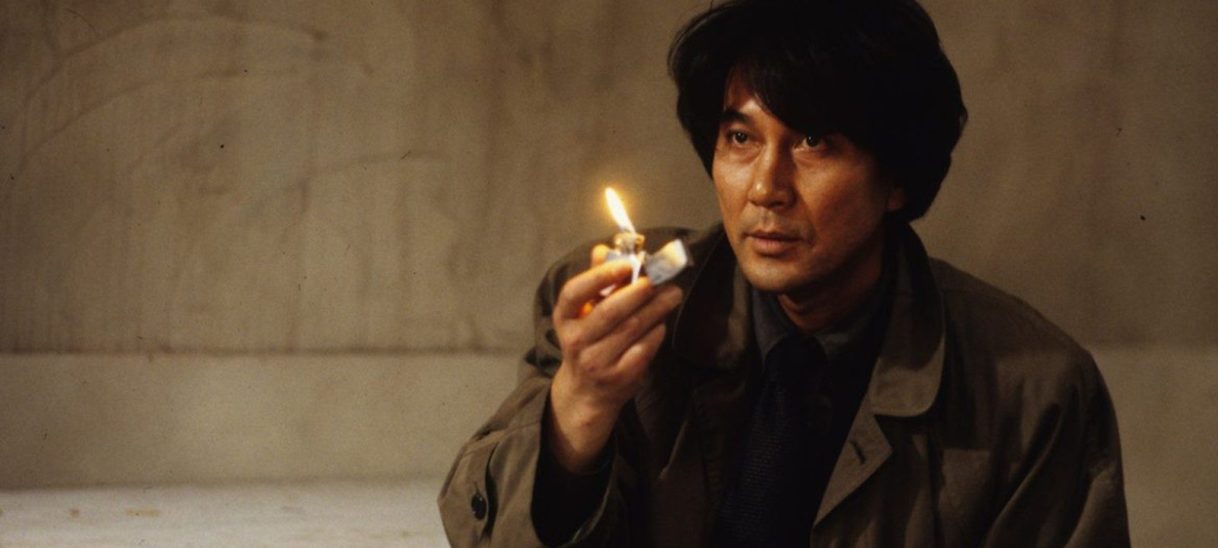
1. Cure (1997) – Kiyoshi Kurosawa
⭐⭐⭐⭐⭐
Rating: 5 out of 5.
Perhaps the film I’ve thought about the most since watching it on a gloomy night in 2020, sliding ever higher up my all-time list, making its ultimate landing spot at the top here felt inevitable but still celebratory. Kurosawa’s best film, Cure, is the perfect blend of his obsessions of ingrained human anxiety and potential for violence, with his filmmaking influences, equal parts Andrei Tarkovsky and Tobe Hooper, flourishing at every turn.
Centring on obsessive detective Takabe (a colossal performance by Kōji Yakusho), with a deteriorating home life due to his wife’s (Anna Nakagawa) failing mental health, who is tasked with solving a series of seemingly random murders connected only by the assailants having carved an ‘X’ into the neck or chest of the victim. We are shown these violent attacks in Kurosawa’s familiar smooth camera movements, creating an unnerving balance that stems from the potential violence of everyday life.
Much like David Fincher’s Se7en (1995), a film deeply tied to Cure, our burgeoning obsession with true crime storytelling is being reflected back at us, forcing us to contend with our own impulses towards viewing violence in this way. Cure excels because Kurosawa is keenly aware of these impulses and genre conventions, understanding when to subvert them or allow them to play out at his own deliberate pace.
Cure’s greatest act of subversion comes from the crafting of perhaps the best horror character of the past 30 years, the black hole known as Mamiya, the man seemingly hypnotising people into performing these murders. Portrayed with a compelling aloofness by Masato Hagiwara that disarms both the audience and other characters, while also flooding the air with a palpable sense of tension and dread. Mamiya’s hypnotism scenes are extraordinary set pieces in magnetic genre filmmaking, focusing on elemental connections like the flame of a lighter or the meditative quality of washing over you like a steadily rising tide. The film transcends past its terrific villain and set-pieces due to our near-instant tethering to Takabe’s obsession with understanding these murders, propelling us deeper and deeper into the world and ultimately, Mamiya’s spell.
Takabe’s ultimate decision to give his ailing wife over to an asylum creates an absence inside him that allows him to reach the precipice of defeating Mamiya but directly asks us the cost of this sacrifice. In a world void of something to fight for, how does one look into the abyss and see anything but themselves? In a genre of scares and nightmarish atmospheres, these lasting questions and closing moments will have you questioning how you view humanity itself.
Saturday Night preview screening provided by Sony Pictures
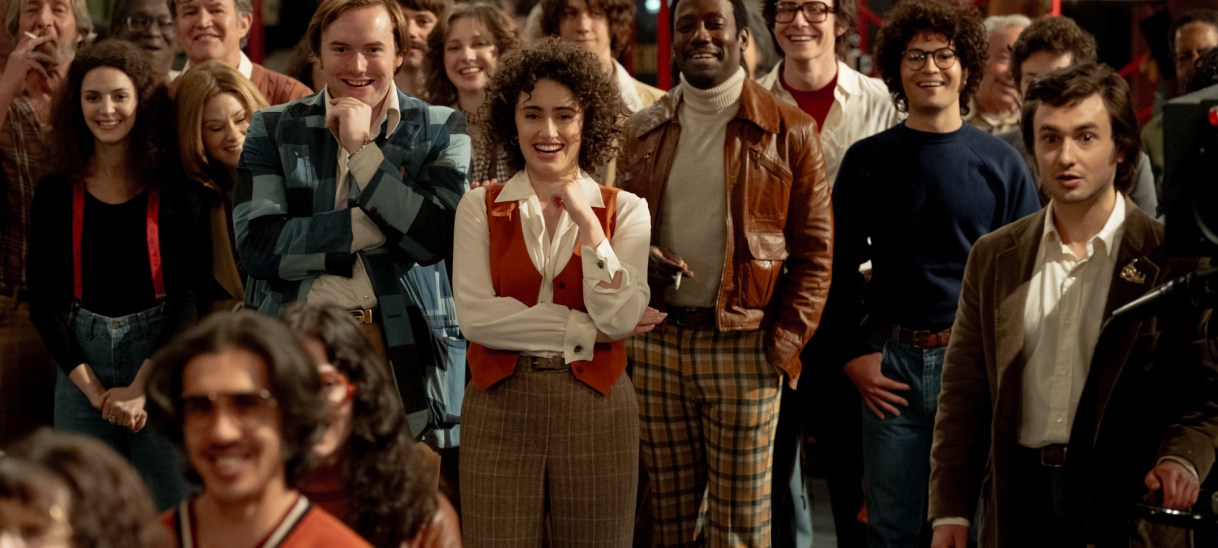
The 90 minutes in the lead up to what is now a staple of American television culture in Saturday Night Live (SNL), was a chaotic, frantic race to deliver the goods. As anyone who has previous worked in a live television studio would know (whether seriously or recreationally), getting everything and everyone in one place at one time without missing a beat isn’t for the faint hearted, let alone when hot headed producers are breathing down your neck, hoping you slip up so they can show re-runs of Johnny Carson.
That was the case, at least, for the folks behind Saturday Night, something that Jason Reitman (known for 2007’s Juno and being the son of Ivan Reitman) tries to capture in his 110 minute feature of the same name. It’s an audacious task to say the least: how do you condense 90 minutes into a feature that tries to stick to time in the same way? The answer is, you don’t, but the intensity and scrambling is felt with every cutaway to a timer tracking the minutes.
And Reitman tries to make every minute count in the same way Lorne Michaels did that very night. The lead up to going live is a mess, something that Reitman shows by building tension through multiple tracking shots and long takes that portray the various moving parts as they interject and get in each others way.
At the centre of it all is Michaels (Gabriel LaBelle) who is trying to wrangle everything while convincing TV exec David Tebet (Willem Dafoe) that all is under control. Of course, it isn’t, with contracts left dangling, pieces of the set falling apart, various egos clashing —Chevy Chase (an uncanny Cory Michael Smith) and John Belushi (Matt Wood)— and drugs being snorted. There’s a verisimilitude to the portrayal of disarray, not least because historical accounts by those involved tell a similar story.
Lorne Michaels (Gabriel LaBelle), Jacqueline Carlin (Kaia Gerber), Chevy Chase (Cory Michael Smith) in SATURDAY NIGHT.
There’s clearly a great admiration from Reitman towards SNL, both in the haphazardness of proceedings, the wittiness he injects into character back-and-forths, and the sense of building towards something special. Yet for all Reitman’s attempts to relive the night and build up to showtime, the film feels like a checkbox exercise for actors to do impressions of your favourite 70s comedians — with jokes that you’ll get tired of in no time.
But perhaps the biggest drawback in a film about people trying to make it is the knowing that they will make it. As a result, you’re clinging to thin character threads for 110 minutes based on real people; it almost turns a film about a process into one of the bits that Michaels pulls down from the pin board because it just doesn’t quite fit.
While a tad over-dramatised for its own good, and over-reliant on throwing out average lookalikes to the original cast for a cheesy one-liner every now and then, for people like myself who aren’t SNL diehards or who weren’t aware of the backstory behind the tumultuous opening night show, Reitman’s film provides a welcome insight into something that has continued to persist to this day, even if it’s past its golden days.
Saturday Night opens nationally from the 31st of October.
Joker: Folie à Deux preview screening provided by Universal Pictures.
When word came out that Todd Phillips’ sequel to his box office hit, Joker (2019), would take the form of a quasi-musical for large parts, intrigue with a sprinkle of hesitation was coursing through the veins of pop culture discourse. After all, Phillips’ track record with sequels, namely the Hangover sequels, isn’t exactly the most compelling; but when you’ve got Joaquin Phoenix helming your film, anything is possible.
It wasn’t until news of Lady Gaga’s involvement with the sequel, however, that interest really started picking up. Here’s a director who’s landed arguably the greatest actor of his generation for a second roll of the dice, AND he’s got one of the biggest pop stars in the world as well? Well, If A Star is Born (2018) was a recipe for success, Joker: Folie à Deux was practically a delicious dish waiting to be served.
And to be fair, that intrigue carries into the first 20 or so minutes of Folie à Deux, with the events of the first film where Arthur Fleck (Joaquin Phoenix) blew out the brains of a hit late-night talk-show host live on TV, permeating. Arthur is now a martyr of sorts to other troubled minds, with a TV movie charting his killings earning him far reaching recognition, however he’s also in Arkham Asylum and hardly reaping the benefits of his infamous status.
It’s in these first 20 minutes that Phillips also sets the stage for Arthur’s eventual relationship with Harleen ‘Lee’ Quintal (Lady Gaga), an arsonist who catches Arthur’s eye from within the prison’s singing group for inmates. After Arthur is enrolled in the class by a brutal prison guard (played by the legendary Brendan Gleeson), it’s easy to see where this thread is going.
Whether or not Lee is drawn to the real Arthur or his alter-ego Joker, is still relatively vague at this stage, but it’s a concern that Phillips leans on for a majority of the film’s tension — the distortion between reality and fantasy. The idea of unpacking where Arthur Fleck ends and where the Joker begins is an interesting one, if it wasn’t already so fleshed out in the first film.
(L to r) JOAQUIN PHOENIX as Arthur Fleck and LADY GAGA as Lee Quinzel in Warner Bros. Pictures’ “JOKER: FOLIE À DEUX,” a Warner Bros. Pictures release.
It’s also what the film’s many jazzy musical numbers serve to emphasise, as they speak to Arthur’s attempt to cope with and manage the reality he’s been dealt and the fantasy he’s created for himself. Oftentimes I found myself at odds with these numbers, where at once they offer little glimpses into the psyche of a self-absorbed psychopath, but also act as distracting detours that seem to be the only opportunity to give Gaga some leg room to do… well… anything (though I’m mindful this is a film about the titular character and not the Harley Quinn show).
These numbers become even more prevalent as the film kicks into the second act where Arthur is on trial for his murders, as the jury seeks to determine whether he’s downright insane, or playing things up for show — essentially the film’s primary concern. This whole courtroom drama, second act overstays its welcome, with drawn out nothingness that reminded me of just how well other film’s manage similar situations (like 2023’s Killers of the Flower Moon). Phoenix gets some brief moments to lean into his even thinner physique, but beyond that this whole middle section feels like its treading old ground that the first film already established and resolved.
The brilliance of the Joker character in the DC universe has tended to shine through his caped crusader counterpart. It’s why Nolan’s version of Joker is so memorable, because he feels like a larger than life presence — something that’s earned in those films through methodical world building. In Folie à Deux, Arthur is contending with himself for a large majority of the film, trying to redeem himself in parts while succumbing to the voices within, in others. For such a big film, in this way it feels rather small which comes at the expense of the sort of substance you might expect from a film about such a recognisable character. As a result, a lot is banking on Phoenix’s performance to carry the often dull moments, but the shock factor of seeing him embody the character in the same way he did in the first film flies out the window this time around, so the shortcomings in the script are more noticeable.
While reducing the scale and confining audiences to Arthur’s world is a welcome subversion to what audiences might expect, it comes at the cost of an entertaining narrative. There are no mind blowing set pieces or scenes that build momentum into something; the biggest moment of the film comes rather late on, and even then it closes itself up faster than it opened (which will make sense as you watch the movie). Arthur —and by extension, the Joker— is relegated to the sidelines: he poses no palpable threat in the same way he did in the first film, and as a result the stakes don’t feel nearly as significant because he’s contained. Whether or not that’s a satiating enough angle for audiences by the time the credits roll is hard to say, but you may be left hungry for more.
A year of avoiding the larger titles in favour of more independent films, my MIFF experience in 2024 went from the battleground of Gaza to the quiet family dramas in modern Seoul, with a unifying theme of perseverance and defiance throughout. Much like 2023, the curatorial efforts of the festival directors are its greatest gift, ensuring a high baseline of quality that guarantees a thoughtful and compelling time at the movies no matter your interest set.
All Dirt Roads Taste of Salt (2023) – Raven Jackson
⭐⭐⭐⭐
Rating: 4 out of 5.
A powerful combination of photographic and sonic qualities propels Raven Jackson’s All Dirt Roads Taste of Salt to incredible heights. Becoming larger than the sum of its modest parts, Jackson announced herself immediately as an important American artist to follow moving forward.
Flowing like a seasonal river with its rises and falls, the narrative follows Mack, portrayed seamlessly by Kaylee Nicole Johnson and Charlean McClure, as she journeys through 1960s Mississippi onwards, with all the love and difficulty that comes with staying in her hometown through a challenging time.
Squeezing every fleeting moment of thematic and emotional juice, this essayistic ode to womanhood, home, and the shared experience will wash over you if you let it, feeling reborn in the gleaning sunlight.
All We Imagine as Light (2024) – Payal Kapadia
⭐⭐⭐⭐⭐
Rating: 4.5 out of 5.
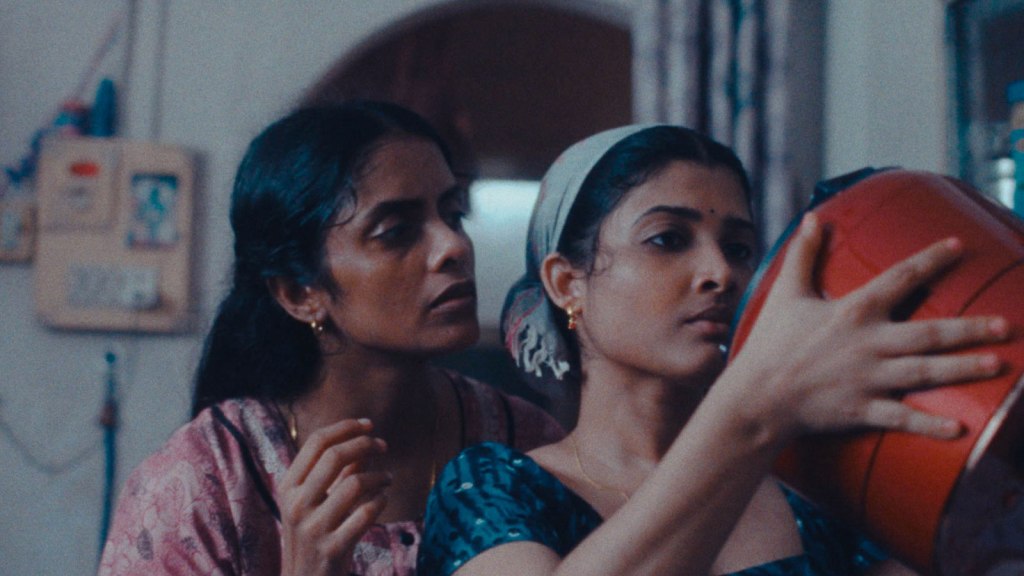
The most soulful film of the festival, documentarian turned fiction filmmaker Payal Kapadia explodes onto the scene with the remarkable All We Imagine as Light. A powerful blend of personal womanhood inside the political in modern Mumbai, Kapadia’s gorgeous and lyrical film centres on three multigenerational nurses navigating a world unable and unwilling to accommodate their lives.
Kapadia, with a refined hand through documentary work, flourishes in small moments. Whether it’s the embrace of a rice cooker given by a distant-slash-estranged husband working in Germany, or the small gesture of helping an older colleague move her things back to her old home after being wrongfully evicted, All We Imagine as Light embraces the aching emotionality of the quotidian, knowing these fleeting moments create a mosaic that reflects the light of human experience.
Brief History of a Family (2024) – Jianjie Lin
⭐⭐⭐
Rating: 3 out of 5.
The one-child policy of China casts a long shadow across Brief History of a Family, a taut and beguiling debut feature from Jianjie Lin. After an incident at school sparks an unlikely connection, the shy and reserved teen Shuo (Sun Xilun) begins to spend more and more time at his more confident classmate Wei’s (Lin Muran) upper-middle-class house.
Lin’s debut is atmospheric and tense and while its decision to bunt with its bases loaded, the film still demonstrates a skill set to operate in the genre world of modern thriller, a drought-stricken place with fans desperate for new, exciting voices. Went long on the film here.
Didi (2024)- Sean Wang
⭐⭐⭐⭐
Rating: 3.5 out of 5.
In what is sure to be the beginning of a wave in late 00s coming-of-age stories that will have those in their late 20s questioning all life experiences as being unique, Sean Wang’s terrific and humbling Didi shows you screwing up is an integral part of growing up.
Telling the story of a Californian skater and potential filmmaker Chris (Izaac Wang), on summer break (a bizarre theme across several MIFF releases) as he navigates girls, friends, and his family. With integral sequences playing out over AIM and MySpace (finally, a film captures the adolescent psychological torture device of the top friends section on film) that had the audience in raptures, Wang is an exciting new filmmaker that can deftly translate the modern malaise of youth into compelling cinematic storytelling.
I Saw the TV Glow (2024) – Jane Schoenbrun
⭐⭐⭐⭐⭐
Rating: 4.5 out of 5.
A truly expansive cinematic experience that will define the year in movies, Jane Schoenbrun’s miraculous and tangly I Saw the TV Glow, is the best film I saw at MIFF and will no doubt contend with my film of the year. A film that explodes ideas of what a teenage coming-of-age story can be as it explores the push and pull between stagnation and liberation, ending on a unique note that seemingly has a different taste depending on the individual audience member’s life experience. That is no small feat.
I Saw the TV Glow follows Owen, a suburban teen protracted by Justice Smith in an outrageously good performance of youthful dysphoria and I will not hear arguments otherwise. Stuck in a liminal space outside of life, Owen finds solace in a fictional 90s too-adult-but-still-for-kids show The Pink Opaque, unlocked by fellow disenchanted teen Maddy (Brigette Lundy-Paine), who invited him into the world via burned VHS recordings of the show. The film is too dense to capture in a couple sentences, and the weight of Schoenbrun’s storytelling is in its ability to envelop a whole audience in the liminal world Owen feels locked within. Where most trans texts follow an embrace of transitioning, Schoenbrun’s film instead lingers and interrogates the suffocating space of dysphoria surrounding that place, a more evocative and unique lens to capture on film.
That Schoenbrun can bring a crowd down the psychological rabbit hole of dysphoria through a trans lens is a testament to their remarkable filmmaking powers. This is not just a film for ‘Twin Peaks: The Return (2017) is an 18-hour film’ Film Twitter folks (I am sometimes in the crowd), but for anyone who has felt lost in the liminal space that can be found along the path of life.
Janet Planet (2023) – Annie Baker
⭐⭐⭐⭐
Rating: 4 out of 5.
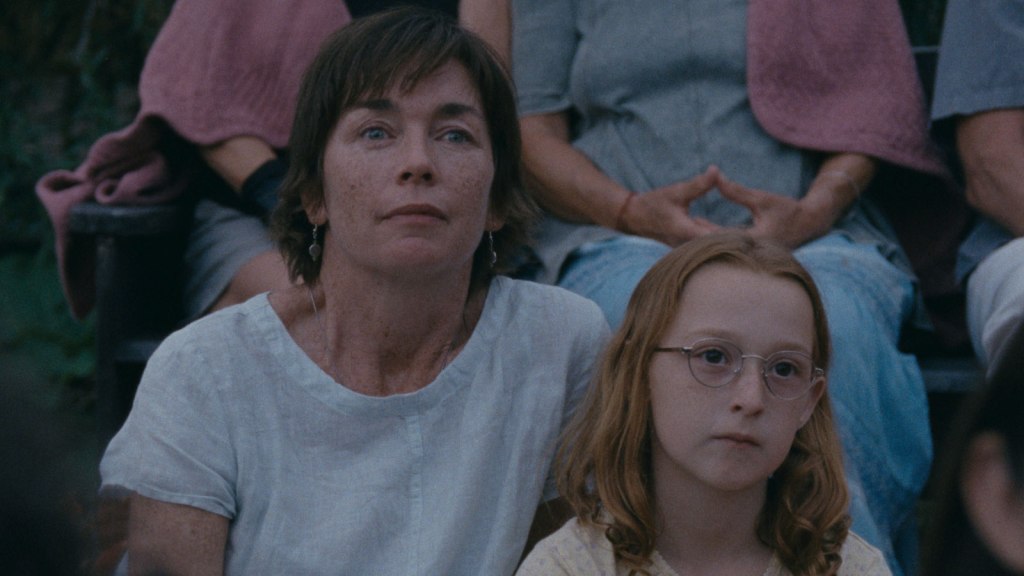
The smell of Autumn on a warm breeze as you stare, half bored and half awake at the misshapen clouds above, playwright Annie Baker’s filmmaking debut Janet Planet is the emergence of a major new voice in cinema, with all the confidence and assurance of an established artist.
Capturing a fascinating and enthralling pair in the owlish 11-year-old Lacy (a revelatory Zoe Ziegler) and her mother Janet (Julianne Nicholson) over a summer break, Baker’s precise use of silence and seasonal boredom is a beautiful ode to human connection, with the push and pull that can only come from someone you’ve known your whole life.
La Cocina (2024) – Alfonso Ruizpalacios
⭐⭐⭐⭐
Rating: 3.5 out of 5.
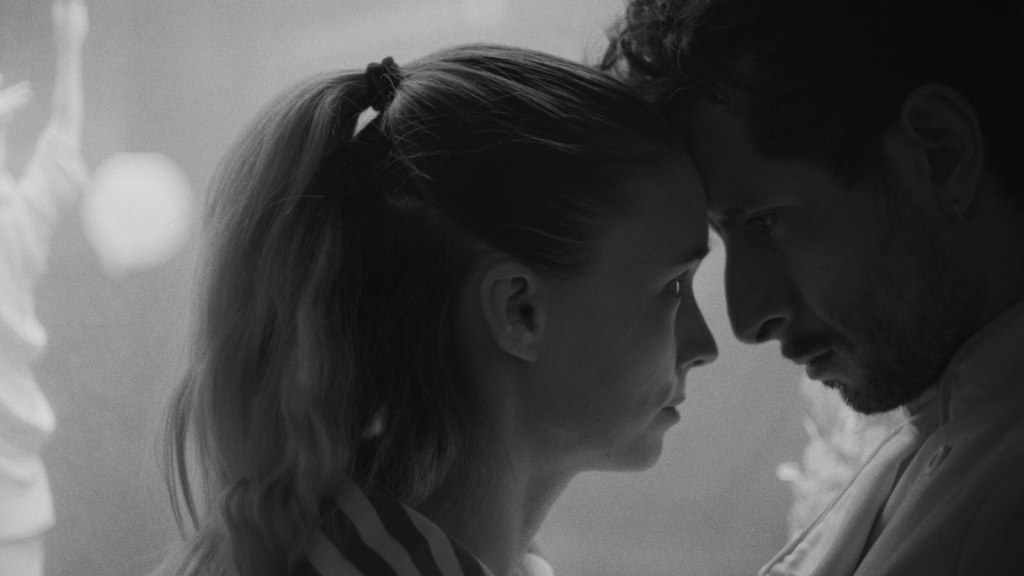
A frenetic, seething diorama of modern America through the lens of a Times Square super diner kitchen, Alfonso Ruizpalacios’ La Cocina blends the modern and the old-fashioned in this long but never tiring hospitality nightmare. Starring Rooney Mara and Raúl Briones, La Cocina wears its metaphors of American white supremacy and immigration inside the kitchen proudly, with Ruizpalacios’s impressive filmmaking style and farcical tendencies buoying these weighty ideas.
My Sunshine (2024) – Hiroshi Okuyama
⭐⭐⭐⭐
Rating: 3.5 out of 5.
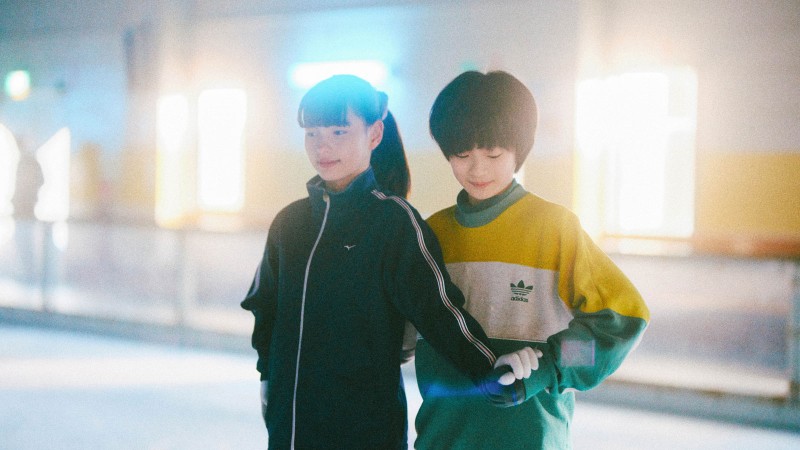
Like the enchanting mist of a crisp winter morning, Hiroshi Okuyama’s My Sunshine captures a personal tale of adolescent passion and direction with a nourishing blend of nostalgia and honesty.
My Sunshine has the trappings of a film about childhood love and coming of age, but shines through as a potent story about the importance of teachers and the connection that is made through a shared passion. While the uplifting story of Takuya’s (Keitatsu Koshiyama) journey with figure skating and growing into himself is universal and soul-nourishing, the journey of Arakawa (Sôsuke Ikematsu) rediscovering his love through his pupil’s childhood enthusiasm shows the connection with a mentor and mentee shines both ways.
No Other Land (2024) – Basel Adra, Hamden Ballal, and Yuval Abraham
⭐⭐⭐⭐
Rating: 4 out of 5.
The only documentary I caught at the festival, No Other Land is a breathtaking on-the-ground experience in Gaza, with filmmaking collective Basel Adra, Hamden Ballal, and Yuval Abraham giving us a visceral document of the horrible situation in the Palestinian West Bank. Capturing Adra and his family’s village in Masafer Yatta in real-time slowly erodes any feeling of optimism in the region will hollow you out and leave you seething in rage.
On Becoming a Guinea Fowl (2024) – Rungano Nyoni
⭐⭐⭐⭐
Rating: 4 out of 5.
Despite our IMAX screening needing to be restarted 30 minutes in due to a lack of subtitles, Rungano Nyoni’s On Becoming a Guinea Fowl had cast a cinematic spell that proved impossible to break. A compelling and seething portrait of the friction between community repression and warmth in modern-day Zambia, Guinea Fowl is a difficult but necessary watch with its honest telling of the ways sexual violence permeates global communities in incalculable ways.
Anchored by a truly star-making performance by Susan Chardy as the modern Shula returning home to her community in Zambia only to come across the bizarrely dead body of Uncle Fred in the middle of the street, Nyoni’s strong filmmaking chops are in full force, beautifully balancing evocative and compelling characters in an awful situation. One of the leading new voices to watch coming out of MIFF.
Pepe (2024) – Nelson Carlos de los Santos Arias
⭐⭐⭐⭐
Rating: 3.5 out of 5.
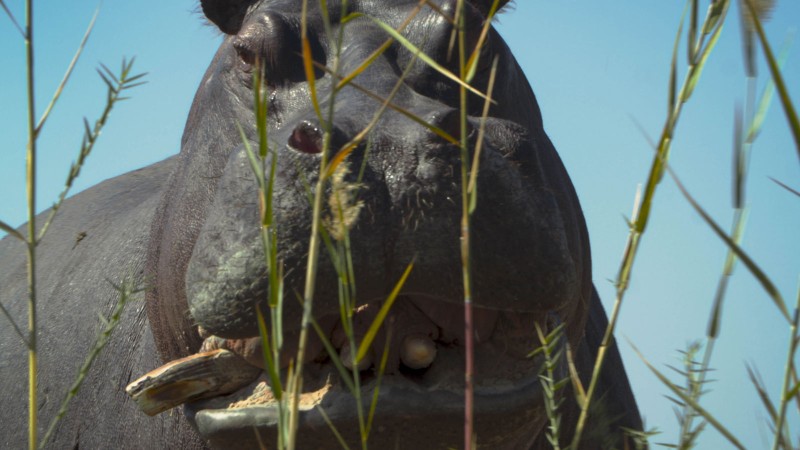
The story of Pablo Escobar’s escaped hippo told through poetic voiceover by the impossibly gorgeous baritone of Jhon Narváez, Nelson Carlos de los Santos Arias’s Pepe has one of the loglines of the year but is a film that dives compelling depths in this potential silly tale of animal personhood.
An infinitely charming and divisive story of losing a home never seen, Pepe bites off more than it can chew but has more meat on its bones than the majority of films you’ll see this year. With some truly mind-blowing filmmaking inside its modest frame, Pepe will sneak up on you and leave you surprisingly emotional about these hippos.
The Seed of the Sacred Fig: (2024) – Mohammad Rasoulof
⭐⭐⭐⭐⭐
Rating: 4.5 out of 5.
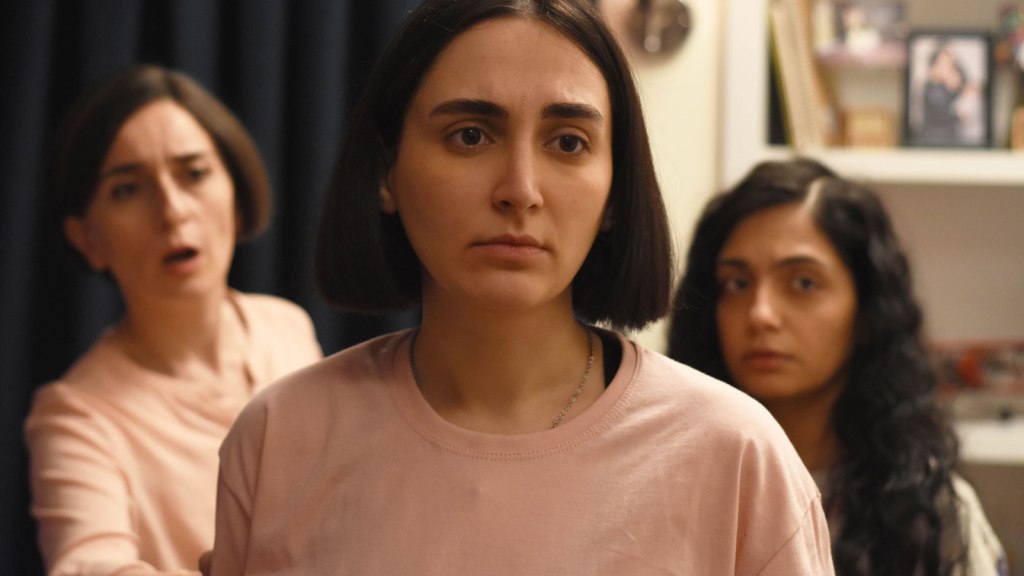
An enthralling family drama that devolves into an edge-of-your-seat thriller, Mohammad Rasoulof’s The Seed of the Sacred Fig deservedly earned second place at Cannes and easily finds itself in the conversation for film of the year.
Grounding itself in the reality of student protests in Iran, potently displayed through real phone footage, Rasoulof’s film about how politics and repression are bound to its people is at times overwhelming, but never melodramatic. The Seed of the Sacred Fig is one of the most impressive screenplays of the decade due to its difficulty and focused expression, moving slowly but confidently to its unexpected climax.
Through an emotionally overwhelming use of real social media videos of Iranian political protests and violence, Razoulof risked his life making this remarkable film that so of the moment it’s hard to believe. Brilliantly blending metaphors of family dynamics as stand-ins for the regime, The Seed of the Sacred Fig is a remarkable, must-see film that may be the most crucial piece of cinema to emerge from 2024.
Sing Sing (2024) – Greg Kwedar
⭐⭐⭐⭐
Rating: 4 out of 5.
The most emotionally overwhelming film of the festival, we are sure to be hearing a lot about Greg Kwedar and his incredible prison rehabilitation drama Sing Sing come awards season at year’s end.
Exploring the real theatre-based prison rehabilitation program at Sing Sing Maximum Security prison (RTA), with an open heart and boundless compassion, Kwedar and his collaborators have given audiences one of the year’s best and most open-hearted portrayals of the American prison system that will break your heart and put it back together.
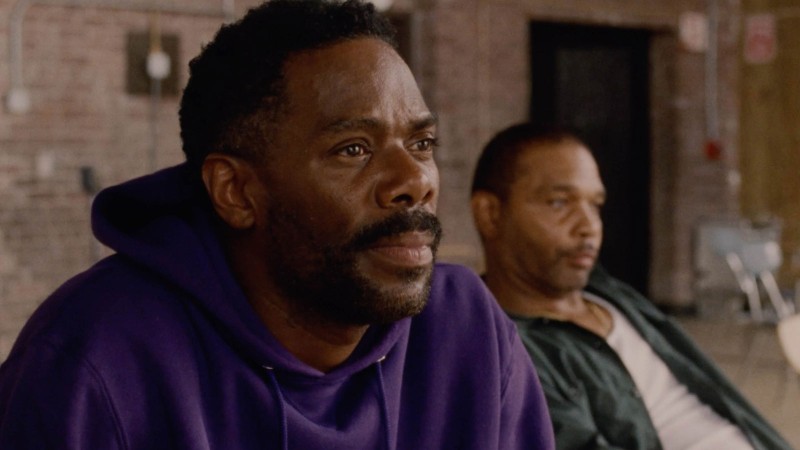
Perfectly blending reality and fiction, with an awards-worthy pair of performances by Colman Domingo and Clarence Maclin (an alum of the program), Sing Sing avoids any missteps into gratuity and gawking through an endless stream of humanity and humble decisions that is inspiring. A true miracle of a film.
The Shrouds (2024) – David Cronenberg
⭐⭐⭐
Rating: 3 out of 5.
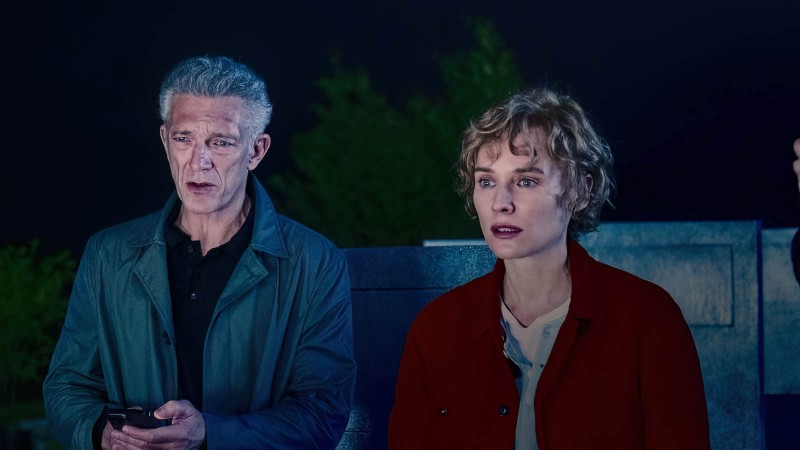
A beguiling and disarmingly funny inward look at grief by a living legend, 81-year-old David Cronenberg’s The Shrouds is a film only he could make. While not on the level of Crimes of the Future (2022), Cronenberg’s outward display of grief for his late wife Carolyn Ziefman in 2017 here is poignant and more emotional than you’d expect.
With a deliberate caricature of the auteur in the lead with a white-haired and sunglasses Vincent Cassel as a cemetery-owning video content producer with a physical obsession with the deceased, The Shrouds bizarre humour reminds one of the late Argento, but with a framework and personality that only the Canadian legend can achieve. While feeling more like a sketch than a fully realised project, in the long arc of Cronenberg’s work, this still feels like a critical late tentpole.
Sweet Dreams (2024) – Ena Sendijarevic
⭐⭐⭐
Rating: 3 out of 5.
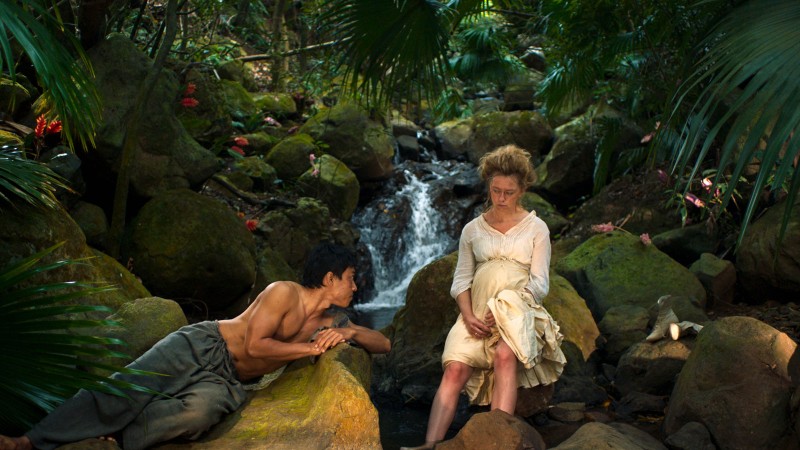
A charmingly eccentric but slight look at the doomed Dutch colonialism of Indonesia, Ena Sendijarevic’s Sweet Dreams lives in the shadow of Yorgos Lanthimos and other Euro eccentric filmmakers, but still effectively skewers a worthy target.
As the death of a Dutch sugar plantation owner Jan (Hans Dagelet) plunges the land into financial turmoil, the arrival of a daffy married couple Josefien (Lisa Zweerman and Cornelis (Florian Myjer) threatens to sell off the depreciating land, much to the behest of Jan’s widow Agathe (the scene-stealing Reneé Soutendijk).
The demise of a certain vein of European colonialism shot evocatively through natural lighting with Barry Lyndon (1975) as a touchstone, Sweet Dreams is a minor work compared to the rest of this list of MIFF films but is an entertaining enough ride to enjoy.
Universal Language (2024) – Matthew Rankin
⭐⭐⭐⭐
Rating: 4 out of 5.
A poignant picaresque of Winnipeg through the language of 80s Iranian cinema, Matthew Rankin’s evocative film Universal Language charmed its way into the MIFF grand prize, the Bright Horizons award, and deservedly so.
A farcical tour through a Farsi-speaking imagined world of modern-yet-timeless Winnipeg, Rankin’s creative world-building leaves evocative nuggets around every corner, including one of the best locations in cinema this year with an Iranian-styled Tim Hortons.
One of the most rewarding and enchanting experiences in a wonderful suite of films, Rankin’s Universal Language is an idiosyncratic depiction of one’s home and cinematic loves combined, morphing into a must-see.




















 Rating Frames