
Set in the glaringly inhospitable north of Denmark in the 18th century, The Promised Land (2023), is a period drama that could’ve easily slipped into historical mad-libs. But, through a nuanced script by director Nikolaj Arcel and Anders Thomas Jensen based on the 2020 novel by Ida Jesson, we are given an easily digestible and consistently compelling epic through a real focus on character interiority. Mads Mikkelsen, with a weathered face as sprawling and inscrutable as the sparse Danish countryside, captures our attention within every frame of the film that too easily could’ve faded into obscurity without his brilliant performance.
The heath, a term for the impenetrable countryside in northern Denmark is where we find ourselves. A land with murky jurisdiction between the Danish king and local landowners, recently retired army captain Ludwig Kahlen (the formidable Mads Mikkelsen) seeks to gain permission to farm this impossible land and in return, gain land ownership and an estate. A uniquely humble period drama, The Promised Land succeeds in the grounded, universal story of perseverance and cultivation that ties us to our global history.
This is an environment we don’t often see Mikkelsen in, as the lower-born striver amongst the bourgeoisie. He is in a more anxious state than the revered actor is used to, placing his weathered face amongst the terse and difficult countryside cultivating anything that will uproot him into a higher station.

A film that reflects its brooding and unsettling environment in its subject matter and style, The Promised Land still finds new pockets of period cruelty in a tense scene at the local magistrate and estate owner Frederick’s (Simon Bennebjerg) ball, highlighted by the capture and horrible torture of a runaway alongside a children’s choir. Up until this point, Frederick is seen as petulant and weak, but in this moment the world Ludwig seeks to establish himself in is realised. Bennebjerg’s performance is a great counter to Mikkelsen’s resolve, matching his severe expressions with those of an adult toddler with too many toys at their disposal.
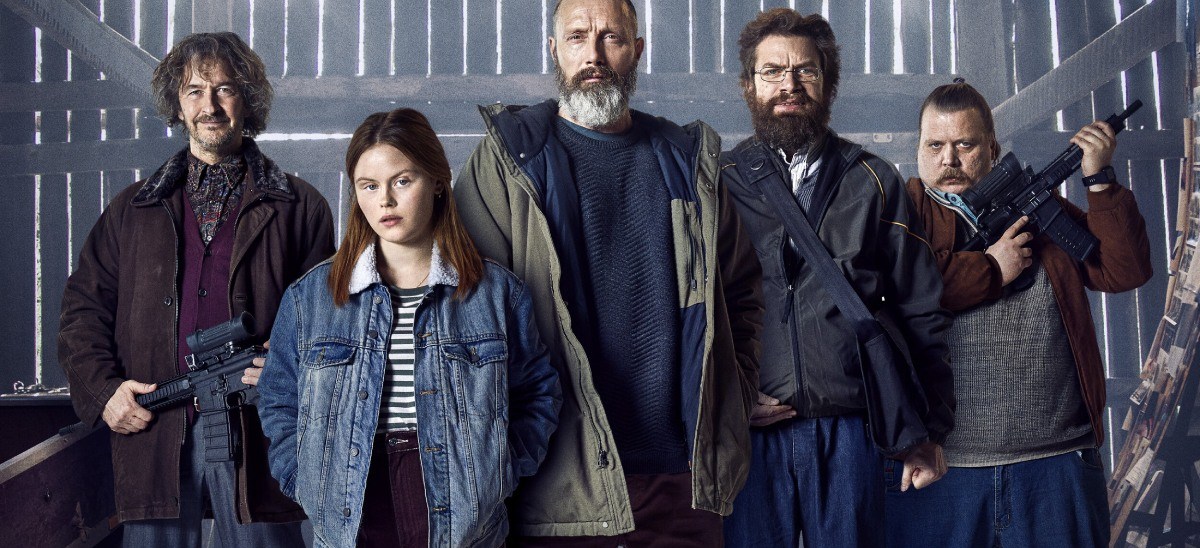
The Promised Land pairs closely with the modern masterpiece There Will be Blood (2007), albeit with a more classical Western approach to striving protagonists combating the established power structures. While not on the same artistic level as the Paul Thomas Anderson film (few new films are), The Promised Land thrives in its modesty, propelled by its strong ensemble cast highlighted by Mikkelson and Amanda Collin as Ann Barbara, an indentured farmer who fled the cruel Frederick’s reign.
But this is not just a film about farming and potato rustling. This is a rare modern period film that actually explores the role of faith, both in religion and in the monarchical institution that Ludwig wields as a symbol of righteousness amongst chaos. These are complicated, compelling ideas to show in a grounded way, and by focusing on the individual humanity on display over the broader concepts, you see both modern life and history at once, deepening the experience.

The revelation of Ludwig’s trump card in this land and farming war is the lowly and persistent potato is a charming one and well reflects the character’s stern resolve in his ambition, no matter the origin. The Danish winter is harsh with only the slightest glimmer of hope coming through the promise of spring that ties us physically and emotionally to this enduring farming tale of perseverance. The cinematography by Rasmus Videbæk is beautiful in its landscapes and use of natural lighting with a focus on fire while maintaining a groundedness that can too often be lost in these more natural environments.
The casting of Mikkelson is of course integral to the production of the film, but it does alter how the narrative unfolds. As one of the great unflappable performers working today, Mikkelson always appears entirely in control of his situation, with his desire to lift himself into a higher station an inevitability. His age also complicates the story, as the character of Ludwig on the page appears a more youthful character out of the army (there is a line in the opening scene informing us that Ludwig is recently retired that seeks to explain away his age) and eager to establish themselves with money and land, but at his more advanced age, the man Mikkelson portrays appears to be on his final attempt at making a life for himself. Whether intentional or not, this creates a weight of sadness and desperation that becomes the lifeblood of the film.
Through a well realised ensemble headlined by the great Mads Mikkelson, The Promised Land is an honest and compelling period drama set in a unique world that is still close to home. With its grounded farming story and classic Hollywood western narrative of a single, wandering force upsetting the local power structures, we are placed on familiar ground, allowing us to be swept up into this formidable drama.
The Promised Land is in select theatres now.



 Rating Frames