Licence to Steal: The Unofficial Bond Films

Given their ubiquity, changes in cast and wildly varying degrees of quality, casual moviegoers could be forgiven for thinking that the James Bond films are always produced by a different studio, their rights exchanging hands more frequently than Bond himself changes lovers. In actual fact, these rights have stayed with the same two companies for decades, both holding the exclusive licence to adapt Ian Fleming’s stories and characters to celluloid.

Well, almost.

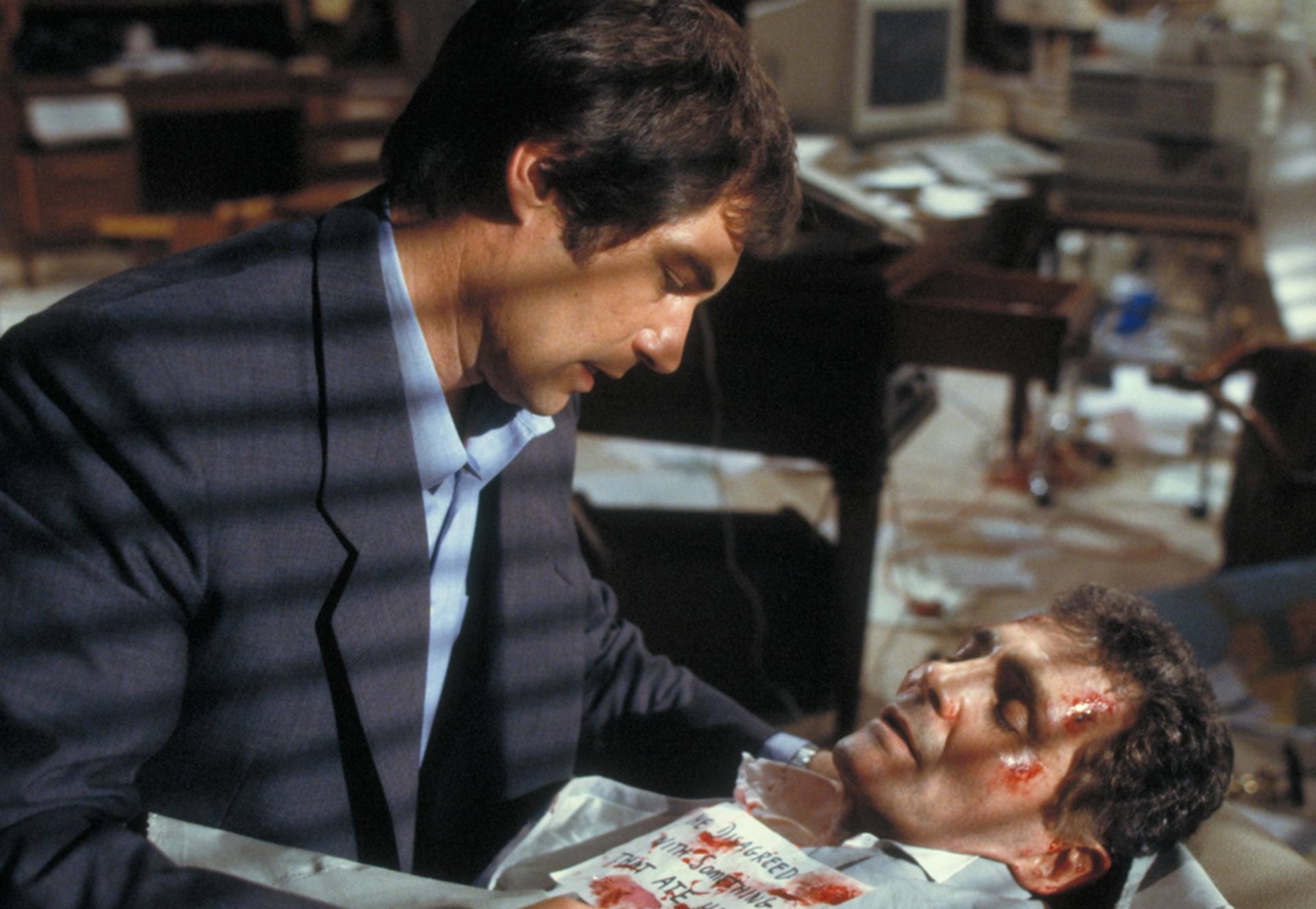
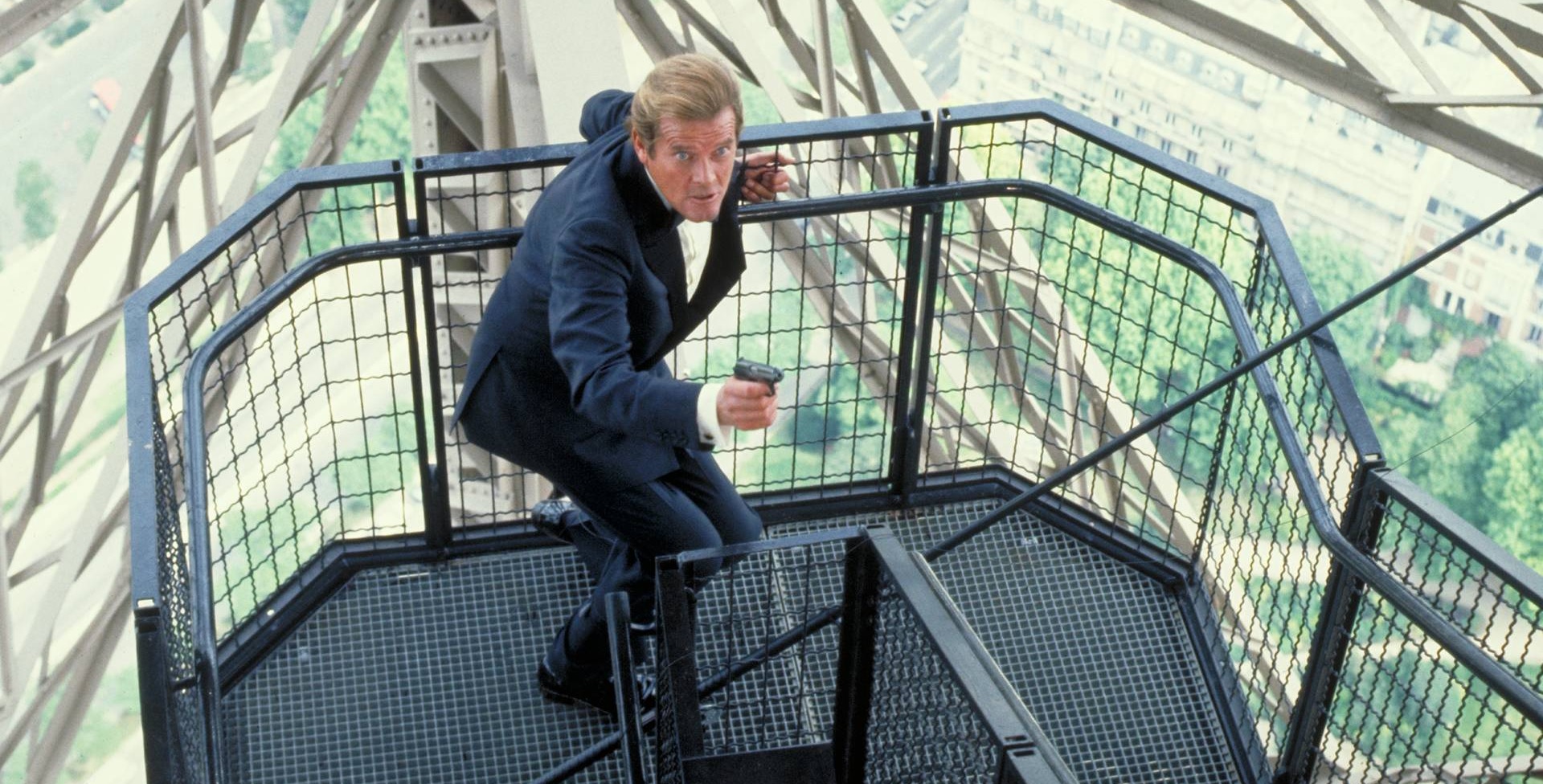
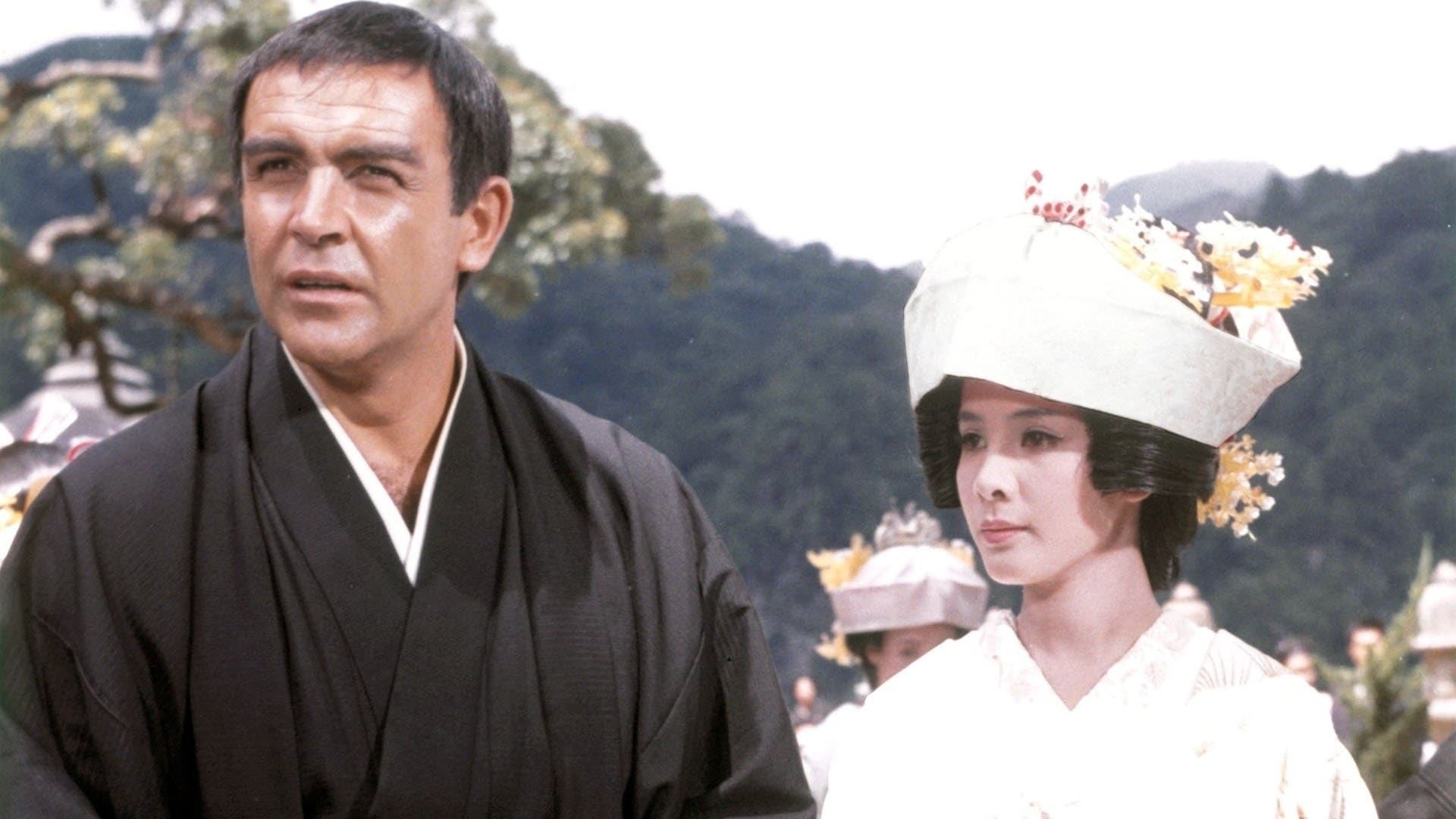
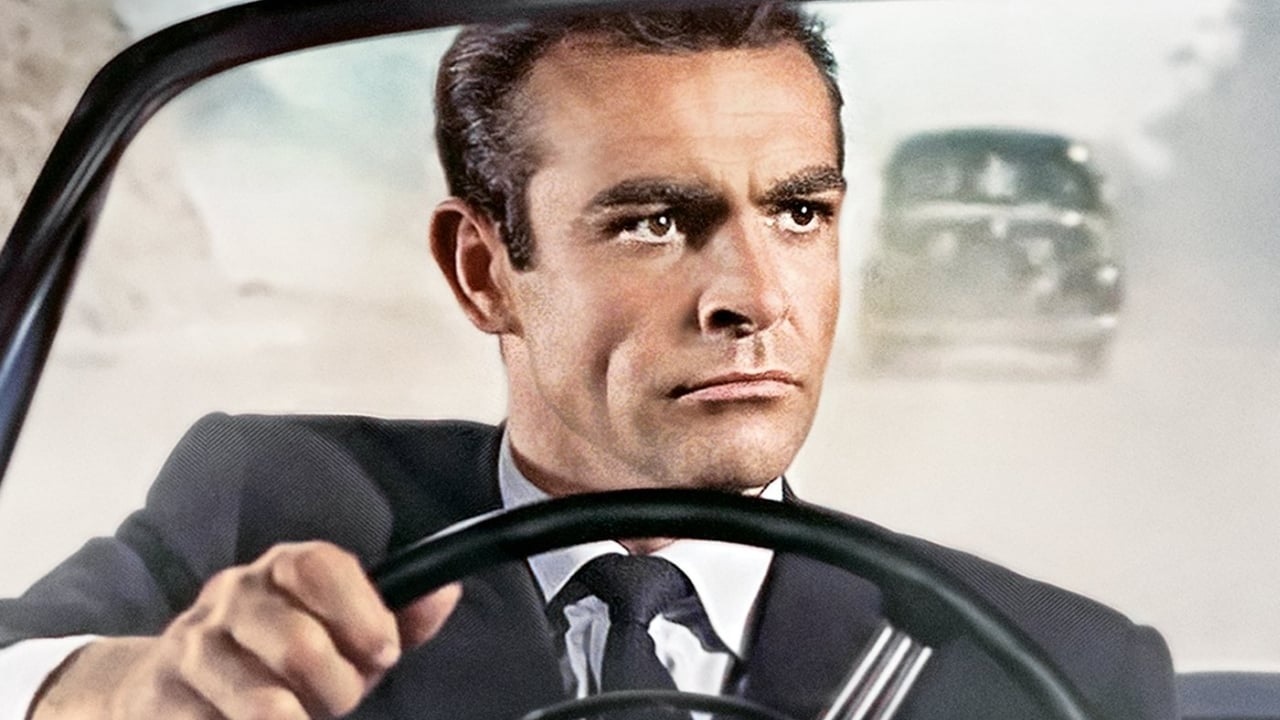
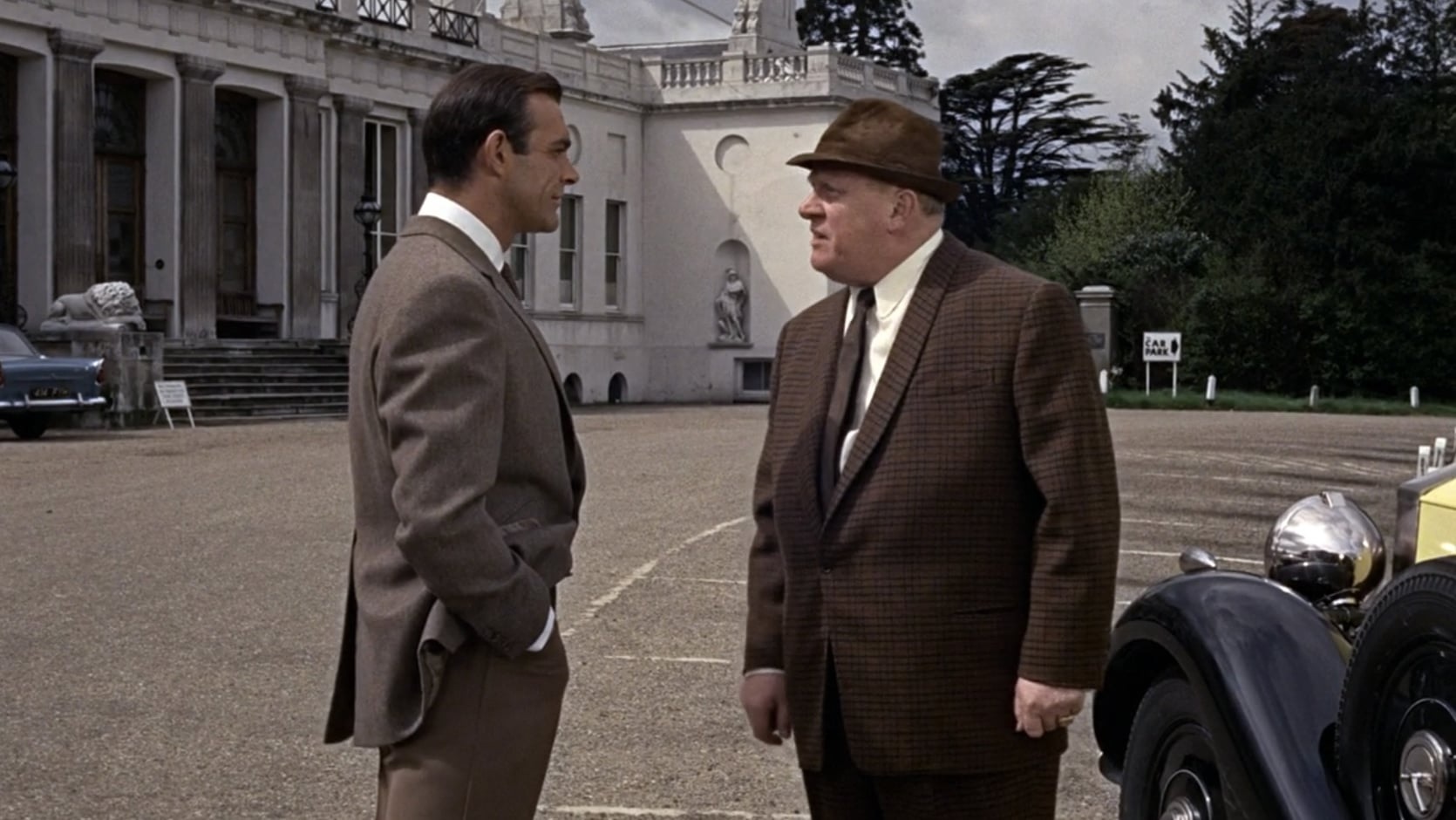
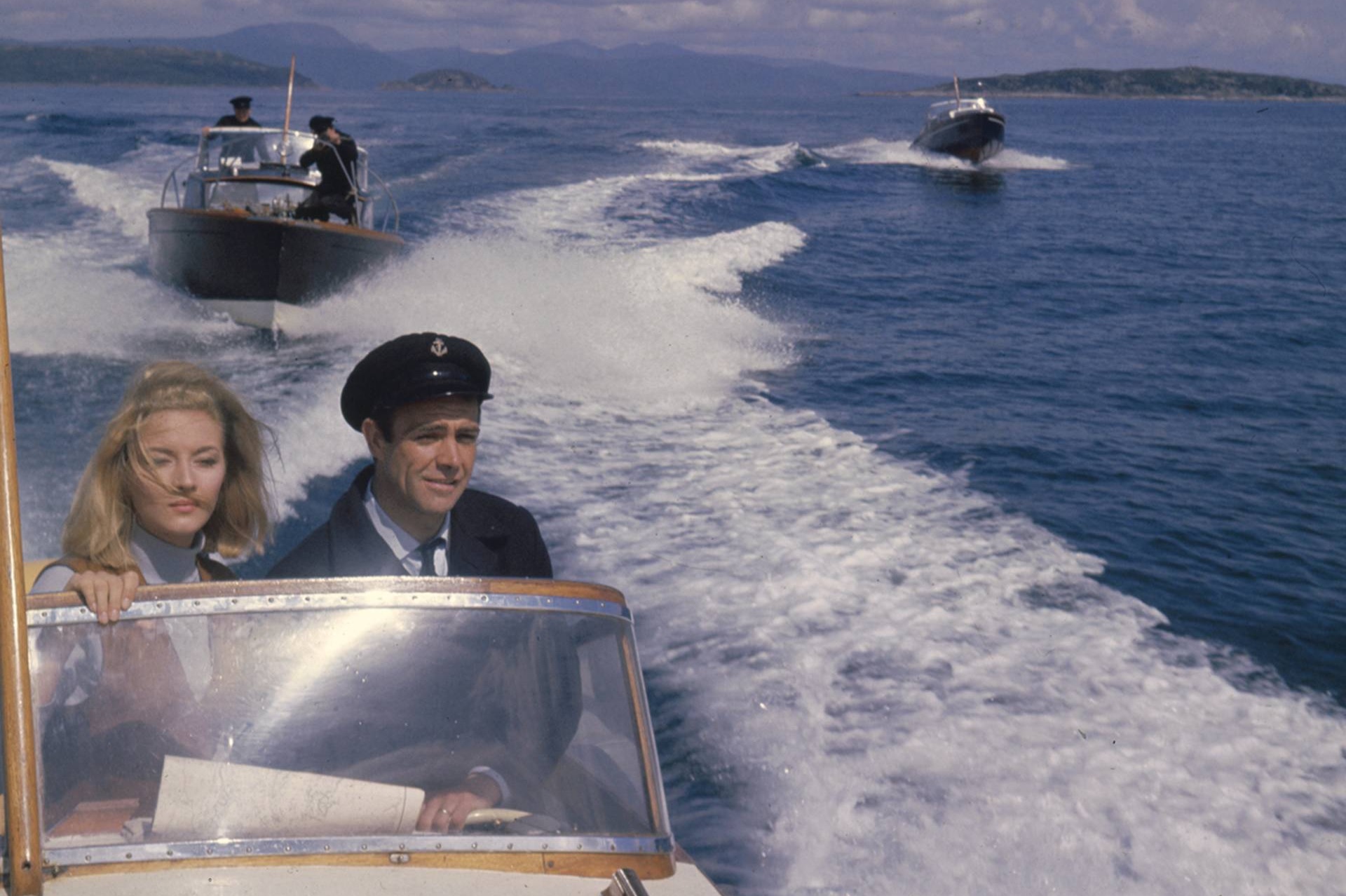
In the six decades since producers Harry Saltzman and Albert R. Broccoli were granted Fleming’s permission to turn his novels into feature-length pictures, there have been 27 films released with Agent 007 as the lead character. 25 of those movies – including the upcoming No Time to Die (2021) – have been made by Eon Productions, a company founded by Broccoli with the sole purpose of creating Bond films; the remaining two have not.

The production and release of these movies was, on both occasions, made possible due to legal loopholes that allowed individuals to circumvent Eon’s authority and craft their own adaptations of Fleming’s works. Neither picture is remarkable, but nonetheless, both are important pieces of cinematic history that contribute to Bond’s legacy, and as of such are worthy of discussion here on Rating Frames.

The first of these two films is Casino Royale (1967) which arrived at the height of James Bond’s popularity and mere weeks before Eon’s You Only Live Twice (also 1967) hit theatres. Its title is shared with Fleming’s debut novel, and not by coincidence – the rights to this book were optioned by American producer Charles K. Feldman, who unsuccessfully tried to adapt the story with Saltzman and Broccoli. When his relationship with the pair fell through, Feldman decided to continue on with the project alone, eventually securing the backing of Columbia Pictures.
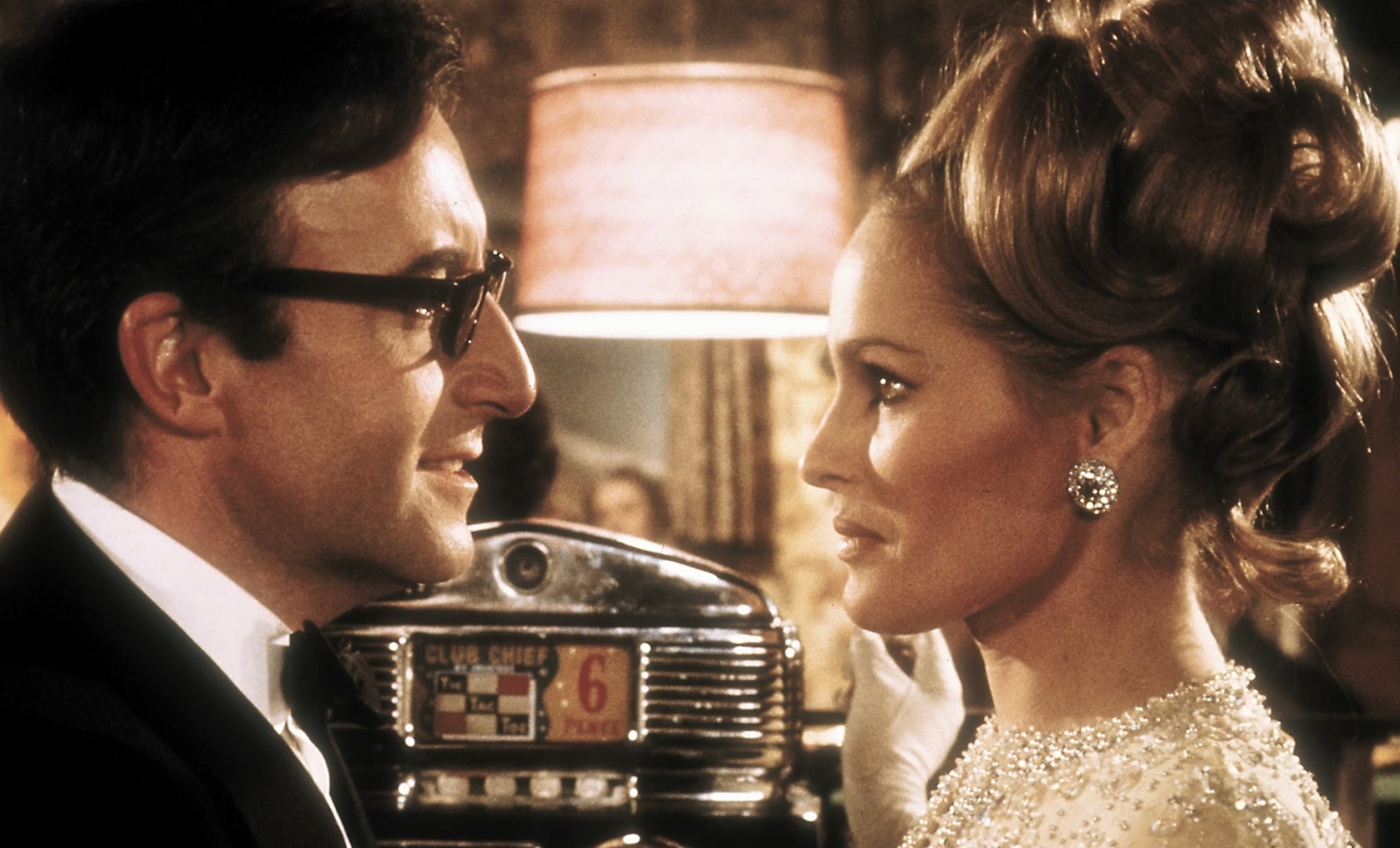
Peter Sellers with Ursula Andress in 1967’s Casino Royale

Feldman’s Casino Royale is a picture that deviates wildly from its source material, being a slapstick parody that centres on an older James Bond (David Niven) coming out of retirement to mitigate a crisis at the behest of his former superior. The picture benefitted from a celebrity-laden cast that included not just Niven, but also the likes of John Huston, Peter Sellers, Orson Welles (yes, really!) and original “Bond girl” Ursula Andress, in addition to future stars Woody Allen, Jacqueline Bisset, Ronnie Corbett, Bernard Cribbons and John Bluthal.

Why actors of such calibre wanted to be involved is a mystery, because Casino Royale is an unmitigated mess of a movie, with the pacing being too fast, the screenplay lacking coherence, and the comedy being atrociously unfunny, with just about every gag falling flat. Its only redeeming feature is an irreverent finale that appears to have inspired Mel Brooks’ Blazing Saddles (1974), but even this moment of absurdity proves just as underwhelming as any other scene in the picture.

By comparison, the second of these “unofficial” Bond films is a masterpiece, if only because it possesses a level of competence non-existent in Feldman’s production. The film in question is Never Say Never Again (1983), which owes its existence to screenwriter Kevin McClory. Prior to Saltzman and Broccoli’s acquisition of the film rights, McClory was approached by Fleming to adapt one or more of his books, but instead chose to write an original story with Fleming’s input – a story that was novelised by Fleming and published under the title of Thunderball in 1961.

A middle-aged Sean Connery with a young Kim Basinger in Never Say Never Again

A legal battle between McClory and Fleming ensued, one that went to court and saw McClory awarded damages plus joint authorship of the novel. With this small credit, McClory also had control of the rights to Thunderball, thus gifting him with the power to make his own picture if he saw fit. Those rights were eventually sold to film producer Jack Schwartzman; but since there was already a movie called Thunderball (1966), significant changes were needed to differentiate between the two – most obviously the title.

Never Say Never Again is a virtual rehash of Thunderball’s screenplay, with the fresh cast, updated visuals and the like doing little to disguise this fact; moreover, the newer adaptation is less fun than the Eon production, for it lacks the Sixties aesthetics and fantastic music that make the original picture such a charmer. Yet because it lacks camp and takes itself rather seriously, the film manages to be better than the “official” Bond title released that very same year, Octopussy (1983). Though only just.

In short, both of these movies pale in comparison to their Eon counterparts – one fails as both a compelling spy movie and an astute satire of the source material; the other is serviceable, yet unable to offer anything new or unique. If this author were to place them in our countdown of the other 25 Bond films, Casino Royale would be dead last, while Never Say Never Again would fall between Moonraker (1979) and Licence to Kill (1989), neither of which are 007’s finest hour.

If there’s one positive that can be said about the two unofficial films, it’s that they provide the viewer with a greater appreciation of the Eon-produced pictures, demonstrating the value of Saltzman and Broccoli’s input and why their movies have endured, instead of becoming relics from a bygone era. Or how not to do a Bond flick.

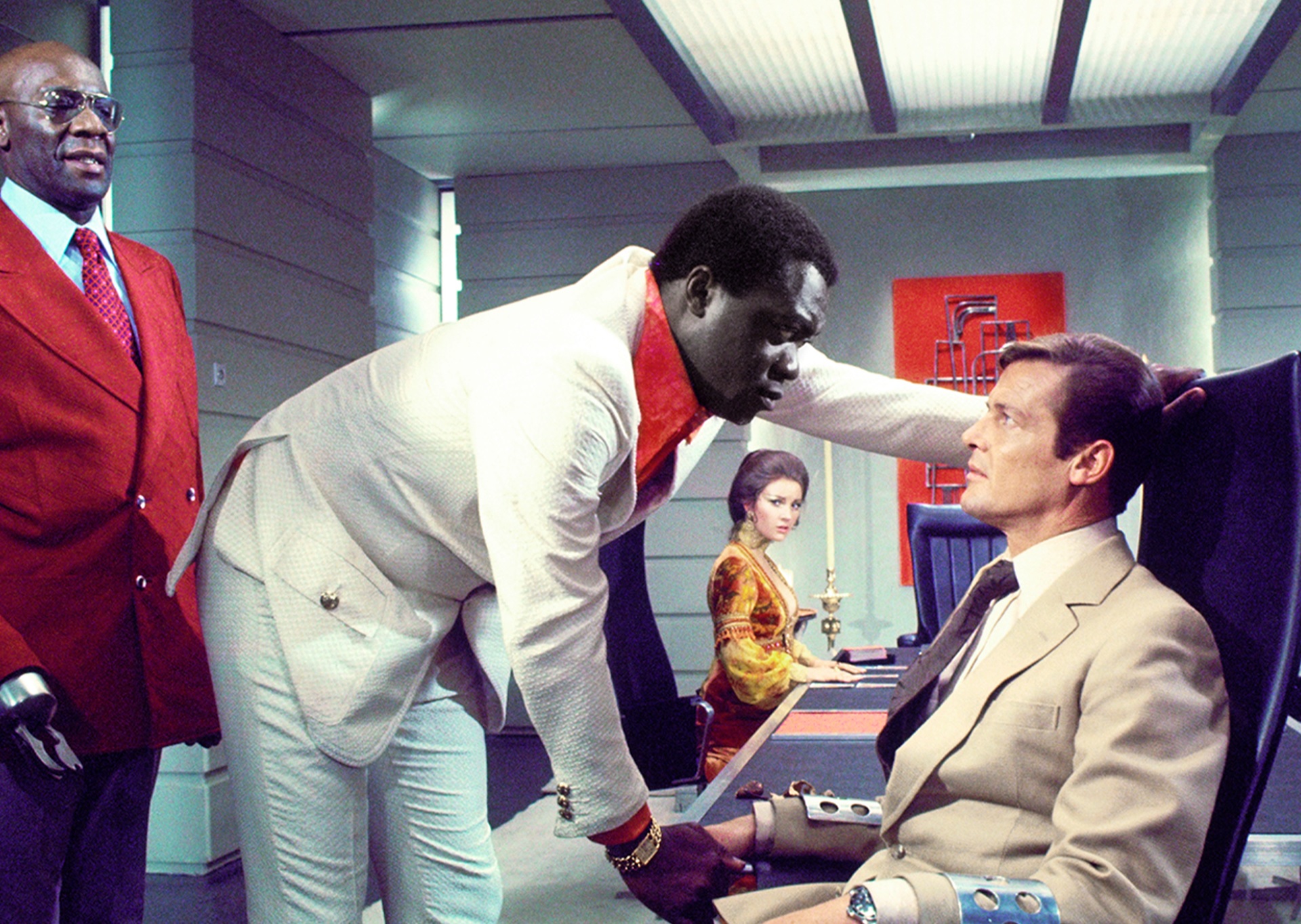
Ranking the James Bond Series

Long before superhero franchises came to proliferate theatres, there was just one man guaranteed to be a box-office drawcard: Bond. James Bond. His handsome looks, sophisticated wardrobe and suave tongue have allured filmgoers for decades, despite his notoriety as a heavy-drinker and misogynist, with his popularity enduring to this day. And next week, he’ll be returning to the limelight once more when his newest picture, No Time to Die (2021), finally debuts in Australian cinemas.

For the benefit of the uninitiated, Bond – who is also referred to by his codename, 007 (pronounced “double-oh-seven”) – is a spy who works as part of the British government’s secret intelligence service, nowadays referred to as MI6. His character originated in a series of wildly-popular novels penned by Ian Fleming and published at the height of Cold War-paranoia, before making his first big-screen appearance in the 1962 adaptation of Dr. No.

More movies starring the secret agent would follow in the years after, with the premise, tone, style and cast occasionally adjusted to suit the tastes of audiences, with varying degrees of success. Like many others, the team at Rating Frames has been revisiting these pictures, and can now offer to you their definitive ranking of the James Bond film franchise, listed below from worst to best.

24. Live and Let Die (1973)

Roger Moore’s debut as 007 is by far and away the most embarrassing entry in the character’s history, filled with painfully unfunny one-liners, far-fetched stunts and plenty more illogical moments. A decent boat chase on the Louisiana Bayou is the only element that saves it from being unwatchable.

23. The World is Not Enough (1999)

“Monotonous” is the word that best describes this Pierce Brosnan-led bore, doing nothing to innovate the genre, nor the franchise. It’s long, slow, bland, and made even more frustrating by the presence of Denise Richards, the most unnatural and ineffectual “Bond Girl” to ever grace the screen.

22. Quantum of Solace (2008)

A misguided affair that takes a few too many cues from the Bourne movies and not enough from its predecessor, which also starred Daniel Craig. The pacing is too fast, camerawork too shaky, narrative lightweight, and Mathieu Amalric’s villain feeble at best.

21. Octopussy (1983)

This one is the most light-hearted of all the films, bordering on parody – especially during the third act; yet it’s not without its charms, with some good chase sequences, decent fights and tension involving a nuclear bomb. Certainly not a stinker, but nor is it Moore’s finest hour.

20. Licence to Kill (1989)

007 goes rogue in Timothy Dalton’s second and last picture as the secret agent, and things get very dark in the process. Quite simply, it’s too violent, too graphic and too angry for a Bond flick, its tone better suited to a Scarface knockoff.

19. Moonraker (1979)

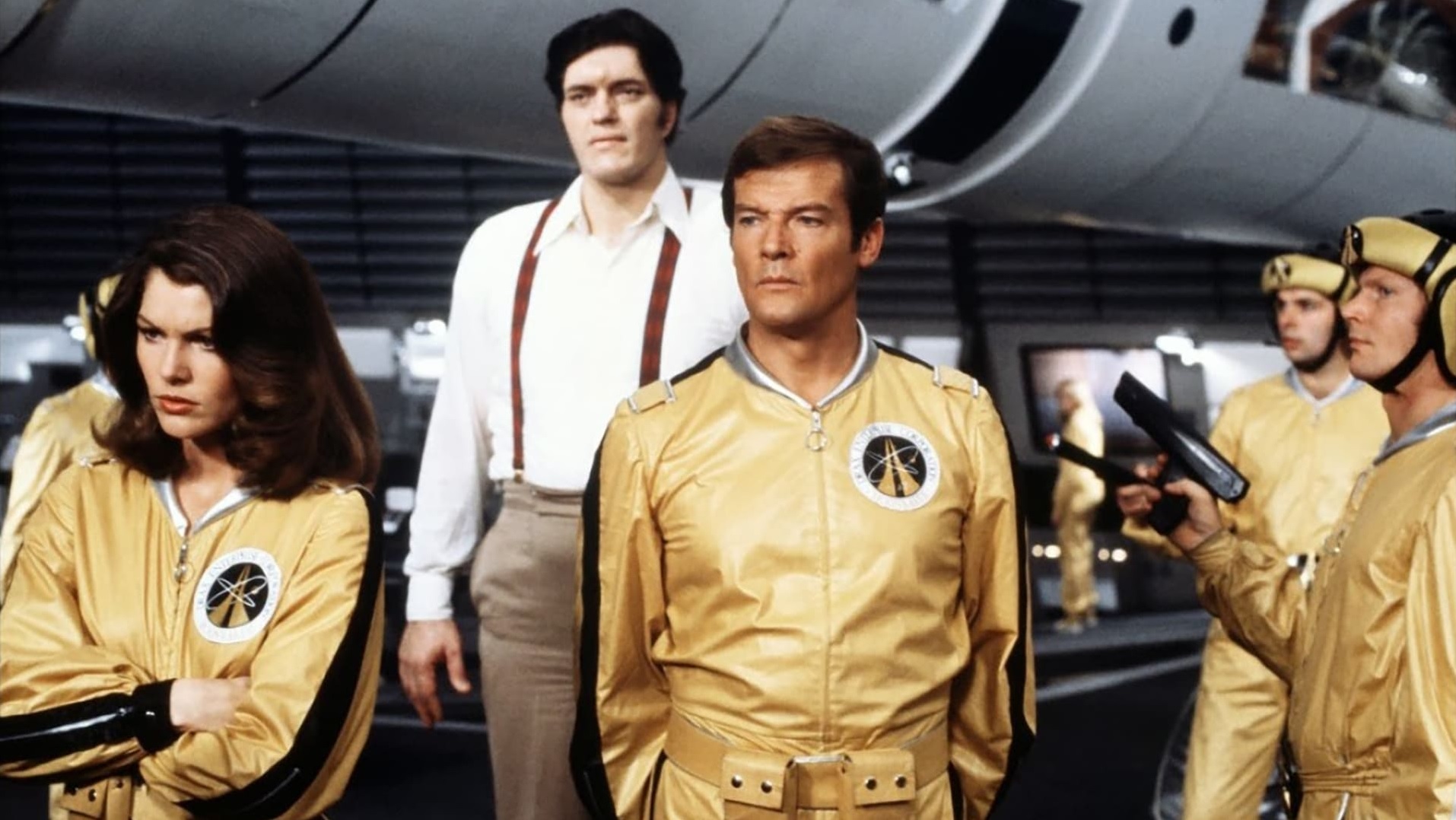
This romp saw Bond fly into outer-space in an effort to capitalise on the science-fiction craze of the late Seventies, resulting in the silliest, campiest film of Moore’s tenure – and that’s really saying something, given the quality of his other movies. With that said, the space sequences are reasonably entertaining.

18. The Man with the Golden Gun (1974)

A pretty tepid and rather forgettable affair for Moore, with the exception of its two antagonists: Sir Christopher Lee as the main foe, Francisco Scaramanga, and Hervé Villechaize as his short-statured associate, Nick Nack. That corkscrew jump is pretty cool, too.

17. Diamonds Are Forever (1971)

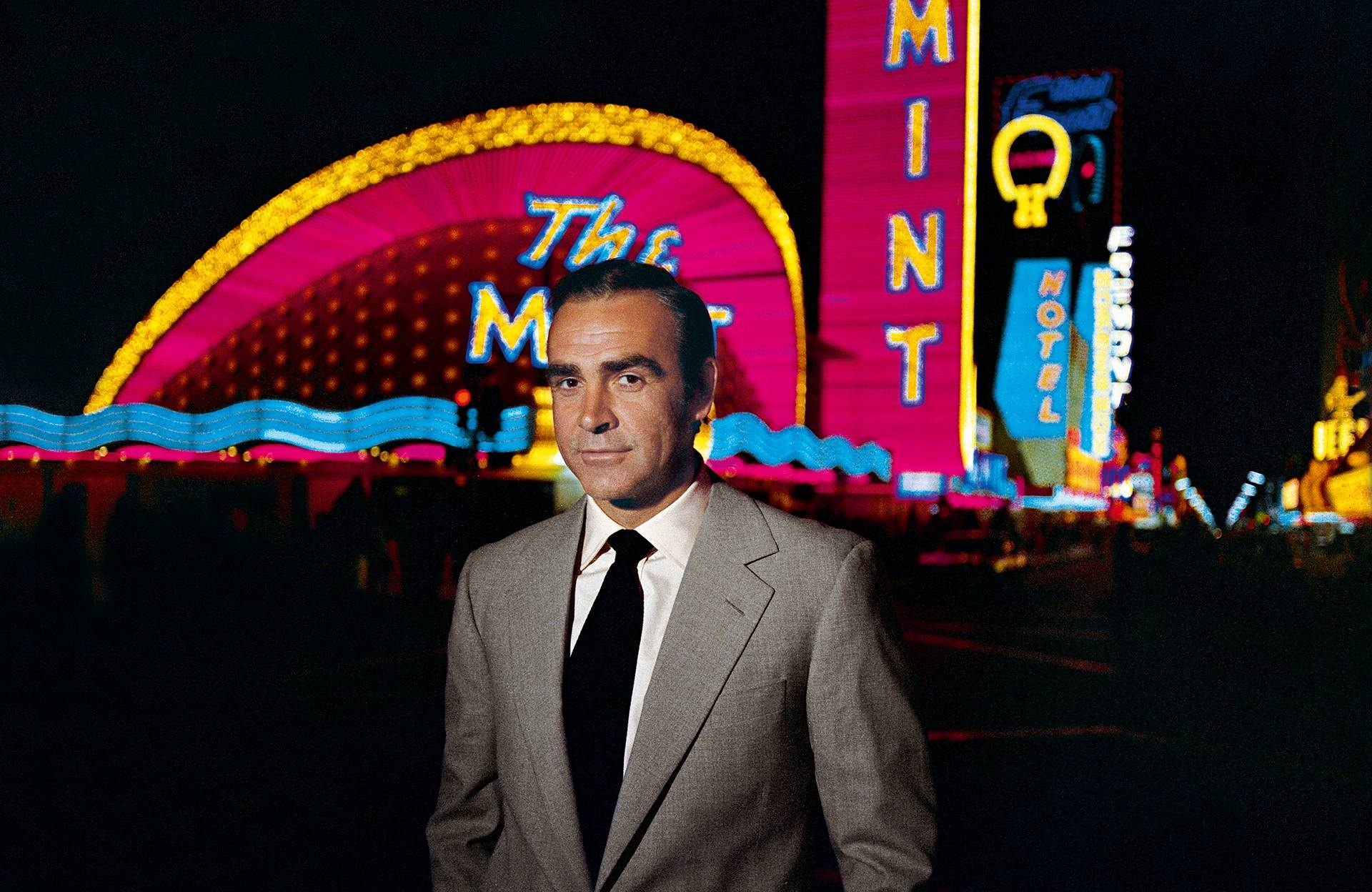
The last official Bond film to star Sean Connery, who is virtually the only aspect that elevates proceedings. This instalment marked the franchise’s transition into camp, with bright colours and many ludicrous moments, yet is simultaneously dullened by its flat, lifeless Las Vegas setting.

16. Die Another Day (2002)

Often derided as the worst in the series, but nowhere near as bad as its reputation suggests, Brosnan’s final appearance as 007 contains a bonkers, yet fun, car chase on ice with military weaponry, and a tense climactic battle aboard a jumbo jet. Just be sure to suspend all disbelief.

15. The Spy Who Loved Me (1977)

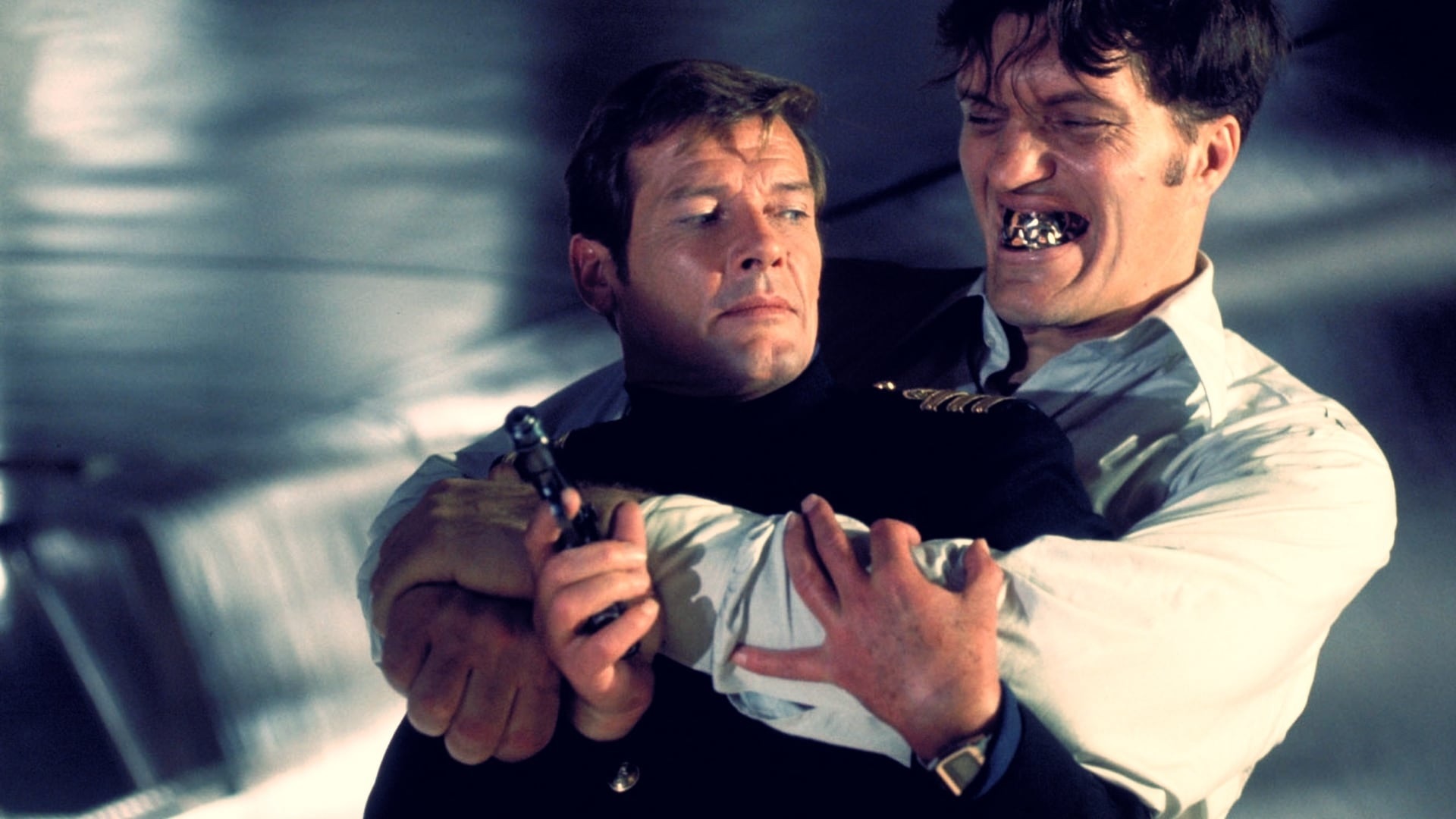
Introduced a great adversary in Jaws (Richard Kiel), and an iconic ride in Bond’s white Lotus Esprit that doubles as a submarine; beyond that though, Moore’s third movie as lead is pretty mundane, and in need of some greater thrills.

14. A View to Kill (1985)

While Moore was definitely too old to be leading an action flick by this point, his swansong is good nonetheless, boasting two of the series’ best villains – Max Zorin (Christopher Walken) and May Day (Grace Jones) – and the occasional moment of high tension.  

13. You Only Live Twice (1967)

Cultural appropriation of the Japanese aside, Connery’s fifth outing stands the test of time, with all the Bond trademarks present. Plus, there’s a memorable climax inside a secret lair that sees Bond’s first face-to-face encounter with his arch-nemesis: Ernst Stavro Blofeld (Donald Pleasence).

12. Dr. No (1962)

The first ever Bond film is by no means spectacular by today’s standards, yet remains one of the better instalments due to its straightforward narrative – one that’s reasonably faithful to Fleming’s original novel – and serviceable thrills. A splendid introduction to the secret agent, even if some of the effects look cheap.

11. Thunderball (1966)

Another much-loved entry from the Connery era, this one is marked by its extended underwater sequences that look exceptional; less so the editing, particularly in the third act. Probably has the driest sense of humour of any Bond script, too.

10. Tomorrow Never Dies (1997)

There’s lots to appreciate in Brosnan’s sophomore excursion as 007, including a genuinely terrifying first act, a delectable antagonist, and the presence of Michelle Yeoh, who brings with her some exciting close-quarters combat. But the pacing is too quick, and there’s a few too many corny punchlines.

9. The Living Daylights (1987)

In the first of his two appearances in the franchise, Dalton steers proceedings in a more serious direction than his precursor did, to great effect. The chase scenes and stunt-work are exemplary; the narrative involving a group of Afghan freedom fighters hasn’t aged very well, though.

8. For Your Eyes Only (1981)

The best, and least camp, picture from the Moore era, made enjoyable by the action sequences, a pretty decent twist involving the villain, and an understated sweetness that’s missing from most other instalments; yet it remains quite silly when compared to its contemporaries.

7. On Her Majesty’s Secret Service (1969)

One of the more distinctive entries in the Bond canon, owing to the snowy backdrops, romantic subplot, and George Lazenby in his first and only turn as 007. The icy driving scenes and ski chases are especially pleasing, even when paired with some unconvincing effects.

6. Spectre (2015)

Often lambasted for being too slow and too predictable, and both criticisms are valid; but the qualities of this movie cannot be denied. Caters to the franchise’s purists with its brutal fights, chase sequences and aircraft wreckages.

5. Goldfinger (1964)

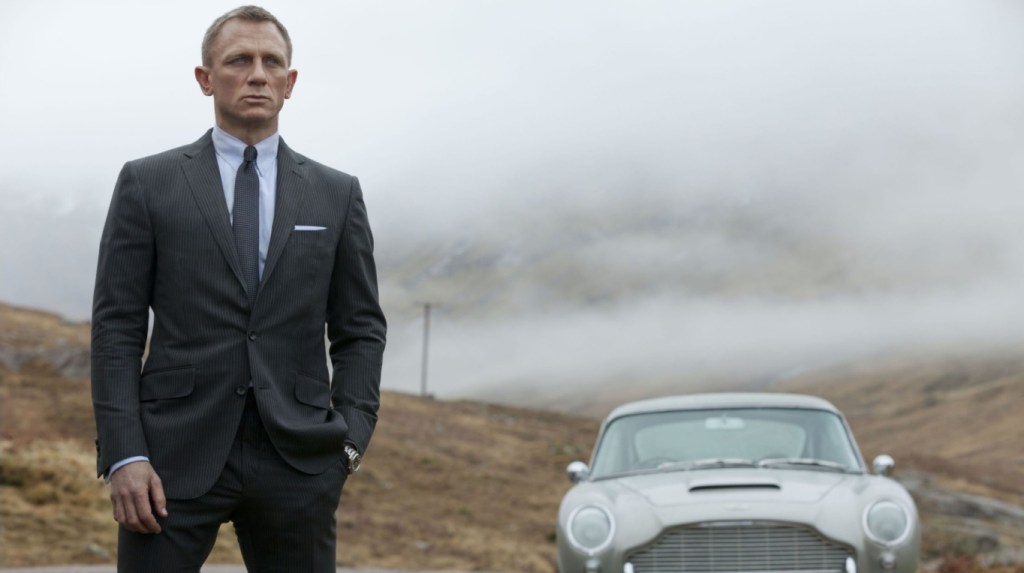
Considered the quintessential Bond flick, and with good reason. Boasts two iconic villains in Auric Goldfinger (Gert Frobe) and Oddjob (Harold Sakata), in addition to a gadget-laden Aston Martin which has come to be synonymous with the series and the spy genre as a whole. Tacky effects and substandard editing let it down.

4. Casino Royale (2006)

Loosely inspired by Fleming’s debut novel, this is the chapter that rebooted the venerable series and introduced Craig as a cold, unflinching 007. It’s gritty, taut and occasionally brutal, factors that don’t always work to the material’s advantage; nor, for that matter, does the embarrassing product placement.

3. From Russia with Love (1963)

An improvement over the previous year’s Dr. No in practically every respect, courtesy of a higher budget that allowed for more action and stunts. Justly remains the feature by which all other Bond films are judged.

2. Skyfall (2012)

Deftly combines the tropes of its forebears with an intimate, grounded screenplay to create a product that pleases Bond aficionados and casual viewers alike. Quite simply, it’s one of the best blockbusters ever produced.

1. GoldenEye (1995)

Here is the genesis for the modern James Bond film, an early and brilliant demonstration of how to balance tradition with evolution, the serious with the silly. Pierce Brosnan, sublime and effortlessly comfortable in the lead role, is faced with a pair of equally formidable antagonists who can predict his every move, and the conflict that ensues is nothing short of thrilling. GoldenEye is the franchise’s finest hour, and a must-see for everybody.

Pig Sees Nicolas Cage Shine in One of the Year’s Best Films

Rating: 4.5 out of 5.

There seems to be a trend of films and film titles revolving around farm animals in the last 18 or so months. From Kelly Reichardt’s First Cow (2019/2020) to Valdmiar Johansson’s Lamb (2021) and Michael Sarnoski’s Pig (2021); each of these films places these animals at the forefront, but each one tells a vastly different story and to different avail.

Pig is a film that centres on themes of grief and loss, but it is also about acceptance and surviving. It sees a truffle hunter, Robin (played by the unsurprisingly great Nicolas Cage) have his pig companion stolen in the middle of the night while living off-grid in some cabin. This results in him setting out to find his pig with the help of Amir (Alex Wolff) who pays Robin for his truffle work.

For what it’s worth, the premise is deceptively simple as it plays on audience expectations that Robin will go out on a killing spree until his pig is found. This deception is particularly true given that the man playing Robin is Cage, who audiences almost expect will go on a killing frenzy comprised of outbursts and sadistic rage like in Mandy (2018), Color Out of Space (2019), or Vengeance: A Love Story (2017), to name a few.
While there are moments of rage bubbling beneath the surface (with the most extreme outburst seeing Cage kick the crap out of a yellow Camaro’s door), Sarnoski never goes down that predictable rabbit hole (which would be a great name for another animal film). Rather, Sarnoski uses Robin’s loss and grief as a catalyst for exploring how sometimes we can’t control what happens to us — sometimes our efforts are in vain even if we think there is a silver lining at the end of the tunnel.  

What is especially interesting to note is that Robin isn’t just some weirdo who drew the short straw and is now out to exact revenge, but he is a renowned former chef whose name is uttered like a long lost legend. He’s had his share of fortune, has mingled with the city folk, and has lived under the false pretences of success that capitalism masquerades as — ultimately seeing him swap city lights for green bushland. What this approach allows Sarnoski to do is to paint capitalism as a grotesque construct that can tear down even the most successful people if they aren’t willing to adapt to the changing world around them.

Nicolas Cage in Pig

There’s a particular scene in a high end restaurant where Robin — in his rugged, beat-up state — calmy rips into the chef of the restaurant (who happens to be a former intern of his) for allowing himself to forgo his dreams and settle for a world built around falsity and conformity. It is one of the many profoundly moving scenes in the film that gets to the heart of selling ones soul and settling — ultimately forgetting about what it is that we really care about. Robin asserts to that chef that “we don’t get a lot of things to really care about”; In essence, the pig and the lengths Robin goes to in order to find it, represents that pursuit for what we really care about, which is often quashed by settling.

In a sense, you’d be forgiven for thinking this film plays out somewhat semi-biographically for Cage where he sees his own past mistakes and strives to protect and salvage what he cares about, but may have ignored in the past. There’s the whole ‘fall from grace’ type approach where Robin is an esteemed chef (Cage is an esteemed actor) who disappeared from the spotlight only to re-emerge out of nowhere and still cook (act) like a pro. Heck, a character asserts to Robin that “I remember a time when your name meant something to people, Robin”.

It makes for a resounding 90 minutes that gives Cage a platform to showcase why he is among the top 10 actors of all time. Cage himself asserted in recent interviews that the acting came easy for him here because he didn’t need to act as much due to having dreams and thoughts about losing his cat — which he channelled into Robin. In this sense, Cage plays Robin with a degree of verisimilitude that many (including yours truly) will be able to relate to. Whether someone has lost an animal, a loved one, or just an inherent desire — it’s about finding what you care about and protecting it at all costs, no matter the outcome.

The comparisons between John Wick and Pig have been plentiful due to the nature of messing with one’s animal companion and then hunting down the perpetrators. However, Sarnoski’s take on the revenge storyline plays out in a resoundingly different light. Robin is the one that gets beat down (physically and mentally) throughout the whole film without so much as throwing a punch. It’s a unique take on what we might expect to have happened, but it adds a level of humanism and honesty that captures how things don’t always end up the way we want them to.

The film is a masterclass in exploring how we deal with grief and how we learn to live with it in a system that encourages people to forget about what they truly care for and move on. Nicolas Cage delivers one of his most subtle and sublime performances ever, and the result is one of the most touching, sombre and best films of the year.

Pig is streaming on Palace Home Cinema

9 Campy, Schlock Horror Films to Watch this Schlocktober

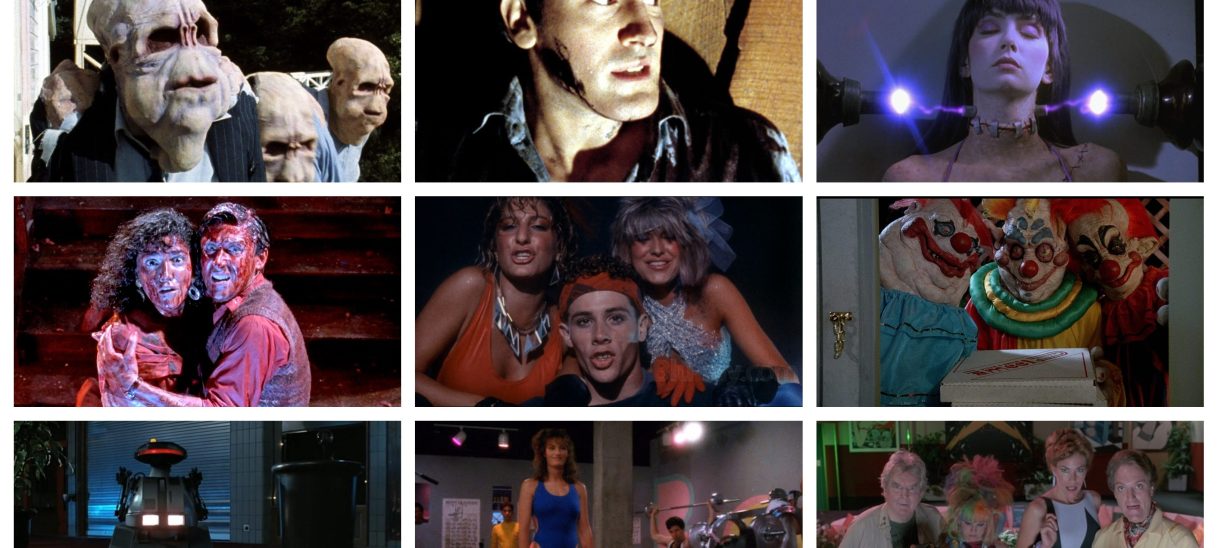
It’s that time of year again when people across the world start getting their pumpkins ready for carving and their costumes ready for wearing. It’s also that time of year when horror fanatics dive into their favourite horror films as Halloween nears. To prepare you for Halloween on the 31st of October, I thought I’d make a list of 9 campy, schlock-horror films to watch before the 31st. Most of these films are about as B movie as you can get with their small budgets, practical effects, zany plots, and comical performances. So lets look at some of the titles.

Bad Taste (1987)

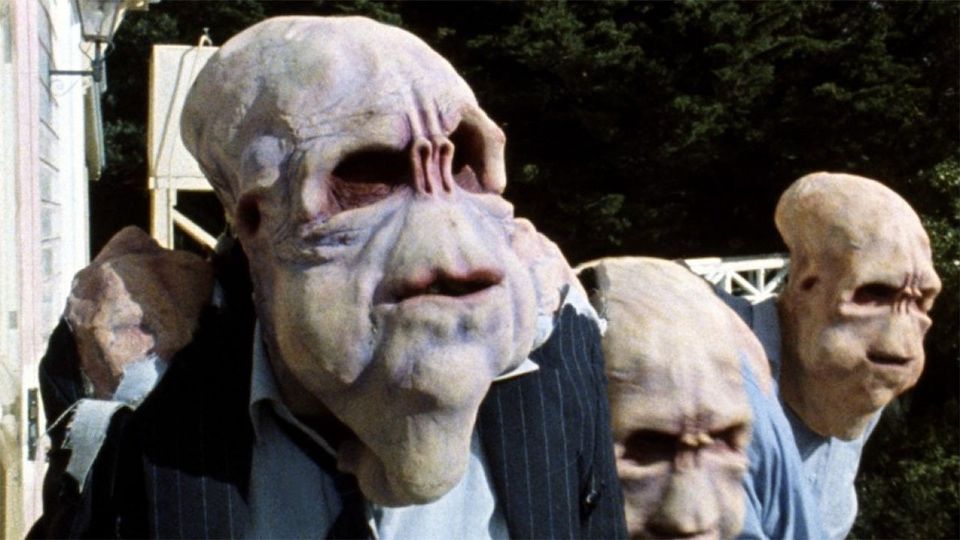
As a life-long devotee to anything Peter Jackson related (given I’m a Kiwi), Bad Taste is about as great a debut feature as one can make. Not only was this film made with a small budget, but it was able to do so much with how little it had. Jackson made this with his friends and shot most of the film at his parents NZ house, with a documentary somewhere online showing his mum handing out sandwiches in-between takes.

The film has some structure for about the first 15-20min and then just quickly goes off the rails as practical effects subsume all coherency, and all out carnage ensues. There’s a scene involving barf drinking, there’s blood squirting almost consistently, there’s dudes in ninja costumes, guns galore, and there’s RPG explosions.

The film is really a testament to Jackson’s creativity and it’s far from his best schlock induced work (Braindead would follow), but it is a thrilling and outright enjoyable 90 minutes that never gives you any respite. It’s crazy to think studio executives would give Jackson The Lord of the Rings (2001-2003) to direct, but boy did they make the right choice.

The Evil Dead (1981)

It’s hard to make a list like this without including Sam Raimi’s ever celebrated The Evil Dead. In its 40 years, the film has withstood the test of time to become a cult classic in the horror genre. The film, while definitely more of a professional, serious production, would go on to inspire and pave the way for a wave of 80’s and 90’s schlock horror and campy films.

The premise revolves around a bunch of college students, a cabin in the woods, and a mysterious book that unleashes a demonic force to hunt the students down. It really is a premise with three signature horror elements that has been parodied and done-over countless times.

It’s another example of making do with what you’ve got, and boy does Raimi make do. Plenty of gore to be had and also scares, which is something that this film has over the others on the list as it is more of a nuanced horror that happens to fall into this schlock category as well.

Frankenhooker (1990)

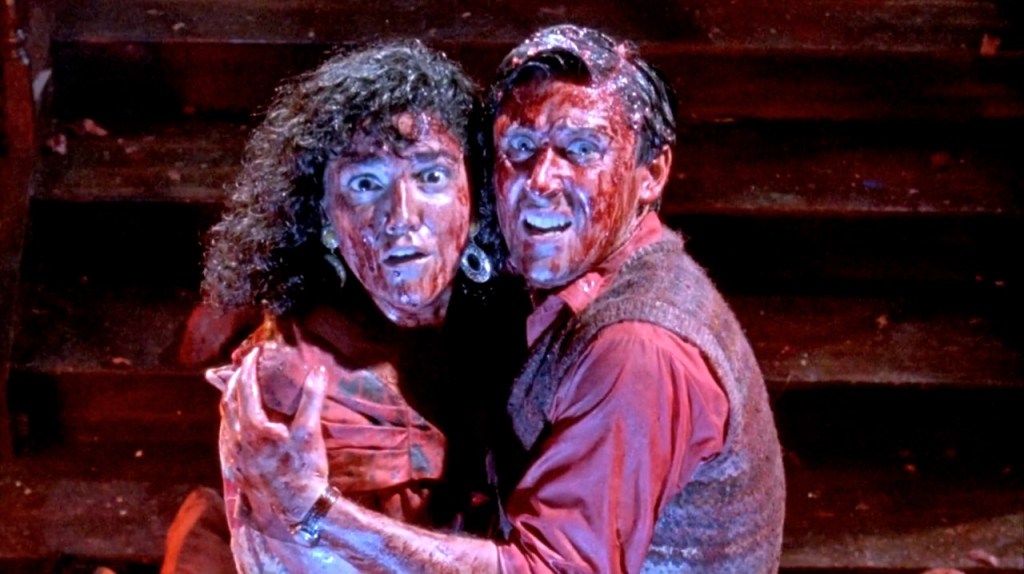
Frankenhooker is just as its name suggests — a Frankenstein zombie made from the body parts of prostitutes. Made by Frank Henenlotter, known for such titles as Basket Case (1982) and Brain Damage (1988), Frankenhooker is about a guy that blows up some prostitutes and stitches them back together to create his dead fiancé (who was killed by a lawnmower).

The film is a comical exploitation film that leans into physical humour for laughs. Though the film falls under sexploitation and is no doubt misogynistic, it has retained a cult status for its nonsensicalness and bemusing premise. The film gets more wild as the scenes roll on, with Elizabeth (the concoction of those prostitute parts) eventually getting a greater consciousness and exacting revenge.

There is evidently a lot of love and care that has gone into the film which give it that rewatch status and it’s no doubt a trashy 90 or so minutes to be had.  

Braindead (1992)

If I haven’t made it obvious, I’m a sucker for anything Peter Jackson related. Braindead is no exception and is one of the best films in the schlock horror, B movie category.

New Zealand humour and LOTS of blood subsume the film in this gore fest where Jackson is pretty much set on just destroying any and all human costumes and props. From the outset, Jackson is set on entertaining the audience as he leans into chaotic scenes involving intestine like creatures, zombies, swinging babies, and all while injecting the film with delirious gags and infectious humour.

Braindead is to the comedy-horror genre what Blade Runner (1982) is to the sci-fi genre.

Night Train to Terror (1985)

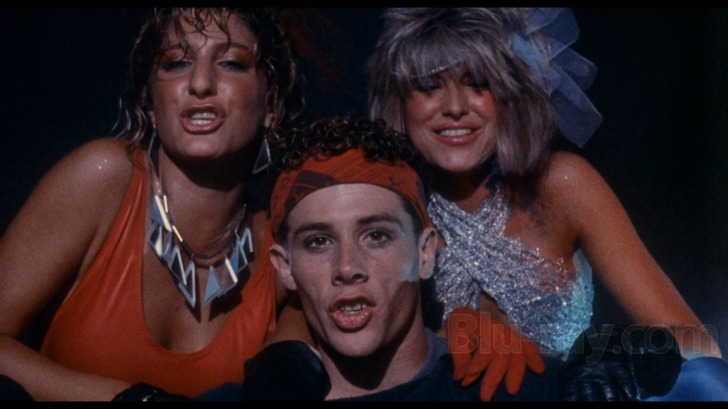
I don’t know where to start with this film. It’s like if Snowpiercer (2013) met Zoolander (2001) and Step-Up (2006), and even then that would still be an understatement. The film is quintessential viewing if B movie, schlock horror comedies are your thing.

Everything takes place on a train and the stories are absurd with multiple different ones intertwined throughout. The acting is bonkers, the humour feels out of place but works because it is, the practical effects are a staple of the time, and for some reason God and Satan are just having a casual chat amidst all the chaos.

It’s really an experience to be had rather than one that can be articulated as, like Sean Baker says on Letterboxd, the film is “Such an insane mess of a movie”.

Killer Klowns From Outer Space (1988)

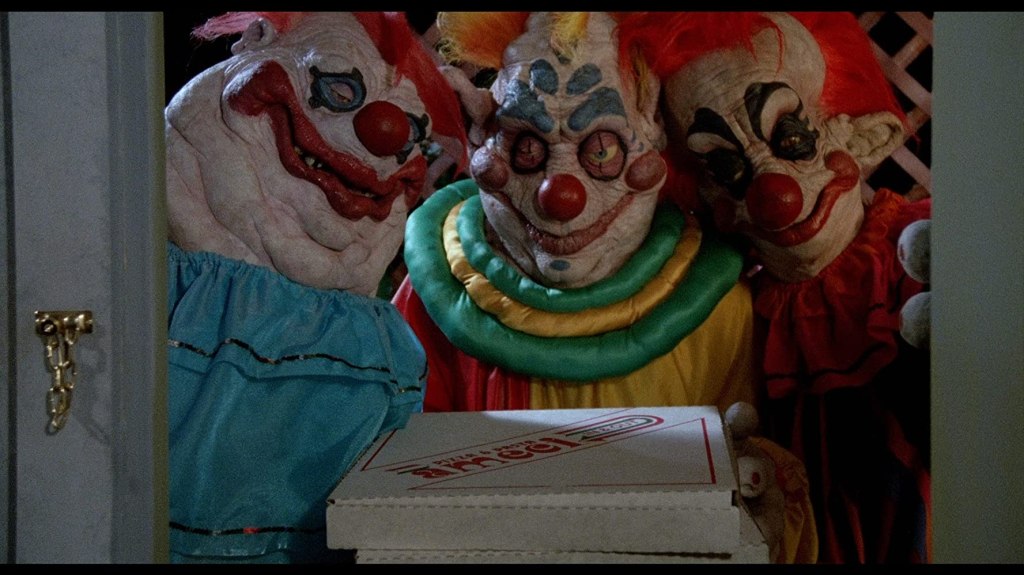
As its name suggests, the film is about some killer clowns from space that come to earth and terrorise those they meet.

There really isn’t much to say in the way of what to expect or what works. Everything works because it doesn’t — the absurdness of the plot and performances lean into a humorous telling, and there is just a bunch of nonsensical killing that many would find is “so bad it’s good”.

I’m usually not good with horror movies in general let alone horror movies with clowns, but because this film (like most on this list) are as crude and bizarre as horror movies go, it was worth a mention.

Chopping Mall (1986)

Aside from having one of the greatest simple titles of any film on this list, Chopping Mall is also (from memory) the only film on here (save for Death Spa) that brings robots into the equation!

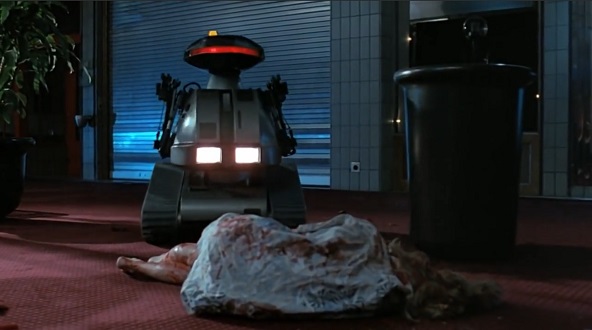
I like to think of this film as The Breakfast Club (1985) meets WALL-E (2008), only WALL-E is a killer robot. Teens basically get trapped in a shopping mall after the mall goes into lockdown, only for security robots to go on a killing spree to rid these ‘intruders’. That’s really it.

The film is about as 80’s B movie as they come, with lots of satirical elements (particularly pertaining to mall culture and how prominent that was among teens at the time), scenes involving electrocution and also laser death.

Death Spa (1989)

Like Chopping Mall but also unlike Chopping Mall, Death Spa sees the spa computer system turn the workout equipment and other facets of the spa (including steam rooms and hair driers) against the spa goers.

It’s a ludicrous film (but what film on this list isn’t?), with garbage acting and a forgettable premise, but it keeps people coming back for its absurdity and how it doesn’t hesitate to knuckle down on its trashiness. The props and practical effects are lacking in comparison to most of the films on this list, but it has that 80’s vibe and colour palette that seem to be enough to keep viewers coming back.

The only thing missing from the film is Arnold Schwarzenegger and this would have been the Mr Olympia training film of the century.  

TerrorVision (1986)

Rounding off the list is a film where a family’s newly installed satellite dish attracts alien signals and eventually, the aliens themselves.

The film is a bizarre delight with cheap set designs, a very satirical undertone (basically ripping into everything 80’s), goofy characters, a surprisingly diverse cast (including Gerrit Graham, Jon Gries, and Bert Remsen), a very cartoony feel, and practical effects that get the job done. 

Essentially, if you wanted to get an idea of what the 80’s looked and felt like (from the hairdo’s, fashion, music and comedy), then this is the film for you.

A Big Heart Defines the Colourful Musical Vivo

Rating: 3 out of 5.

In 2021, seemingly everybody wants a piece of Lin-Manuel Miranda, and Sony Pictures Animation is no exception. The studio looks to be pinning its hopes on the Puerto Rican’s ceaseless popularity with its newest release – support it may not have needed, given the production’s strengths lie elsewhere.

Andréas (Juan de Marcos González) is a musician and street entertainer living in Havana, Cuba, who for years has entertained locals with his dancing kinkajou – a tree-dwelling, monkey-like mammal with golden fur – which he calls Vivo (the abovementioned Miranda). The pair are most happy living and performing together, but their relationship is tested when Andréas is invited to play alongside his long-lost love, songstress Marta (Gloria Estefan) in Miami, the city she now calls home.

After some internal deliberation, Vivo decides to join Andréas on his trip Stateside, only for a twist of fate to quash their plans and leave the latter’s affections for Marta unaffirmed. It’s at this point that the kinkajou decides on journeying alone to Miami, eventually alighting at the port town of Key West, Florida, three hours’ drive from his intended destination. Luckily, Key West is also the home of Andréas’ great-niece, Gabi (Ynairaly Simo) who pledges to help Vivo in his quest to locate Marta.

Vivo (2021) is the latest project to bear the stamp of the multitalented Lin-Manuel Miranda, who has been busier than ever this year – he’s already produced a widely-acclaimed film adaptation of his stage musical In the Heights, made an appearance in Questlove’s documentary Summer of Soul, written songs for the upcoming Disney feature Encanto, and next month will be making his directorial debut with Tick, Tick… Boom! On this occasion, Miranda’s song-writing abilities are utilised in addition to his vocal talents, undoubtedly pleasing fans of his work and riling those who find him less appealing.

In keeping with the film’s settings, there’s a clear Latin American and Afro-Caribbean influence to the tunes, which is unfortunately the only praise that can be afforded to the soundtrack. Miranda’s music is more grating than ever in Vivo, his hybridised rapping-singing making for an inelegant accompaniment to the visuals, and almost none of his numbers being memorable – the sole outlier is Gabi’s song “My Own Drum”, if only for how obnoxious and annoying it is. Indeed, so unremarkable are these compositions that they are enough to eradicate any tolerance for Lin-Manuel’s stylings.

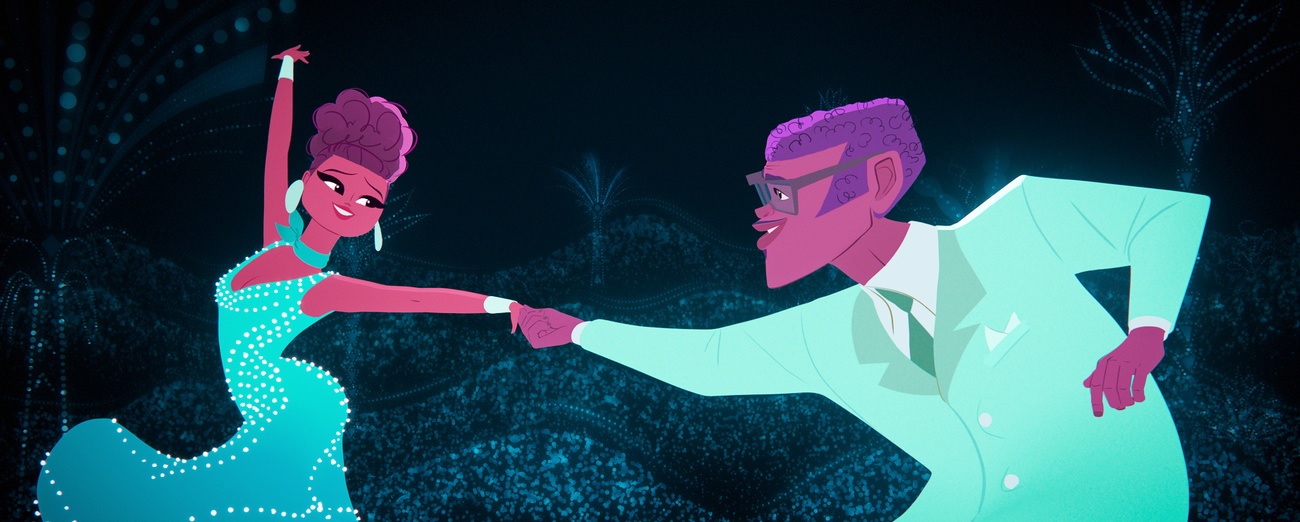
The young Marta and Andréas in a dreamlike 2D dance sequence in Vivo

Another weak element of Vivo is the screenplay, being of a lesser standard than what other studios are producing. It’s storytelling at its most basic on display here, including a familiar narrative arc and tropes diligently adhered to, resulting in a plot that is quite bland and unimaginative. That stated, the story is a heartfelt one, with its resonant struggles and touching moments between characters ensuring an emotional wallop for viewers of all ages; and for younger demographics, the film offers considered, thoughtful messaging about dealing with grief.

More pleasing still are the visuals, with Vivo’s distinctive illustrations and unique designs echoing the quality of its Sony Pictures Animation stablemates, Spider-Man: Into the Spider Verse (2018) and The Mitchells vs. The Machines (2021) – although neither are surpassed in this instance. Highly stylised versions of Havana and Miami have been rendered, featuring thick, blocky architecture shaded the brightest of colours, while the human characters are all round- or wide-shaped figures that differ from the artform’s norm. (There’s even some brief, yet nonetheless enjoyable 2D sequences, as evidenced above.)

Also worthy of compliment is the voice-cast, with every actor performing solidly. Ynairaly Simo leaves the greatest impression, being the perfect choice for the outgoing, rambunctious Gabi, even managing to outdo established celebrities like Zoe Saldana, who voices Gabi’s mother, Rosa. And on the subject of celebrities, there’s a fair number who lend their vocal talents to the movie, the most entertaining of which are Brian Tyree Henry as a lovesick spoonbill, and Michael Rooker as a sinister python, both of whom put all their effort into their performances despite being heard only briefly.

Save for a cliched plot and middling soundtrack, Vivo is a pleasurable distraction that benefits from great voice-work, vibrant imagery and, above all, scenes of tenderness that are bound to move even the most hardened of viewers. Consider the inclusion of Lin-Manuel Miranda as an added bonus – or minus, depending on preference.

Vivo is currently streaming globally on Netflix.

Becoming Cousteau Documents Jacques Cousteau’s Lifelong Pursuit of the Sea

Rating: 3.5 out of 5.

Screener provided by Rialto Distribution

It feels somewhat reductive to call Jacques Cousteau an explorer. He was a pioneer, an inventor, a filmmaker, an author, and, at the later stages of his life, a conservationist to say the bare minimum. Sporting his unmistakeable red beanie, Cousteau set out on a lifelong journey to understand the depth of the ocean, which he and his team on the Calypso saw as an endeavour on the scale of space travel. People unfamiliar with his story may recognise his iconography through the Wes Anderson film The Life Aquatic with Steve Zissou (2004), where Cousteau was the main inspiration for Bill Murray’s titular character, albeit with vastly different personalities.

Helmed by Oscar-nominated documentary filmmaker Liz Garbus and a mountain of Cousteau’s own archival footage, this documentary is an honest and, at times, quite moving film about how an individual’s singular passion can be inspiring while also blinding them to the relationships to the people and world they inhabit. The film is neither a pure work of lionisation or exposé like many recent documentaries end up being. Garbus is able to toe that incredibly difficult and constantly shifting line that has made her one of the best in the business in working with subjects of immense cultural weight like Marilyn Monroe and Nina Simone.

From the outset, the film strikes you with a certain somber energy, constructed primarily through its voiceover interview delivery as well as the Desplat-esque score from workhorse film composers Danny Bensi and Saunder Jurriaans, furthering the Wes Anderson connection. In a documentary that uses almost entirely archival footage (which is much more effective than a constant barrage of talking heads in hotels), audio is one of two crucial elements Garbus has to involve the audience (the other being the editing), and is where the films grounds itself wonderfully. This gives the film this off-beat energy that never holds your hand into feeling certain emotions while the extraordinary footage of the Calypso’s archival footage crashes over you in waves. This is best illustrated in an early sequence where we are shown actual footage of one of Cousteau’s closest friends, a fellow “musketeer of the sea” Maurice Fargues, which felt somehow both confronting and respectful to the depths they were willing to go to achieve their insatiable goal of exploration.

Jacques Cousteau in Becoming Cousteau

Becoming Cousteau is sequenced in an interesting and poignant way, tracking the transformation of Cousteau from a young passionate man driven to conquer the unknown depths of the ocean, to a seasoned traveller tasking himself with its protection. Garbus does an excellent job shaping Cousteau’s narrative in a cinematic way, from a visionary explorer ahead of his time that was all too often used for his passions by seperate interests (the revelation that the Calypso can be directly linked to the discovery of oil on the Qatari coast felt especially heartbreaking as the film went on), that had to eventually grapple with those earlier decisions.

In the era of the docuseries, it’s hard not to ponder the idea of Cousteau needing an extended runtime to dive deeper into each step of his journey. The films 90-minute runtime oftentimes felt to be moving at warp speed through many nuggets of narrative, from his Oscar and Palme d’Or winning documentary The Silent World (1956) that did The Abyss (1989) two years after James Cameron was born, to his struggles and achievements as a conservationist in his later years. While there is a certain charm to the quick burst documentary film, Becoming Cousteau definitely falters in its execution as a cradle-to-grave story, an issue with most single subject documentary and biopic features, but works well in creating an honest portrait of an inspirational figure that gave us the gift of his own journey on film.

Becoming Cousteau is coming to select national cinemas October 22nd.

Coupon Comedy Film Queenpins is all but Funny

Rating: 2 out of 5.

With Paramount + starting to kick into second gear with more content being released, it seemed fitting to check out the streaming providers latest original title, Queenpins (2021).

As its name suggests, in a rather unsubtle manner, the film is a take on the kingpin story that has been tried and dried since cinemas inception. To elaborate, there’s an idea that hits the protagonist, which ultimately leads to an illegal business involving money laundering, and then a culmination of a series of events that either see the protagonist get away with their dirty work or end up caught.

That ‘idea’ is what the film leans on for support and uses to try and differentiate itself from more serious films in the sub-genre. Connie Kaminski (played by the ever delightful Kristen Bell) finds a loophole in the supermarket coupon system where, after having complained to companies via email over the quality of their products, she is sent coupons to obtain those items for free. It isn’t until her YouTube-wannabe-star friend JoJo (played by Bell’s The Good Place co-star, Kirby Howell-Baptiste) suggests the potential to resell these coupons for half price, that Connie sees the potential to make some dough.

This is what directors Aron Gaudet and Gita Pullapilly use to try and incorporate the more comical side of the film whilst also retaining a level of seriousness of the real life events that inspired the film. For the most part, the concept of the film is actually quite comical in and of itself. Evidently, Bell’s presence brings a level of warmth to this character that works alongside the premise of the film to make her not fall into the standard anti-hero of kingpin criminal films.

Connie’s backstory also helps to bring a level of sympathy to her character as she struggles financially due to undergoing expensive IVF treatments with her husband Rick (an incredibly underutilized Joel McHale). Subsequently, while her actions of counterfeiting coupons never really becomes something that sends fear down her spine should she be caught (particularly due to the naivety shown during the laundering process), it does give a more playful version of events.  

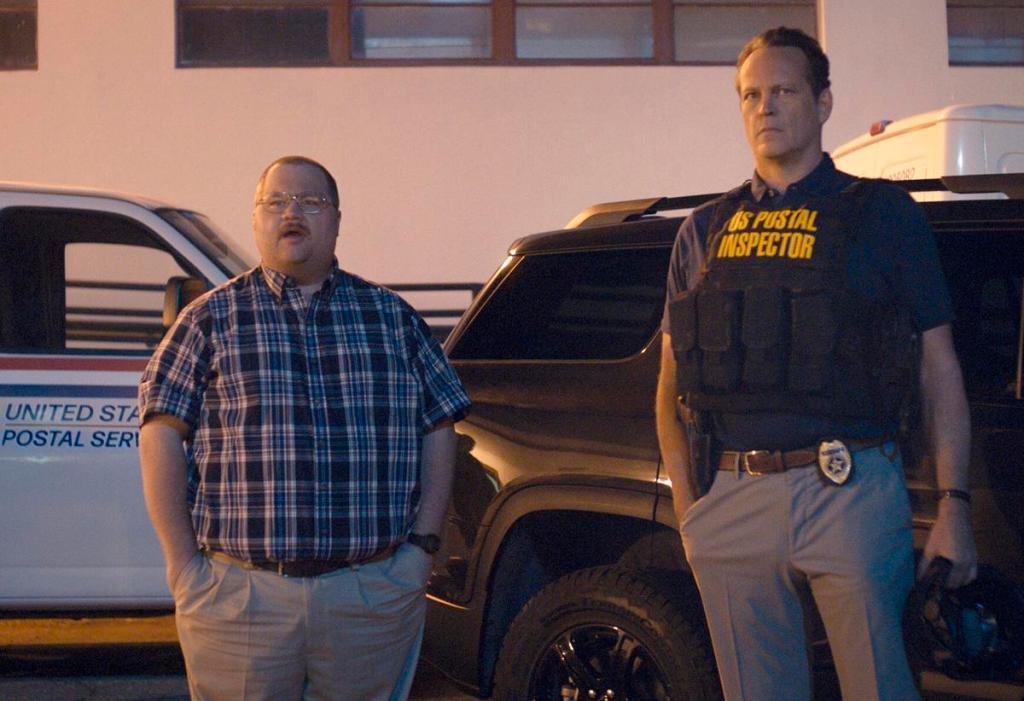
Paul Walter Hauser and Vince Vaughn in Queenpins

Joining Bell and Howell-Baptiste in this very buddy-up style comedy is Paul Walter Hauser and the quintessential serious-funny-guy type in Vince Vaughn. Hauser plays Ken Miller, a supermarket Loss Prevention Officer, while Vaughn plays Simon Kilmurry, a U.S Postal Inspector. Ken and Simon are the other side of the coupon counterfeiting coin as the FBI effectively demotes the issue as unimportant, and it is up to the two of them to crack the coupon case.

When spending time with Ken and Simon, the film leans into that buddy-cop type telling where the humour lies. Most of this humour comes from the very fact that the duo aren’t FBI agents, they’re serious about a coupon crime, and they have small gags that are aimed at drawing a laugh (Ken defecates in the car while out scouting Connie and JoJo with Simon). Most of these gags will either bring about a laugh or two, or simply just fall flat seeing as they just spontaneously pop up seemingly for the sake of a cheap laugh (a sign that the humour just isn’t great).

It’s easy to see that pairing the female leads together and the male leads together gives the film a lot more to work with as the actors play off of each other quite nicely when we do spend time with them. The problem with this duality is that we end up with two perspectives that seem to play out as two separate films. In essence, both the Bell/Howell-Baptiste and Vaughn/Hauser dynamic would really have worked better had they been two separate versions of this story or had we spent more time with Bell and Howell-Baptiste.

At the end though, the film banks on those back and forths between the female and male pairings. The actual coupon issue doesn’t carry enough weight behind it and just simply never feels like it raises the stakes due to how measured and composed Bell and JoJo are, even when they’ve been caught (an issue on the part of characterisation that is lacking). When all is said and done, Queenpins is a light-hearted but hardly humorous two hours.

Queenpins is now streaming on Paramount +

Black Cinema Gains a New Voice Via the Summer of Soul

Rating: 4.5 out of 5.

African-American directors have long used their powerful voice to admonish racism and injustice – think John Singleton, Ava DuVarney, Jordan Peele and of course, Spike Lee with his signature Joints. Newly ranking among this cohort is Ahmir Thompson, utilising long-lost footage of a monumental event to concoct a narrative of equal distinction.

In 1969, amidst a Climate of Hate in the United States, the New York neighbourhood of Harlem played host to a series of outdoor concerts, featuring musicians both prominent and rising, locally famed and internationally recognised. The free events, promoted as the Harlem Cultural Festival, took place over successive weekends during the Summer, their family-friendly façade masking an ulterior intention – as interviewee Darryl Lewis bluntly puts it, “to keep Black folks from burning up the city in ’69.”

Despite being attended by as many as 300,000 people, and earning the public support of New York City’s white, Republican Mayor, John Lindsay, press coverage of the Festival was limited, and a proposed film documenting the performances was shelved after failing to garner an investor. Multiple reels of video and audio that had been recorded for a documentary instead lay dormant in storage, unseen by the public eye for over five decades – hence this picture’s, full title, Summer of Soul (…Or, When the Revolution Could Not Be Televised) (2021).

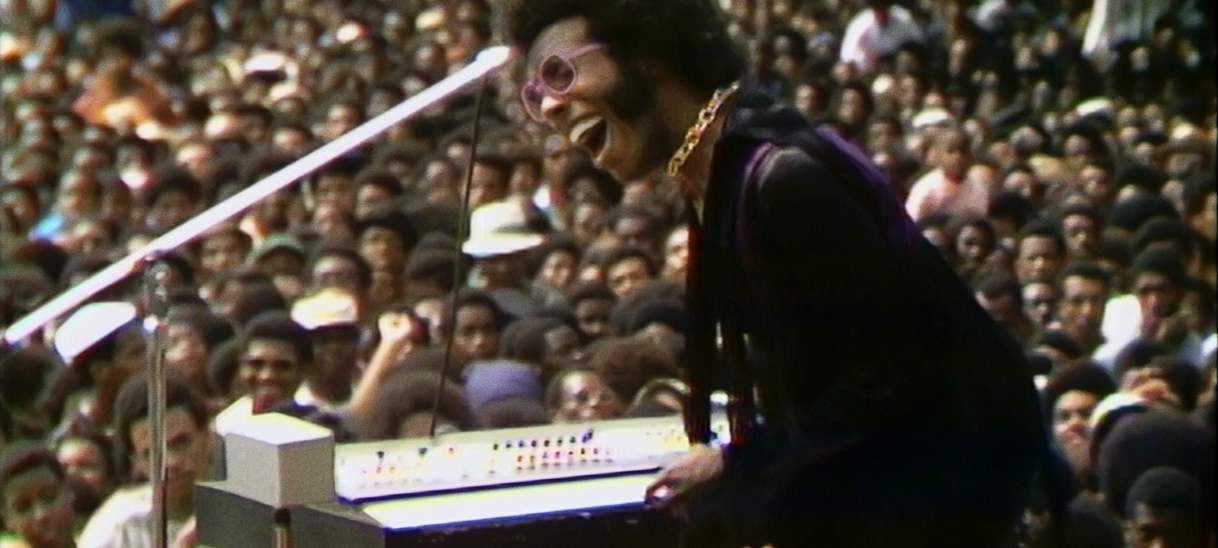
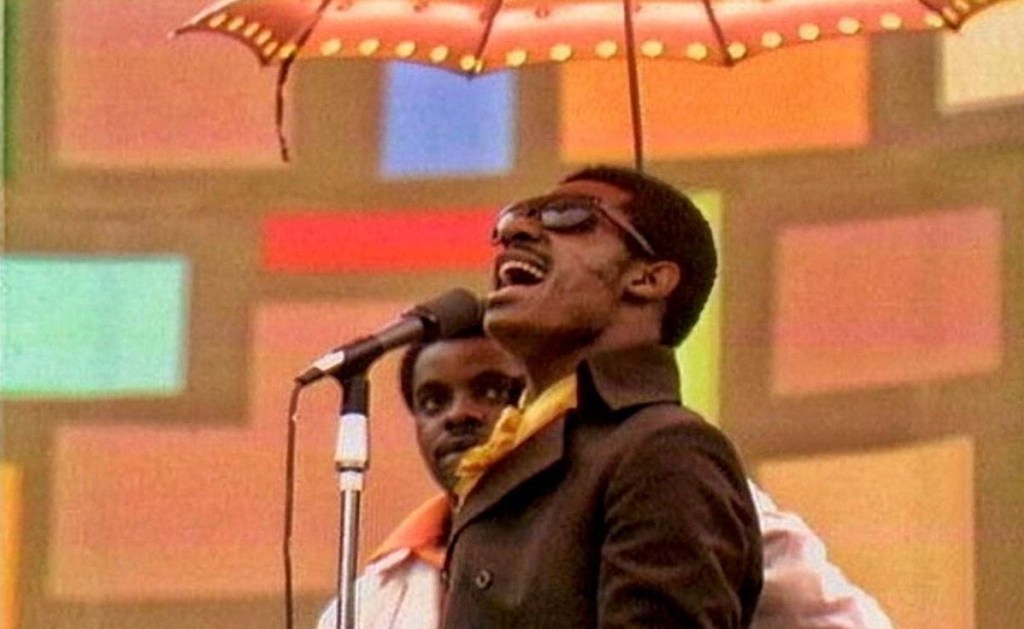
Director Thompson, a.k.a. Questlove, is best known for his work in the realm of music, and that melodic expertise is more than apparent in his selection of performances that are showcased within the feature. Highlights include a young Stevie Wonder’s masterful playing of the drums and keyboards; Mahalia Jackson and Mavis Staples’ powerful duet of “Precious Lord, Take My Hand”; Ray Barretto on bongos trading fours with his double bassist; Sonny Sharrock wildly shredding on the electric guitar; Nina Simone’s eloquent prose in “To Be Young, Gifted and Black”; and Sly and the Family Stone’s call-and-response with the Harlem crowd.

Just about every performance that’s seen in Summer of Soul is reminisced about through present-day interviews with Festival attendees, social commentators, the musicians themselves, and a handful of celebrities with the most tenuous of links to the Festival – comedian Chris Rock being such an example. Most of the input these subjects provide amounts to little more than soundbites, but their statements are nonetheless insightful, and the fondness with which they recollect events appears earnest and genuine.

Stevie Wonder performing at the Harlem Cultural Festival, as seen in Summer of Soul

Not content with directing a concert film, Thompson also shapes Summer of Soul as a historical document of the African-American experience. Each performance is seceded by a brief interlude that explains, through archival footage and clips from the abovementioned interviews, the happenings in Harlem, the United States and the world that led to the Cultural Festival, demonstrating its place in a broader cultural movement of “Neo-Super Blackness” (as interviewee Greg Tate aptly describes it) and how it assisted in propelling it.

Some viewers might be baffled at this suggestion, given the lack of prominence afforded to the concerts until now. Summer of Soul hypothesises that an overshadowing of the Festival by two other events is the cause of that, said events being the Moon Landing in July of the same year, and the Woodstock Music and Art Fair, which took place the very same weekend that Nina Simone and B.B. King performed in Mount Morris Park. (In a delicious case of irony, the film treats both of these cultural touchstones with indifference.)

One gripe, admittedly minor, to be had with Summer of Soul is the varying quality of the concert footage. Video and audio of the event has been digitally restored from the original tapes, most of which looks and sounds pretty crisp; yet there are occasions when markings and damage to the recordings are rather visible, detracting from the experience. What’s needed is some further enhancement, or cleaning of the original imagery in order to truly, fully do the Harlem Cultural Festival justice.

Ahmir Thompson’s directorial debut is more than the recreation of a significant moment in history – it’s a stirring celebration of Black culture with a central message that’s just as relevant today. Possessing a voice that’s as loud and proud as the singers featured within, Summer of Soul is a documentary that ought to be seen and heard by all.

Summer of Soul (…Or, When the Revolution Could Not Be Televised) is now streaming on Disney+.

Rating Frames Podcast Episode 1

Arnie, Darcy, and Tom return with a new podcast for their brand new site Rating Frames! On our first episode, we dive into the latest film news including a rundown on the planned IATSE strikes, how Metro and Regional Victoria have been impacted by Covid restrictions, and all of the upcoming releases we’re most excited to see when cinemas reopen at the end of the month!

The Guilty is a Stripped Back but Lacking Drama

Rating: 2.5 out of 5.

Shot in just 11 days through strict Covid restrictions, Jake Gyllenhaal and director Antoine Fuqua once again collaborate on a remake of Gustav Möller’s 2018 debut feature Den skyldige, with mixed results. The script, adapted by crime drama maestro Nic Pizzolatto, maintains the same structure and narrative beats from the original, but lacks the propulsive energy that made Möller’s so gripping and entertaining.

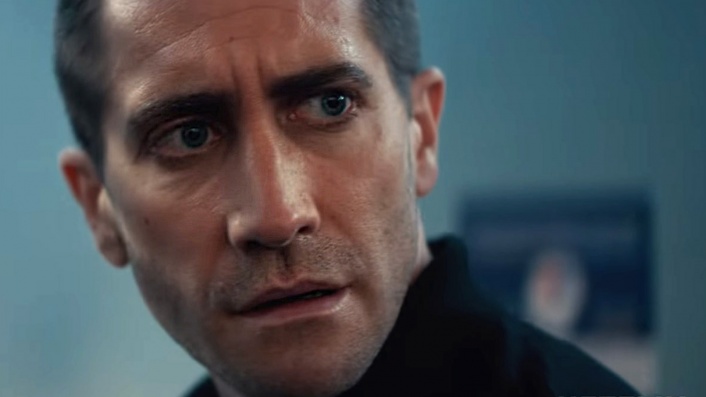
The film centres around the LAPD officer Joe Baylor (Jake Gyllenhaal) who is benched to 911 response duty during a wildfire while he awaits trial for an incident while on duty, something that is giving him extreme anxiety. His night takes a turn when he receives a call from a kidnapped woman (Riley Keough) that he takes upon himself to save. While predominately a solo performance, the film is helped out greatly by quality voice acting performances from an ensemble of actors too long to mention that help ground the film that is limited in its ways to communicate the story.

The Guilty is all about limitations and the feeling of being trapped on the other side not being able to do enough to help, and in that regard, Fuqua largely succeeds by focusing on a more vulnerable lead performance than the original. This allows the audience to engage with Joe’s situation on a more emotional level which is Gyllenhaal’s bread and butter, and must’ve appealed to him about the role.

Unfortunately, too much of the film feels like a rushed first draft of a film, and not in the endearing two takes and that’s lunch Eastwood way. There is a serious lack of experimentation and innovation in a project that desperately calls for it, being handcuffed to one character on the phone for 90 minutes, that makes the 11-day shoot painfully apparent. Maybe it is unfair to ask for more than an average movie from that absurdly short turnaround from quality creators, but the work we’ve seen from Fuqua, Pizzolatto, and Gyllenhaal in the past warrants it.

Jake Gyllenhaal consumes every inch of the frame in The Guilty

Coming from the perspective of someone who has seen and enjoyed the original film which screened at MIFF in 2018, it is a more interesting exercise to dive into what is added in this work of adaptation. Firstly, thematically and narratively speaking, the story is actually improved by centring around an LAPD officer, as it adds an entire history for the audience that changes the context to many scenes, especially in comparison to the original story set in Denmark.

By setting the film in LA, the audience views the actions of Joe in a profoundly different way compared to Asger’s (the lead Jakob Cedergren in Den skyldige), as we immediately question his first response in situations of extreme pressure, namely leaping to violence as the only answer. Having this seed of doubt coupled with Gyllenhaal’s rapidly deteriorating mental state is where the film truly separates itself from the original, and if given more time, may have been where a more polished version of this movie would’ve put more consideration into.

The other aspect that centred the film’s setting is the California wildfire that is present throughout the film, but is never a true character that it needed to be. The roaring fire is only present in brief mentions by officers on the phone, as well as on the large monitors that bear down upon Joe’s desk, but add no actual weight to the story or emotionality Pizzolatto was going for and is another instance of the film greatly needing more time and care to expand its ideas.

While The Guilty is a commendable film and an interesting touch point in the recent history of US adaptations of European films, it is difficult to recommend this over the original film Den skyldige, even if it is only available to rent in Australia (it is currently streaming on Hulu). This is a film that may end up being merely a footnote in the collaborative journey between Gyllenhaal and Möller, as they adapt the graphic novel thriller Snow Blind, which will be Möller’s first English-language feature.

The Guilty is streaming on Netflix now.