With 2025 having drawn to a close, Rating Frames is looking back at the past twelve months of cinema and streaming releases that have come our way. In the second of our series of articles, Darcy is taking a look at his ten favourite films of the year that was.
The medium is the message of films in 2025. In a time where feature filmmaking has to, in some form or another, justify its existence on the screen in comparison to TV or internet slop fed through an infinite reel, the best work to come out this year weaponises the stranglehold a great long-form story can have on an audience. A mixture of old masters and bright new talents across genres and styles, the top of a terrific year in film was all improved by viewing them in a packed theatre, demonstrating that cinema is still at its best as a communal experience, from incisive documentaries and quiet family dramas to a provocative action spectacle that invites an audience to question its worldview.
10. The Perfect Neighbor
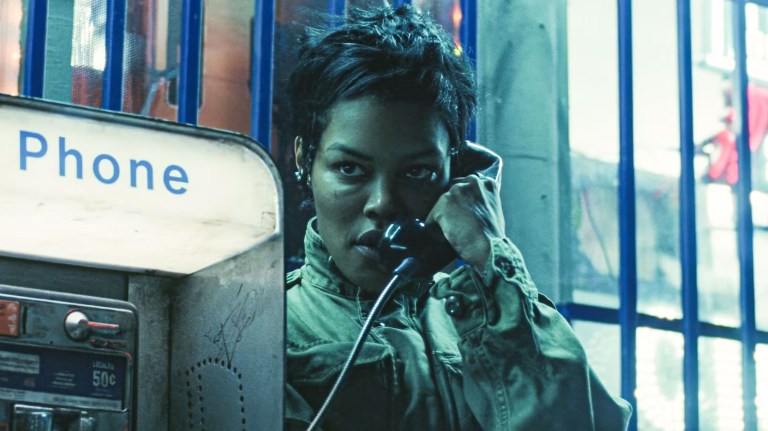
So much of good documentary work comes down to access and editing, and Geeta Gandbhir’s heartbreaking portrait of a Ajike Owens’ Florida community and the very active role racism can take in someone’s life has both in droves. Using almost exclusively bodycam footage, police station security tapes, and 911 calls, Gandbhir and editor Viridiana Lieberman weave a poignant and incisive story of the state’s Stand Your Ground laws and the reality of how they are abused. No other film this year will make your blood boil and your heart sink.
9. 28 Years Later
Returning 18 years later with a supposed three screenplays in hand, Alex Garland (a personal favourite writer) wanted to tell the story of the UK in recent years in a franchise that has defined a lot of 21st Century English cinema, with a remarkable and unexpectedly emotional film. Centring on a young family led by an impressive newcomer in Alfie Williams, the rich level of depth and commentary in 28 Years Later allows what could’ve easily been a quick money grab by Garland and Danny Boyle to become an instant Brexit classic. With its exploration of community and isolationism with the backdrop of a widespread outbreak, 28 Years Later places itself at the forefront of art in conversation with the world in the 2020s.
8. The Mastermind
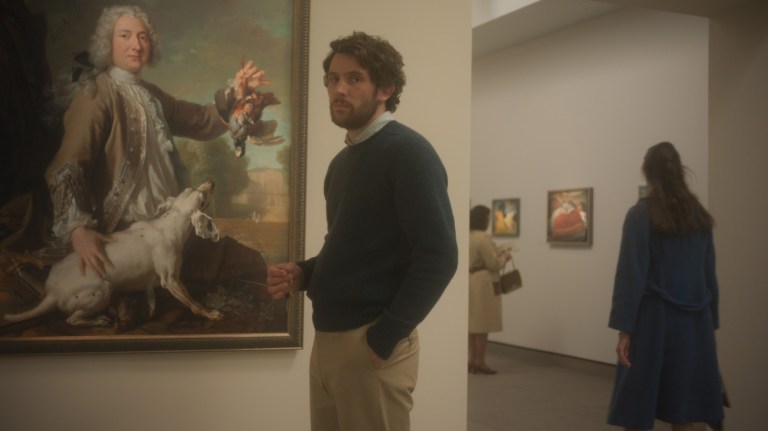
A sleepy political heist hangout with the actor of the moment, Kelly Reichardt’s 70s whisper-of-a-film will leave a long tail that may define the year in the future. Starring Josh O’Connor in his best performance to date as an uninspired suburban dad wanting to pull off an art heist, The Mastermind glides through its own world with a protagonist who believes himself smart and savvy enough to pull off the crime. Reichardt’s hidden sharp blade of focusing on someone causing chaos through their quiet ego of knowing better than those around them allows the world around O’Connor to build from gentle embers to a raging fire.
7. Sorry, Baby
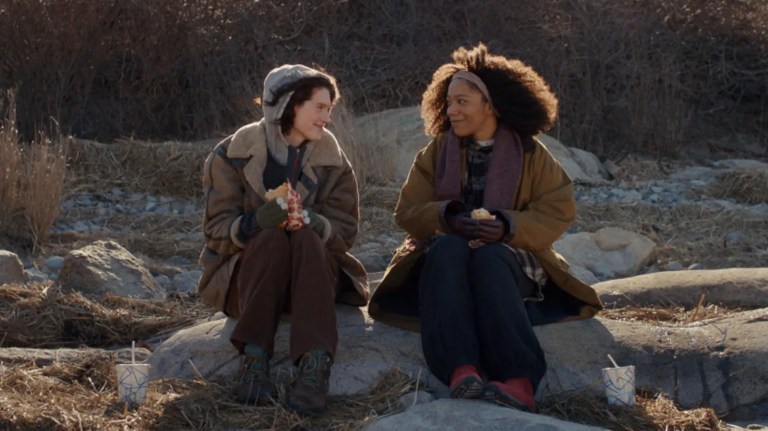
A wonderfully modern dramedy, Sorry, Baby may just usher in a new era of 2020s mumblecore with a shining new voice in Eva Victor. A story that easily could’ve landed on television and overextended, Victor, who wrote, directed, and starred in this thorny comedy of unsurety, loves cinema enough to operate and thrive within the condensed medium. As a young, depressed literary professor, Victor’s Agnes is one of the best cinematic characters of the year, a charming and thorny person you can’t help but connect with. A film that handles heavy subjects with grace and clarity, Victor has emerged as one of the brightest emerging filmmakers and performers in years.
6. Sirât
A modern experiential travel saga akin to William Friedkin’s Sorcerer (1977), Oliver Laxe’s Sirât must be seen to be believed, with several earth-shaking moments that will dig into your bones and leave scars. A shocking cinematic experience, Sirât follows a father and son as they search through an underground Moroccan desert rave scene to find their daughter and sister. The film explores community and connection, propelling you forward in line with Kangding Ray’s incredible music soundscapes.
5. Sinners
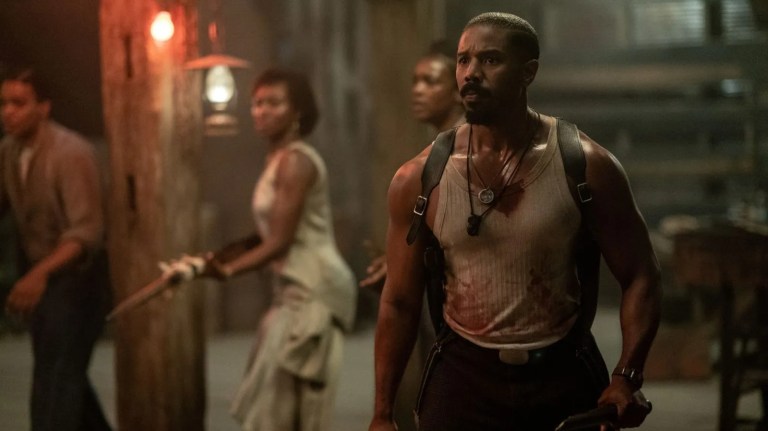
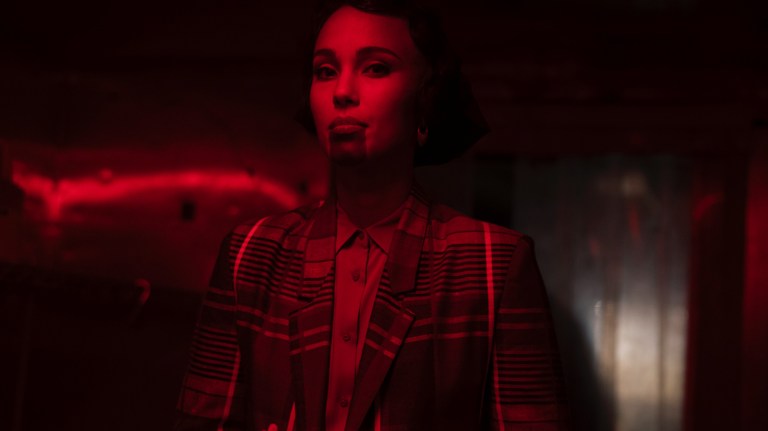
The future promise of exciting blockbuster cinema is also one of the most enjoyable and prickly films of the year. Ryan Coogler’s exploration into race, music, and history is tied to an explosive vampire action film that proves adults will still show up if given some real meat to sink their teeth into. With a terrific ensemble and a remarkable breakout by Miles Caton (so good you do not question his future self played by Buddy Guy), Coogler’s musical knows how to entertain a crowd while still provoking thoughts about how culture and music are consumed.
4. BLKNWS: Terms & Conditions
My most anticipated film experience of the year delivers and beguiles like no other. Perhaps the greatest music video director around, working with Beyonce, Kendrick Lamar, FKA Twigs, and Flying Lotus, Kahlil Joseph has a visual eye that blends hyper-modern documentary styles — which includes YouTube clips and memes — with his love and influence from the legendary Thai director Apichatpong Weerasethakul. Debuting the first iteration of BLKNWS at the Venice Biennale in 2019 as a video installation, Joseph and A24 collaborated to expand the work into a feature-length experience like no other. The film will be hard to track down, but it is as essential a watch in 2025 as any film on this list. BLKNWS: Terms & Conditions is a dense yet enjoyable work that will have you asking more from documentary and experiential cinema for the rest of the decade.
3. Sentimental Value
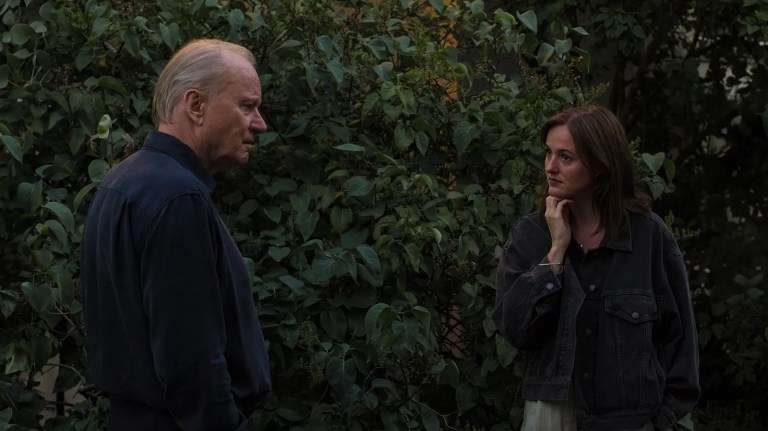
A tremendous follow up to Joachim Trier’s millennial classic The Worst Person in the World (2021), Sentimental Valuepulses and ripples through generations of familial connection and disconnection with grace and power that feels open and inviting even in its thorniest moments. Trier and all his creative collaborators understand that to create is to bridge an ocean of the unsaid, even if that means building a replica of your generational family home on a soundstage, only to have it hidden on the 18th page of the Netflix arthouse section. Trier and Vogt understand deeply how, even through that artifice, true openness and connection can be translated into a final, powerful image of understanding but not resolution.
2. No Other Choice
With all respect to the perfect chase scene at the conclusion of the film at the top of my list, the master of the final act, Park Chan Wook’s No Other Choice, has the finale of the year. A glorious send-up of modern late-stage capitalism as a ‘be careful what you wish for’ fairy tale that blends melodrama into a living nightmare into the best satire in years. How Park doesn’t arrive at a place of crippling nihilism in its final moments but of cruel irony and humanity is nothing short of astounding. His revenge fables are without equal in modern storytelling, with No Other Choice entering this extended canon in surprising ways. No one is pushing the language of cinematic storytelling more than Park with his visualisations of doomscrolling as a uniquely modern debilitation.
1. One Battle After Another
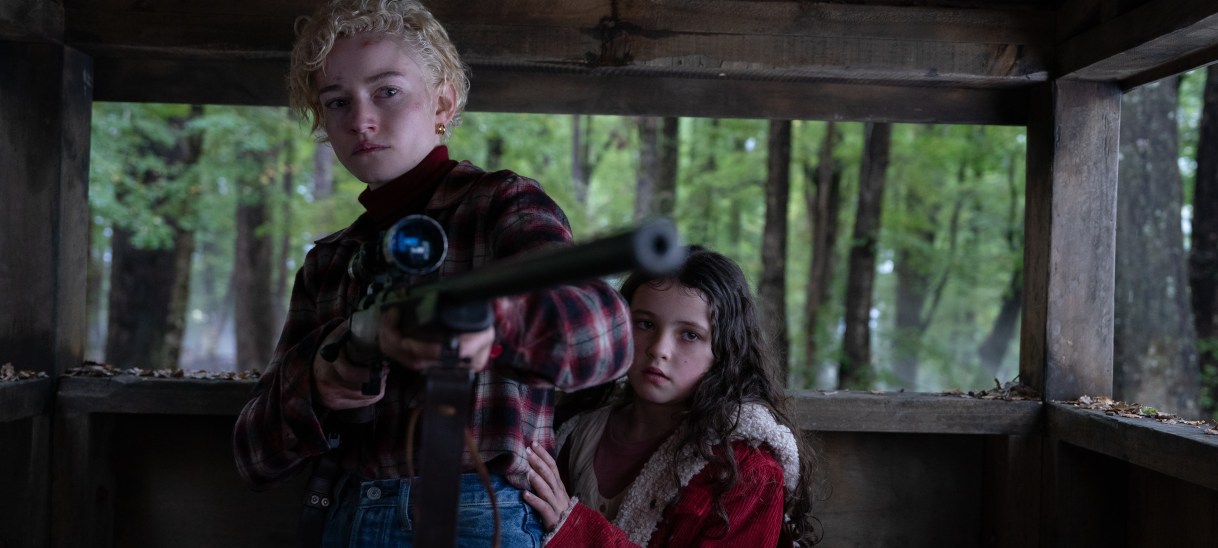
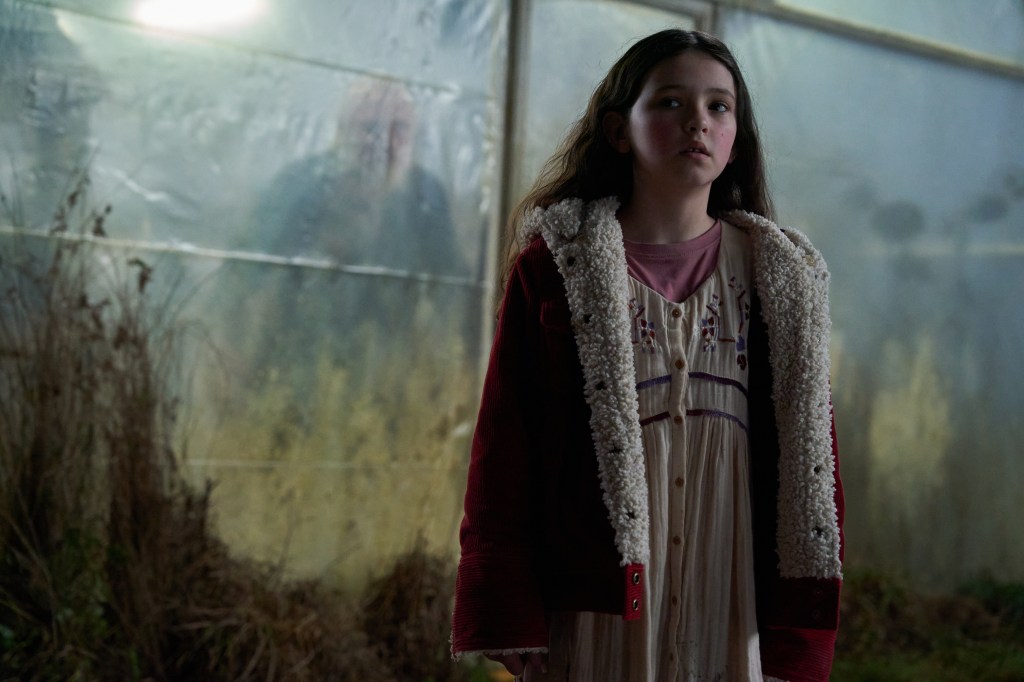
A film that leaps off the screen in an instant, One Battle After Anotherworks the way most immediately immortal films do. And much like many of the great immortal films, I find myself reading rather than writing about Paul Thomas Anderson’s incisive work of contemporary revolutionary cinema that even when it pulls punches, compels you forward. I’m not surprised a new PTA film that finally delves into contemporary life is my favourite film to be released in its 2020s, as his deeply humanist approach to writing over the last 30 years has defined so much of my taste in art. Combine that with subject matter I find endlessly compelling as a modern look at the humanity and personhood of revolutionaries that is fuelled by the past but never backwards-looking, and you have a film that will be the yardstick all other films will be measured against.
Honourable mentions: Black Bag, Caught By The Tides, Eephus.
From the outset of Steven Soderbergh’s newest cinematic experiment, Presence (2024), it is clear this gambit will pay off. As we, through the anxious eyes of a new ghost, experience a new world, through a nimble first-person lens that never relents. This new world in question is the arrival of a young family of four in a large suburban house after the traumatic deaths of teenager Chloe’s (a wonderful Callina Liang) two friends in the city, leaving them in need of a fresh start.
Beginning with one of 2022’s best films Kimi, veteran filmmakers Steven Soderbergh and David Koepp have united to create a series of impressively contemporary small-scale American films (with another set for 2025 with Black Bag), that feels wholly unique on the movie calendar. With Presence, the pair shift from tech thriller to modern ghost tale with an equally impressive lens pointed directly at the connection in contemporary life.
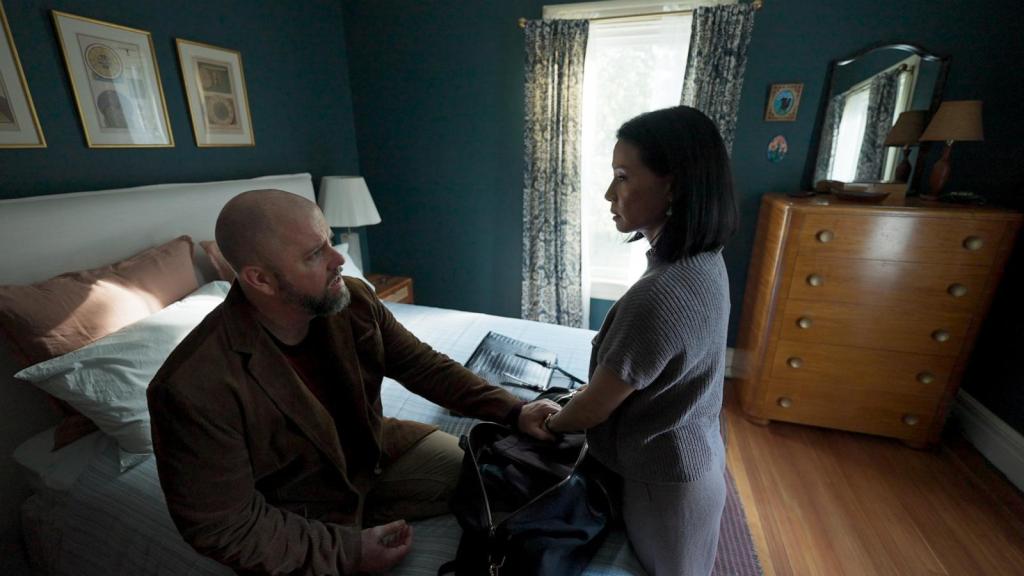
Through a floating visual language, we explore this young family in moments of both intimate quiet and explosive argument. The parents, high-powered exec Rebecca (Lucy Liu) and the more emotive Chris (Chris Sullivan), have clear strong ties to individual children, creating a constant tension between the four characters. Rebecca sees herself and the potential for great success in their arrogant older son Tyler (Eddy Maday), whereas Chris’ more emotional side draws him to his daughter Chloe, an isolated teen dealing with tremendous grief at a young age that pierces through the screen.
Chris Sullivan and Lucy Liu in Presence.
Themes of accidental overdoses and youth deaths are complicated but important issues to place in a film, particularly at its emotional core. While Presence floats freely between potential genre trappings, it is grounded by this potent story element that is sure to resonate with many.
To achieve the sensation of a first-person camera narrative that has real expression through the lens, Soderbergh — acting as his own cinematographer as he often does — filmed Presence chronologically, with the camera beginning in a more trepidatious, larval state before coming into its own by the film’s midpoint. The camera does not glide effortlessly through the house to open the movie. Instead, we feel every step as we move around the space, like a young foal taking its awkward first steps into the world. The camera has physical tics and safe spaces inside the home that, through repetition, just like an acting performance, breathes life into the lens. This deft and crucial weight of intent allows the film to quickly transcend from a small-scale cinema experiment into a riveting family drama where the absence is just as visceral.
It’s remarkable how quickly you can slide into the position as a fly-on-the-wall observer by wielding the camera this way, and how the emotion of a scene can play out with sharp efficiency (a Soderbergh hallmark) when the personification of the camera holds so much weight.
The film operates as an interesting refraction to David Lowery’s poetic A Ghost Story (2017), which focuses on a ghostly presence with a level of banal reality that transforms slowly into a beautiful understanding of a greater spiritual moment. Much like that film, the innovative style of filmmaking on hand here works effectively because of the decision to place a young ghost at the heart of both stories.
While the structure of the film allows a flow state of dramatic experiences for the family, the final 10 minutes of Presence are as distressed as you’ll feel at the movies this year with its clear eyed understanding of modern life and pressures. This shouldn’t be a surprise as it’s a ghost film, but over the course of this innovative family drama on loss and connection, this shift has an overwhelming weight of emotion that is wonderfully unexpected. Through Koepp and Soderbergh, we have a new creative powerhouse partnership that is breathing new life into modern American storytelling.
Wolf Manpreview screening provided by Universal Pictures.
It’s been nearly five years since Leigh Whannell’s Invisible Man (2020) took audiences by surprise and became an instant hit while re-imagining a classic Universal Monsters story for a modern audience. His latest film, Wolf Man (2025), written along with co-writer and partner Corbett Tuck, and based on The Wolf Man (1941), offers a fresh new spin on another classic while touching on concerns around the duality of man and beast, sickness and health.
If Invisible Man was a compact horror/thriller that cleverly utilised space, subtle pans and tilts to create brewing tension, then Wolf Man scales things back even more, focusing its events around an eerie house in a grim Oregon, foresty setting where danger lurks. It’s where Blake (Christopher Abbott), his wife Charlotte (Julia Garner), and daughter Ginger (Matilda Firth), find themselves after a short New York-set introduction reveals that his father has passed away and he’s been left with the keys to his old house.
In true horror fashion, a tight strip of road with towering trees is the first sign of the unease and helplessness that awaits, sitting in stark contrast to the bustling, comfortable concrete jungle the family is used to. And it doesn’t take long for this little getaway to go south as their moving truck tumbles off the road after veering last minute from a figure in the middle of the road. A lot happens and it happens really quickly, including Blake’s gradual transformation into his wolf-esque appearance after he contracts a disease upon realising a cut he received on his arm came not from glass but from the devious figured that sent them tumbling.
In this way, Wolf Man is paced rather abruptly, with Whannell wanting to get you into the thick of the suspense as soon as possible. It’s a less daring exercise in tension compared to his last feature and feels more routine in how it hits genre beats. There’s nothing inherently wrong in this, it just feels like a return to earlier roots in that he could seemingly tackle something like Wolf Man in his sleep.
Ginger (Matilda Firth, right) in Wolf Man, directed by Leigh Whannell.
Unlike the subtly of the camerawork, which Stefan Duscio has managed to balance out quite nicely with Whannell’s stylish direction across their three film collaboration, the writing can feel on the nose at certain points like when Ginger indulges her father’s ‘guess what I’m thinking’ game at various points or the constant “daddy” and “mommy” dialogue which sticks out like a sore thumb.
Fortunately, like with Elisabeth Moss’ brilliantly grounded performance in Invisible Man, Julia Garner speaks as much through her eyes as she does through her mouth, with her signature fluttering eyelids at once conveying motherly resoluteness as she protects Ginger, while showing empathy for her husband’s deteriorating state. Her performance goes hand in hand with Whannell’s artful flourishes and Duscio’s tight camerawork, the latter of which seems to favour a more contemplative cinematic approach this time around, with shots that linger heavily before bursting to meet the frantic-ness of a chase.
There’s a few moments where the camera circles around Blake and his family and shows how his worsening state is affecting his vision, almost heightening his senses while blurring his vision to those around him; this is one of those stylistic choices that the film needed more of as it gave an extra layer to a character who might otherwise simply fall into the antagonist category.
While less horrific and more melancholic by the end, prior to the screening, Whannell revealed that part of the direction of the film was derived from a friend who had passed away after her health deteriorated, and just having that context added more weight to Blake’s rapid decline as his family try and keep him from falling out of himself. In this way, Wolf Man has a sentimentality about it and comes full circle in ways that will creep up on you as you feel the closing sequence nearing, with a final shot that will leave a mark.
Nosferatu preview screening provided by Universal Pictures.
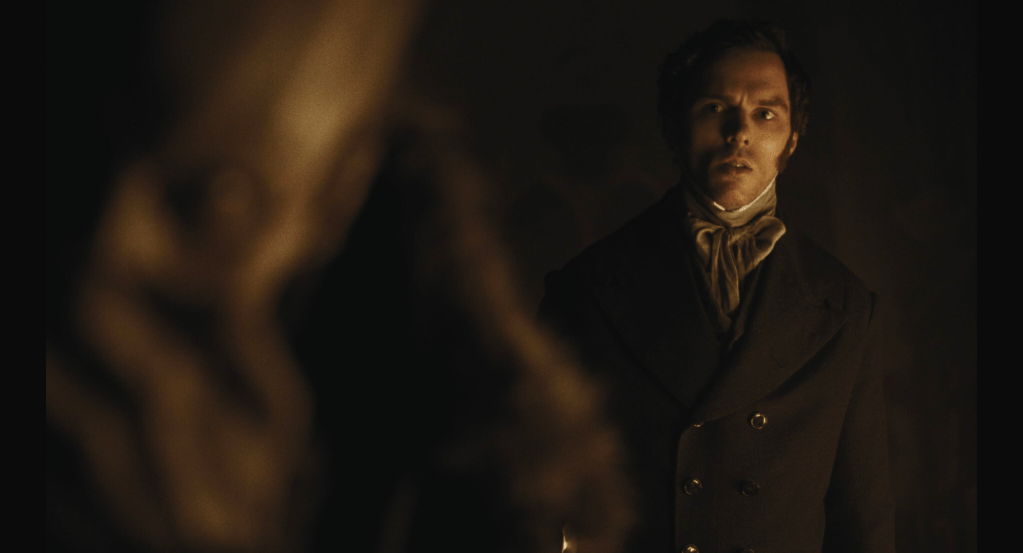
When you enter the world of Robert Eggers’ films, you are immediately placed within a space through a remarkable tactility. The old wooden walls of an estate have a smell, the dim candlelight dining halls have an air of repression and melancholy, and none of the performers carry with them the weight of modern knowledge (his actors rarely display an awareness of what an iPhone is which derails many modern period films). When you enter the world of Eggers’ Nosferatu (2024), you succumb to his whims just as the characters succumb to the enticements of the ghoulish Count Orlok (a never better Bill Skarsgård).
Adapting a 100-year-old film that defined all horror storytelling that came afterwards shouldn’t feel as comfortable as it does for Eggers and his creative team (highlighted by the extraordinary cinematographer Jarin Blaschke), but after three successful features steeped in immense period accuracy and style (2015’s The Witch, 2019’s The Lighthouse, 2021’s The Northman), Nosferatu feels like an inevitable next step for one of America’s most unique cinematic voices.
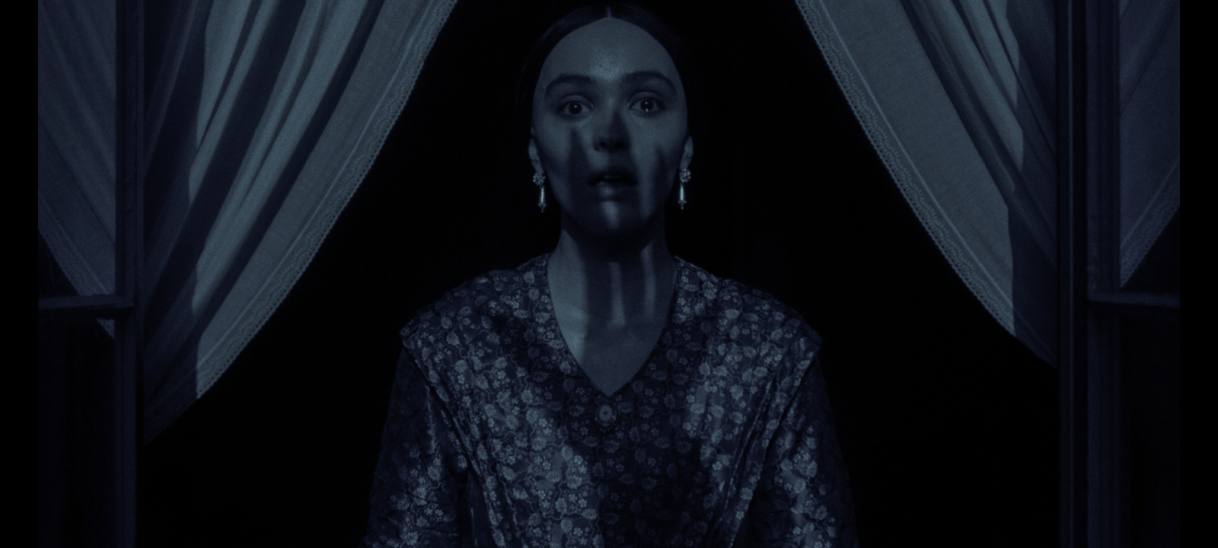
For those not up to speed on the Nosferatu story, originally an unauthorised adaptation of Bram Stoker’s Dracula novel in 1922, we follow newlyweds Ellen (Lily-Rose Depp) and estate agent Thomas Hutter (Nicholas Hoult), in 1838 Germany. Thomas is sent on a journey to Transylvania to secure the signature of the elusive Count Orlok, who is keen to purchase an old estate in town. Ellen pleads with her husband not to leave, sensing doom is quickly approaching them, a foreboding presence that she has carried with her most of her life. From the beginning of this updated version of the story, Ellen’s dark connection to Orlok is apparent, working as the film’s greatest strength. This key narrative propulsion is born from the silent era film’s greatest weakness, a focus on Thomas’ journey, eclipsing Ellen’s more internal struggle with the Count.
Lily-Rose Depp in Nosferatu. Credit: Courtesy of Focus Features
This focus on Ellen’s perspective and melancholy is felt even as the film shifts to Thomas’s trek to find the castle, an extraordinary sequence, propelled by both what he seeks and what has been left behind. Depp is incredible in the difficult role of Ellen, balancing her temperament seemingly as both possessor and possessed, with deep references to the genre-defining performances of Isabelle Adjani in Possession (1981) and Linda Blair in The Exorcist (1973). A performance of writhing spectacle that administers an impressive restraint when needed, wielding Eggers’ impressive ability to pen alluring scenes with no simple destination as well previous muses Anya Taylor-Joy (The Witch) and Robert Pattinson (The Lighthouse).
At the heart of this adaptation which is wholly absent from the previous two Nosferatu films is the seductive lure of the abyss that would have Nietzsche bursting out of his crypt like the Count. While the central tenet of the Nosferatu story is the psychic seduction that gives the Count power over those susceptible, a transformation is always an integral component, something Eggers removes here in place of Skarsgård’s increasingly terrifying presence.
The tightly held secret of Bill Skarsgård’s appearance as Nosferatu will not be spoiled here, just know it is worth the lock and key. Leave it to the obsessive Eggers to design a memorable and period-accurate depiction of Count Olak that expands on the original and Werner Herzog’s adaptation in 1979. Skarsgård’s count is slowly demystified across the film, creating a surprisingly destabilising experience. As an audience, we are so accustomed to the legendary character hiding and weaponising the shadows, which does occur in several key sequences in the film. Still, here, Count Orlok is brought more and more into the crisp moonlight, revealing the humanity underneath the creature of the night.
Nicholas Hoult in Nosferatu. Credit: Courtesy of Focus Features
Where the original film exploded the medium while also speaking to the modern reality of the Spanish Flu of 1918, Eggers opts instead to entrench himself in the imagery of the past. More than any of his other works, Nosferatu is a work of pure escapism, cementing the auteur as a formalist filmmaker whose worldview is tightly withheld from the work.
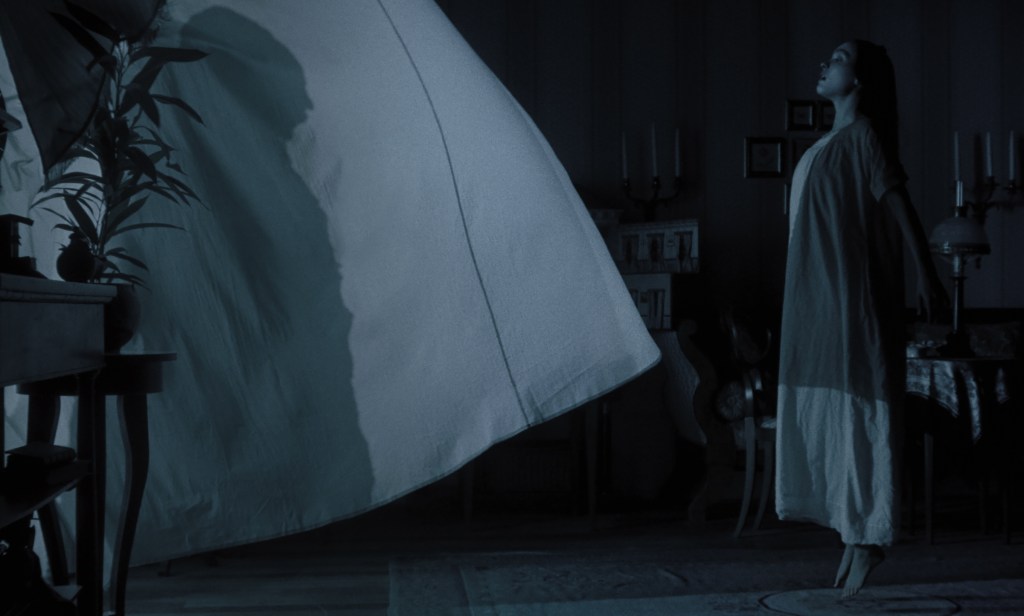
A filmmaking collaboration that extends environs into a three-dimensional cinematic space, Eggers and Blaschke evoke the very smells and textures that transform a text from period-accurate to fully inhabited. The film’s guiding light is Jack Clayton’s The Innocents (1961), a masterpiece in gothic literature adaptation that evokes a spellbinding atmosphere through its mixture of production design and cinematography. With its flowing curtains and long candlestick-lit hallways that invite a menacing darkness, Eggers’ Nosferatu is bringing the tentpoles of gothic storytelling to a new generation.
Gothic horror is deeply connected with the Gothic romance genres, and while the faithfulness to the original texts is admirable, it is in this expansion into other forms of gothic storytelling that Eggers’ iteration breathes new life. Through Depp’s singular performance at the heart of the film, we are compelled through the romance and horror that lurks in the shadows of every room, arriving at a near-operatic finale that never loses the wry humour that permeates through the filmmaker’s work.
However, it’s hard not to feel Eggers playing it safe across every moment of Nosferatu. Masked beneath the comfortable walls of period storytelling that rarely escapes the snowglobe-like structures he crafts in his work, it is difficult for the pangs of concern to creep in that one of America’s great craftsmen avoids the contemporary human moment like the plague. Whether it is fair to critique this absence or not, the feeling lingers.
It is perhaps too much to ask of a filmmaker so equipped in transportational genre storytelling that allows you to smell the musk of an old library or the menace of an encroaching evil in your very marrow. Still, there is a level of artistic safety that is palpable throughout the film, leaving one aching for a little more dare and bite.
For horror season, the Criterion Channel has crafted an eclectic and bountiful collection of iconic Japanese Horror films to immerse yourself in. From ’60s cult classics to the ’90s and early ’00s staples that exploded the country’s unique horror classics onto the world stage, this collection has something for both the cinephile horror fan and those looking for an entry point.
The genre is defined by old folklore and urban legends about Oni, invisible demons that potentially bring disaster and disease with them. A key form of Oni is Yūrei, or vengeful spirits, which we can see spread across almost all Japanese horror cinema. Perhaps the most well-known story of Yūrei is of Okiku, a young maid who was thrown down a well by a samurai after she refused his advances, returning as a vengeful spirit. Okiku is defined by her long black hair and hushed whisper, iconography burned into the celluloid of the country’s horror storytelling for generations, forming the immortal image that spreads across this entire collection.
Japanese horror storytelling thrives when these legends of Yūrei and other Oni are weaved into their contemporary settings, from post-civil war anxiety (Onibaba) to suburban anxiety and community suspicions (Creepy) and the encroaching dominance of technology in our world (Ring, Pulse, Tetsuo: The Iron Man). This creates a consistent cultural imprint that makes the genre so satisfying to engage with and return to.
So what better way to spend October than to binge through these and craft a ranking list from this well-curated list of classics from the fine folks at Criterion.
13. Ichi the Killer (2001) – Takashi Miike
⭐⭐⭐
Rating: 2.5 out of 5.
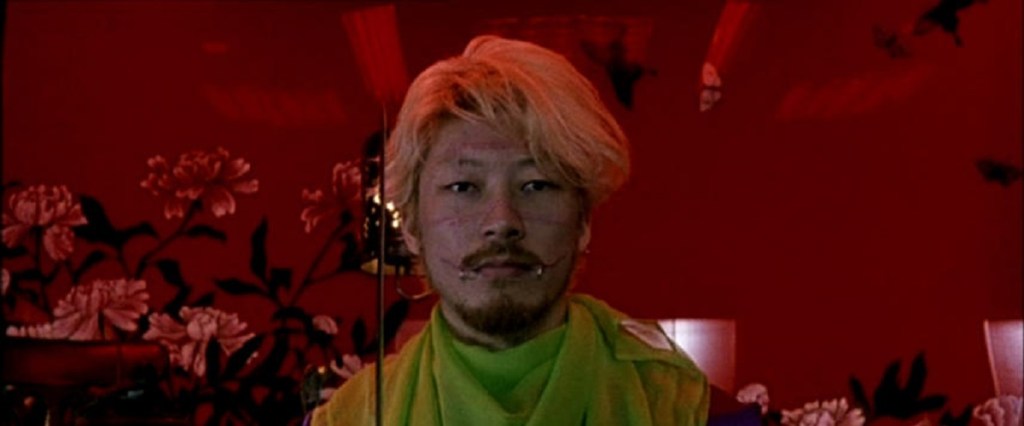
Extremist hyperviolence for the incels, industry legend Takashi Miike’s bizarre and underbaked screed Ichi the Killer, made two years after his brilliant film Audition (which will arrive later in this list), was banned in multiple countries for its approach to sexual violence and sadomasochism. Centring on the titular Ichi (Nao Ômori), an emotionally disturbed man who is just as likely to weep uncontrollably in the corner of a room as he is to violently murder those around him, most likely with a blade hidden in his boot. Pursuing Ichi is a sadomasochistic yakuza enforcer Kakihara (Tadanobu Asano), known for his brutality and Joker-like scars along his cheeks, who is impressed and tantalised by Ichi’s level of violence.
If that reads like a teenage boy fantasia of hyper-violence and extremity at the expense of taste and storytelling, that’s because it is. The only skippable film on this list, Ichi the Killer sees the chaotic filmmaker indulge in all his worst impulses which were weaved in more creatively in his other films.
While the film and the manga it is faithfully adapting has clearly influenced a generation of filmmakers, particularly in manga and anime circles, its haphazard approach to storytelling centred on a hyper-violent incel creates an instant callous so thick, the proceeding depravity sparks little to no emotion.
12. Ju-On: The Grudge 2 (2003) – Takashi Shimizu
⭐⭐⭐
Rating: 2.5 out of 5.
Even as the lesser of the films in the franchise selected by Criterion, Ju-On: The Grudge 2 is not without its iconic moments that each film in the franchise achieves. Operating in a surprisingly quieter, more atmospheric horror register, Ju-On: The Grudge 2 centres its plot on a TV crew working on a reality show about ghosts set in the house of the original film.
The Yūrei at the heart of the franchise stems from a murdered housewife, cursing all those who enter the house to an inevitable demise. The horror set pieces in the film and the franchise grow repetitive in a hurry, but still manage a psychological stickiness through some impressive genre flourishes. The ghost’s death rattle sound remains one of the great noises in the horror canon that ratchets up tension faster than any convoluted plot.
Following the similar trajectory of the previous film with its nonlinear narratives inside character (read, next victim) focused chapters, Ju-On: The Grudge 2 has a more menacing air of inevitability that never feels oppressive. Instead, it makes for an easier watch than the first film, albeit with the same issues.
The time-skipping narrative in this film is more potent and evocatively tied to the whole story than the original, making its climactic final act wash over you in waves of sadness and melancholy, even with its bizarre final ten minutes.
11. Ju-On: The Grudge (2002) – Takashi Shimizu
⭐⭐⭐
Rating: 3 out of 5.
The all-time ‘just leave the house’ franchise, Ju-On: The Grudge thrives in the unknown. The horror is a tightly contained, well-chosen horror house, a small collection of characters and a looming presence we are desperate to learn more about, even if the resolution ultimately lessens the experience in the film’s uneven conclusion.
Ju-On: The Grudge’s keen focus on sound design with its wall scratching, cat screeches, and the iconic death rattle heightens an unfocused plot, held together by its terrific horror set pieces, Hitomi’s (Misaki Itô) chapter especially. Japanese horror, and especially those centred on yūrei have these unexpected and often moving notes of sadness at the heart of the curse, something that can be felt even within the iconic stair scene at the climax of the film, largely through Takako Fuji’s performance as the ghost Kayako.
Ju-On thrives in its limitations as a micro-budget film shot in a tremendous house for a horror, which Shimizu puts great attention to laying out, but is bogged down by a serious lack of characterisation, opting instead for time skipping and short chapters that prevent the inventive filmmaking to thrive. Ultimately, these films have such aggressively passive characters stuck in these doom loops that while tepidly compelling, never excel as an overall experience.
10. Tetsuo: The Iron Man (1989) – Shinya Tsukamoto
⭐⭐⭐⭐
Rating: 3.5 out of 5.
Pure heavy metal cinema that some have deemed ‘migraine cinema’, the wildly feverish Tetsuo The Iron Man leaves a crater in the medium we can only hope to mine for future resources. With the self-awareness to hit the ejector seat after 67 minutes, Shinya Tsukamoto’s manic sci-fi nightmare about a self-professed ‘metal fetishist’ (Tomorô Taguchi) is driven mad (or already was), creating a sequence of events which include a graphic and hysterical sex scene, an incredibly tactile chase sequence, all culminating in a transcendent moment of mania you’ll be coming down for days after.
This Japanese Eraserhead (1977) crushes your skull with a relentless pace and style, truly fitting its design aesthetic of violent machinery bursting from limbs like the chest burster in Alien (1979). There is no Crash (1996) or Titane (2021) (and to a certain extent The Substance, 2024) without Tetsuo, placing it violently at the top of the heap of the cinema of extremity, even if its ideas arrive with a blunted edge.
9. Dark Water (2002) – Hideo Nakata
⭐⭐⭐⭐
Rating: 3.5 out of 5.
A tense and poignant drama of a family going through a divorce wrapped up in a ghost story, Dark Water is a melancholic look at childhood neglect and trauma with a beautiful and unexpected third act.
Directed by Hideo Nakata who thrust the Japanese horror genre onto the world stage with Ring (1998) —appearing later in this list— based on a short story collection by Koji Suzuki (who also wrote the Ring novels), Dark Water centres on a young mother in the process of divorcing her husband and rebuilding a life for herself and her young daughter Ikuko (Rio Kanno). The mother, Yoshimi (Hitomi Kuroki), rents a rundown apartment for her and her daughter where strange occurrences happen, localising around the water in the building.
Four years after his enormous success with Ring, Nakata is driven to a more potent emotional story of childhood neglect and a fracturing family, lowering the temperature of the horror, using the genre instead to heighten the dramatic storytelling rather than as a means to an end. The film succeeds as a sombre piece of atmospheric storytelling that weaves two unique stories together, the family divorce drama that gives remarkable attention to the young child’s feelings throughout, and the ghost story in the apartment.
Held together by a pair of fantastic performances by Kuroki and Kanno, with the latter giving an all-time child performance in a horror film, Dark Water sneaks up on you with its deceptively poignant storytelling and characters, culminating in the most emotionally resonant final act on this list. The horror genre, and especially ghost stories, excel in articulating a sense of longing and lost time, with those we love and those that need to be loved.
8. Creepy (2016) – Kiyoshi Kurosawa
⭐⭐⭐⭐
Rating: 3.5 out of 5.
It is no mistake that Kiyoshi Kurosawa finds himself on this list three times, as the great master formalist makes a case for the most important voice in horror storytelling since John Carpenter. A film that understands the anxiety an audience gets from a whisper in a stressful situation, or a quiet interview in a frame full of people, Creepy brings Kurosawa’s doom scenario milieu to the suburbs, tracking an ex-detective Koichi Takakura (Hidetoshi Nishijima) forced to retire from the force and move with his young wife Yasuko (Yūko Takeuchi).
With a clear itching to return to detective work, as well as a heightened sense of danger and menace behind every door, influenced by a level of unresolved PTSD, Koichi becomes obsessed with a local cold case brought on by an ex-colleague, as well as being unnerved and suspicious of his neighbours.
Kurosawa’s formalism is well suited to the obsessive detective narrative, with the modern suburbia setting slowly pierced by the auteur’s signature sense of overwhelming dread and suspicion. His measured camera movements, at times unsettlingly ahead of the action, heighten the anxiety of any given moment, binding us to the experiences of his characters.
The legendary auteur is at his best when he can place the audience, alongside his characters, in situations where anything is possible. Like reality, not every moment is cause and effect, where potentially horrifying incidents can occur seemingly without motive or reason. This troubling, anxiety-fuelled sensation is where Kurosawa is more keenly tapped into than perhaps any living filmmaker, allowing his seemingly mundane character dramas to glide into some of the greatest horror moments of the past 30 years.
A bold perspective gearshift in the film’s second half almost derails the drama and tension Kurosawa so brilliantly establishes for over an hour, held together only by the filmmaker’s ability to reignite the dramatic flame for a memorable closing moment. While not in the highest tier of works, Kurosawa’s Creepy is as satisfying an unsettling portrait of suburban anxiety and destabilisation as you will find.
7. Ring (1998) – Hideo Nakata
⭐⭐⭐⭐
Rating: 4 out of 5.
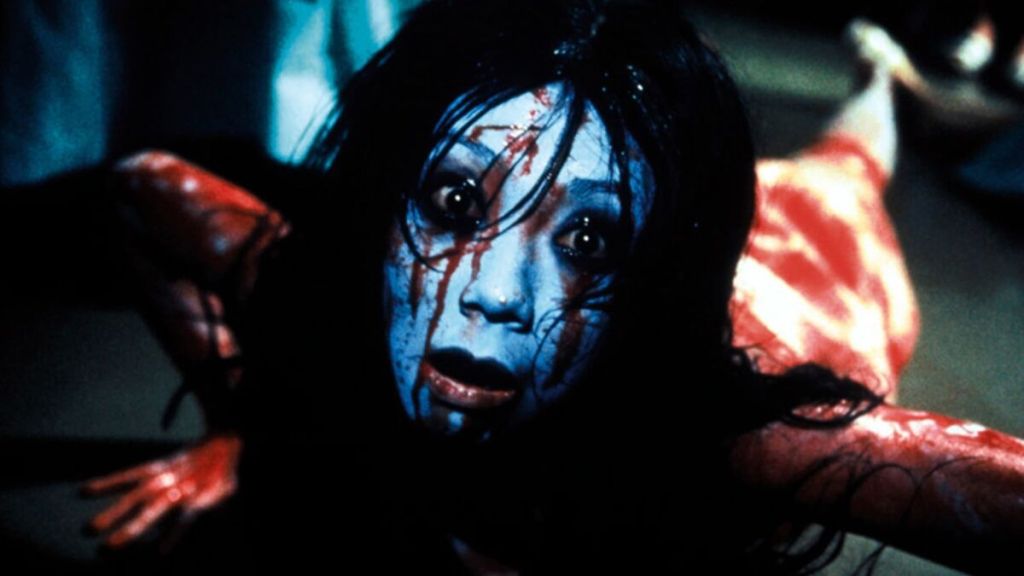
The quintessential Japanese horror film, Hideo Nakata’s Ring is probably the most iconic film on the list, defined by its Yūrei antagonist Sadako (Rie Ino’o), clearly based on the Okiku legend, down to her horrific murder of being thrown down a well. It’s also the film that sparked a Western fever over the Japanese horror industry, rapidly adapting them into American versions of middling success (four films on this list have American adaptations), the best of the lot being Gore Verbinski’s impressive adaptation The Ring in 2002.
To catch those up to speed with the story of this blockbuster from Japan, Hideo Nakata’s Ring has the all-time horror premise of a mysterious VHS tape that, once watched, will have you scared into an early grave seven days after watching. Wonderfully blending Japanese folklore with modern society’s relationship with physical media and storytelling, all wrapped up in a moody yet propulsive journalism procedural centred on the brilliant Nanako Matsushima and Hiroyuki Sanada as ex-wife and husband pair Reiko and Ryūji.
Where Ju-On falters by being solely driven by its formula and inventive kills, Ringu thrives in its deep fascination with the looming spectre of Sadako, using the framework of the journalism procedural to uncover the reality that she is less a hostile ghost and more of an enraged victim.
The film elevates itself with an emotionally overwhelming moment in the climax, with Reiko warmly embracing the skeleton of Sadako, a graceful note in a film that until this moment thrived in its procedural meticulous storytelling. In a genre defined by outcasts reaping revenge on the world, this moment of tenderness pierces through the shroud of menace and cynicism, leaving behind a desperate mother letting her tormentor know it will be okay. Even though this moment is followed by a scene with the franchise’s most iconic imagery of Sadako crawling out of the television, it’s without question the film would be stronger for ending at this place (the TV crawl scene could happen at any point), perhaps moving it higher up this list.
6. House (1977) – Hideo Nakata
⭐⭐⭐⭐
Rating: 4 out of 5.
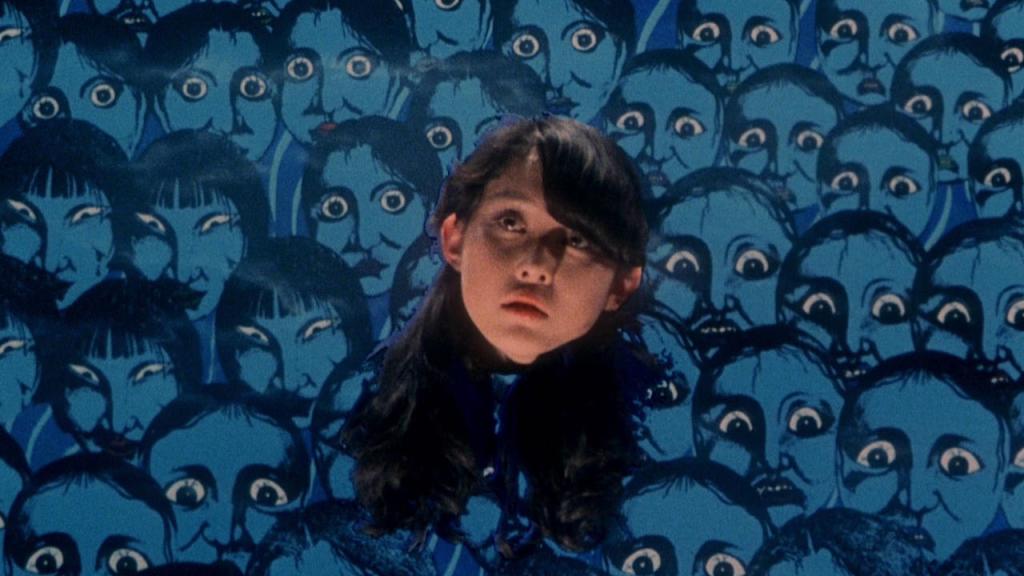
A destabilising horror experience, unlike anything you’ve seen before. With a feverish energy and imagination that removes an audience’s ability to anticipate an inch in front of their face —a crucial component of any great horror— Nobuhiko Ôbayashi’s House, playfully referred to as a psychedelic comedy horror, is the most unique film on this list that quickly became a global cult object.
A tremendously enjoyable film, House follows seven schoolgirls with names like Gorgeous (Kimiko Ikegami) and Kung Fu (Miki Jinbo, MVP of the group once the mania starts), played by mostly amateur actors, who go on a summer vacation to a country estate owned by Gorgeous’ aunt (Yōko Minamida), an eccentric older woman. Strange occurrences and violent episodes begin to plague the girls at the house, shifting the film from a glossily bizarre romp into a clear ur-text for Sam Raimi’s Evil Dead films while never losing its internal style and spirit.
Ôbayashi has made a film on such a different frequency to the rest of cinema, a feat that forces you to realign your senses to get onto its wavelength. But once you’re there, the results will astonish you. You’ll be so overwhelmed with a sense of dysphoria, oscillating rapidly between genuine glee and anxiety with its feverish editing style and use of stop motion and simple animations. In a secluded cabin where anything is possible, even a cat can become a nightmare.
5. Onibaba (1964) – Kaneto Shindō
⭐⭐⭐⭐
Rating: 4 out of 5.
The demonic nature of war and conflict which sows its violence into the very earth, Kaneto Shindô’s atmospheric and captivating 14th-century folk tale has perhaps the loosest attachment to the horror genre as anything on this list, earning its place through its deep connection to post-war anxiety, reflected through the prism of Japanese samurai cinema.
With her son, Kichi, away at war as a samurai, a woman (Nobuko Otowa) and her daughter-in-law (Jitsuko Yoshimura) struggle to survive on their own in the outskirts of Kyoto, resorting to killing solitary samurai and stealing their swords and clothes to a local merchant for food. Upon the return of a neighbour, Hatchi (Kei Satô), who tells them of the death of the son, the trio begin a dance of seduction and connection fuelled by loneliness, jealousy, and desire.
Onibaba lives in the sound of nature in conflict with human violence, the aggressive rustling of grain and reeds, the coarse splashing of water on a riverbed as two nameless men fight, tying notions of human violence and horror to the very earth, better than almost any film has since. As the oldest film on this list, it is as crucial a watch as any in understanding the genre as a whole.
4. Kuroneko (1968) – Kaneto Shindō
⭐⭐⭐⭐
Rating: 4 out of 5.
Such a wonderful companion to his previous film Onibaba it’s impossible to separate the pair, with its casting of Nobuko Otowa in near identical roles, mirrored visual motifs and narrative of the women left behind and left to rot in the burnt ruins of a world left by feeble men.
Opening with the brutal murder of a woman, Shige (Kiwako Taichi), and her mother-in-law Yone (Otowa), at the hand of a band of samurai that sets the tone for the rest of this haunted revenge thriller as the pair return to the world as cat formed Onryō, a more vengeful form of yūrei.
In many ways, this is the more overtly horrific film of the pair, but where Kuroneko really excels and where Shindō clearly improves as a writer is in the dramatic storytelling that is unlocked in the centre of the film with the return of Gintoki (Nakamura Kichiemon II), Yone’s son, Shige’s husband, and crucially, a samurai. This return creates a compelling internal battle for Shige and Yone, who have returned to the mortal world to seek vengeance on the samurai plaguing and overwhelming the land, but still harbour a great love and longing for the man who left them.
At its core, Kuroneko is a story of vengeance against the inhumanity of male violence, with its beautiful knots of human longing and connection in the face of great pain piercing the heart more powerfully than any fang.
3. Audition (2001) – Takashi Miike
⭐⭐⭐⭐
Rating: 4 out of 5.
Recently ranked the 7th best horror film of all time by Variety, Takashi Miike’s second and much more successful entry on this list, Audition, moves as an anglerfish, enrapturing you in its romantic light, masking the dark monster lurking in the shadows.
Beginning with a beautiful three-minute prologue of a young family losing their mother in a hospital, Miike’s Audition blooms from a place of empathy and loss, creating a lush bed to destabilise us. Set seven years after this, Shigeharu’s (Ryo Ishibashi) son Shigehiko (Tetsu Sawaki) presses him to find a wife. Shigeharu’s friend Yasuhisa (Jun Kunimura), a film producer, devises a plan to hold an audition for a fake film project with the goal of Shigeharu choosing a wife out of the cohort.
Immediately, Shigeharu is enchanted, bordering on obsessed with one prospect, the quiet Asami (Eihi Shiina), and pursues her, even though Yasuhisa urges him to reconsider as he believes something is off about her. Miike uses his chaotic approach to editing and story structure that tipped over Ichi the Killer here as a piercing needle into the skin of this Vaseline-covered pulpy romance. It is in this needling contrast that the film thrives.
Miike has a profound eye for composition and lighting, transcending the material into a consistent wave of tangible emotion, never letting its characters or the audience off the hook he so delicately dangles. This lush style is wrapped in a discordant editing style once we meet Asami, reshaping any notion of the type of film we are watching from moment to moment, culminating in a wild final act that made the film legendary to horror fans.
2. Pulse (2001) – Kiyoshi Kurosawa
⭐⭐⭐⭐⭐
Rating: 5 out of 5.
The year is 2001 and the legend Kiyoshi Kurosawa is deeply sceptical about the internet’s promise to connect the global population more deeply with each other. In Pulse, at the turn of the millennium with the internet burgeoning into being, a creeping loneliness epidemic appears to be bleeding into people’s lives through their computer screens, leaving its victims in a fate worse than death.
In conversation with Hideo Nakata’s Ring with their relationships to media and technology’s place as the medium to our new folk stories, Pulse elicits a similar feeling the VHS tape has with its steadily increasing number of apparent ghosts taking form inside the internet, desperate to escape for reasons that become clearer at the film’s remarkably evocative climax.
Viewing the relationship between a rapidly isolating city and life through the lens of a small group of young people retreating into their own worlds via the internet is eminently recognisable in 2024. With a steady march towards depression tied to the oblivion of disconnection that Kurosawa achieves better than almost any living filmmaker, we are forced into the role of both protagonist and camera operator, refracting our modern life into this 23-year-old film. For this reason, alongside its depressive but uncynical atmosphere, Pulse is potentially the definitive work of cinema for our online, modern age.
The miracle of Kurosawa’s films is their ability to form a compellingly bleak drama without an overwhelmingly cynical worldview. While the film is defined by suicide and internet-driven malaise, Pulse is never driven by a contempt for the ghostly presences or the young victims like in the Ju On films. Even in the final, apocalyptic moments, the audience, with Kurosawa by our side, is hopeful for a potential step forward.
With all that said, what supercharges these ideas and propels them into a plane few films achieve is their ability to operate as a truly terrifying work of horror. Even in a horror collection that boasts iconic horror scenes like the ones in Ring or Ju-On, nothing is as bone-chilling and skin-crawling as the slow-moving ghost sequence, perfectly calibrated to destabilise our ideas of how our fears can be provoked in such a simple scene.
The unveiling of the Big Bang event at the film’s core as a deeply personal, isolating act of exposed self-annihilation is overwhelmingly emotional. The best horror films root themselves in empathetic moments of anguish that birth a larger malice to those in its orbit, which Pulse achieves better than anything on this list and in almost any other film in the genre.
1. Cure (1997) – Kiyoshi Kurosawa
⭐⭐⭐⭐⭐
Rating: 5 out of 5.
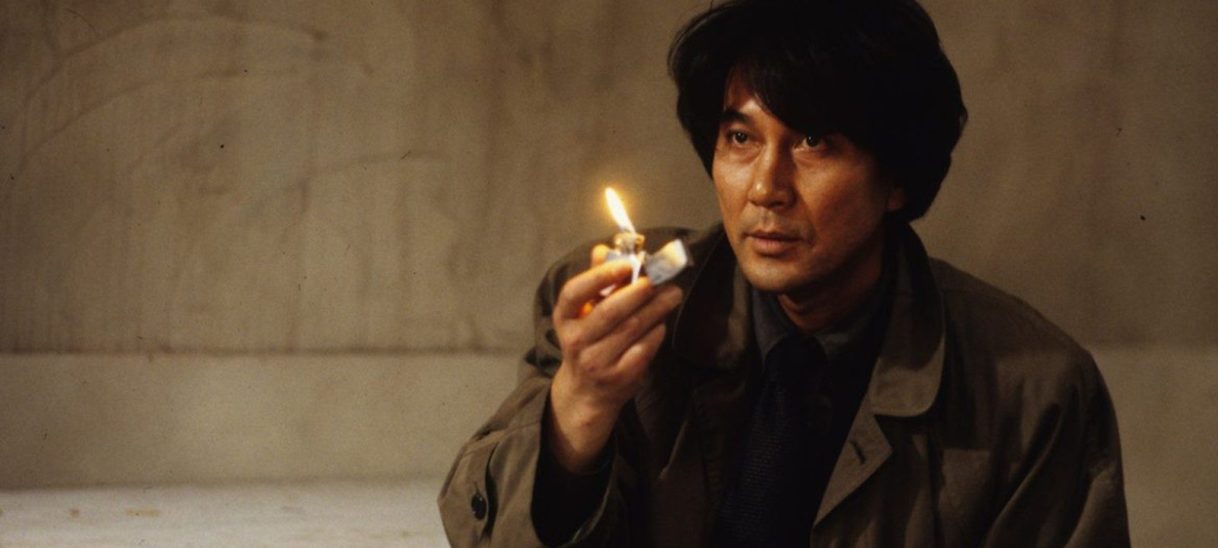
Perhaps the film I’ve thought about the most since watching it on a gloomy night in 2020, sliding ever higher up my all-time list, making its ultimate landing spot at the top here felt inevitable but still celebratory. Kurosawa’s best film, Cure, is the perfect blend of his obsessions of ingrained human anxiety and potential for violence, with his filmmaking influences, equal parts Andrei Tarkovsky and Tobe Hooper, flourishing at every turn.
Centring on obsessive detective Takabe (a colossal performance by Kōji Yakusho), with a deteriorating home life due to his wife’s (Anna Nakagawa) failing mental health, who is tasked with solving a series of seemingly random murders connected only by the assailants having carved an ‘X’ into the neck or chest of the victim. We are shown these violent attacks in Kurosawa’s familiar smooth camera movements, creating an unnerving balance that stems from the potential violence of everyday life.
Much like David Fincher’s Se7en (1995), a film deeply tied to Cure, our burgeoning obsession with true crime storytelling is being reflected back at us, forcing us to contend with our own impulses towards viewing violence in this way. Cure excels because Kurosawa is keenly aware of these impulses and genre conventions, understanding when to subvert them or allow them to play out at his own deliberate pace.
Cure’s greatest act of subversion comes from the crafting of perhaps the best horror character of the past 30 years, the black hole known as Mamiya, the man seemingly hypnotising people into performing these murders. Portrayed with a compelling aloofness by Masato Hagiwara that disarms both the audience and other characters, while also flooding the air with a palpable sense of tension and dread. Mamiya’s hypnotism scenes are extraordinary set pieces in magnetic genre filmmaking, focusing on elemental connections like the flame of a lighter or the meditative quality of washing over you like a steadily rising tide. The film transcends past its terrific villain and set-pieces due to our near-instant tethering to Takabe’s obsession with understanding these murders, propelling us deeper and deeper into the world and ultimately, Mamiya’s spell.
Takabe’s ultimate decision to give his ailing wife over to an asylum creates an absence inside him that allows him to reach the precipice of defeating Mamiya but directly asks us the cost of this sacrifice. In a world void of something to fight for, how does one look into the abyss and see anything but themselves? In a genre of scares and nightmarish atmospheres, these lasting questions and closing moments will have you questioning how you view humanity itself.
Beginning with a burn-chilling opening sequence that operates on a high level of performance, composition, and editing in only a few short minutes, Oz Perkins’ Longlegs (2024) creates an all-encompassing feeling of dread and paranoia from which there is no escape. With a claustrophobic boxed aspect ratio wielded with true maliciousness, the opening frames are the shocking jolt of electric current that flows through the rest of the film, which operates in a thrilling liminal space that will keep you destabilised.
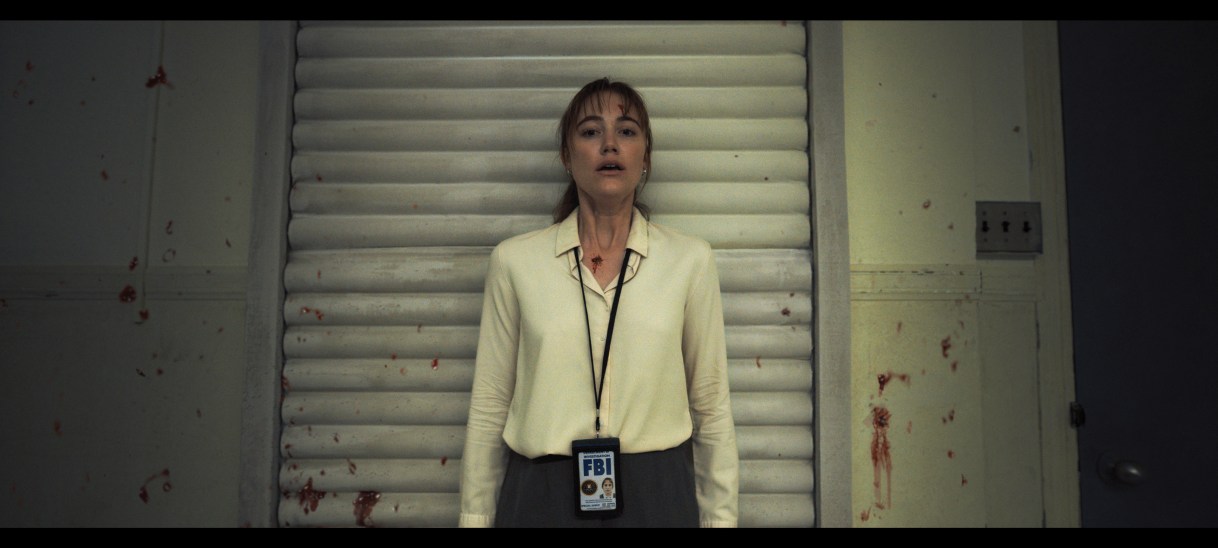
In blending serial killer procedurals with the existential dread of an unexplainable nightmare, Perkins’ internal genre mashup will surely frustrate and bewilder those on both sides of the horror spectrum. With its uncompromising vision and style, Longlegs opens up into a compelling exploration of familial abuse that will catch up to you in the days and weeks after in ways all too rare in modern horror. As a young FBI upstart, agent Lee Harker (Maika Monroe), put on the case of a serial killer who goes by (Nicolas Cage, weaponised to incredible effect), an unidentifiable killer of young families who has operated for decades. With her new partner Carter (the terrific and unheralded Blair Underwood), Lee must uncover and decrypt a series of seemingly occult clues, some seemingly linked to her life, to catch Longlegs before he targets another family.
For the crime procedural lovers, all the serial killer staple moments are here: suspenseful walks through suburbia, a tense microfiche scene in a library, and deep dives into the cult and religiosity, Longlegs has everything you could want from a modern-day homage to Silence of the Lambs (1991) inside the overused ‘elevated horror’ branding that infers hyper-considered compositions and atmosphere over ideas.
Maika Monroe in Longlegs.
This has been Perkins’ issue in the past, with the son of legend Anthony Perkins and Berry Berenson putting image over story and script in his previous work, Gretel and Hansel (2020) and I Am the Pretty Thing That Lives in the House (2016), but has broken through with easily his best script in Longlegs. The film is wider ranging and more compelling than recent entries in this new wave of American horror. Films that want to explore deep rooted causes of horror like child abuse and extreme religiosity but have no appetite to get into the true heart of this evil, something Perkins is keenly focused on conveying honestly and potently.
On the dread-inducing serial killer axis, Longlegs finds itself tightly drawn to David Fincher’s Seven (1995), with its internal focus on our central characters’ world and the encroaching evil building up around them. While his presence, and particularly his face is often obscured by the frame, Longlegs lingers in the psyche of its characters and the audience. Played with his customary intensity and ferociousness, Cage excels in limited time like Darth Vader’s limited but outsized presence in Star Wars (1977).
Lee is a fascinating character, played brilliantly — although is sure to be divisive, similar to how the performance of Justice Smith in I Saw the TV Glow (2024) has been judged — by modern horror stalwart Maika Monroe, who has as much anxiety meeting her partner’s daughter as encountering a horrific murder scene. The world weighs heavy on her mind, and Monroe gives her a level of dissociative tendencies that are incredibly difficult to portray on screen and in lesser hands would’ve derailed the film. This makes Longlegs‘ true beguiling mystery, and the beauty of the script comes from its ability to strip away Longlegs himself, leaving us compelled by the mystery of her story, the true engine of the film.
Longlegs as a film lingers in the corners of frames with the patient tension of a spider, as Perkins and cinematographer Andres Arochi revel in having an audience’s eyes dart from every inch of their considered and restrained frame that stretches out into eternity. Even in tense, quick-motion sequences, we cannot help but peer over the shoulder of Lee (which takes up two-thirds of the frame), expecting the worst in every moment.
Maika Monroe in Longlegs.
Weaponising its extreme wide lens to a chilling effect, the film sucks Lee into the frame, increasing the opportunities for the menace and dread to creep in and linger. In modern horror, a tight perspective is often given to our protagonist, heightening the tension by playing with the fantasies of the audience of what lurks beyond the frame. In Longlegs, by extending the frame outwards, in both tense scenes and in standard dialogue moments, we are instead led to explore our fears head on, even as the film plays out in a more elegiac and liminal way.
With a work of mounting dread, the inevitable climax is unique but crucial to the final impact that can be felt days and weeks later. The greatest work of insidious evil and its unexplainable nature is Kiyoshi Kurosawa’s masterpiece Cure (1997), which operates in plain sight but questions what is capable within the banality of human life. With Longlegs, Perkins decides instead to spend the final moments explaining the hows and whys of the story, turning all the lights in a house we’ve been too scared to walk around at night, believing that the true lasting impact will be felt after these capital R revelations, not prior.
The closing 10 minutes are overwhelming, and the tensest you’ll feel in a theatre all year, but one can’t help but feel a more ambiguous ending with a tight grip of evil that propelled the entire experience would’ve lingered longer in the memory of its audience. This decision to enlighten that which was kept in the dark, while removing a juicy level of elusion to reward feverish rewatches, does allow the true meaning of the film in the case of Lee’s familial story and how Longlegs operates as an outsized metaphor within it. The fact this sharp decision can easily be argued on either side shows how evocative a story Perkins has been able to tell.
What we are left with is a deeply fascinating work of modern horror from an emerging artist, one that can work both inside and outside the trappings of where the genre finds itself in the 2020s. Flanked by a great ensemble of Monroe, Cage, Alicia Witt, and Underwood, with quality craftspeople across the production, Longlegs is a nightmare born into reality, with a level of tension that is overwhelming, adding to the top of what is shaping to be an excellent year in horror.
Arriving on our shores in 2020, the horror-centric streaming service Shudder has become the definitive location for the boundary-pushing genre that comes alive every October. Its library boasts entire collections from the decades-spanning series’ to the micro-budget international indies, all available under one roof that promises shocks, thrills, and subversive moments that get seared into the brain.
In recent years, Shudder has ramped up its original programming, in the states and across the globe, giving its devoted audiences the opportunity to discover some of the most interesting international and indie films of the 2020s. Here, we have ranked the 7 best originals Shudder has to offer, from the perverse to the exhilarating, these are ones not to miss.
7. When Evil Lurks(2023)
Evil lurking through a film with true malice, The newest Shudder original from Argentina arrives on this list with a dark heart that is certainly the feel-bad film of the year. Opening with its grotesque makeup designs that should only be seen at least an hour after eating, When Evil Lurks devolves into a series of purely chilling experiences in a world without a soul.
Demián Rugna has crafted a strangely dense piece of world-building on a post-religion Earth where evil and demonic possession are very real occurrences with a series of rules to keep the peace and protect the community. This film is not for the faint of heart, as its stark malevolence and propensity for child endangerment never form a callous in the mind.
6. Revenge(2017)
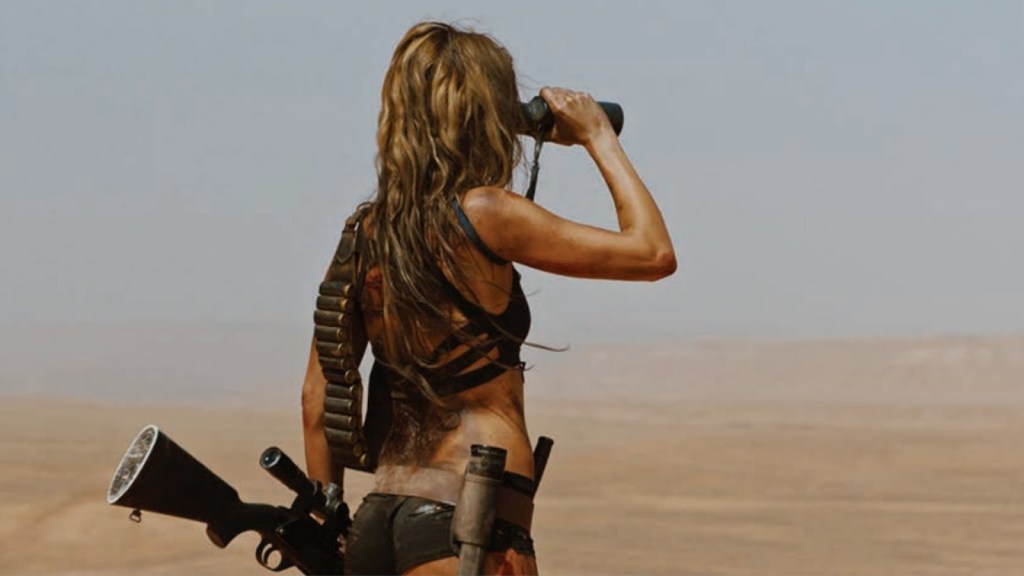
The brilliance of Coralie Fargeat’s Revenge is in its ability to consistently take the more compelling path, both narratively and visually, weaving through the obstacles of horror’s thorniest subgenre (the rape-revenge thriller) with a powerful ease. A film this forward does not move with grace but with the bombast and assuredness of a filmmaker driven by their convictions and choices.
Fargeat’s debut feature is defined by its extreme closeups of body parts, focusing our eye on the human body consistently, from the lurid to the violent extremity. With a potent sound design and score combination heightening both these closeups and spanning, otherworldly vistas of this Moroccan desert, Revenge is as good as it gets in this oft-misguided genre, with as tense a final 30 minutes as you’ll find on the service.
5. Speak No Evil(2022)(U.S. Exclusive)
The feeling of a knife slowly being twisted over and over and over again put to film. Speak no Evil is a profoundly upsetting film about our inability to speak up for the everyday evils we may face, centring on a Danish family that makes quick friends with a Dutch couple on vacation and takes them up on an offer to stay with them for a weekend at their remote home. A shockingly bizarre invitation to some, more normal for others, that devolves as these friendly strangers reveal themselves in time. Filmmaker Christian Tafdrup feels content sitting with the audience in a pure form of discomfort that veers slowly into dread that has rarely been captured so well on screen.
There is a hilarious moment halfway through the film where it appears the family will return home without harm and only a mild unease about their new friends, only for the husband Bjørn (Morten Burian) to turn the car around over the slightest thing. Tafdrup never sells this as a moment of triumph you’d find at the end of a horror film, knowing full well that the dread and banal claustrophobia that has been cultivated from the opening images is about to take a turn for the worse. Tafdrup’s complete control of the situation revels in the story he’s created, with the fearful exhilaration of being lowered into a seemingly endless well by someone with a tight grip on the rope.
4. Skinamarink(2022)
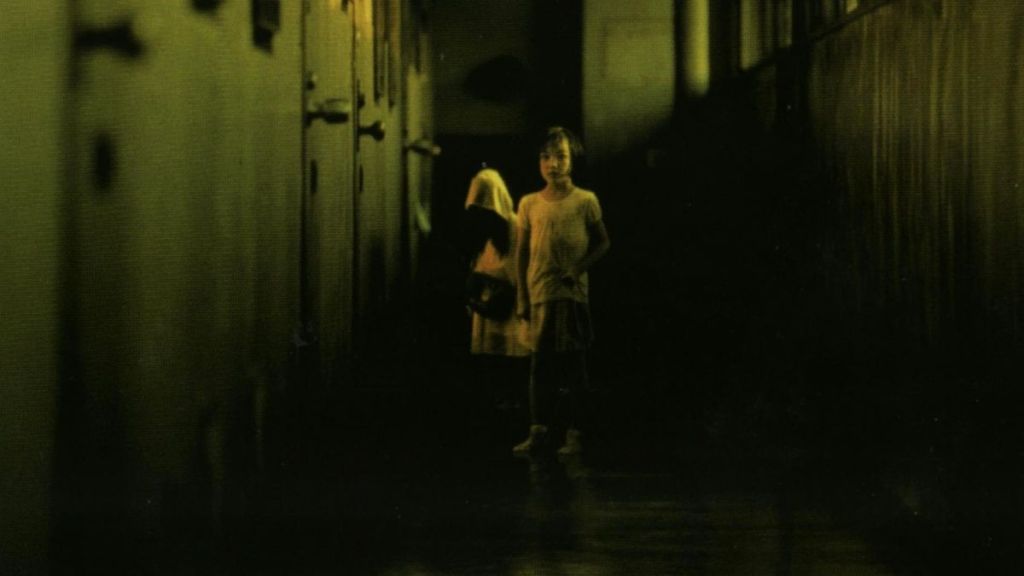
Wrote about the film back on the site in February, Skinamarink was a flash in the pan in terms of internet notoriety (that expanded into multiple sold-out sessions at indie theatres), but the style and lingering impact this film has on your subconscious is remarkable.
The effectiveness of the film’s horror is its depiction of a universal childhood fear shown from an actual child’s perspective. Filmmaker Kyle Edward Ball is tapping into primordial fears that dwell within all of us, using the constraints of his very modest budget to heighten the atmosphere of dread across its extended run time. The film is certainly too long for its narrow scope coming in at 100 minutes, but when Skinamarink is working, it is one of the most effective horror experiences in years.
Its central set piece, which involves Kaylee (Dali Rose Tetreault) going upstairs into her parent’s room, is one of the most haunting film sequences in years. After 40 minutes of atmospheric buildup, completely unsure of where we are being led, you will be wishing to return to watching cartoons downstairs and staring at Legos. The extended long take in this scene ratchets up the tension to a boiling point, with your palms a sweating mess in a sequence that seemingly goes for eternity. This is no doubt the peak of the film, with only smaller moments in the proceeding hour that match its tension and atmosphere. Structurally, Skinamarink could’ve taken some notes from its predecessors Paranormal Activity and Blair Witch Project (1999), by peaking in its final moments, but the atmosphere is definitely more of the Ball’s focus than the bigger scares the film has. Unfortunately, this makes the film drag in its second half, even for a great lover of durational cinema as I am.
3. One Cut of the Dead(2017)
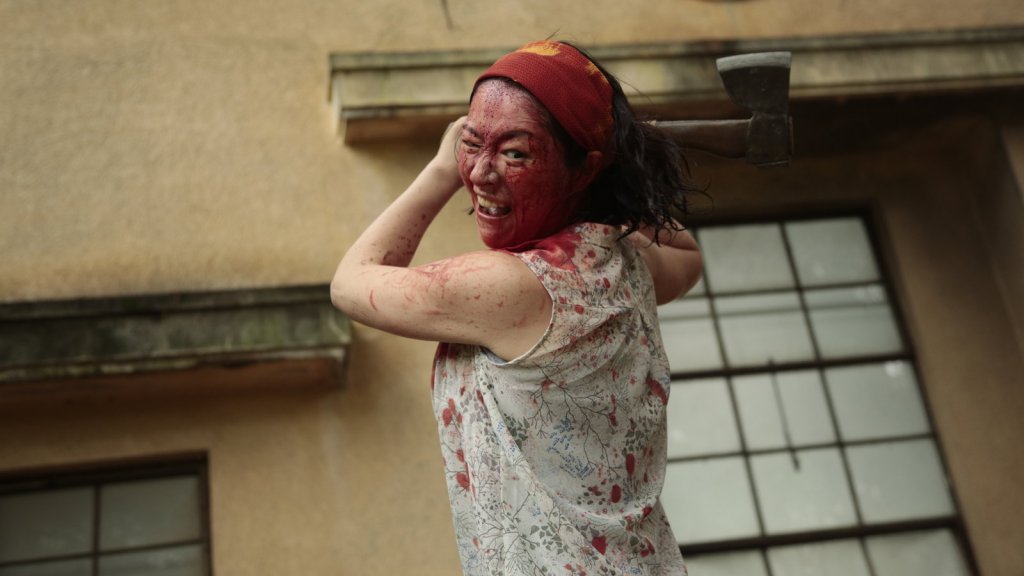
An ingenious adrenaline shot in the arm of the zombie horror genre desperately at the tail end of the 2010s, Shin’ichirô Ueda’s One Cut of the Dead may never terrify you, but it will have you in hysterics on the floor. With a unique format with its 40-minute intentionally sloppy long take to begin the film, unfolding into a hysterical love letter to independent filmmaking that is as sharp in its cinema satire as The Player (1992).
2. Flux Gourmet(2022)
The world of sonic caterers, a fascinating and beguiling location for the new film by the great filmmaker Peter Strickland, is full of deeply flawed but fascinating characters that potently satirise modern art collectives, musicians, and gastronomical cuisine inside of a wildly satisfying feature. With terrific performances from Gwendoline Christie (and her wardrobe), Asa Butterfield, and Fatma Mohamed, Flux Gourmet will floor you with its audacity and style that is merely the coating to a terrifically detailed and well-drawn world you’ll never question the validity of.
Viewing this world predominantly through the eyes of Stones (Makis Papadimitriou), a Greek hack writer just trying to make a living whilst wholly focusing his writing on his flatulence issues is a hilarious throughline that arrives at a chaotic conclusion you cannot predict. Strickland forces you to remain present within his films through the sheer force of unpredictability that is a defining feature of all great thrillers and horrors.
The wonderful combination of evocative culinary insert shots, mixed in with copious levels of guitar and synth pedals used by the performers (a flanger is a key plot point), realises Strickland’s uniquely bizarre world from the inside out. We are grounded in a story so fully realised, the comedy cannot help but ooze out of every orifice. This film was designed in a gastronomy lab to cater to my tastes and interests, but Strickland’s pure style and chops mean Flux Gourmet caters to all diets.
1. Saloum(2021)
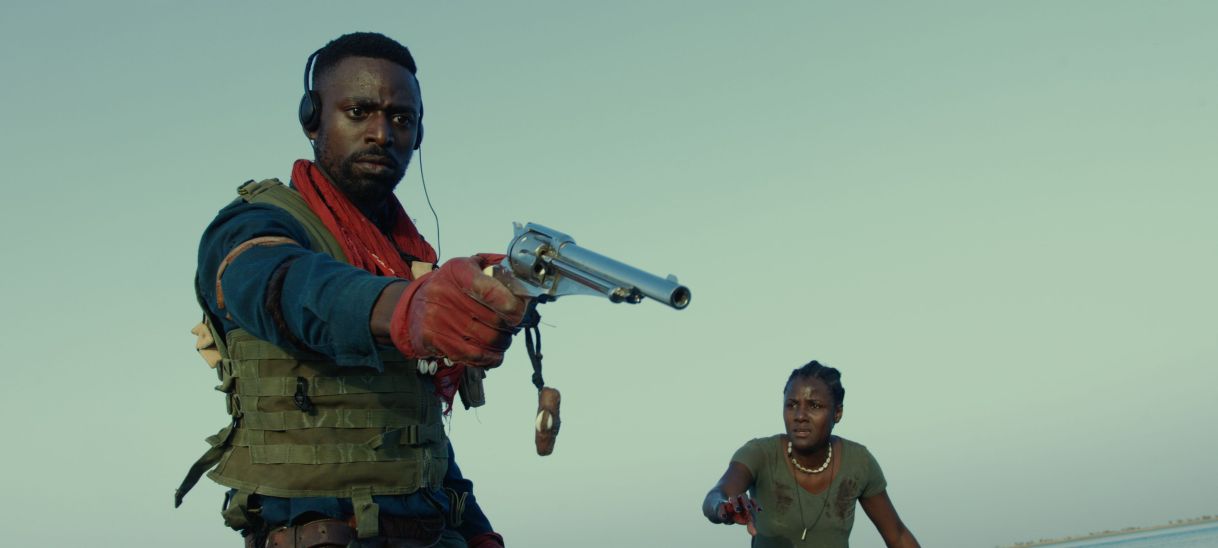
A wonderfully wild and propulsive genre mashup of supernatural horror, revenge western, and mercenary action cinema, Saloum tops this list through its confident filmmaking by Jean Luc Herbulot and a trio of powerful performances, headed by Yann Gael who in a just world would be a certain star.
In a nimble 84 minutes, we track the journey of a trio of mercenaries escaping a coup in Guinea-Bissau, making a forced landing in a small community on the Saloum river in Senegal. Herbulot is able to shift style every scene while maintaining a guile and confidence that the destination will be worth the wildly entertaining journey. You will be begging for this tight indie feature to be expanded into a multi film series through the power and style of Herbulot’s craft and world-building, layered on a truly stellar cast that’ll you’ll never want to leave. This is the must watch original film on Shudder right now.
The grief monster lives inside the house. Based on a 12-page short story by Stephen King from the 1970s that obscures the nightmare between supernatural and psychological, The Boogeyman (2023) is a lean and enjoyable 90-minute horror that is as good a theatre experience as you’ll find right now. There is no obscurity here, as screenwriters Scott Beck, Bryan Woods, and Mark Heyman begin with a horrific cold open that leaves little doubt about the threat at the centre of the film.
The Boogeyman follows a similar trajectory to most Stephen King stories – familial grief made manifest, a central car crash, overlooked teens, etc – but it’s in execution where the film thrives. After the sudden passing of their mother in a car crash, the Harper family of teenager Sadie (Sophie Thatcher), much younger Sawyer (Vivien Lyra Blair), and father Will (Chris Messina) are struggling to cope in the aftermath, leaving them vulnerable to the presence of a looming spectre in the dark. The film is light on narrative invention, but has some of the most impressively creative horror set pieces that engages an audience far more than the story.
(From left) Sophie Thatcher, Chris Messina, and Vivien Lyra Blair in The Boogeyman.
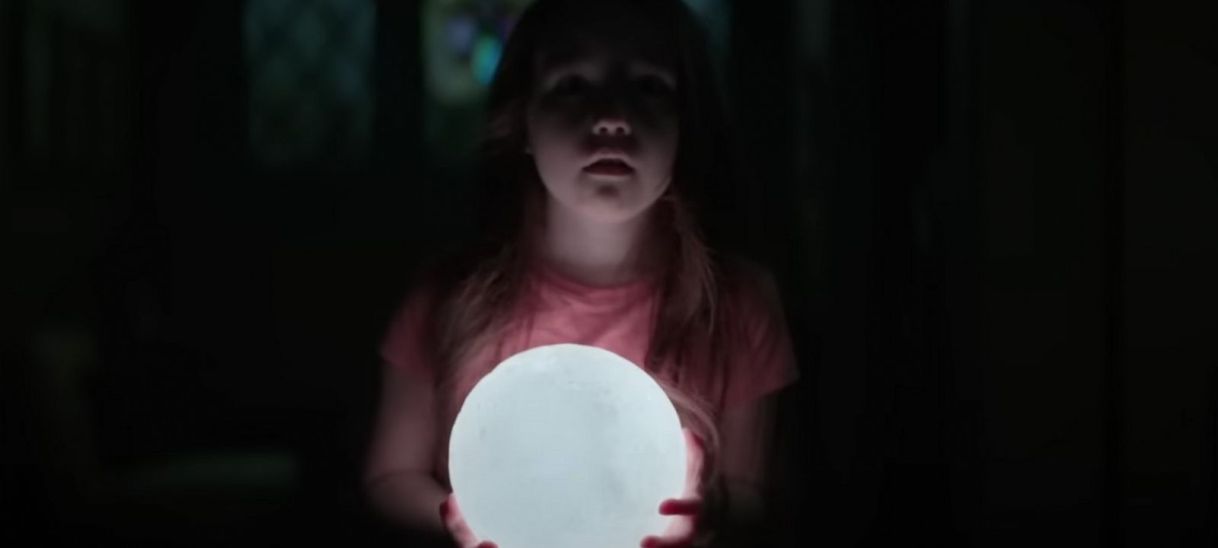
Emerging onto the scene with the impressively minimalist Covid horror film Host (2020), Rob Savage weaponised the familiar with Zoom calls and our collective sense of isolation during the pandemic that made it so effective. Given a studio budget and higher-level actors to work with, the filmmaker created an effective horror film that should stand as one of the year’s best. Savage’s impressive use of light and negative space that he flexed in Host (especially in its constraints), is heightened in The Boogeyman, especially through the use of unique light sources in the set pieces like Sawyer’s light ball, a PlayStation game, or the therapist’s red pulsating light pillar that ratchets up the tension greatly.
Looking for narrative invention and complexity in a film titled The Boogeyman is like searching for water in the Sahara, and Savage is acutely aware of this. The film’s narrative simplicity strips it down to its base elements of a grief-addled family and a monster feeding off their pain, allowing the set pieces and creative execution to thrive. Feeling much like a short story that hastily needs connective tissue to leap to its heightened moments, the film takes narrative shortcuts to arrive at its impressive set pieces. This is not uncommon in the horror genre, but in a post-Get Out (2017) world, its lack of self-awareness is surprising, especially in its very post-2020s setup of therapy and grief.
Supported by a solid all-around cast, Thatcher and Blair are terrific as the mourning sisters. Sophie Thatcher in particular, in her first lead film role since breaking out in the TV series Yellowjackets (2021), holds the movie together with a combination of teenage resolve and raw open nerve that is always engaging. Horror has long been a genre that’s allowed young actors to break out, and Thatcher’s performance here is one of the more impressive in recent years.
The Boogeyman is another in a long run of recent film and television centred on therapy, which while an important addition to culture to lessen the stigma, it makes for a collection of tired tropes with little insight. Will is a therapist, which certainly heightens his fear of opening up to his daughters about the sudden passing of his wife and their mother, but is hollow as a character (something not uncommon with adults in King stories). The depictions of therapists in the film, Will and Dr Weller (LisaGay Hamilton), are harsh and broad, ultimately hurting the characterisation of the profession instead of illuminating it.
Despite its narrative flaws and simplicities, it’s hard not to get swept up in the enjoyment and genre craft on display in The Boogeyman, from a recent emerging talent in Rob Savage. Comfortably levelling up to studio horror scale, Savage heightens every moment with creative set pieces that will thrill any horror fan seeking a new cinema experience.
“Please lord, make me the biggest star the world has ever seen”, our heroine Pearl (Mia Goth) pleads each night before bed, accompanied by a garish string accompaniment that draws immediate comparisons to the early colour cinema. A skilled director of pastiche, Ti West has crafted a Douglas Sirk-styled film within the dark and gory world he has created with muse Goth, that is sure to thrill old and new fans alike. Immediately following the release of one of 2022’s best horror films, X, it was announced West and Goth will be creating a trilogy surrounding these characters, here with the prequel Pearl (2022), and concluding with MaXXXine (2023), all following Goth’s characters.
Set in 1918 Texas during the Influenza pandemic, Pearl is the only child of a German immigrant family. Pearl’s father (Matthew Sunderland) is infirm, laying the burden of survival in a trying time with Ruth (Tandi Wright), Pearl’s domineering mother who needs to get her daughter to help out around the farm. Pearl, however, is desperate to become a silent film star and dancer, sneaking off to the picture house every opportunity she gets.
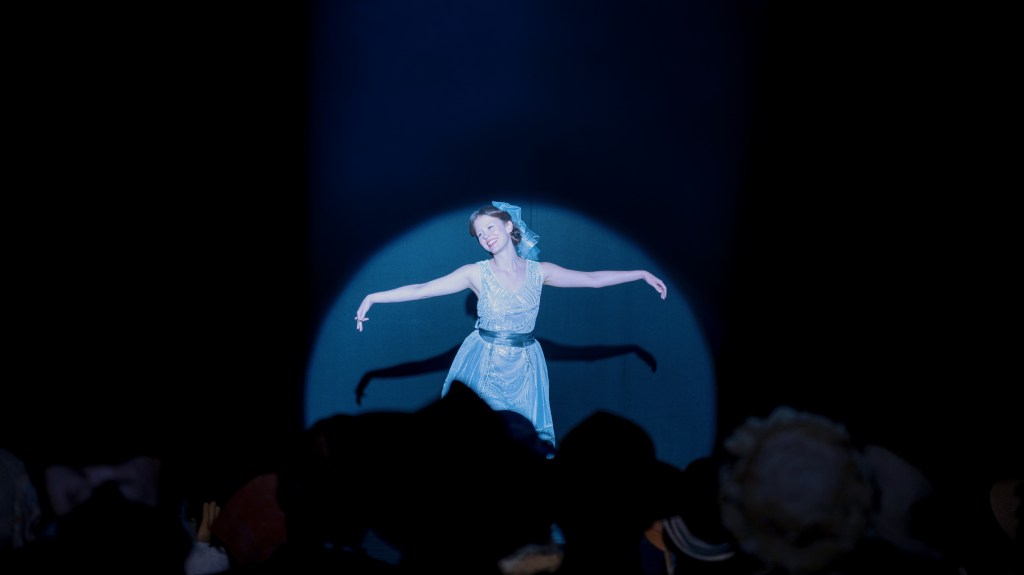
Pearl’s love of cinema and desire to be a star is established in X, something that ties her to Goth’s other character Maxine in that film, which is deepened here. Pearl is never more joyful than when she is at the picture house, watching the newest dancing features. Goth and West craft such an empathetic and archetypal image of a budding star hoping to break out, that her budding malevolence is allowed to boil under the surface.
Mia Goth in Pearl
The film is aware its greatest strength is a close-up of Goth’s expressive face, a cinematic world into itself. Enough can’t be said about Goth’s commitment to the performance of this character, beginning in X but truly flowering here to create a singular horror cinema performance. You can immediately feel Goth’s co-writing credit in the character, similar to Hunter Schaeffer’s co-writing credit in the Euphoria (2019) Covid special, Fuck Anyone Who’s Not a Sea Blob (the artistic peak of the show), where a performer has a psychic connection to their role that tears through the screen.
The saturated, Wizard of Oz (1939) inspired-yet-repressed world that Pearl inhabits can grow tiring at stages, but the final act is such a showcase for Goth’s magnetism as a performer and writer, that the film leaves you satisfied. West’s films often have an issue of peaking early through his deft skill at creating tension and dread compared to his bloody finales, an issue absent in Pearl.
The film’s setting within the Influenza pandemic whilst being a Covid-produced film has a simple charm to it, with all crowds in masks and characters bemoaning the difficulties of recognising people in them. Pearl’s yearning to be out of the isolation of her farm during this pandemic is a more relatable experience than you’d expect to come out of this film.
Mia Goth in Pearl
Pearl is a unique prequel in that it has the potential to be viewed before the original film, X, due to its focused character study of Pearl, a character you leave the first film aching for more details on. West and Goth feel acutely aware of the aspects audiences were craving more from in X, namely the Pearl character and a further relishing of Goth’s unique screen presence.
Where X focuses on its wide ensemble and 70s environment, Pearl is very much a character study. Aside from a compelling performance by Tandi Wright as Ruth, Pearl’s mother, we are not given many deeply written side characters, allowing the audience to narrow their attention to our star. Wright and Goth have a similar dynamic to Spacek and Laurie in Carrie (1976), a foundational text for the film, particularly in its latter stages. While West is focusing on the juxtaposition of the Cinemascope aesthetic with the gore, the true dynamism is achieved through Goth’s varied performance that gets stymied by Wright’s hard-lined determination to survive their struggling lives. The real climax of the film is not a gory showstopper like in X, but the culmination of Pearl and Ruth’s resentments colliding at a family dinner.
The West trilogy is soon to be completed with the upcoming MaXXXine (2023), the first A24 trilogy. Following on from the events of X, this second entry in this quickly produced franchise is a unique world that has been crafted by a pair of oddball filmmakers in West and Goth that is refreshing in the world of IP drudgery we find ourselves in the never-ending middle of.
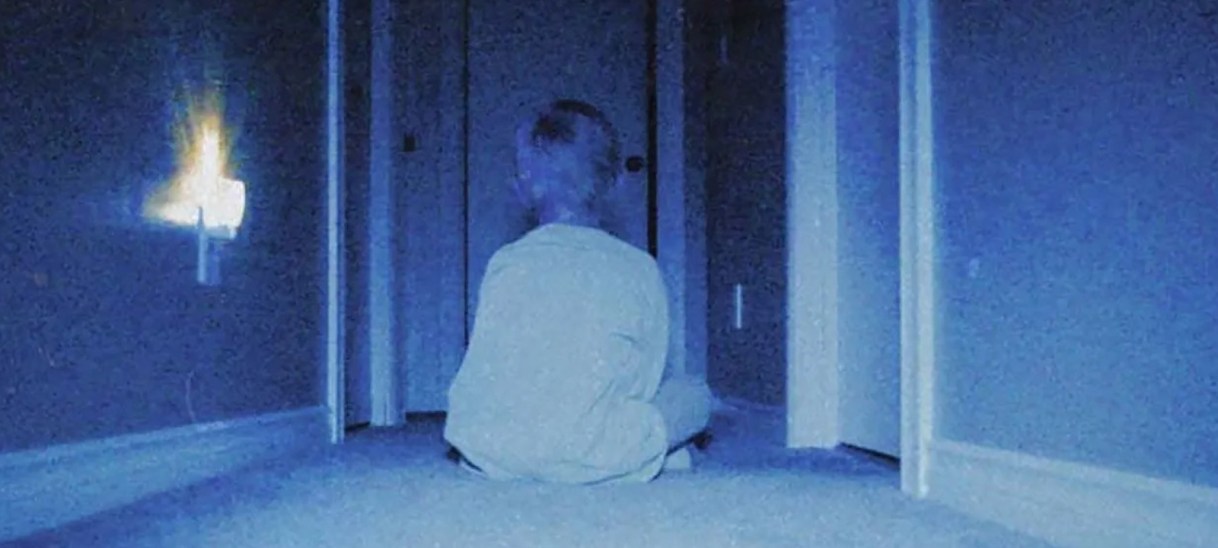
Early contender for the strangest and most fun internet explosion curio in film circles of the year, Skinamarink (2022) is an atmospheric, extremely lo-fi creepypasta horror seemingly born out of a haunted VHS tape. This may be the hardest film to have a blanket recommendation for due to its upsetting atmosphere centred around young children, durational cinema tendencies, and an active refusal to follow cinematic conventions that will annoy many audiences. It may be easier to recommend Skinamarink to lovers of Apichatpong Weerasethakul or Chantal Ackerman films than horror fanatics looking for a low-budget thrill, a place I sit on both ends of.
The filmmaker, Kyle Edward Ball, has been making horror short films for years based on user-submitted stories about their nightmares on YouTube. There is a simplistic effectiveness to many of these videos, with a certain aesthetic formed that grew into Ball’s debut feature, Skinamarink.
Set one night in a family home, Skinamarink follows two young children, Kevin (Lucas Paul) and Kaylee (Dali Rose Tetreault), who have seemingly been abandoned one night as their father disappears without a sound. This childhood nightmare of abandonment is immediately heightened as the doors and windows to their home also begin to disappear, and there is a distorted voice seemingly coming from upstairs beckoning them.
The effectiveness of the film’s horror is its depiction of a universal childhood fear shown from an actual child’s perspective. Ball is tapping into primordial fears that dwell within all of us, using the constraints of his very modest budget to heighten the atmosphere of dread across its extended run time. The film is certainly too long for its narrow scope coming in at 100 minutes, but when Skinamarink is working, it is one of the most effective horror experiences in years.
Kevin (Lucas Paul) in Skinamarink. Photo Credit: Shudder
What has allowed Skinamarink to explode as a curio of indie horror cinema (including several in-demand screenings at The Astor Theatre and Palace Cinemas) is its experiential, durational cinema-styled horror that has a clear lineage in the genre, whilst feeling entirely new. Think Paranormal Activity (2007) but with actual aesthetic choices and storytelling ideas. Those films had some good scares scattered throughout the franchise, but the flat filmmaking in the name of realism makes them a chore to get through. The mixture of base human fears with an individual cinematic style that heightens digital noise and extremely low lighting, allows Skinamarink to feel familiar yet new, creating a deceptively compelling horror.
Its weaponisation of digital distortion is pretty special while still feeling familiar, turning one of indie cinema’s biggest issues (access to only cheap equipment), into its greatest strength. At its strongest moments, Skinamarink will have you questioning your own eyes, not sure if you’re seeing something that is not there or if Ball is manipulating everything on screen. Establishing an off-kilter immersion from the outset allows you to never be sure of that answer, drawing you further into each scene and the encroaching feeling of dread.
Ball gives us just enough narrative to get a sense of the family dynamic here before this fateful night. In a film centred around parental control, beginning with the four-year-old child Kevin apparently falling down the stairs (an act, like many in the film, we do not see but only hear) sets an early tone and has us questioning the children’s parents. The oldest child, six-year-old Kaylee, not wanting to speak to the mother further layers the themes of domestic issues and how they play a role in our childhood fears. In a regular horror film, a disembodied voice beckoning you to “come upstairs” would regularly have you questioning why our young protagonist would do such a thing, but here, we have an understanding about the likelihood this situation isn’t too far removed from their previous experience.
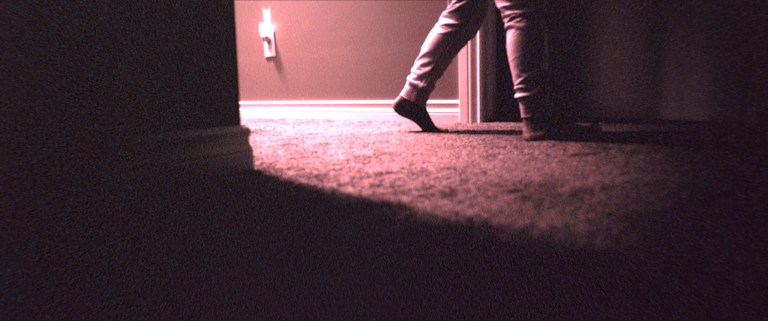
Photo Credit: Shudder
Its central set piece, which involves Kaylee going upstairs into her parent’s room, is one of the most haunting film sequences in years. After 40 minutes of atmospheric buildup, completely unsure of where we are being led, you will be wishing to return to watching cartoons downstairs and staring at Legos. The extended long take in this scene ratchets up the tension to a boiling point, with your palms a sweating mess in a sequence that seemingly goes for eternity. This is no doubt the peak of the film, with only smaller moments in the proceeding hour that match its tension and atmosphere. Structurally, Skinamarink could’ve taken some notes from its predecessors Paranormal Activity and Blair Witch Project (1999), by peaking in its final moments, but the atmosphere is definitely more of the Ball’s focus than the bigger scares the film has. Unfortunately, this makes the film drag in its second half, even for a great lover of durational cinema as I am.
A film sure to annoy and entice in equal measure, Skinamarink is a curious and mostly effective piece of atmospheric horror filmmaking from an interesting internet-focused filmmaker that is able to use his constraints to his advantage. Whilst not of the same quality as The Blair Witch Project, or the level of engagement culturally so far, Skinamarink is a more interesting and worthwhile horror experience than almost any found footage-style films in the genre.




















 Rating Frames