Arriving on our shores in 2020, the horror-centric streaming service Shudder has become the definitive location for the boundary-pushing genre that comes alive every October. Its library boasts entire collections from the decades-spanning series’ to the micro-budget international indies, all available under one roof that promises shocks, thrills, and subversive moments that get seared into the brain.
In recent years, Shudder has ramped up its original programming, in the states and across the globe, giving its devoted audiences the opportunity to discover some of the most interesting international and indie films of the 2020s. Here, we have ranked the 7 best originals Shudder has to offer, from the perverse to the exhilarating, these are ones not to miss.
7. When Evil Lurks (2023)
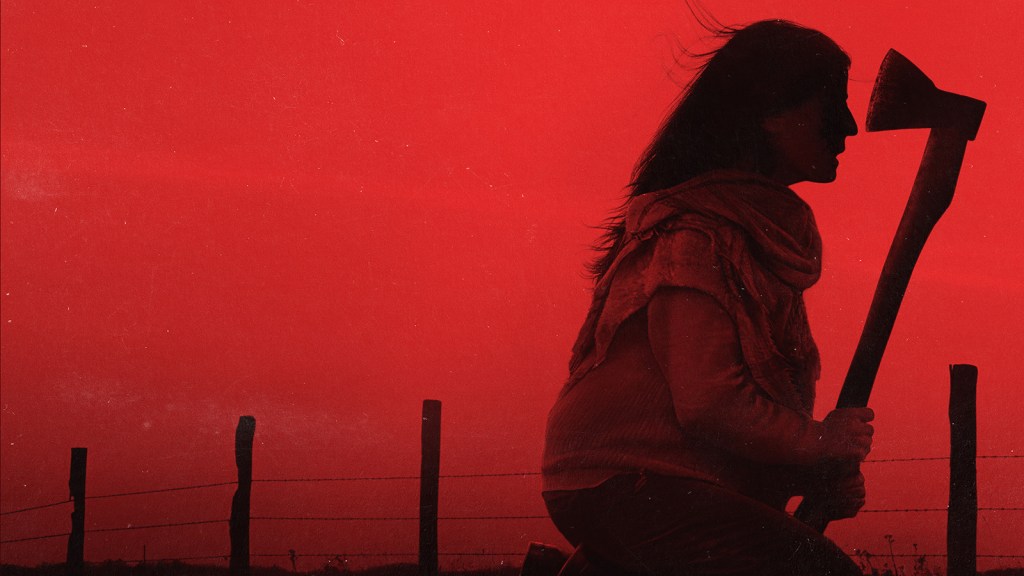
Evil lurking through a film with true malice, The newest Shudder original from Argentina arrives on this list with a dark heart that is certainly the feel-bad film of the year. Opening with its grotesque makeup designs that should only be seen at least an hour after eating, When Evil Lurks devolves into a series of purely chilling experiences in a world without a soul.
Demián Rugna has crafted a strangely dense piece of world-building on a post-religion Earth where evil and demonic possession are very real occurrences with a series of rules to keep the peace and protect the community. This film is not for the faint of heart, as its stark malevolence and propensity for child endangerment never form a callous in the mind.
6. Revenge (2017)

The brilliance of Coralie Fargeat’s Revenge is in its ability to consistently take the more compelling path, both narratively and visually, weaving through the obstacles of horror’s thorniest subgenre (the rape-revenge thriller) with a powerful ease. A film this forward does not move with grace but with the bombast and assuredness of a filmmaker driven by their convictions and choices.
Fargeat’s debut feature is defined by its extreme closeups of body parts, focusing our eye on the human body consistently, from the lurid to the violent extremity. With a potent sound design and score combination heightening both these closeups and spanning, otherworldly vistas of this Moroccan desert, Revenge is as good as it gets in this oft-misguided genre, with as tense a final 30 minutes as you’ll find on the service.
5. Speak No Evil (2022) (U.S. Exclusive)

The feeling of a knife slowly being twisted over and over and over again put to film. Speak no Evil is a profoundly upsetting film about our inability to speak up for the everyday evils we may face, centring on a Danish family that makes quick friends with a Dutch couple on vacation and takes them up on an offer to stay with them for a weekend at their remote home. A shockingly bizarre invitation to some, more normal for others, that devolves as these friendly strangers reveal themselves in time. Filmmaker Christian Tafdrup feels content sitting with the audience in a pure form of discomfort that veers slowly into dread that has rarely been captured so well on screen.
There is a hilarious moment halfway through the film where it appears the family will return home without harm and only a mild unease about their new friends, only for the husband Bjørn (Morten Burian) to turn the car around over the slightest thing. Tafdrup never sells this as a moment of triumph you’d find at the end of a horror film, knowing full well that the dread and banal claustrophobia that has been cultivated from the opening images is about to take a turn for the worse. Tafdrup’s complete control of the situation revels in the story he’s created, with the fearful exhilaration of being lowered into a seemingly endless well by someone with a tight grip on the rope.
4. Skinamarink (2022)

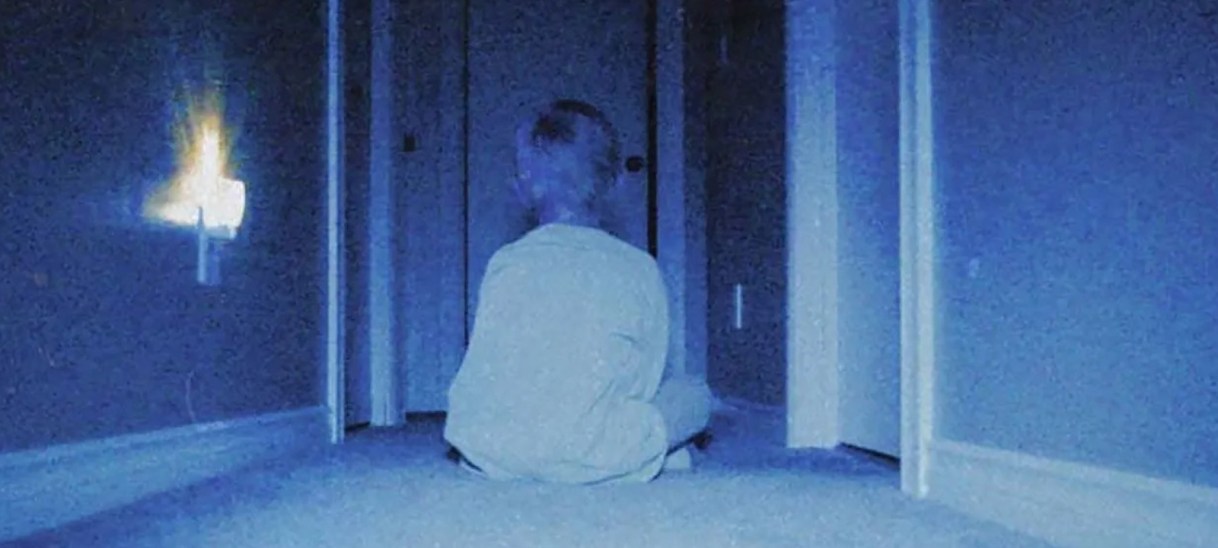
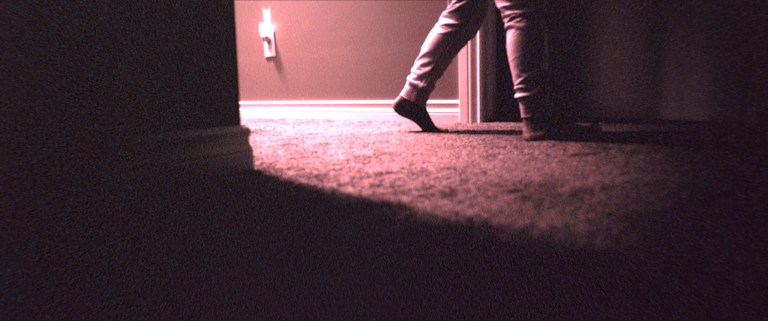
Wrote about the film back on the site in February, Skinamarink was a flash in the pan in terms of internet notoriety (that expanded into multiple sold-out sessions at indie theatres), but the style and lingering impact this film has on your subconscious is remarkable.
The effectiveness of the film’s horror is its depiction of a universal childhood fear shown from an actual child’s perspective. Filmmaker Kyle Edward Ball is tapping into primordial fears that dwell within all of us, using the constraints of his very modest budget to heighten the atmosphere of dread across its extended run time. The film is certainly too long for its narrow scope coming in at 100 minutes, but when Skinamarink is working, it is one of the most effective horror experiences in years.
Its central set piece, which involves Kaylee (Dali Rose Tetreault) going upstairs into her parent’s room, is one of the most haunting film sequences in years. After 40 minutes of atmospheric buildup, completely unsure of where we are being led, you will be wishing to return to watching cartoons downstairs and staring at Legos. The extended long take in this scene ratchets up the tension to a boiling point, with your palms a sweating mess in a sequence that seemingly goes for eternity. This is no doubt the peak of the film, with only smaller moments in the proceeding hour that match its tension and atmosphere. Structurally, Skinamarink could’ve taken some notes from its predecessors Paranormal Activity and Blair Witch Project (1999), by peaking in its final moments, but the atmosphere is definitely more of the Ball’s focus than the bigger scares the film has. Unfortunately, this makes the film drag in its second half, even for a great lover of durational cinema as I am.
3. One Cut of the Dead (2017)
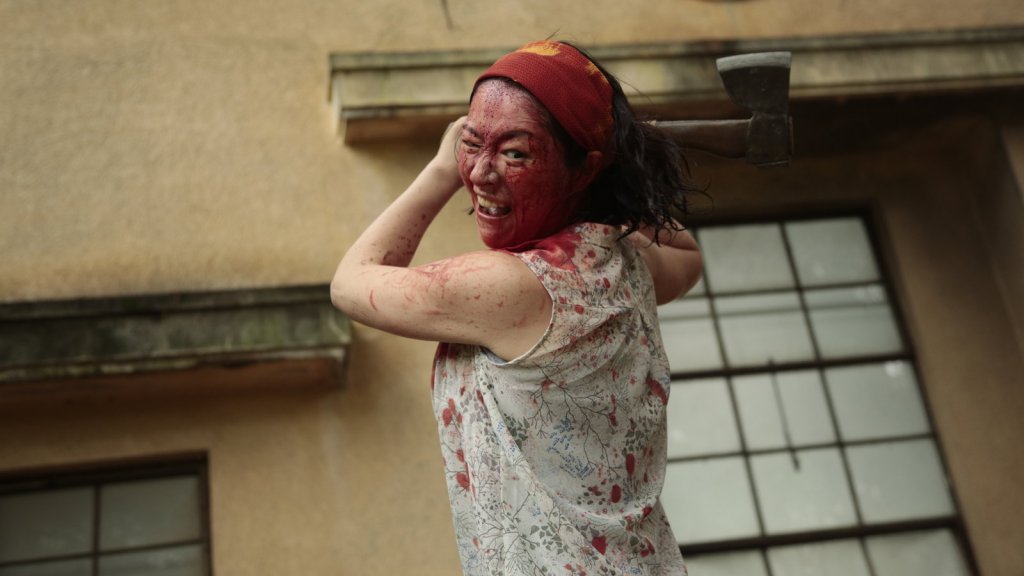
An ingenious adrenaline shot in the arm of the zombie horror genre desperately at the tail end of the 2010s, Shin’ichirô Ueda’s One Cut of the Dead may never terrify you, but it will have you in hysterics on the floor. With a unique format with its 40-minute intentionally sloppy long take to begin the film, unfolding into a hysterical love letter to independent filmmaking that is as sharp in its cinema satire as The Player (1992).
2. Flux Gourmet (2022)

The world of sonic caterers, a fascinating and beguiling location for the new film by the great filmmaker Peter Strickland, is full of deeply flawed but fascinating characters that potently satirise modern art collectives, musicians, and gastronomical cuisine inside of a wildly satisfying feature. With terrific performances from Gwendoline Christie (and her wardrobe), Asa Butterfield, and Fatma Mohamed, Flux Gourmet will floor you with its audacity and style that is merely the coating to a terrifically detailed and well-drawn world you’ll never question the validity of.
Viewing this world predominantly through the eyes of Stones (Makis Papadimitriou), a Greek hack writer just trying to make a living whilst wholly focusing his writing on his flatulence issues is a hilarious throughline that arrives at a chaotic conclusion you cannot predict. Strickland forces you to remain present within his films through the sheer force of unpredictability that is a defining feature of all great thrillers and horrors.
The wonderful combination of evocative culinary insert shots, mixed in with copious levels of guitar and synth pedals used by the performers (a flanger is a key plot point), realises Strickland’s uniquely bizarre world from the inside out. We are grounded in a story so fully realised, the comedy cannot help but ooze out of every orifice. This film was designed in a gastronomy lab to cater to my tastes and interests, but Strickland’s pure style and chops mean Flux Gourmet caters to all diets.
1. Saloum (2021)

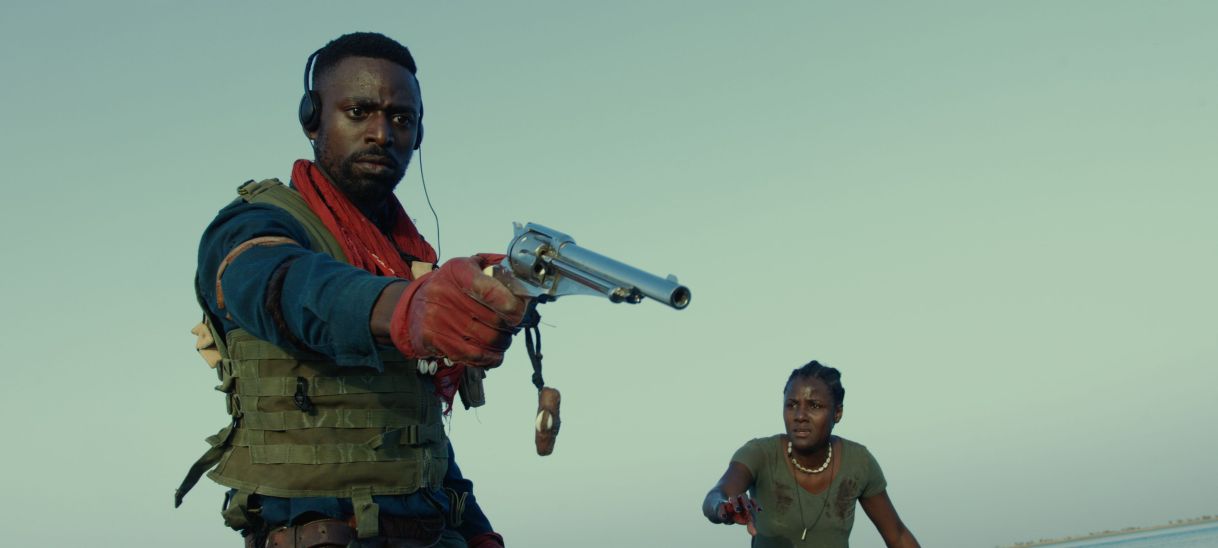
A wonderfully wild and propulsive genre mashup of supernatural horror, revenge western, and mercenary action cinema, Saloum tops this list through its confident filmmaking by Jean Luc Herbulot and a trio of powerful performances, headed by Yann Gael who in a just world would be a certain star.
In a nimble 84 minutes, we track the journey of a trio of mercenaries escaping a coup in Guinea-Bissau, making a forced landing in a small community on the Saloum river in Senegal. Herbulot is able to shift style every scene while maintaining a guile and confidence that the destination will be worth the wildly entertaining journey. You will be begging for this tight indie feature to be expanded into a multi film series through the power and style of Herbulot’s craft and world-building, layered on a truly stellar cast that’ll you’ll never want to leave. This is the must watch original film on Shudder right now.

 Rating Frames