Best of 2025: Arnie’s Picks

With 2025 having drawn to a close, Rating Frames is looking back at the past twelve months of cinema and streaming releases that have come our way. In the first of our series of articles, Arnie is taking a look at his ten favourite films of the year that was.

In what I think is probably the strongest year in film for the current decade (surpassed only by 2021), I managed to squeeze in 36 new releases (equal to last year) and would probably have had more had I not gone overseas for a few months. That said, 2025 surprised me with just how strong the year was, with my top 10 (save for perhaps my no 1 and 2 spots) easily interchangeable depending on my mood. I did miss a few films that I really wanted to see and will hopefully see in the next month like Rental Family, Sentimental Value and Train Dreams, but overall I am delighted with what my top 10 is looking like. Here’s to a bigger and better 2026!

10. Black Bag
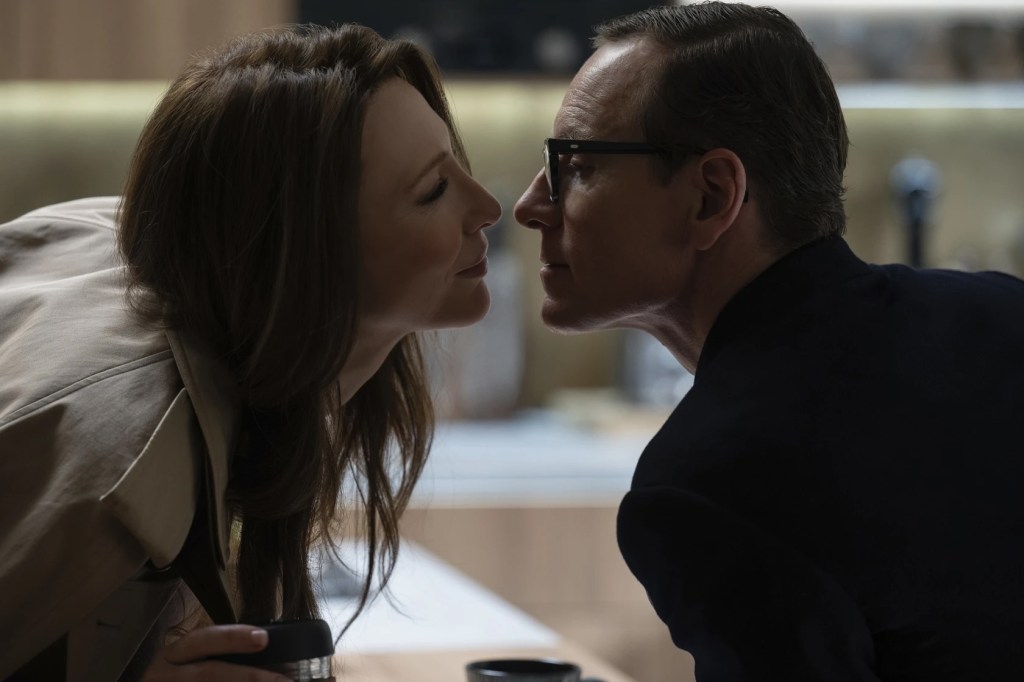
While it feels like forever since Steven Soderbergh’s Black Bag was released, the thriller has stuck with me for it’s a punchy, measured and meditative approach in telling its story as it focuses on the importance of trust in relationships, but amplifies that tenfold by throwing spies and high stakes into the mix. The film is an exercise in precision, in patience, in waiting for the right moment to make your move but takes a snappy, well paced approach in portraying those aspects. Michael Fassbender’s coolness and straight-talking robotic like persona is matched by Cate Blanchett, with the duo finding a dance like rhythm / choreography every time they’re on screen, making it intoxicating to watch them to the point where you feel like a third wheel between their sexual chemistry. To top it off, the film is around 90minutes and doesn’t waste a second, demonstrating Soderbergh’s knack for pacing and witty dialogue when it comes to thrillers.

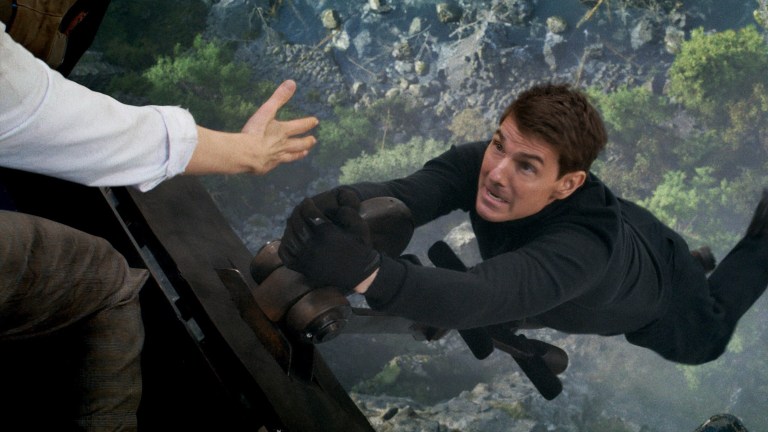
9. Mission: Impossible – The Final Reckoning
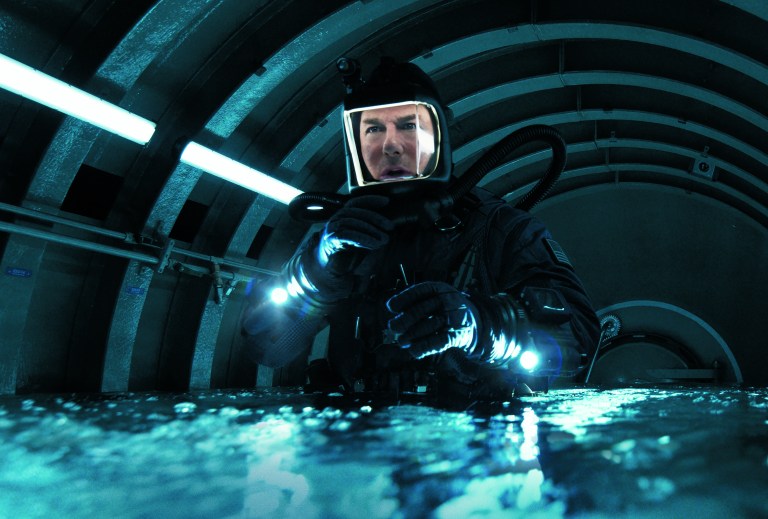
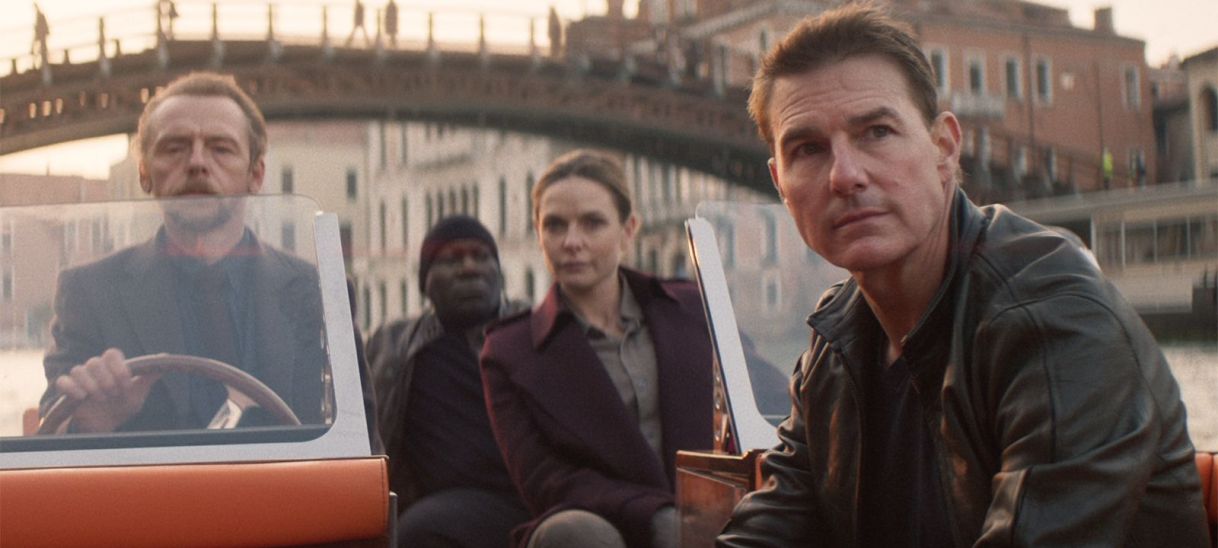
Speaking of thrillers, the final entry in Tom Cruise’s Mission: Impossible franchise, The Final Reckoning, is an exhilarating finale to this almost 30 year exercise in pushing the boundaries of what is possible on the big screen. While it doesn’t quite hit the highs of Fallout (2018) and Dead Reckoning Part One (2023) in terms of scale and plotting, Christopher McQuarrie and Tom Cruise sign off in style, with everything from deep sea submarine diving to flying and dangling off of aeroplanes because… well… why not. The film does take some time to really kick into gear, with a beefy first act having a weightiness to it that takes a moment to shake off as story threads are tied from past films, but once it gets to the fun and games of the second act, it has that free flowing, pacey energy that the franchise is known for.

8. If I Had Legs I’d Kick You
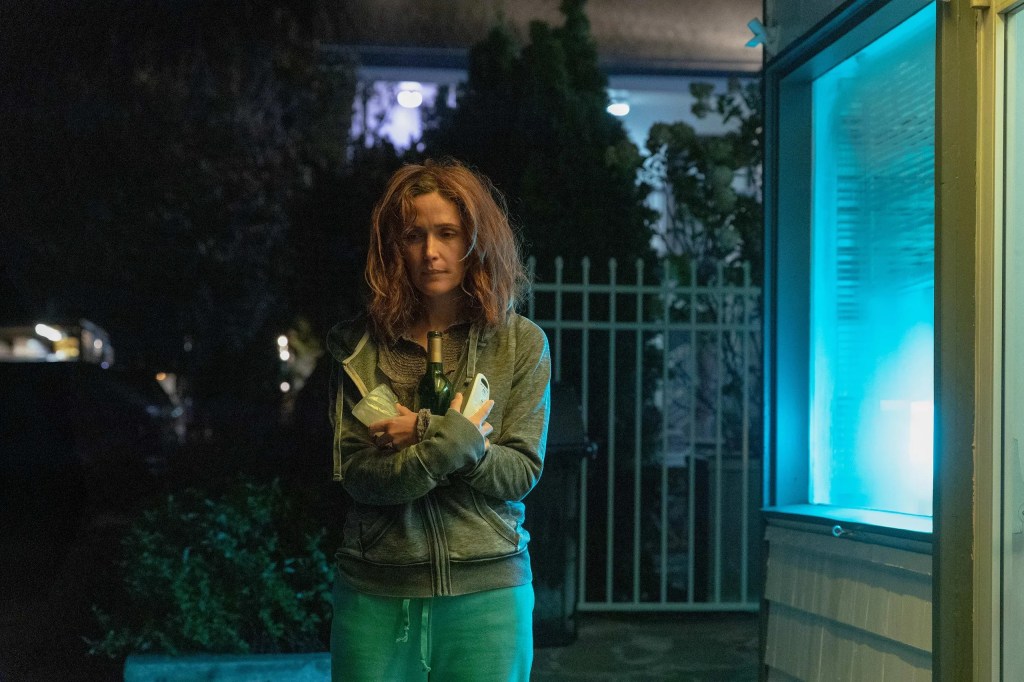
If I Had Legs I’d Kick You came as a late entry for me but quickly cemented itself in my top 10. For starters, Rose Byrne delivers one of the most electrifying performances of the past few years and easily a career best which is sure to earn her an Oscar nomination and perhaps the Oscar itself. Secondly, this is the most stressful film I’ve watched in a long time with Mary Bronstein creating a sense of tension and holding on to it throughout the films majority through Byrne’s performance and her ability to isolate her in and around the problems she has, giving the film an almost straitjacket feeling that can’t be shaken off.

The approach to focus on a woman who has this literal and figurative hole in her life that is a reflection of her struggles to raise a sick child while her husband compounds her struggles from a distance (as he isn’t present), creates a simmer that never seems to cool down. Coupled with a camera that maintains a relatively tight close up on her for the most part and works in tandem with a score that has a dread like quality, amplifies the sense of hopelessness that the character endures.

7. Avatar: Fire and Ash

James Cameron’s third entry in the Avatar franchise is the biggest and most visually striking film of the year, and it’s a testament to the director’s desire to push the medium forward by pulling out all stops. The CGI and performance capture are unmatched in Fire and Ash as is the lifelike quality of Pandora and its blue inhabitants, the flora and fauna, and the wider setting. While the script feels a little more drawn out and repetitive compared to the previous two films (there’s a lot of similar story beats and wonky subplots), the heart of the film and Cameron’s love for this universe shine through in its three and a bit hour runtime.

Listening to Cameron’s interviews after having seen the film have bought me into his vision even more and helped me appreciate the level of depth and thought that go into every performance and the way the world interacts with these performances (almost a video game-esque quality). Sometimes the transition from 48fps to 24fps can be quite jarring where I would have preferred for the whole film to be shot in the former, but no one is making films of this scale and with this much originality compared to Cameron and I would gladly take another two of these films in the coming years.

I was blown away watching this in 3D in Melbourne’s newest and second only IMAX screen.

6. Bugonia
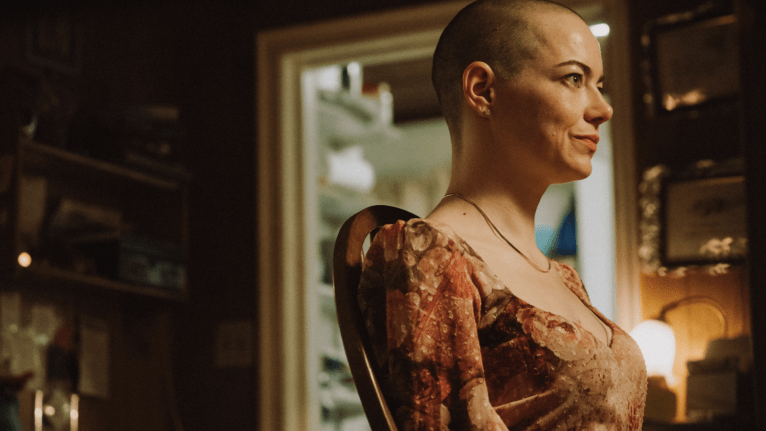
After leaving me rather underwhelmed with Poor Things (2023) and Kinds of Kindness (2024), Yorgos Lathimos’ Bugonia felt like a return to form as the director brought his regulars Jesse Plemons and Emma Stone into this conspiracy theory game of ‘who breaks first’. Lanthimos and The Menu (2022) screenwriter Will Tracy wrote a clever script that blends humour with desperation as one man becomes convinced that the CEO of his company is an Alien and decides to capture her so that he can learn where her mothership is and how to make contact with it. Beneath the often comedic, sometimes rattling plot is a film that shows the lengths people will go to when faced with a desperate situation, one that speaks to wider issues of failed healthcare systems and the people they leave in their wake. The final third of this film is a wild rollercoaster of “I know what’s going to happen” to “Oh, now I know what’s going to happen” to “I knew that first thing was going to happen”. Lanthimos paces this film incredibly, leaving you on the edge of your seat to ponder whether questions we ask ourselves about the world are worth asking, whether for better or worse.

5. Sinners
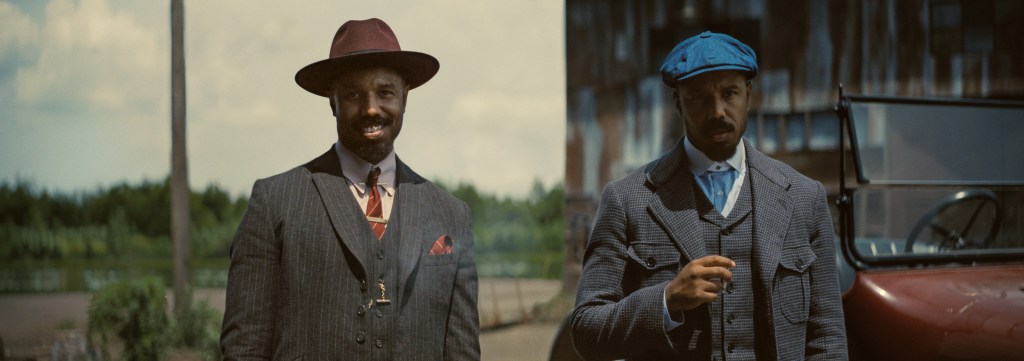
Ryan Coogler’s Sinners felt like a breath of fresh air as this almost neo-western, horror type gothic genre epic. Sinners feels both familiar and different, owed in large part to Coogler’s understanding of Black history mixed with his penchant for spectacle and creating moments that cut through and challenge you as a viewer like a musical sequence that mixes in blues, jazz, hip hop and a wide range of music genres in this pseudo-multiverse portrayal which is unlike anything I’ve seen in recent times. Clearly taking a leaf out of Robert Rodriguez’s From Dusk Till Dawn (1996), Sinners finds a harmonious balance between the horrific and the heartfelt, where Coogler patiently builds up to the unhinged killing fest and doesn’t slow down when it hits.

4. No Other Choice

It’s no secret that the job market has been absolutely fucked, something that the proliferation of AI has only amplified, with Australia feeling the strain of unemployment to a large degree as well. Park Wook Chan’s No Other Choice, like some of the legendary director’s films before, is a brutal, sometimes comical, portrayal of the lengths people will go to begin to make sense of the situation they are put in, whether through their own doing or not.

Man-su (a brilliant Lee Byung-hun) delivers one of the year’s best performances as a paper worker who loses his job due to downsizing and decides that the only way to stand any chance of regaining unemployment and keeping his idealistic lifestyle is to kill the true competition that is applying for the same jobs as him. Wook Chan is a technical genius who proves his worth once again through striking transitions and camerawork right through to interesting plotting choices that all build up a sense of desperation as Man-su spirals into a void.

3. Mickey 17
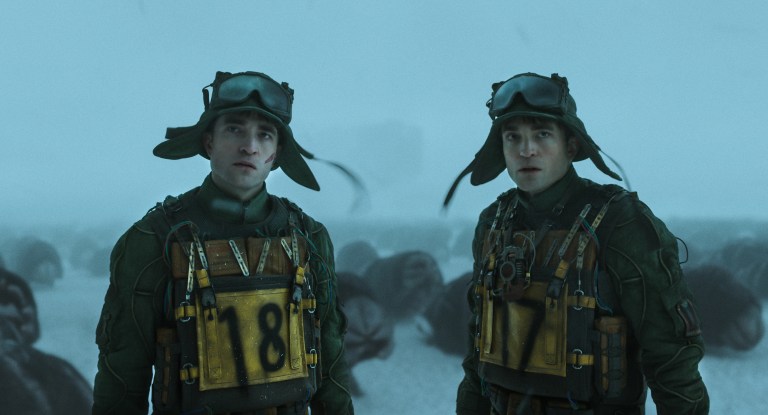
While not quite hitting the same highs as his Best Picture winning Parasite (2019), Bong Ho Joon’s Mickey 17 continues the director’s fascination with the caste system, capitalism and human dispensability. It’s a goofy film with strange characters and creatures and a closing sequence that is weird in its own right, but it speaks to wider issues of injustice and treating people with inhumanity for material gain, yet its Ho Joon’s most optimistic film as well.

There’s a palpable pity in watching Robert Pattinson’s Mickey character be reprinted through a human printing machine time and time again, until through an error, two versions of him emerge, opposed in multiple ways yet finding a commonality in their disposable existence to unite against those that discard them like an old shoe. The scale of the film is evident in its Hollywood-ised grandeur of space travel and all that comes with it, but it stays close to the heart of its oddballs, never losing sight of the human condition even as it threatens to become relegated to a means to something more sinister.

2. It Was Just an Accident
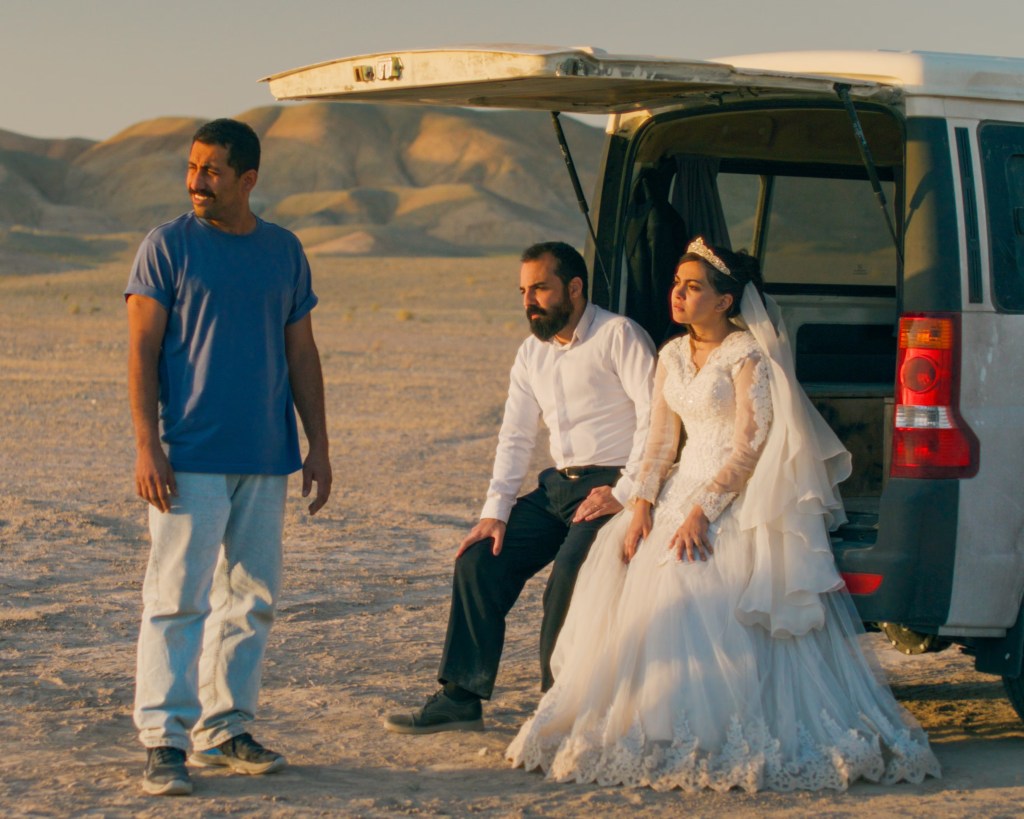
Jafar Panahi’s It Was Just an Accident blew me away in more ways than one. The Iranian filmmaking juggernaut has never been coy when it comes to his criticism of Iranian oppression and abuses of power, and in this film he focuses on how that abuse and specifically, torture, imprisons people for their whole lives.

He frames this through a group of people whose lives have never been the same after a man with a squeaky leg tortured them some years ago at the request of, and for the good of, the “regime”. When Vahid, a survivor and humble mechanic, hears the squeaky leg of a man whose car has broken down outside his repairs shop, all of those horrific memories come flooding in and he decides to capture and bury him the day after. That is, of course, until the man vehemently asserts that he’s not this ‘Eghbal’ torturer that Vahid is looking for. From there, Vahid is set on confirming the man’s identity before deciding what to do with him, meeting others who were beaten and brutalised under his authority.

The film is sometimes comical, often gut-wrenching, especially towards the second half where a subtle shift in tone shows the length the oppressed will go when they’re desperate for vengeance. Panahi paints humanity as a fragile construct in a film that threatens to tip the scales between victim and oppressor, showing what a broken, unjust system can do to people as they become prisoners of their own mind because of the actions of others. The final shot might just be the most harrowing of the year.

1. One Battle After Another

Another year, another Paul Thomas Anderson masterclass; it’s been many years since a new release sold me on 5 stars, and who else’s film could do that other than PTA’s? One Battle After Another, his latest politically charged (which is more of a byproduct) yet grounded story of a father and daughter dynamic, is a culmination of all of the best parts of his oeuvre. Loosely based on Thomas Pynchon’s 1990 Vineland, a book with its own political leanings and criticisms of the Reagan administration, One Battle After Another is also PTA’s most contemporary film to date. Where previously he has tended to look back, his latest film is very much a forward-looking, foreshadowing of what’s to come if we let forces greater than us hunt us down in the little spaces we’ve carved out for ourselves in a world that feels like it’s already getting smaller around us.

One Battle After Another is the breeziest, almost 3 hour film experience I’ve had in years which is testament to PTA’s ability to pace his films and leave no dialogue wasted for filler. Each moment gives the film momentum and builds on the cause and effect chain of events, with an abundance of set pieces (easily the most in his career). This all culminates to a closing sequence that as a whole, is one of the most striking I’ve seen in years (a car chase shot through swerving, dusty roads will stick with you).

PTA has always managed to get the best out of his ensembles much like his inspiration, Robert Altman, and it shows here as Leonardo DiCaprio delivers a career best performance along with Sean Penn (who is no doubt a shoehorn for Best Supporting Actor), with Chase Infiniti, Benicio del Toro and others also at the top of their game.

I felt like I was watching a classic in the making and a film that will stand the test of time as an epic much like There Will Be Blood (2007) has all these years later, and I can’t wait to buy the 4k bluray later this month to experience it all over again.

Honourable mentions: F1 and Die My Love
Best of 2023: Arnie’s Picks

With 2023 drawing to a close, Rating Frames is looking back at the past twelve months of cinema and streaming releases that have come our way. In the third of our series of articles, Arnel Duracak is taking a look at his ten favourite films of the year that was.

In what was a year jam-packed with incredible film titles, a myriad of legendary directors continuing to deliver the goods, newcomers making their mark, and strikes that led to several delays for other anticipated releases, I only wish that I had spent more time in front of a silver screen.

Alas, I ventured to Europe for a good few months which limited my access to key titles early on in the year (though I did see Michael Mann’s 1995 classic Heat at London’s Prince Charles Cinema), but I was lucky to be able to witness some of the year’s best films at the cinema in the second half of 2023. There have been multiple other titles that I wish I had seen before the end of 2023 –––The Holdovers, Poor Things, Ferrari (which I will be reviewing for the site soon), to name a few––– but nonetheless I am satisfied with what I was able to see. Here’s to a 2024 with more of the same, happy watching!

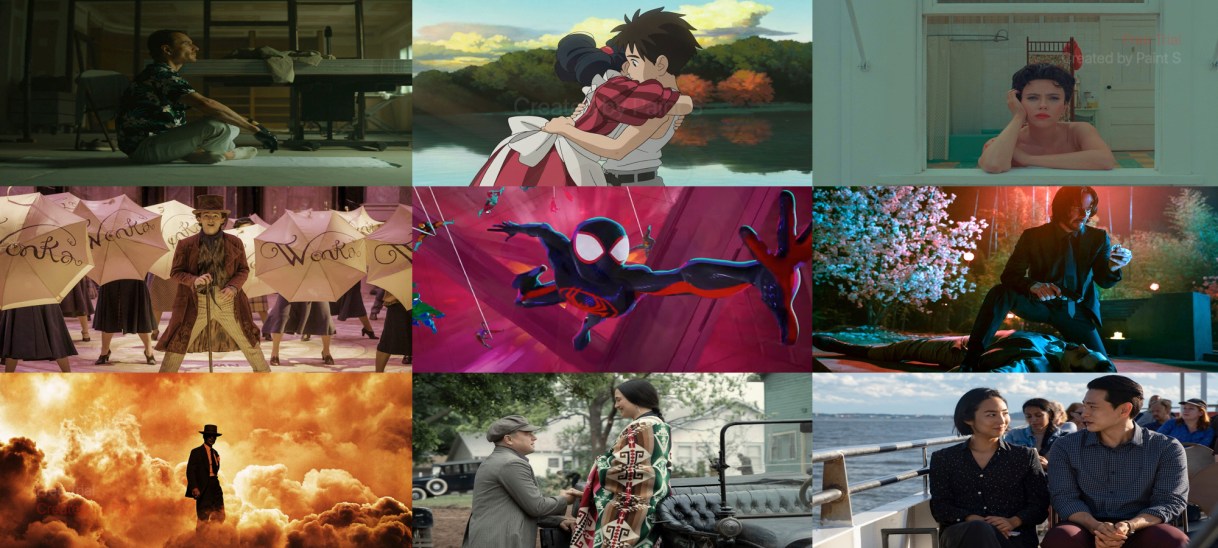
10. Wonka

As I was looking at my ongoing 2023 ranking list, it turns out Wonka made the cut.

While I am a bit surprised, this film felt like the most deserving 3.5 star film from 2023 for me. It neither rocked my socks nor did it live up to the brilliance of Paul King’s modern classic Paddington 2 (2017), but my bar was set rather low for this title if not for the fact that it felt like an unnecessary foray into the background of one of cinema’s strangest characters, then definitely because I just wasn’t all that interested (Darcy will attest to that).

But being a King and Simon Farnaby screenplay, Wonka felt both fresh and unique, owing to the fact that it was imbued with the zany British humour that Paddington 2 excelled at, had an all-star cast who thrive as misfits and are just a joy to be around, contained some catchy musical set pieces (‘Scrub Scrub’ being a particular highlight), and never felt like it was trying to follow in the footsteps of the other two Willy Wonka films.

My only gripe would be that Wonka himself was less interesting as a character than any of the side characters. Whether or not that was because Chalamet’s performance was a bit overly boisterous or because 90% of the core cast meshed well with the British comedy by comparison, but Chalamet’s no Gene Wilder here (maybe for the best).

9. Oppenheimer

In what is perhaps Christopher Nolan’s most accomplished film for many (2008’s The Dark Knight still takes the cake for me), Oppenheimer is a magnetic feat in filmmaking that only Nolan could deliver at such a scale.

I’ve never been a big fan of the way that he writes dialogue, and Oppenheimer isn’t different in that regard for me as it tries to balance more heartfelt, interpersonal connections with more heavy handed themes and technical language (ultimately tailspinning into some less than convincing, at times eye-rolly back-and-forths). However, for a three hour film that is about one of history’s darkest periods, it flows rather well with crisp editing, excellent performances all around, a moody but effective score, and direction from Nolan at the peak of his powers. The film’s climax is one of the most cinematic this year and once cements Nolan’s status as the king of IMAX.

At the time of writing, it’s been about an hour since Oppenheimer swept up the Golden Globes, and if that isn’t a testament to just how deserving this film is to be on anyone’s top 10 list, then I’m sure the Oscars will have something to say about that.

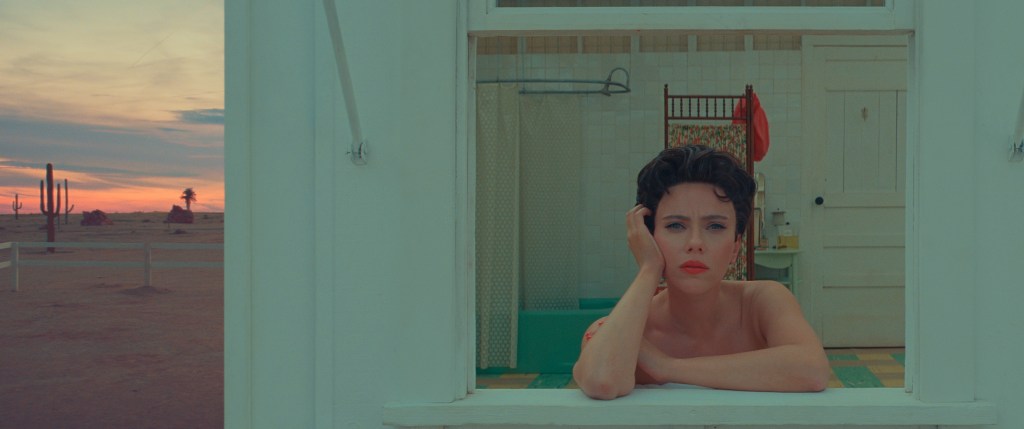
8. Asteroid City

In what is a film of layer upon layer upon layer, Wes Anderson’s Asteroid City is a film I’ve accepted I just have a love-hate relationship with.

Anderson, of course, probably has the most identifiable visual style of any working director at the moment, and he once again delivers incredible vistas in this desert doll-house diorama showcase. Asteroid City is also his most self-reflexive film, both on the art of being a storyteller and on the process leading up to the camera rolling.

Artifice and reality intersect on multiple occasions, with the film playing out through a series of chapters that pull you into the world itself, and then pull you back out to take a glance at how everything is coming together. At times the film can be beguiling, especially if you aren’t familiar with his previous stuff, but it’s also a rewarding insight into art of being a storyteller.

7. The Killer

Many (and by many, I mean Letterboxd users) have called David Fincher’s The Killer his most introspective, meditative film on the craft of doing your job, taking pride in your work and thinking you’re doing it so well to the point of perfection. I just think it’s his most comedic.

Michael Fassbender stars as the straight-faced, emotionless hitman who screws up a hit and now has to clean up his tracks and those that might wish to take him out for his shortcoming.

The Killer is a great study on the dissolution of identity, of a man coping with his inner thoughts and dismissing all empathy for those that don’t deserve it because he knows the game he’s playing and the players involved. As mentioned, I also think it’s a comedy or at the very least, unintentionally funny especially with various internal monologues by the character, describing what he sees and feels, that are followed by sharp interruptions.

While this isn’t Fincher’s best film or even in his top three, it’s a safe but well executed crime thriller that will satiate the desire of hardcore Finchonians who would wish to see him return to similar stories.

6. Mission: Impossible – Dead Reckoning Part One

I’ve continually been surprised by just how good each Mission Impossible film has gotten.

Christopher McQuarrie and Tom Cruise are like each other’s yin and yang as they seem to have found common ground since their first collaboration on Jack Reacher (2012) to the point where they’re willing to push the boundaries of what’s achievable on film at such a scale. Cruise especially is no stranger to putting his body and life on the line for an awesome shot, and in Dead Reckoning Part One there is everything from that iconic plummeting bike sequence off the top of a cliff to the creation and destruction of a whole train.

While Dead Reckoning Part One is pipped only by Mission: Impossible – Fallout (2018) in the franchise in terms of scale and death defying moments, it is pure action cinema that knows no bounds. I’m keen to see what Part Two will have to offer.

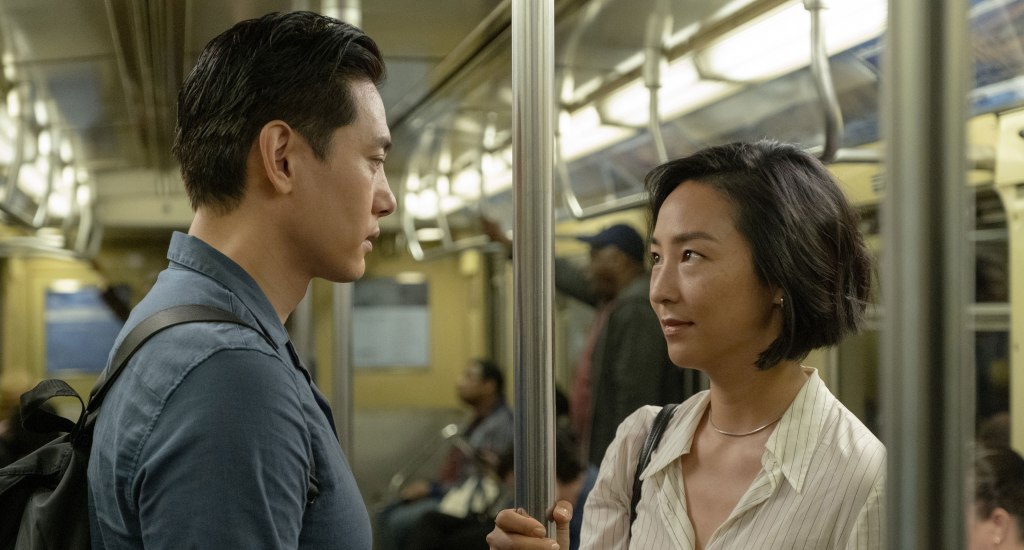
5. Past Lives

Celine Song’s debut feature is the sort of film that sneaks up and catches you off guard if you’re not prepared for its candid depictions of everyday people doing this thing we call life, and it leaves you feeling either optimistic or a tad wrecked by the time it’s over. 

I generally gravitate towards fantasy, action and romance films, and I was pleasantly surprised that while this is a film about young love and looking back to move forward, it’s ultimately a film about reconciliation and friendship.

Song’s film cleverly captures how time passes in an instant; we try to hold on to the high points as much as we can, we’d put them in a bottle if we could, but that’s not how life works. In other words, things happen for a reason, but that doesn’t mean we have to forget the past, but rather learn to live with the present reality that we’ve been given.

The film is ultimately anchored by Greta Lee, Teo Yoo and John Magaro who form the emotional centre that allows Song to deliver this story as effectively as she does.

4. Spider-Man: Across the Spider-Verse

Across the Spider-Verse was one of the releases that I missed on the big-screen after going to Europe and only saw towards the close of the year on Prime Video.

I say that with a degree of sadness as this sequel to the Oscar winning hook-out-of-nowhere, Into the Spider-Verse (2018), absolutely floored me in just how creative it was in utilising the key moments of past Spider-man films and flipping them on their head to deliver an original, engaging, emotional and downright fun two and a half hours. The trio of writers, Phil Lord, Christopher Miller and Dave Callaham clearly understand this world and its characters, and it shows in all of its vibrancy.

Much has been said on the animation style of these films, and it once agains results in a colourful and unique display. Another Part Two I am ever so keen to see.

3. Killers of the Flower Moon

Martin Scorsese has been there, done that and gone back again, but even I couldn’t believe the brilliance I was seeing with Killers of the Flower Moon ––– even though brilliance is what we’ve always known with this cinematic titan.

Killers of the Flower Moon is another film that passes the three hour mark this year, but if it went for another three, I don’t think there would be many complaints. And that’s owed largely to just how precise Thelma Schoonmaker’s editing is, which paces the film very tidily with no loose moments that don’t add up to a wider whole.

It’s also a testament to Scorsese’s brilliant direction and he and Eric Roth’s approach to the screenplay which they flipped on its head and decided to tackle from an inside point around the film’s perpetrators. The result is one where we still see all of Scorsese’s signature mobster embellishments and themes of betrayal, ambition and greed, but they’re repurposed in a more Western setting and allowed to simmer for the film’s lengthy runtime.

I’ve said it elsewhere, but Killers of the Flower Moon feels like the sum of all the best parts of Scorsese’s oeuvre. By that I mean not just in the little tell-tales and visual cues that scream Scorsese, but more in terms of how this film balances tension, develops character, incorporates louder moments with more muted ones, communicates more heavy handed themes like greed and corruption in a digestible way, and all while feeling fresh in the process. 

The fact that this isn’t his magnum opus tells you everything you need to know about him, so let’s enjoy this legend while he’s still around.

2. (How Do You Live?) The Boy and the Heron

From one legend to another, Hayao Miyazaki’s decision to un-retire and make The Boy and the Heron was met with wide gasps, especially since The Wind Rises (2013) felt like the perfect capstone to his illustrious career.

Yet there was clearly some unfinished business in the director’s life that he no doubt felt compelled to express, and in his latest he once again takes a deep dive into the phantasmagorical through various creatures, concoctions and imagery, but with existentialism at the forefront.

The Boy and the Heron might well be seen as Miyazaki coming to terms with the limitations of the physical form and seeking out answers, or at least seeking to provide certain tools that might lead to the answers around what this thing called life is all about. Darcy has described the film as a “deep meditation on life and grief” and I think that’s the basis for what Miyazaki is going for here, along with the idea of carving something from nothing and doing your best to hold it together for as long as you can.

For the young character Mahito at the centre of it all, he is there to try and help take this bleakness and turn it into something redeemable now that his uncle (a very obvious injection of self from Miyazaki), cannot. It’s almost a futile request as everything around him crumbles, but it’s enough to believe he will take this with him in his own life and attempt to bring some order to it that way.

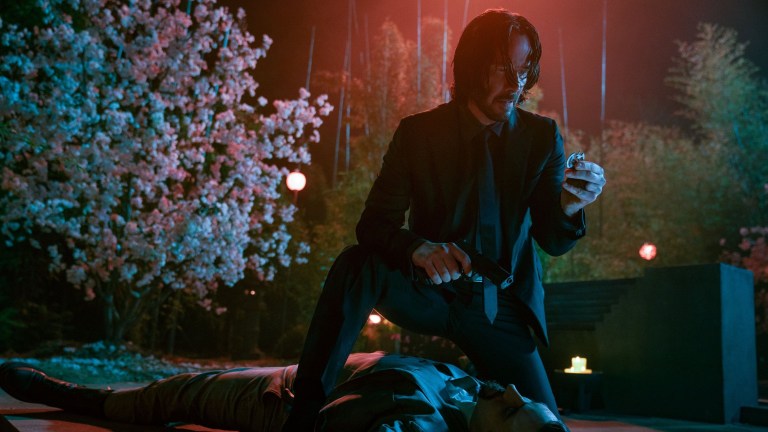
1. John Wick: Chapter 4

It feels like a millennium ago that I saw the fourth instalment in Chad Stahleski’s thriving John Wick franchise, and yet nothing this year has toppled it from the peak of my list.

Don’t get me wrong, any of my top three could just as easily be sitting in pole position, but Stahelski’s final John Wick film is a sensory overload that I feel like was made for me. Shay Hatten and Michael Finch’s ability to up the ante and deliver a screenplay that not only ties everything from the first three films together, but adds some more and then blows everything out of the water in the third act is truly mind-boggling (it’s a crime they weren’t nominated at the Golden Globes for Best Screenplay).

But that’s just the tip of the iceberg. I’ve long praised Stahelski for his understanding of actors and his ability to stage fight scenes, but in John Wick Chapter 4 he has once again managed to blend hand-to-hand combat and bullets galore with an appreciation for more grounded storytelling and the recognition that John Wick is the emotional anchor of this film even when he’s engaged in tense situations.

He’s not just a two-dimensional assassin or someone simply out for revenge, and Chapter 4 makes it clear that moving forward requires sacrifice. And this franchise has always been able to introduce anti-heroes and antagonists that are just as layered as Wick because they occupy the same space, under the same oversight, guided by the same principles ––– Wick just has the courage to stand against the system that has nurtured him and recognise the virus its rotten roots are spreading.

It feels like a fairytale ending that echoes the practicality and originality of Mad Max: Fury Road (2015) while standing out from anything else that has been released since Fury Road in the action genre. I can safely say I am eagerly anticipating Stahelski’s adaptation of Ghost of Tsushima.

Honourable mentions: Guardians of the Galaxy Vol. 3, Indiana Jones and the Dial of Destiny, Babylon (a 2023 release in Australia)

Mission: Impossible – Dead Reckoning Part One Will Wow You

Rating: 4 out of 5.

There has never been a more impossible task for the powerhouse creative team of Tom Cruise and Christopher McQuarrie than following up their genre-defining film Mission: Impossible – Fallout (2018), but they chose to accept it. With a more global reaching threat that feels more anchored to the moment in its AI focus, Dead Reckoning Part One (2023) has treated us to a weightier but immensely enjoyable film in the enduring franchise that is striving to operate as a final capstone like never before. 

By tying the film onto Ethan’s past from the very beginning, Dead Reckoning Part One gives itself capital ‘I’ importance, a sensation unique to the McQuarrie era of mostly lightweight but masterfully crafted action romps. While the stunts are close in quality to Fallout – getting even close is an achievement itself – the focus on thematic and franchise storytelling far exceeds where the previous McQuarrie entries have gone before. The centring on AI technology that challenges the IMF in ways we haven’t seen before heightens the stakes into genuinely stressful sequences that have usually been left for the extreme stunt moments.

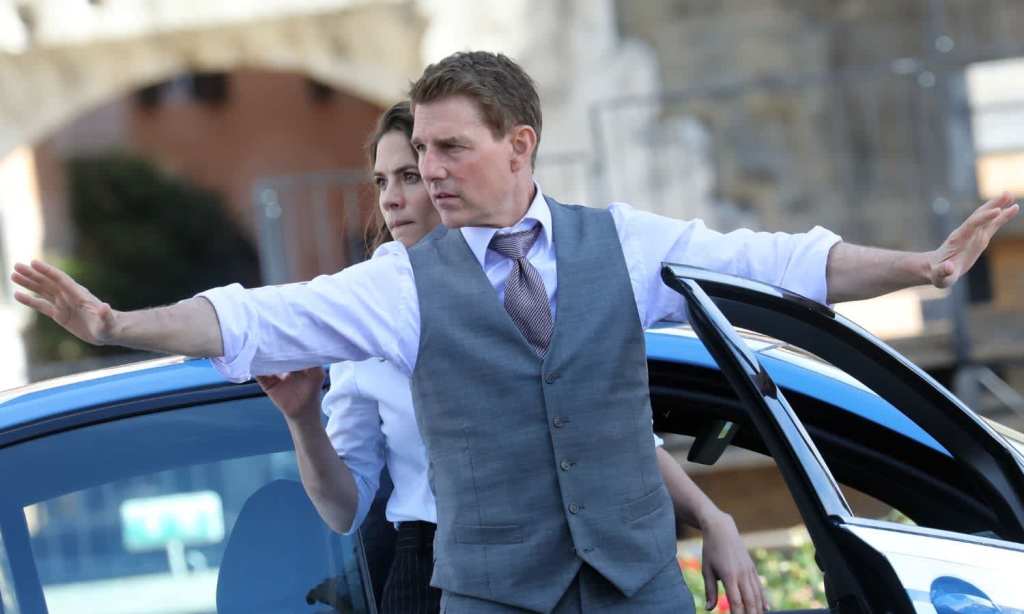
Now more about those stunts. Whether it’s dabbling in an extended car chase in Rome, an astonishing train sequence on the Orient Express (when you can, why pick any other train?), or a Venetian rave that feels equally John Wick 2 (2017) and Don’t Look Now (1973) inspired, Dead Reckoning’s staggering set-pieces leave few stones unturned. There are few cinematic experiences as overwhelming as a Mission: Impossible stunt sequence, with McQuarrie and Cruise becoming veterans in pacing out these moments to keep audiences on the hook for the runtime.

Hayley Atwell and Tom Cruise in Mission: Impossible – Dead Reckoning Part One

The introduction of Hayley Atwell as Grace, a pickpocket out of their depth is wonderful, countering the veteran spies that orbit around her throughout the film. While there is certainly a female character fridging issue that has plagued the MI series and is even more present in Dead Reckoning, it should be commended how each new woman that enters Hunt’s life operates on an entirely different wavelength. Other notable inclusions are Pom Klementieff as the flamboyant assassin Paris that works brilliantly as a silent action star, Esai Morales as the mysterious Gabriel, and the great Shea Whigham (with some tremendous hair) as G-man Jaspar Briggs sent to capture Hunt. They all add a unique flavour to the nearly three-hour runtime that knows when to add something new to the mixture.

Mission: Impossible films centre around their locations, an idea that was once a staple in the jet-setting action genre, but now feels fresh and invigorating in a climate of Atlanta studio lot set-pieces that leave an audience tired and unengaged, criticisms that can never be lobbed at this franchise. With wonderful sequences in Rome and Venice, Dead Reckoning never stays in one place for long but always uses its locations to its extremes, making it feel like the largest budgeted film in existence.

Adding onto the John Wick comparisons are the style and storytelling choices of Dead Reckoning that feel closer to the Keanu-helmed action epic, or even the most recent Bond film No Time to Die (2021), than the espionage trickery that defines this franchise. By opening Dead Reckoning with an extended prologue that sets up the stakes, we are given a rare glimpse into information that the IMF isn’t aware of. While this isn’t uncommon in action movies to establish the story this way, this alters how we as an audience view Hunt and his team throughout Part One, who are almost always a step ahead of us. Mask reveals and double crosses are part of the trade in the spy franchise, but in Dead Reckoning, McQuarrie and Cruise have doubled down on the world-spanning action epic elements that have defined their collaboration since Rogue Nation (2015).

With the strange re-emergence of bifurcated films in recent years (Dune, Spider-Verse, MI), larger stories are being told on the big screen, interesting creative decisions are being made in terms of where to split the narrative, a difficult decision that Dead Reckoning Part One has succeeded well above its peers in giving its eager audience the best of both. The magic trick McQuarrie and Cruise pull off here is in creating the sense that no cinematic idea is being held back, while still concluding satisfyingly with the knowledge that a part two will raise the stakes even higher. 


Mission: Impossible – Dead Reckoning Part One is in theatres now.