Best of 2023: Arnie’s Picks

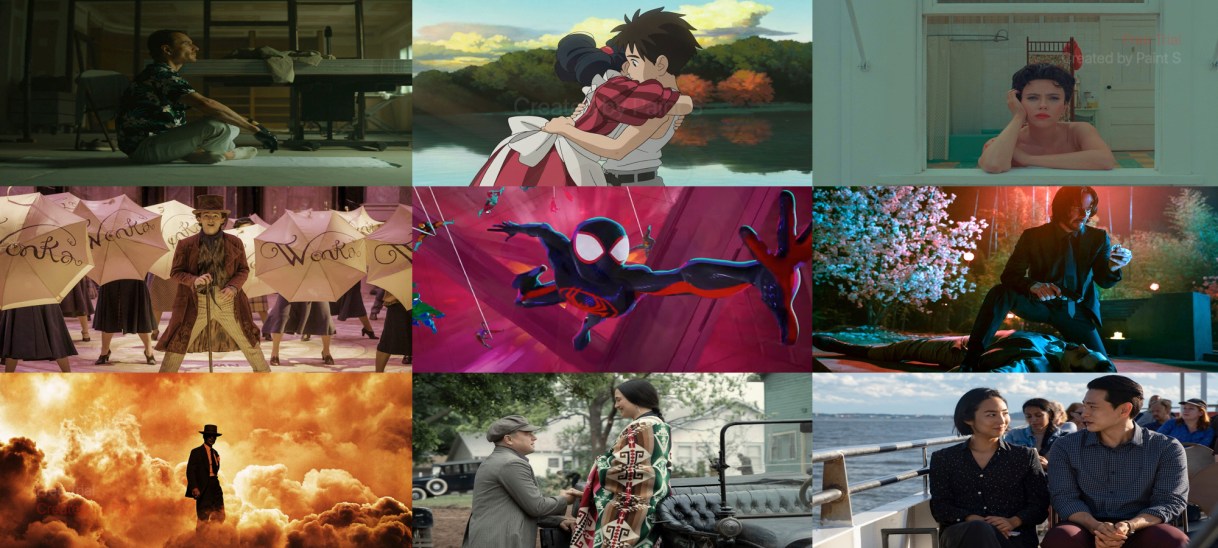
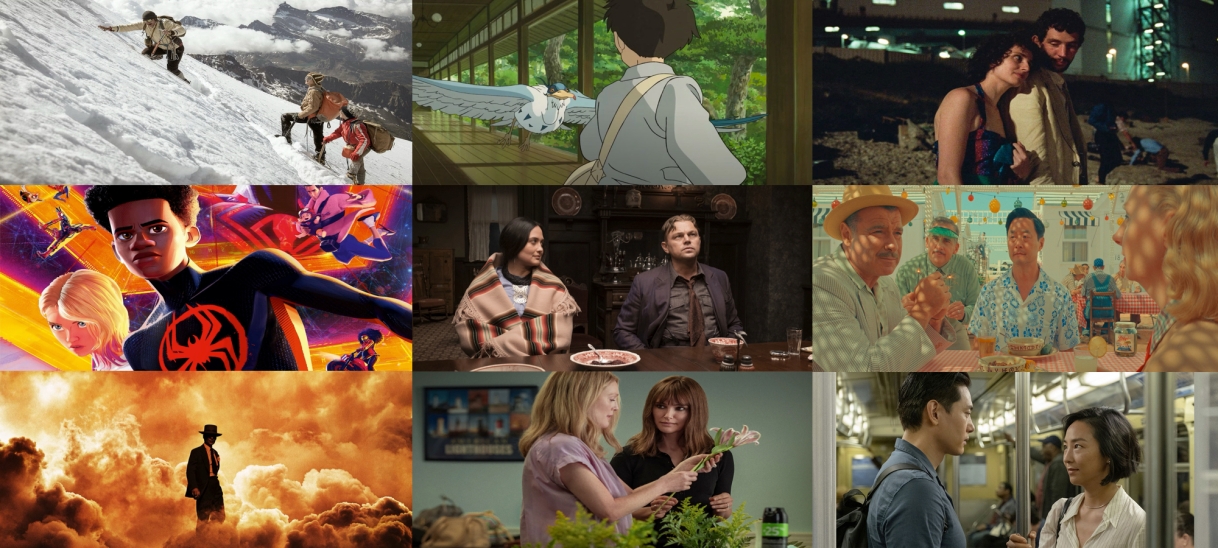
With 2023 drawing to a close, Rating Frames is looking back at the past twelve months of cinema and streaming releases that have come our way. In the third of our series of articles, Arnel Duracak is taking a look at his ten favourite films of the year that was.

In what was a year jam-packed with incredible film titles, a myriad of legendary directors continuing to deliver the goods, newcomers making their mark, and strikes that led to several delays for other anticipated releases, I only wish that I had spent more time in front of a silver screen.

Alas, I ventured to Europe for a good few months which limited my access to key titles early on in the year (though I did see Michael Mann’s 1995 classic Heat at London’s Prince Charles Cinema), but I was lucky to be able to witness some of the year’s best films at the cinema in the second half of 2023. There have been multiple other titles that I wish I had seen before the end of 2023 –––The Holdovers, Poor Things, Ferrari (which I will be reviewing for the site soon), to name a few––– but nonetheless I am satisfied with what I was able to see. Here’s to a 2024 with more of the same, happy watching!

10. Wonka

As I was looking at my ongoing 2023 ranking list, it turns out Wonka made the cut.

While I am a bit surprised, this film felt like the most deserving 3.5 star film from 2023 for me. It neither rocked my socks nor did it live up to the brilliance of Paul King’s modern classic Paddington 2 (2017), but my bar was set rather low for this title if not for the fact that it felt like an unnecessary foray into the background of one of cinema’s strangest characters, then definitely because I just wasn’t all that interested (Darcy will attest to that).

But being a King and Simon Farnaby screenplay, Wonka felt both fresh and unique, owing to the fact that it was imbued with the zany British humour that Paddington 2 excelled at, had an all-star cast who thrive as misfits and are just a joy to be around, contained some catchy musical set pieces (‘Scrub Scrub’ being a particular highlight), and never felt like it was trying to follow in the footsteps of the other two Willy Wonka films.

My only gripe would be that Wonka himself was less interesting as a character than any of the side characters. Whether or not that was because Chalamet’s performance was a bit overly boisterous or because 90% of the core cast meshed well with the British comedy by comparison, but Chalamet’s no Gene Wilder here (maybe for the best).

9. Oppenheimer

In what is perhaps Christopher Nolan’s most accomplished film for many (2008’s The Dark Knight still takes the cake for me), Oppenheimer is a magnetic feat in filmmaking that only Nolan could deliver at such a scale.

I’ve never been a big fan of the way that he writes dialogue, and Oppenheimer isn’t different in that regard for me as it tries to balance more heartfelt, interpersonal connections with more heavy handed themes and technical language (ultimately tailspinning into some less than convincing, at times eye-rolly back-and-forths). However, for a three hour film that is about one of history’s darkest periods, it flows rather well with crisp editing, excellent performances all around, a moody but effective score, and direction from Nolan at the peak of his powers. The film’s climax is one of the most cinematic this year and once cements Nolan’s status as the king of IMAX.

At the time of writing, it’s been about an hour since Oppenheimer swept up the Golden Globes, and if that isn’t a testament to just how deserving this film is to be on anyone’s top 10 list, then I’m sure the Oscars will have something to say about that.

8. Asteroid City
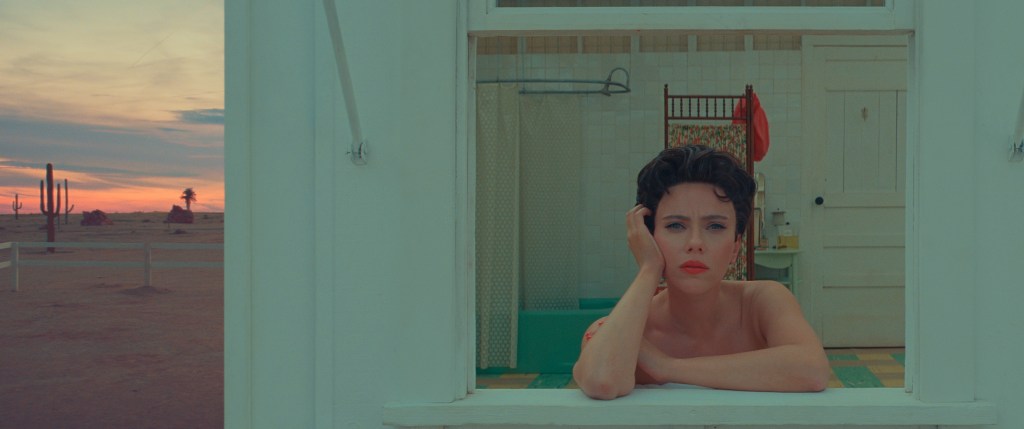
In what is a film of layer upon layer upon layer, Wes Anderson’s Asteroid City is a film I’ve accepted I just have a love-hate relationship with.

Anderson, of course, probably has the most identifiable visual style of any working director at the moment, and he once again delivers incredible vistas in this desert doll-house diorama showcase. Asteroid City is also his most self-reflexive film, both on the art of being a storyteller and on the process leading up to the camera rolling.

Artifice and reality intersect on multiple occasions, with the film playing out through a series of chapters that pull you into the world itself, and then pull you back out to take a glance at how everything is coming together. At times the film can be beguiling, especially if you aren’t familiar with his previous stuff, but it’s also a rewarding insight into art of being a storyteller.

7. The Killer

Many (and by many, I mean Letterboxd users) have called David Fincher’s The Killer his most introspective, meditative film on the craft of doing your job, taking pride in your work and thinking you’re doing it so well to the point of perfection. I just think it’s his most comedic.

Michael Fassbender stars as the straight-faced, emotionless hitman who screws up a hit and now has to clean up his tracks and those that might wish to take him out for his shortcoming.

The Killer is a great study on the dissolution of identity, of a man coping with his inner thoughts and dismissing all empathy for those that don’t deserve it because he knows the game he’s playing and the players involved. As mentioned, I also think it’s a comedy or at the very least, unintentionally funny especially with various internal monologues by the character, describing what he sees and feels, that are followed by sharp interruptions.

While this isn’t Fincher’s best film or even in his top three, it’s a safe but well executed crime thriller that will satiate the desire of hardcore Finchonians who would wish to see him return to similar stories.

6. Mission: Impossible – Dead Reckoning Part One
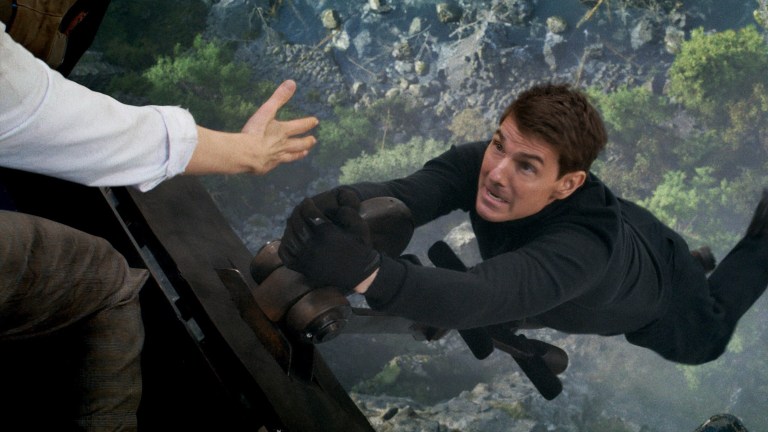
I’ve continually been surprised by just how good each Mission Impossible film has gotten.

Christopher McQuarrie and Tom Cruise are like each other’s yin and yang as they seem to have found common ground since their first collaboration on Jack Reacher (2012) to the point where they’re willing to push the boundaries of what’s achievable on film at such a scale. Cruise especially is no stranger to putting his body and life on the line for an awesome shot, and in Dead Reckoning Part One there is everything from that iconic plummeting bike sequence off the top of a cliff to the creation and destruction of a whole train.

While Dead Reckoning Part One is pipped only by Mission: Impossible – Fallout (2018) in the franchise in terms of scale and death defying moments, it is pure action cinema that knows no bounds. I’m keen to see what Part Two will have to offer.

5. Past Lives
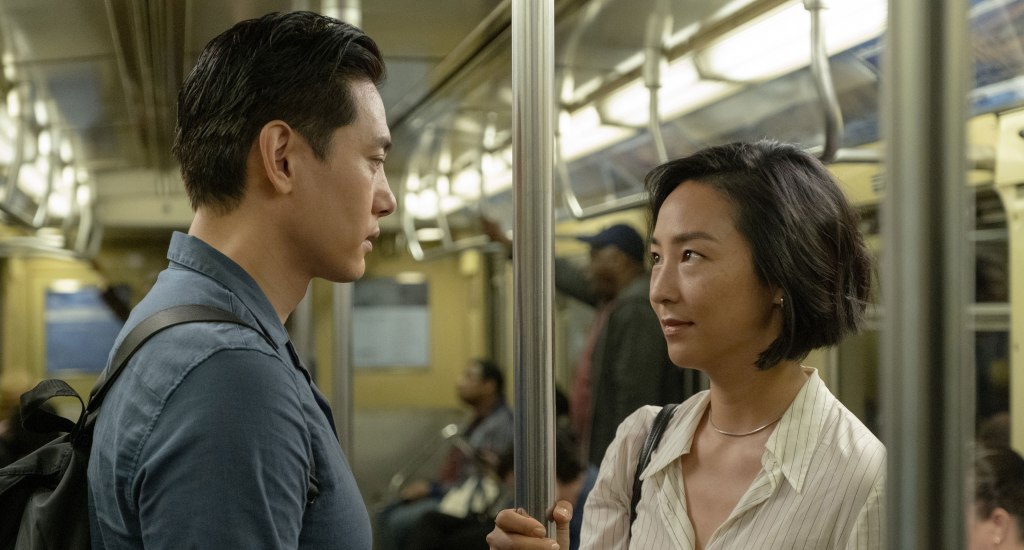
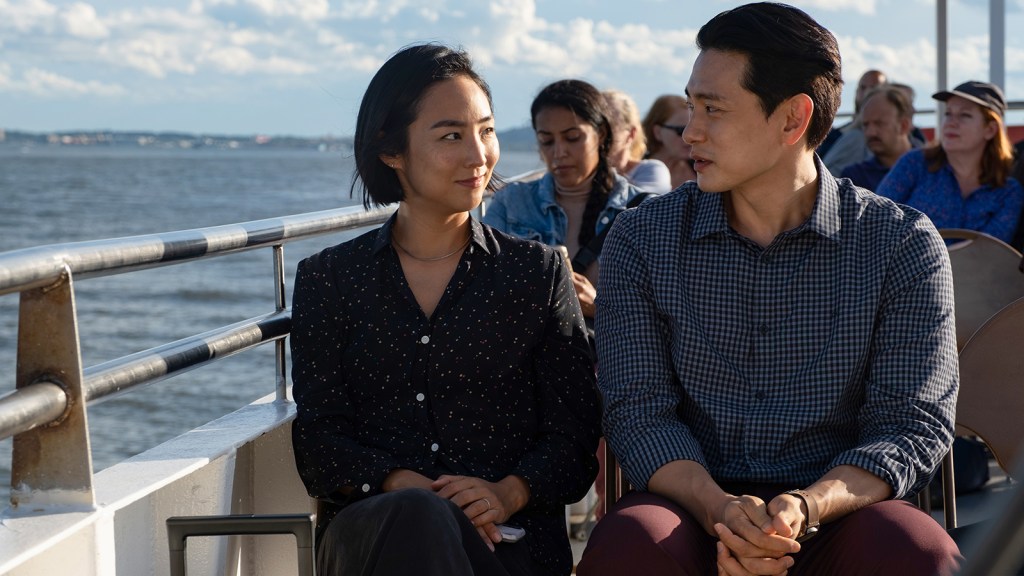
Celine Song’s debut feature is the sort of film that sneaks up and catches you off guard if you’re not prepared for its candid depictions of everyday people doing this thing we call life, and it leaves you feeling either optimistic or a tad wrecked by the time it’s over. 

I generally gravitate towards fantasy, action and romance films, and I was pleasantly surprised that while this is a film about young love and looking back to move forward, it’s ultimately a film about reconciliation and friendship.

Song’s film cleverly captures how time passes in an instant; we try to hold on to the high points as much as we can, we’d put them in a bottle if we could, but that’s not how life works. In other words, things happen for a reason, but that doesn’t mean we have to forget the past, but rather learn to live with the present reality that we’ve been given.

The film is ultimately anchored by Greta Lee, Teo Yoo and John Magaro who form the emotional centre that allows Song to deliver this story as effectively as she does.

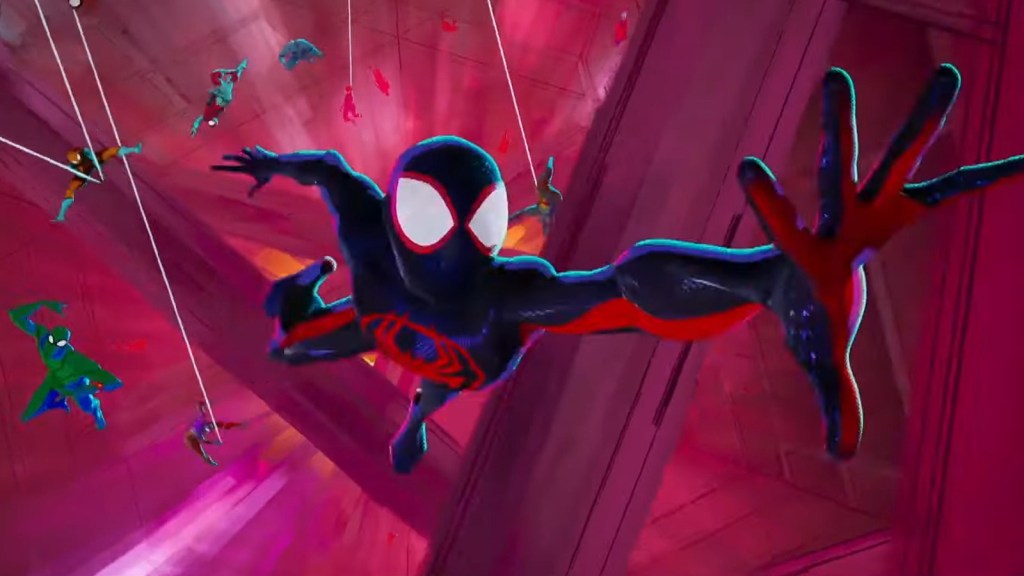
4. Spider-Man: Across the Spider-Verse

Across the Spider-Verse was one of the releases that I missed on the big-screen after going to Europe and only saw towards the close of the year on Prime Video.

I say that with a degree of sadness as this sequel to the Oscar winning hook-out-of-nowhere, Into the Spider-Verse (2018), absolutely floored me in just how creative it was in utilising the key moments of past Spider-man films and flipping them on their head to deliver an original, engaging, emotional and downright fun two and a half hours. The trio of writers, Phil Lord, Christopher Miller and Dave Callaham clearly understand this world and its characters, and it shows in all of its vibrancy.

Much has been said on the animation style of these films, and it once agains results in a colourful and unique display. Another Part Two I am ever so keen to see.

3. Killers of the Flower Moon

Martin Scorsese has been there, done that and gone back again, but even I couldn’t believe the brilliance I was seeing with Killers of the Flower Moon ––– even though brilliance is what we’ve always known with this cinematic titan.

Killers of the Flower Moon is another film that passes the three hour mark this year, but if it went for another three, I don’t think there would be many complaints. And that’s owed largely to just how precise Thelma Schoonmaker’s editing is, which paces the film very tidily with no loose moments that don’t add up to a wider whole.

It’s also a testament to Scorsese’s brilliant direction and he and Eric Roth’s approach to the screenplay which they flipped on its head and decided to tackle from an inside point around the film’s perpetrators. The result is one where we still see all of Scorsese’s signature mobster embellishments and themes of betrayal, ambition and greed, but they’re repurposed in a more Western setting and allowed to simmer for the film’s lengthy runtime.

I’ve said it elsewhere, but Killers of the Flower Moon feels like the sum of all the best parts of Scorsese’s oeuvre. By that I mean not just in the little tell-tales and visual cues that scream Scorsese, but more in terms of how this film balances tension, develops character, incorporates louder moments with more muted ones, communicates more heavy handed themes like greed and corruption in a digestible way, and all while feeling fresh in the process. 

The fact that this isn’t his magnum opus tells you everything you need to know about him, so let’s enjoy this legend while he’s still around.

2. (How Do You Live?) The Boy and the Heron

From one legend to another, Hayao Miyazaki’s decision to un-retire and make The Boy and the Heron was met with wide gasps, especially since The Wind Rises (2013) felt like the perfect capstone to his illustrious career.

Yet there was clearly some unfinished business in the director’s life that he no doubt felt compelled to express, and in his latest he once again takes a deep dive into the phantasmagorical through various creatures, concoctions and imagery, but with existentialism at the forefront.

The Boy and the Heron might well be seen as Miyazaki coming to terms with the limitations of the physical form and seeking out answers, or at least seeking to provide certain tools that might lead to the answers around what this thing called life is all about. Darcy has described the film as a “deep meditation on life and grief” and I think that’s the basis for what Miyazaki is going for here, along with the idea of carving something from nothing and doing your best to hold it together for as long as you can.

For the young character Mahito at the centre of it all, he is there to try and help take this bleakness and turn it into something redeemable now that his uncle (a very obvious injection of self from Miyazaki), cannot. It’s almost a futile request as everything around him crumbles, but it’s enough to believe he will take this with him in his own life and attempt to bring some order to it that way.

1. John Wick: Chapter 4
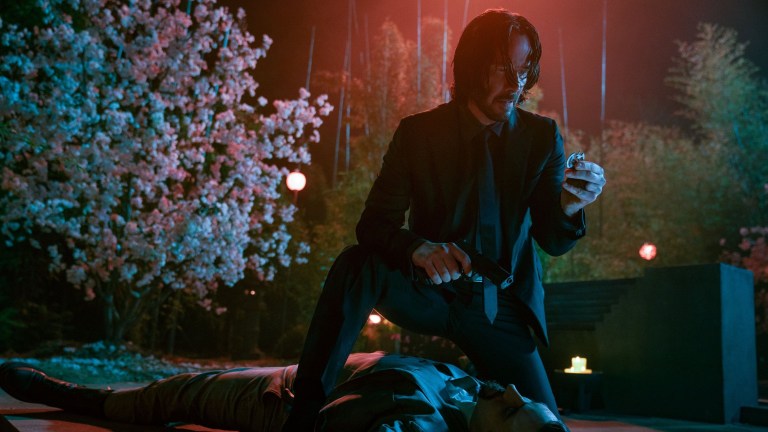
It feels like a millennium ago that I saw the fourth instalment in Chad Stahleski’s thriving John Wick franchise, and yet nothing this year has toppled it from the peak of my list.

Don’t get me wrong, any of my top three could just as easily be sitting in pole position, but Stahelski’s final John Wick film is a sensory overload that I feel like was made for me. Shay Hatten and Michael Finch’s ability to up the ante and deliver a screenplay that not only ties everything from the first three films together, but adds some more and then blows everything out of the water in the third act is truly mind-boggling (it’s a crime they weren’t nominated at the Golden Globes for Best Screenplay).

But that’s just the tip of the iceberg. I’ve long praised Stahelski for his understanding of actors and his ability to stage fight scenes, but in John Wick Chapter 4 he has once again managed to blend hand-to-hand combat and bullets galore with an appreciation for more grounded storytelling and the recognition that John Wick is the emotional anchor of this film even when he’s engaged in tense situations.

He’s not just a two-dimensional assassin or someone simply out for revenge, and Chapter 4 makes it clear that moving forward requires sacrifice. And this franchise has always been able to introduce anti-heroes and antagonists that are just as layered as Wick because they occupy the same space, under the same oversight, guided by the same principles ––– Wick just has the courage to stand against the system that has nurtured him and recognise the virus its rotten roots are spreading.

It feels like a fairytale ending that echoes the practicality and originality of Mad Max: Fury Road (2015) while standing out from anything else that has been released since Fury Road in the action genre. I can safely say I am eagerly anticipating Stahelski’s adaptation of Ghost of Tsushima.

Honourable mentions: Guardians of the Galaxy Vol. 3, Indiana Jones and the Dial of Destiny, Babylon (a 2023 release in Australia)
Best of 2023: Darcy’s Picks

With 2023 drawing to a close, Rating Frames is looking back at the past twelve months of cinema and streaming releases that have come our way. In the first of our series of articles, Darcy Read is taking a look at his ten favourite films of the year that was.

2023 has been a bizarre but ultimately wonderful year in cinema. A film year that felt like a genuine rebound after multiple years of roadblocks — and that’s with long-running SAG and WGA strikes with impacts felt in the latter stages of the year but will impact next year more on the ledger — through the success of ‘Barbenheimer’ and the return of some of the best veteran filmmakers we have working. While none of these storied filmmakers like Martin Scorsese, Hayao Miyazaki, or Wes Anderson delivered a film that will be the first project referenced in their obituary, all have produced work that will contend for the best cinema has to offer this decade.

As 2023 draws to a close, it is clear this year has the potential to enter legend status alongside calendar years like 1999 or 2019, with its combination of peaks and depth by creators both established and emerging, gifting us deeply personal works that have clearly resonated with audiences around the world. 2023 has been a wonderful year to write about for the site, and 2024 looks to be a fascinating year with the return of incredible artists like Bong Joon-ho, Steve McQueen, and Barry Jenkins to name a few. But before we get ahead of ourselves, here is my list of the best of cinema this year.

10. Oppenheimer

A vicious knife fight to land on the 10th spot on this list with a collection of wonderful films by veteran auteurs like Hirokazu Kore-eda and David Fincher, but the scale and power of the fleeting moments in Christopher Nolan’s Oppenheimer (2023) proved too difficult to ignore. Nolan has been on a manic kick in recent years, adopting a sound-focused filmmaking pursuit that is just catnip for me. Combining an all-time score by Ludwig Göransson with an elastic soundscape that never lacks emotional or narrative potency by the legendary Richard King, Nolan and emerging editor Jennifer Lame throw you into the subjective war zone that is J. Robert Oppenheimer.

The film is littered with flaws and strange moments that threaten to derail the three-hour tirade through the scientific pursuit of unprecedented destruction, but the rigorous nature of the film allows for some transcendent sequences that stack up amongst Nolan’s very best work.

9. The Eight Mountains

A serene indie film shot across stunning vistas of the Italian Alps centred on two men building a house in a plot of land owned by one of their recently deceased fathers, Felix van Groeningen and Charlotte Vandermeersch’s The Eight Mountains (2022) plays out like a contemplative short story across two and a half hours, a personal favourite flavour that is not a universal palette.

The earnestness of the storytelling about two complicated men seeking purpose through their past and into their present transcends into a reflective pool of emotion and intimacy with a mesmerisingly natural performance by Alessandro Borghi as Bruno. Grab some tea and warm up by the fire of this enchanting Italian epic that would work as a perfect double feature with Past Lives (2023), a film we will get to.

8. May December

A sticky, chewy meal of a film, May December (2023) is less interested in the central scandal of the story (echoing the story of Mary Kay Letourneau and Vili Fualaau) than in the modern societal structures around a tabloid scandal, with the insidious media ecosystem that invades lives for an increasingly uncertain gain and the human impact that ripples out decades later, as the scandal itself.

Casting director turned screenwriter Samy Burch is perfectly matched on the screen by the brilliant Todd Haynes, a filmmaker most comfortable getting into the weeds of a dark, complicated story and emerging with something equally compelling and repugnant. The trio of performances from Julianne Moore, Natalie Portman, and the emergence of Charles Melton present this knotty and potently transgressive story with a heightened tension of melodrama whilst never losing the humanity at its core that allows the film to shine.

7. Spider-Man: Across the Spider-Verse

It took months for me to embrace the ‘to be continued’ nature of Spider-Man: Across the Spider-Verse (2023), but once that hurdle is vaulted, the Jackson Pollock-styled explosion of creativity and narrative inventiveness on display in this sequel to the hit animated superhero film Spider-Man: Into the Spider-Verse (2018) took hold.

Across the Spider-Verse’s first 20 minutes is the greatest example of riotous, shotgun blast openings to come across in years, miraculously blending art styles with raw emotion and vulnerability that created an avalanche of ideas to cascade from beginning to end.

6. Asteroid City

“Am I doing it right?” Anderson has long been known for his extensive production designs and air-tight dialogue, but what stands out in Asteroid City (2023) is the attention placed on the act of looking. These looks of longing and understanding permeate every moment and every character of the film. From June (Maya Hawke) and Montana’s (Rupert Friend) longing looks of romance tinged with the desire for understanding in an increasingly incomprehensible world, to the gazing scenes of Jason Schwartzman as both Augie in the play with Midge (Scarlett Johansson), and as the actor Jones Hall with the actress of his wife that was ultimately cut played by Margot Robbie – in one of the scenes of the year – Anderson reflects the modern world’s unease and uncertainty by displaying these feelings across the extended ensemble.

Schwartzman — who has never been better — wears layers upon layers of uncertainty about the future and how to feel in the present across his face, opening up like a flower in the final act. By penetrating the hermetically sealed world that Anderson and his crew craft here in Asteroid City with touchingly modern feelings of uncertainty and fear, the potency of the message burrows its way into the soul, where it has remained all year. “Am I doing it right?”

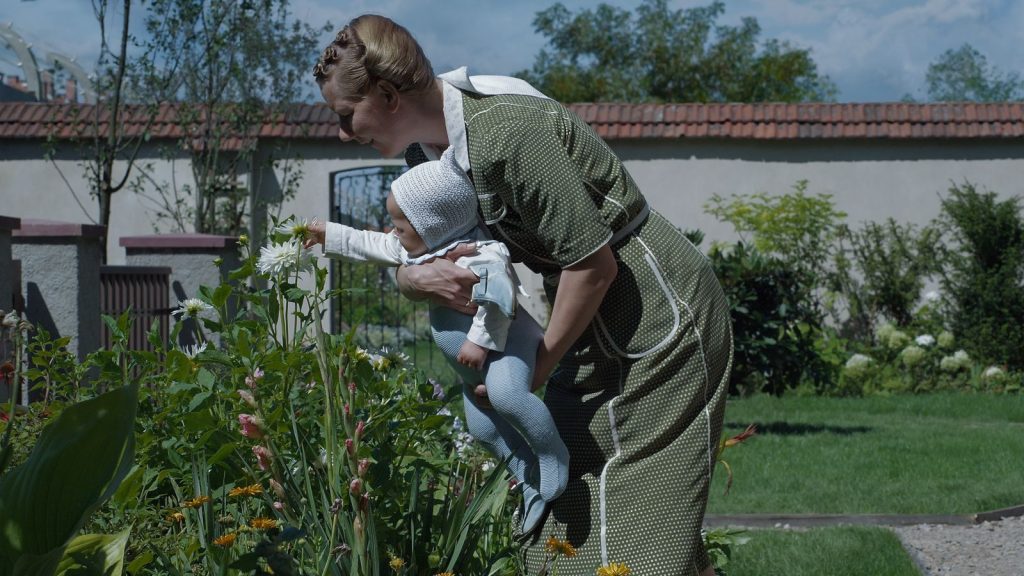
5. The Zone of Interest

The normalisation of genocide as a collection of active, domestic choices, Jonathan Glazer’s attentive formalism is a perfect match for this profound piece of art on the naturalism that real evil lives within. Based on a slither of Martin Ames’ book of the same name, The Zone of Interest centres on the young family of Höss, mass murderer and commandant of Auschwitz, as they live day to day alongside unimaginable horror. Glazer avoids almost all iconography of the camp and world inside of the walls, tightly focusing on the family mundanity through scenes of pool parties, teatime chats, and grandmothers coming over for a weekend as the black smoke billows constantly above them.

Glazer, alongside sonic collaborators Johnnie Burn and Mica Levi as sound designer and composer has crafted a piece of cinema that transcends the formal exercise it easily could’ve become, instead striving for an art film that lands close to a Nazi-based Jeanne Dielman (1975). There is no, and may never be, another experience like it.

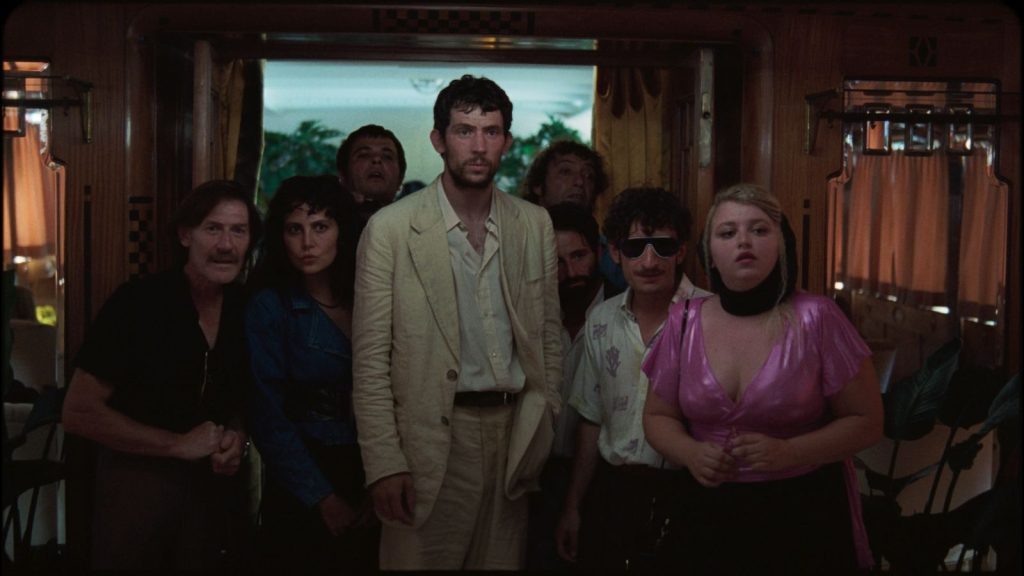
4. La chimera

One of the great pleasures of following the career of an emerging artist is seeing them put it all together. In La chimera (2023), Italian filmmaker Alice Rohrwacher perfectly blends the rich, textured grounds of Tuscan farm life of The Wonders (2014) with the magical realism and whimsy from her revered film Happy as Lazzaro (2018) to create one of the year’s best and most creatively rich films.

Set in 1980s Tuscany, we follow Arthur (an extraordinary Josh O’Connor) and his band of tombaroli Italian looters archaeological heritage — as he returns to his long lost love Beniamina’s local town after a stint in jail. Rohrwacher’s seemingly limitless filmmaking inventiveness wraps around a knotty and evocative story of local heritage and ownership of the past shot gloriously on 16 and 35mm.

3. (How Do You Live?) The Boy and the Heron

Went with the original title for this entrancing and engaging gift of cinema, as it so perfectly captures the film in many ways compared to a seemingly rushed decision to rename this endlessly compelling feature from another old master Hayao Miyazaki. Not only is the title How Do You Live? (2023) taken from a beloved Japanese novel that Miyazaki has called an ur-text for him creatively — heightened by having the book play a crucial story beat with it being gifted to our protagonist Mahito by his recently deceased mother — but it works as the central thesis question for the film Miyazaki came out of retirement to ask. A question he gives no answer to, understanding that a life’s purpose is in the pursuit. The film operates as a deep meditation on life and grief from a world-weary filmmaker and as a goofy, playful Ghibli movie with its eccentric parakeets and Warawara’s that are sure to make their way into the heart of the recently opened Ghibli park.

What allows these larger ideas and themes to flow freely across this entrancing film is the work of longtime collaborator Joe Hisaishi’s score, somehow in career-best form after all these years, echoing these thematic questions through his delicate strings, tense orchestrations, and loving piano melodies that wash over a crowded audience like an emotional wave. No film on this list has better potential to leapfrog up to number one than this film, probing for questions on day-to-day existence than any piece of art released in 2023, like only a true master storyteller can.

2. Past Lives

Saw this treasure of a film back in June at the Sydney Film Festival and remained top of this list for months, Past Lives (2023), the best debut feature of the year by Celine Song, has stayed top of mind for 6 months through its unique mixture of personal and romantic longing with a powerful trio of performances by Greta Lee, Teo Yoo, and John Magaro.

In Past Lives, the present is framed in a unique liminal space, an uncertain future result of past decisions and indecisions, more so than a real time experience, like watching Richard Linklater’s miraculous Before trilogy simultaneously across three screens. How Song is able to merge these ideas inside a tight 105-minute narrative feature is not to be understated, crafting the best screenplay of 2023 and one that will only expand and mature moving forward.

1. Killers of the Flower Moon

From my review for the film: “Killers of the Flower Moon (2023), a sprawling period crime epic based on the incredible best-selling nonfiction book of the same name by David Grann tracking the 1921 Osage Nation murders (potentially hundreds even though the reported count reached only 20), is the best film to arrive in theatres in years. An astonishing work, capturing the clashing worlds of empathy and cruelty, the legendary director Martin Scorsese alongside veteran screenwriter Eric Roth, set out to explore and probe the original sins of white exploitation and destruction that dismantled a once thriving community in the Osage Nation.

With a task as grave and serious about a community unfamiliar to their own, Scorsese and Roth’s script remarkably lands at a point of empathy and understanding they can reach as outsiders to this world. Scorsese’s self-reflective limitations as the person to tell this story are palpable throughout the film. This crime film’s capacity to tell a story of a community not his own arrives at a peak in a final sequence that may not evoke the same emotions in audience members as personal opinions of this vary. However, it is disingenuous to wholly dismiss this remarkable film on those grounds, just as it is disingenuous to wholly dismiss the air of white guilt and limitations as storytellers that frame Killers.”

My only five-star film of the year, Killers of the Flower Moon may not reach the Mount Rushmore of Scorsese’s career but is more than worthy of entering the discussion once the greatest living American director decides to hang it up.

Honourable Mentions: The Killer, Monster, How to Blow Up a Pipeline, Barbie, Showing Up.

MIFF ’23: Darcy’s Notebook Pt.1

With another wonderful festival in the books, MIFF 2023 was a surprising mix of emerging artists from home and abroad spotlighting the program that gave the year a distinct flavour. Here, our writer Darcy has dropped part one of his notebook full of notes and thoughts on the many films he was able to catch at the festival, all of which should hopefully be brought to larger audiences throughout the rest of the year.

Blue Jean (Georgia Oakley) 2022:

It would be a diminishment to label Blue Jean (2022) a period film as the theatrical experience felt closer to a retrospective of a lost 80s gem than an indie debut from 2023. The debut feature from Georgia Oakley set the stage for a wonderful festival of emerging artists, centring on a young queer gym teacher Jeanie (a transfixing Rosy McEwan), trying to balance her life amongst the authoritarian and anti-LGBT+ Thatcher government in late 1980s Newcastle. The film is intricate in its layering of Jeanie’s clashing worlds as she aims to compartmentalise her sexuality from her work and family, loading even the simplest gestures and moments with palpable anxiety.

Oakley positions the story in an interesting state of generational limbo, with Jeanie’s behaviour clearly ingrained by the regressive world she grew up in and remains. She must navigate being an authority figure to a group of teenage girls that feel destined to progress past her. It’s almost cliche for films centred on teachers to develop into a story of the kids being the real teachers, but Blue Jean is able to maturely navigate these waters with confidence and purpose, developed through an immense level of authenticity.

And this achievement in period authenticity by Oakley and the whole crew cannot be understated. Oakley, alongside cinematographer Victor Seguin and production designer Soraya Gilanni Viljoen, work well beyond their means to create an incredibly lived-in 80s period drama that grounds the worlds of the characters. All three will be ones to watch in the following years.

Rating: 4 out of 5.
Disco Boy (Giacomo Abbruzzese) 2023:

Disco Boy (2023) is a fascinating but slight debut from Giacomo Abbruzzese about a pair of interconnected but opposed soldiers, Aleksei (Franz Rogowski) and Jomo (Morr Ndiaye), which aims for Denis but lands closer to Winding Refn. A fascinating moral portrait of who fights our wars and for what purpose, Abbruzzese weaves compelling visual choices, including a heat-vision sensory explosion of violence in the Niger Delta, into this more atmospheric than deeply felt character work, bouncing between engaging and alienating in equal measure.

More a collection of fragmented visual ideas about self-identity, cultural identity through conflict, and purpose, than a developed story, Disco Boy ultimately disengages and limits one’s investment in the story of Alex and Jomo, especially as it enters its final act.

These are weighty themes for a debut feature, one that often falls into flat abstraction instead of provocative imagery that in more seasoned hands, would envelop an audience more fully.

Rating: 3 out of 5.
Showing Up (Kelly Reichardt) 2022:

Even a minor feeling Reichardt is still an event, packed with nuggets of wisdom and exploration into the delicate, tiny worlds of its characters. With her muse Michelle Williams, Reichardt centres the world of a tight artist community in her standard milieu of Portland. Williams inhabits Lizzy, a ceramics artist trying to get by while she works on her new independent show. Her friend-slash-landlord Jo (the terrific Hong Chau) keeps putting off fixing her hot water on top of a myriad of other minor obstacles involving an injured pigeon, her office work at the artist’s community keeps overtaking her time, leaving little time for Lizzy’s passion for her art as her patience gets stretched to a breaking point. But there is no true outburst of crescendo to Lizzy’s frustrations, that is never how Reichardt operates.  

The master of American neorealism, the lives and conflicts of Showing Up (2022) involve the anxiety of unexpected moments soaking up time. The beautiful counterpoint to these moments however, is in the simple giving of one’s time, whether through a simple walk home, alleviating a colleague’s work, or coming to a friend’s art show, is as powerful a show of love one can demonstrate in this life. In a time of feverish multitasking and anxiety-inducing attention economy, Reichardt instead centres her film around just showing up (which is why this is easily the film title of the year).

There is an intense focus on the physical work of creativity rarely shown on film, giving the sensation of a mid-afternoon stroll through a tiny gallery, seeking to understand an artist through their work. There is genuine comedy rarely felt in Reichardt’s films here that is never snarky or mocking. She has a real care and love for this world and the people within it that emanates through Showing Up, allowing its humour to bubble to the surface in surprising moments.

When she is at her best, Reichardt’s screenplays never show the seams of a Robert McKee-approved story structure, with character arcs never becoming clear until their peaks are unveiled through the clouds. This allows her work to thrive and engage an audience consistently, developing one of the most consistent filmographies in 21st-century American auteurs. We should not take these films for granted.

Rating: 4 out of 5.
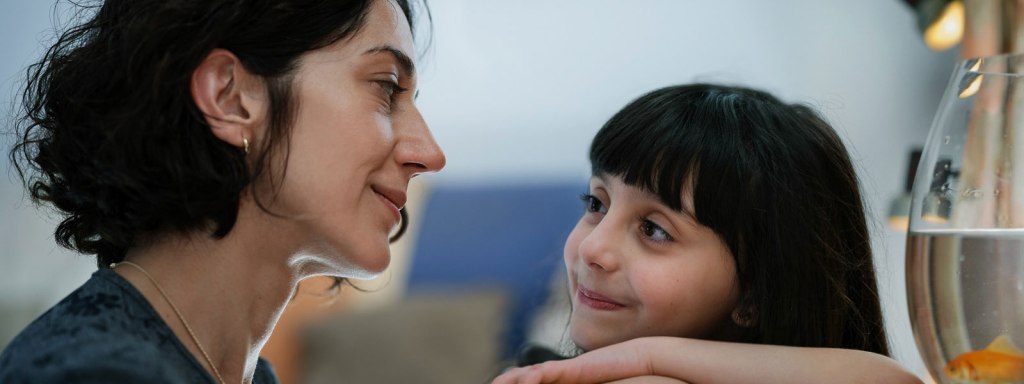
Shayda (Noora Niasari) 2023:

A gorgeous debut from a real bright light in Australian cinema, Noora Niasari’s deeply personal portrait of her mother, portrayed in the film by the stunning Zar Amir Ebrahimi, brings to mind many great films before it, including MIFF 2022 highlight Aftersun, but is able to confidently stand on its own. 

Following a young mother, Shayda, and her six-year-old (Selina Zahednia) daughter Mona, escaping an abusive father to a women’s shelter, Niasari has a clear-eyed but empathetic view of a story so close to her that emanates through the screen. Shayda’s (2023) sense of place and community is tight and focused while still allowing a beautiful freedom for the performers. 

Niasari has a graceful way of weaving inner character life into scenes that in lesser hands would be doled out as blunt exposition. By giving the audience just enough story to understand the situation, we are rewarded with an expanded glance into the world of these characters and their relationships as they navigate the difficult situation they have been placed in. This year’s festival has been a wonder of debut features and emerging voices, with Shayda a real spotlight on the new and creative minds coming out of Australian cinema. It was heartwarming to see the festival wrap their arms around her and this impressive film.

Rating: 3.5 out of 5.
Past Lives (Celine Song) 2023:

I wrote about my favourite film of the year in my Sydney notebook here, but I just had to come back to see it with a packed MIFF crowd. It’s just as gorgeous the second time around. An absolute miracle in filmmaking, Celine Song is able to toe the line between the grandiosity of life and destiny and the minutiae of a relationship across many years with the ease of a veteran screenwriter and filmmaker. 

In Celine Song’s extraordinary debut Past Lives (2023), time is the central tenet. During the post-screening Q&A, Song said she wanted the film to have the lived-in feeling that “12 years could pass in an instant, but a two-minute wait for an Uber could be an eternity.” What stood out on rewatch at the festival is the underrated challenge of editing this film, particularly in its shifting perspectives at the placement of its time shifts. We are never rushed into these leaps, nor are we led slowly into them, but Song and editor Keith Fraase (who came up working with Terrence Malick) are able to achieve a breathtaking sensation of each stage in Nora (Greta Lee) and Hae Sung’s (Teo Yoo) relationship feeling cut short. 

MIFF is the perfect place to be exposed to the emerging talents of filmmakers and actors that will define the next generation, with Song joining Aftersun’s Charlotte Wells at the top of that list. This is the year’s best film to date with an instantly iconic ending that holds a packed theatre’s heart in its hands.

Rating: 4.5 out of 5.
Anatomy of a Fall (Justine Triet) 2023:

Beginning with an abrasive soundtrack of 50 Cent’s P.I.M.P (not a joke), Justine Triet’s Palme d’Or-winning film Anatomy of a Fall (2023) is seeking to destabilise its audience. With a winding courtroom structure and almost comical documentary film style, we are shown an increasingly engaging excavation in truth and what it means to us.

The film is a fascinating investigation of marriage and family through the lens of a tense courtroom drama that lures you deeper and deeper into its world with a powerful pair of performances by Sandra Hüller and Milo Machado Graner as mother and son Sandra and Daniel. Sandra Voyter, a novelist, stands trial for the murder of her husband Samuel (Samuel Theis), who “fell” from the second floor of their reclusive vacation home in the Alps.

Over the extended 150-minute runtime, Triet explores the legal system, guilt, and a family living with trauma inside a distinct Cinéma vérité comic realism. Anatomy of a Fall is a film that teaches you how to watch it, forcing an audience to give themselves over to its style and storytelling. This may be too big an ask for some films, but through Hüller’s all-encompassing guile as the compelling figure of Sandra, alongside Graner’s stellar work as her son Daniel, the beating heart of the film, it achieves something special as the story reaches its tipping point.

Rating: 4 out of 5.

Sydney Film Festival ’23: Darcy’s Notebook

While I, as a Melbourne-based writer, eagerly wait for MIFF to roll back around in August, an opportunity to travel to Sydney arose just in time to catch the final days of the Sydney Film Festival to scratch my never-ending festival itch. 

In four days I was able to see 10 films of varying quality worth reporting on, so I have emptied the notebook out of my thoughts on a great selection of films from the festival. I have avoided discussing plots too much here as hopefully, most of these films arrive by year’s end for people to catch.

Past Lives (Celine Song, 2023)

The pick of the festival and best film I’ve seen in 2023, Past Lives is a simple but evocative story told with a subtle precision that will stay with you through multiple lifetimes. Joining the lineage of cinematic depictions of romantic longing that define some of the greatest works in the medium, Casablanca (1942), In the Mood for Love (2000), and Before Sunset (2004), debut feature director and writer Celine Song set the bar incredible high for her debut that she overcomes with an assured ease.

Following an invisible tether of 12-year increments, we accompany Nora (an incredible, awards-worthy Greta Lee) and Hae Sung (a revelatory Teo Yoo), two deeply linked childhood friends that reconnect online a decade after Nora’s parents emigrate to Canada. The film is best experienced the less you know, especially its final act, so I shall leave the breakdown there for now but will return when it opens wide on August 31st. 

Past Lives is an extraordinarily shot film by Song and cinematographer Shabier Kirchner, who also shot the incredible Small Axe (2020) series. This is the best looking film since Portrait of a Lady on Fire (2019), with its lingering pans and still images that would be enough to crown Song’s debut feature as a major achievement on its own. But it’s the deeply layered script, self-referential in the way our own stories are, that allows it to bloom into a uniquely moving experience.

With a Casablanca-level final act that had a sold-out audience on the verge of bursting from their seat and skin, Song has gifted us with a script and film of deeply personal experience that never feels alienating. The most personal is always the most universal, and Past Lives is a tremendous achievement that must be seen in theatres. Romantic dramas may be out of vogue as a theatrical genre, but I implore you to seek this one out with a crowd as soon as possible.

Rating: 4.5 out of 5.
Shortcomings (Randall Park, 2023)

A stronger comedy than romance, Randall Park’s debut feature Shortcomings, adapted from the screenwriter Adrian Tomine’s 2007 comic of the same name, is an uneven but enjoyable coming-of-age story centring a difficult protagonist, indie theatre manager Ben, played by Justin H. Min. The film is a provocative comedy centring on Bay Area millennials trying to work out the stagnation of their lives and relationships that is deeply influenced by Judd Apatow comedies, buoyed by its bright characters that have a horrible case of foot-in-their-mouth.


With a terrific comedy ensemble including Sherry Cola, Ally Maki, Sonoya Mizuno, and Timothy Simons, Shortcomings doesn’t attempt to reinvent the rom-com wheel, but its acidic dialogue and loquacious characters lead to many hysterical moments and an overall enjoyable watch.

Rating: 3 out of 5.
How to Blow Up a Pipeline (Daniel Goldhaber, 2022)

A work of pure tension and electricity, Goldhaber has made a powerhouse feature for an emerging generation brought up in a world of climate fatalism. Based on the acclaimed nonfiction book of the same name, Goldhaber and co-writers Jordan Sjol and lead actress Ariela Barer (Xochitl) bring the genre formalism of heist and caper cinema to a subject matter that is too often weighed down by its own importance. 

Due to the time restraints of filmmaking, it is rare for a film to feel pressingly of the moments, which makes Pipeline an even more impressive achievement. The film operates almost as a forbidden, micro-budget indie that works so effectively in films like The Texas Chainsaw Massacre (1974) and The Blair Witch Project (1999), allowing the tension and drama to feel rooted in desperate reality that makes for an irresistible watch. 


Pipeline excels through its terrific ensemble of well realised modern Gen Z characters in Sasha Lane, Lukas Gage, Forrest Goodluck, Jayme Lawson, Jake Weary, Kristine Froseth, and Marcus Scribner. All the performers are just obscure enough to allow the film to maintain the air of unexpectedness and panic that heightens every shaky hand and nervous breath that will have you clawing at your seat for 90 minutes.

Rating: 4 out of 5.
Sand (Visakesa Chandrasekaram, 2023)

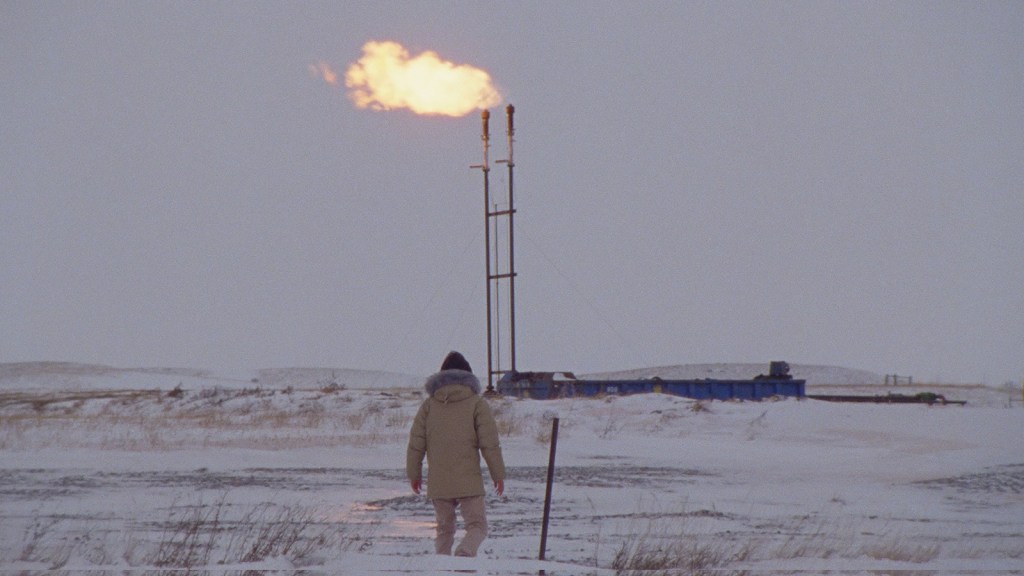
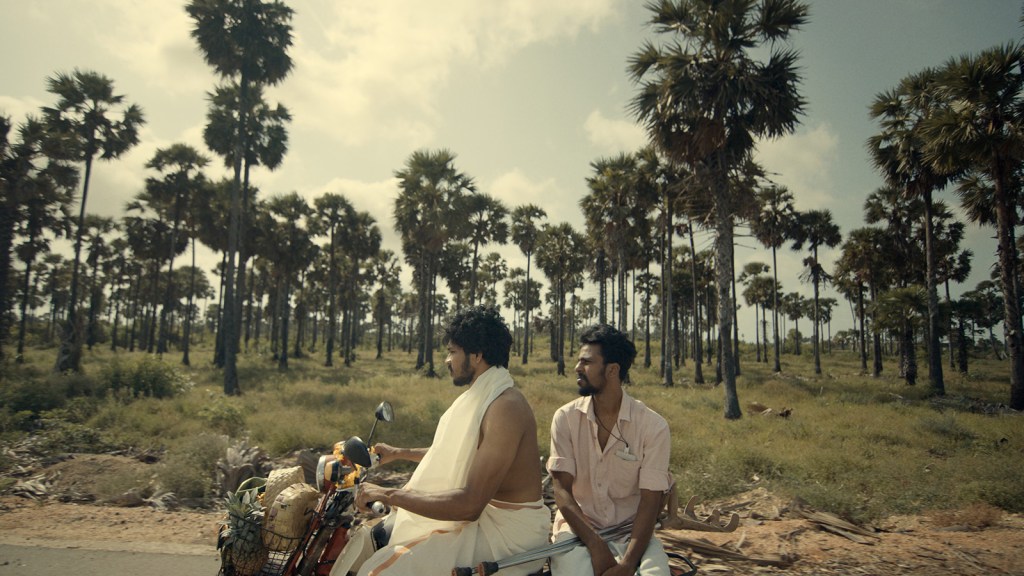
Stronger in intent and theme than execution, using local crews and first-time actors, Sand evocatively places you in a difficult moment in Sri Lankan history. As a survivor of a decades-spanning civil war, Rudran (played wonderfully on debut by Sivakumar Lingeswaran) must pick up the pieces of his life, including moving back home to live with his soothsayer mother (Kamala Sri Mohan Kumar), standing trial for his slowly explained role in the war, going through therapy for his wartime injuries, and seeking out a lost love Vaani (Thurkka Magendran). 

There is a wall of plot to scale in this quiet and meditative 101-minute feature that makes for an often unengaging watch, perhaps by design as we feel the immeasurable weight that the war has left upon the shoulders of survivors like Rudran. Nonetheless, Chandrasekaram has crafted a vital film that lacks polish but oozes authenticity, about an overlooked part of world history, grounding it in the life of one character to illustrate the complexity of the moment.

Rating: 2.5 out of 5.
Afire (Christian Petzold, 2023)

Not the only comedic film on this trip to centre on a self-absorbed artist played by a German actor who cannot help their destructive tendencies from impacting those around them, but is certainly the only film that sits inside the bucket of a climate parable.

A film relatable to anyone who has ever used their work as a shield against the world, the great Christian Petzold’s newest feature, Afire, centres on young novelist Leon (Thomas Schubert) who travels to his artist friend Felix’s (Langston Uibel) family home on the coast of the Baltic Sea to finish his new novel. When they arrive at the holiday home, they learn that Felix’s mother has rented out a room to the mysterious Nadja (the terrific Paula Beer), an unwelcome distraction of the world that Leon was hoping to escape. Compounding this, there is an encroaching wildfire from the west that doesn’t appear to phase the characters, even as it spreads ever closer to their door.

Petzold often works in myth and wider thematic ideas that drift into his films as suggestive poems, with Afire centring on love, passion, and an unique climate metaphor that manages to ground itself in these young people working out their lives in a rapidly changing world.

The unique filmmaker’s first true comedy, Afire is an oddly engaging film with unique and difficult characters, similar in ways to his 2020 mythological mermaid feature Undine (also with an incredible Beer performance). Petzold never allows an audience to stay on solid ground, matching the uncertainty his characters constantly feel, which makes for a compelling experience even if you find the characters unlikable.

Rating: 3.5 out of 5.
L’Immensità (Emanuele Crialese, 2022)

A story that follows similar tracks to others before it, but told with an aching honesty and specificity, will always transcend into feeling bold and unique. L’Immensità (2022), a coming-of-age trans story set in 1970s Italy, inspired by the real life experiences of writer and director Emanuele Crialese, who came out as trans at the premiere of the film at the Venice film festival, is a beautifully shot and treated film that is at both grounded in its location, while also levitating above it as a reflective piece of filmmaking.

The brilliant duo of performances from Luana Giuliani and Penélope Cruz as Andrew and his mother Clara excel in this slight but potent domestic story. Cruz, clearly taking inspiration from Gena Rowlands in A Woman Under the Influence (1974), is the all enrapturing sunlight of the film, illuminating an immense warmth that is equally difficult to live alongside as Andrew is trying to find footing in an uncertain world.
With several madcap dance sequences taken from Italian television musical moments, L’Immensità never feels weighed down by its bleakest moments, allowing the film to flow freely into its uncertain future as the credits roll.

Rating: 3.5 out of 5.
Passages (Ira Sachs, 2023)

A sardonic tale of romantic messiness depicted with a raw honesty that bleeds into tenderness in this perfectly cast love triangle. Starring three terrific actors in Franz Rogowski, Ben Whishaw, and Adèle Exarchopoulos, Sachs’ Passages is a fascinating and comedic film that keeps you on uneven ground throughout.

With a combination of complicated and withholding characters shown in what feels like the  fraught final stages of a relationship between Rogowski’s Tomas and Whishaw’s Martin, as well as a collection of honest sex scenes that feel so rare in modern cinema, Passages is a wholly unique experience in modern romantic storytelling that while lacking sentimentality, never lacks tenderness.

Rating: 3.5 out of 5.
Monster (Hirokazu Kore-eda, 2023)

Returning in quick succession off the back of the divisive but personally beloved Broker (2022), the master humanist filmmaker Hirokazu Kore-eda has crafted a complexly woven, if only slightly contrived Rashomon-styled story on empathy in an increasingly uncaring world.

The first film without a screenwriting credit since his powerfully assured debut Maborosi (1995), working with Japanese TV writer Yûji Sakamoto, Monster follows similar trends and themes to some of the revered filmmaker’s best work, notably Nobody Knows (2004) and Shoplifters (2018), while still feeling unique in the auteur’s wider canon of family and child-based dramas.

The film plays out in three distinct phases, beginning with single mother Saori (Sakura Ando), who is trying to get to the bottom of her son Minato’s (Sōya Kurokawa) bruises and erratic behaviour who blames his homeroom teacher Hori (Eita Nagayama). Explaining more will break the spell Sakamoto and Kore-eda cast across the film, which impeccably places you within each phase, commanding a genuine shock whenever a new moment expunges all previous notions we had of events and characters. What allows the film to excel is how these revelations are shown with compassion and care, never a trick for an audience to feel twisted around like a winding road thriller, even though the film is oftentimes thrilling. With a balanced score by the late master Ryuichi Sakamoto (using mostly older recordings with a few new compositions) as his final final work that he would’ve loved. I cannot wait to watch this again with the full scope of experience in mind.

Rating: 4 out of 5.
Reality (Tina Satter, 2023)

Reality is the guiding principle of this film which was clearly a more effective work of experimental theatre, filmmaker and playwright Tina Satter brought Reality (originally titled Is This a Room) to the stage in 2019, to rave reviews, and is now being adapted for a wider audience. A compelling story playing out in mostly real-time, using only the dialogue from the audio recordings of the real encounter the day the FBI arrives at the door of NSA translator Reality Winner’s (played by Sydney Sweeney) small Augusta rental, Reality plays out as a thrilling interrogation even if you know details of the story. 

The dialogue’s clunkiness and awkwardness heightens the reality (impossible for that word not to be tip of the tongue throughout the film) of the situation, even if it oftentimes lessens the cinematic quality of the film itself. The moviemaking flourishes are isolated to the moments of redaction from the file that are purposely jarring that begin as an engagingly disorienting experience, but by its 10th roll around becomes tedious. 

The terrific central performance by Sweeney and the minimalist filmmaking and set design choices by Satter allow Reality to commit to its goals of highlighting the real events of that day in exacting detail, while giving the audience an evocative theatre experience.

Rating: 3 out of 5.
Cobweb (Kim Jee-woon, 2023)

The newest entry from Korean cult filmmaker Kim Jee-woon, Cobweb (2023) may be the most bizarrely hilarious film of the year. Set in the heavily regulated world of 1970s Korean cinema, Cobweb stars Song Kang-ho as director Kim, an obsessive filmmaker that has to desperately attempt to convince his crew, actors, and producers to reshoot two more days of his newest film Cobweb, to make it a true masterpiece. If that synopsis ignites the receptors in your cinephilic brain, this is the film for you. 


With its biting satire and melodramatic comedy that bleeds over from the film-within-a-film to the film itself, Cobweb is closer to Robert Altman’s The Player (1992) than The Disaster Artist (2017) – there is an incredible moment where the melodramatic music starts to be used on the crew that shifts the whole film’s perspective. This overtly indulgent film is both an investigation into this important time in the evolution of Korean cinema that is so vital to the medium now and a hilariously over-the-top comedy about the ludicrous nature of the film industry that will have you falling out of your seat.

Rating: 3.5 out of 5.