Best of 2025: Tom’s Picks

With 2025 having drawn to a close, Rating Frames is looking back at the past twelve months of cinema and streaming releases that have come our way. In the third and last of our series of articles, Tom is taking a look at his ten favourite films of the year that was.

There remains a great deal of Doom and Gloom around the film industry, with good reason. A need to appease shareholders has seen mega-corporations merge to boost their market share and profits; Artificial Intelligence continues to evolve, insofar that the technology is replacing jobs until now performed solely by teams of humans; once-bankable actors, directors and franchises no longer bring in the big bucks; and box-office revenues globally still haven’t returned to their pre-pandemic highs.

And yet, these past few months have provided yours truly every reason to be hopeful about the future of cinema. Look no further than the examples below, many of which are feature-length productions guided by auteurs and showcasing diverse voices – just a few years ago, these films would have been considered big risks for the studios credited with financing and releasing them, but their gambles have paid off handsomely, lapped-up by audiences hungry for fresh ideas and original stories.

To that end, this writer is of the belief that 2025 will come to be known as the year that Hollywood finally rediscovered its mojo, the dawn of a second New Wave that celebrates and rewards directors who possess great artistic vision. And these here are the films which shall come to define it.

10. KPop Demon Hunters
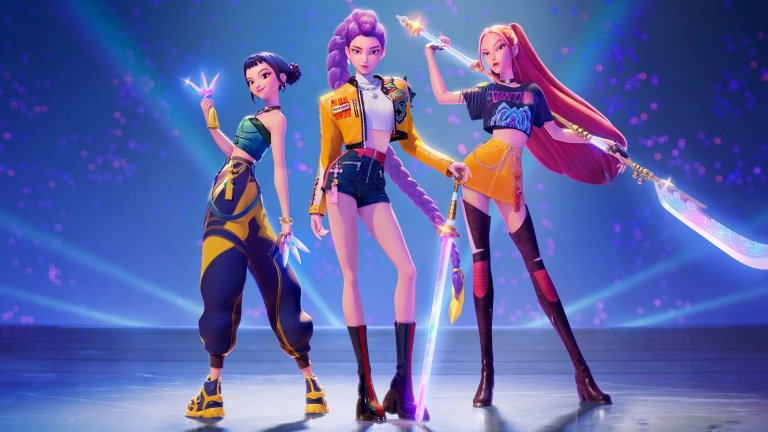
Not since Disney’s Frozen (2013) has an animated feature so readily and deservedly ruled the cultural zeitgeist. Unceremoniously added to Netflix’s catalogue in June, this genre-melding fable broke free of its seemingly-niche target audience to become staple viewing in family households, entice large crowds to theatres with sing-alongs and earn a place in music history by having one of its numbers topping pop-charts the world over.

Driving that success is qualities like a bright palette, flashy visuals, mesmeric fight sequences, great songs, and a trio of distinctive lead characters who come across as quirky, unapologetic dorks, yet just are just as capable of being strong, resourceful and ultra-cool heroines. Even non-fans of Korean pop music and fantasy stories will be won over by KPop Demon Hunters, offering further proof that its studio, Sony Pictures Animation is becoming the industry’s focal point for creative and boundary-pushing works.

9. Wake Up Dead Man
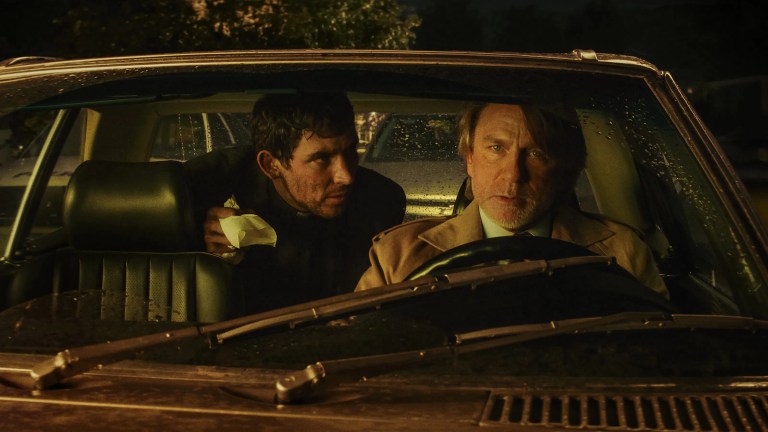
First there was Knives Out (2019), a smart and comedic subversion of the Whodunit that delivered one of cinema’s more memorable characters in recent times; then came Glass Onion (2022) which retained its eccentric protagonist while upping the laughs and intrigue. Following both is Wake Up Dead Man, and though not as inventive nor funny as its precursors, this latest chapter is the most compelling mystery to feature Benoit Blanc so far.

Lying within are pertinent commentaries about the role faith and religion plays in our lives; a script that has viewers guessing and second-guessing until the Agatha Christie-like reveal of the true culprit; and conflicts attuned to contemporary politics which come across as neither snarky nor patronising. And that’s not to forget the all-star list of thespians who inhabit their roles brilliantly, including Daniel Craig who’s delightful once more in the role of Blanc.

8. Superman
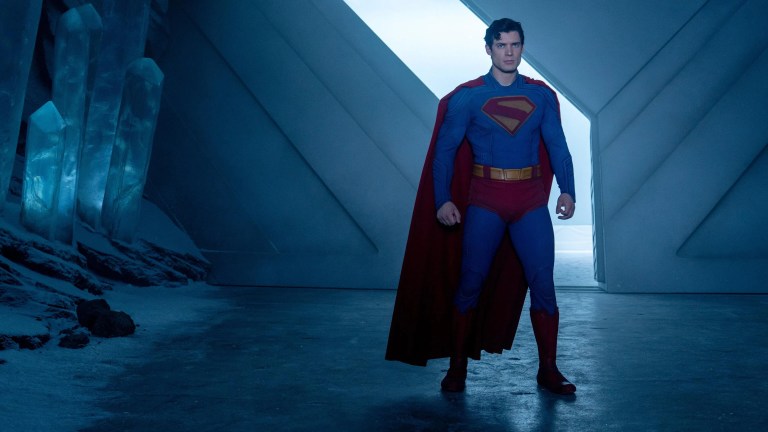
Producing a movie centred on America’s original and ultimate superhero that wins over critics and punters should be an easy task, and yet in this century alone, Warner Bros has twice brought the venerable comic-book franchise to the big screen with a reboot that underwhelmed parties in both camps. Who better, then, to restore faith in the Man of Steel than a director who made a group of obscure, space-faring bounty hunters a box-office drawcard, and transformed a reviled super-villain property into a gag-filled spectacle.

James Gunn’s Superman is a blockbuster that understands the ethos of its titular metahuman better than most adaptations that bear his name – he’s not a god or alien, rather someone just like us who happens to possess otherworldly powers. The film’s tone is welcomely cartoonish and silly but equally sincere and loveable, meaning any initial hesitations about cheap-looking sets and vibrant colour-grading are pretty much forgotten about within minutes. Also worthy of mention is the peerless cast and plentiful references to its Richard Donner-helmed forebear.

7. Mission: Impossible – The Final Reckoning

“I need you to trust me one last time,” says Ethan Hunt to his superiors, though he could well be addressing theatregoers in that statement too. For close to three decades, we trusted him to deliver the kind of high-octane, jaw-dropping thrills that demanded to be seen on the largest screen possible, and our confidence in him was justly rewarded with the eighth feature-length instalment of a spy franchise once confined to television, but now inexplicably linked with the saviour of cinema: Thomas Cruise Mapother IV.

The Final Reckoning is burdened with issues of world-building and slow pacing in its early stages – something of a trend with 2020s action flicks – which soon after yield to some of the tensest action sequences ever witnessed, many involving practical effects and some worrying enough to give viewers a nervous breakdown. Combine that with the pertinent discussions around A.I. and assured direction of Christopher McQuarrie, and the result is a near-perfect send-off.

6. One Battle After Another
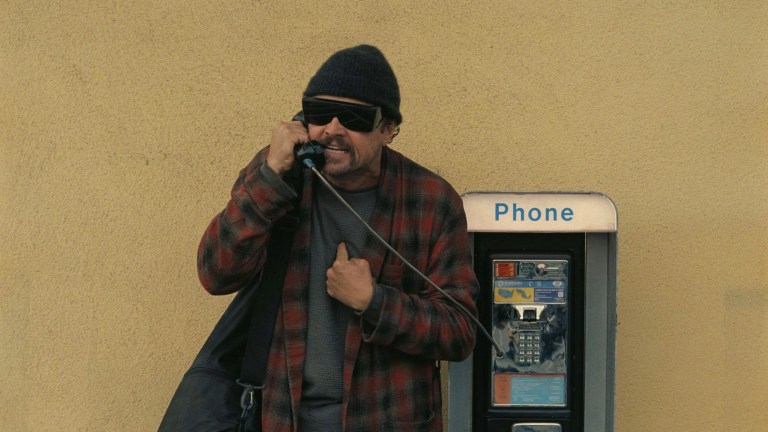
Now for the most contentious opinion shared in our end-of-year reflections – where both of his fellow Rating Frames scribes have placed the latest Paul Thomas Anderson feature at the very top of their lists, yours truly has opted for a less enthusiastic view and a position five rungs below. Reasons why are hard to pinpoint, but there is a nagging sensation that an element is missing, an itch not being scratched; a feeling the picture could be funnier, livelier, more subversive, more bonkers.

None of this is to say that One Battle shouldn’t be showered with praise, or else there’d be no mention of its title here. Of greatest appreciation is Sean Penn as the antagonist Colonel Lockjaw; Jonny Greenwood’s piano-led score which heightens the tension; and a world that perfectly captures the USA’s current political climate (note the militant police forces and sense of autocracy) without hitting too close to home a la Ari Aster’s Eddington.

5. Mickey 17
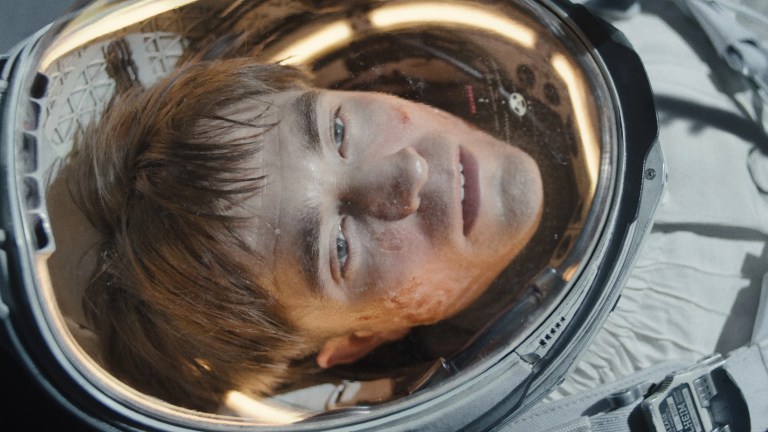
Having effusively asserted himself as one of the best directors working today with the Oscar-winning Parasite (2019), anticipation was high, and the wait long, for Maestro Bong’s follow-up. His newest effort, released in the early months of 2025, draws upon several of the motifs and themes utilised in the Korean auteur’s previous works, yet sets itself apart by – as Arnie pointed out in his Top 10 article – striking a more positive and hopeful tone.

Other merits of Mickey 17 include the fantastic production design with its grimy, rudimentary sets; the hypnotic soundtrack of composer and returning Bong collaborator Jung Jae-il; the superb editing of Yang Jin-mo which keeps the pace smooth throughout; and Mark Ruffalo, who’s a delight in every scene as the Trump-adjacent despot Kenneth Marshall.

4. Bugonia
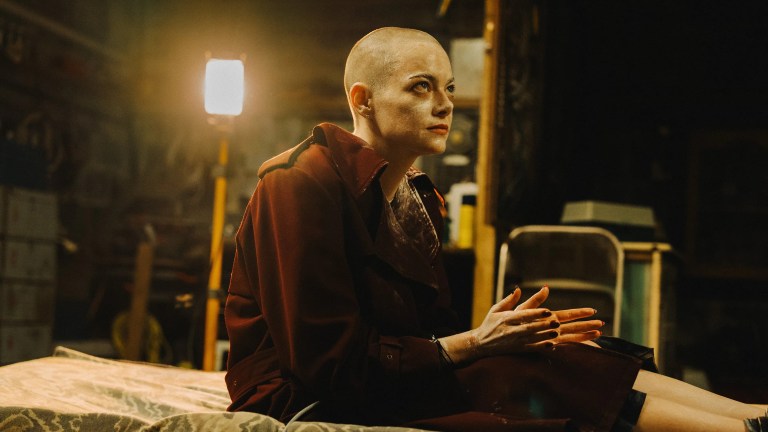
The current political scene is casting a long shadow over Hollywood’s creative output, as evidenced by the previous two films mentioned and their not-so-veiled mocking of the Free World’s supposed leader and his lackeys. That same paranoia can be found in Greek auteur Yorgos Lanthimos’ latest, an allegorical narrative that’s all at once clever, thought-provoking and scary.

In keeping with the rest of Yorgos’ oeuvre, Bugonia has a delightfully off-kilter tone, aided in part by the bombastic, haunting and ethereal score of Jerskin Fendrix. Biting humour alleviates the stressful atmosphere, often when it’s least expected, as does newcomer Aidan Delbis in the role of Don, the screenplay’s moral and rational centre, and someone who very nearly outshines his established co-stars, Emma Stone and Jesse Plemons – both of whom prove to be their usual exceptional selves.

3. Hundreds of Beavers
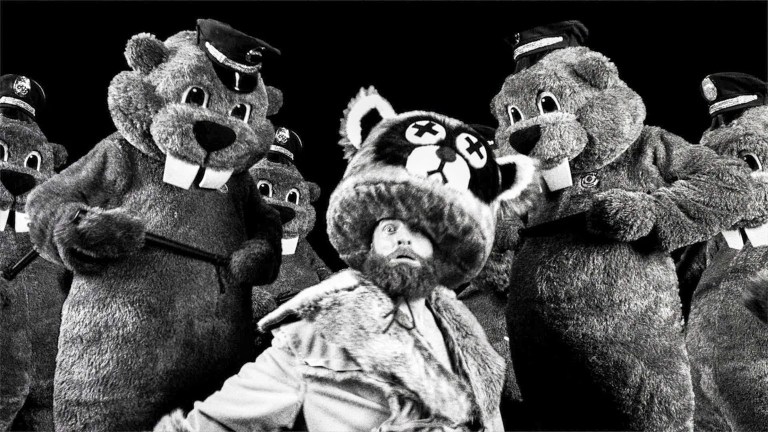
“How on Earth,” you might be wondering, “does a low-budget slapstick comedy which premiered in 2022 end up appearing in a Best of 2025 list?” The answer is thus: for many Australians, the past year was their first chance to see Mike Cheslik’s homage to our favourite medium’s early 20th Century pioneers like Buster Keaton and Harold Lloyd, whether that be through SBS On Demand or limited showings in local theatres like Cinema Nova.

Jokes abound in Hundreds of Beavers, which commits wholeheartedly to the silent-era aesthetics by telling its narrative almost entirely without the spoken word. Most gags are physical in nature with all manner of harm done to our hero, Jean Kayak (Ryland Brickson Cole Tews) and his mammalian foes (various human actors in oversized animal costumes) while a meme-referencing needle-drop over the end-credits provides the cherry on top of a very rich and decadent cake of laughs. You’ll be hard-pressed to find a movie that puts a bigger smile on your face.

2. But Also John Clarke
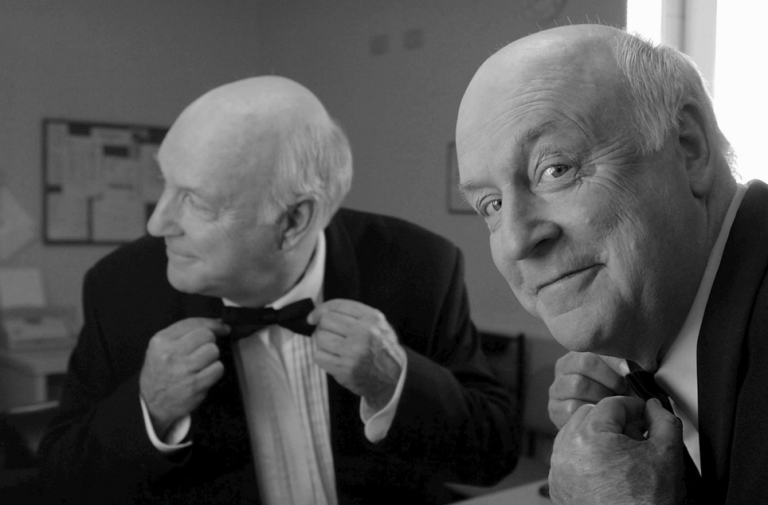
Being a fan of its eponymous subject, and in particular his political satire meant this documentary was virtually assured a placing in this writer’s Top 10 list, and if judged solely on personal sentiment would easily slot into First Place. Indeed, its sole irksome drawback is that not enough time is devoted to his impact beyond Australia and New Zealand.

Yet to view this solely as a fawning appreciation for a comedic titan would be unfair to director Lorin Clarke, for non-fans of her late father will find plenty of interest within But Also John Clarke. Archival clips of his work, some dating back to the 1970s prove just as fresh and witty as when they first aired, while contemporary interviews offer fascinating insights into the legacy of his long-haired, gumboot-toting alter-ego Fred Dagg.

1. Sinners
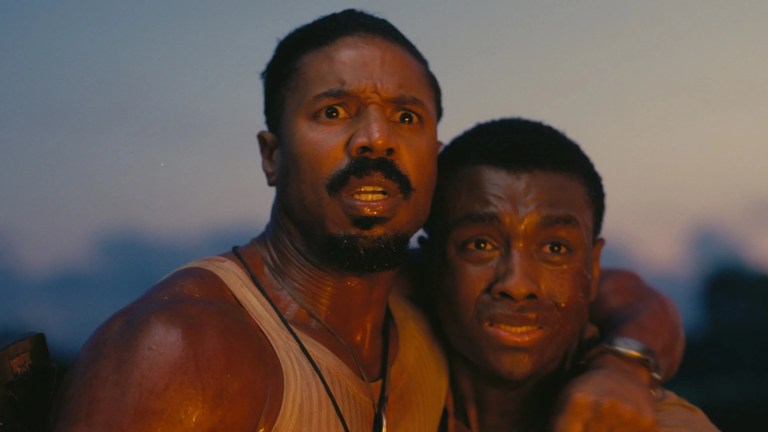
The horror genre has become the go-to place for directors to establish their mark on the medium, whether they be upstarts hoping to earn a name for themselves or industry veterans eyeing status as a legend of their craft; Sinners puts Ryan Coogler firmly and assuredly in the latter category.  To label it simply as a horror flick would be a disservice to Coogler’s genius though, for his blockbuster is an astute melange of several other influences – it’s a Western, a musical, an action flick with tinges of romance and comedy.

Here lies a thrilling, classy and transcendent experience, boasting an excellent cast headlined by Michael B. Jordan in dual roles, alongside phenomenal supporting performances from Wunmi Mosaku, Delroy Lindo, Hailee Steinfeld and Miles Caton. Impressing further is the film’s showstopping music sequence that honours Black artists of every era, and Ludwig Gorannson’s epic blues-inspired score that echoes the strains of Terence Blanchard, all combining to form the most awe-inspiring release of 2025.

Honourable mentions: F1, The Fantastic Four: First Steps, Guillermo del Toro’s Frankenstein and Travis Head’s century in Perth.

The Films of Michael Mann, Ranked

No one manages to blend crime and action on the big screen quite like Michael Mann. From the sprawling cityscapes that act as their own character, to the attention-to-detail with each and every aspect of production, Mann’s films are distinctively his own. It seems fitting then to look back on his stellar oeuvre and try and rank his titles based on my sentiment towards them at this moment in time. This is especially the case following his recent novel and sequel to the iconic Heat (1995), which he co-wrote with Meg Gardiner, and leading up to his Adam Driver-led, Enzo Ferrari biopic, Ferrari (2023).

Of course, like with any list, opinions are different and feelings towards films change as time goes by and depending on where in your life you find yourself. But for now, these are his films ranked from worst (if you can call them that) to best:

11. The Keep (1983)
The Keep

Whether it’s due to the fact that large chunks of this film were cut out, or because it’s the least Mann-esque title on the list, The Keep is what I like to call Mann’s brain fart.

His second feature following the brilliant Thief (1981) represents his first and clearest (as there are elements of this in his true crime thrillers) foray into the horror genre. It’s a film plagued by bland and uninspired performances; a nonsensical narrative involving Nazis, a devilish entity, a supernatural Scott Glenn and one of the strangest but best sex-scenes you’re likely to see in a Mann film or otherwise; an interesting production design; and a pretty neat synthy score by Tangerine Dream.

Given Mann has disowned the film because of Paramount’s treatment of it, one can only imagine what the unreleased director’s cut had in store — we can only hope it graces out screens someday.

10. Manhunter (1986)
Manhunter

Many might find my ranking of Manhunter to be completely against the grain, but this thriller revolving around capturing a psychotic serial killer just never resonated with me on a narrative level like some of the other titles on this list (and I still gave it 3.5/5).

Manhunter focuses on FBI agent Will Graham (William Peterson), a detective who’s come out of retirement to help locate an elusive serial-killer with strange motives. His past experiences hunting figures like Hannibal Lecter (a subtle performance by Brian Cox) means he’s the perfect guy for the job.

Manhunter uses Will and the serial killer he’s hunting to create an interesting parallel between the mind of a psychotic man and the man capable of catching him. Its use of home video and the focus on truly seeing almost posits that these two men aren’t so different in how they see the world, but to different ends and outcomes.  

Whether or not I was expecting a more conventional voyeuristic mystery-thriller in the way that Se7en (1995) or Rear Window (1954) are —where the killer feels like they’re an arm’s length away, only for the satisfaction of catching them to be snatched from you— is difficult to say (perhaps that’s what people love about this?), but I found myself at a crossroads by the third act. I hope my opinion changes on a second viewing.

9. Ali (2001)
Ali

On the surface, a film about Muhammad Ali seems like the farthest thing from a Michael Mann joint. There’s no mesmerising cityscape, no sirens or gunfire, no real suspense in the way that his crime films create suspense, and the subject matter doesn’t exactly scream ‘Michael Mann’.

But this film about the greatest boxer of all time works because of Mann’s interest in figures that don’t play by the rules. Specifically, Ali focuses on the period of time between Ali’s (Will Smith) first major heavyweight bout, the court case filed against him for refusing conscription for the Vietnam War, and his famous win against George Foreman to reclaim the heavyweight title.

Ali’s unilateral decision to not be conscripted was momentous for the fact that he was the heavyweight champion of the world, and making such a decision could affect his ability to box in his prime (which it did). He also reinvented who he was by changing his name and living on his own terms — a staple of Mann characters, but for different reasons. Often his characters are trying to protect others from who they truly are whereas Ali was trying to break away from the branding that others (white slavers) had given him and his people centuries ago.

The opening 15 or so minutes are also arguably Mann’s most compelling in the way that he establishes character, creates purpose and builds tension. At times there’s a suddenness to proceedings where the film makes abrupt leaps in time between the court case announcement, the Joe Frazier fight, and the George Foreman fight, but overall Ali is a portrait of one man’s journey to becoming in the face of adversary.

8. The Last of the Mohicans (1992)
The Last of the Mohicans

Along with The Keep, The Last of the Mohicans represents a different sort of Mann.

Like with Peter Jackson’s first film experience with the classic King Kong (1933) and his eventual reimagining of that classic on his own terms in King Kong (2005), Mann’s first vivid film memory was of 1936’s The Last of the Mohicans.

Helmed by Daniel Day-Lewis as the adopted Mohican, Hawkeye, this period piece about everything from the damning effects of bureaucracy to the Tarzan-esque romanticism of the love affair between Hawkeye and Cora Munro (Madeleine Stowe), is the first Mann film to create a sense of scale that would have greatly shaped the way he approached his later films.

By that I mean Mann finds a balance between showcasing the wide and beautiful terrain of a primeval America against the harshness of the looming modernisation that threatens its existence. This translates onto how the characters react to each other, whether it be through Magua (a mesmerising Wes Studi) and his desire for revenge against the British (for what they took from him) as well as his forward thinking to help his tribe, or through the loud and rampant battle at Fort William Henry that threatens the peace of the land.

Guided by one of the greatest scores of any film ever by Trevor Jones and Randy Edelman which at once evokes hope and sadness, picturesque vistas, and gripping direction that never falters, this Mann-epic is Mann at his most untethered.

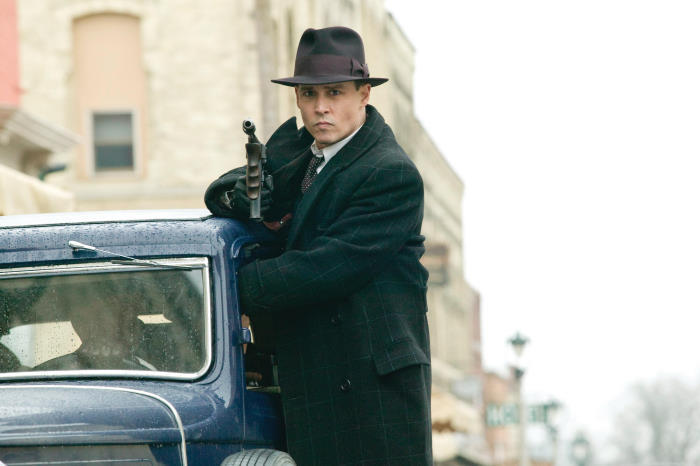
7. Public Enemies (2009)
Public Enemies

When it comes to famous outlaws, there are few that are as iconic as John Dillinger, especially given he was a man who wasn’t interested in stealing from regular people, but the state itself.

That’s partly why he’s the perfect historical figure for a Michael Mann film given his self-defined approach to life.

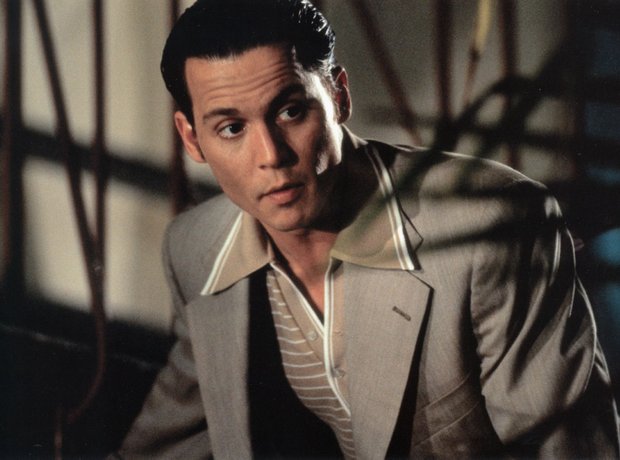
Public Enemies follows Dillinger (Johnny Depp) as he makes prison escape after prison escape, continuously evading capture and robbing banks before finding an added purpose in life in the form of one French-American, Billie Frechette (Marion Cotillard).

Like all of Mann’s anti-heroes, Depp’s Dillinger is charming and elusive all at once. He’s a character infused with an aura of mystique that Depp delivers with the casual suave that his own image beyond the screen has maintained.  

But it’s in the reimagining of the period through a digital lens where Public Enemies really excels. The moody greys, dark passages and almost colourless world are so striking here that it creates a more profound hyper-realism — almost bringing the 1930s to life in a way that shooting on film wouldn’t.

6. The Insider (1999)
The Insider

A film about a man’s grapple with doing what’s morally right or being forced into silence by forces greater than him; The Insider, in true Mann-style, is an exercise in patience — in waiting for the right moment to make a move before it’s too late.

Unlike Mann’s other thrillers though, The Insider doesn’t have vans of heavily armed forces hiding around the corner, but it instead puts its faith in the truth overcoming the odds. That truth is in the form of former tobacco chemical scientist, Jeffrey Wigand (Russell Crowe) and the 60 Minutes producer looking to help bring his story to light, Lowell Bergman (Al Pacino). The odds are the Brown and Williamson Tobacco Company who are trying to keep Jeffrey, and this story around what really happens to tobacco, silent.

Guided by Mann’s brilliant direction, a well-crafted script by Mann and Eric Roth, and a standout performance from Al Pacino in an unfamiliar but equally familiar performance, The Insider paints a perplexing portrait of the lengths to which vindictive multi-billion dollar organisations will go to in order to supress information. It brings various parties with differing interests together, and creates a wide web of uncertainty for all involved — with no clear contingencies, but everything to lose for everyone involved.   

5. Blackhat (2015)
Blackhat

Michael Mann’s most recent film feels like a sum of all of his best parts (it’s also been eight years since it was released!).

The film follows hacker Nicholas Hathaway (a career-best performance from Chris Hemsworth) who, after a series of awry events happen by an unknown source, is released from prison for the purpose of helping discover the person behind these events.

Blackhat is where ideas meet, characters converge, and where the tangible coalesces with the intangible.

In a similar way to Manhunter (but without the straining of classic thriller conventions) and Heat, this film once again depicts two sides of the same coin — Hathaway as the hacker-turned-FBI collaborator, and the unknown hacker blowing up coolant pipes and infiltrating wall-street. One is front and centre for the audience, while the other is kept faceless. While their intentions are different, they occupy a similar space like almost all of Mann’s characters do, but Blackhat is different to his past films because of how it bridges the characters worlds together and carries and communicates messages.

Mann uses modern technology to create a divide (the intangible), and forces his characters to embrace human interaction and connection (the tangible) if they are to overcome this threat.

His portrayal of the L.A. and Hong Kong maze of buildings and their bright lights speaks to the lack of personality or distinguished features in these settings, which fizzles down to the people who fade into each other like ones and zeros. It’s a wider critique on getting lost in the masses at a macro level, and getting lost in the code on a micro level.

Hathaway is the vessel Mann uses here to try and break through the code and by extension, this front that a world lacking real connections, has maintained — with Hemsworth using his size and stature to brilliant avail.

The closing sequence sees Hathaway concoct weapons and armour out of everyday tools, as though Mann is returning man to a primitive state before the world of data and technology became the guiding force. Hathaway gets the upper hand, and walks away in perhaps Mann’s most optimistic ending.

4. Thief (1981)
Thief

The OG Mann, Thief introduced audiences to this true-crime loving director who focuses on characters that take pride in the work they do, sometimes fall in love in the process, and live life on their own terms.

For expert safe-cracker and straight-talker, Frank (James Caan), he embodies the above perhaps more than any other character in Mann’s oeuvre. It might be because this is Mann’s most contained film in that it isn’t made up of major set pieces and crowded settings, but instead allows Caan to revel in the dialogue and the weight behind his words.

Thief is about a man on a mission to tick off his checklist of wants before cashing out. It’s also about a man refusing to bow down to the interests of others, instead taking it upon himself to shape his own destiny at any cost.

3. Collateral (2004)
Collateral

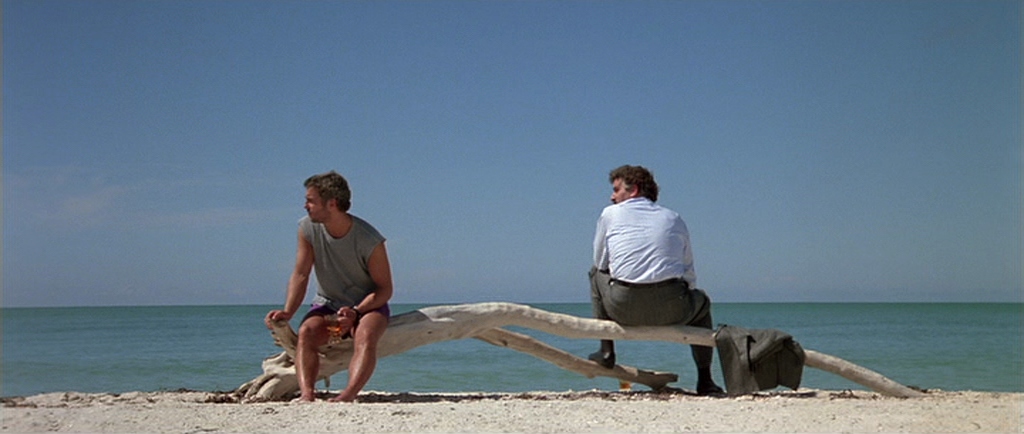
Two guys in a car, strangers to each other, both operating on a routine, a structure that they rarely break from, moving as one through the luminous L.A. night but to different ends.  

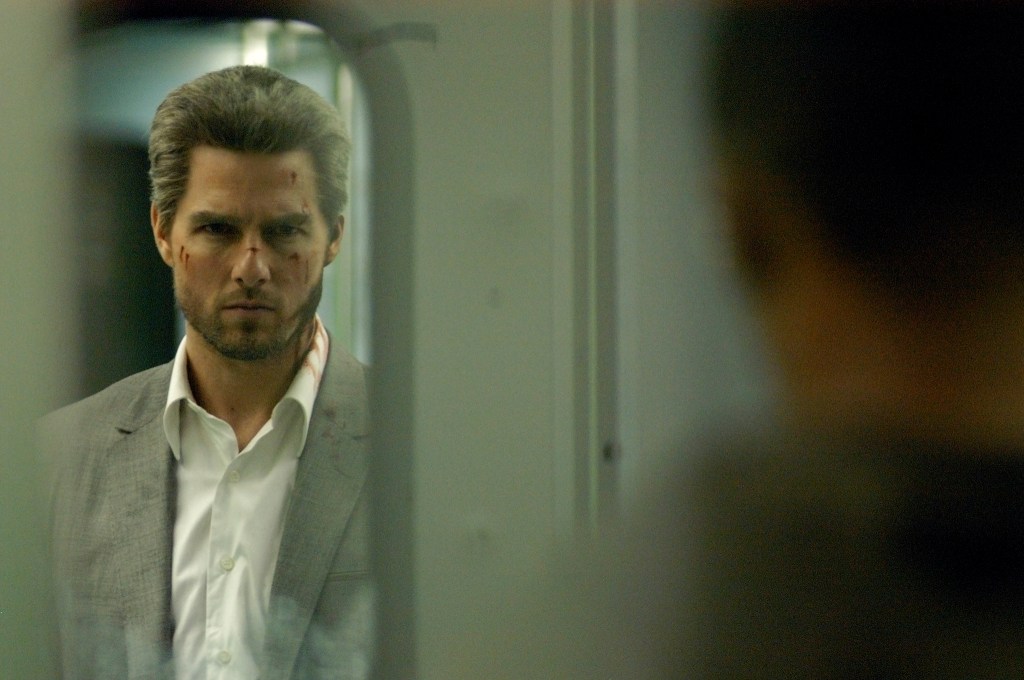
Collateral is a wonderous neo-noir that pivots two men with differing moral compasses against each other: Max (Jamie Foxx), a slave to his inhibition, to his failure to act and make a difference to his life; and Vincent (Tom Cruise), a man untethered, a multi-faceted nihilistic hitman who gets in, gets out, and keeps moving forward.

Much has already been written on Collateral, from its vivid imagery to the rawness of its digitised look — at once enticing and haunting. Vincent poses a threat to Max’s idealised vision of tomorrow, but also an opportunity to start making things happen and not idle by.

2. Heat (1995)
Heat

What does one even say about what, in the eyes of many, is Mann’s magnum-opus?

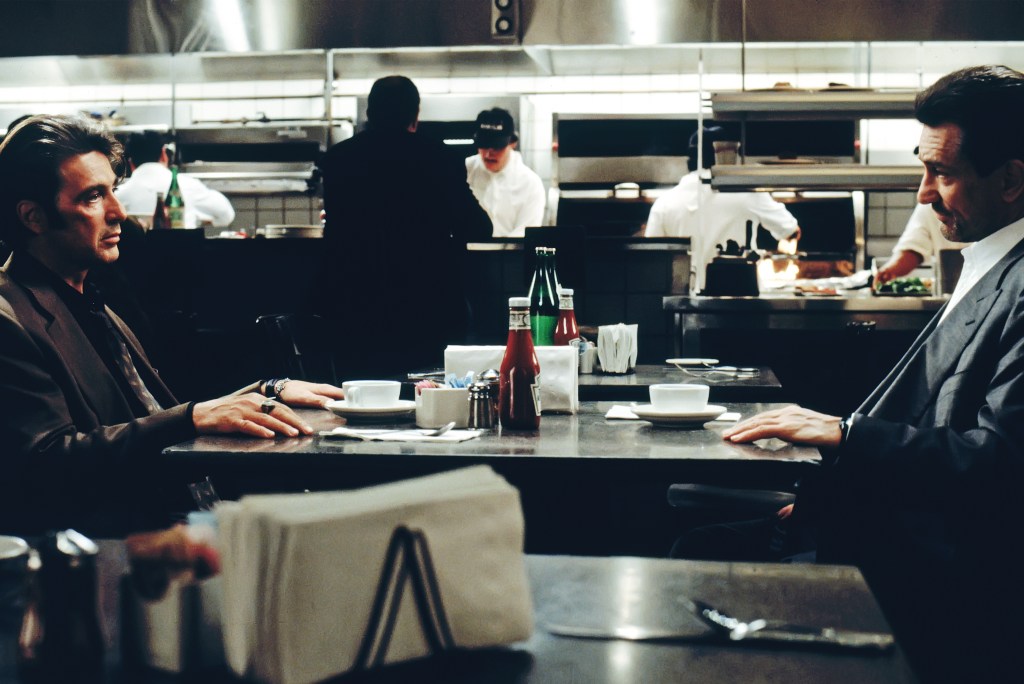
Heat is the sum of many parts, but it doesn’t work without its two key pieces: Al Pacino and Robert de Niro. The duo, reunited together on a feature for the first time (and for the first time ever in the same scene/s) since The Godfather Part II (1974), Pacino and de Niro are two sides of the same coin.

Vincent Hanna and Neil McCauley are like yin and yang — they don’t mix but they can’t function without one another. This speaks to Mann’s wider commentary on good vs evil, crime vs order which has been the focal point for 90% of his oeuvre. In Heat, Pacino and de Niro accentuate Mann’s fascination with these binary opposites to their full extent.

It’s as though these characters revel in the chase, of being the hunter and the prey, and they treat it like a drug that supersedes everything else in life. Mann brilliantly captures this through bright neon lights and the wider city which acts as its own sanctum that gives weight to the chase. Nothing is as beautiful as the city lights in a Mann film where cop cars race down the freeway in a storm of intensity.

But Heat is also made up of moments: the diner scene between Neil and Vincent is one of the greatest moments of character interaction in cinema history as these two men come face to face, pause the chase, and acknowledge each other; the downtown LA shootout where Mann shut down multiple blocks to shoot one of the most jaw-dropping scenes in any film ever; and the poignant finale where the two leads lock horns for the last time.

Without Heat, we may never have had The Dark Knight (2008), and that’s just one extra reason to watch this if you haven’t.

1. Miami Vice (2006)
Miami Vice

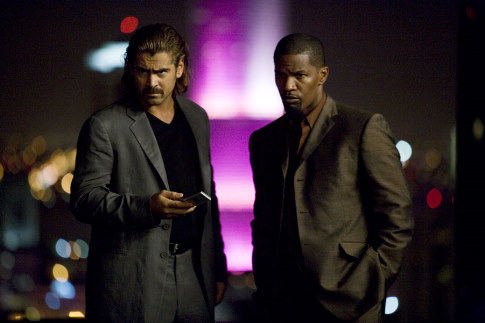
I’m sure Miami Vice is a top-three Mann on anyone’s ranking of his work, but this bustling neo-noir about two under-cover detectives goes beyond the 80s show of the same name to become a gripping tale of people accepting that they’re living on borrowed time and learning how to manage the time they have left.

On the surface, Miami Vice is a buddy-cop thriller about two detectives infiltrating an offshore drug operation where they act as the middle-man between the international supplier and the local Miami buyer. Their mission is to find out who the buyer is, but the deeper they find themselves in the operation, the more they realise they’ll never have an opportunity like this again.

Jamie Foxx and Colin Farrell are the two leads here and (while already the case with Foxx) they instantly fit the Mann-model of characters who don’t always play by the books, are good at what they do, and sometimes make rash, emotionally led decisions.

But it’s through Mann’s ability to capture the fleeting nature of life, the suddenness of a bust and the shootouts that ensue, where Miami Vice makes a case for his best film. There’s a dream-like tranquillity to the use of digital footage here that might just be the best example of creating evocative images in the digital format. From the bright hues of the nightlife and its clubs to the more intimate sensual moments, there’s a sense of liveliness and temporality mixed together in the film’s visual language.

Mann’s growing fascination with the commodification and expendability of the human body really started gaining momentum here as well. Whether it be in the film’s final shootout where bodies drop at a whim or the use of people as shields for getting what you want (drugs, cash, obedience), it’s an aspect of his films that really does speak to how precious those moments of human interaction are for his characters when they do have them.

The 5 Best Johnny Depp Performances, Ranked

Geoffrey Rush has hailed him as “one of the great character actors of our time, trapped in a leading man’s body” and whether you love him or hate him, there’s no denying that Johnny Depp has cashed in some of the most unique and memorable performances of the last 30 or so years. From Edward Scissorhands, Ed Wood, and Donnie Brasco right through to Captain Jack Sparrow, Willy Wonka and Sweeny Todd  — there’s no shortage of the irreverent and iconic. These are Johnny Depp’s five best performances, ranked.

5. Donnie Brasco in Donnie Brasco (1997)
Johnny Depp as Donnie Brasco

Directed by Mike Newell and based on a true story (‘Donnie Brasco: My Undercover Life in the Mafia’), Donnie Brasco represents the first real instance where Depp plays a straight shooting, no nonsense character on the big screen.

Depp’s character, Joe Pistone, infiltrates the New York mafia under the guise of Donnie Brasco where he befriends Lefty Ruggiero (Al Pacino) and works undercover to expose mafia leader Sonny Black (Michael Madsen).

It is through the Depp/Pacino on-screen dynamic that this film separates itself from simply being another cliched 90s gangster, mafia type ordeal. Pacino plays a much more heartfelt character while channelling all the qualities (loud voice, edgy movements, alluring eyes) that have underpinned his performances prior.

Depp compliments Pacino’s supporting role by matching him in those qualities while also proving that he has more reach as an actor should he be offered the right role to display it. He plays the anxiousness of this character so effectively and you can sense the difficulty of his characters position as an informant through this anxiousness.

4. Ed Wood in Ed Wood (1994)
Johnny Depp as Ed Wood

The first of two Tim Burton collaborations on this list, Ed Wood is perhaps best known for Martin Landau’s Oscar winning support performance, but Johnny Depp’s portrayal as the titular cult classic filmmaker was just as profound.

Like the real Edward Wood, Depp has certain eccentricities that can come across as quite peculiar, and they have allowed him to play strange characters, like Wood, on-screen in ways that other actors would not have. Depp’s casting as Wood can be considered a “perfect fit” by Richard Dyer’s work on Star Theory, as his star image fits perfectly with all the traits of the character, and he leans into the strangeness of Tim Burton’s own unique vision to bring the character to life.

In this way, Depp’s performance as Ed Wood is the first real instance where the actor finds a balance between the humorous characteristics he would later inject into his performances to a greater extent, as well as the more heightened moments of ecstaticity.

3. John Dillinger in Public Enemies (2009)
Johnny Depp as John Dillinger

Depp’s performance as the notorious American gangster/outlaw John Dillinger is perhaps the most contentious on this list. That might be due to the film in question, with Public Enemies being one of Michael Mann’s less layered works compared to say Heat (1995) or Collateral (2004), but it works because Mann is able to get the best out of his performers.

John Dillinger was evidently quite a misunderstood man by Mann’s depiction as he was more interested in taking from the state rather than from regular folk and found a certain connection to the people, and they to him. Depp can be seen as quite a misunderstood figure as well if not for his really uncanny demeanour, then definitely for the way he approaches his work and collaborations.

His performance as Dillinger is quite a strong one in that sense and it also represents a return to performances and films more akin to Donnie Brasco and a later mafia-esque film in Black Mass (2015).

2. Edward Scissorhands in Edward Scissorhands (1990)
Johnny Depp as Edward Scissorhands

Edward Scissorhands is easily one of Depp’s best performances due to how well the actor brings Tim Burton’s interest in outsiders and outcasts to light. Burton has never been shy on exploring characters who separate themselves from the public eye (like in his Batman films) or characters immersed in strange, gothic settings (like in 1988’s Beetlejuice).

A large reason why films like Edward Scissorhands and Sweeny Todd: The Demon Barber of Fleet Street (2007) work is because the synergy between Depp and Burton allows them to get to the heart of why these characters are the way they are.

There’s no doubt that Burton has nurtured Depp’s performances in ways other directors haven’t, but it’s in that very strangeness where Depp is at his best and can convince you that there could well be someone like Edward Scissorhands (figuratively speaking) out there. This performance is one of his best due to how well he uses his facial expressions, physicality and gestures, as the character rarely (if ever) actually speaks.

1. Captain Jack Sparrow in Pirates of the Caribbean (2003-2017)
Johnny Depp as Captain Jack Sparrow

It wouldn’t be a ‘best performances by Johnny Depp list’ without the iconic Captain Jack Sparrow. Aside from the fact that Gore Verbinski’s original Pirates trilogy is one of the most audacious and well worked in cinema history, it simply wouldn’t be as memorable without Depp’s very individualised performance as Captain Jack Sparrow.

Depp not only imbued Sparrow with his own signature idiosyncrasies and oddness, but he also drove a majority of the creative choices around the character. From the Pepé Le Pew and Keith Richards inspired look/feel, to the very specifics of how he walked and talked — this character went against the grain of expectation that Disney had initially wanted.

Depp subverted the image of how pirates historically acted and carried themselves by playing the role in a very caricature like manner. He injected Sparrow with a certain flamboyance courtesy of his gestures, and gave him a drunken demeanour even when Sparrow was at his most sober. Depp went as far as to suggest that the character should walk normally when he is on the ship, while being off-kilter and erratic when on land.

All of these choices alongside the bravado with which Depp delivered them through his performative toolkit are what gave the Pirates franchise such clear bearings. There is no Pirates of the Caribbean without Jack Sparrow and there is no Jack Sparrow without Johnny Depp.

Notable omissions: Sweeny Todd in Sweeny Todd: The Demon Barber of Fleet Street (2007), William Blake in Dead Man (1995), and Ichabod Crane in Sleepy Hollow (1999).