Best of 2025: Darcy’s Picks

With 2025 having drawn to a close, Rating Frames is looking back at the past twelve months of cinema and streaming releases that have come our way. In the second of our series of articles, Darcy is taking a look at his ten favourite films of the year that was.

The medium is the message of films in 2025. In a time where feature filmmaking has to, in some form or another, justify its existence on the screen in comparison to TV or internet slop fed through an infinite reel, the best work to come out this year weaponises the stranglehold a great long-form story can have on an audience. A mixture of old masters and bright new talents across genres and styles, the top of a terrific year in film was all improved by viewing them in a packed theatre, demonstrating that cinema is still at its best as a communal experience, from incisive documentaries and quiet family dramas to a provocative action spectacle that invites an audience to question its worldview.

10. The Perfect Neighbor
So much of good documentary work comes down to access and editing, and Geeta Gandbhir’s heartbreaking portrait of a Ajike Owens’ Florida community and the very active role racism can take in someone’s life has both in droves. Using almost exclusively bodycam footage, police station security tapes, and 911 calls, Gandbhir and editor Viridiana Lieberman weave a poignant and incisive story of the state’s Stand Your Ground laws and the reality of how they are abused. No other film this year will make your blood boil and your heart sink.

9. 28 Years Later

Returning 18 years later with a supposed three screenplays in hand, Alex Garland (a personal favourite writer) wanted to tell the story of the UK in recent years in a franchise that has defined a lot of 21st Century English cinema, with a remarkable and unexpectedly emotional film. Centring on a young family led by an impressive newcomer in Alfie Williams, the rich level of depth and commentary in 28 Years Later allows what could’ve easily been a quick money grab by Garland and Danny Boyle to become an instant Brexit classic. With its exploration of community and isolationism with the backdrop of a widespread outbreak, 28 Years Later places itself at the forefront of art in conversation with the world in the 2020s.

8. The Mastermind
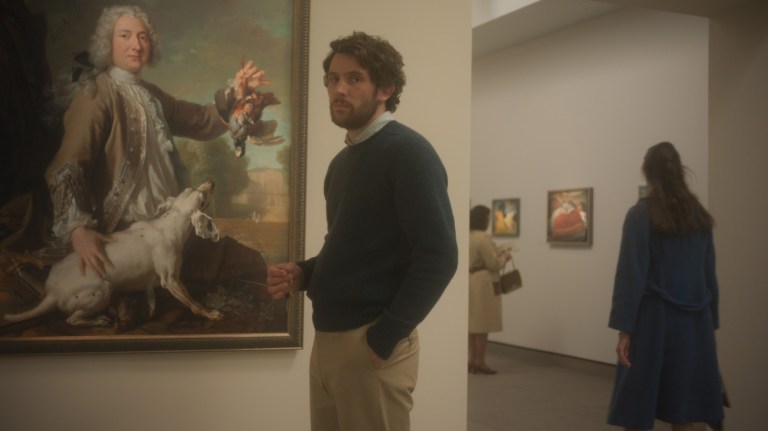
A sleepy political heist hangout with the actor of the moment, Kelly Reichardt’s 70s whisper-of-a-film will leave a long tail that may define the year in the future. Starring Josh O’Connor in his best performance to date as an uninspired suburban dad wanting to pull off an art heist, The Mastermind glides through its own world with a protagonist who believes himself smart and savvy enough to pull off the crime. Reichardt’s hidden sharp blade of focusing on someone causing chaos through their quiet ego of knowing better than those around them allows the world around O’Connor to build from gentle embers to a raging fire.

7. Sorry, Baby
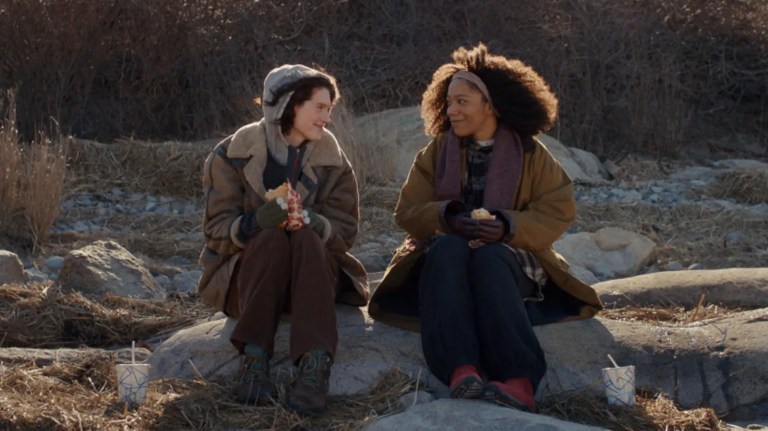
A wonderfully modern dramedy, Sorry, Baby may just usher in a new era of 2020s mumblecore with a shining new voice in Eva Victor. A story that easily could’ve landed on television and overextended, Victor, who wrote, directed, and starred in this thorny comedy of unsurety, loves cinema enough to operate and thrive within the condensed medium. As a young, depressed literary professor, Victor’s Agnes is one of the best cinematic characters of the year, a charming and thorny person you can’t help but connect with. A film that handles heavy subjects with grace and clarity, Victor has emerged as one of the brightest emerging filmmakers and performers in years.

6. Sirât
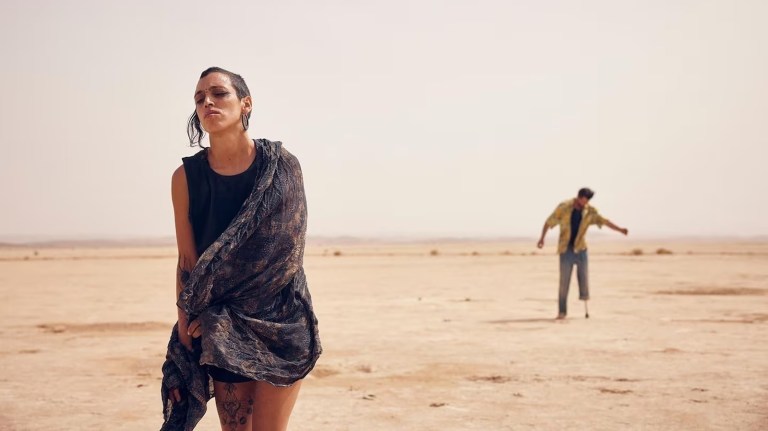
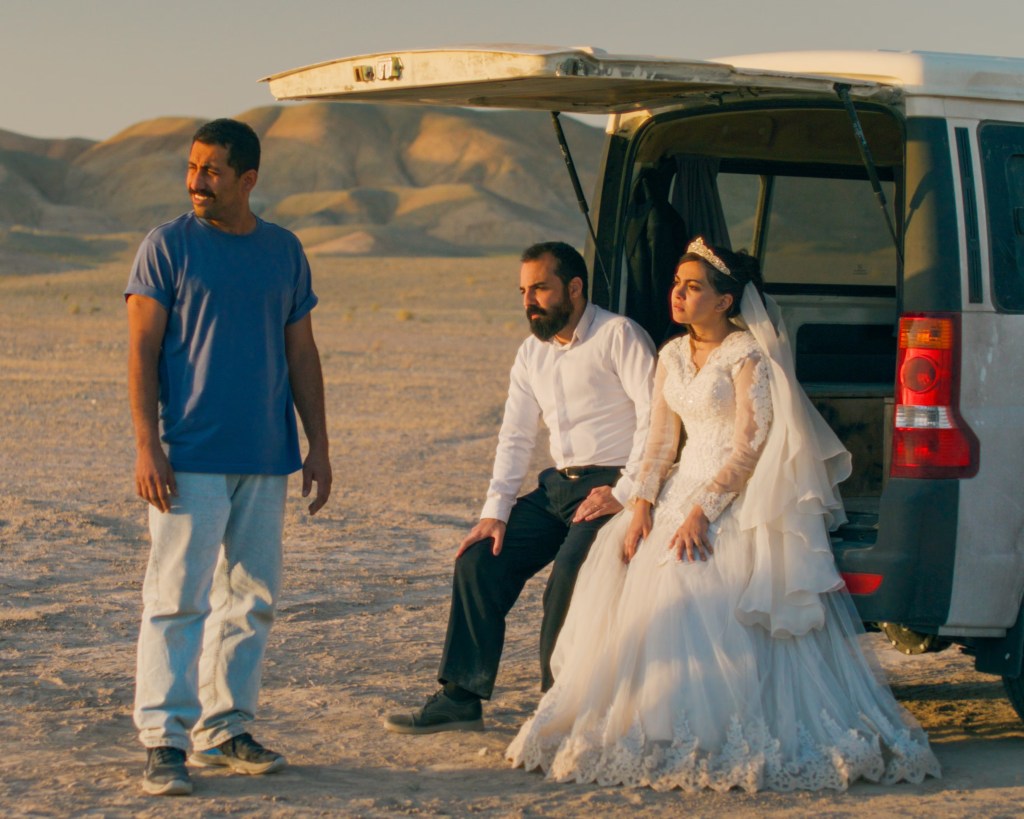
A modern experiential travel saga akin to William Friedkin’s Sorcerer (1977), Oliver Laxe’s Sirât must be seen to be believed, with several earth-shaking moments that will dig into your bones and leave scars. A shocking cinematic experience, Sirât follows a father and son as they search through an underground Moroccan desert rave scene to find their daughter and sister. The film explores community and connection, propelling you forward in line with Kangding Ray’s incredible music soundscapes.

5. Sinners
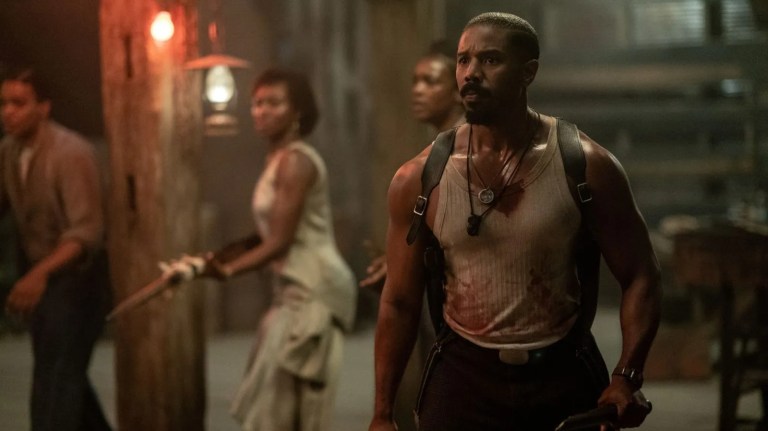
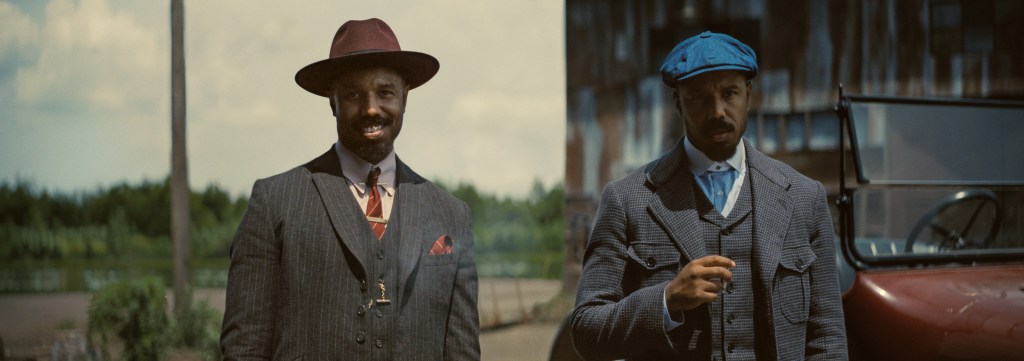
The future promise of exciting blockbuster cinema is also one of the most enjoyable and prickly films of the year. Ryan Coogler’s exploration into race, music, and history is tied to an explosive vampire action film that proves adults will still show up if given some real meat to sink their teeth into. With a terrific ensemble and a remarkable breakout by Miles Caton (so good you do not question his future self played by Buddy Guy), Coogler’s musical knows how to entertain a crowd while still provoking thoughts about how culture and music are consumed.

4. BLKNWS: Terms & Conditions
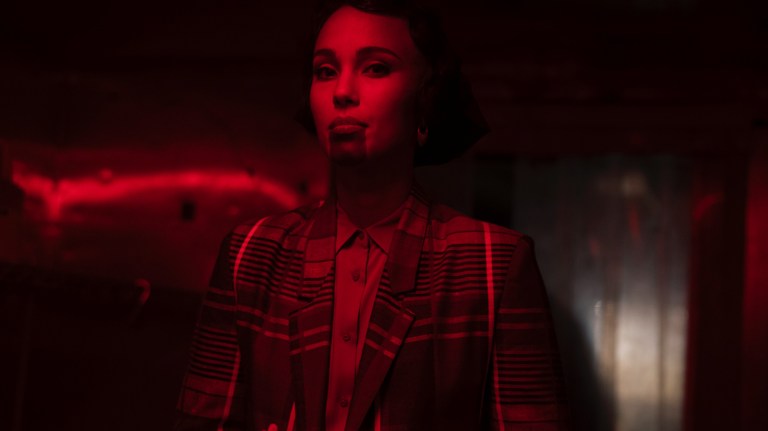
My most anticipated film experience of the year delivers and beguiles like no other. Perhaps the greatest music video director around, working with Beyonce, Kendrick Lamar, FKA Twigs, and Flying Lotus, Kahlil Joseph has a visual eye that blends hyper-modern documentary styles — which includes YouTube clips and memes — with his love and influence from the legendary Thai director Apichatpong Weerasethakul. Debuting the first iteration of BLKNWS at the Venice Biennale in 2019 as a video installation, Joseph and A24 collaborated to expand the work into a feature-length experience like no other. The film will be hard to track down, but it is as essential a watch in 2025 as any film on this list. BLKNWS: Terms & Conditions is a dense yet enjoyable work that will have you asking more from documentary and experiential cinema for the rest of the decade.

3. Sentimental Value
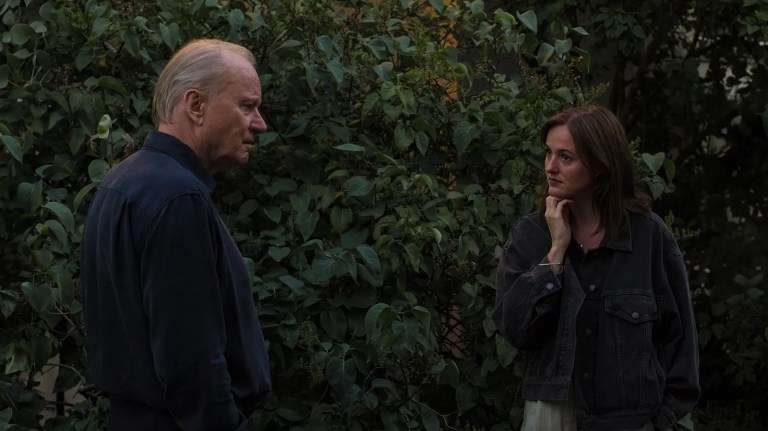
A tremendous follow up to Joachim Trier’s millennial classic The Worst Person in the World (2021), Sentimental Value pulses and ripples through generations of familial connection and disconnection with grace and power that feels open and inviting even in its thorniest moments. Trier and all his creative collaborators understand that to create is to bridge an ocean of the unsaid, even if that means building a replica of your generational family home on a soundstage, only to have it hidden on the 18th page of the Netflix arthouse section. Trier and Vogt understand deeply how, even through that artifice, true openness and connection can be translated into a final, powerful image of understanding but not resolution.

2. No Other Choice

With all respect to the perfect chase scene at the conclusion of the film at the top of my list, the master of the final act, Park Chan Wook’s No Other Choice, has the finale of the year. A glorious send-up of modern late-stage capitalism as a ‘be careful what you wish for’ fairy tale that blends melodrama into a living nightmare into the best satire in years. How Park doesn’t arrive at a place of crippling nihilism in its final moments but of cruel irony and humanity is nothing short of astounding. His revenge fables are without equal in modern storytelling, with No Other Choice entering this extended canon in surprising ways. No one is pushing the language of cinematic storytelling more than Park with his visualisations of doomscrolling as a uniquely modern debilitation.

1. One Battle After Another
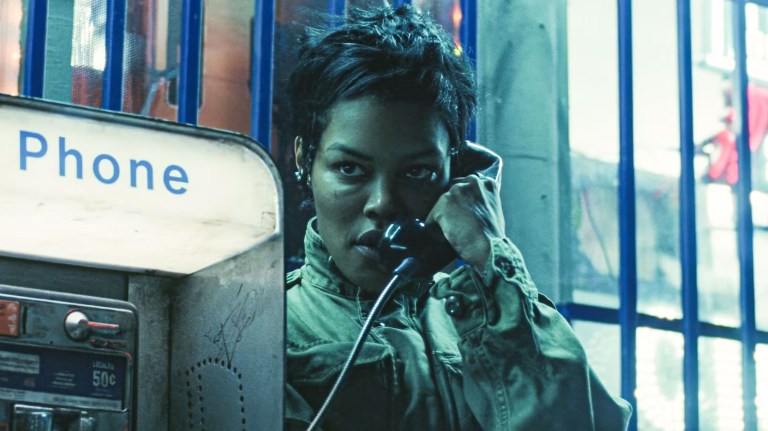
A film that leaps off the screen in an instant, One Battle After Another works the way most immediately immortal films do. And much like many of the great immortal films, I find myself reading rather than writing about Paul Thomas Anderson’s incisive work of contemporary revolutionary cinema that even when it pulls punches, compels you forward. I’m not surprised a new PTA film that finally delves into contemporary life is my favourite film to be released in its 2020s, as his deeply humanist approach to writing over the last 30 years has defined so much of my taste in art. Combine that with subject matter I find endlessly compelling as a modern look at the humanity and personhood of revolutionaries that is fuelled by the past but never backwards-looking, and you have a film that will be the yardstick all other films will be measured against.

Honourable mentions: Black Bag, Caught By The Tides, Eephus.
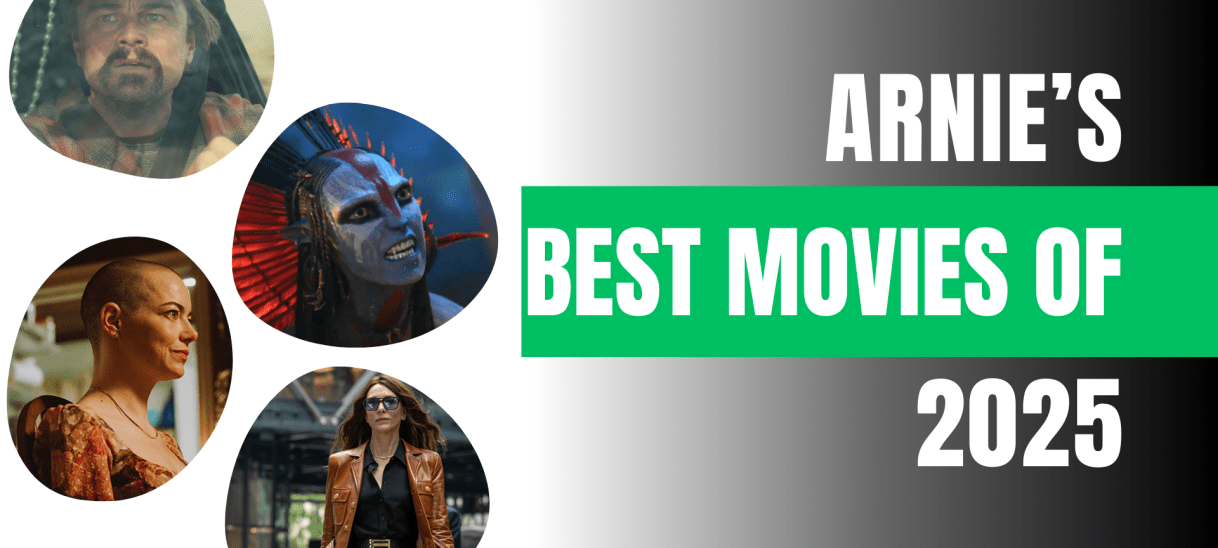
Best of 2025: Arnie’s Picks

With 2025 having drawn to a close, Rating Frames is looking back at the past twelve months of cinema and streaming releases that have come our way. In the first of our series of articles, Arnie is taking a look at his ten favourite films of the year that was.

In what I think is probably the strongest year in film for the current decade (surpassed only by 2021), I managed to squeeze in 36 new releases (equal to last year) and would probably have had more had I not gone overseas for a few months. That said, 2025 surprised me with just how strong the year was, with my top 10 (save for perhaps my no 1 and 2 spots) easily interchangeable depending on my mood. I did miss a few films that I really wanted to see and will hopefully see in the next month like Rental Family, Sentimental Value and Train Dreams, but overall I am delighted with what my top 10 is looking like. Here’s to a bigger and better 2026!

10. Black Bag

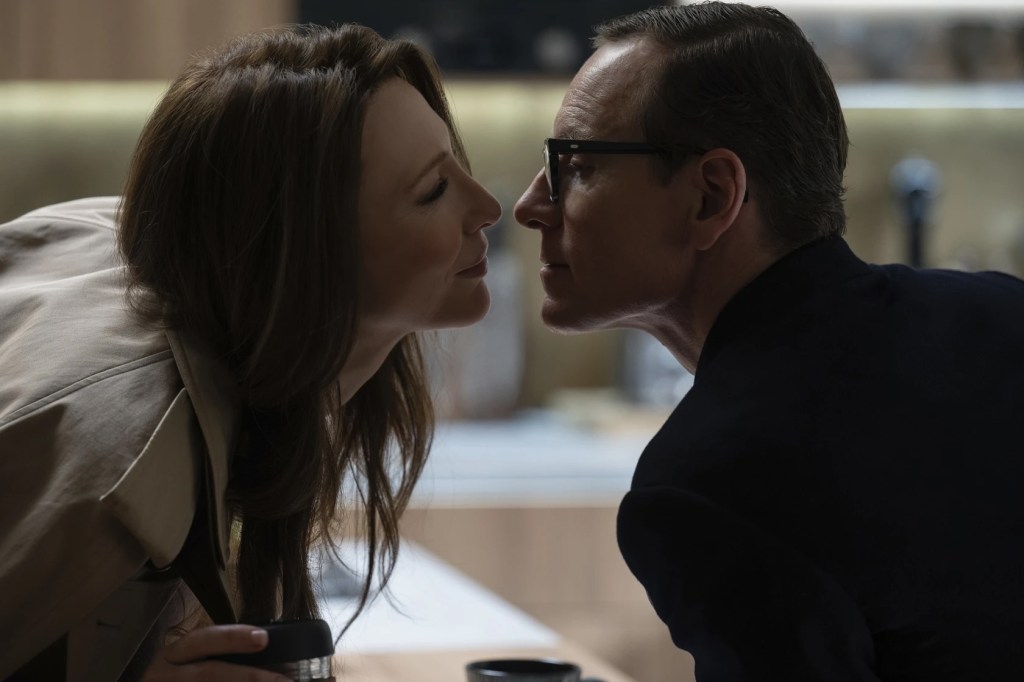
While it feels like forever since Steven Soderbergh’s Black Bag was released, the thriller has stuck with me for it’s a punchy, measured and meditative approach in telling its story as it focuses on the importance of trust in relationships, but amplifies that tenfold by throwing spies and high stakes into the mix. The film is an exercise in precision, in patience, in waiting for the right moment to make your move but takes a snappy, well paced approach in portraying those aspects. Michael Fassbender’s coolness and straight-talking robotic like persona is matched by Cate Blanchett, with the duo finding a dance like rhythm / choreography every time they’re on screen, making it intoxicating to watch them to the point where you feel like a third wheel between their sexual chemistry. To top it off, the film is around 90minutes and doesn’t waste a second, demonstrating Soderbergh’s knack for pacing and witty dialogue when it comes to thrillers.

9. Mission: Impossible – The Final Reckoning

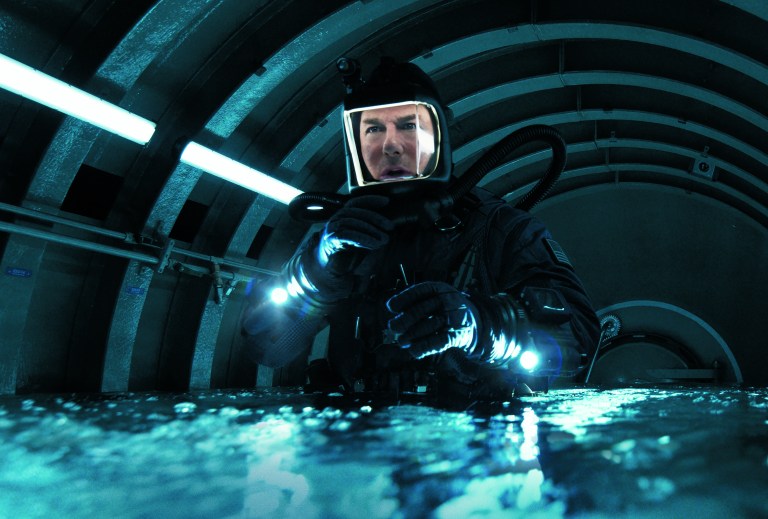
Speaking of thrillers, the final entry in Tom Cruise’s Mission: Impossible franchise, The Final Reckoning, is an exhilarating finale to this almost 30 year exercise in pushing the boundaries of what is possible on the big screen. While it doesn’t quite hit the highs of Fallout (2018) and Dead Reckoning Part One (2023) in terms of scale and plotting, Christopher McQuarrie and Tom Cruise sign off in style, with everything from deep sea submarine diving to flying and dangling off of aeroplanes because… well… why not. The film does take some time to really kick into gear, with a beefy first act having a weightiness to it that takes a moment to shake off as story threads are tied from past films, but once it gets to the fun and games of the second act, it has that free flowing, pacey energy that the franchise is known for.

8. If I Had Legs I’d Kick You

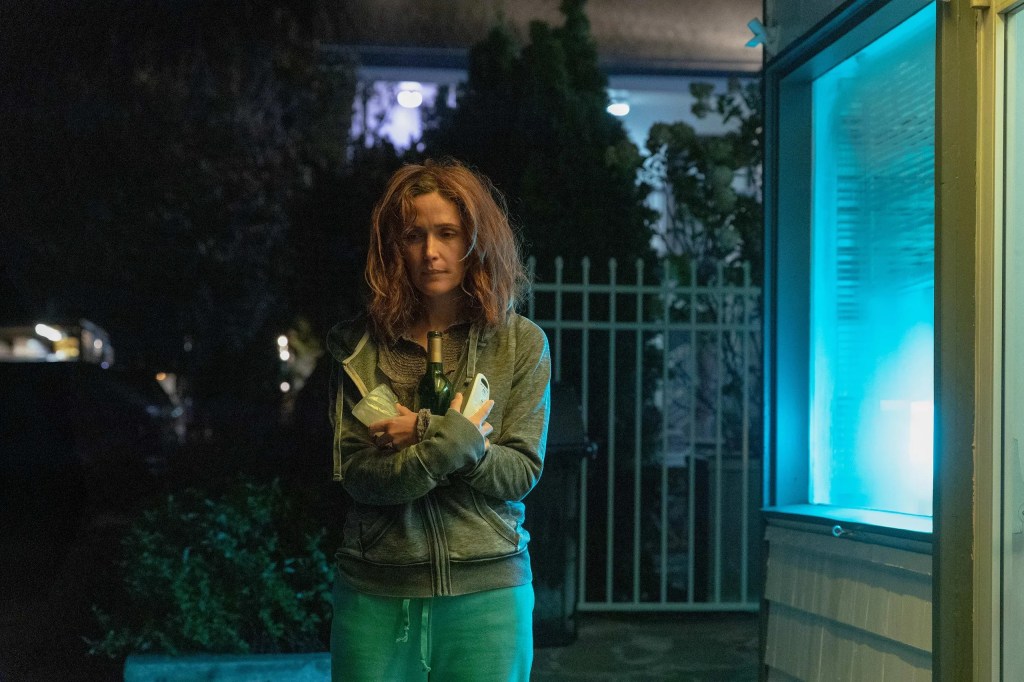
If I Had Legs I’d Kick You came as a late entry for me but quickly cemented itself in my top 10. For starters, Rose Byrne delivers one of the most electrifying performances of the past few years and easily a career best which is sure to earn her an Oscar nomination and perhaps the Oscar itself. Secondly, this is the most stressful film I’ve watched in a long time with Mary Bronstein creating a sense of tension and holding on to it throughout the film’s majority through Byrne’s performance and her ability to isolate her in and around the problems she has, giving the film an almost straitjacket feeling that can’t be shaken off.

The approach to focus on a woman who has this literal and figurative hole in her life that is a reflection of her struggles to raise a sick child while her husband compounds her struggles from a distance (as he isn’t present), creates a simmer that never seems to cool down. Coupled with a camera that maintains a relatively tight close up on her for the most part and works in tandem with a score that has a dread like quality, amplifies the sense of hopelessness that the character endures.

7. Avatar: Fire and Ash

James Cameron’s third entry in the Avatar franchise is the biggest and most visually striking film of the year, and it’s a testament to the director’s desire to push the medium forward by pulling out all stops. The CGI and performance capture are unmatched in Fire and Ash as is the lifelike quality of Pandora and its blue inhabitants, the flora and fauna, and the wider setting. While the script feels a little more drawn out and repetitive compared to the previous two films (there’s a lot of similar story beats and wonky subplots), the heart of the film and Cameron’s love for this universe shine through in its three and a bit hour runtime.

Listening to Cameron’s interviews after having seen the film have bought me into his vision even more and helped me appreciate the level of depth and thought that go into every performance and the way the world interacts with these performances (almost a video game-esque quality). Sometimes the transition from 48fps to 24fps can be quite jarring where I would have preferred for the whole film to be shot in the former, but no one is making films of this scale and with this much originality compared to Cameron and I would gladly take another two of these films in the coming years.

I was blown away watching this in 3D in Melbourne’s newest and second only IMAX screen.

6. Bugonia

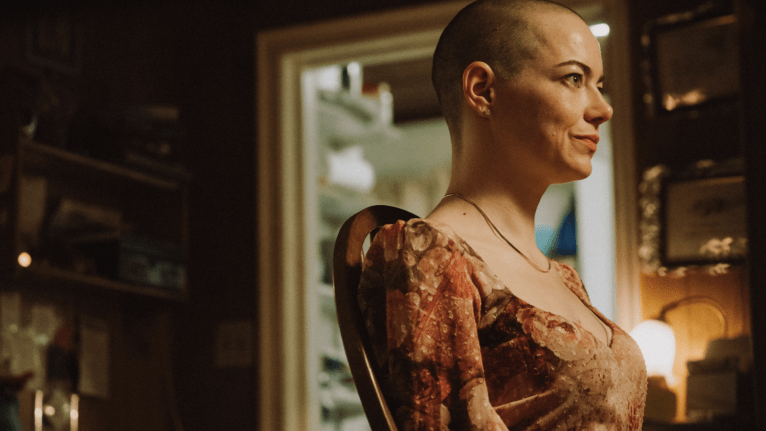
After leaving me rather underwhelmed with Poor Things (2023) and Kinds of Kindness (2024), Yorgos Lathimos’ Bugonia felt like a return to form as the director brought his regulars Jesse Plemons and Emma Stone into this conspiracy theory game of ‘who breaks first’. Lanthimos and The Menu (2022) screenwriter Will Tracy wrote a clever script that blends humour with desperation as one man becomes convinced that the CEO of his company is an Alien and decides to capture her so that he can learn where her mothership is and how to make contact with it. Beneath the often comedic, sometimes rattling plot is a film that shows the lengths people will go to when faced with a desperate situation, one that speaks to wider issues of failed healthcare systems and the people they leave in their wake. The final third of this film is a wild rollercoaster of “I know what’s going to happen” to “Oh, now I know what’s going to happen” to “I knew that first thing was going to happen”. Lanthimos paces this film incredibly, leaving you on the edge of your seat to ponder whether questions we ask ourselves about the world are worth asking, whether for better or worse.

5. Sinners

Ryan Coogler’s Sinners felt like a breath of fresh air as this almost neo-western, horror type gothic genre epic. Sinners feels both familiar and different, owed in large part to Coogler’s understanding of Black history mixed with his penchant for spectacle and creating moments that cut through and challenge you as a viewer like a musical sequence that mixes in blues, jazz, hip hop and a wide range of music genres in this pseudo-multiverse portrayal which is unlike anything I’ve seen in recent times. Clearly taking a leaf out of Robert Rodriguez’s From Dusk Till Dawn (1996), Sinners finds a harmonious balance between the horrific and the heartfelt, where Coogler patiently builds up to the unhinged killing fest and doesn’t slow down when it hits.

4. No Other Choice

It’s no secret that the job market has been absolutely fucked, something that the proliferation of AI has only amplified, with Australia feeling the strain of unemployment to a large degree as well. Park Chan Wook’s No Other Choice, like some of the legendary director’s films before, is a brutal, sometimes comical, portrayal of the lengths people will go to begin to make sense of the situation they are put in, whether through their own doing or not.

Man-su (a brilliant Lee Byung-hun) delivers one of the year’s best performances as a paper worker who loses his job due to downsizing and decides that the only way to stand any chance of regaining unemployment and keeping his idealistic lifestyle is to kill the true competition that is applying for the same jobs as him. Park is a technical genius who proves his worth once again through striking transitions and camerawork right through to interesting plotting choices that all build up a sense of desperation as Man-su spirals into a void.

3. Mickey 17

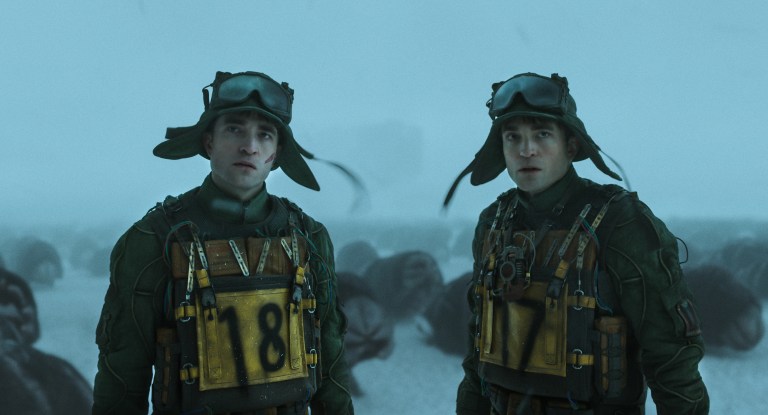
While not quite hitting the same highs as his Best Picture winning Parasite (2019), Bong Joon Ho’s Mickey 17 continues the director’s fascination with the caste system, capitalism and human dispensability. It’s a goofy film with strange characters and creatures and a closing sequence that is weird in its own right, but it speaks to wider issues of injustice and treating people with inhumanity for material gain, yet it’s Bong’s most optimistic film as well.

There’s a palpable pity in watching Robert Pattinson’s Mickey character be reprinted through a human printing machine time and time again, until through an error, two versions of him emerge, opposed in multiple ways yet finding a commonality in their disposable existence to unite against those that discard them like an old shoe. The scale of the film is evident in its Hollywood-ised grandeur of space travel and all that comes with it, but it stays close to the heart of its oddballs, never losing sight of the human condition even as it threatens to become relegated to a means to something more sinister.

2. It Was Just an Accident

Jafar Panahi’s It Was Just an Accident blew me away in more ways than one. The Iranian filmmaking juggernaut has never been coy when it comes to his criticism of Iranian oppression and abuses of power, and in this film he focuses on how that abuse and specifically, torture, imprisons people for their whole lives.

He frames this through a group of people whose lives have never been the same after a man with a squeaky leg tortured them some years ago at the request of, and for the good of, the “regime”. When Vahid, a survivor and humble mechanic, hears the squeaky leg of a man whose car has broken down outside his repairs shop, all of those horrific memories come flooding in and he decides to capture and bury him the day after. That is, of course, until the man vehemently asserts that he’s not this ‘Eghbal’ torturer that Vahid is looking for. From there, Vahid is set on confirming the man’s identity before deciding what to do with him, meeting others who were beaten and brutalised under his authority.

The film is sometimes comical, often gut-wrenching, especially towards the second half where a subtle shift in tone shows the length the oppressed will go when they’re desperate for vengeance. Panahi paints humanity as a fragile construct in a film that threatens to tip the scales between victim and oppressor, showing what a broken, unjust system can do to people as they become prisoners of their own mind because of the actions of others. The final shot might just be the most harrowing of the year.

1. One Battle After Another

Another year, another Paul Thomas Anderson masterclass; it’s been many years since a new release sold me on 5 stars, and who else’s film could do that other than PTA’s? One Battle After Another, his latest politically charged (which is more of a byproduct) yet grounded story of a father and daughter dynamic, is a culmination of all of the best parts of his oeuvre. Loosely based on Thomas Pynchon’s 1990 Vineland, a book with its own political leanings and criticisms of the Reagan administration, One Battle After Another is also PTA’s most contemporary film to date. Where previously he has tended to look back, his latest film is very much a forward-looking, foreshadowing of what’s to come if we let forces greater than us hunt us down in the little spaces we’ve carved out for ourselves in a world that feels like it’s already getting smaller around us.

One Battle After Another is the breeziest, almost 3 hour film experience I’ve had in years which is testament to PTA’s ability to pace his films and leave no dialogue wasted for filler. Each moment gives the film momentum and builds on the cause and effect chain of events, with an abundance of set pieces (easily the most in his career). This all culminates to a closing sequence that as a whole, is one of the most striking I’ve seen in years (a car chase shot through swerving, dusty roads will stick with you).

PTA has always managed to get the best out of his ensembles much like his inspiration, Robert Altman, and it shows here as Leonardo DiCaprio delivers a career best performance along with Sean Penn (who is no doubt a shoehorn for Best Supporting Actor), with Chase Infiniti, Benicio del Toro and others also at the top of their game.

I felt like I was watching a classic in the making and a film that will stand the test of time as an epic much like There Will Be Blood (2007) has all these years later, and I can’t wait to buy the 4k bluray later this month to experience it all over again.

Honourable mentions: F1 and Die My Love