Best of 2025: Tom’s Picks

With 2025 having drawn to a close, Rating Frames is looking back at the past twelve months of cinema and streaming releases that have come our way. In the third and last of our series of articles, Tom is taking a look at his ten favourite films of the year that was.

There remains a great deal of Doom and Gloom around the film industry, with good reason. A need to appease shareholders has seen mega-corporations merge to boost their market share and profits; Artificial Intelligence continues to evolve, insofar that the technology is replacing jobs until now performed solely by teams of humans; once-bankable actors, directors and franchises no longer bring in the big bucks; and box-office revenues globally still haven’t returned to their pre-pandemic highs.

And yet, these past few months have provided yours truly every reason to be hopeful about the future of cinema. Look no further than the examples below, many of which are feature-length productions guided by auteurs and showcasing diverse voices – just a few years ago, these films would have been considered big risks for the studios credited with financing and releasing them, but their gambles have paid off handsomely, lapped-up by audiences hungry for fresh ideas and original stories.

To that end, this writer is of the belief that 2025 will come to be known as the year that Hollywood finally rediscovered its mojo, the dawn of a second New Wave that celebrates and rewards directors who possess great artistic vision. And these here are the films which shall come to define it.

10. KPop Demon Hunters
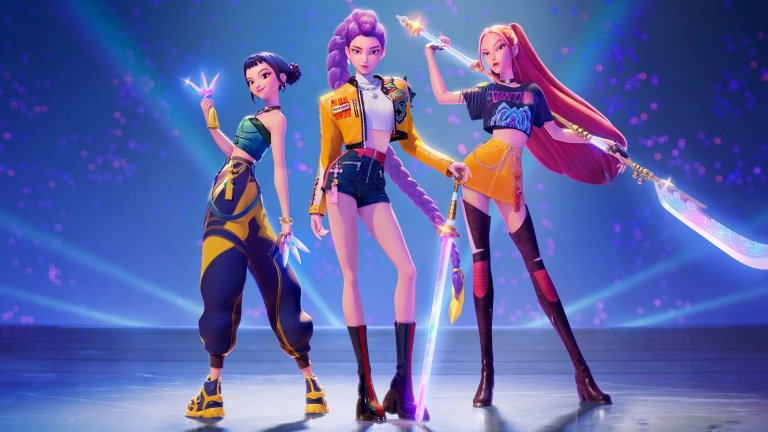
Not since Disney’s Frozen (2013) has an animated feature so readily and deservedly ruled the cultural zeitgeist. Unceremoniously added to Netflix’s catalogue in June, this genre-melding fable broke free of its seemingly-niche target audience to become staple viewing in family households, entice large crowds to theatres with sing-alongs and earn a place in music history by having one of its numbers topping pop-charts the world over.

Driving that success is qualities like a bright palette, flashy visuals, mesmeric fight sequences, great songs, and a trio of distinctive lead characters who come across as quirky, unapologetic dorks, yet just are just as capable of being strong, resourceful and ultra-cool heroines. Even non-fans of Korean pop music and fantasy stories will be won over by KPop Demon Hunters, offering further proof that its studio, Sony Pictures Animation is becoming the industry’s focal point for creative and boundary-pushing works.

9. Wake Up Dead Man
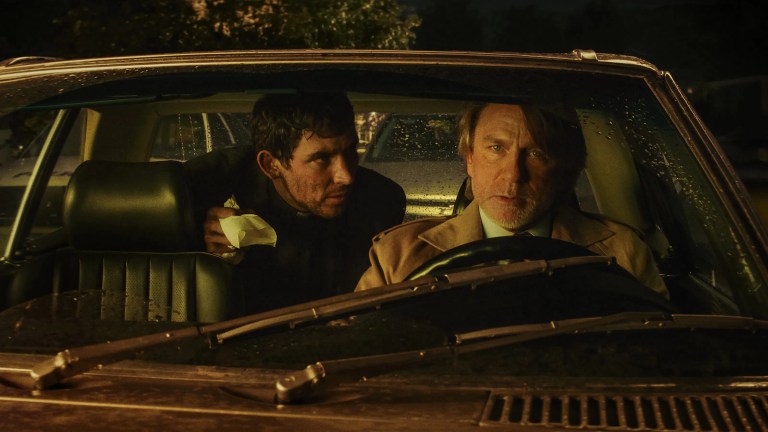
First there was Knives Out (2019), a smart and comedic subversion of the Whodunit that delivered one of cinema’s more memorable characters in recent times; then came Glass Onion (2022) which retained its eccentric protagonist while upping the laughs and intrigue. Following both is Wake Up Dead Man, and though not as inventive nor funny as its precursors, this latest chapter is the most compelling mystery to feature Benoit Blanc so far.

Lying within are pertinent commentaries about the role faith and religion plays in our lives; a script that has viewers guessing and second-guessing until the Agatha Christie-like reveal of the true culprit; and conflicts attuned to contemporary politics which come across as neither snarky nor patronising. And that’s not to forget the all-star list of thespians who inhabit their roles brilliantly, including Daniel Craig who’s delightful once more in the role of Blanc.

8. Superman
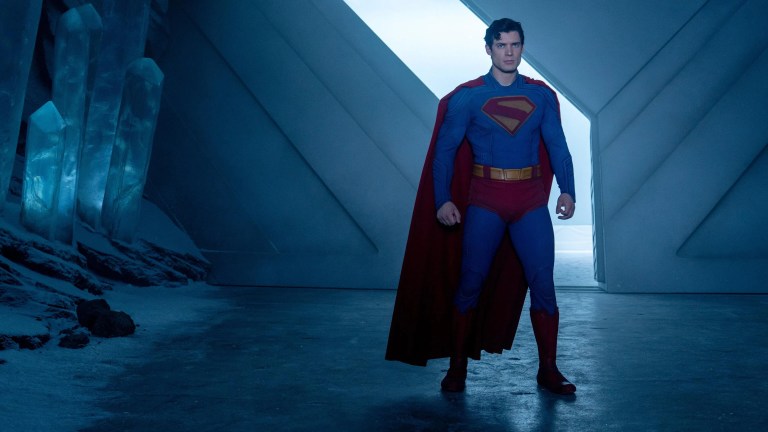
Producing a movie centred on America’s original and ultimate superhero that wins over critics and punters should be an easy task, and yet in this century alone, Warner Bros has twice brought the venerable comic-book franchise to the big screen with a reboot that underwhelmed parties in both camps. Who better, then, to restore faith in the Man of Steel than a director who made a group of obscure, space-faring bounty hunters a box-office drawcard, and transformed a reviled super-villain property into a gag-filled spectacle.

James Gunn’s Superman is a blockbuster that understands the ethos of its titular metahuman better than most adaptations that bear his name – he’s not a god or alien, rather someone just like us who happens to possess otherworldly powers. The film’s tone is welcomely cartoonish and silly but equally sincere and loveable, meaning any initial hesitations about cheap-looking sets and vibrant colour-grading are pretty much forgotten about within minutes. Also worthy of mention is the peerless cast and plentiful references to its Richard Donner-helmed forebear.

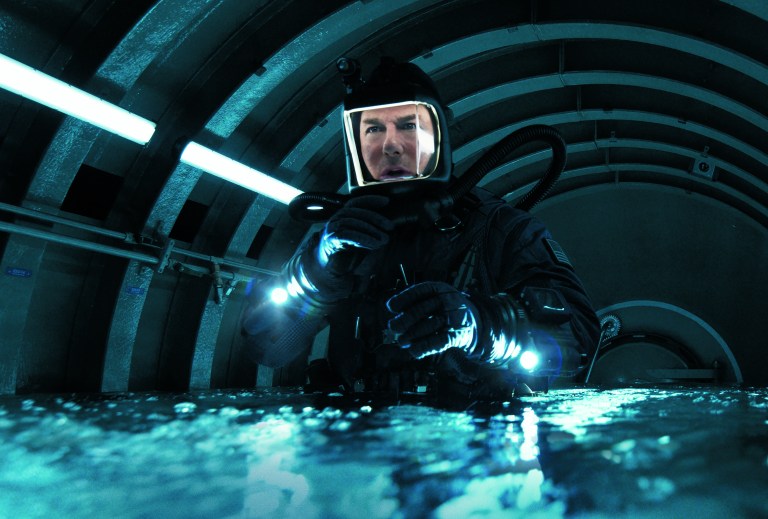
7. Mission: Impossible – The Final Reckoning

“I need you to trust me one last time,” says Ethan Hunt to his superiors, though he could well be addressing theatregoers in that statement too. For close to three decades, we trusted him to deliver the kind of high-octane, jaw-dropping thrills that demanded to be seen on the largest screen possible, and our confidence in him was justly rewarded with the eighth feature-length instalment of a spy franchise once confined to television, but now inexplicably linked with the saviour of cinema: Thomas Cruise Mapother IV.

The Final Reckoning is burdened with issues of world-building and slow pacing in its early stages – something of a trend with 2020s action flicks – which soon after yield to some of the tensest action sequences ever witnessed, many involving practical effects and some worrying enough to give viewers a nervous breakdown. Combine that with the pertinent discussions around A.I. and assured direction of Christopher McQuarrie, and the result is a near-perfect send-off.

6. One Battle After Another
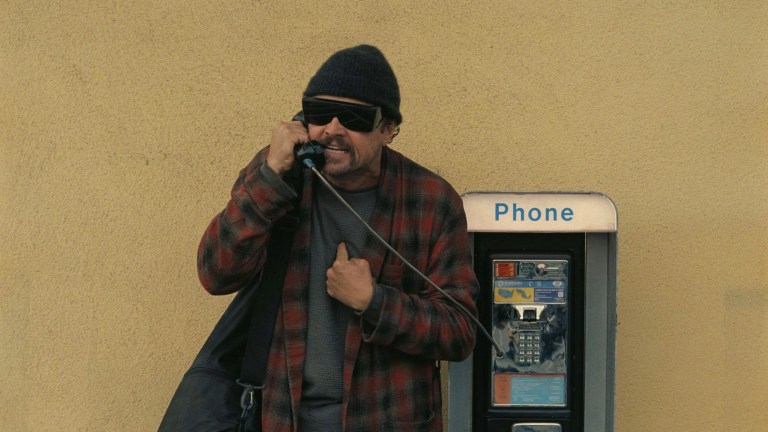
Now for the most contentious opinion shared in our end-of-year reflections – where both of his fellow Rating Frames scribes have placed the latest Paul Thomas Anderson feature at the very top of their lists, yours truly has opted for a less enthusiastic view and a position five rungs below. Reasons why are hard to pinpoint, but there is a nagging sensation that an element is missing, an itch not being scratched; a feeling the picture could be funnier, livelier, more subversive, more bonkers.

None of this is to say that One Battle shouldn’t be showered with praise, or else there’d be no mention of its title here. Of greatest appreciation is Sean Penn as the antagonist Colonel Lockjaw; Jonny Greenwood’s piano-led score which heightens the tension; and a world that perfectly captures the USA’s current political climate (note the militant police forces and sense of autocracy) without hitting too close to home a la Ari Aster’s Eddington.

5. Mickey 17
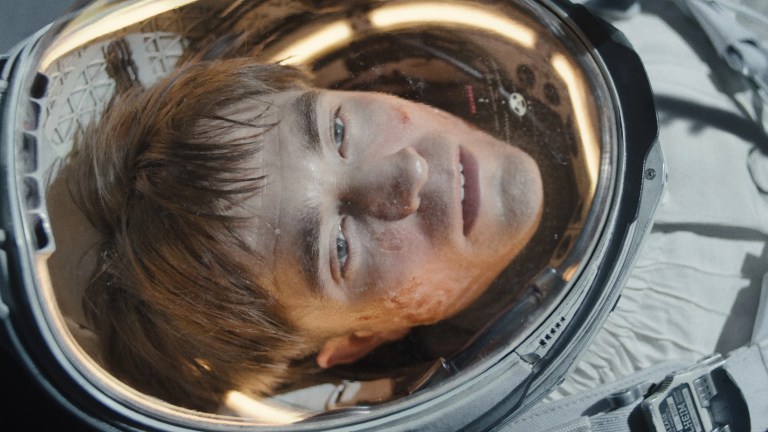
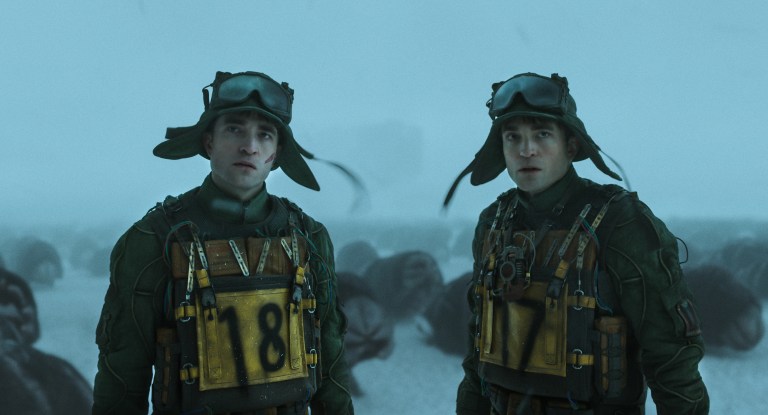
Having effusively asserted himself as one of the best directors working today with the Oscar-winning Parasite (2019), anticipation was high, and the wait long, for Maestro Bong’s follow-up. His newest effort, released in the early months of 2025, draws upon several of the motifs and themes utilised in the Korean auteur’s previous works, yet sets itself apart by – as Arnie pointed out in his Top 10 article – striking a more positive and hopeful tone.

Other merits of Mickey 17 include the fantastic production design with its grimy, rudimentary sets; the hypnotic soundtrack of composer and returning Bong collaborator Jung Jae-il; the superb editing of Yang Jin-mo which keeps the pace smooth throughout; and Mark Ruffalo, who’s a delight in every scene as the Trump-adjacent despot Kenneth Marshall.

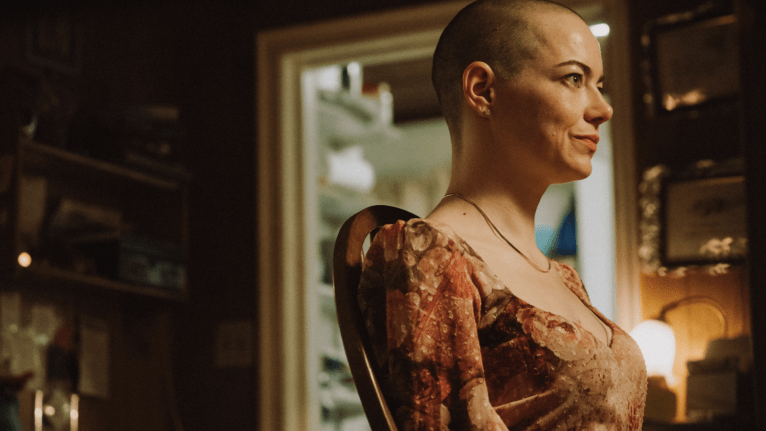
4. Bugonia
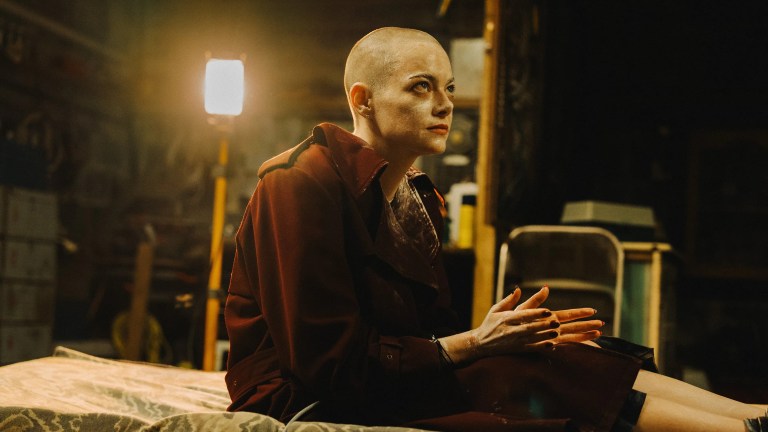
The current political scene is casting a long shadow over Hollywood’s creative output, as evidenced by the previous two films mentioned and their not-so-veiled mocking of the Free World’s supposed leader and his lackeys. That same paranoia can be found in Greek auteur Yorgos Lanthimos’ latest, an allegorical narrative that’s all at once clever, thought-provoking and scary.

In keeping with the rest of Yorgos’ oeuvre, Bugonia has a delightfully off-kilter tone, aided in part by the bombastic, haunting and ethereal score of Jerskin Fendrix. Biting humour alleviates the stressful atmosphere, often when it’s least expected, as does newcomer Aidan Delbis in the role of Don, the screenplay’s moral and rational centre, and someone who very nearly outshines his established co-stars, Emma Stone and Jesse Plemons – both of whom prove to be their usual exceptional selves.

3. Hundreds of Beavers
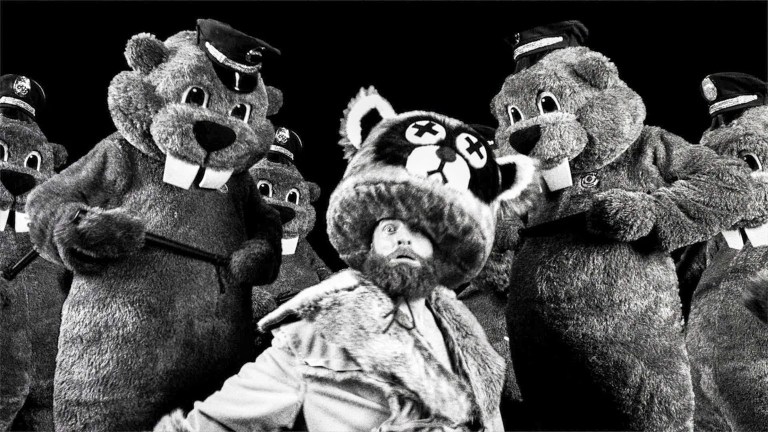
“How on Earth,” you might be wondering, “does a low-budget slapstick comedy which premiered in 2022 end up appearing in a Best of 2025 list?” The answer is thus: for many Australians, the past year was their first chance to see Mike Cheslik’s homage to our favourite medium’s early 20th Century pioneers like Buster Keaton and Harold Lloyd, whether that be through SBS On Demand or limited showings in local theatres like Cinema Nova.

Jokes abound in Hundreds of Beavers, which commits wholeheartedly to the silent-era aesthetics by telling its narrative almost entirely without the spoken word. Most gags are physical in nature with all manner of harm done to our hero, Jean Kayak (Ryland Brickson Cole Tews) and his mammalian foes (various human actors in oversized animal costumes) while a meme-referencing needle-drop over the end-credits provides the cherry on top of a very rich and decadent cake of laughs. You’ll be hard-pressed to find a movie that puts a bigger smile on your face.

2. But Also John Clarke
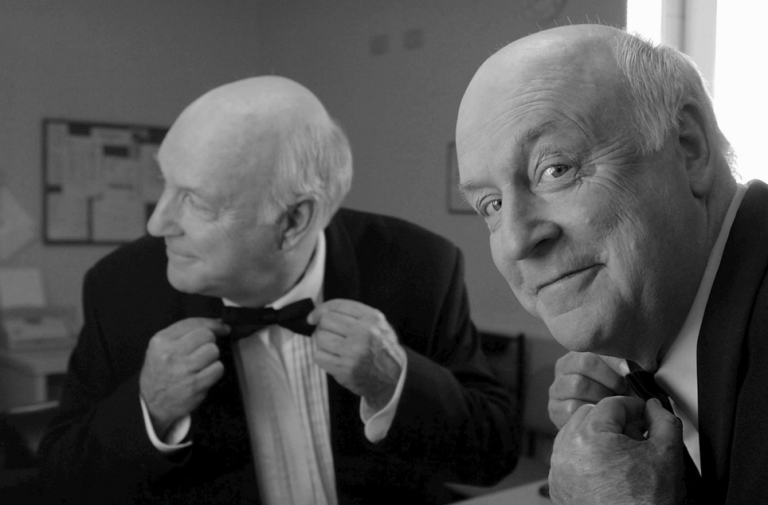
Being a fan of its eponymous subject, and in particular his political satire meant this documentary was virtually assured a placing in this writer’s Top 10 list, and if judged solely on personal sentiment would easily slot into First Place. Indeed, its sole irksome drawback is that not enough time is devoted to his impact beyond Australia and New Zealand.

Yet to view this solely as a fawning appreciation for a comedic titan would be unfair to director Lorin Clarke, for non-fans of her late father will find plenty of interest within But Also John Clarke. Archival clips of his work, some dating back to the 1970s prove just as fresh and witty as when they first aired, while contemporary interviews offer fascinating insights into the legacy of his long-haired, gumboot-toting alter-ego Fred Dagg.

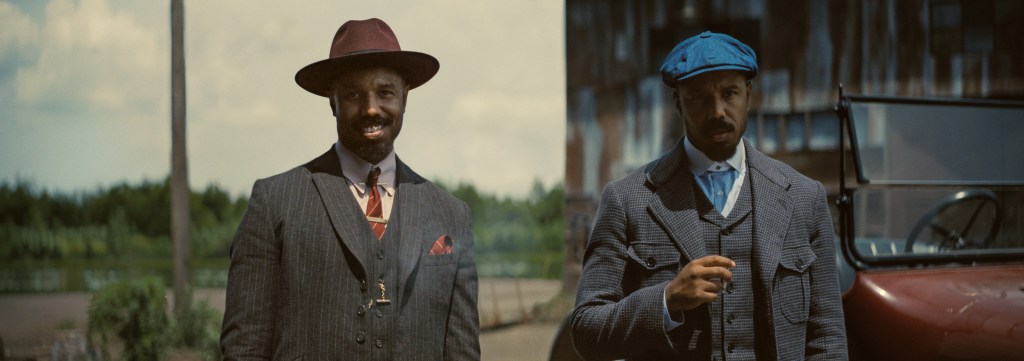
1. Sinners
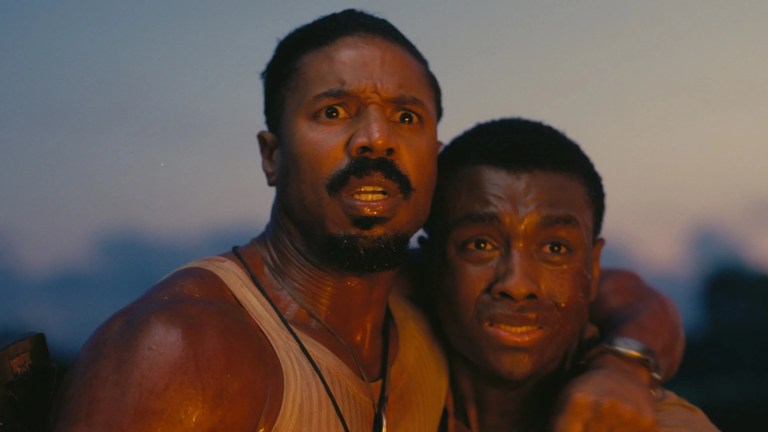
The horror genre has become the go-to place for directors to establish their mark on the medium, whether they be upstarts hoping to earn a name for themselves or industry veterans eyeing status as a legend of their craft; Sinners puts Ryan Coogler firmly and assuredly in the latter category.  To label it simply as a horror flick would be a disservice to Coogler’s genius though, for his blockbuster is an astute melange of several other influences – it’s a Western, a musical, an action flick with tinges of romance and comedy.

Here lies a thrilling, classy and transcendent experience, boasting an excellent cast headlined by Michael B. Jordan in dual roles, alongside phenomenal supporting performances from Wunmi Mosaku, Delroy Lindo, Hailee Steinfeld and Miles Caton. Impressing further is the film’s showstopping music sequence that honours Black artists of every era, and Ludwig Gorannson’s epic blues-inspired score that echoes the strains of Terence Blanchard, all combining to form the most awe-inspiring release of 2025.

Honourable mentions: F1, The Fantastic Four: First Steps, Guillermo del Toro’s Frankenstein and Travis Head’s century in Perth.
Best of 2025: Arnie’s Picks

With 2025 having drawn to a close, Rating Frames is looking back at the past twelve months of cinema and streaming releases that have come our way. In the first of our series of articles, Arnie is taking a look at his ten favourite films of the year that was.

In what I think is probably the strongest year in film for the current decade (surpassed only by 2021), I managed to squeeze in 36 new releases (equal to last year) and would probably have had more had I not gone overseas for a few months. That said, 2025 surprised me with just how strong the year was, with my top 10 (save for perhaps my no 1 and 2 spots) easily interchangeable depending on my mood. I did miss a few films that I really wanted to see and will hopefully see in the next month like Rental Family, Sentimental Value and Train Dreams, but overall I am delighted with what my top 10 is looking like. Here’s to a bigger and better 2026!

10. Black Bag

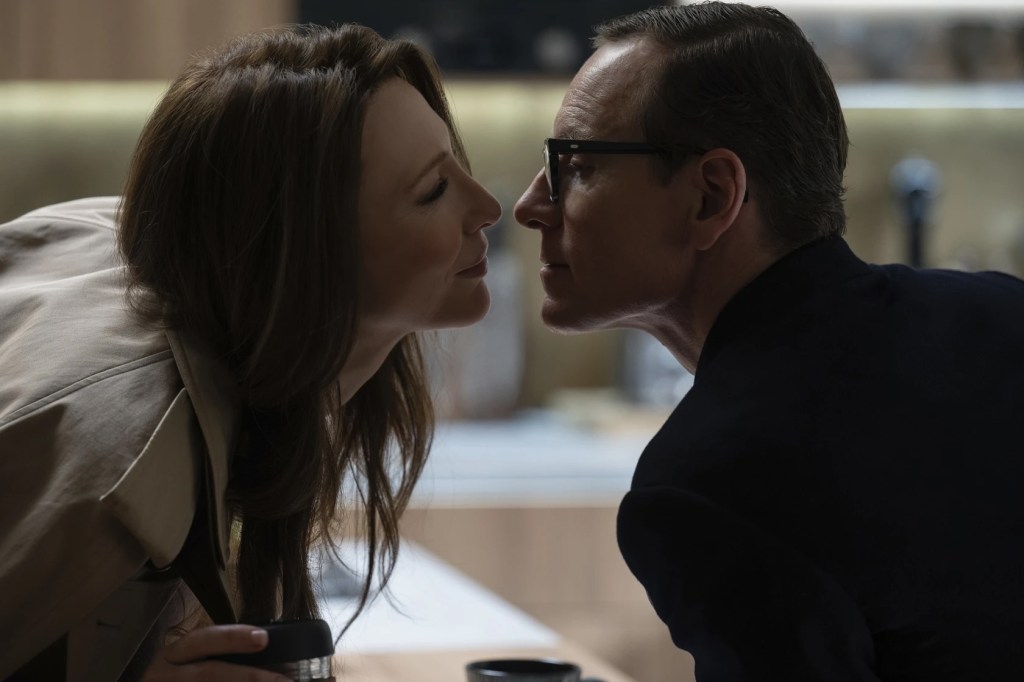
While it feels like forever since Steven Soderbergh’s Black Bag was released, the thriller has stuck with me for it’s a punchy, measured and meditative approach in telling its story as it focuses on the importance of trust in relationships, but amplifies that tenfold by throwing spies and high stakes into the mix. The film is an exercise in precision, in patience, in waiting for the right moment to make your move but takes a snappy, well paced approach in portraying those aspects. Michael Fassbender’s coolness and straight-talking robotic like persona is matched by Cate Blanchett, with the duo finding a dance like rhythm / choreography every time they’re on screen, making it intoxicating to watch them to the point where you feel like a third wheel between their sexual chemistry. To top it off, the film is around 90minutes and doesn’t waste a second, demonstrating Soderbergh’s knack for pacing and witty dialogue when it comes to thrillers.

9. Mission: Impossible – The Final Reckoning

Speaking of thrillers, the final entry in Tom Cruise’s Mission: Impossible franchise, The Final Reckoning, is an exhilarating finale to this almost 30 year exercise in pushing the boundaries of what is possible on the big screen. While it doesn’t quite hit the highs of Fallout (2018) and Dead Reckoning Part One (2023) in terms of scale and plotting, Christopher McQuarrie and Tom Cruise sign off in style, with everything from deep sea submarine diving to flying and dangling off of aeroplanes because… well… why not. The film does take some time to really kick into gear, with a beefy first act having a weightiness to it that takes a moment to shake off as story threads are tied from past films, but once it gets to the fun and games of the second act, it has that free flowing, pacey energy that the franchise is known for.

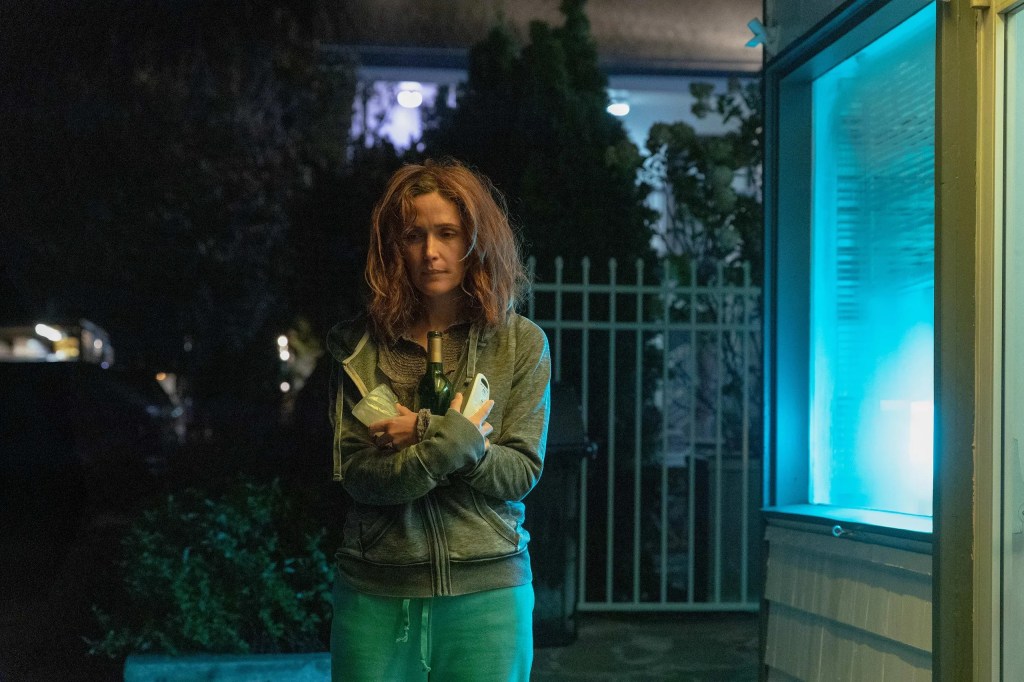
8. If I Had Legs I’d Kick You

If I Had Legs I’d Kick You came as a late entry for me but quickly cemented itself in my top 10. For starters, Rose Byrne delivers one of the most electrifying performances of the past few years and easily a career best which is sure to earn her an Oscar nomination and perhaps the Oscar itself. Secondly, this is the most stressful film I’ve watched in a long time with Mary Bronstein creating a sense of tension and holding on to it throughout the film’s majority through Byrne’s performance and her ability to isolate her in and around the problems she has, giving the film an almost straitjacket feeling that can’t be shaken off.

The approach to focus on a woman who has this literal and figurative hole in her life that is a reflection of her struggles to raise a sick child while her husband compounds her struggles from a distance (as he isn’t present), creates a simmer that never seems to cool down. Coupled with a camera that maintains a relatively tight close up on her for the most part and works in tandem with a score that has a dread like quality, amplifies the sense of hopelessness that the character endures.

7. Avatar: Fire and Ash

James Cameron’s third entry in the Avatar franchise is the biggest and most visually striking film of the year, and it’s a testament to the director’s desire to push the medium forward by pulling out all stops. The CGI and performance capture are unmatched in Fire and Ash as is the lifelike quality of Pandora and its blue inhabitants, the flora and fauna, and the wider setting. While the script feels a little more drawn out and repetitive compared to the previous two films (there’s a lot of similar story beats and wonky subplots), the heart of the film and Cameron’s love for this universe shine through in its three and a bit hour runtime.

Listening to Cameron’s interviews after having seen the film have bought me into his vision even more and helped me appreciate the level of depth and thought that go into every performance and the way the world interacts with these performances (almost a video game-esque quality). Sometimes the transition from 48fps to 24fps can be quite jarring where I would have preferred for the whole film to be shot in the former, but no one is making films of this scale and with this much originality compared to Cameron and I would gladly take another two of these films in the coming years.

I was blown away watching this in 3D in Melbourne’s newest and second only IMAX screen.

6. Bugonia

After leaving me rather underwhelmed with Poor Things (2023) and Kinds of Kindness (2024), Yorgos Lathimos’ Bugonia felt like a return to form as the director brought his regulars Jesse Plemons and Emma Stone into this conspiracy theory game of ‘who breaks first’. Lanthimos and The Menu (2022) screenwriter Will Tracy wrote a clever script that blends humour with desperation as one man becomes convinced that the CEO of his company is an Alien and decides to capture her so that he can learn where her mothership is and how to make contact with it. Beneath the often comedic, sometimes rattling plot is a film that shows the lengths people will go to when faced with a desperate situation, one that speaks to wider issues of failed healthcare systems and the people they leave in their wake. The final third of this film is a wild rollercoaster of “I know what’s going to happen” to “Oh, now I know what’s going to happen” to “I knew that first thing was going to happen”. Lanthimos paces this film incredibly, leaving you on the edge of your seat to ponder whether questions we ask ourselves about the world are worth asking, whether for better or worse.

5. Sinners

Ryan Coogler’s Sinners felt like a breath of fresh air as this almost neo-western, horror type gothic genre epic. Sinners feels both familiar and different, owed in large part to Coogler’s understanding of Black history mixed with his penchant for spectacle and creating moments that cut through and challenge you as a viewer like a musical sequence that mixes in blues, jazz, hip hop and a wide range of music genres in this pseudo-multiverse portrayal which is unlike anything I’ve seen in recent times. Clearly taking a leaf out of Robert Rodriguez’s From Dusk Till Dawn (1996), Sinners finds a harmonious balance between the horrific and the heartfelt, where Coogler patiently builds up to the unhinged killing fest and doesn’t slow down when it hits.

4. No Other Choice

It’s no secret that the job market has been absolutely fucked, something that the proliferation of AI has only amplified, with Australia feeling the strain of unemployment to a large degree as well. Park Chan Wook’s No Other Choice, like some of the legendary director’s films before, is a brutal, sometimes comical, portrayal of the lengths people will go to begin to make sense of the situation they are put in, whether through their own doing or not.

Man-su (a brilliant Lee Byung-hun) delivers one of the year’s best performances as a paper worker who loses his job due to downsizing and decides that the only way to stand any chance of regaining unemployment and keeping his idealistic lifestyle is to kill the true competition that is applying for the same jobs as him. Park is a technical genius who proves his worth once again through striking transitions and camerawork right through to interesting plotting choices that all build up a sense of desperation as Man-su spirals into a void.

3. Mickey 17

While not quite hitting the same highs as his Best Picture winning Parasite (2019), Bong Joon Ho’s Mickey 17 continues the director’s fascination with the caste system, capitalism and human dispensability. It’s a goofy film with strange characters and creatures and a closing sequence that is weird in its own right, but it speaks to wider issues of injustice and treating people with inhumanity for material gain, yet it’s Bong’s most optimistic film as well.

There’s a palpable pity in watching Robert Pattinson’s Mickey character be reprinted through a human printing machine time and time again, until through an error, two versions of him emerge, opposed in multiple ways yet finding a commonality in their disposable existence to unite against those that discard them like an old shoe. The scale of the film is evident in its Hollywood-ised grandeur of space travel and all that comes with it, but it stays close to the heart of its oddballs, never losing sight of the human condition even as it threatens to become relegated to a means to something more sinister.

2. It Was Just an Accident

Jafar Panahi’s It Was Just an Accident blew me away in more ways than one. The Iranian filmmaking juggernaut has never been coy when it comes to his criticism of Iranian oppression and abuses of power, and in this film he focuses on how that abuse and specifically, torture, imprisons people for their whole lives.

He frames this through a group of people whose lives have never been the same after a man with a squeaky leg tortured them some years ago at the request of, and for the good of, the “regime”. When Vahid, a survivor and humble mechanic, hears the squeaky leg of a man whose car has broken down outside his repairs shop, all of those horrific memories come flooding in and he decides to capture and bury him the day after. That is, of course, until the man vehemently asserts that he’s not this ‘Eghbal’ torturer that Vahid is looking for. From there, Vahid is set on confirming the man’s identity before deciding what to do with him, meeting others who were beaten and brutalised under his authority.

The film is sometimes comical, often gut-wrenching, especially towards the second half where a subtle shift in tone shows the length the oppressed will go when they’re desperate for vengeance. Panahi paints humanity as a fragile construct in a film that threatens to tip the scales between victim and oppressor, showing what a broken, unjust system can do to people as they become prisoners of their own mind because of the actions of others. The final shot might just be the most harrowing of the year.

1. One Battle After Another

Another year, another Paul Thomas Anderson masterclass; it’s been many years since a new release sold me on 5 stars, and who else’s film could do that other than PTA’s? One Battle After Another, his latest politically charged (which is more of a byproduct) yet grounded story of a father and daughter dynamic, is a culmination of all of the best parts of his oeuvre. Loosely based on Thomas Pynchon’s 1990 Vineland, a book with its own political leanings and criticisms of the Reagan administration, One Battle After Another is also PTA’s most contemporary film to date. Where previously he has tended to look back, his latest film is very much a forward-looking, foreshadowing of what’s to come if we let forces greater than us hunt us down in the little spaces we’ve carved out for ourselves in a world that feels like it’s already getting smaller around us.

One Battle After Another is the breeziest, almost 3 hour film experience I’ve had in years which is testament to PTA’s ability to pace his films and leave no dialogue wasted for filler. Each moment gives the film momentum and builds on the cause and effect chain of events, with an abundance of set pieces (easily the most in his career). This all culminates to a closing sequence that as a whole, is one of the most striking I’ve seen in years (a car chase shot through swerving, dusty roads will stick with you).

PTA has always managed to get the best out of his ensembles much like his inspiration, Robert Altman, and it shows here as Leonardo DiCaprio delivers a career best performance along with Sean Penn (who is no doubt a shoehorn for Best Supporting Actor), with Chase Infiniti, Benicio del Toro and others also at the top of their game.

I felt like I was watching a classic in the making and a film that will stand the test of time as an epic much like There Will Be Blood (2007) has all these years later, and I can’t wait to buy the 4k bluray later this month to experience it all over again.

Honourable mentions: F1 and Die My Love