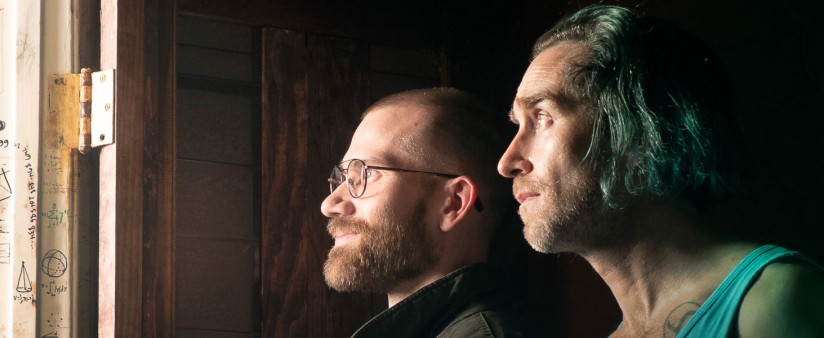
David Lowery’s 7 films, ranked

With the release of his new feature Peter Pan and Wendy (2023), now is as good a time as any to dive into and rank the films of a personal favourite auteur. One of the most interesting and compelling American filmmakers to emerge in the 2010s, David Lowery has crafted a diverse filmography that leaps from quiet indie, Disney reimaginings, and Arthurian epics, all while keeping his unique style intact. 

With his signature wistful (key buzzword for Lowery) yet hopeful idealism seeping into his features, Lowery is an impressively economical filmmaker that respects his audience while also searching to give them an entertaining and unique viewing experience, making him one of my favourite modern American filmmakers.

Ranking films of this ilk certainly centres around personal aesthetic preferences, with a clear upward trajectory that makes Lowery a must-see director moving forward, but I have done my best to order them here. 

Some of these films are difficult finds, but most can be found on several streaming services.

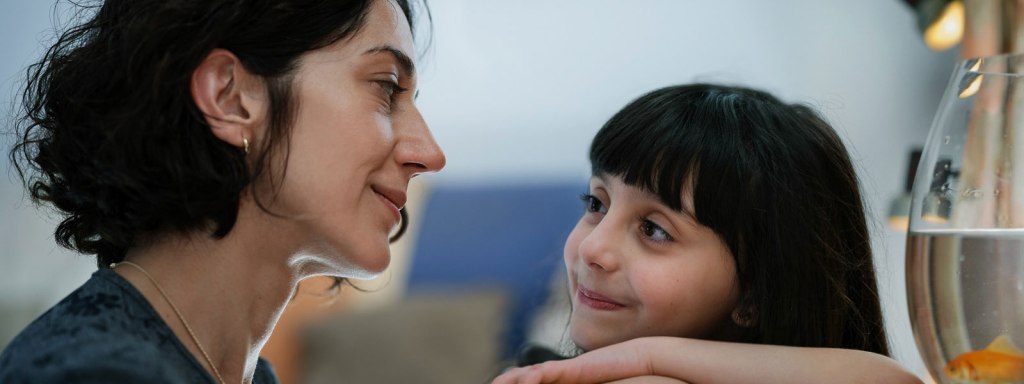
7. St. Nick (2009)

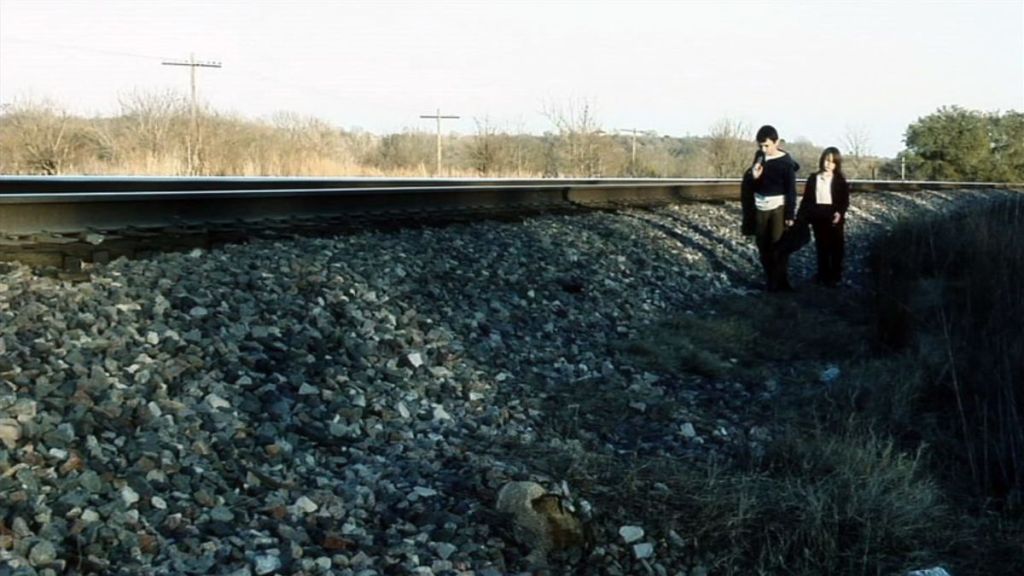
A quiet and simple debut that focuses on vibe over story, St. Nick centres around a pair of real-life siblings, Savanna (11) and Tucker Sears (8), who seek to survive on their own in the Texas wilderness.

All of the hallmarks of a Lowery feature are here: runaway plot, youthful wistfulness, and a focus on atmosphere to establish character. While not on the level of engagement as his films to follow, this is an interesting debut that establishes Lowery’s tendencies that have made him such a creative voice in American indie cinema.

6. Peter Pan and Wendy (2023)

Lowery’s newest feature unfortunately arrives near the bottom of this list, lacking the tactility and sense of space that allows Lowery’s previous work to thrive. Peter Pan and Wendy never felt grounded in London or Neverland. Where the beauty and style of Lowery’s live-action Disney film Pete’s Dragon (2016) is drawn from its Pacific Northwest location, this film is desperately searching for an identity, a criticism laid at the feet of most recent Disney features.

While certainly an improvement on the misguided Joe Wright film Pan (2015), this new adaptation is anchored to the original work, striving for recognition as the definitive version that is ultimately misguided. The only standout inclusion to the story is the compelling camaraderie between the three central female characters: Wendy, Tiger Lily, and Tinkerbell. The casting of Alyssa Wapanatâhk as Tiger Lily, who speaks Cree throughout the film feels in direct response to Wright’s film which cast frequent Lowery collaborator Rooney Mara in the role, as well as the cultural insensitivity that has been a constant in the character’s story up until now. Unfortunately, by not replacing the problematic sequences with anything of substance, Tiger Lily is sidelined completely in a second half that was sorely missing her involvement.

Lowery’s penchant for in-camera work, production design, and practical effects gets pushed to the limit of the Disney machine here. Where films further down this list require certain CGI moments for its story, Lowery always limited its use. That was not possible here. Whether through the many flying sequences, the muddy crocodile sequence (hastily edited to avoid scrutiny), or the dry emergence into Neverland that never sparks wonder, Peter Pan and Wendy too often loses its footing, limiting the audience’s ability to lean into the story. 

5. Ain’t Them Bodies Saints (2013)

The film that put Lowery on the map, this out-of-time, Badlands (1973) and Bonnie and Clyde (1967) style indie drama has moments of immense quality that will be further nurtured and heightened in future projects. Working with Rooney Mara and Casey Affleck for the first of many collaborations, Saints is able to flow on a river of pained expressions that the pair have made careers out of.

The true star of this film, however, is cinematographer Bradford Young, three years before his Oscar-nominated work on Arrival (2016). Young’s work is full of expression both in his use of the strong Texan sun and harsh shadows the pair find themselves in.

Lowery feels driven to craft a 70s Texan atmospheric drama akin to Malick or Wenders, often getting in the way of the story itself. This is usually the case with young filmmakers unsure of their own voice, which will come in his later films that exude an easy confidence.

4. Pete’s Dragon (2016)

A warm and wistful reimagining of the 1977 animated musical of the same name, Lowery’s Pete’s Dragon is a much more successful Disney film by the auteur, demonstrating his ability to work within the machine. Set in the Pacific Northwest but shot in New Zealand, there is a strong sense of place in all of Lowery’s features, allowing an audience to settle into a world and atmosphere.

Lowery from his early work is shown to be a wonderful director of children, no doubt a major reason he has worked closely with Disney. Oakes Fegley gives a delightful child performance as Pete, full of both warmth and trepidation, allowing Pete’s Dragon to feel honest amongst extraordinary circumstances. 

The film boasts an impressive ensemble that allows the film to ascend to heights few live-action Disney films have, including Robert Redford, Bryce Dallas Howard, Fegley, Karl Urban, Wes Bentley, and Isaiah Whitlock Jr. Redford, in particular, has a remarkably tender monologue that really elevates the film. 

The film takes strong influential cues from The Never Ending Story (1984), both in its stylisation of Elliot the Dragon and in its thematic ties. The dark force Nothing in the 80s film series can be co-opted easily into the environmental parable at the heart of Pete’s Dragon. The sequence following Elliot’s capture is full of pure heartbreak, laying him out like a rich Redwood cut down for paper. This sequence’s sound design and score is hollowed out, echoing the turmoil and anti-environmentalist point of view that centres the film. When the discourse around real care is rarely given to movies for families (Eric Kohn even centred a discussion at IndieWire around Pete’s Dragon and the new Mario film), this is where the bar should be.

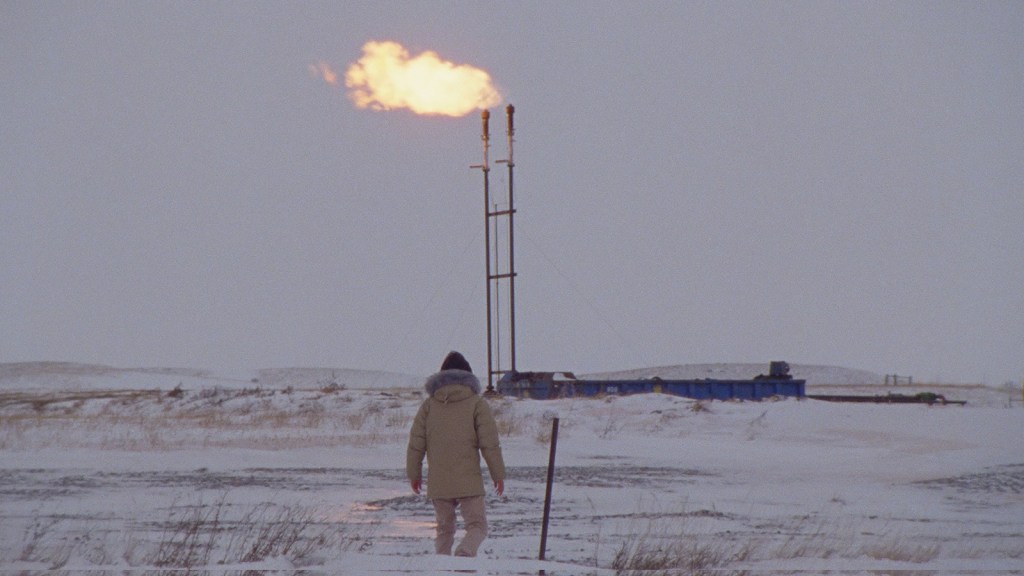
3. The Old Man and The Gun (2018)

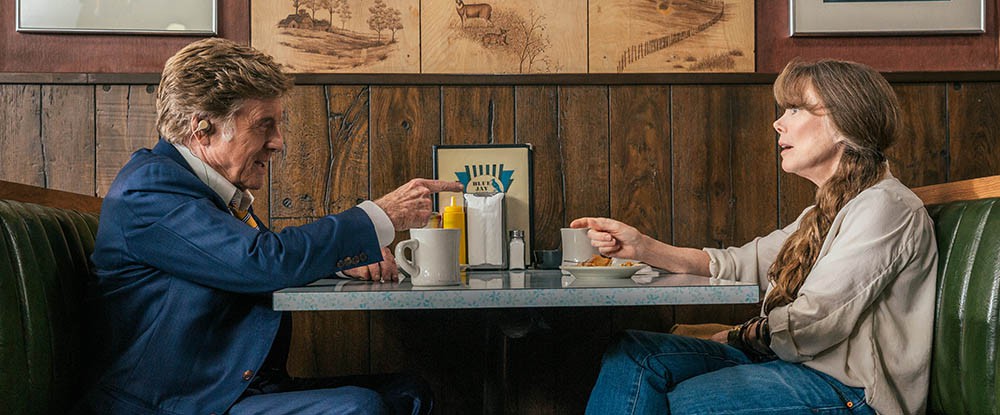
Working once again with the legend, Robert Redford, The Old Man and The Gun is a slick and tightly structured 70s crime film centred on an older bank robber Forrest Tucker (Redford). Shot on Super 16mm, the film washes over you like a cool fog in Autumn, combining its filmed aesthetic with its editing and sonic style that makes it such a joy to watch. Lowery pairs this relaxed but taught cat-and-mouse film with a uniquely wistful editing style akin to Steven Soderbergh’s debut The Limey (1999).

Lowery has always been an economical storyteller, using composition and performance to tell a wider story in fleeting moments. The introduction of Casey Affleck’s detective John Hunt, shot externally through a smashed window of a bakery, with a weathered look telling you everything about where this character is mentally and how they view their work (on their 40th birthday to add).

The shift in sound for the final 30 minutes, once Forest and John meet in the diner bathroom is subtly affecting. Lowery has always had a respect for conscious sound design choices (the man adores an L cut) that allow his films to flow with the quiet calm of a gentle river.

2. The Green Knight (2021)

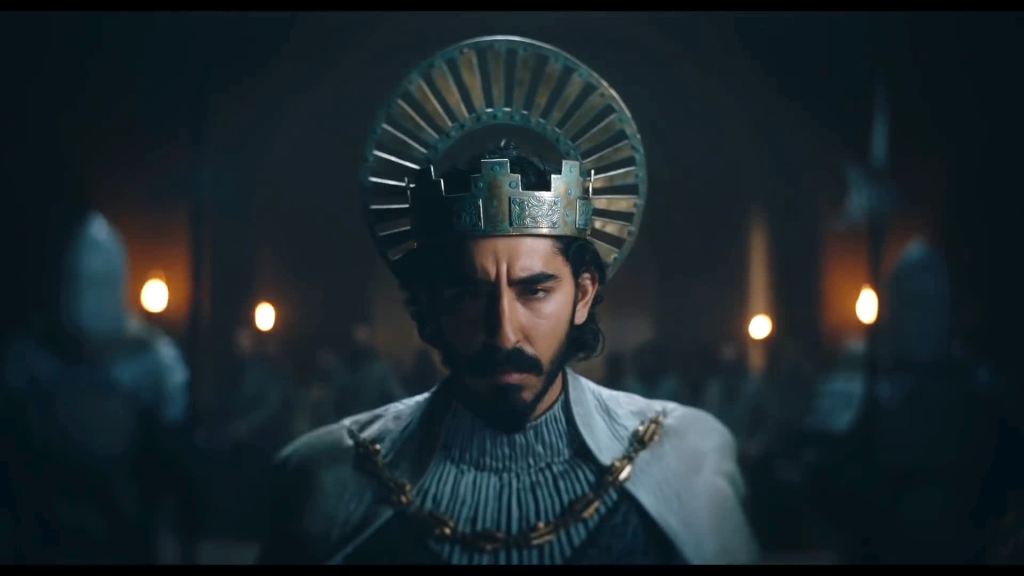
I wrote about this film on the site on release and it is still one of my favourite films of the 2020s. A murky, ethereal dream ballad of a film that demonstrates Lowery’s ability to expand his style onto bigger projects. His films are regularly grounded by terrific but always understated lead performances, and Dev Patel shows his range here as Sir Gawain. The knight is a character never sure of their footing as the ground feels to be constantly shifting beneath them through his own trepidation.

Feudal period films rarely feel as perceptive and relatable as this, while also making time for some truly majestic Arthurian imagery composed by returning collaborator Andrew Droz Palermo (A Ghost Story) as cinematographer.

Lowery has a clear inclination towards the myth-making side of storytelling – a likely reason he has operated well with Disney IP – that is fully maximised here. Similar to Robert Eggers with his three films, Lowery is able to manipulate his filmmaking sensibilities to different worlds, forming unique creations that are wholly consistent with themselves and with their wider filmography. Where Eggars is driven by a rigged accuracy to world-building and language that becomes a bedrock to tell engaging narratives, Lowery uses a combination of natural lighting, emotive sound design, and empathic screenwriting to form stories that are engagingly wistful, lightly melancholic, but always hopeful. The Green Knight is Lowery’s boldest execution of this to date. Need this to return in theatres.

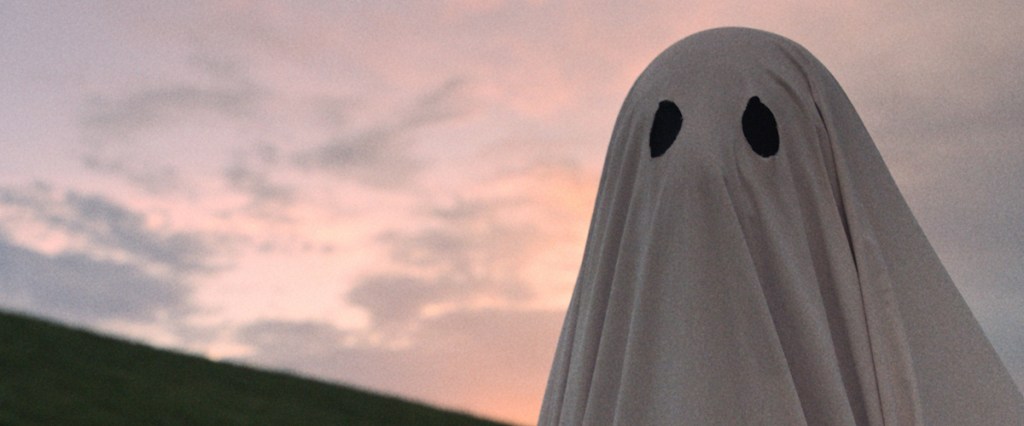
1. A Ghost Story (2017)

A miracle of a micro-budget indie that stands up to any film released in the past 10 years. A failing relationship depicted as a haunting, how things left unsaid can feel like immovable weights when someone is gone, A Ghost Story packs a lot into its 92-minute runtime. The classic depiction of a ghost as someone who has left things unresolved is a potently sad concept when shown from their point of view. Untethered from time and space, a ghost has nothing but these unresolved emotions to anchor them to this world. While the more powerful emotion of the film comes from the relationship between M (Rooney Mara) and C (Casey Affleck), the second half focusing on C’s ghost is always engaging with ideas that will linger in the mind forever.

Much gets made of Lowery’s eye for compositions in his films but it’s his considered use of sound throughout his filmography that allows his work to shine, none more so than A Ghost Story. The gorgeous Badalamenti-inspired score by frequent collaborator Daniel Hart allows us into the world without ever pushing us through the door. Its combination of sombre and hopeful tones flows through Lowery’s filmography, allowing us to feel for both characters who are miles apart but physically close.

The two central set pieces, the pie scene and the headphones scene of I Get Overwhelmed are anchored by the full emotional range of Rooney Mara, a gift Lowery has complete faith in. She commands our full attention with barely a word, so when it comes time for us to depart, her absence is profoundly felt, by us and C.

The film’s one misstep in a largely perfect feature is the grandstanding monologue from Will Oldham (cast in Lowery’s short Pioneer), as it never felt necessary to use most of the dialogue in the script to explain its ideas. The film is such a Rorschach test of stillness and delivery that a level of dynamism from a performer was required in the film’s psychedelic time skip sequence, a moment that widens A Ghost Story’s themes past the grieving couple, but ultimately sours the experience.

The final 30 minutes are an extraordinary passage-of-time poem – something Lowery follows up within a wonderful panning shot in The Green Knight – shot with wisdom, humour, and contentment that leaves you with more hope than you’d expect to find in a film about grief and time.

This film had a profound impact on me on release, executing something much larger than the sum of its parts, with a tiny budget but a committed cast and crew to create the highest-level student film possible. With gorgeous still photography, considered use of score, and a powerful pair of performances operating almost silently, A Ghost Story is one of the best films of the decade that will outlive us all.

Sydney Film Festival ’23: Darcy’s Notebook

While I, as a Melbourne-based writer, eagerly wait for MIFF to roll back around in August, an opportunity to travel to Sydney arose just in time to catch the final days of the Sydney Film Festival to scratch my never-ending festival itch. 

In four days I was able to see 10 films of varying quality worth reporting on, so I have emptied the notebook out of my thoughts on a great selection of films from the festival. I have avoided discussing plots too much here as hopefully, most of these films arrive by year’s end for people to catch.

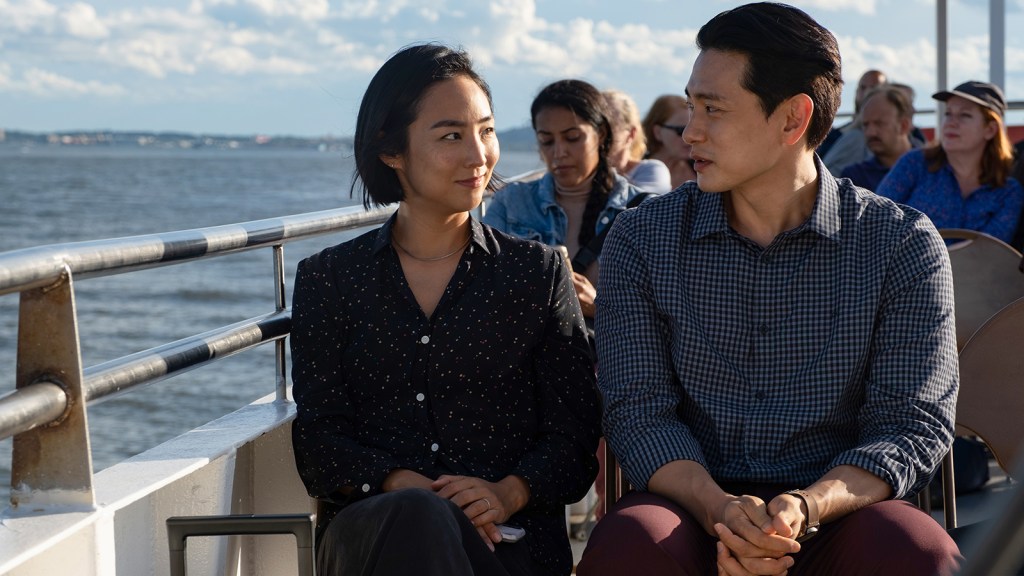
Past Lives (Celine Song, 2023)

The pick of the festival and best film I’ve seen in 2023, Past Lives is a simple but evocative story told with a subtle precision that will stay with you through multiple lifetimes. Joining the lineage of cinematic depictions of romantic longing that define some of the greatest works in the medium, Casablanca (1942), In the Mood for Love (2000), and Before Sunset (2004), debut feature director and writer Celine Song set the bar incredible high for her debut that she overcomes with an assured ease.

Following an invisible tether of 12-year increments, we accompany Nora (an incredible, awards-worthy Greta Lee) and Hae Sung (a revelatory Teo Yoo), two deeply linked childhood friends that reconnect online a decade after Nora’s parents emigrate to Canada. The film is best experienced the less you know, especially its final act, so I shall leave the breakdown there for now but will return when it opens wide on August 31st. 

Past Lives is an extraordinarily shot film by Song and cinematographer Shabier Kirchner, who also shot the incredible Small Axe (2020) series. This is the best looking film since Portrait of a Lady on Fire (2019), with its lingering pans and still images that would be enough to crown Song’s debut feature as a major achievement on its own. But it’s the deeply layered script, self-referential in the way our own stories are, that allows it to bloom into a uniquely moving experience.

With a Casablanca-level final act that had a sold-out audience on the verge of bursting from their seat and skin, Song has gifted us with a script and film of deeply personal experience that never feels alienating. The most personal is always the most universal, and Past Lives is a tremendous achievement that must be seen in theatres. Romantic dramas may be out of vogue as a theatrical genre, but I implore you to seek this one out with a crowd as soon as possible.

Rating: 4.5 out of 5.
Shortcomings (Randall Park, 2023)

A stronger comedy than romance, Randall Park’s debut feature Shortcomings, adapted from the screenwriter Adrian Tomine’s 2007 comic of the same name, is an uneven but enjoyable coming-of-age story centring a difficult protagonist, indie theatre manager Ben, played by Justin H. Min. The film is a provocative comedy centring on Bay Area millennials trying to work out the stagnation of their lives and relationships that is deeply influenced by Judd Apatow comedies, buoyed by its bright characters that have a horrible case of foot-in-their-mouth.


With a terrific comedy ensemble including Sherry Cola, Ally Maki, Sonoya Mizuno, and Timothy Simons, Shortcomings doesn’t attempt to reinvent the rom-com wheel, but its acidic dialogue and loquacious characters lead to many hysterical moments and an overall enjoyable watch.

Rating: 3 out of 5.
How to Blow Up a Pipeline (Daniel Goldhaber, 2022)

A work of pure tension and electricity, Goldhaber has made a powerhouse feature for an emerging generation brought up in a world of climate fatalism. Based on the acclaimed nonfiction book of the same name, Goldhaber and co-writers Jordan Sjol and lead actress Ariela Barer (Xochitl) bring the genre formalism of heist and caper cinema to a subject matter that is too often weighed down by its own importance. 

Due to the time restraints of filmmaking, it is rare for a film to feel pressingly of the moments, which makes Pipeline an even more impressive achievement. The film operates almost as a forbidden, micro-budget indie that works so effectively in films like The Texas Chainsaw Massacre (1974) and The Blair Witch Project (1999), allowing the tension and drama to feel rooted in desperate reality that makes for an irresistible watch. 


Pipeline excels through its terrific ensemble of well realised modern Gen Z characters in Sasha Lane, Lukas Gage, Forrest Goodluck, Jayme Lawson, Jake Weary, Kristine Froseth, and Marcus Scribner. All the performers are just obscure enough to allow the film to maintain the air of unexpectedness and panic that heightens every shaky hand and nervous breath that will have you clawing at your seat for 90 minutes.

Rating: 4 out of 5.
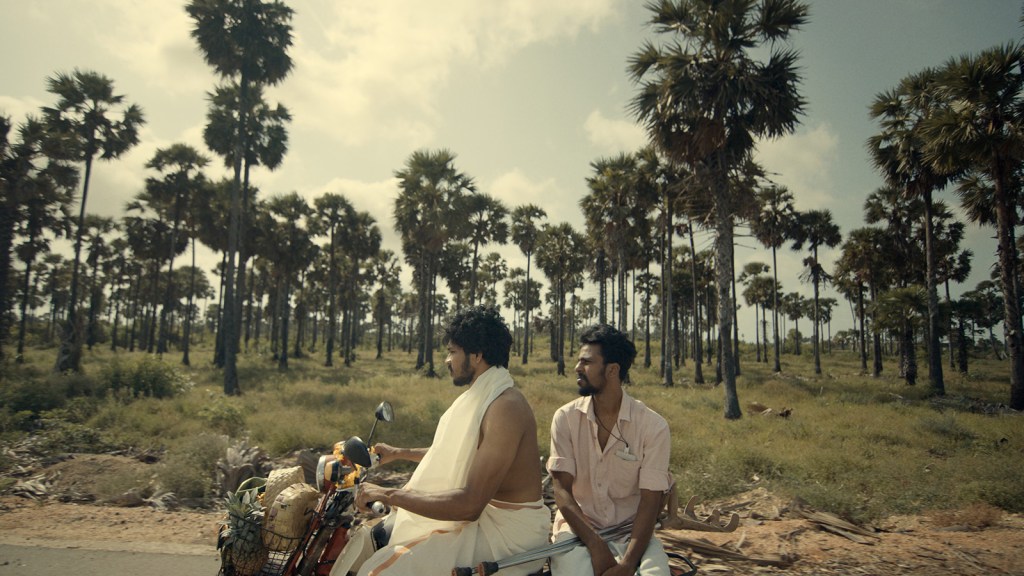
Sand (Visakesa Chandrasekaram, 2023)

Stronger in intent and theme than execution, using local crews and first-time actors, Sand evocatively places you in a difficult moment in Sri Lankan history. As a survivor of a decades-spanning civil war, Rudran (played wonderfully on debut by Sivakumar Lingeswaran) must pick up the pieces of his life, including moving back home to live with his soothsayer mother (Kamala Sri Mohan Kumar), standing trial for his slowly explained role in the war, going through therapy for his wartime injuries, and seeking out a lost love Vaani (Thurkka Magendran). 

There is a wall of plot to scale in this quiet and meditative 101-minute feature that makes for an often unengaging watch, perhaps by design as we feel the immeasurable weight that the war has left upon the shoulders of survivors like Rudran. Nonetheless, Chandrasekaram has crafted a vital film that lacks polish but oozes authenticity, about an overlooked part of world history, grounding it in the life of one character to illustrate the complexity of the moment.

Rating: 2.5 out of 5.
Afire (Christian Petzold, 2023)

Not the only comedic film on this trip to centre on a self-absorbed artist played by a German actor who cannot help their destructive tendencies from impacting those around them, but is certainly the only film that sits inside the bucket of a climate parable.

A film relatable to anyone who has ever used their work as a shield against the world, the great Christian Petzold’s newest feature, Afire, centres on young novelist Leon (Thomas Schubert) who travels to his artist friend Felix’s (Langston Uibel) family home on the coast of the Baltic Sea to finish his new novel. When they arrive at the holiday home, they learn that Felix’s mother has rented out a room to the mysterious Nadja (the terrific Paula Beer), an unwelcome distraction of the world that Leon was hoping to escape. Compounding this, there is an encroaching wildfire from the west that doesn’t appear to phase the characters, even as it spreads ever closer to their door.

Petzold often works in myth and wider thematic ideas that drift into his films as suggestive poems, with Afire centring on love, passion, and an unique climate metaphor that manages to ground itself in these young people working out their lives in a rapidly changing world.

The unique filmmaker’s first true comedy, Afire is an oddly engaging film with unique and difficult characters, similar in ways to his 2020 mythological mermaid feature Undine (also with an incredible Beer performance). Petzold never allows an audience to stay on solid ground, matching the uncertainty his characters constantly feel, which makes for a compelling experience even if you find the characters unlikable.

Rating: 3.5 out of 5.
L’Immensità (Emanuele Crialese, 2022)

A story that follows similar tracks to others before it, but told with an aching honesty and specificity, will always transcend into feeling bold and unique. L’Immensità (2022), a coming-of-age trans story set in 1970s Italy, inspired by the real life experiences of writer and director Emanuele Crialese, who came out as trans at the premiere of the film at the Venice film festival, is a beautifully shot and treated film that is at both grounded in its location, while also levitating above it as a reflective piece of filmmaking.

The brilliant duo of performances from Luana Giuliani and Penélope Cruz as Andrew and his mother Clara excel in this slight but potent domestic story. Cruz, clearly taking inspiration from Gena Rowlands in A Woman Under the Influence (1974), is the all enrapturing sunlight of the film, illuminating an immense warmth that is equally difficult to live alongside as Andrew is trying to find footing in an uncertain world.
With several madcap dance sequences taken from Italian television musical moments, L’Immensità never feels weighed down by its bleakest moments, allowing the film to flow freely into its uncertain future as the credits roll.

Rating: 3.5 out of 5.
Passages (Ira Sachs, 2023)

A sardonic tale of romantic messiness depicted with a raw honesty that bleeds into tenderness in this perfectly cast love triangle. Starring three terrific actors in Franz Rogowski, Ben Whishaw, and Adèle Exarchopoulos, Sachs’ Passages is a fascinating and comedic film that keeps you on uneven ground throughout.

With a combination of complicated and withholding characters shown in what feels like the  fraught final stages of a relationship between Rogowski’s Tomas and Whishaw’s Martin, as well as a collection of honest sex scenes that feel so rare in modern cinema, Passages is a wholly unique experience in modern romantic storytelling that while lacking sentimentality, never lacks tenderness.

Rating: 3.5 out of 5.
Monster (Hirokazu Kore-eda, 2023)

Returning in quick succession off the back of the divisive but personally beloved Broker (2022), the master humanist filmmaker Hirokazu Kore-eda has crafted a complexly woven, if only slightly contrived Rashomon-styled story on empathy in an increasingly uncaring world.

The first film without a screenwriting credit since his powerfully assured debut Maborosi (1995), working with Japanese TV writer Yûji Sakamoto, Monster follows similar trends and themes to some of the revered filmmaker’s best work, notably Nobody Knows (2004) and Shoplifters (2018), while still feeling unique in the auteur’s wider canon of family and child-based dramas.

The film plays out in three distinct phases, beginning with single mother Saori (Sakura Ando), who is trying to get to the bottom of her son Minato’s (Sōya Kurokawa) bruises and erratic behaviour who blames his homeroom teacher Hori (Eita Nagayama). Explaining more will break the spell Sakamoto and Kore-eda cast across the film, which impeccably places you within each phase, commanding a genuine shock whenever a new moment expunges all previous notions we had of events and characters. What allows the film to excel is how these revelations are shown with compassion and care, never a trick for an audience to feel twisted around like a winding road thriller, even though the film is oftentimes thrilling. With a balanced score by the late master Ryuichi Sakamoto (using mostly older recordings with a few new compositions) as his final final work that he would’ve loved. I cannot wait to watch this again with the full scope of experience in mind.

Rating: 4 out of 5.
Reality (Tina Satter, 2023)

Reality is the guiding principle of this film which was clearly a more effective work of experimental theatre, filmmaker and playwright Tina Satter brought Reality (originally titled Is This a Room) to the stage in 2019, to rave reviews, and is now being adapted for a wider audience. A compelling story playing out in mostly real-time, using only the dialogue from the audio recordings of the real encounter the day the FBI arrives at the door of NSA translator Reality Winner’s (played by Sydney Sweeney) small Augusta rental, Reality plays out as a thrilling interrogation even if you know details of the story. 

The dialogue’s clunkiness and awkwardness heightens the reality (impossible for that word not to be tip of the tongue throughout the film) of the situation, even if it oftentimes lessens the cinematic quality of the film itself. The moviemaking flourishes are isolated to the moments of redaction from the file that are purposely jarring that begin as an engagingly disorienting experience, but by its 10th roll around becomes tedious. 

The terrific central performance by Sweeney and the minimalist filmmaking and set design choices by Satter allow Reality to commit to its goals of highlighting the real events of that day in exacting detail, while giving the audience an evocative theatre experience.

Rating: 3 out of 5.
Cobweb (Kim Jee-woon, 2023)

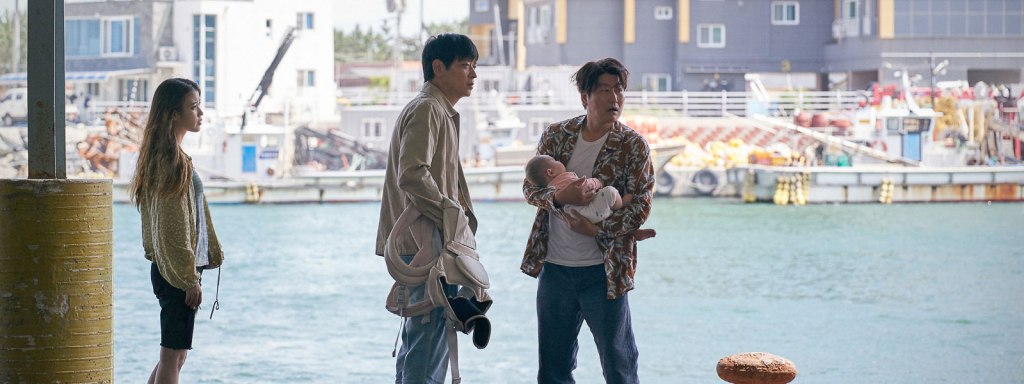
The newest entry from Korean cult filmmaker Kim Jee-woon, Cobweb (2023) may be the most bizarrely hilarious film of the year. Set in the heavily regulated world of 1970s Korean cinema, Cobweb stars Song Kang-ho as director Kim, an obsessive filmmaker that has to desperately attempt to convince his crew, actors, and producers to reshoot two more days of his newest film Cobweb, to make it a true masterpiece. If that synopsis ignites the receptors in your cinephilic brain, this is the film for you. 


With its biting satire and melodramatic comedy that bleeds over from the film-within-a-film to the film itself, Cobweb is closer to Robert Altman’s The Player (1992) than The Disaster Artist (2017) – there is an incredible moment where the melodramatic music starts to be used on the crew that shifts the whole film’s perspective. This overtly indulgent film is both an investigation into this important time in the evolution of Korean cinema that is so vital to the medium now and a hilariously over-the-top comedy about the ludicrous nature of the film industry that will have you falling out of your seat.

Rating: 3.5 out of 5.

Best of 2022: Tom’s Picks

In a normal year, this writer would have no difficulty whatsoever in listing his favourite feature-length releases from the past 12 months. But 2022 was not a normal year.

Having obtained full-time employment for the first time in his life, moved even further away from Melbourne than he was before and settled into a place of his own, no time was left for his one true love: the cinema. What few spare moments he did have were spent returning to old favourites, viewing classics from yesteryear, fixated on streaming services or – on the very rare occasion – watching a blockbuster at his nearest theatre.

What’s more, these limited opportunities for moviegoing meant that several of the year’s most-heralded films weren’t seen until awards season, including The Northman, Glass Onion, Guillermo del Toro’s Pinocchio and the eventual Best Picture winner, Everything Everywhere All at Once, among others.

As a consequence, the well-established Top 10 format of this website (as utilised by Arnie and Darcy in their retrospectives) has been eschewed on this occasion, with yours truly instead listing seven of the pictures he enjoyed most in a very busy, cinema-sparse year.

The Batman

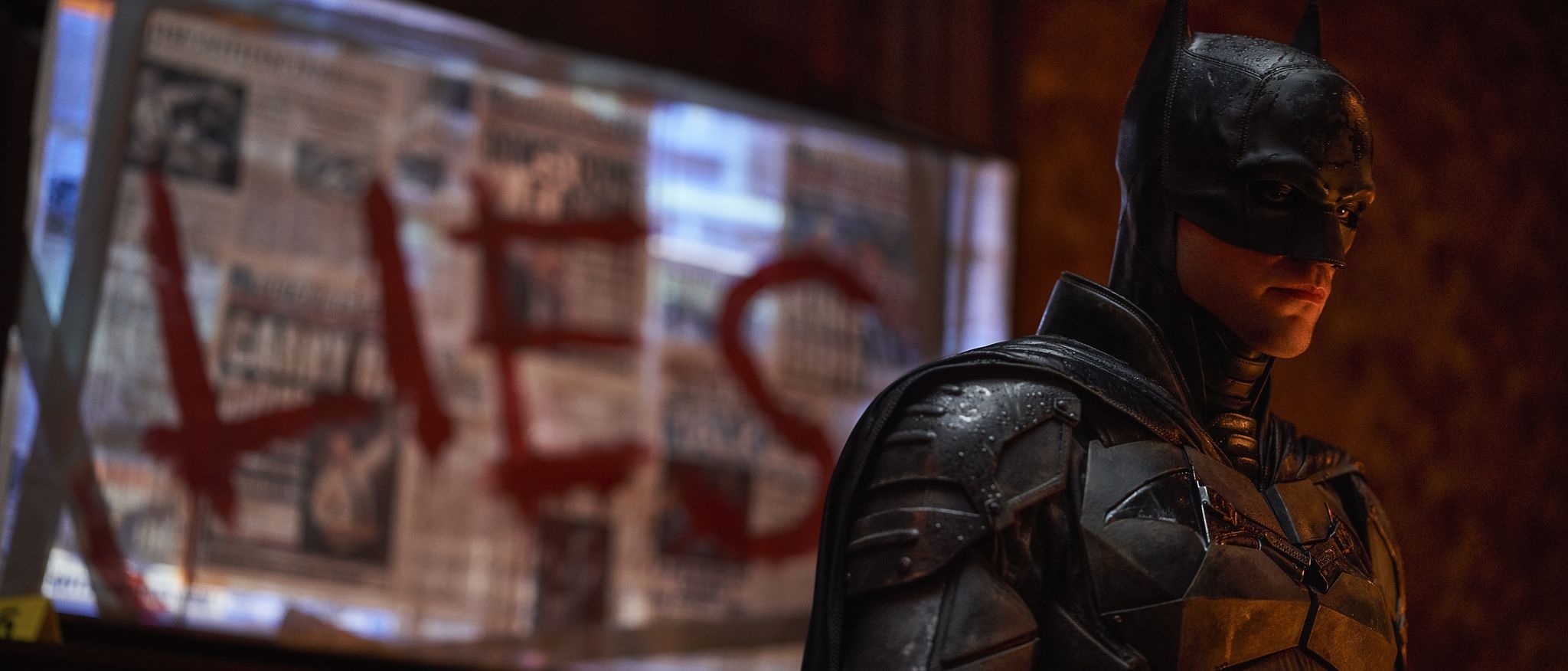
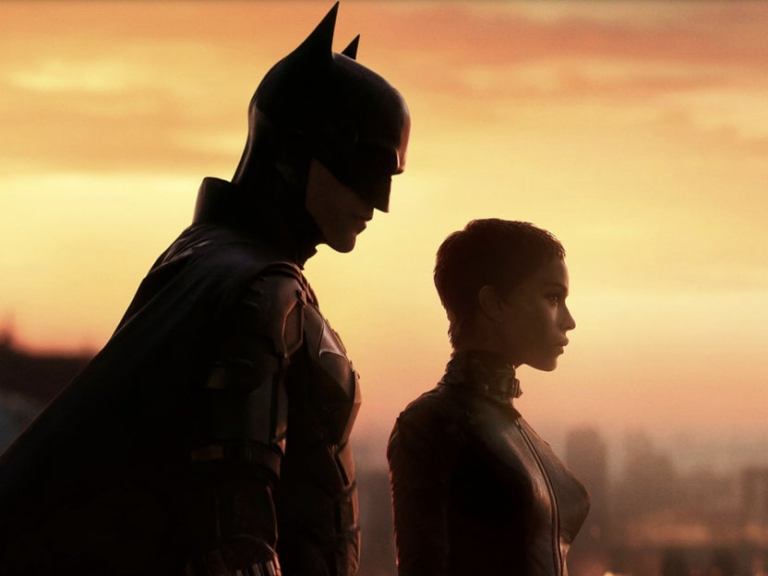
Oh, how people groaned when Warner Bros. announced they were rebooting Bruce Wayne’s adventures for the third time in two decades. “What,” they asked facetiously, “can this movie bring to the table that hasn’t already been done before?” In response came a dark and gorgeous spectacle that ranks among the best superhero blockbusters of all time.

There’s so much to admire about Matt Reeves’ picture, from an all-star cast that delivers fantastic performances across the board, to the exquisite cinematography of Greig Fraser, to the fusion of visual elements from Batman films past. And then there’s the exceptional score of Michael Giacchino, who borrows a simple four-note motif from Nirvana and utilises it to great effect. It’s not a perfect film – its screenplay lacks the narrative heft of Christopher Nolan’s Dark Knight trilogy, for instance – but in terms of thrills, The Batman can hardly be faulted.

Turning Red

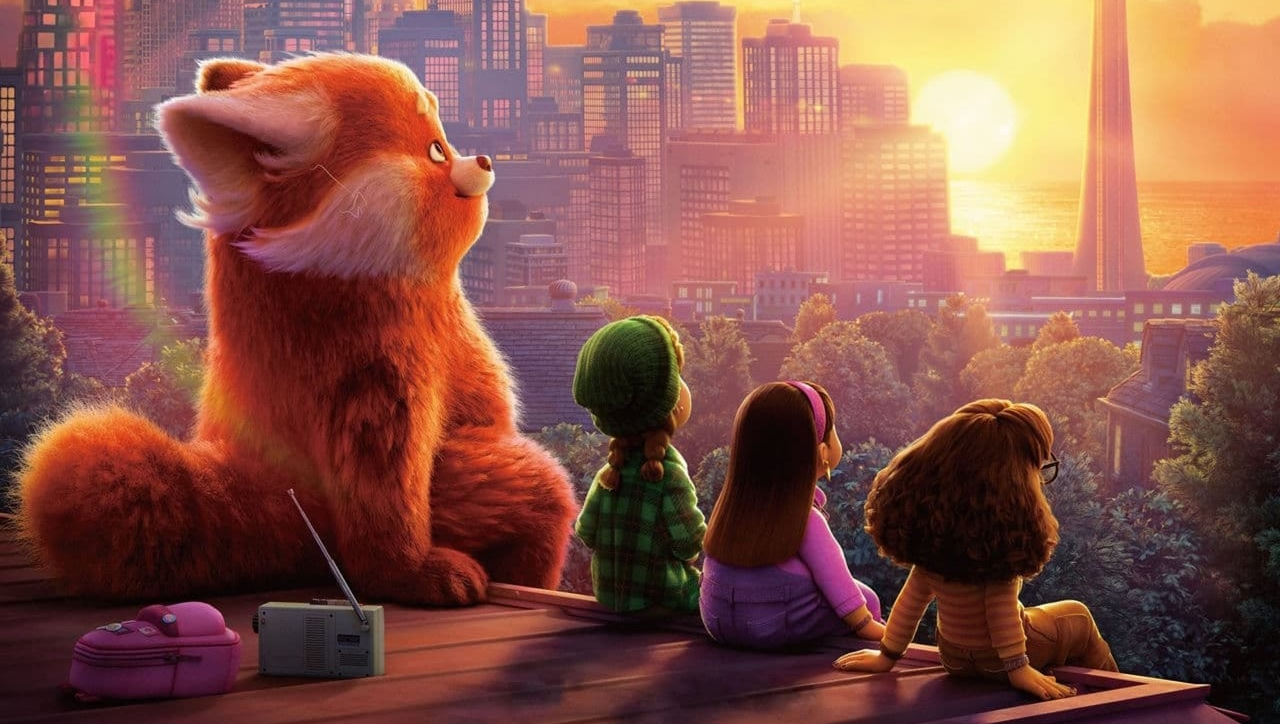
Every time Pixar appears to have lost its mojo, along comes a film that reminds everybody of their creative might. 2022’s reminder came from Domee Shi, writer-director of the critically-acclaimed short film Bao, who delivered a feature with a level of vim and originality not witnessed in the studio’s output for some years. And this is coming from a man who really, REALLY loved Soul (2020).

What particularly makes Turning Red delightful is how it forgoes Pixar’s hallmarks and tropes for a distinctive art-style, self-aware protagonist, rapid editing and energetic animation, all while delivering a resonant and timeless coming-of-age story. If anything, the picture serves as a convincing argument for Emeryville to take more risks with their material.

The Drover’s Wife: The Legend of Molly Johnson

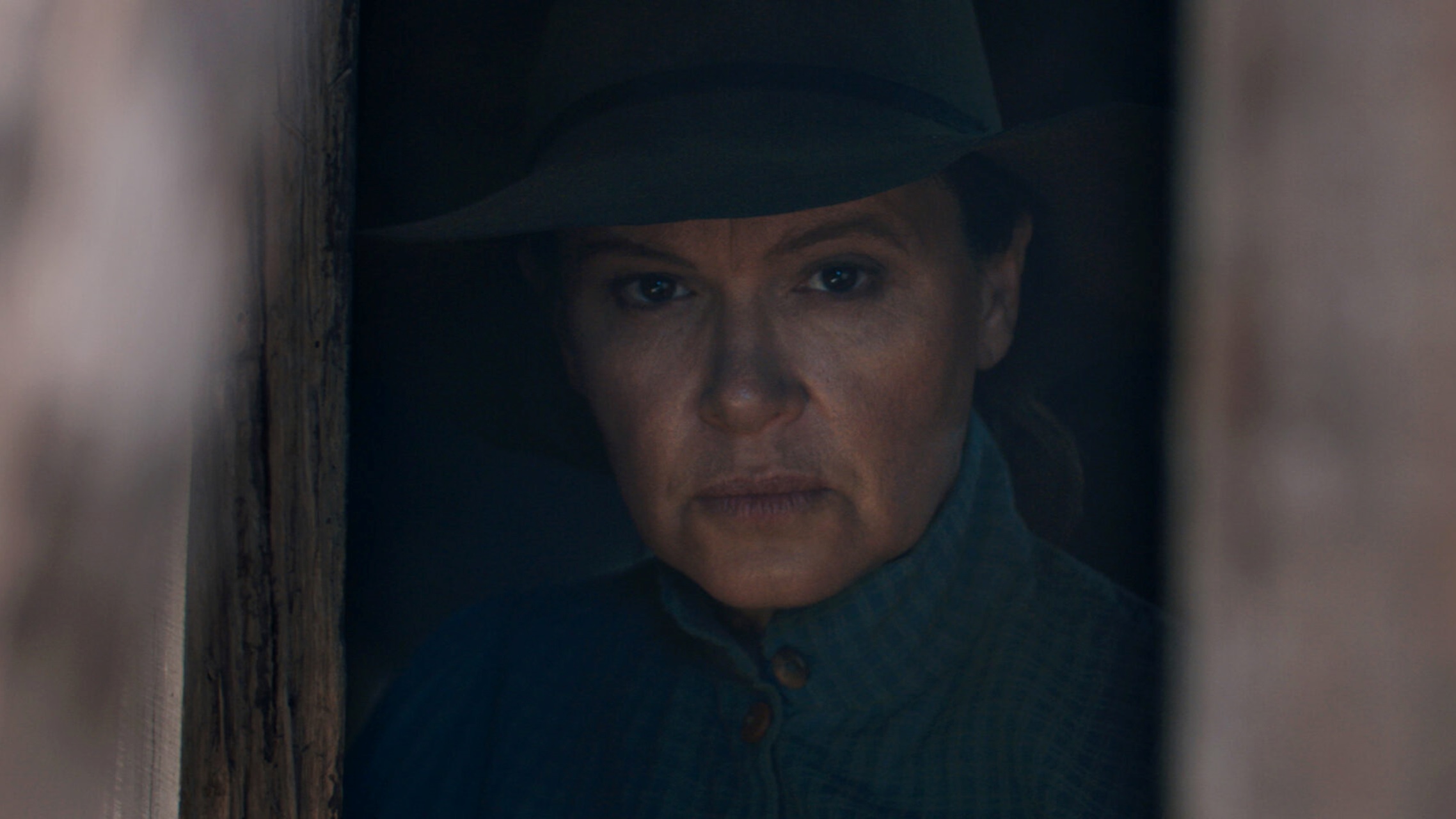
This would likely have made yours truly’s Top 10 of 2021, had it been released as scheduled – it was originally slated to premiere at the 69th Melbourne International Film Festival before a spike in Covid infections curtailed that plan, and its subsequent opening in theatres. Cinemagoers finally got a taste of what they missed in May – a Meat Pie Western that proved to be the best Australian production of the year, hands-down.

Juggling treble roles of star, writer and director, Leah Purcell (pictured) handles the grim and at times confronting material with confidence and professionalism. A stellar cast of familiar faces lend further gravitas to proceedings, while the acoustical score of Salliana Seven Campbell proves an ideal accompaniment, and Snowy Mountains a stunning backdrop. All of these elements ensure The Drover’s Wife as a fine addition to a rich, growing list of First Nations stories.

Top Gun: Maverick

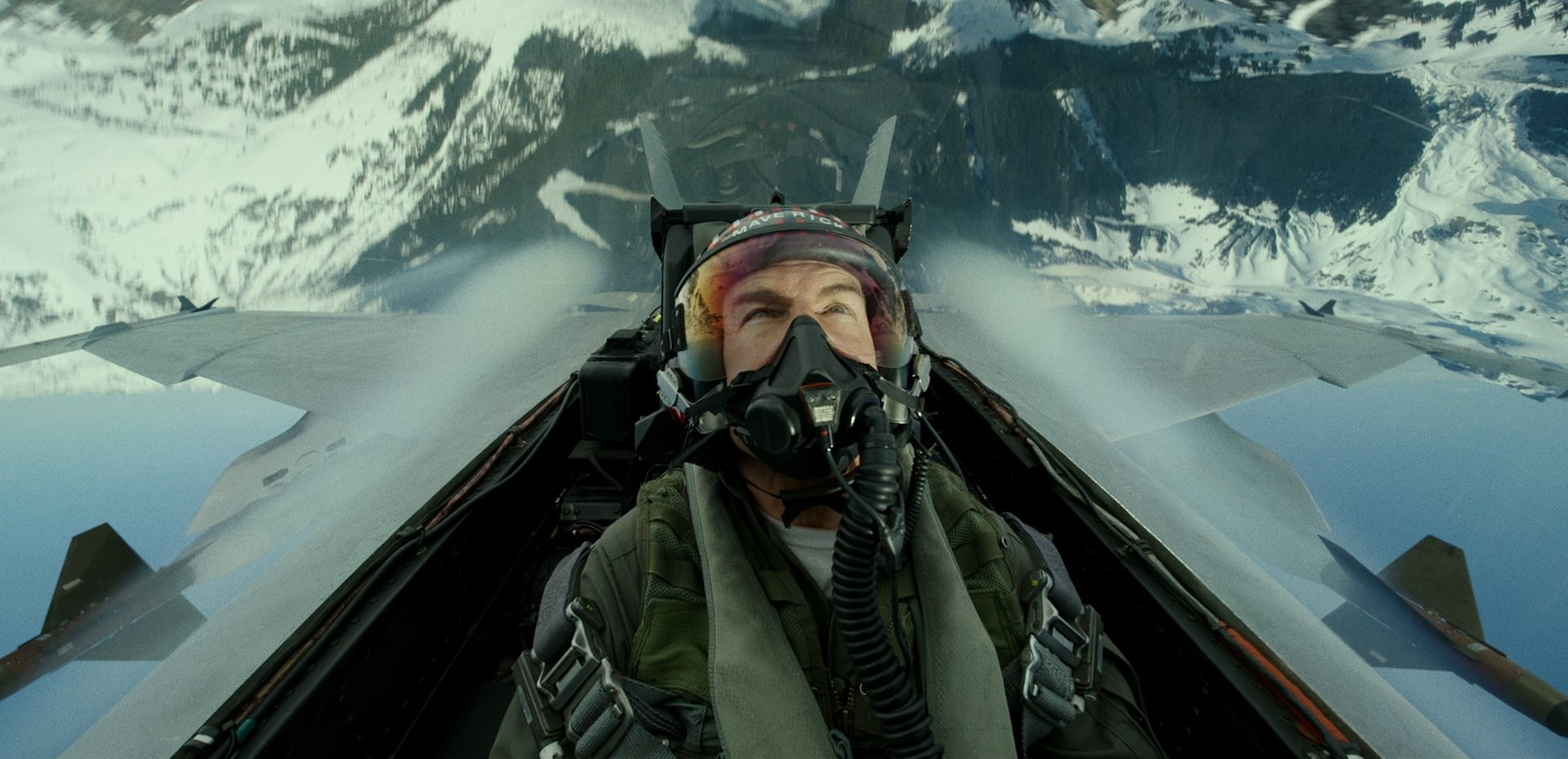
It was the sequel nobody asked for that became a must-see cinematic experience and earned praise as one of the best films of 2022 – an acclamation that’s being repeated here. After all, when a picture boasts a bevvy of practical effects, impressive stunt-work, exceptional cinematography, fantastic sound editing and a diverse cast stacked with many likeable, talented actors, it’s hard not to fall in love with it.

What makes Top Gun: Maverick even more enjoyable is how it pays tribute to the first Tony Scott-directed production, via the opening credits and a touching cameo from The Iceman himself, Val Kilmer. Had it evoked its 1986 originator even further and added just a tad more cheese, it would have likely become this writer’s favourite picture of the year.

The Bob’s Burgers Movie

What a shame this had to be released the same week as Top Gun. Had it not, a much larger audience may have paid witness to a bright, wholesome and entertaining caper that ranks as one of the best film adaptations of all time. That’s no mean feat, given its Emmy-winning source material is considered one of the best television programmes currently on-air.

Many qualities carry over from its originator, including the terrific voice-cast, quirky tone and catchy songs, while adding exceptional animation and an intriguing mystery with some great turns. While it doesn’t quite satisfy every itch that fans have ever held, it does fulfil co-director and producer Loren Bouchard’s promise of being accessible to those who don’t watch the Belcher family’s adventures on TV. For that reason alone, The Bob’s Burgers Movie is worth a watch.

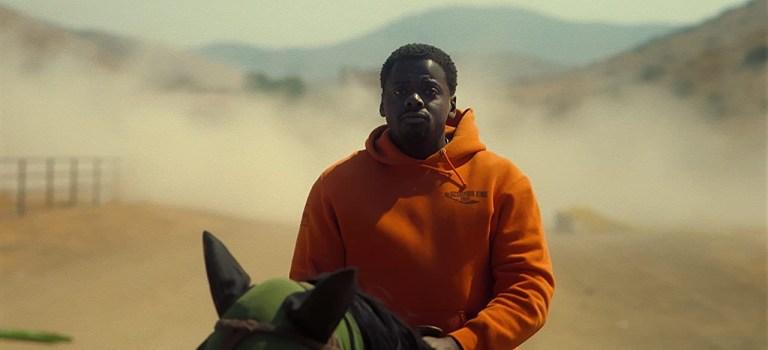
Nope

Having floored the cinematic landscape with his debut feature Get Out (2017) and delighted just as much with his follow-up effort Us (2019), anticipation was rightfully high for Jordan Peele’s third directorial effort. Not only did he deliver yet again with another smart, engrossing horror flick, he also did the impossible: made a whole generation afraid of clouds.

Among the elements that make this film a winner are the impressive photography of the surehanded Hoyte van Hoytema; the spooky, ethereal score of returning Peele collaborate Michael Abels; the great performances of the entire cast; and an ingeniously-designed UFO – sorry, UAP – that’s bound to influence every science-fiction film that follows. Also, don’t be fooled by that lowly “M” rating – despite possessing less violence and blood than its contemporaries, Nope is nothing short of a scary and most terrifying feature.

Puss in Boots: The Last Wish

As one of the strongest years for the medium of animation in recent memory, 2022 gifted no shortage of great offerings, be they stop-motion, hand-drawn or rendered with computers. DreamWorks provided the metaphorical cherry atop a most delicious cake in December’s final days with a sequel that could not be more different to its predecessor.

Contained within Puss in Boots: The Last Wish is a mature, pensive screenplay where complex, nuanced personalities grapple with conflicts that are usually reserved for adult-oriented dramas, not animated children’s films – a surprising and most-welcome move. Paired with these thoughtful musings is an art-style that, pleasingly, borrows just as many cues from oil paintings or storybooks as it does from Spider-Man: Into the Spider-Verse (2018).

95th Academy Awards: Predictions

It’s the most wonderful time of the year if you’re a cinephile, and it’s just around the corner.

Yes, the Academy of Motion Picture Arts and Sciences’ Night of Nights —otherwise known as “The Oscars”— will be taking place this Monday morning, March 13th (Naarm time) and the team at Rating Frames is as excited as ever.

As they did last year, our three resident critics have made their predictions as to what, or who, will be victorious in all 23 categories.

Below are the films that Arnel, Darcy and Tom are predicting will walk away with a coveted statuette at the 95th Academy Awards, and their personal vote, in each category.

Best Picture

What will win // What deserves to win

Arnel: The Fabelmans // The Fabelmans

Darcy: Everything Everywhere All at Once // Tár

Tom: Everything Everywhere All at Once // Everything Everywhere

Best Director

Arnel: Steven Spielberg (The Fabelmans) // Steven Spielberg (The Fabelmans)

Darcy: Daniel Kwan & Daniel Scheinert (Everything Everywhere All at Once) // Steven Spielberg (The Fabelmans)

Tom: Daniels (Everything Everywhere All at Once) // Martin McDonagh (The Banshees of Inisherin)

Best Actor

Arnel: Brendan Fraser (The Whale) // Colin Farrell (The Banshees of Inisherin)

Darcy: Brendan Fraser (The Whale) // Paul Mescal (Aftersun)

Tom: Brendan Fraser (The Whale) // Colin Farrell (The Banshees of Inisherin)

Best Actress

Arnel: Cate Blanchett (Tár) // Cate Blanchett (Tár)

Darcy: Cate Blanchett (Tár) // Cate Blanchett (Tár)

Tom: Michelle Yeoh (Everything Everywhere All at Once) // Michelle Yeoh (Everything Everywhere…)

Best Supporting Actor

Arnel: Ke Huy Quan (Everything Everywhere All at Once) // Brendan Gleeson (The Banshees of Inisherin)

Darcy: Ke Huy Quan (Everything Everywhere All at Once) // Ke Huy Quan (Everything Everywhere All at Once)

Tom: Ke Huy Quan (Everything Everywhere All at Once) // Brian Tyree Henry (Causeway)

Best Supporting Actress

Arnel: Angela Bassett (Black Panther: Wakanda Forever) // Kerry Condon (The Banshees of Inisherin)

Darcy: Angela Bassett (Black Panther: Wakanda Forever) // Kerry Condon (The Banshees of Inisherin)

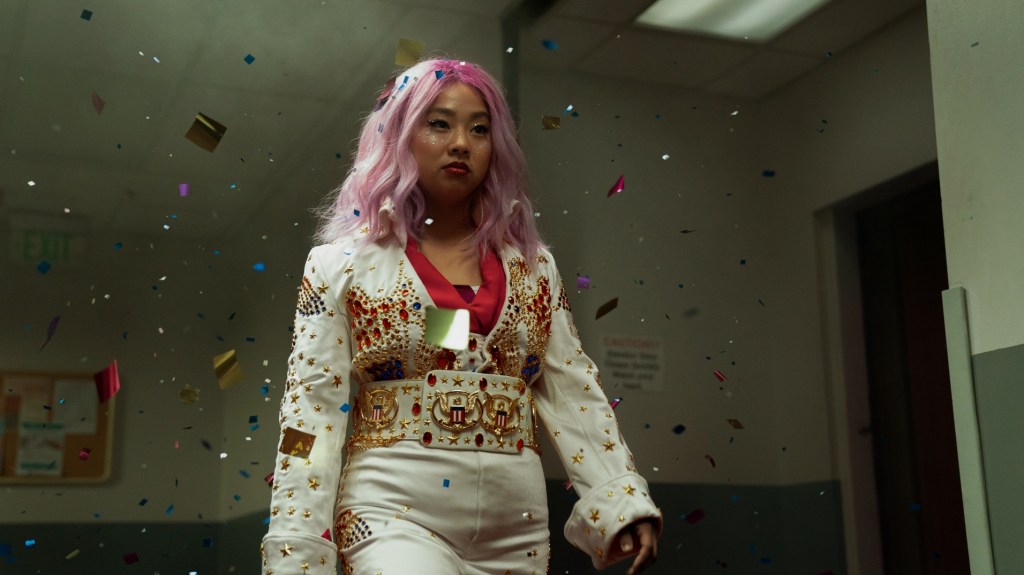
Tom: Jamie Lee Curtis (Everything Everywhere All at Once) // Stephanie Hsu (Everything Everywhere All at Once)

Best Original Screenplay

Arnel: Martin McDonagh (The Banshees of Inisherin) // Martin McDonagh (The Banshees of Inisherin)

Darcy: Martin McDonagh (The Banshees of Inisherin) // Todd Field (Tár)

Tom: Daniels (Everything Everywhere All at Once) // Martin McDonagh (The Banshees of Inisherin)

Best Adapted Screenplay

Arnel: Sarah Polley (Women Talking) // Sarah Polley (Women Talking)

Darcy: Sarah Polley (Women Talking) // Sarah Polley (Women Talking)

Tom: Sarah Polley (Women Talking) // Rian Johnson (Glass Onion: A Knives Out Mystery)

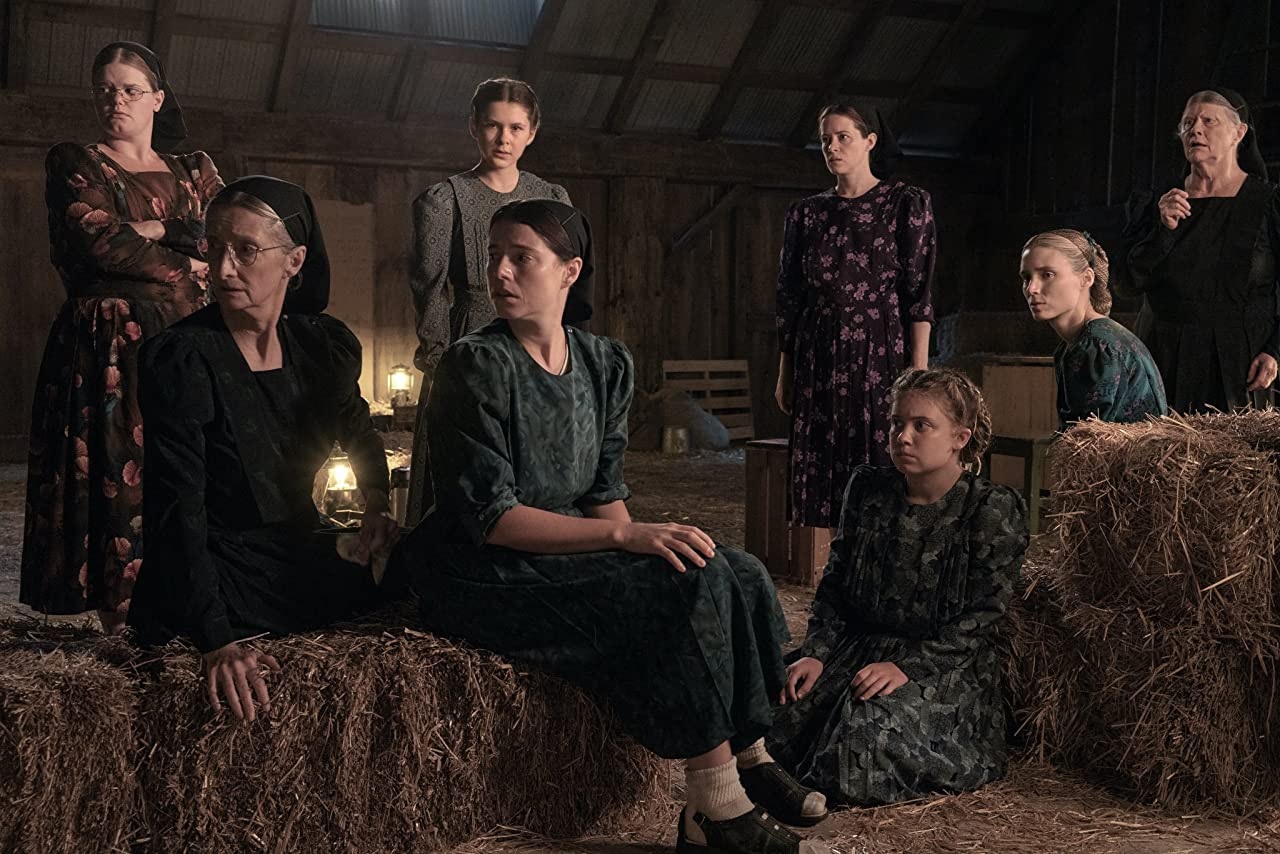
The cast of Women Talking, the team’s tip for Best Adapted Screenplay
Best Animated Feature

Arnel: Guillermo del Toro’s Pinocchio // Guillermo del Toro’s Pinocchio

Darcy: Turning Red // Turning Red

Tom: Guillermo del Toro’s Pinocchio // Turning Red

Best International Feature

Arnel: All Quiet on the Western Front // All Quiet on the Western Front (ideally, none)

Darcy: All Quiet on the Western Front // The Quiet Girl

Tom: All Quiet on the Western Front // All Quiet on the Western Front

Best Documentary Feature

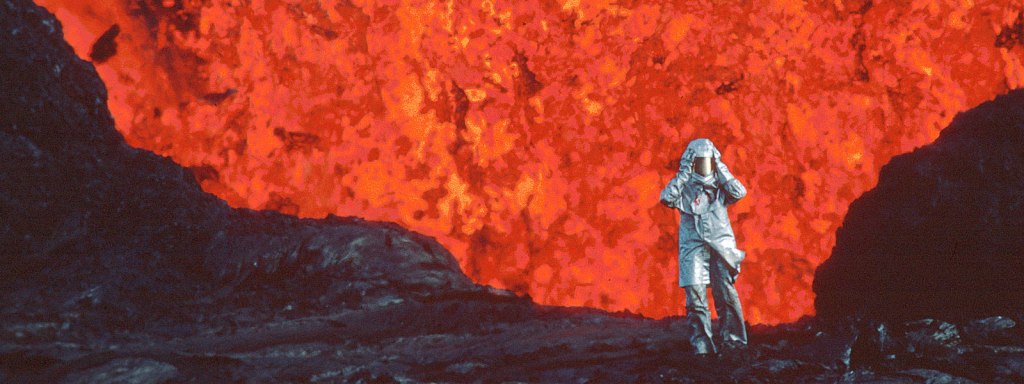
Arnel: Guess answer: Fire of Love // Fire of Love

Darcy: Navalny // All the Beauty and the Bloodshed

Tom: Fire of Love // Fire of Love

Best Documentary Short Subject

Arnel: Guess answer: Haulout

Darcy: Haulout

Tom: How Do You Measure a Year?

Best Live-Action Short

Arnel: Guess answer: Le Pupille

Darcy: Le Pupille

Tom: Le Pupille

Best Animated Short

Arnel: Guess answer: The Boy, the Mole, the Fox and the Horse

Darcy: The Boy, the Mole, the Fox and the Horse

Tom: The Boy, the Mole, the Fox and the Horse

Best Original Score

Arnel: Justin Hurwitz (Babylon) // Justin Hurwitz (Babylon)

Darcy: Justin Hurwitz (Babylon) // Justin Hurwitz (Babylon)

Tom: Volker Bertelmann (All Quiet on the Western Front) // Justin Hurwitz (Babylon)

Best Original Song

Arnel: “Naatu Naatu” (RRR) // “Hold My Hand” (Top Gun: Maverick)

Darcy: “Naatu Naatu” (RRR) // “This is a Life” (Everything Everywhere All at Once)

Tom: “Naatu Naatu” (RRR) // “Hold My Hand” (Top Gun: Maverick)

N. T. Rama Rao Jr and Ram Charan in RRR, the favourite for Best Original Song

Best Sound

Arnel: Top Gun: Maverick // Top Gun: Maverick

Darcy: Top Gun: Maverick // The Batman

Tom: All Quiet on the Western Front // Top Gun: Maverick

Best Production Design

Arnel: Babylon // Babylon

Darcy: Babylon // Babylon

Tom: Elvis // All Quiet on the Western Front

Best Cinematography

Arnel: Roger Deakins (Empire of Light) // Roger Deakins (Empire of Light)

Darcy: Roger Deakins (Empire of Light) // Florian Hoffmeister (Tár)

Tom: Mandy Walker (Elvis) // James Friend (All Quiet on the Western Front)

Best Makeup and Hairstyling

Arnel: The Whale // The Batman

Darcy: Elvis // Black Panther: Wakanda Forever

Tom: The Whale // The Batman

Best Costume Design

Arnel: Shirley Kurata (Everything Everywhere All at Once) // Shirley Kurata (Everything Everywhere All at Once)

Darcy: Shirley Kurata (Everything Everywhere All at Once) // Shirley Kurata (Everything Everywhere All at Once)

Tom: Catherine Martin (Elvis) // Ruth Carter (Black Panther: Wakanda Forever)

Best Film Editing

Arnel: Paul Rogers (Everything Everywhere All at Once) // Paul Rogers (Everything Everywhere All at Once)

Darcy: Paul Rogers (Everything Everywhere All at Once) // Paul Rogers (Everything Everywhere All at Once)

Tom: Paul Rogers (Everything Everywhere All at Once) // Eddie Hamilton (Top Gun: Maverick)

Best Visual Effects

Arnel: Avatar: The Way of Water // Avatar: The Way of Water

Darcy: Avatar: The Way of Water // Avatar: The Way of Water

Tom: Avatar: The Way of Water // Top Gun: Maverick

The Films of Michael Mann, Ranked

No one manages to blend crime and action on the big screen quite like Michael Mann. From the sprawling cityscapes that act as their own character, to the attention-to-detail with each and every aspect of production, Mann’s films are distinctively his own. It seems fitting then to look back on his stellar oeuvre and try and rank his titles based on my sentiment towards them at this moment in time. This is especially the case following his recent novel and sequel to the iconic Heat (1995), which he co-wrote with Meg Gardiner, and leading up to his Adam Driver-led, Enzo Ferrari biopic, Ferrari (2023).

Of course, like with any list, opinions are different and feelings towards films change as time goes by and depending on where in your life you find yourself. But for now, these are his films ranked from worst (if you can call them that) to best:

11. The Keep (1983)
The Keep

Whether it’s due to the fact that large chunks of this film were cut out, or because it’s the least Mann-esque title on the list, The Keep is what I like to call Mann’s brain fart.

His second feature following the brilliant Thief (1981) represents his first and clearest (as there are elements of this in his true crime thrillers) foray into the horror genre. It’s a film plagued by bland and uninspired performances; a nonsensical narrative involving Nazis, a devilish entity, a supernatural Scott Glenn and one of the strangest but best sex-scenes you’re likely to see in a Mann film or otherwise; an interesting production design; and a pretty neat synthy score by Tangerine Dream.

Given Mann has disowned the film because of Paramount’s treatment of it, one can only imagine what the unreleased director’s cut had in store — we can only hope it graces out screens someday.

10. Manhunter (1986)
Manhunter

Many might find my ranking of Manhunter to be completely against the grain, but this thriller revolving around capturing a psychotic serial killer just never resonated with me on a narrative level like some of the other titles on this list (and I still gave it 3.5/5).

Manhunter focuses on FBI agent Will Graham (William Peterson), a detective who’s come out of retirement to help locate an elusive serial-killer with strange motives. His past experiences hunting figures like Hannibal Lecter (a subtle performance by Brian Cox) means he’s the perfect guy for the job.

Manhunter uses Will and the serial killer he’s hunting to create an interesting parallel between the mind of a psychotic man and the man capable of catching him. Its use of home video and the focus on truly seeing almost posits that these two men aren’t so different in how they see the world, but to different ends and outcomes.  

Whether or not I was expecting a more conventional voyeuristic mystery-thriller in the way that Se7en (1995) or Rear Window (1954) are —where the killer feels like they’re an arm’s length away, only for the satisfaction of catching them to be snatched from you— is difficult to say (perhaps that’s what people love about this?), but I found myself at a crossroads by the third act. I hope my opinion changes on a second viewing.

9. Ali (2001)
Ali

On the surface, a film about Muhammad Ali seems like the farthest thing from a Michael Mann joint. There’s no mesmerising cityscape, no sirens or gunfire, no real suspense in the way that his crime films create suspense, and the subject matter doesn’t exactly scream ‘Michael Mann’.

But this film about the greatest boxer of all time works because of Mann’s interest in figures that don’t play by the rules. Specifically, Ali focuses on the period of time between Ali’s (Will Smith) first major heavyweight bout, the court case filed against him for refusing conscription for the Vietnam War, and his famous win against George Foreman to reclaim the heavyweight title.

Ali’s unilateral decision to not be conscripted was momentous for the fact that he was the heavyweight champion of the world, and making such a decision could affect his ability to box in his prime (which it did). He also reinvented who he was by changing his name and living on his own terms — a staple of Mann characters, but for different reasons. Often his characters are trying to protect others from who they truly are whereas Ali was trying to break away from the branding that others (white slavers) had given him and his people centuries ago.

The opening 15 or so minutes are also arguably Mann’s most compelling in the way that he establishes character, creates purpose and builds tension. At times there’s a suddenness to proceedings where the film makes abrupt leaps in time between the court case announcement, the Joe Frazier fight, and the George Foreman fight, but overall Ali is a portrait of one man’s journey to becoming in the face of adversary.

8. The Last of the Mohicans (1992)
The Last of the Mohicans

Along with The Keep, The Last of the Mohicans represents a different sort of Mann.

Like with Peter Jackson’s first film experience with the classic King Kong (1933) and his eventual reimagining of that classic on his own terms in King Kong (2005), Mann’s first vivid film memory was of 1936’s The Last of the Mohicans.

Helmed by Daniel Day-Lewis as the adopted Mohican, Hawkeye, this period piece about everything from the damning effects of bureaucracy to the Tarzan-esque romanticism of the love affair between Hawkeye and Cora Munro (Madeleine Stowe), is the first Mann film to create a sense of scale that would have greatly shaped the way he approached his later films.

By that I mean Mann finds a balance between showcasing the wide and beautiful terrain of a primeval America against the harshness of the looming modernisation that threatens its existence. This translates onto how the characters react to each other, whether it be through Magua (a mesmerising Wes Studi) and his desire for revenge against the British (for what they took from him) as well as his forward thinking to help his tribe, or through the loud and rampant battle at Fort William Henry that threatens the peace of the land.

Guided by one of the greatest scores of any film ever by Trevor Jones and Randy Edelman which at once evokes hope and sadness, picturesque vistas, and gripping direction that never falters, this Mann-epic is Mann at his most untethered.

7. Public Enemies (2009)
Public Enemies

When it comes to famous outlaws, there are few that are as iconic as John Dillinger, especially given he was a man who wasn’t interested in stealing from regular people, but the state itself.

That’s partly why he’s the perfect historical figure for a Michael Mann film given his self-defined approach to life.

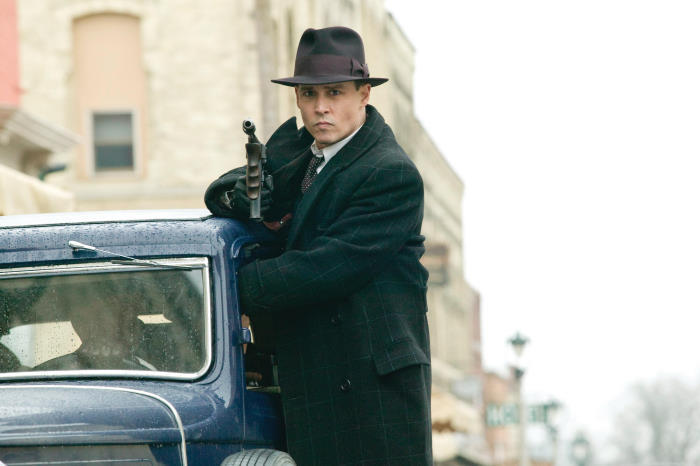
Public Enemies follows Dillinger (Johnny Depp) as he makes prison escape after prison escape, continuously evading capture and robbing banks before finding an added purpose in life in the form of one French-American, Billie Frechette (Marion Cotillard).

Like all of Mann’s anti-heroes, Depp’s Dillinger is charming and elusive all at once. He’s a character infused with an aura of mystique that Depp delivers with the casual suave that his own image beyond the screen has maintained.  

But it’s in the reimagining of the period through a digital lens where Public Enemies really excels. The moody greys, dark passages and almost colourless world are so striking here that it creates a more profound hyper-realism — almost bringing the 1930s to life in a way that shooting on film wouldn’t.

6. The Insider (1999)
The Insider

A film about a man’s grapple with doing what’s morally right or being forced into silence by forces greater than him; The Insider, in true Mann-style, is an exercise in patience — in waiting for the right moment to make a move before it’s too late.

Unlike Mann’s other thrillers though, The Insider doesn’t have vans of heavily armed forces hiding around the corner, but it instead puts its faith in the truth overcoming the odds. That truth is in the form of former tobacco chemical scientist, Jeffrey Wigand (Russell Crowe) and the 60 Minutes producer looking to help bring his story to light, Lowell Bergman (Al Pacino). The odds are the Brown and Williamson Tobacco Company who are trying to keep Jeffrey, and this story around what really happens to tobacco, silent.

Guided by Mann’s brilliant direction, a well-crafted script by Mann and Eric Roth, and a standout performance from Al Pacino in an unfamiliar but equally familiar performance, The Insider paints a perplexing portrait of the lengths to which vindictive multi-billion dollar organisations will go to in order to supress information. It brings various parties with differing interests together, and creates a wide web of uncertainty for all involved — with no clear contingencies, but everything to lose for everyone involved.   

5. Blackhat (2015)
Blackhat

Michael Mann’s most recent film feels like a sum of all of his best parts (it’s also been eight years since it was released!).

The film follows hacker Nicholas Hathaway (a career-best performance from Chris Hemsworth) who, after a series of awry events happen by an unknown source, is released from prison for the purpose of helping discover the person behind these events.

Blackhat is where ideas meet, characters converge, and where the tangible coalesces with the intangible.

In a similar way to Manhunter (but without the straining of classic thriller conventions) and Heat, this film once again depicts two sides of the same coin — Hathaway as the hacker-turned-FBI collaborator, and the unknown hacker blowing up coolant pipes and infiltrating wall-street. One is front and centre for the audience, while the other is kept faceless. While their intentions are different, they occupy a similar space like almost all of Mann’s characters do, but Blackhat is different to his past films because of how it bridges the characters worlds together and carries and communicates messages.

Mann uses modern technology to create a divide (the intangible), and forces his characters to embrace human interaction and connection (the tangible) if they are to overcome this threat.

His portrayal of the L.A. and Hong Kong maze of buildings and their bright lights speaks to the lack of personality or distinguished features in these settings, which fizzles down to the people who fade into each other like ones and zeros. It’s a wider critique on getting lost in the masses at a macro level, and getting lost in the code on a micro level.

Hathaway is the vessel Mann uses here to try and break through the code and by extension, this front that a world lacking real connections, has maintained — with Hemsworth using his size and stature to brilliant avail.

The closing sequence sees Hathaway concoct weapons and armour out of everyday tools, as though Mann is returning man to a primitive state before the world of data and technology became the guiding force. Hathaway gets the upper hand, and walks away in perhaps Mann’s most optimistic ending.

4. Thief (1981)
Thief

The OG Mann, Thief introduced audiences to this true-crime loving director who focuses on characters that take pride in the work they do, sometimes fall in love in the process, and live life on their own terms.

For expert safe-cracker and straight-talker, Frank (James Caan), he embodies the above perhaps more than any other character in Mann’s oeuvre. It might be because this is Mann’s most contained film in that it isn’t made up of major set pieces and crowded settings, but instead allows Caan to revel in the dialogue and the weight behind his words.

Thief is about a man on a mission to tick off his checklist of wants before cashing out. It’s also about a man refusing to bow down to the interests of others, instead taking it upon himself to shape his own destiny at any cost.

3. Collateral (2004)
Collateral

Two guys in a car, strangers to each other, both operating on a routine, a structure that they rarely break from, moving as one through the luminous L.A. night but to different ends.  

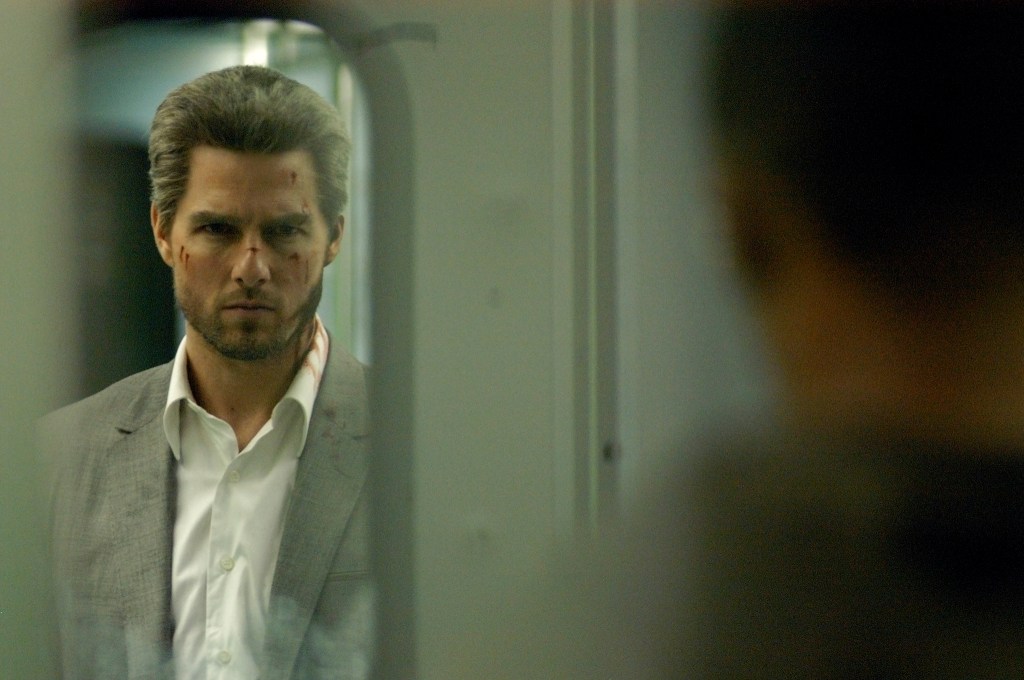
Collateral is a wonderous neo-noir that pivots two men with differing moral compasses against each other: Max (Jamie Foxx), a slave to his inhibition, to his failure to act and make a difference to his life; and Vincent (Tom Cruise), a man untethered, a multi-faceted nihilistic hitman who gets in, gets out, and keeps moving forward.

Much has already been written on Collateral, from its vivid imagery to the rawness of its digitised look — at once enticing and haunting. Vincent poses a threat to Max’s idealised vision of tomorrow, but also an opportunity to start making things happen and not idle by.

2. Heat (1995)
Heat

What does one even say about what, in the eyes of many, is Mann’s magnum-opus?

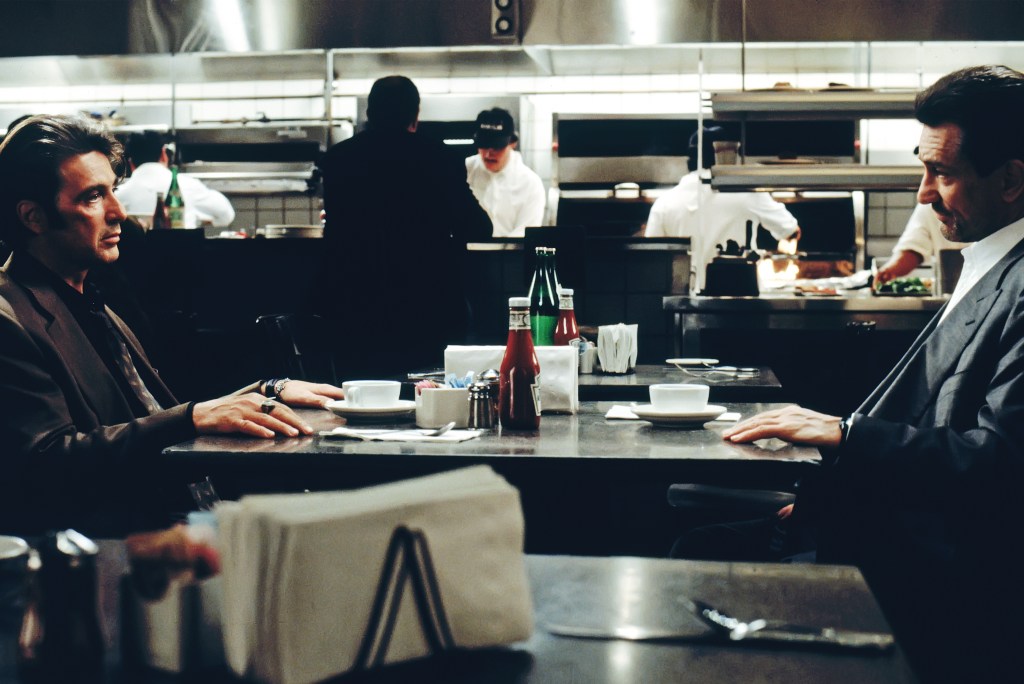
Heat is the sum of many parts, but it doesn’t work without its two key pieces: Al Pacino and Robert de Niro. The duo, reunited together on a feature for the first time (and for the first time ever in the same scene/s) since The Godfather Part II (1974), Pacino and de Niro are two sides of the same coin.

Vincent Hanna and Neil McCauley are like yin and yang — they don’t mix but they can’t function without one another. This speaks to Mann’s wider commentary on good vs evil, crime vs order which has been the focal point for 90% of his oeuvre. In Heat, Pacino and de Niro accentuate Mann’s fascination with these binary opposites to their full extent.

It’s as though these characters revel in the chase, of being the hunter and the prey, and they treat it like a drug that supersedes everything else in life. Mann brilliantly captures this through bright neon lights and the wider city which acts as its own sanctum that gives weight to the chase. Nothing is as beautiful as the city lights in a Mann film where cop cars race down the freeway in a storm of intensity.

But Heat is also made up of moments: the diner scene between Neil and Vincent is one of the greatest moments of character interaction in cinema history as these two men come face to face, pause the chase, and acknowledge each other; the downtown LA shootout where Mann shut down multiple blocks to shoot one of the most jaw-dropping scenes in any film ever; and the poignant finale where the two leads lock horns for the last time.

Without Heat, we may never have had The Dark Knight (2008), and that’s just one extra reason to watch this if you haven’t.

1. Miami Vice (2006)
Miami Vice

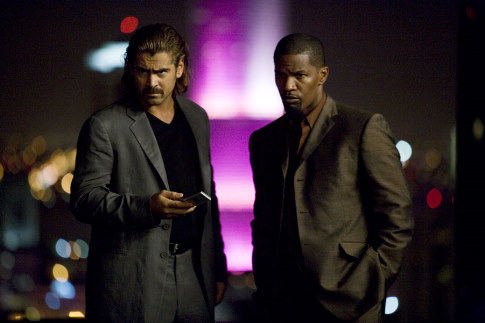
I’m sure Miami Vice is a top-three Mann on anyone’s ranking of his work, but this bustling neo-noir about two under-cover detectives goes beyond the 80s show of the same name to become a gripping tale of people accepting that they’re living on borrowed time and learning how to manage the time they have left.

On the surface, Miami Vice is a buddy-cop thriller about two detectives infiltrating an offshore drug operation where they act as the middle-man between the international supplier and the local Miami buyer. Their mission is to find out who the buyer is, but the deeper they find themselves in the operation, the more they realise they’ll never have an opportunity like this again.

Jamie Foxx and Colin Farrell are the two leads here and (while already the case with Foxx) they instantly fit the Mann-model of characters who don’t always play by the books, are good at what they do, and sometimes make rash, emotionally led decisions.

But it’s through Mann’s ability to capture the fleeting nature of life, the suddenness of a bust and the shootouts that ensue, where Miami Vice makes a case for his best film. There’s a dream-like tranquillity to the use of digital footage here that might just be the best example of creating evocative images in the digital format. From the bright hues of the nightlife and its clubs to the more intimate sensual moments, there’s a sense of liveliness and temporality mixed together in the film’s visual language.

Mann’s growing fascination with the commodification and expendability of the human body really started gaining momentum here as well. Whether it be in the film’s final shootout where bodies drop at a whim or the use of people as shields for getting what you want (drugs, cash, obedience), it’s an aspect of his films that really does speak to how precious those moments of human interaction are for his characters when they do have them.

Best of 2022: Arnie’s Picks

Picking out any 10 films from a year with stellar titles is never an easy task; this was especially the case for my 2022 list. In fact, not since 2017 have I had to think as much about the films on my end-of-year list. From David Cronenberg’s return to directing almost eight years since his last feature, to James Cameron’s return to Pandora almost 13 years since Avatar, right through to Tom Cruise’s return to the character that propelled him to A-class status — there was no shortage of the epic, iconic and memorable. That’s just a snippet of the below, so here’s my best 10 films of 2022.

10. Crimes of the Future

Having not directed a film since Maps to the Stars over eight years ago, David Cronenberg’s latest, Crimes of the Future, sees the body-horror mastermind return in resounding fashion.

The film, which I view as one of the dark-horse titles on my list, delivers all the signature Cronenberg goodies that audiences love (blood, guts and more guts) but in a much more toned down display. Of course, Cronenberg never does gore for the sake of it, but instead explores mankind’s deepest rooted fears —experiments gone wrong, tech turning on us etc.— while using the grotesque to amplify his concerns.

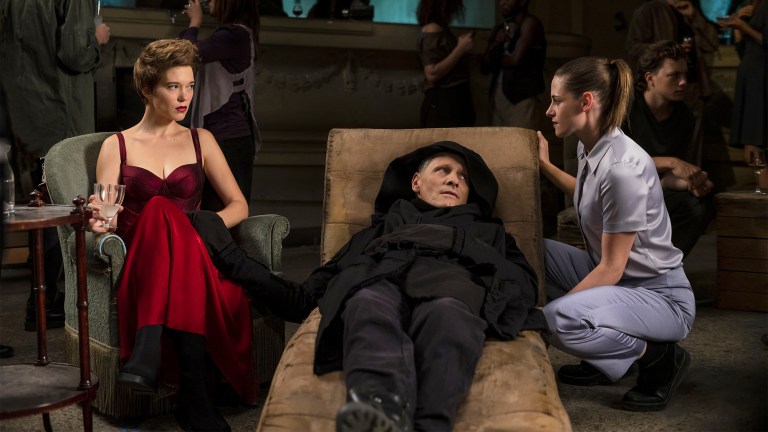
Crimes of the Future is no different in that regard, as it looks to a time ahead where humans have a changed digestive system and a hunger that can only be fed through the likes of plastic. Performance art meets the grotesque, with Saul Tenser (Viggo Mortensen) growing organs almost at a whim, and his partner in crime, Caprice (Léa Seydoux) removing them to a much appreciative audience.

Howard Shore’s hauntingly subtle score gives weight to the eeriness at play and even heightens Mortensen and Seydoux’s already brilliant, nonchalant performances. It’s a film that’s creepy but clever in its creepiness, one that captures the festering of the human body and the need to adjust the way we live as our bodies change. That’s only part of it, of course — the real crime is not watching the latest Cronenberg.

9. Hit the Road

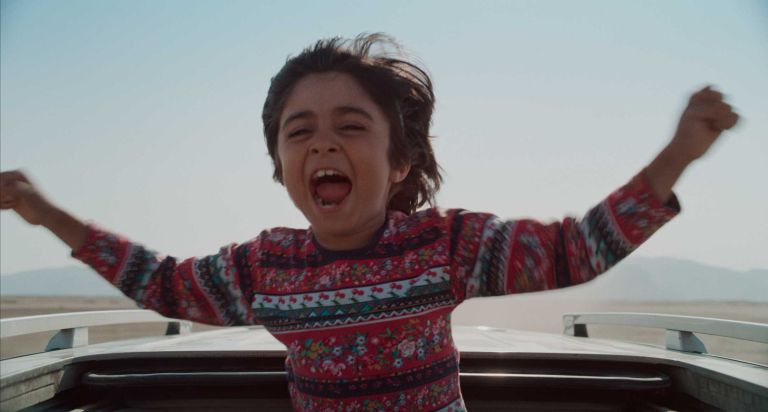
There’s few films in 2022 that will throw you an emotional curveball like Panah Panahi’s Hit the Road. Panahi, son of legendary Iranian filmmaker Jafar Panahi, crafts a road trip story that explores the struggle of separation, something that is a staple of Iranian filmmaking and a harsh reality in a country with a turbulent political standing.

Politics aside, the film is peppered in the humour often found in similar works from the region —Jafar Panahi’s, in particular— as it incorporates everyday family bickering and banter that I’m sure everyone who has ever been on an “are we there yet” type road trip with their family, has experienced. Films like this often require a convincing ensemble to help hit home that tense but loving family feel, and fortunately the ensemble here do an excellent job.

8. Kimi

A covid-era film that doesn’t make covid its main story point? Count me in.

With an overlooked performance by Zoe Kravitz who nails the agoraphobia-isolated character with her very blank, “leave me alone” facial expressions, Kimi sees Steven Soderbergh pack a lot of nuance into this smaller-scale crime-thriller. The result is a nail-biting search for answers as Angela Childs (Kravitz) is forced by circumstance to venture outside after hearing what she suspects is a sexual assault or a murder, on the Kimi device (this film’s equivalent to Amazon Alexa).

Obvious comparisons have been made to Alfred Hitchcock’s Rear Window (1954), though the films are entirely separate in how they approach their subject matter.

7. The Batman

Matt Reeves’ The Batman represents a fresh take on the caped crusader, one that is more akin to the ‘Arkham’ video games in that it explores the Batman’s more detective leanings.

What follows is a crime-thriller worthy of the highest praise and one that is reminiscent of the likes of classics in the sub-genre including Seven (1995). Greig Fraser’s cinematography is wonderous and keeps in line with the very gothic leanings that Reeves is going for here. Michael Giacchino’s score is equally inspired, with the composer using church bells and low hums to create an eerie sensation.

Reeves no doubt looked to the Christopher Nolan and Tim Burton’s films when figuring out how he would approach this, and there are obvious correlations like the gothic-vibe from Burton’s films and the development of the Riddler being very similar to that of the Joker in Nolan’s The Dark Knight (2008). Yet, this film is unequivocally Reeves’. Sure he drew on the films that came before his, but this is a film made up of close-knit conversations, measured action sequences, and clever storytelling. The rowdiest this film gets is during a truly memorable chase sequence involving Batman’s custom V8 Batmobile.

The cast is just as committed, with Robert Pattinson’s emo-like appearance being fitting for the darker aesthetic; Zoe Kravitz once again fits the part perfectly playing Catwoman; Collin Farrell shines as Oswald Cobblepot in what has been a stellar year for him; and the likes of Paul Dano and Jeffrey Wright do well in their parts as well. In fact, all aspects of production come together brilliantly like cogs in a machine. The end product is a welcome addition to the ever-growing Batman story.

6. Jackass Forever

When it comes to practicality in filmmaking, Johnny Knoxville and his crew of misfits are the ones you can count on to put on a show.

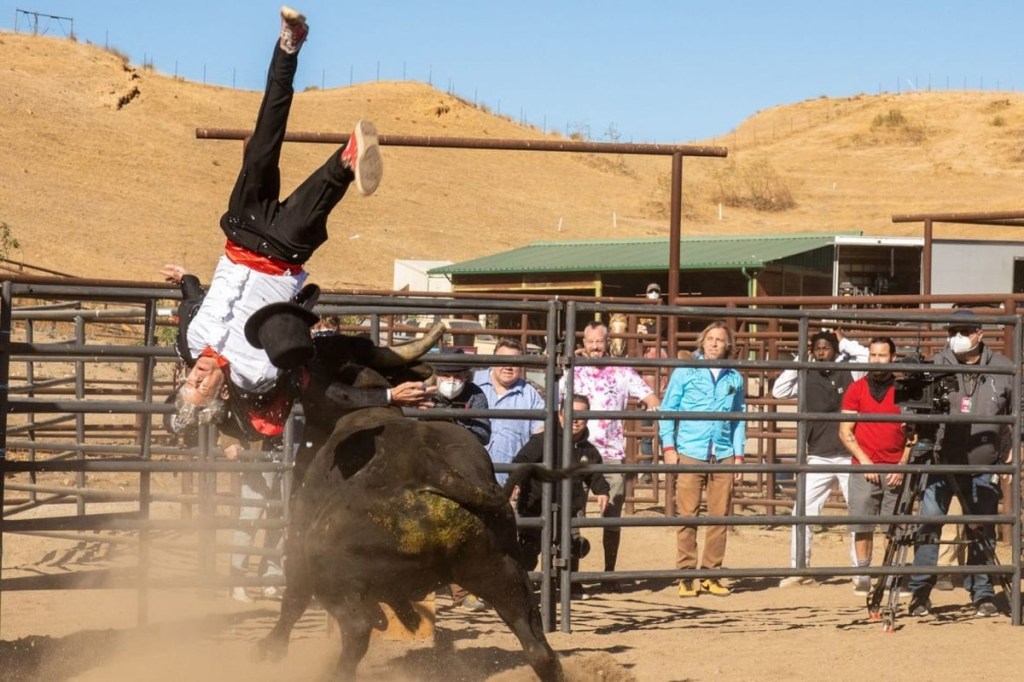
Jackass Forever is a film nestled in its own comfy corner of cinema. Yes, Buster Keaton, Charlie Chaplin and Jackie Chan are incredible actors and stuntmen who have put their bodies on the line for the sake of entertainment, but it’s the man-child Jackass group who have done it because they find it fun to face death.

Yet, Jackass Forever isn’t just people doing things that are best left to the imagination, it’s also a culmination of 20+ years of commitment to pushing the boundaries of what can be done in front of the camera. For all of its death-defying moments, Jackass Forever feels like a warm hug that throws you a sucker punch when you’re least expecting it. Bringing in the classic faces that have laid the groundwork for Jackass, along with some new and equally risk-embracing ones, this is a film that celebrates the unimaginable, and doesn’t hold back on the bruises.

It’s a film, like the others in the series, that is built up of ‘firsts’ both in terms of what you’re seeing and for the cinema broadly, and deserves the highest of praise for what it achieves.

5. Ambulance

You either love him, hate him or tolerate him, but there’s no denying the Michael Bay is a man of the cinema — particularly action cinema.

Ambulance, like all of Bay’s previous films, is set on displaying the biggest and wildest action sequences you can get. The film hits like a heavy dose of adrenaline, and it keeps you infused right from its early stages until its heartfelt finale. 

The film is a testament to Bay’s unabashed approach to direction where he keeps the tension boiling, turns up the temperature gradually, and then drops the heat to a boil again while never turning it off. The best examples of this are found in the way the film’s technical elements work together to sing Bay’s chaotic tune: the piercing score, the snappy cross-cutting, the canted camera angles, and the mobile drone camerawork that takes the audience and positions them in unfamiliar situations. 

Ambulance works because even with all the absurdity leading up to the characters finding themselves in this dire chase situation (let’s face it, no one would escape that many LAPD officers and vehicles), there’s never any respite to dwell on that aspect of the film. Bay knows what he’s doing and you can either buckle up for the ride, or dive ride out the passenger seat.

4. The Banshees of Inishiren

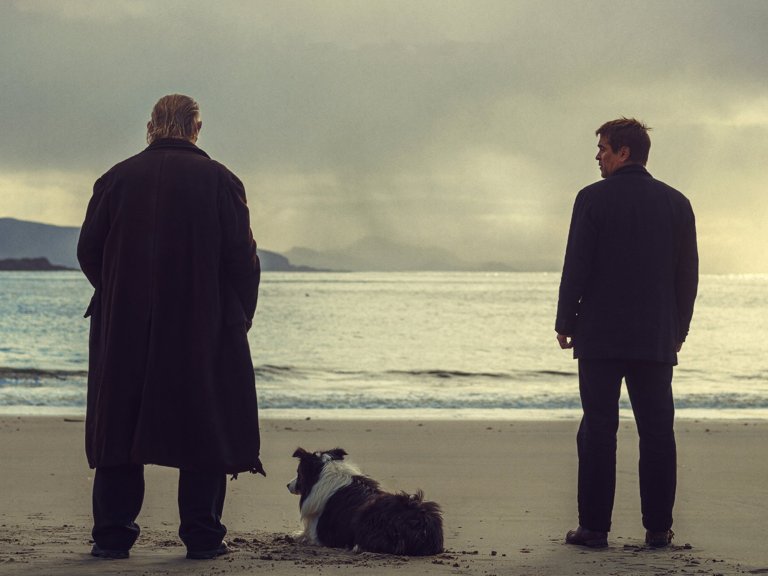
In what is quite clearly a spiritual successor to McDonagh’s equally witty and heartfelt debut feature In Bruges (2008), The Banshees of Inisherin paints a perplexing picture of the human condition against the beautiful backdrop of a fictional Irish town during the Irish Civil War. 

It’s a story of two friends —Colm (Brendan Gleeson) and Pádraic (Colin Farrell)— who decide not to be friends anymore (well, at least one of them decides). But more than that, The Banshees of Inisherin is about the fleeting nature of life; the realisation that nothing lasts forever even if we want it to.

McDonagh’s script here is easily his most realised — even if In Bruges still contains some of my favourite lines from any movie ever. He manages to mesh together humour and poignancy in ways that no other director does, and it leaves you in a state where you’re not sure whether to laugh, cry or both.

Gleeson and Farrell are at the top of their game (as is the rest of the cast), and I wouldn’t be surprised if we see the male acting categories be swept up by this duo in the coming awards season.

3. The Fabelmans

Anything I say about Steven Spielberg is superfluous at this stage, and honestly if The Fabelmans is anything to go by, Spielberg tells (or shows) you everything you need to know about him anyway.

This is ultimately Spielberg’s visual diary, one that at once examines the very youthful promise of endless possibility —with the only limitations being your imagination (as symbolised by the camera)—, and the navigation of expectation, of the un-imaginary and the tangible (the reality that hits when the record button is turned off).

It’s clear that Spielberg and co-writer and frequent collaborator, Tony Kushner, have dug into the nitty gritty of the directors’ life. There is a level of verisimilitude coursing through the film whether it be in the performances, the very raw and grounded screenplay that avoids glossiness, or John Williams’ moving score — the duo have cashed in all of the chips Spielberg has accrued and pulled no stops.

The Fabelmans paints an interesting portrait of self-actualisation, of finding your place in the world and pursuing what you love even if it means confronting hard truths in the process. This is Spielberg’s world, and we’re living in it.

2. Avatar: The Way of Water

No one does blockbusters quite like James “Jim” Cameron, and Avatar: The Way of Water is the proof in the pudding.

The Way of Water takes audiences to the far beyond of Pandora, namely to its oceanic vistas that, on their own, make the 13 year wait between the original and the sequel all the more worth it.

Cameron, of course, is no stranger to pushing the boundaries of what is achievable at such a scale; if a project isn’t ready to be pursued, be it because of a lack of technological development or the moment just not feeling right, he won’t pursue it. That was the case with Avatar (2009) which he decided to eventually make almost a decade after writing the treatment. He saw Peter Jackson’s development of motion capture with Gollum in The Lord of the Rings films and King Kong in King Kong (2005) as turning points for technology in cinema, as well as Davy Jones in Gore Verbinski’s The Pirates of the Caribbean films.

But The Way of Water blows all of these titles out of the water with what it achieves visually (and that’s coming from a died hard Jackson and Pirates fan). From the refined look of the Na’vi including the way they move under water and their human-like movement generally, to the bumped up frame rate at 48fps which adds extra fluidity to proceedings — The Way of Water is a visual masterpiece that represents a pivotal turning point in visual effects and motion capture.

Aside from its technical marvels, it’s also a sum of all of Cameron’s experiences up until now. His brilliance ultimately rests in his unmatched understanding of scale — of how to get all of his story points in a basket while showcasing them in the biggest way possible.

He clearly cares for this world and everything within it, and he pours his heart and soul into each and every frame to the point where you can’t help but care for it as well.

1. Top Gun: Maverick

Do you feel the need for speed? I sure did.

Top Gun: Maverick is the Terminator 2: Judgment Day (1991) of 2022. The perfect sequel to Tony Scott’s iconic Top Gun (1986) and one that goes above and beyond its predecessor in (almost) every department (save for maybe how iconic it is, though we should maybe give it 36 odd years).

Joseph Kosinski’s film is the one that I’ve though about the most throughout 2022, so much so that I’ve been desperate to buy its original poster which has now ignited a fascination with poster collecting that I never knew existed.

Whether it be the death-defying air-scapades that prove how much of a madman Tom Cruise truly is, or the care with which this sequel is able to revisit and reimagine its titular character — there’s no shortage of brilliance behind every decision. The stakes are raised, and Maverick is forced to come to terms with his past, find his place in the world, and pass the torch on to the younger generation — directions in characterisation that screenwriters Ehren Kruger, Eric Warren Singer, and frequent Cruise-collaborator, Christopher McQuarrie, do a great job of balancing.

This film will make you nostalgic, will leave you in awe, and will sit with you long after its end credits roll by.

Honourable Mentions: Glass Onion: A Knives Out Mystery, Ticket to Paradise, Guillermo del Toro’s Pinocchio, Puss in Boots: The Last Wish, The Northman and Good Luck to You, Leo Grande.

Best of 2022: Darcy’s Picks

With films returning to their native home of the theatre, 2022 delivered an interesting year of releases. Returning to some sort of cinema normalcy, even if the industry has been quite radically changed by Covid, the year has been full of quality films, including a large suite of self-reflexive stories from filmmakers old and new, to surprising and uber-entertaining box office hits, and the return to form for some incredible directors.

My 2022 list is surprisingly different to my most anticipated list from March, with Nope being on both lists, as my favourite works of the year came from unexpected places. This list includes two debut features (Hit the Road, Aftersun), a film from a filmmaker I’ve struggled with in the past (Armageddon Time), and a filmmaking blindspot I need immediately filled (Tár). While no five-star classics exist in this year of film, an impressive level of depth made this a difficult list to order and will no doubt change years from now. But for now, here is my list of the best films of 2022.

10. Hit the Road

A cheeky but politically and thematically resonant road trip dramedy of a young Iranian family attempting to smuggle their son out of the country to avoid military duty.

Panah Panahi, son of legendary filmmaker Jafar Panahi, is no stranger to the industry, but what he is still able to achieve on a debut feature is remarkable. Weaving in a deft political statement with a director well aware of where he is crafting his films, Hit the Road is elevated by a delightful and emotive family ensemble, centred by a lightning rod performance by Rayan Sarlak as the little brother.

9. Moonage Daydream

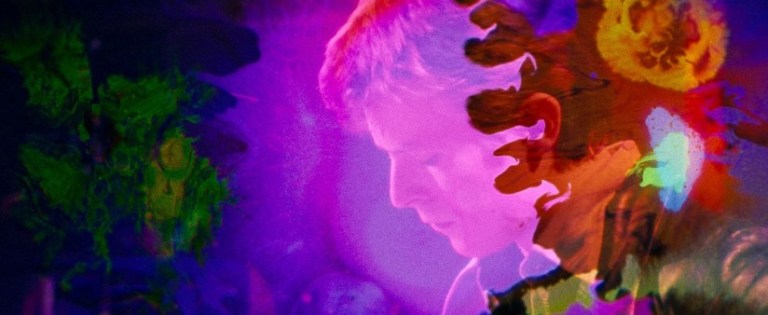
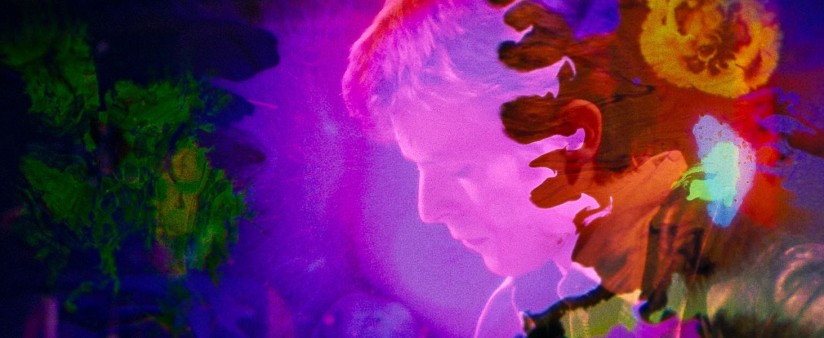
Filmmaker Brett Morgen, known for his wonderful 2015 documentary, Cobain: A Montage of Heck, declared this an experience about Bowie, not a biography of David Jones, and he truly delivered on this promise. Moonage Daydream (2022) is a deeply arresting piece of nonfiction cinema that operates as a mood piece that will be put up next to the very best in the genre.

The film weaponises its breathless propulsion in sly and interesting ways that sneaks up on you emotionally, much like Bowie’s very best work. It takes time to show its form to you, but once it does its effect is moving and profound. Morgen found something deeply relatable in his pursuit of capturing the figure of Bowie on film, unveiling a beautiful portrait of isolation for an artist that created community, showing us an image of the chameleonic legend that you won’t soon forget.

8. Broker

A master of humanist cinema, Hirokazo Kore-eda has crafted his most challenging makeshift family yet. Following a duo of child brokers of babies left at the local church’s baby box, Broker is complicated but deeply enriching in its portrayal of morality in the greyest of areas. Not of the same quality as Kore-eda’s Japan set masterpieces After Life (1999) and Shoplifters (2017), but is still one of the year’s best.

7. Nope

The film that grew on me the most this year. Peele has crafted a deeply engaging and entertaining riot of a sci-fi, Hollywood western that breezes through its first two acts to crescendo at a massive final act with a truly unique antagonist. While the film does lack in character work, its wielding of spectacle while also throwing those audience compulsions back in our faces is extraordinary, and is a brilliant use of the massive studio budget Peele is able to receive for these original stories.

6. Armageddon Time

Armageddon Time is emotionally devastating in ways that evolve beautifully over time, lingering long in the heart like a critical memory. What allows the emotion to thrive is the outstanding cast that could all individually contend come awards season. A gorgeous ensemble that introduced layers of nuance and understanding to each character over the runtime, highlighted by Banks Repeta and Anthony Hopkins.

5. Everything Everywhere All at Once

Floating along a constant stream of intertextuality, self-referentiality, and reverence to the films that paved the way to gift this film into audiences’ laps—The Matrix (1999), In The Mood for Love (2000), any Charlie Kaufman film—Everything Everywhere feels like a cinematic miracle that is at risk of breaking at any point.
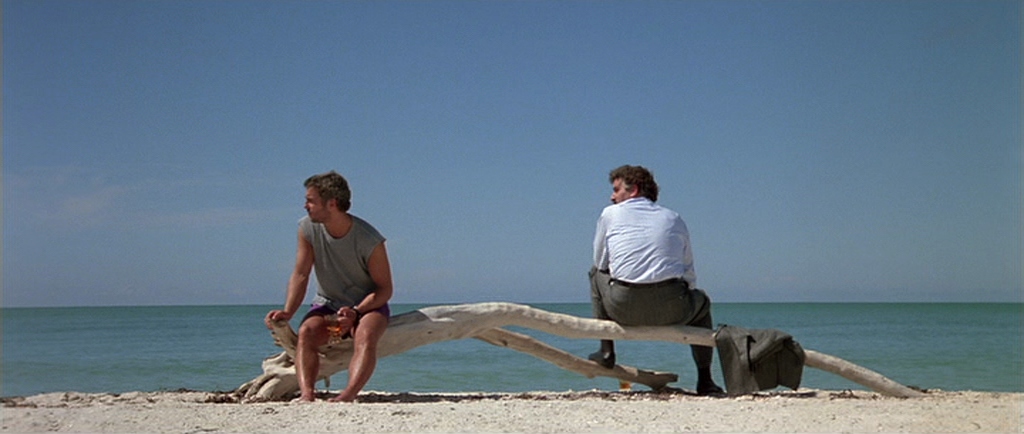
Everything Everywhere is a technical marvel of small-budget filmmaking, from its mind-blowing costume and production design to its sound design and visual effects, but the real hero of the film is editor Paul Rogers. Rogers’ work here is nothing short of miraculous. Tasked with building a feverish momentum for over two hours while having each individual emotional moment land with as much impact as each comedic or absurdist one. Rogers moulds the filmmaking duo’s creative madness into a deeply resonant and enjoyable work, not just another overly ambitious indie that feels more like a creative dare than a work of art with deep truths. Don’t take for granted what an achievement this film is.

4. Aftersun

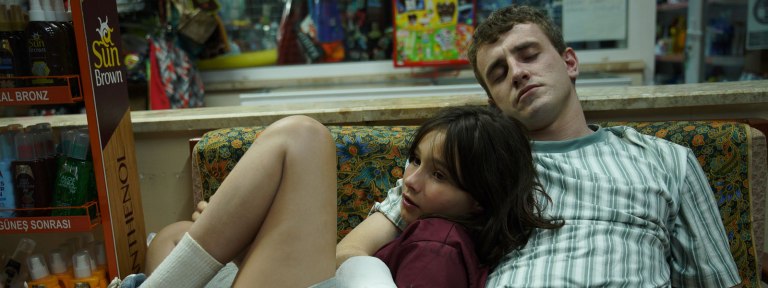
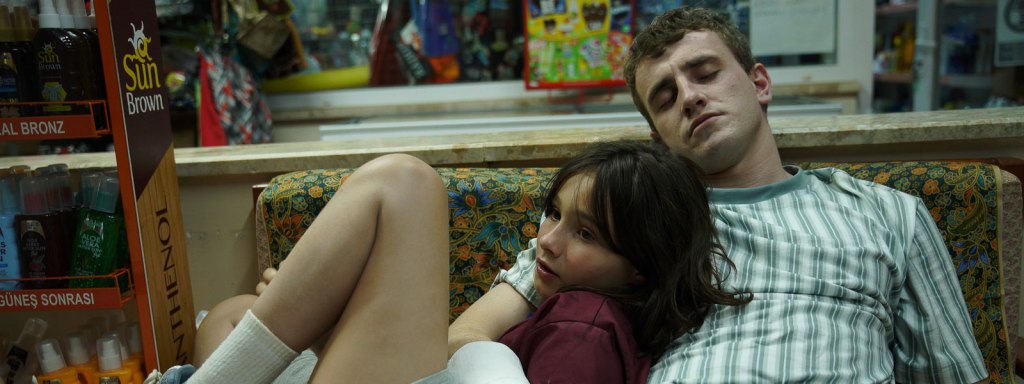
The debut feature of the year (in a uniquely stacked debutant class), Charlotte Wells’ memory drama of a young father bringing his 12-year-old daughter on a holiday to Turkey is so beautifully crafted, teeming with empathy and respect for the perspectives of both individuals’ experiences. Paul Mescal is enthralling in the year’s best performance as Calum, a tortured bird that must force himself to put up a front to protect his daughter. There are some ideas explored in Aftersun, like the fear of parents with mental illnesses handing it down somehow to their child, that will obliterate you. Wells wields a flexible script that is explored with care and restraint that is extraordinary for a first-time feature filmmaker, making her the director to watch in the next few years.

3. The Fabelmans

Spielberg’s whole heart is on the screen, warts and all. What makes The Fabelmans succeed is its lack of pure saccharine while still maintaining his signature warmth. The power of Spielberg’s clear-eyed and impassioned filmmaking, mixed with Kushner’s deft hand at profound characterisation, allows the audience to see themselves in every character. This is as much a film about Mitzi and Burt as it is about Sammy, with Kushner able to establish an extraordinary amount of emotional depth out of these personal stories for Spielberg whilst never feeling overly soft or cruel to their lives. 

2. The Banshees of Inisherin

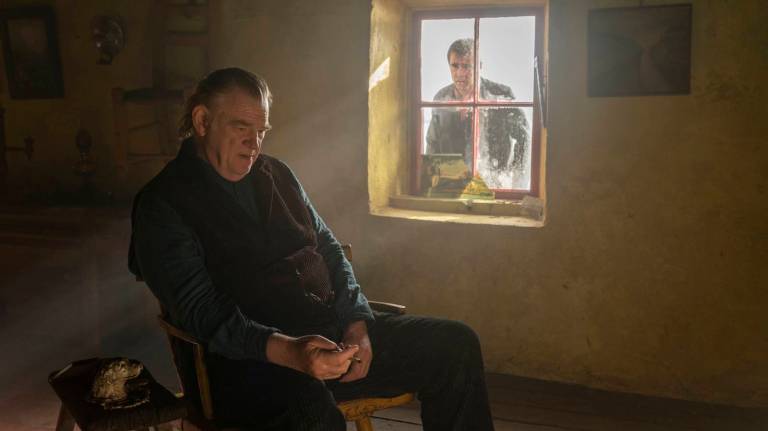
A densely compacted fable on friendship, breakups, art, passions, and how one chooses to spend a life, that is never less than wonderfully entertaining. A brilliant balancing act that consistently grounds itself in the earth of its characters, never allowing its more ethereal themes to float into wistful abstraction. McDonagh is at the top of his game both as a writer and director here, allowing the non-dialogue-heavy moments to shine as much as the musicality of his feckin’ barbs.

McDonagh has grown exponentially as a visual storyteller, allowing his sharp pen to relax and using the other aspects of cinema to communicate his themes and ideas in deeply rewarding ways. 

1. Tár

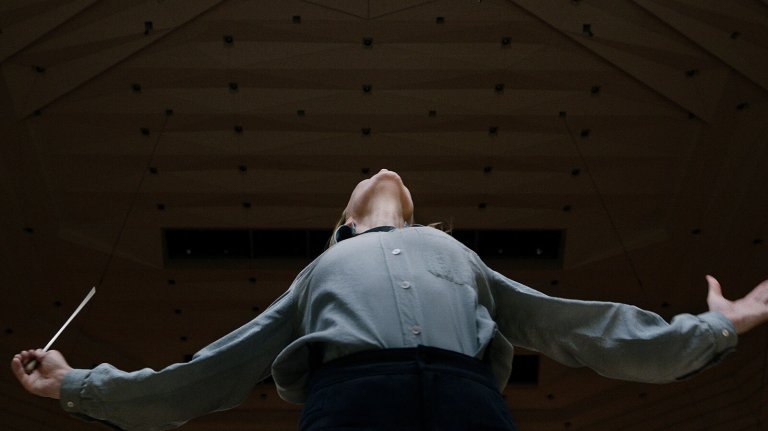
In a year without a true five-star film, several films on this list could have made it to number one, and perhaps in a couple years this order will change, but as of posting, this film has a way of burrowing into my subconscious and bubbling up every other day. American films just aren’t like this anymore. A provocative thriller that has no easy answers that will have you enthralled over its long but rewarding 158-minute runtime.

Todd Field returns after a 16-year absence from the cinema with the year’s best film about a deeply flawed figure that’s warts are shown under a fierce precision, never allowing a scene to end with an easy answer. Tár is a tangled web of clashing ideas that have sparked some of the best film writing around an American film in who knows how long. Field has crafted a film of ideas that gives nothing to the audience easily, but rewards all who view this strange and entrancing object.

Tony Gilroy described the film as “hard and perfect on the outside. Mayhem brewing within. Masterwork.” These competing forces of interiority and external poise are the powerful tempest that builds throughout Tár, creating a singular viewing experience, and one of the year’s best films.

Honourable Mentions: After Yang, Barbarian, Crimes of the Future, Kimi, Top Gun:Maverick, RRR, The Northman, and Lingui

Nicholas Stoller Interview

Our very own, Arnie, spoke to film Director Nicholas Stoller (Forgetting Sarah MarshallNeighborsThe Five Year Engagement) about his latest rom-com Bros, starring Billy Eichner and Luke Macfarlane.

The film is Billy’s first major leading role, he’s the first openly gay man to co-write and star in his own major studio film, it’s the first romantic comedy from a major studio about two gay men, and it’s also the first studio film in history with an entirely LGBTQ+ principal cast.

This interview was originally published on SYN

Bros is screening in cinemas nationwide from October 27.

MIFF 22: Darcy’s Notebook

With another great year completed at Melbourne’s International Film Festival, our writers have come out the other end bleary-eyed and brimming with excitement. MIFF 20222 was an impressively consistent festival with new releases from a combination of old masters and emerging talents, both internationally and locally.

Here, our writer Darcy has dropped his notebook full of notes and thoughts on the many films he was able to catch at the festival, all of which should hopefully be brought to larger audiences throughout the rest of the year.

Aftersun (Charlotte Wells) 2022:

A gorgeous film about age, parenthood, and mental health that has such a warm and caring heart, it allows its heavy moments and ideas to linger with the audience.

Aftersun is a debut so assured, so confidently written and directed by Charlotte Wells you will be scrambling to discover her short film work. The film is an achingly intimate portrait of a young father on holiday with his 11-year-old daughter, played touchingly by Paul Mescal and Frankie Corio.

It will be hard to find a more affecting film this year, one so beautifully written you can’t help but see yourself in both characters. I both dread and can’t wait to return to the glow of Aftersun.

Rating: 4 out of 5.
Broker (Hirokazu Koreeda) 2022:

In contention for best film of the festival, Broker is a deeply complicated but always empathetic drama from a true modern master. Hirokazu Koreeda’s films have a certain sticky quality, maturing in your mind long after the credits roll. His films will always affect you emotionally, but their true power is the depths he is able to mine from a collection of characters.

Broker, leaning into the more Korean style of cinema, is more forceful and plot-driven in its storytelling than Koreeda’s other films, but is more successful than his previous non-Japanese film, The Truth (2019).

The film is quite astonishing and deeply felt, with perhaps the only false note being its loud, heavy-handed moments. These moments are further leaned on by quite an obtrusive and manipulative score by Jung Jae-il, especially by Koreeda standards, who usually allows emotions to develop more naturally in his films.

Thank you for being born. 

Rating: 4.5 out of 5.
Decision to Leave (Park Chan-Wook) 2022:

A deeply sensual romance under the guise of a quirky police mystery. Park Chan-Wook has always had a keen understanding of his audiences, usually to an extreme effect like in Oldboy (2003) and The Handmaiden (2016). 

The film requires a rewatch as the pieces all work individually but I’m unsure as to their cohesion as the film rounds out into a melodrama. The two lead performances are complicated and layered with conflict, making the film engaging but hard to latch onto as a whole.

Rating: 4 out of 5.
Dual (Riley Stearns) 2022:

Dual (2022) is a vacuum-sealed dry comedy that owes a lot to Yorgos Lanthimos. Riley Stearns’ idiosyncratic comedic style burst onto the scene with the deeply funny film The Art of Self-Defense (2019), thanks in large part to the terrific performances by Jesse Eisenberg, Imogen Poots, and Alessandro Nivola. Like Lanthimos, it is clear actors get a certain excitement from working with his dialogue, but not all are suitable for it. It’s unclear if Dual’s lead Karen Gillan or its uber-dry dialogue lets down this film in contrast to his previous work, but it is certain to be missing a key element.

That being said, Dual is still deeply funny in places, in particular the doctor’s visits which feel the most inappropriately appropriate locale for Stearns’ dialogue. What is largely absent in the dialogue and writing as a whole, however, is any semblance of humanity and life. With this style of upfront, dry comedy writing, you lose the ability to play between the lines, as everything is pitched straight down the middle to the viewer.

Stearns has achieved success through his idiosyncratic writing style, a mountaintop many writers never reach. Now it’s time for him to seek to expand on it, engaging with his audiences more emotionally, something which would make for a pretty special film.

Rating: 3 out of 5.
Emily the Criminal (John Patton Ford) 2022:

A solid crime drama with a pointed look at the economic lives of millennials, anchored by a truly great dramatic performance by Aubrey Plaza. Emily the Criminal (2022) works wonderfully as a cascading waterfall of small, utterly reasonable decisions until they come crashing down in its final act.

The film is a great debut by John Patton Ford that is certain to spark hopefully a long and interesting career. Ford’s script is the film’s highlight, especially in its ability to connect the criminal world of the film with the economic reality too many millennials find themselves trapped within.

Even though some of the decisions made in its final act undercut a lot of the messaging and themes, it is still wildly entertaining and painfully relatable, making it a deeply worthwhile watch.

Rating: 3.5 out of 5.
Fire of Love (Sara Dosa) 2022:

A charming, playful documentary about French volcanologist couple Katia and Maurice Krafft. Their work is highly specific but their passion is relatable and life-affirming. The film is a wonderful companion piece to the Jacques Cousteau documentary, Becoming Cousteau (2021), a clear inspiration to the Krafft’s, even down to the iconic red beanie.

The voiceover by filmmaker Miranda July is sweet and feels deeply entwined with the style of Sara Dosa’s documentary, allowing the film to work both emotionally and narratively.

A truly affecting moment was the shift from watching the couple evolve their focus from a totally self-absorbed drive for witnessing and studying volcanoes, to using their knowledge and relentless drive to protect the people living near dangerous volcanoes.

Rating: 3.5 out of 5.
Marcel the Shell with Shoes On (Dean Fleischer-Camp) 2021:

A joyful, all-ages film that was a perfect note of contrast to the festival’s more dramatic highlights, Marcel the Shell with Shoes On (2021) will win over even the more serious audiences. Based on a viral video series that is cleverly woven into the feature film’s narrative, Marcel follows an anthropomorphic shell named Marcel and an amateur documentarian (Fleischer-Camp), who has discovered the shell while staying at an Airbnb.

The film somehow never tips over into pure saccharin which is impressive given its story, which is a credit to the writing and the performances of Jenny Slate and Fleischer-Camp. It’s impossible to not get swept up in Marcel’s journey to find his family, but you may be surprised by how affected you will be by its simple story.

Rating: 4 out of 5.
Meet Me in the Bathroom (Will Lovelace, Dylan Southern) 2022:

Based on Lizzie Goodman’s totemic book of the same name, Meet Me in the Bathroom tracks the rise of the 2000s New York rock movement after many years in the wilderness, told through the words and lives of The Strokes, Yeah Yeah Yeahs, LCD Soundsystem, and many other important figures.

A deeply complicated time period to capture as a documentary, with the looming figure of 9/11 across so much of the music that came from the scene. It’s impossible for this sobering moment to not emanate outward into the rest of the film, even when we are witnessing rock stars being born.

It’s of course going to feel sparse in comparison to the 800-page oral history time that is Lizzie Goodman’s book, but it could’ve felt more focused. The approach is scattershot and without a propulsive narrative, something that is commonly absent in most documentaries but is what separates the true greats.

Lovelace and Southern’s great achievement is in the LCD Soundsystem’s Last Waltz-esque, one-last show documentary Shut Up and Play the Hits (2012), a monument to the power of access in nonfiction filmmaking. The film also indulges in copious amounts of self-mythologising (something they allow James Murphy to do again here) but is vindicated at the conclusion of the film as we become a Murphy disciple inside a sold-out Madison Square Garden crowd.

Rating: 2.5 out of 5.
Moonage Daydream (Brett Morgen) 2022:

Filmmaker Brett Morgen, known for his wonderful 2015 documentary, Cobain: A Montage of Heck, declared this an experience about Bowie, not a biography of David Jones, and he truly delivered on this promise. Moonage Daydream (2022) is a deeply arresting piece of nonfiction cinema that operates as a mood piece that will be put up next to the very best in the genre.

The film weaponises its breathless propulsion in sly and interesting ways that will sneak up on you emotionally, much like Bowie’s very best work.

It takes time to show its form to you, but once it does its effect is moving and profound. Morgen found something deeply relatable in his pursuit of capturing the figure of Bowie on film, unveiling a beautiful portrait of isolation for an artist that created community, showing us an image of the chameleonic legend that you won’t soon forget.

Rating: 4.5 out of 5.
Neptune Frost (Anisia Uzeyman & Saul Williams) 2021:

Recipient of the MIFF Bright Horizons award, Neptune Frost (2021) is a gorgeously experimental afro-futurist musical that is never short on ideas.

The heart of the story is of revolution, with a character going through their own personal revolution sparking a larger revolution in others through their connection to both land and technology. Too often technology-focused sci-fi is based on fear, not on what is possible through it. There is beauty in Uzeyman and William’s use of technology that makes the film instantly unique and fascinating. 

Feels close to the films of Apichatpong Weerasethakul, focusing on a spiritual journey over a traditional narrative. This style is in stark contrast to the musical moments of the film, which play out as wondrous set pieces that create contemplative valleys afterwards. This wildly inventive approach to the film works more often than it doesn’t, toeing a nearly impossible line with confidence and style. 

You will not find another film like Neptune Frost, with the thematic density of the best science fiction stories, surrounded by wildly inventive musical set pieces that will be burned into your mind.

Rating: 4 out of 5.
Triangle of Sadness (Ruben Ostlund) 2022:

Triangle of Sadness (2022) is so arch you fear it will snap in half. Outrageous and offbeat with some truly theatre-rupturing moments, with the climactic dinner scene feeling closer to a disaster movie than the dinner sequence in The Square (2017). Unfortunately, the film is terribly bloated. This wouldn’t be as big an issue if Ostlund had put any humanity into his film. This cheapens any impact of the outrageous moments, as well as the satirical ones. 

The middle chapter is the highlight of the film, which will answer the question, “What if a Jackass skit was shot well enough to win a Palme d’Or?” 

What usually holds Ostlund’s wild scripts together is the tremendous performances of its main cast (Claes Bang in The Square, Lisa Loven Kongsli and Johannes Kuhnke in Force Majeure), which feels absent in Triangle of Sadness. His scripts are difficult to instil emotion and humanity into, but Bang, Kongsli and Kuhnke have in the past been able to achieve it, leading to those films’ great success.

Ostlund was definitely striving for a social satire in the vein of the legendary Luis Buñuel (1972’s The Discreet Charm of the Bourgeoisie) but instead felt closer to Adam McKay. The ideas of this satire are quite murky and messy, but rarely in an endearing or interesting way. 

Rating: 3 out of 5.
Saloum (Jean Luc Herbulot) 2021:

The surprise hit of the festival so far, Saloum (2021) is a film destined for cult status. A kinetic western-horror genre mashup that leaves you wanting so much more, something I pray Shudder also realises.

The story follows three mercenaries, transporting a Mexican cartel member across Africa whose plane runs out of gas over Senegal and must stay at a local village. The film is full of unique characters and is told with such style and a deft hand you won’t even notice the more fantastical moments until Herbulot wants you to focus on them.

Rating: 3.5 out of 5.
Return to Seoul (Davy Chou) 2022:

A unique mix of Korean and French cinema styles allow Return to Seoul (2022) to always feel fresh and new.

The story focuses on French-Korean 20-something Freddie (Park Ji-Min), a complicated and compelling character that elicits empathy and frustration in equal measure. She has returned to Seoul to find her birth parents, having been adopted by a french couple as a baby. Freddie has seemingly taken this trip on a whim, and as the film continues her self-destructive tendencies that seem at first like a quirk in her character, quickly form a heartbreakingly predictable pattern.

The film loses its momentum and the audience as it transitions into short, time-jumping vignettes in its final third. Not that each individual scene isn’t compelling and breathes new life into Freddie’s story, but the decision comes so late in the film’s runtime that it catches the viewer off guard, and not for greater results. The important connective tissue in this final act is unfortunately thin and leaves you mixed on a film that was rather special up until this point.

Rating: 3 out of 5.
Three Thousand Years of Longing (George Miller) 2022:

A real ‘one for me’ film for George Miller, Three Thousand Years of Longing (2022) is sure to divide audiences in ways only he can. Sandwiched between working on large-budget Mad Max franchise films, the famed Australian director has crafted a visually stunning, narratively dawdling feature that will charm and beguile audiences.

Adapted from A.S. Byatt’s collection of short stories, an important context to give the film as Miller and co-writer Augusta Gore have decided to give the film a similar structure. Leaping between casual conversations shared by narratologist Alithea (the ever off-kilter but charming Tilda Swinton) and Idris Elba’s djinn, shared in an Istanbul hotel room, and the djinn’s story of how he came to be beholden to her.

The film works in its visually dense production design which is Miller’s cinematic superpower, but never really excels in its more meandering storytelling approach. It does, however, feel like exactly the sort of film that will excel several years down the road as we live longer in these stories, constantly revisiting the couple in Istanbul for just one more story.

Rating: 3.5 out of 5.
Sweet As (Jub Clerc) 2022:

A charming, coming-of-age teen drama that feels beautifully lived in and tinged with autobiographical detail. Sweet As (2022) feels both deeply Australian but also universal, something that could allow it to really break through overseas which is incredibly exciting.

The film is gorgeously shot by the terrific Australian cinematographer Katie Milwright, allowing the natural contrast between the mining town to billow out through the Kimberley region that could easily moonlight as a travel ad for the Northern Territory.

There are rough edges around Sweet As, as most debuts do, but the emotional maturity of Clerc is what shines through in every scene. She has a keen sense and care for her characters that make it impossible not to fall in love with them.

Rating: 3 out of 5.
Something in the Dirt (Aaron Moorhead, Justin Benson) 2022:

There’s nothing like a low-budget, high-concept sci-fi on a late night at a film festival, especially by a couple of cult film legends in Moorhead & Benson. 

Something in the Dirt (2022) operates as a mock documentary, something that may feel like a tired narrative framing for a low-budget indie, but the directing pair makes the film seem boundless.

There is a certain awe that comes when a film feels like it could’ve come straight out of film school, but with all of the confidence of a veteran.

Rating: 3 out of 5.

Obi-Wan Kenobi and the Rise of the Spin-Off Series

It seems we’re living in the age of the spin-off series. Intellectual property (IP) that has proven successful is now seeing a surge of either origin or ‘where-are-they-now’ stories surrounding established characters (Better Call Saul, Young Sheldon, the upcoming That 90s Show etc.), or shows providing more context on the show they are spun-off from (1883, How I Met Your Father etc.). No truer is that than in Disney’s wave of Star Wars limited series.

There’s no question that the Star Wars universe lends itself to this surge of content more than any other property available. That’s not to say that there aren’t other major IP’s that have the same possibilities, with the widely popular Game of Thrones set to see Kit Harrington reprise his role as everyone’s favourite, nothing-knowing Jon Snow.

But in Star Wars, Disney has a well with an endless supply of content, and one that the entertainment behemoth is unlikely to ever to stop drilling. From The Book of Boba Fett to the latest Obi-Wan Kenobi show, the last year has seen Disney already churn out two Star Wars-centric shows for two iconic characters from the franchise. And with a long pipeline of further shows to come —Andor, Ahsoka and Lando, to name a few— it looks like spin-offs are on the menu and Disney is ready to keep serving them.  

Rosario Dawson as Ahsoka

That’s not necessarily a problem though. Even with a minority of fans that would like to see more shows in the vein of The Mandalorian than that of a bounty hunter whose fate was seemingly set in stone almost 40 years ago, there’s still lots of good to come with the bad.

The one big positive is the sheer amount of talent that has been involved in each of the shows. From less renowned directors like Rick Famuyiwa, Kevin Tancharoen and Bryce Dallas Howard, to more established directors like Taika Waititi, Robert Rodriguez and Jon Favreau — the spoils have been shared across the board.

It’s in Obi-Wan Kenobi though, that Disney have managed to return to something so familiar and etched in Star Wars history. By allowing Deborah Chow to direct all six episodes of the show, there is a level of balance restored to the force (as it were) and the franchise. The singular vision of Chow’s Obi-Wan Kenobi is one that goes back to the roots of what made the franchise so iconic in the first place — George Lucas.

That’s not to say that the show is without its faults, as there isn’t much in the way of storytelling beats that you wouldn’t find in The Mandalorian. The premise is really similar to that of The Mandalorian (a hero thrust into the far reaches of the galaxy to escort a child home safely is hardly exciting) albeit that isn’t a fault of Chow’s given she didn’t pen the episodes. But to call this a shortcoming of Obi-Wan Kenobi isn’t a large criticism, given that The Mandalorian has offered the most compelling storytelling of all the current crop of Star Wars shows, so if any other Sci-Fi oriented shows are drawing from it, then more power to them.

Still from The Mandalorian

Unfortunately some of those shows include Paramount’s expensive adaptation of the beloved video game Halo which has had more problems than simply trying to emulate The Mandalorian‘s success. If anything really lets Obi-Wan Kenobi down it’s that it was always sold as a six episode limited series as opposed to something like The Mandalorian which will push three seasons next year.

There’s speculation that a second season of the show could happen, but one can’t help but wonder how much more refined the show could have been if it had stretched out its characterisation and storylines across more episodes. Obi-Wan Kenobi was always going to be a success —after all, it’s ‘Star Wars’, and sees fan-favourites Ewan McGregor and Hayden Christensen return— so why take a limited series approach? To have people request a second season at the show’s conclusion anyway?

It’s understandable that certain entertainment companies will want to play it safe by taking up a limited series format and waiting for the public reception before greenlighting a further season. But Disney is the biggest entertainment company in the world, and Obi-Wan Kenobi was always going to do well. By limiting the show to only six episodes and cramming everything (including that long awaited battle) into these episodes, there really isn’t a reason to bring Hayden Christensen back for a second season even though he’d love to, and which will probably happen in some capacity anyway. Obi-Wan Kenobi would have benefitted from more episodes to give the character a more refined arc than simply a baby-sitter who finds strength and hope as a result of said babysitting.

Maybe I’m being too harsh as I do feel that Deborah Chow found her groove by being the sole director here, and it was a delight to see Ewan and Hayden put on the jedi-esque robes and Darth Vader suit, respectively. It might be my adulation for a show like Better Call Saul and its extraordinary writing, but if there is to be a second season of Obi-Wan Kenobi, let’s hope that it’s given ample time to develop further and does keep some mystery tucked away for later.

All six episodes of Obi-Wan Kenobi are now streaming on Disney+