Superman: James Gunn Marvel-ises Superman, for Better and Worse

Rating: 3 out of 5.

Superman preview screening provided by Universal Pictures

When Guardians of the Galaxy (2014) hit screens some eleven years ago, there was a shift in the superhero movie paradigm that up until then was often focused on darker stories and more mature themes, most of which went hard on action but stepped away from the jovial playfulness that animated shows often captured so well. That shift is owed in large part to James Gunn who managed to find a nice middle ground between getting you your dose of power ups and battle scenes with the humanity and flaws behind these heroes. He also (unintentionally) set off a chain of events for superhero films that would see them sway too much towards silliness and cheesy one-liners that they eventually became devoid of any uniqueness or balance.

In the time since his original Guardians film, Gunn has gone onto deliver two more for Marvel before being headed up as Co-chairman and Co-CEO of DC Studios in a bid to try and turn the tide DC’s way — after all, their catalogue of heroes is much stronger than that of Marvels. While The Suicide Squad (2021) represented his first real foray into the DC universe, it’s his long awaited reinvention of Superman (2025) that has felt like the true starting point that is supposed to set the tone for what is to come.

To do so, Gunn has opted to throw the whole ‘origin story’ approach out the window and instead, throw viewers right into the thick of things. Superman (a perfectly cast David Corenswet) is three years into his Superman reveal, with all of the crash landing and coming-to-terms-with-his-powers backstory, left implied. It’s a bold choice from Gunn but it makes sense as it gives him the room to cram more into the plot rather than tread old ground.

Whether the cramming tickles your fancy or not, is another question. There’s a lot going on in Gunn’s film, much to the detriment of building out a cohesive plot. Gunn is at once interested in diving into the humanity behind the God figure and hitting him with countless obstacles and side quests, with the result being glimmers of deeper interrogation —one occurring early on as Superman in his Clark Kent guise, chats with his fellow reporter girlfriend Lois Lane (an equally fitting Rachel Brosnahanin) in an impromptu interview— but an overall surface level exercise.

(L to r) NICHOLAS HOULT as Lex Luthor and DAVID CORENSWET as Superman in Warner Bros. Pictures’ “SUPERMAN”

And that’s before we start talking about the wider plot which includes Lex Luthor (Nicholas Hoult) trying to get dirt on Superman so he has justification to kill him, a trio of ‘Justice Gang’ sub-heroes who pop in every now and then to aid Superman and (really) fill-in during his absence, a weird middle-eastern conflict that threatens to boil over but that Superman is embroiled in, and a wonky love-story between Luthor’s side-piece and a a journo helping to get dirt on Luthor. In other words, it’s a stuffy room with little air left to breathe, which at best gets you a little laugh and at worst, an eye roll.

But while Gunn might not be focusing on Superman’s origin story, he’s definitely focusing on his own, taking his learning’s from his time at Marvel and Marvel-ising them here. No one can accuse Gunn of making something that’s boring, after all, the ethos of Superman has always been built around a level of silliness and charm that starts right from his vibrant, cartoonish costume. Gunn understands that in order to make this version of Superman any different from past iterations, he would have to cut the preamble and focus on the wonder that comes from seeing frost breathe, laser eyes and flying while keeping it as lighthearted as possible — keep the message simple and ensure the goofiness is there, even if the stakes never feel like they match up.

I have to admit, while I’m not a Zack Snyder shill, I appreciate the darker tones and comic-book wham’s and pow’s he brought to Man of Steel (2013), Batman v Superman: Dawn of Justice (2016) and his version of the Justice League (2021). Gunn’s version has gone a completely different direction and I can respect the decision to do so since the other approach wasn’t putting bums in cinema seats. Whether or not this film sets the tone for this new DC universe though, is hard to tell, especially with Matt Reeves’ The Batman (2022) feeling more akin to what would have existed in the old universe (I’m sure we’ll see Cornswet’s Superman and Robert Pattinson’s Batman cross paths in some way — though I smell tonal whiplash from a mile away). Regardless, Superman is imbued with the same level of goofiness as Gunn’s other films, and while it probably would have felt fresher had it been released eleven years ago, it still packs an entertaining punch.

Superman opens nationally from July 10.

How to Train Your Dragon: A New Look but the Same Heart in this Live-Action Remake

Rating: 3.5 out of 5.

How to Train Your Dragon preview screening provided by Universal Pictures

Whenever news breaks out that a studio is developing a live-action version of a beloved animated feature, a collective sigh followed by a “but why?” tends to ring out. After all, we’ve seen Disney try and (often) fail to bring their iconic animations back, with bigger budgets and fancier visual effects, only to see them turn out feeling devoid of the heart and soul that made those animations so great (see Aladdin, The Lion King, The Little Mermaid, Snow White, Dumbo etc.) Occasionally though, there is an anomaly, and fortunately it’s How to Train Your Dragon (2025).

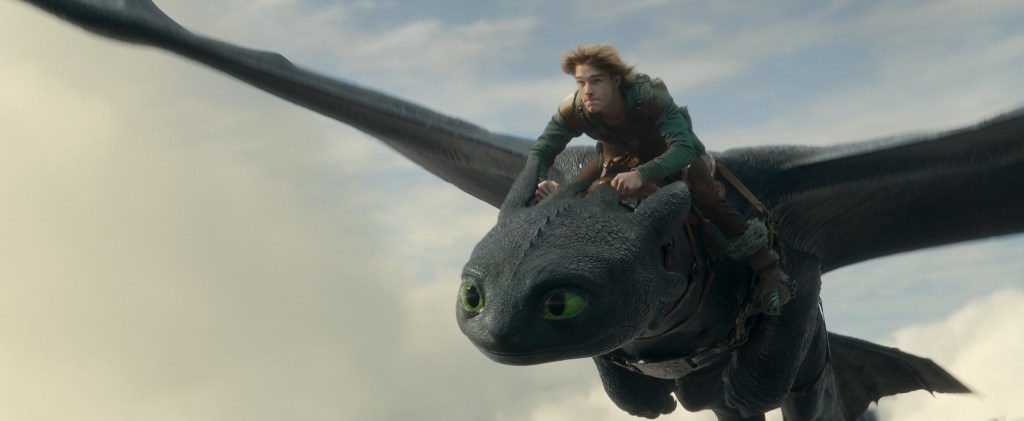
That Dean DeBlois has been trusted to continue directing the How to Train Your Dragon series with this live action, is a testament to the success (both critical and commercial) he has found with the series as a whole. After all, how hard is it to make animated dragons look like real dragons while keeping the warmth that an animation lends? Well, it’s definitely no easy feat (I’m looking at you, expressionless lions in 2019’s The Lion King). But that’s ultimately what this film boils down to: can DeBlois and his team retain the charm of the 2010 classic? The short answer is, definitely. Mason Thames, while not sounding like Jay Baruchel, looks like Hiccup, and Night Fury looks like Night Fury. It’s clear that a lot of care was taken to be faithful to the look and feel of the 2010 film while delivering a version that felt larger-than-life and a world that looks lived-in.

(from left) Night Fury dragon, Toothless, and Hiccup (Mason Thames) in Universal Pictures’ live-action How to Train Your Dragon, written and directed by Dean DeBlois.

If you haven’t seen the animated original (I mean, you’ve only had 15 years), then, first and foremost, go and see that film, but also, you may not be too fazed as to whether this version is faithfully done or not. For what it’s worth, it’s about as close to the first as you can come, right down to the dragon designs and casting choices like Gerard Butler reprising his role as Stoick the Vast and delivering just as profound a performance. It also helps that the humour has translated across as well, something that’s probably helped by there being no musical numbers that come across as cheesy and eye rolling.

Beyond simply comparing the animated film to the live action, it’s hard to note anything else given this feels incredibly one-to-one in script, tone and look. If the dragons had looked lifeless or devoid of expression, then it’d be easy to call that out, but I guess my only grievance can be that instead of a fourth animated film, we’re getting live action cash grabs. There’s nothing inherently wrong with that (if it attracts an audience, that’s a win), but there has long been a reluctance to experiment with big budget films and try something different for fear of having it bomb — so much so that a sequel was green-lit before this film was even released, which is both bold, but also speaks to the faith that the studio has in a return on investment for an already successful intellectual property.

Perhaps more than any other animation in recent years, I’ve loved the How to Train Your Dragon series the most so I still had a ball with this live action and there’s no doubt that others will too. In my particular screening in Melbourne, visual effects artists who worked on the dragons were in attendance (with most of the work done here in Melbourne), and it’s great to see local creative studios continue to represent Australia and lead the way in digital effects for some of the biggest blockbusters in the world.

How to Train Your Dragon opens nationally from June 12.

Mickey 17: Bong Joon-ho’s Long-Awaited Follow-Up to Parasite is Amusing, Insightful and Downright Fun

Rating: 4 out of 5.

Mickey 17 preview screening provided by Universal Pictures.

It doesn’t take a genius to understand that a film about a guy who wants to leave on an expedition and chooses to willingly die and get reprinted (literally) with his memories in-tact, only to keep dying and being reprinted, is right up Bong Joon-ho’s alley. While that doesn’t capture the multifaceted space adventure that is Mickey 17 (2025) to nearly the full extent of the word, Bong’s interests are very particular in that, human dispensability —especially with regards to people in lower socio-economic situations— is a pertinent concern throughout his oeuvre.

In Snowpiercer (2013), a train is used as a motif to portray the various carriages of the caste system, with the back of the train being the lowest class citizens and the front, the highest class, while in Mickey 17, a large spaceship serves a similar purpose. In other words, it’s no secret that capitalism and the presence of an oligarchy are concerns that he hasn’t been shy about critiquing, and they’re a thematic consistency across his work. Regarding dispensability, Mickey 17 is much more literal than any of his previous films in how it reduces the human body to something that can be done away with, something that goes beyond even that of the lowliest of workers to just a recycled carcass.

That’s at least the seed from which the rest of the film grows and revolves around as Mickey (Robert Pattinson) signs himself up to be an “expendable” or an unfortunate soul who would choose to live a quasi-immortal life by living to die and dying to live. He does this after finding himself in bad company on Earth following a debt he hasn’t paid back, before ending up on a government spaceship headed up by a pompous failed politician, Kenneth Marshall (a goofy Mark Ruffalo whose performance echoes that of his one in 2023’s Poor Things), that’s on an expedition to find a new planet to preserve mankind — if this is sounding like Passengers (2016) mixed with Edge of Tomorrow (2014), then you’d be on the right track.

Robert Pattinson in Mickey 17

The spaceship finds itself headed towards Niflheim (not to be confused with that area in 2018’s God of War game), a cold planet inhabited by woolly creatures that look like roly polie, pill bugs (dubbed “Creepers”). It’s here that Mickey’s expendable state is really tested, as he’s exposed to the planet’s toxic air over and over again until a cure can be found and applied; it’s also where we eventually get to the 17th version of Mickey that opens the film in a scene we circle back to later. While comical in its portrayal of the printing process after every Mickey death, Bong’s commentary on how human life can be reduced so willy-nilly by those in power makes for a tasty treat, especially when it comes to just how dispensable the human body is in real life, especially when it comes to matters of war.

Bong never dwells though, he keeps the film moving and he keeps the action and dialogue light-hearted and cosy, but his ability to go a step further in his critique of capitalism and the frivolousness of those in power who look down on others, shows a director who is maturing in his own ideas and isn’t afraid to mine them to the full extent. It helps that Marshall and Gwen (Toni Collette) are so effortlessly unlikable in their bougieness which helps those ideas evolve easier.

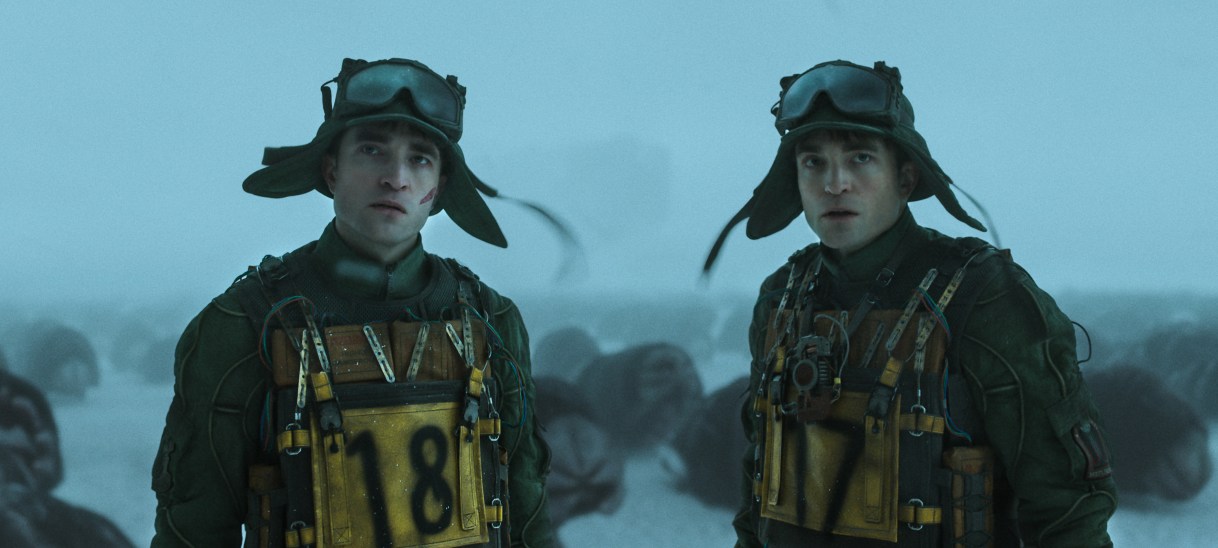
But their relationship is hardly the most shocking: after being saved by the aforementioned woolly pill bugs (following a harsh fall in an ice cave), Mickey 17 manages to find his way back to the ship where he comes across a clone of himself or a “multiple” as they’re called. It turns out Mickey 17 was presumed dead so the 18th version of him was printed, but without his pitchy accent and more akin to Pattinson’s Bruce Wayne in cadence.

Mark Ruffalo and Toni Collette in Mickey 17

It also turns out “multiples” aren’t permitted, so much so that Mickey 18 tries to kill Mickey 17 from the outset, but they soon find a commonality in the form of taking down their oppressors (very much in the vein of Snowpiercer). Pattinson’s dual performance is really a make-or-break factor in understanding what makes these multiples so unique from one another — that these reprints exhibit more humanity than the majority of the crew really adds weight to just how narcissistic and morally bleak humans can be at their worst.

At the end of the day, this is easily Bong’s most optimistic film, one that doesn’t present a bleak future but offers a chance for its characters to carve a brighter tomorrow on their own terms. Sure, he isn’t subtle about his growing interest in ideas he’s previously explored, but he also doesn’t pander to his audience, choosing to let the film’s amusing story take you on a rollercoaster comprised of the grotesque, heartfelt and humorous. In this way, it feels like his most accessible film as there are no hidden windows that keep you guessing.

Mickey 17 opens nationally from today.

Moana 2 is as Endearing as the Original but Suffers from Sea-quel Sickness

Rating: 2.5 out of 5.

Moana 2 preview screening provided by Disney

Upon rewatching Moana (2016) the other night, I was reminded just how special a place that film occupies in Disney’s catalogue of releases: it both captures and celebrates Polynesian culture so sincerely while at the same time offering a fresh spin on Disney’s heroine-oriented stories by avoiding becoming another princess film with tropes we’ve seen countless times over. Moana 2 is fine, but I found myself scratching my head throughout, not because I felt like there wasn’t an interesting adventure to be had, but because this adventure feels like it has been had.

After a thick-of-the-action opening where we find Moana (Auli’i Cravalho) scouring a cliff face in search of signs of other tribes and people, it doesn’t take long for the sea to once again call Disney’s beloved Polynesian not-princess, to its aid. There are no Lin-Manuel Miranda tunes to propel her forward this time around, with the Hamilton creator opting not to return for a second stint, but rather a vision from an ancestor that shows a new destiny — to seek out a lost island that would connect all the peoples from the near beyond.

To do so, she will have to overcome an ancient god, Nalo (Tofiga Fepulea’i), who has put a curse on the island, but first she has to find it. Of course, it wouldn’t be an adventure without her trustee demigod buddy Maui (Dwayne Johnson), who has found himself entangled in his own mess and needs saving. The duo will see themselves accompanied by old and new crew members alike, like the single brain-cell chicken and her porky friend.

Still from Moana 2

As sequels tend to go, bigger always seems to be the preferred option, otherwise you’re just treading old ground, right? While going bigger is what Moana 2 naturally has to do, what makes the first film so special is that it is an intimate film of self-discovery, of venturing into the unknown and realising your destiny. In expanding the second film, both in terms of characters and action on the screen, Dana Ledoux Miller, Jason Hand and David Derrick Jr.’s film sacrifices intimacy for a more generic storytelling approach.

That’s not to say that Moana 2 isn’t filled with thrills and spills: there’s a wider array of monsters, the set pieces are more rampant, the animations are the highlight as always, and there’s just more happening on the screen. Moana has also embraced the wayfinder lifestyle and doesn’t hesitate to seek out adventure, so there has been deeper character development on that level. It makes sense from a storytelling point of view to throw her into the deep end and have more to do and overcome. However, I couldn’t help but feel that that’s not what this story needed, especially when the first film was such a perfect standalone that at once pulled at your heartstrings but would also throw in a Jermaine Clement crab curveball every now and then to keep you on your toes and smiling where it counts.

The biggest fault in a film about going bigger and louder is that it’s often looking back to do so. Most of the humour banks on similar punchlines to the first film like constant cutaways to the chicken either picking at something or screaming, while the songs themselves by Abigail Barlow and Emily Bear don’t have the same flair or catchiness to Miranda’s, even though they’re very much striving to land in the same way. Kakamoras (those cute little coconut people) once again make an appearance, and it’s one of the better highlights of the film as they team up with Moana and co to take down a large clam-shaped mountain. In trying to offer something new, the directors have looked back in large part, and when they have offered something new, it hasn’t left a lasting impression.

Maui (Dwayne Johnson) in Moana 2

One such new offering is the villains (if we can call them that) with Nalo, and to a lesser degree Sina (Nicole Scherzinger). They’re two characters who serve less as villains and more as obstacles to overcome, and they’re offered little development and motive, with Nalo in particular whose whole shtick is he hates Maui and humans and wants to keep the island of Motufetu away from their grasp.

Moana 2, like most of Disney’s films, is a children’s movie first, one with adult themes that cater to audiences young and old, second. The child in me was having a ball for the most part, but also trying to find something to cling onto beyond the fun and games (or that second part), and that’s been my general sentiment towards some of these films in recent times. With the cliffhanger the film ends on (make sure to stay for the post-credits scene!) the second film always felt like a shoehorn for more to come, especially with a live-action remake of the original in the works. While I’m always dubious about such directions, the Moana IP is still rife with joy and potential, and it’s always a pleasure to see Polynesian culture still continue to be represented and resonate with audiences.

Moana 2 opens nationally from the 28th of November.

Daniel Craig Gets a Semi-Rousing Farewell in No Time to Die

Rating: 3.5 out of 5.

The release of a new James Bond film is always greeted with keen anticipation; on this occasion though, the mood is more solemn, since the latest instalment also heralds the end of Daniel Craig’s tenure as the gentleman spy. While it’s undoubtedly one of the better chapters in the long-running series, when viewed as a tribute to its much-loved star, the picture proves less appeasing.

The British intelligence agency known as MI6 has been compromised, yet again, after an experimental weapon is stolen from one of their top-secret research facilities in London. Its theft has huge ramifications for global security, not just because of the potential harm it can inflict on humanity, but also due to its secrecy, with only a select few individuals being aware of the weapon’s existence – not even Britain’s Prime Minister has been informed of its development.

In years gone by, MI6 would have called upon the services of James Bond (Daniel Craig) to rectify affairs like this; but the secret agent is now long-retired from the organisation, living off-grid and isolated in Jamaica with no desire of returning to duty. That is, until Bond is greeted by his CIA counterpart and friend, Felix Leiter (Jeffrey Wright) who informs him of the raid’s connection to SPECTRE, the criminal syndicate believed to have been thwarted five years earlier.

No Time to Die (2021) marks the 25th entry in Eon Productions’ James Bond film franchise, the release of which has been a long time coming. Initially set for a global debut in late 2019, delays in development and production saw that date pushed to March 2020, only for you-know-what to see the picture delayed again until September of this year. Australians have had to wait longer still to see the feature, with lockdowns in their two most-populous cities resulting in a six-week delay for the theatrical release.

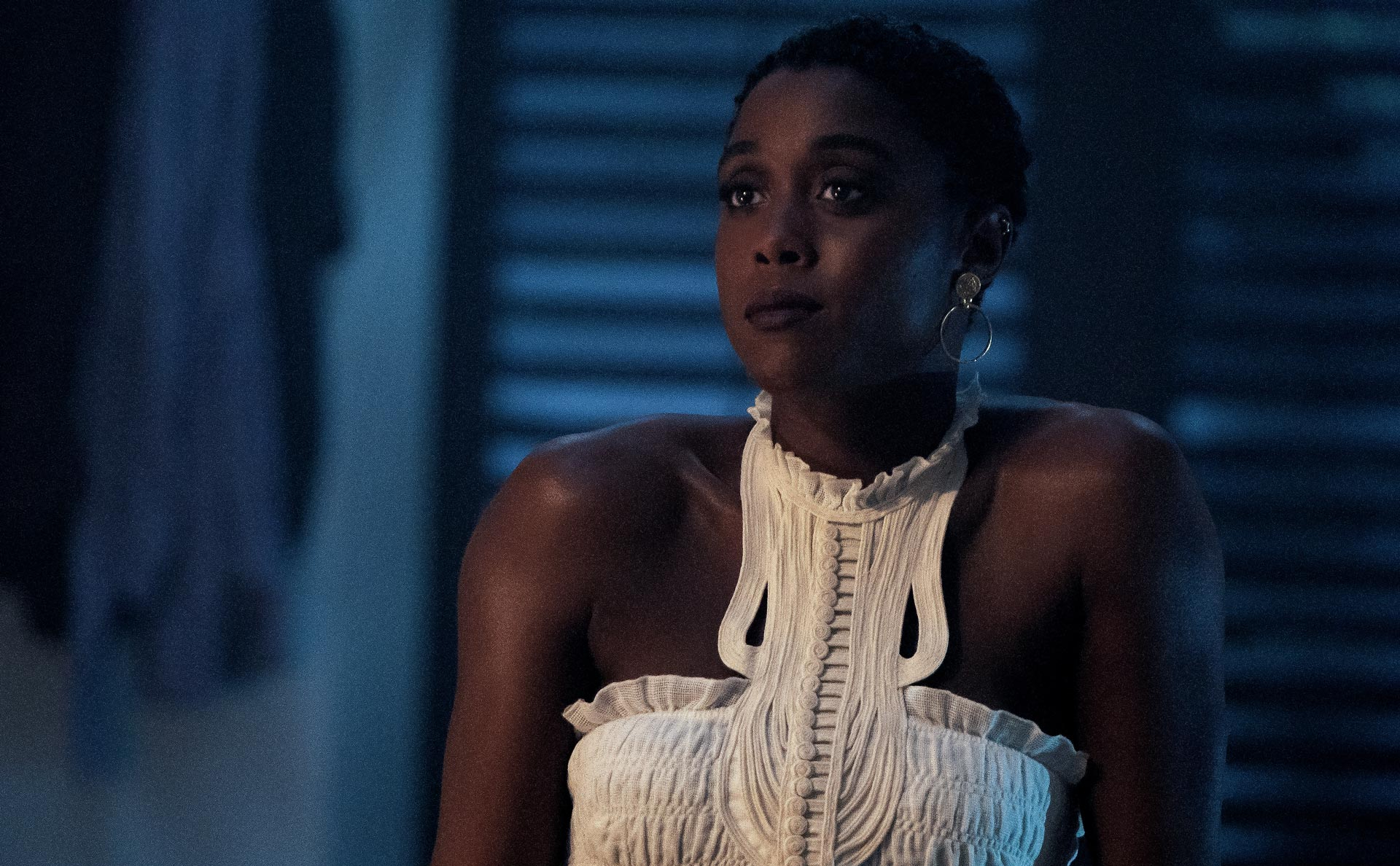
MI6 agent Nomi (Lashana Lynch) makes her debut in No Time to Die

Those who have been eagerly awaiting Bond’s newest adventure will be pleased to know that No Time to Die has plenty of exciting action sequences, possibly the best of any Bond film. Among these sequences are some ferocious close-quarters encounters with impeccable choreography; intense gun fights between parties that have an unnerving realism; and two sublime car chases – the first through an Italian village in Bond’s iconic Aston Martin DB5, the second an off-road argy-bargy in a decidedly unexotic Toyota Prado.

Long-time fans of the franchise will be equally thrilled by the constant allusions to the previous Bond flicks, including the aforesaid DB5, as well as Timothy Dalton’s V8 Vantage from The Living Daylights (1987), and the occasional musical reference to On Her Majesty’s Secret Service (1969). Yet undoubtedly, the most recognisable trademark is Bond’s dry humour, here crafted with the input of another personality known for their sardonic wit: Phoebe Waller-Bridge, who is credited as one of No Time to Die’s four screenwriters.

Waller-Bridge’s comedic influence can also be found in the two “Bond girls” making their franchise debut. One is the cool, assured Nomi (Lashana Lynch), an MI6 operative and Bond’s replacement; the other is the giddy, yet resourceful Paloma (Ana de Armas) who is contracted to the CIA. The latter is a particular highlight – despite being seen only briefly, Paloma adds a vast amount of liveliness to proceedings with her unique, quirky personality, certifying herself as a protagonist who deserves a larger role in a future Bond instalment.

Although these many qualities help distinguish the 25th film from its precursors, No Time to Die is not one to deviate from the established formula, being closest in spirit to the previous chapter, Spectre (2015). This association is most evident in the lethargic pacing, flowing at a patience-testing speed that ensures the blockbuster seems every bit as long as its advertised 163-minute length would suggest. Still, both pictures remain an improvement on Quantum of Solace (2008) and its rapid-fire editing.

Another of Bond’s allies, Paloma (Ana de Armas) as she appears in No Time to Die

There is a greater problem with No Time to Die, and that’s its chief antagonist, Lyutsifer Safin (Rami Malek). In addition to possessing a convoluted plan and opaque motivations, Safin is an uncompelling character, lacking the intriguing backstory, maniacal personality and ruthless mentality of Bond villains past, with a slight facial disfigurement and soft French accent being his only distinguishable traits. Malek himself does nothing to help matters, his performance being bland, remote, and failing to convey even the slightest hint of emotion.

And on the subject of emotion, it’s worth noting that No Time to Die isn’t quite the heartfelt send-off that it’s trying so hard to be. There are numerous stirring moments within the story, yet very few of these moments feel earned, and have seemingly been put forward solely to get a cheap reaction out of the audience. What’s more, because this screenplay forms part of a serialised, five-part narrative, the emotional scenes will only find resonance with viewers who’ve seen Craig’s previous outings as 007.

25 films and very nearly six decades into its existence, the James Bond franchise is one that continues to delight and surprise, with No Time to Die profiting from superbly choreographed action sequences, welcome nods to the character’s past and the contributions of Phoebe Waller-Bridge. This may not be the satisfying denouement that Daniel Craig deserves, but it’s a fitting one nevertheless.

No Time to Die will be screening in cinemas from this Thursday, November 11th.

Ranking the James Bond Series

Long before superhero franchises came to proliferate theatres, there was just one man guaranteed to be a box-office drawcard: Bond. James Bond. His handsome looks, sophisticated wardrobe and suave tongue have allured filmgoers for decades, despite his notoriety as a heavy-drinker and misogynist, with his popularity enduring to this day. And next week, he’ll be returning to the limelight once more when his newest picture, No Time to Die (2021), finally debuts in Australian cinemas.

For the benefit of the uninitiated, Bond – who is also referred to by his codename, 007 (pronounced “double-oh-seven”) – is a spy who works as part of the British government’s secret intelligence service, nowadays referred to as MI6. His character originated in a series of wildly-popular novels penned by Ian Fleming and published at the height of Cold War-paranoia, before making his first big-screen appearance in the 1962 adaptation of Dr. No.

More movies starring the secret agent would follow in the years after, with the premise, tone, style and cast occasionally adjusted to suit the tastes of audiences, with varying degrees of success. Like many others, the team at Rating Frames has been revisiting these pictures, and can now offer to you their definitive ranking of the James Bond film franchise, listed below from worst to best.

24. Live and Let Die (1973)

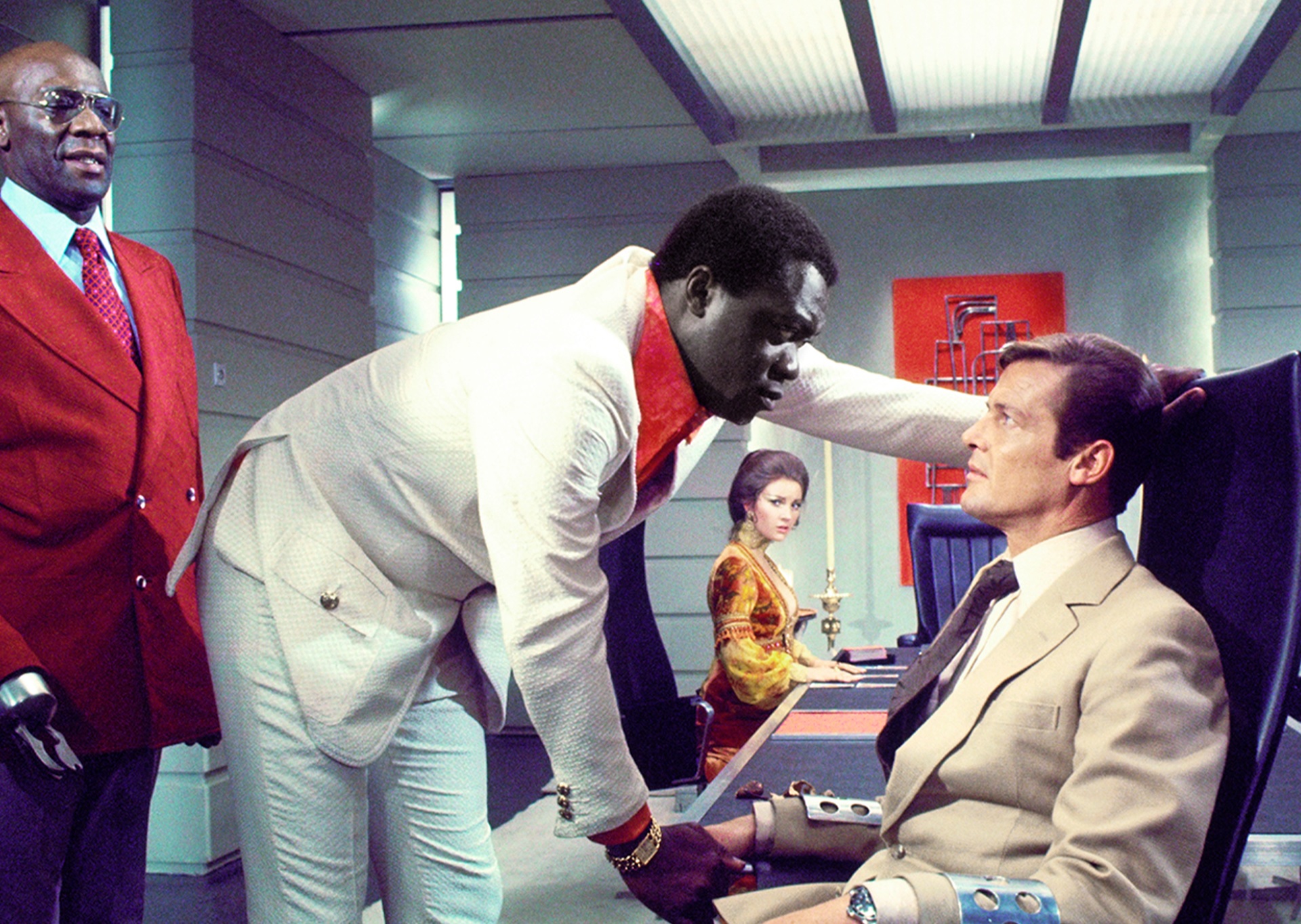
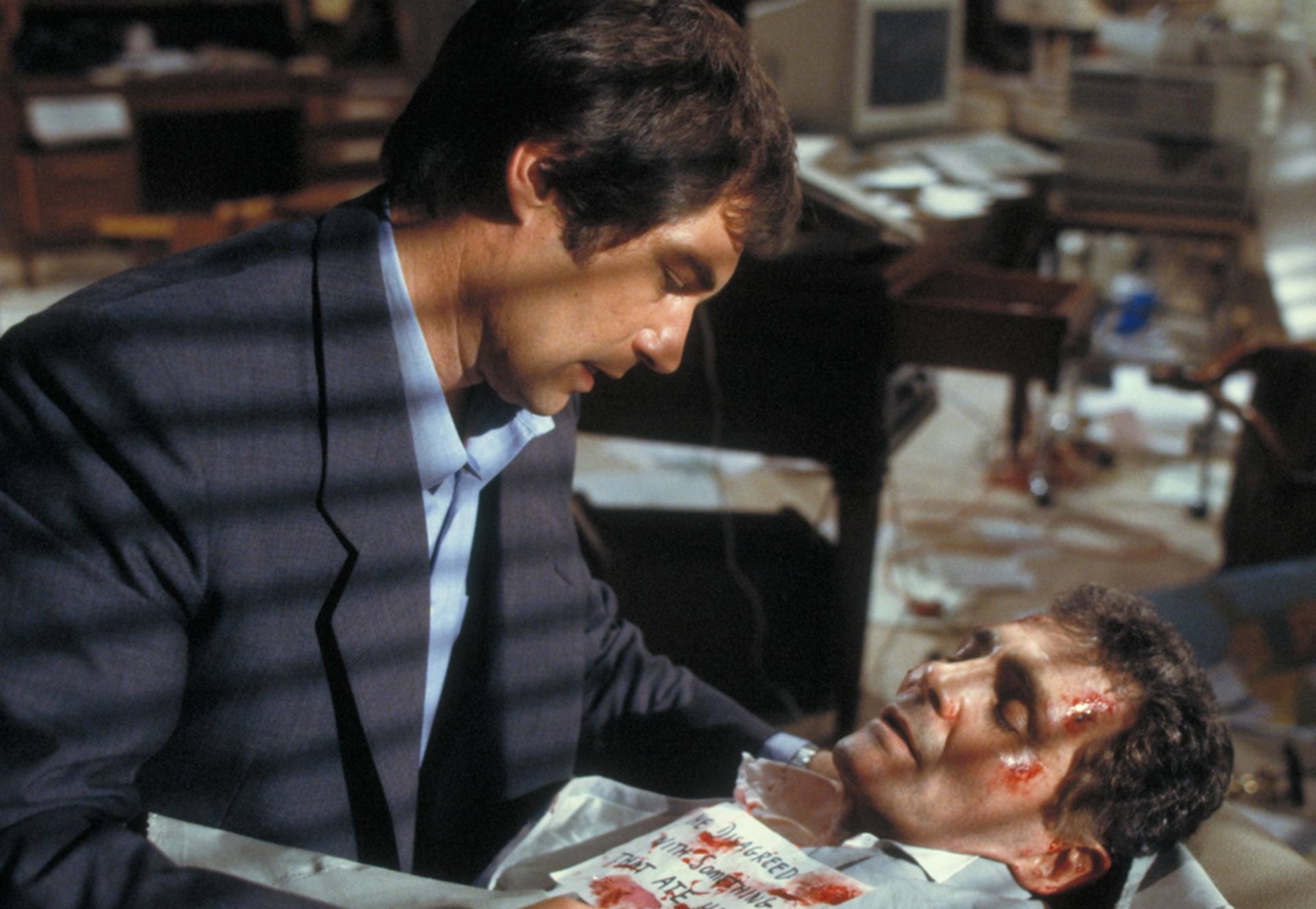
Roger Moore’s debut as 007 is by far and away the most embarrassing entry in the character’s history, filled with painfully unfunny one-liners, far-fetched stunts and plenty more illogical moments. A decent boat chase on the Louisiana Bayou is the only element that saves it from being unwatchable.

23. The World is Not Enough (1999)

“Monotonous” is the word that best describes this Pierce Brosnan-led bore, doing nothing to innovate the genre, nor the franchise. It’s long, slow, bland, and made even more frustrating by the presence of Denise Richards, the most unnatural and ineffectual “Bond Girl” to ever grace the screen.

22. Quantum of Solace (2008)

A misguided affair that takes a few too many cues from the Bourne movies and not enough from its predecessor, which also starred Daniel Craig. The pacing is too fast, camerawork too shaky, narrative lightweight, and Mathieu Amalric’s villain feeble at best.

21. Octopussy (1983)

This one is the most light-hearted of all the films, bordering on parody – especially during the third act; yet it’s not without its charms, with some good chase sequences, decent fights and tension involving a nuclear bomb. Certainly not a stinker, but nor is it Moore’s finest hour.

20. Licence to Kill (1989)

007 goes rogue in Timothy Dalton’s second and last picture as the secret agent, and things get very dark in the process. Quite simply, it’s too violent, too graphic and too angry for a Bond flick, its tone better suited to a Scarface knockoff.

19. Moonraker (1979)

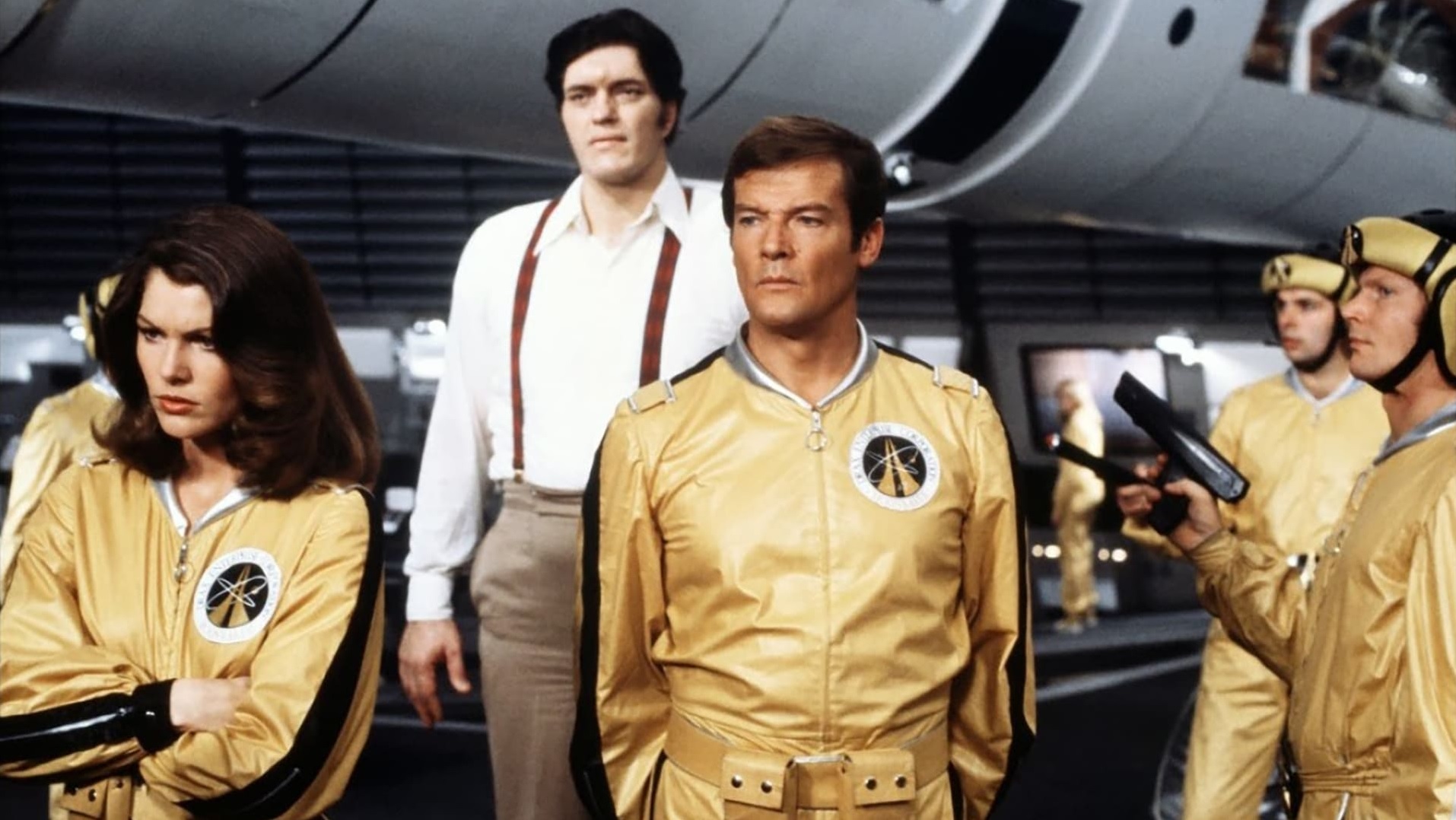
This romp saw Bond fly into outer-space in an effort to capitalise on the science-fiction craze of the late Seventies, resulting in the silliest, campiest film of Moore’s tenure – and that’s really saying something, given the quality of his other movies. With that said, the space sequences are reasonably entertaining.

18. The Man with the Golden Gun (1974)

A pretty tepid and rather forgettable affair for Moore, with the exception of its two antagonists: Sir Christopher Lee as the main foe, Francisco Scaramanga, and Hervé Villechaize as his short-statured associate, Nick Nack. That corkscrew jump is pretty cool, too.

17. Diamonds Are Forever (1971)

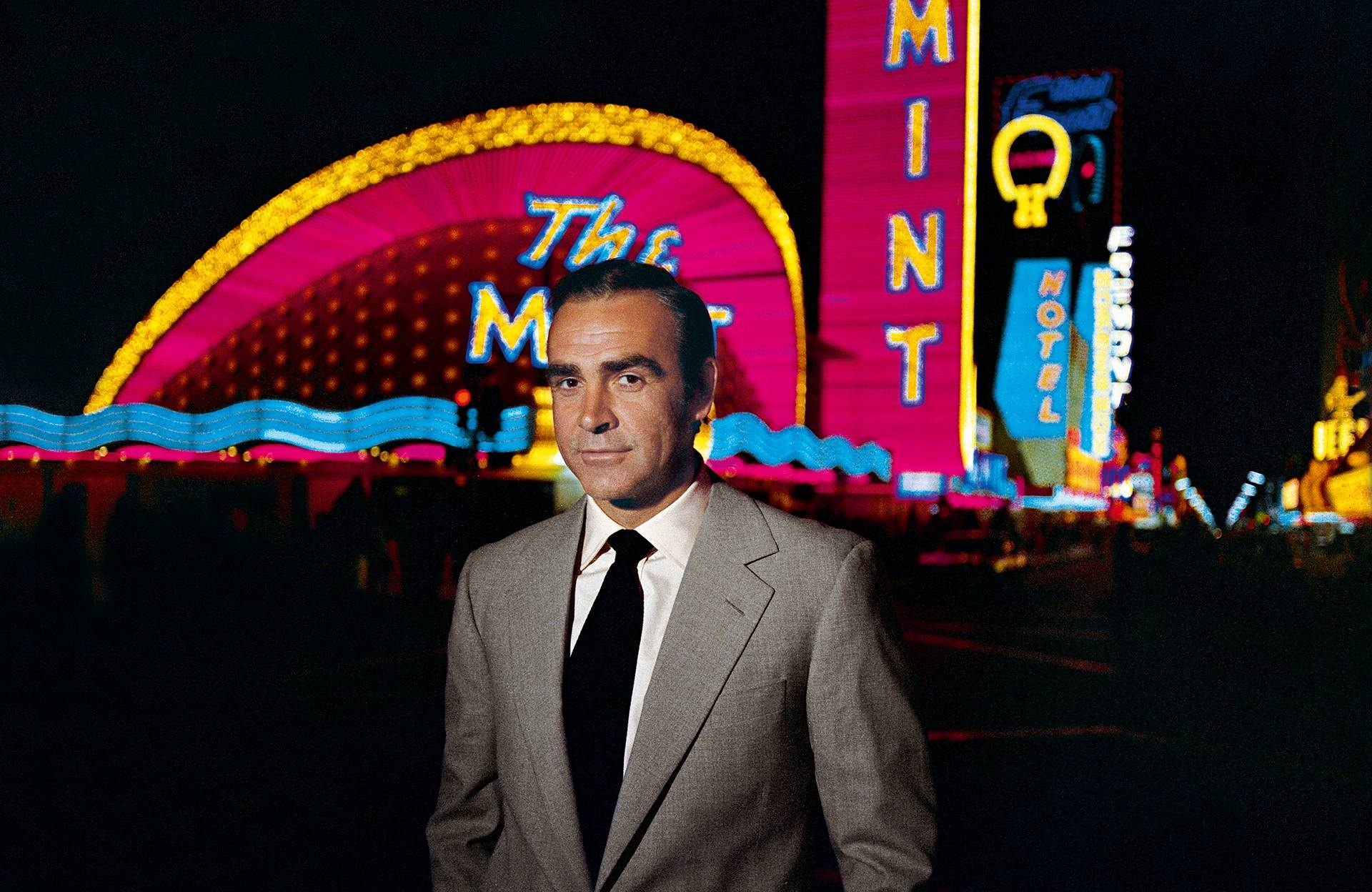
The last official Bond film to star Sean Connery, who is virtually the only aspect that elevates proceedings. This instalment marked the franchise’s transition into camp, with bright colours and many ludicrous moments, yet is simultaneously dullened by its flat, lifeless Las Vegas setting.

16. Die Another Day (2002)

Often derided as the worst in the series, but nowhere near as bad as its reputation suggests, Brosnan’s final appearance as 007 contains a bonkers, yet fun, car chase on ice with military weaponry, and a tense climactic battle aboard a jumbo jet. Just be sure to suspend all disbelief.

15. The Spy Who Loved Me (1977)

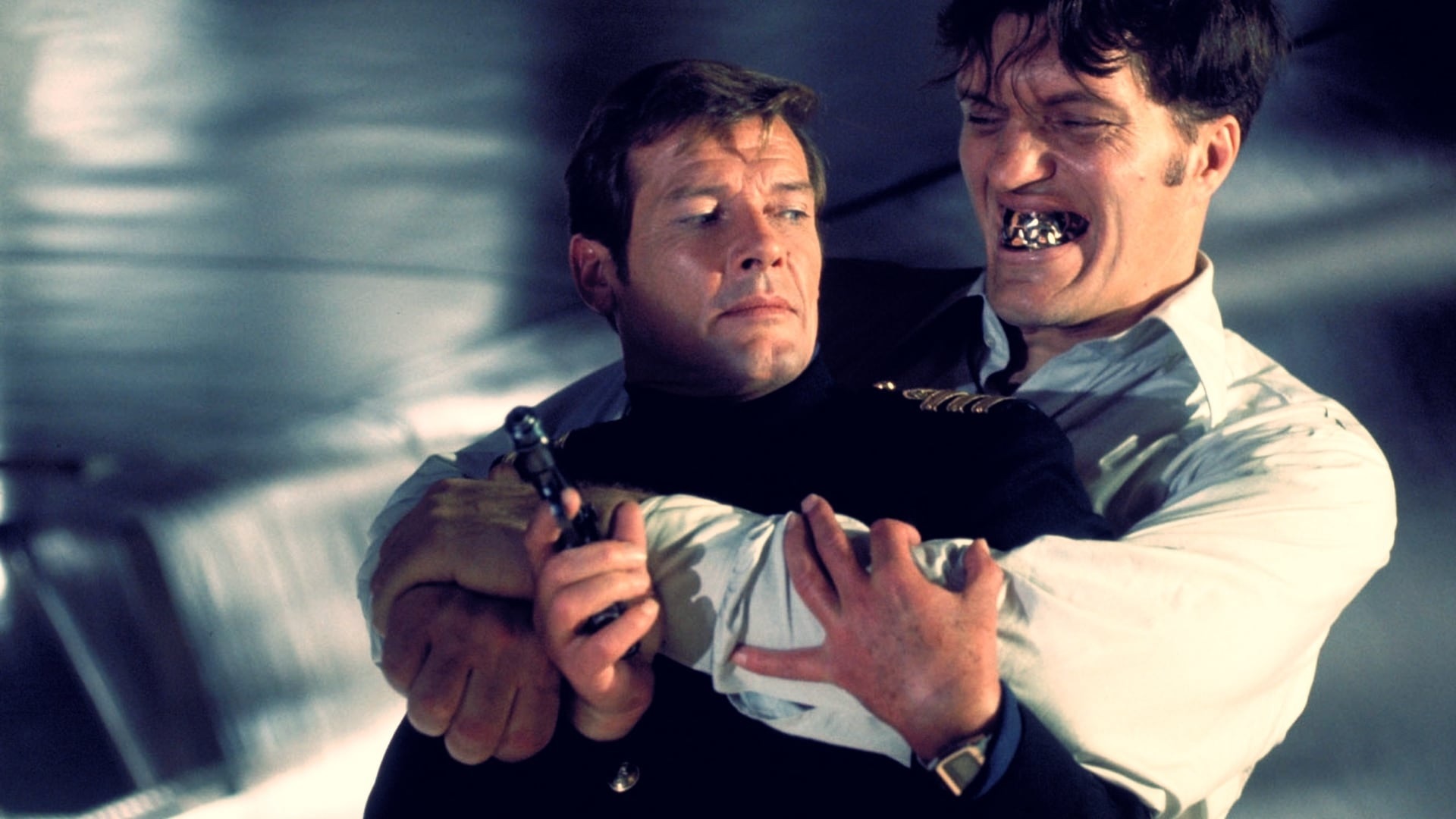
Introduced a great adversary in Jaws (Richard Kiel), and an iconic ride in Bond’s white Lotus Esprit that doubles as a submarine; beyond that though, Moore’s third movie as lead is pretty mundane, and in need of some greater thrills.

14. A View to Kill (1985)

While Moore was definitely too old to be leading an action flick by this point, his swansong is good nonetheless, boasting two of the series’ best villains – Max Zorin (Christopher Walken) and May Day (Grace Jones) – and the occasional moment of high tension.  

13. You Only Live Twice (1967)

Cultural appropriation of the Japanese aside, Connery’s fifth outing stands the test of time, with all the Bond trademarks present. Plus, there’s a memorable climax inside a secret lair that sees Bond’s first face-to-face encounter with his arch-nemesis: Ernst Stavro Blofeld (Donald Pleasence).

12. Dr. No (1962)

The first ever Bond film is by no means spectacular by today’s standards, yet remains one of the better instalments due to its straightforward narrative – one that’s reasonably faithful to Fleming’s original novel – and serviceable thrills. A splendid introduction to the secret agent, even if some of the effects look cheap.

11. Thunderball (1966)

Another much-loved entry from the Connery era, this one is marked by its extended underwater sequences that look exceptional; less so the editing, particularly in the third act. Probably has the driest sense of humour of any Bond script, too.

10. Tomorrow Never Dies (1997)

There’s lots to appreciate in Brosnan’s sophomore excursion as 007, including a genuinely terrifying first act, a delectable antagonist, and the presence of Michelle Yeoh, who brings with her some exciting close-quarters combat. But the pacing is too quick, and there’s a few too many corny punchlines.

9. The Living Daylights (1987)

In the first of his two appearances in the franchise, Dalton steers proceedings in a more serious direction than his precursor did, to great effect. The chase scenes and stunt-work are exemplary; the narrative involving a group of Afghan freedom fighters hasn’t aged very well, though.

8. For Your Eyes Only (1981)

The best, and least camp, picture from the Moore era, made enjoyable by the action sequences, a pretty decent twist involving the villain, and an understated sweetness that’s missing from most other instalments; yet it remains quite silly when compared to its contemporaries.

7. On Her Majesty’s Secret Service (1969)

One of the more distinctive entries in the Bond canon, owing to the snowy backdrops, romantic subplot, and George Lazenby in his first and only turn as 007. The icy driving scenes and ski chases are especially pleasing, even when paired with some unconvincing effects.

6. Spectre (2015)

Often lambasted for being too slow and too predictable, and both criticisms are valid; but the qualities of this movie cannot be denied. Caters to the franchise’s purists with its brutal fights, chase sequences and aircraft wreckages.

5. Goldfinger (1964)

Considered the quintessential Bond flick, and with good reason. Boasts two iconic villains in Auric Goldfinger (Gert Frobe) and Oddjob (Harold Sakata), in addition to a gadget-laden Aston Martin which has come to be synonymous with the series and the spy genre as a whole. Tacky effects and substandard editing let it down.

4. Casino Royale (2006)

Loosely inspired by Fleming’s debut novel, this is the chapter that rebooted the venerable series and introduced Craig as a cold, unflinching 007. It’s gritty, taut and occasionally brutal, factors that don’t always work to the material’s advantage; nor, for that matter, does the embarrassing product placement.

3. From Russia with Love (1963)

An improvement over the previous year’s Dr. No in practically every respect, courtesy of a higher budget that allowed for more action and stunts. Justly remains the feature by which all other Bond films are judged.

2. Skyfall (2012)

Deftly combines the tropes of its forebears with an intimate, grounded screenplay to create a product that pleases Bond aficionados and casual viewers alike. Quite simply, it’s one of the best blockbusters ever produced.

1. GoldenEye (1995)

Here is the genesis for the modern James Bond film, an early and brilliant demonstration of how to balance tradition with evolution, the serious with the silly. Pierce Brosnan, sublime and effortlessly comfortable in the lead role, is faced with a pair of equally formidable antagonists who can predict his every move, and the conflict that ensues is nothing short of thrilling. GoldenEye is the franchise’s finest hour, and a must-see for everybody.

Celebrating The Adventures of Tintin, The Dream Collaboration

The adventure serial was once a staple of cinema, with theatregoers each and every week treated to fresh takes of heroes in exotic, faraway lands. After a decades-long period of dormancy, the genre saw a brief revival in the 1980s, only to fade into obscurity once again; but for a brief moment in the early 2010s, it looked as though adventure films were here to stay, all thanks to a pair of the medium’s modern-day pioneers.

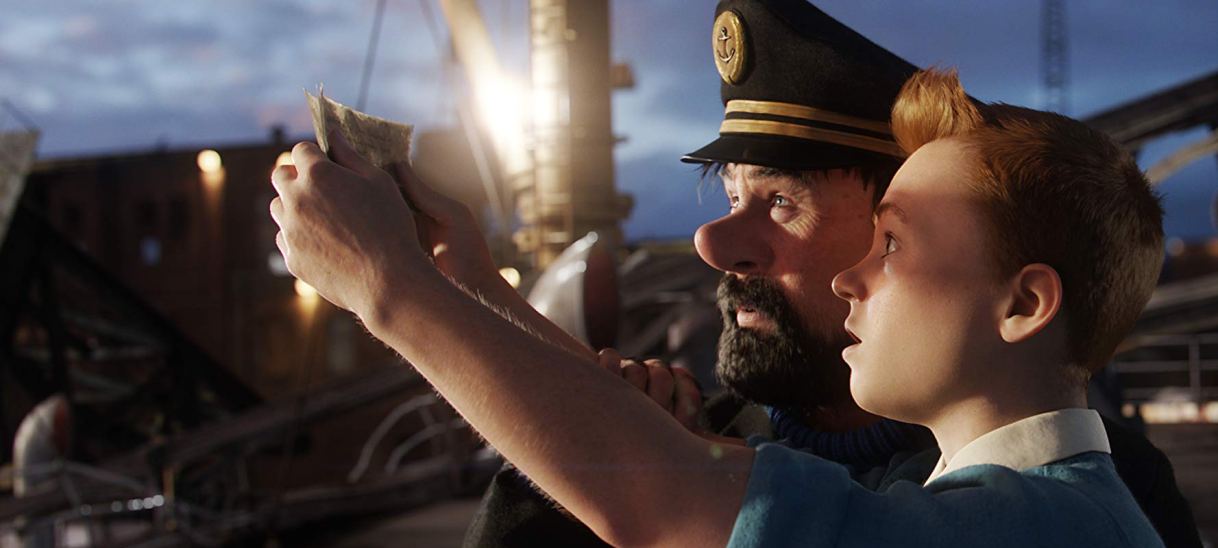
Tintin (Jamie Bell) is a famed investigative reporter whose journeys and discoveries have enraptured millions across Europe, and whose latest mystery involves the model of a sailing ship – bought by him at a flea market for a minimal sum – which no less than two men are willing to pay a substantial amount of money for. As it happens, the seemingly innocuous model is of a naval vessel known as the Unicorn, fabled to have sunk with countless riches.

One of the men seeking to acquire the model from Tintin’s possession is Sakharine (Daniel Craig), who believes it holds the key to the real ship’s final resting place, and therefore the treasure sunken with it. So dogged is Sakharine in his pursuit of the plunder that he’s even kidnapped Archibald Haddock (Andy Serkis), a descendant of the Unicorn’s captain, to prevent him from laying claim to the ship’s fortune – by which he has rights to.

The Adventures of Tintin: The Secret of the Unicorn (2011) was a long-gestating project for veteran director Steven Spielberg, who first took an interest in the character thirty years prior. Whilst promoting his film Raiders of the Lost Ark (1981) in Europe, Spielberg noted that many French reviews repeated the phrase “Tintin”, unaware what was being referred to. He soon learned that critics were referencing the Tintin comics, written and drawn by Belgian artist Hergé, which they claimed bore a similarity to the escapades of Indiana Jones.

The antagonistic Sakharine, as he appear in The Adventures of Tintin

Spielberg initially envisaged the film as a feature-length animation, then as a live-action production, procuring the services of Peter Jackson’s visual effects company, Weta Digital, to create a computer-generated version of Tintin’s faithful dog, Snowy. Being a long-time fan of Hergé’s work, Jackson took a keen interest in the project, eventually convincing Spielberg to utilise motion-capture technology for the final product, resulting in visuals that fused photorealism with the “traditional” look of Tintin.

This imagery proved rather polarising upon the film’s release, with some viewers unsettled by the not-quite-human looks of the protagonists; yet for others, including this author, the 3D representations of Tintin and his associates are quite charming, striking a perfect balance between the cutesy drawings of Hergé’s work and the lifelike renderings of other motion-capture projects, such as The Polar Express (2004) – and just like said project, the faintest hint of an actor’s likeness can be seen in the characters they portray.

The character designs are certainly the most talked-about element of The Adventures of Tintin, but they are far from the most notable; in actuality, the most enthralling aspect is the animation, which is masterfully rendered and quite fluid. The high quality of the illustrations allows for some exciting sequences, including a flashback scene of a piratical raid on the Unicorn; a one-shot motorcycle chase through a Moroccan city; and a climactic battle in a dockyard featuring all manner of destruction.

Also appreciable is the orchestral score, composed by musical legend and Spielberg’s favoured collaborator, John Williams. Although not as perpetually hummable as his work for other franchises (think Star Wars, Harry Potter), Williams’ compositions here provide a sense of whimsy and grandeur that fits perfectly with the adventurous tone of the story. So impressive was The Adventures of Tintin’s soundtrackthat it earned John Williams his 46th nomination at the Academy Awards, breaking the record of fellow composer Alfred Newman.

A naval battle, one of the many astonishing scenes in The Adventures of Tintin

A less commendable element of The Adventures of Tintin is the screenplay – it’s certainly captivating enough, with a strong mystery element and decent gags, but is also blemished by the occasional cliché; and there’s further irritation to be had at the characterisation of Captain Haddock, who is way too buffoonish for him to be taken seriously. These faults aside though, The Secret of the Unicorn is a rousing adventure, and an ideal entry point for children too young to witness the exploits of Dr. Henry Jones Jr.

Spielberg and Jackson’s Tintin generated plenty of buzz upon its initial release in 2011, with foreign markets taking a particular interest. Even before earning decent reviews from critics and becoming a modest box-office success, discussion of a sequel was fervent, with both directors expressing their interest in a potential Tintin trilogy and Jackson even confirmed to helm the second instalment. And yet, despite the picture’s critical and financial triumphs, audiences are still waiting for a sequel.

It would seem that neither director is in a hurry to make the next Tintin film. On the verge of Unicorn’s tenth anniversary, Spielberg is currently directing an autobiographical film about his childhood, while Jackson is promoting his latest documentary project Get Back (2021); but beyond that, the former is consigned only to production duties, and the latter has no other projects planned, so there’s every possibility that a new movie from the pair is just around the corner – and we all sorely hope that’s the case.

In the meantime though, there’s immense pleasure to be had in rewatching the original collaboration. Lovingly woven together by two giants of cinema, The Adventures of Tintin: The Secret of the Unicorn is a picture that encapsulates the qualities of both Steven Spielberg and Peter Jackson, its enjoyment solidified by fantastic animation, unceasing thrills and a majestic soundtrack.

The Adventures of Tintin is currently streaming on Netflix, Prime Video, and Stan.

Free Guy is a Serviceable, Yet Sweet Action-Comedy

Rating: 3 out of 5.

Sometimes, there’s just no saving a picture from mediocrity; but in the right hands, even a milquetoast production can win the hearts of a cynical audience, provided it has the necessary elements. Said elements could be a poignant story, or dazzling visuals, or simply a charming performance from a famous thespian… or even a combination of the three.

Free City is a place where crime is so widespread that it’s more or less accepted as a daily occurrence by those who live there, casually treating the most violent of felonies as a minor inconvenience. What the city’s many residents don’t realise is that their home is actually the setting for an open-world video-game, and they are the non-playable characters – or NPCs – who have been programmed to endure any and all hostile behaviour.

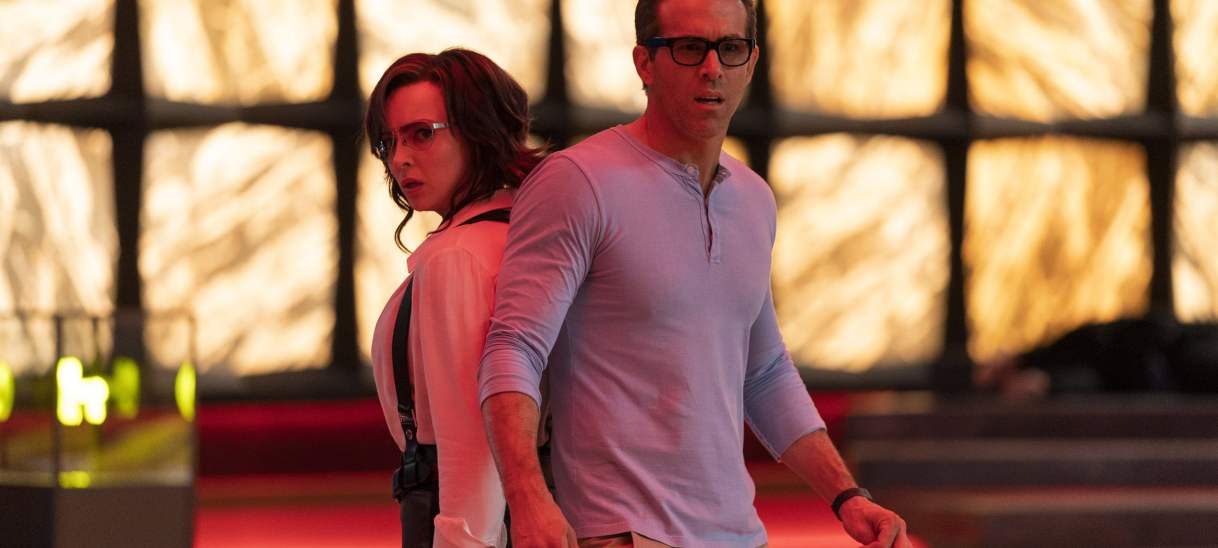
The only NPC with a shred of self-awareness is Guy (Ryan Reynolds), a bank teller who wonders if there’s more to his existence than stamping cheques and being threatened at gunpoint. Guy’s theory that proves true after a chance encounter with Molotov Girl, the avatar of human user named Millie (both played by Jodie Comer) who, much to her bemusement, explains how Guy can actively play the game, rather than just be part of it.

Much like Rich Moore’s Wreck-It Ralph (2012) or Steven Spielberg’s Ready Player One (2018), the appeal of Free Guy (2021) relies heavily on the viewer’s knowledge and appreciation of pop-culture, and gaming culture in particular – those who adhere to the latter category will undoubtedly distinguish Guy’s Free City game as an amalgamation of Grand Theft Auto Online and Fortnite. Non-gamers need not fear though, since these references to other properties are infrequent, and a greater emphasis is placed on the surprisingly compelling struggles of the characters.

One such character is Guy, whose desire to want more out of life is by no means unique, but is made endearing by his sweet, innocent and wholesome personality. It’s a performance that refreshingly deviates from Ryan Reynolds’ usual schtick, forgoing the snark and self-referential humour whilst retaining the exuberance which he now readily identifies with. Thus, Free Guy marks one of the rare instances where the presence of Reynolds doesn’t become grating.

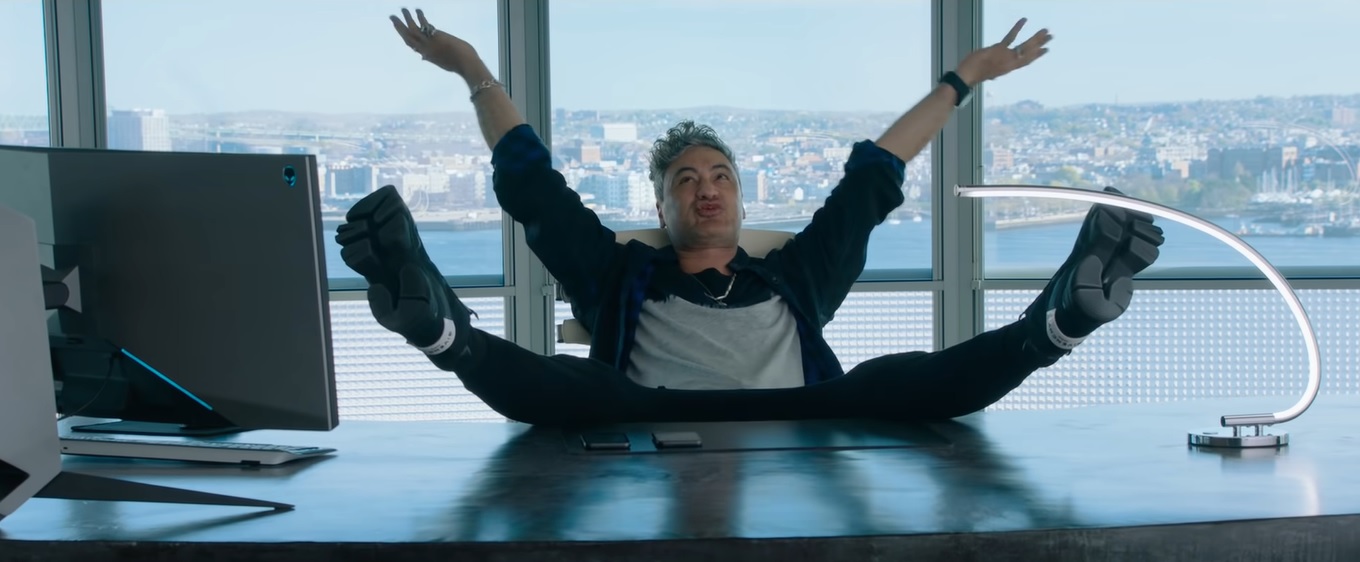
The live-action antagonist of Free Guy, Antwan (Taika Waititi)

Of equal interest is the secondary plot involving Millie, which sees her scouring Free City to locate a stolen piece of software supposedly hidden within the game. This conflict has much higher stakes than Guy’s, thereby being the more engaging of the two; but again, its charm is due largely to the performer – in this instance Jodie Comer – adding a disarming sweetness to their character. (It’s something of a trend for Comer, who has flexed her acting muscles on TV’s Killing Eve and is now well on her way to conquering Hollywood.)

Comer and Reynolds aren’t the only charmers in Free Guy, with the film profiting from the inclusion of plenty more talented actors. Lil Rel Howley is the standout within the digital realm of Free City, offering his usual buoyant energy as Guy’s lazily-named friend, Buddy; in live-action settings, events are made pleasant by the likes of Utkarsh Ambudkar and Stranger Things’ Joe Keery, both playing coders who work under the eccentric game developer Antwan, as performed by the ever-delightful Taika Waititi.

Weirdly, the sprawling Free City is a sight that proves just as alluring. Most of the location’s exterior shots have been filmed in Boston, Massachusetts, with visual effects being utilised when required to mask similarities and maintain the illusion of a video-game, the result being an environment that looks ideally suited to a free-roaming adventure. And for petrolheads, there’s extra fun to be had in spotting all the cars and motorcycles littered throughout.

While the visuals and cast are exemplary, the other aspects of Free Guy are somewhat lackadaisical. This includes the action, which is well-choreographed yet lacks the tension and excitement of that in other blockbusters; the comedy, with plenty of quips and gags but only one or two producing a giggle; and the references, which are of such low effort that they generate no glee whatsoever. All three of these elements do nothing to elevate the picture, serving only to make proceedings decidedly plain.

Yet when all is considered, Free Guy remains deserving of appreciation, even by those with only the slimmest awareness of pop-culture. A group of gifted performers, impressive effects and an unexpectedly touching screenplay are what satisfy most, all ensuring the film is never tedious nor bland.

Free Guy is currently screening in cinemas where open, and streaming on Disney+.

Disney’s Jungle Cruise is a Ride to Be Forgotten

There’s a prestige and heritage to the Disney brand that other studios can only envy – it’s a fact the corporation itself recognises, having produced a new picture that plays to its traditions. An initial glance suggests that said picture is primed for success; one viewing is enough to prove otherwise.

At the height of the First World War, Dr Lily Houghton (Emily Blunt) is venturing to the Amazonian rainforests of South America, where she hopes to locate a rare flower with fabled healing properties in the name of science. Upon arrival, she engages the services of tour guide Frank Wolff (Dwayne Johnson), who offers to pilot Lily – and her accompanying, neurotic brother MacGregor (Jack Whitehall) – in his own boat along the Amazon’s many tributaries.

Their journey is one that will be fraught with the deadliest of dangers, including carnivorous beasts, turbulent rapids, and native tribespeople who are unwelcoming to outsiders; yet the greatest threat of all is a pursuing German officer, Prince Joachim (Jesse Plemons) who seeks the flower for his own warped, egocentric benefit as much as his beloved Vaterland.

Jungle Cruise is the latest blockbuster to be adapted from a Disneyland attraction, joining the likes of the Pirates of the Caribbean films, as well as less popular efforts such as The Haunted Mansion and Tomorrowland. Of these releases, it’s the Pirates franchise that Jungle Cruise most closely aligns with, hoping to emulate the former’s box-office success – a feat that looks unlikely, not just because of recent outbreaks of a certain strain of virus, but also the sheer mediocrity of the picture.

One advantage that Jungle Cruise does possess is a talented cast, including two leads who are familiar to the Disney faithful. Emily Blunt is the top-billed female, having previously fronted the cameras for Into the Woods and Mary Poppins Returns, albeit with more singing; her male counterpart, Dwayne “The Rock” Johnson is no stranger to the studio either, with starring roles in The Game Plan, Race to Witch Mountain and Moana.

Undoubtedly, Blunt and Johnson’s historic involvement with Disney is what endeared them to the producers, and perhaps why both actors perform with a laidback confidence – their respective characters seem more an extension of their own charming selves than a transformation. This is particularly evident when the two personalities share the screen, demonstrating the kind of chemistry that is usually found in more seasoned duos, not a pair who are sharing their first credit together.

The villainous Prince Joachim (Jesse Plemons) as seen in Jungle Cruise

One performer who has taken the transformative approach, and played against type in the process, is Jesse Plemons. Where in other roles he would be understated with only a hint of menace, here Plemons gleefully portrays the antagonistic Prince Joachim with a fitting level of camp, eccentricity and accented speech. It’s yet another delightful performance from Plemons, who by now is well on his way to conquering Hollywood.

Sadly, that praise does not extend to the secondary villains of Jungle Cruise: a group of zombified Spanish conquistadors who are clearly inspired by Captain Barbossa’s crew. Despite their unique appearances – the men take their physical form with the help of rainforest features such as vines, snakes and hornets – there’s nothing remotely interesting nor memorable about these foes, who lack the personality and wickedness necessary for this kind of role.

Matters are made worse by the substandard visual effects, which look as though they were rendered two decades ago; the comedic elements, which barely incite so much as a chuckle; and the underwhelming soundtrack from James Newton Howard, which lacks a rousing theme a la the Pirates movies. Yet these problems are minor when compared to the biggest issue of all: the confusing action sequences.

By most measures, the thrills of Jungle Cruise are pretty serviceable, with decent choreography and stunt-work; but they are made difficult to appreciate due to the shaky camerawork and frantic editing. Such techniques have been utilised by many a Hollywood blockbuster in recent times, proving just as annoying here as they do elsewhere – it’s high time producers learned that they don’t make the action any more exciting.

It’s baffling to think that a film with six producers and the backing of the world’s largest studio could be so mediocre. Despite having some gifted actors at its disposal, Jungle Cruise serves only as a passing distraction, with most of its other attributes being adequate at best. If this film is to herald a new Disney franchise, it’s not a promising start.

Jungle Cruise is screening in cinemas nationally where open, and available for streaming with Premium Access on Disney+.