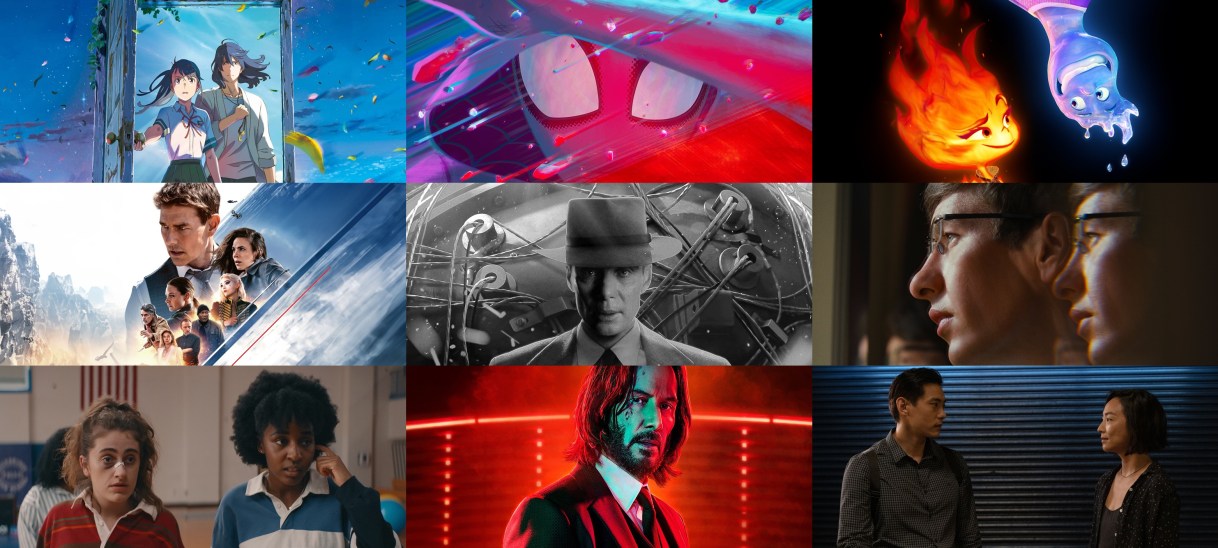
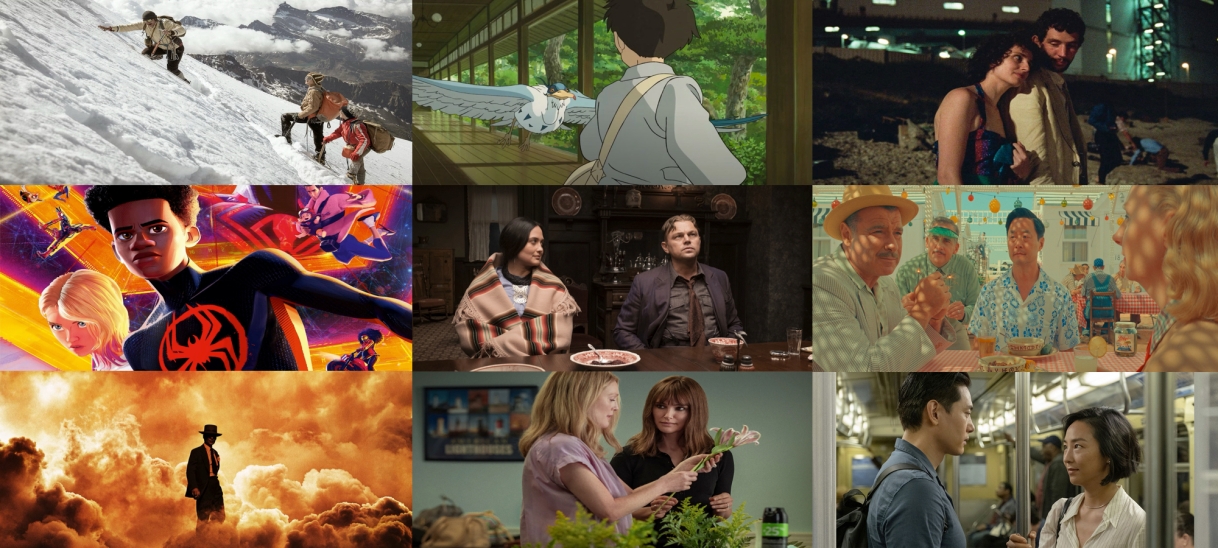
Best of 2023: Arnie’s Picks

With 2023 drawing to a close, Rating Frames is looking back at the past twelve months of cinema and streaming releases that have come our way. In the third of our series of articles, Arnel Duracak is taking a look at his ten favourite films of the year that was.

In what was a year jam-packed with incredible film titles, a myriad of legendary directors continuing to deliver the goods, newcomers making their mark, and strikes that led to several delays for other anticipated releases, I only wish that I had spent more time in front of a silver screen.

Alas, I ventured to Europe for a good few months which limited my access to key titles early on in the year (though I did see Michael Mann’s 1995 classic Heat at London’s Prince Charles Cinema), but I was lucky to be able to witness some of the year’s best films at the cinema in the second half of 2023. There have been multiple other titles that I wish I had seen before the end of 2023 –––The Holdovers, Poor Things, Ferrari (which I will be reviewing for the site soon), to name a few––– but nonetheless I am satisfied with what I was able to see. Here’s to a 2024 with more of the same, happy watching!

10. Wonka

As I was looking at my ongoing 2023 ranking list, it turns out Wonka made the cut.

While I am a bit surprised, this film felt like the most deserving 3.5 star film from 2023 for me. It neither rocked my socks nor did it live up to the brilliance of Paul King’s modern classic Paddington 2 (2017), but my bar was set rather low for this title if not for the fact that it felt like an unnecessary foray into the background of one of cinema’s strangest characters, then definitely because I just wasn’t all that interested (Darcy will attest to that).

But being a King and Simon Farnaby screenplay, Wonka felt both fresh and unique, owing to the fact that it was imbued with the zany British humour that Paddington 2 excelled at, had an all-star cast who thrive as misfits and are just a joy to be around, contained some catchy musical set pieces (‘Scrub Scrub’ being a particular highlight), and never felt like it was trying to follow in the footsteps of the other two Willy Wonka films.

My only gripe would be that Wonka himself was less interesting as a character than any of the side characters. Whether or not that was because Chalamet’s performance was a bit overly boisterous or because 90% of the core cast meshed well with the British comedy by comparison, but Chalamet’s no Gene Wilder here (maybe for the best).

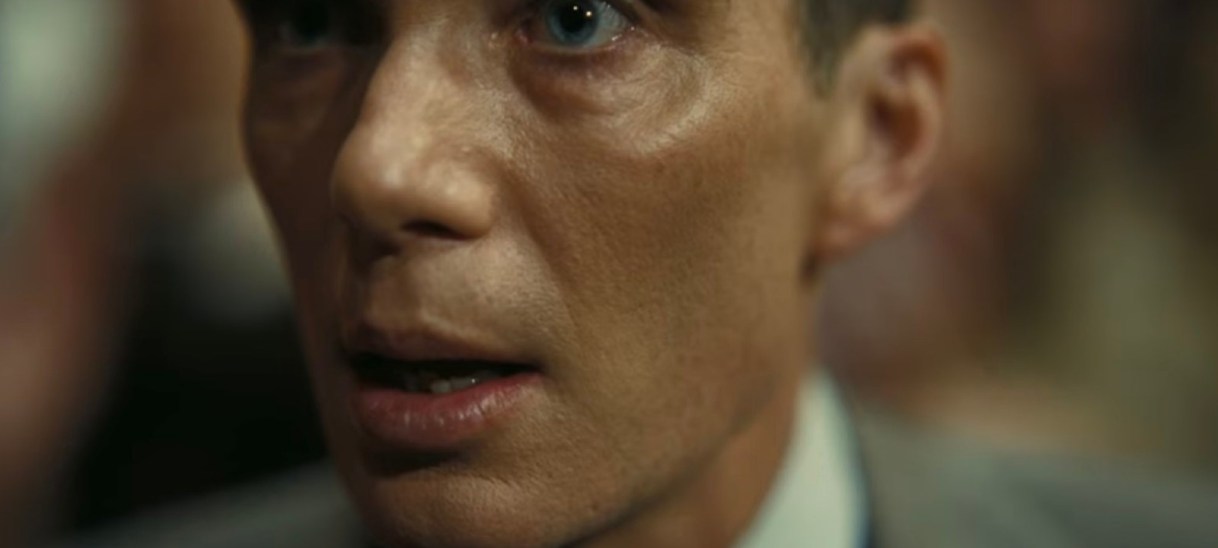
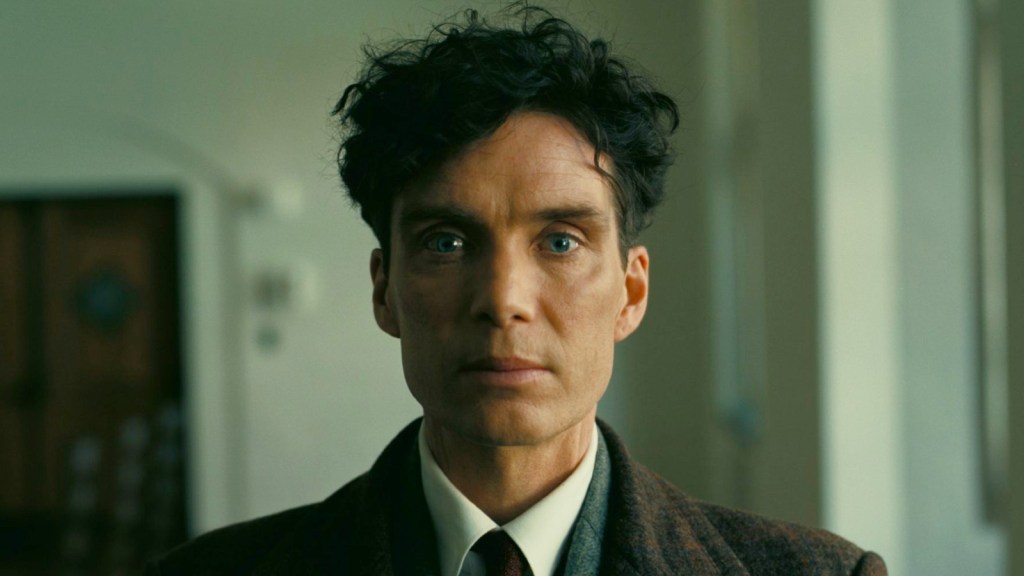
9. Oppenheimer

In what is perhaps Christopher Nolan’s most accomplished film for many (2008’s The Dark Knight still takes the cake for me), Oppenheimer is a magnetic feat in filmmaking that only Nolan could deliver at such a scale.

I’ve never been a big fan of the way that he writes dialogue, and Oppenheimer isn’t different in that regard for me as it tries to balance more heartfelt, interpersonal connections with more heavy handed themes and technical language (ultimately tailspinning into some less than convincing, at times eye-rolly back-and-forths). However, for a three hour film that is about one of history’s darkest periods, it flows rather well with crisp editing, excellent performances all around, a moody but effective score, and direction from Nolan at the peak of his powers. The film’s climax is one of the most cinematic this year and once cements Nolan’s status as the king of IMAX.

At the time of writing, it’s been about an hour since Oppenheimer swept up the Golden Globes, and if that isn’t a testament to just how deserving this film is to be on anyone’s top 10 list, then I’m sure the Oscars will have something to say about that.

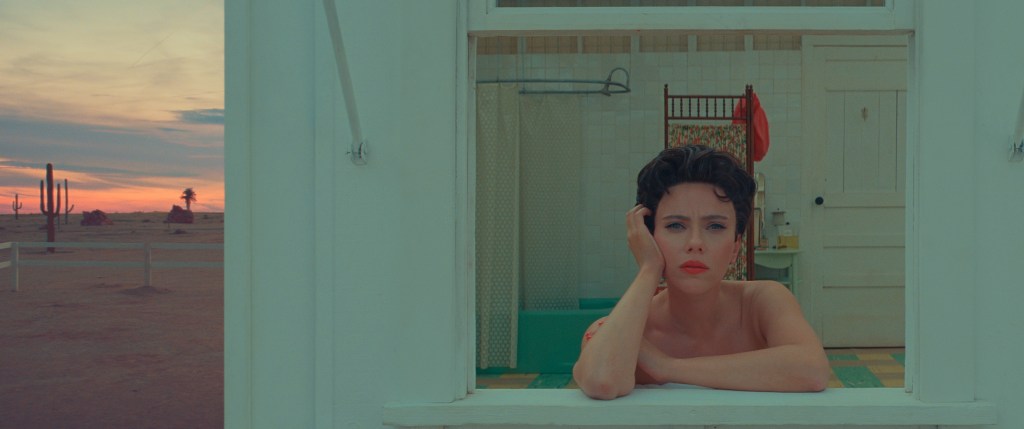
8. Asteroid City

In what is a film of layer upon layer upon layer, Wes Anderson’s Asteroid City is a film I’ve accepted I just have a love-hate relationship with.

Anderson, of course, probably has the most identifiable visual style of any working director at the moment, and he once again delivers incredible vistas in this desert doll-house diorama showcase. Asteroid City is also his most self-reflexive film, both on the art of being a storyteller and on the process leading up to the camera rolling.

Artifice and reality intersect on multiple occasions, with the film playing out through a series of chapters that pull you into the world itself, and then pull you back out to take a glance at how everything is coming together. At times the film can be beguiling, especially if you aren’t familiar with his previous stuff, but it’s also a rewarding insight into art of being a storyteller.

7. The Killer

Many (and by many, I mean Letterboxd users) have called David Fincher’s The Killer his most introspective, meditative film on the craft of doing your job, taking pride in your work and thinking you’re doing it so well to the point of perfection. I just think it’s his most comedic.

Michael Fassbender stars as the straight-faced, emotionless hitman who screws up a hit and now has to clean up his tracks and those that might wish to take him out for his shortcoming.

The Killer is a great study on the dissolution of identity, of a man coping with his inner thoughts and dismissing all empathy for those that don’t deserve it because he knows the game he’s playing and the players involved. As mentioned, I also think it’s a comedy or at the very least, unintentionally funny especially with various internal monologues by the character, describing what he sees and feels, that are followed by sharp interruptions.

While this isn’t Fincher’s best film or even in his top three, it’s a safe but well executed crime thriller that will satiate the desire of hardcore Finchonians who would wish to see him return to similar stories.

6. Mission: Impossible – Dead Reckoning Part One

I’ve continually been surprised by just how good each Mission Impossible film has gotten.

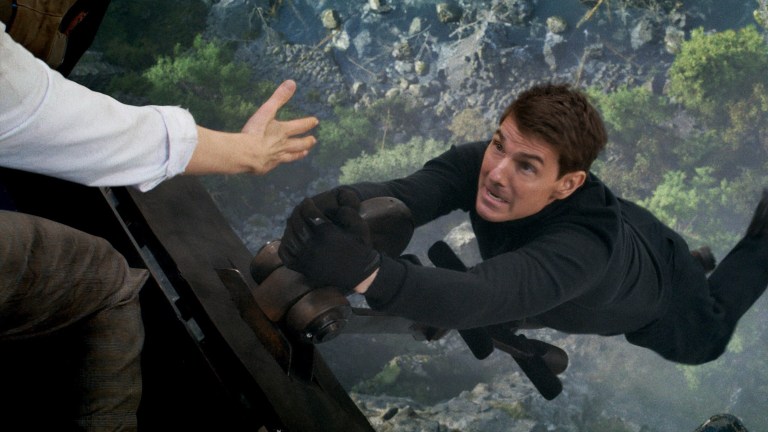
Christopher McQuarrie and Tom Cruise are like each other’s yin and yang as they seem to have found common ground since their first collaboration on Jack Reacher (2012) to the point where they’re willing to push the boundaries of what’s achievable on film at such a scale. Cruise especially is no stranger to putting his body and life on the line for an awesome shot, and in Dead Reckoning Part One there is everything from that iconic plummeting bike sequence off the top of a cliff to the creation and destruction of a whole train.

While Dead Reckoning Part One is pipped only by Mission: Impossible – Fallout (2018) in the franchise in terms of scale and death defying moments, it is pure action cinema that knows no bounds. I’m keen to see what Part Two will have to offer.

5. Past Lives

Celine Song’s debut feature is the sort of film that sneaks up and catches you off guard if you’re not prepared for its candid depictions of everyday people doing this thing we call life, and it leaves you feeling either optimistic or a tad wrecked by the time it’s over. 

I generally gravitate towards fantasy, action and romance films, and I was pleasantly surprised that while this is a film about young love and looking back to move forward, it’s ultimately a film about reconciliation and friendship.

Song’s film cleverly captures how time passes in an instant; we try to hold on to the high points as much as we can, we’d put them in a bottle if we could, but that’s not how life works. In other words, things happen for a reason, but that doesn’t mean we have to forget the past, but rather learn to live with the present reality that we’ve been given.

The film is ultimately anchored by Greta Lee, Teo Yoo and John Magaro who form the emotional centre that allows Song to deliver this story as effectively as she does.

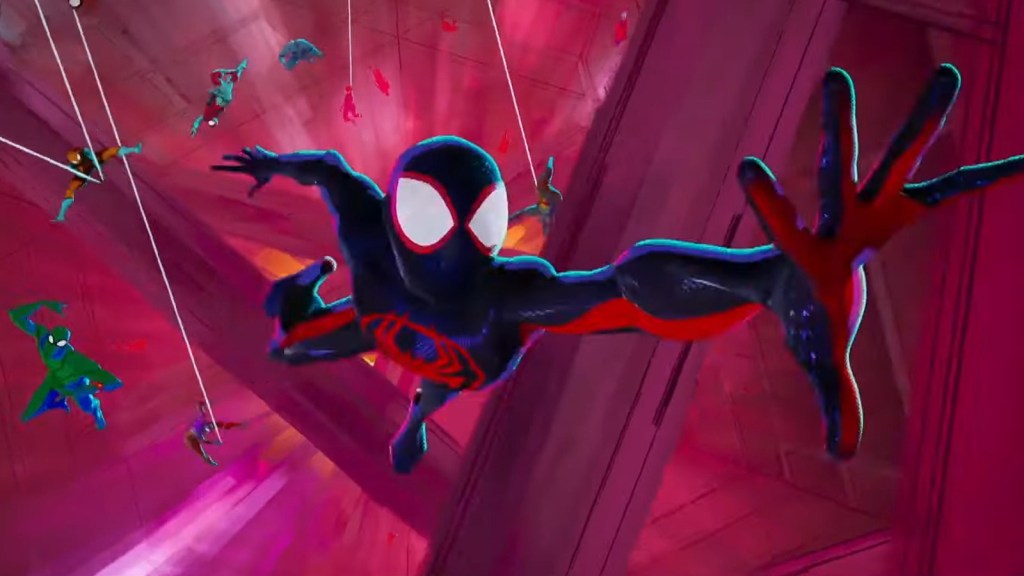
4. Spider-Man: Across the Spider-Verse

Across the Spider-Verse was one of the releases that I missed on the big-screen after going to Europe and only saw towards the close of the year on Prime Video.

I say that with a degree of sadness as this sequel to the Oscar winning hook-out-of-nowhere, Into the Spider-Verse (2018), absolutely floored me in just how creative it was in utilising the key moments of past Spider-man films and flipping them on their head to deliver an original, engaging, emotional and downright fun two and a half hours. The trio of writers, Phil Lord, Christopher Miller and Dave Callaham clearly understand this world and its characters, and it shows in all of its vibrancy.

Much has been said on the animation style of these films, and it once agains results in a colourful and unique display. Another Part Two I am ever so keen to see.

3. Killers of the Flower Moon

Martin Scorsese has been there, done that and gone back again, but even I couldn’t believe the brilliance I was seeing with Killers of the Flower Moon ––– even though brilliance is what we’ve always known with this cinematic titan.

Killers of the Flower Moon is another film that passes the three hour mark this year, but if it went for another three, I don’t think there would be many complaints. And that’s owed largely to just how precise Thelma Schoonmaker’s editing is, which paces the film very tidily with no loose moments that don’t add up to a wider whole.

It’s also a testament to Scorsese’s brilliant direction and he and Eric Roth’s approach to the screenplay which they flipped on its head and decided to tackle from an inside point around the film’s perpetrators. The result is one where we still see all of Scorsese’s signature mobster embellishments and themes of betrayal, ambition and greed, but they’re repurposed in a more Western setting and allowed to simmer for the film’s lengthy runtime.

I’ve said it elsewhere, but Killers of the Flower Moon feels like the sum of all the best parts of Scorsese’s oeuvre. By that I mean not just in the little tell-tales and visual cues that scream Scorsese, but more in terms of how this film balances tension, develops character, incorporates louder moments with more muted ones, communicates more heavy handed themes like greed and corruption in a digestible way, and all while feeling fresh in the process. 

The fact that this isn’t his magnum opus tells you everything you need to know about him, so let’s enjoy this legend while he’s still around.

2. (How Do You Live?) The Boy and the Heron

From one legend to another, Hayao Miyazaki’s decision to un-retire and make The Boy and the Heron was met with wide gasps, especially since The Wind Rises (2013) felt like the perfect capstone to his illustrious career.

Yet there was clearly some unfinished business in the director’s life that he no doubt felt compelled to express, and in his latest he once again takes a deep dive into the phantasmagorical through various creatures, concoctions and imagery, but with existentialism at the forefront.

The Boy and the Heron might well be seen as Miyazaki coming to terms with the limitations of the physical form and seeking out answers, or at least seeking to provide certain tools that might lead to the answers around what this thing called life is all about. Darcy has described the film as a “deep meditation on life and grief” and I think that’s the basis for what Miyazaki is going for here, along with the idea of carving something from nothing and doing your best to hold it together for as long as you can.

For the young character Mahito at the centre of it all, he is there to try and help take this bleakness and turn it into something redeemable now that his uncle (a very obvious injection of self from Miyazaki), cannot. It’s almost a futile request as everything around him crumbles, but it’s enough to believe he will take this with him in his own life and attempt to bring some order to it that way.

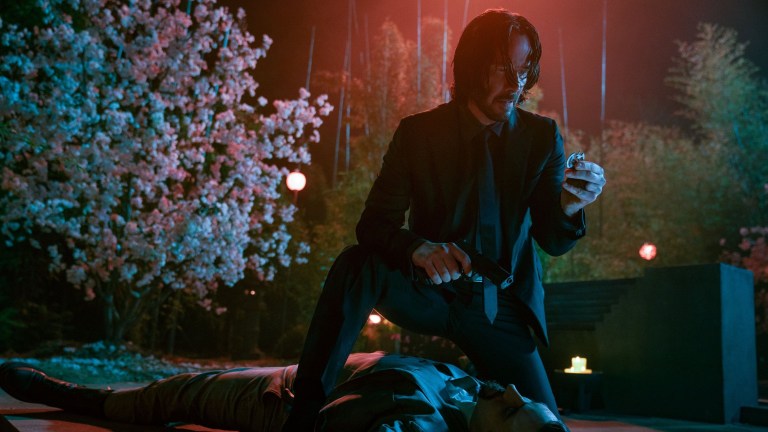
1. John Wick: Chapter 4

It feels like a millennium ago that I saw the fourth instalment in Chad Stahleski’s thriving John Wick franchise, and yet nothing this year has toppled it from the peak of my list.

Don’t get me wrong, any of my top three could just as easily be sitting in pole position, but Stahelski’s final John Wick film is a sensory overload that I feel like was made for me. Shay Hatten and Michael Finch’s ability to up the ante and deliver a screenplay that not only ties everything from the first three films together, but adds some more and then blows everything out of the water in the third act is truly mind-boggling (it’s a crime they weren’t nominated at the Golden Globes for Best Screenplay).

But that’s just the tip of the iceberg. I’ve long praised Stahelski for his understanding of actors and his ability to stage fight scenes, but in John Wick Chapter 4 he has once again managed to blend hand-to-hand combat and bullets galore with an appreciation for more grounded storytelling and the recognition that John Wick is the emotional anchor of this film even when he’s engaged in tense situations.

He’s not just a two-dimensional assassin or someone simply out for revenge, and Chapter 4 makes it clear that moving forward requires sacrifice. And this franchise has always been able to introduce anti-heroes and antagonists that are just as layered as Wick because they occupy the same space, under the same oversight, guided by the same principles ––– Wick just has the courage to stand against the system that has nurtured him and recognise the virus its rotten roots are spreading.

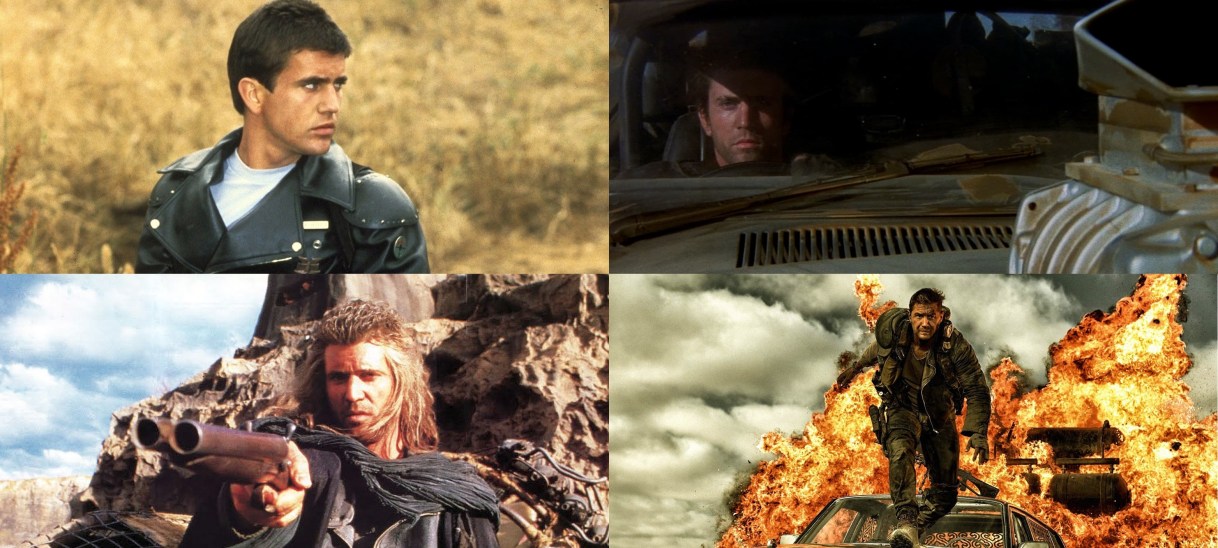
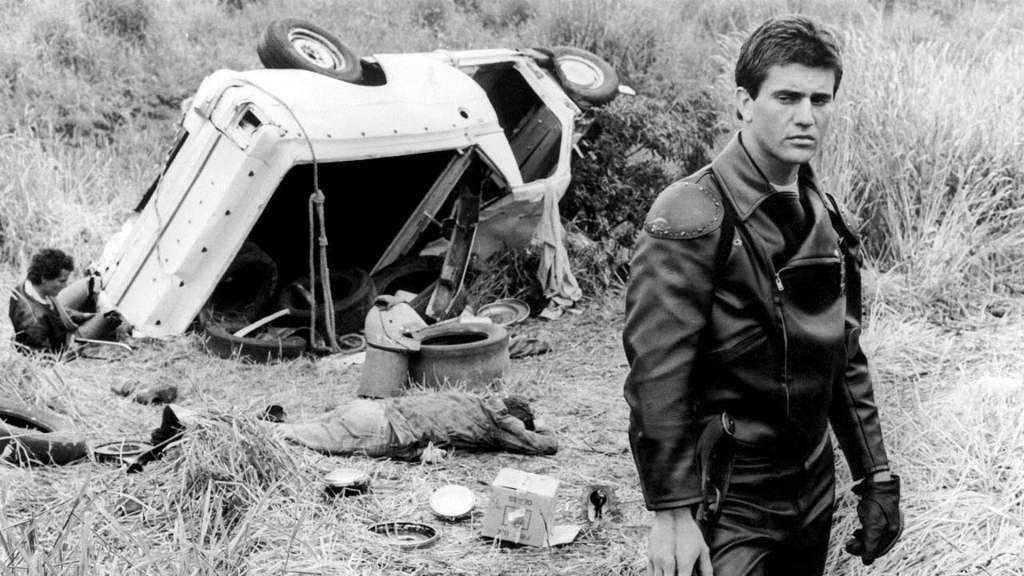
It feels like a fairytale ending that echoes the practicality and originality of Mad Max: Fury Road (2015) while standing out from anything else that has been released since Fury Road in the action genre. I can safely say I am eagerly anticipating Stahelski’s adaptation of Ghost of Tsushima.

Honourable mentions: Guardians of the Galaxy Vol. 3, Indiana Jones and the Dial of Destiny, Babylon (a 2023 release in Australia)

Best of 2023: Tom’s Picks

With 2023 having drawn to a close, Rating Frames is continuing to look back at the past twelve months of cinema and streaming releases which have come our way. In the second of our series of articles, Tom Parry takes a look at his ten favourite films of the year that was.

It’s been a most productive film-viewing period for yours truly. He began 2023 settled in Gippsland, with opportunities for cinema visits proving few and far between; but as the year passed its midway point, he found himself landing a new job and returning to his hometown of Bendigo, thereby allowing him additional time to see the newest releases and, better still, make more frequent journeys to Melbourne to see what he otherwise would not be able to in regional Victoria.

While this writer hasn’t viewed as many new releases as his contemporaries — and he’s still eagerly awaiting a chance to see Yorgos Lanthimos’ Poor Things (2023) — he did visit the theatre more often than he did in 2022, meaning he can once more utilise the Top Ten format to which everybody is most accustomed.

10. Bottoms

Its synopsis reads like the plot of a seedy adult film: A group of lesbian high-schoolers start a Fight Club as a means to lose their virginities to cheerleaders. Yet look beyond this raunchy premise, and there’s a picture that subverts the “traditional” Hollywood teen sex comedy through its queer representation, message of female empowerment and left-field gags.

Neat gags they are too, with Bottoms (2023) being one of the funnier comedies to emerge in recent times; it also boasts a great soundtrack and fantastic cast, with Ayo Edebiri being the standout as co-lead Josie. While the screenplay could use more originality — its use of the juvenile, overdone “Liar Revealed” trope particularly frustrates — the film nevertheless remains one of the most energetic and refreshing comedies to emerge in recent times.

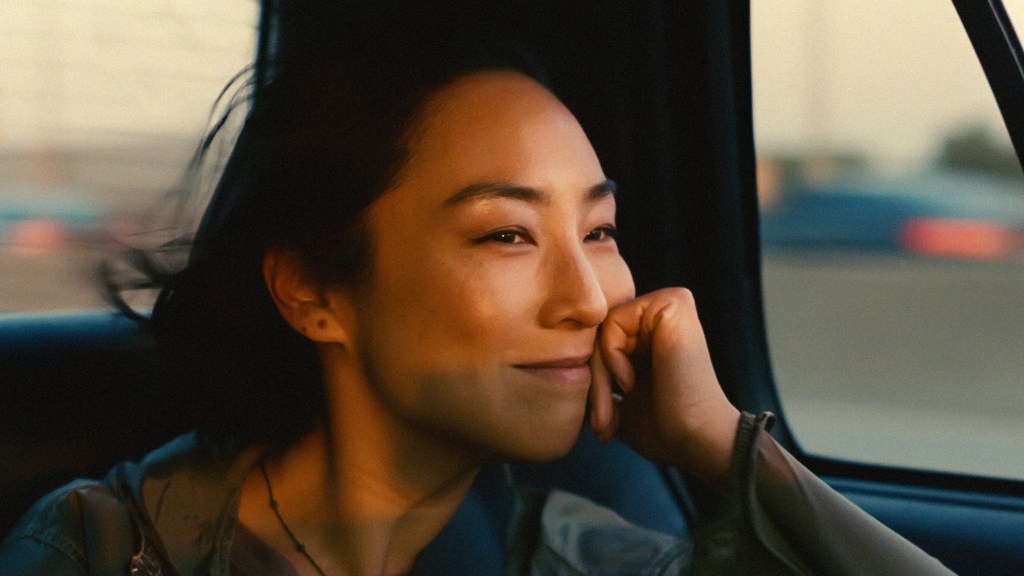
9. Past Lives

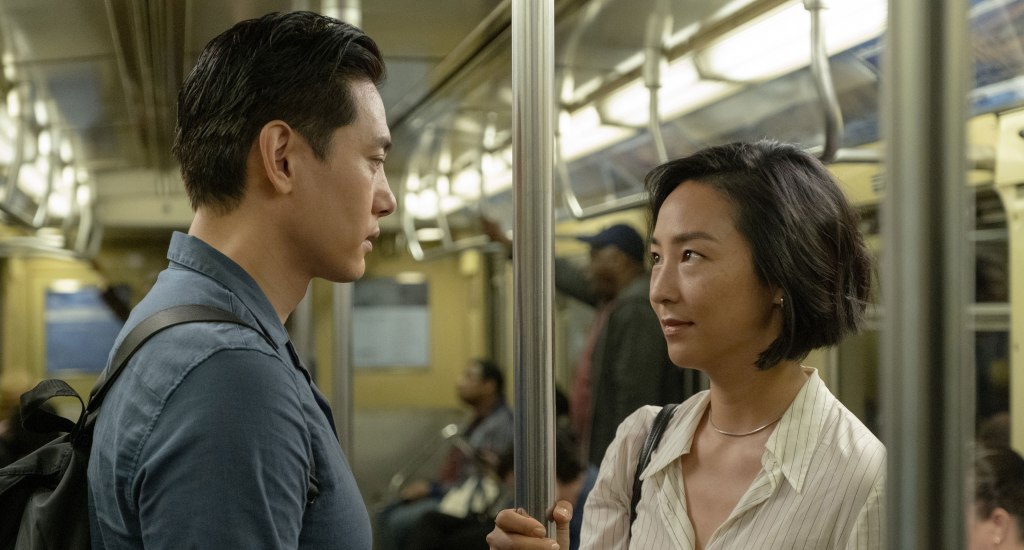
The romance genre relishes in the cliché of the Star-Crossed Lovers — a pair of individuals who are ideally suited for one another, yet destined never to be together. Such is the premise of writer-director Celine Song’s debut feature, which draws upon her own life experiences to craft a tender, stirring and beautifully-told narrative.

Song admirably refuses to adhere to the genre’s conventions, telling the story at her own pace and largely without conflict, all while eliciting a stellar performance from lead actor Greta Lee and brilliantly utilising natural light to bathe her scenes (as evidenced above). Though it is a gorgeous product, viewers must note that Past Lives (2023) is also a slow-moving film that takes some length to reach the crux of its story.

8. Elemental

At one stage, this feature-length animation looked destined to become Pixar’s first box-office bomb, owing to muted returns from the opening weekend of its theatrical run. But as the weeks passed, interest in the film remained steady as audiences found resonance with its tale of a migrant daughter struggling to meet the expectations of her parents, and the bond she forges with a young man whose personality could not be any more different.

Elemental (2023) is enjoyed best when viewed as a romantic-comedy — its tale of a mismatched duo who develop feelings for each other proves the most gripping aspect of what is, ostensibly, an allegorical examination of racism through a fantasy lens. Adding to the enjoyment is the beautiful score of Thomas Newman, and creative imagery rendered to the high standards of Emeryville.

7. Suzume

‘Twas a long wait for Makoto Shinkai’s latest feature to reach our shores, coming five months after its Japanese release and nearly 14 months after its world premiere. It sees the famed Japanese animator return to the fantasy genre once more, telling of a teenage girl who is tasked with preventing a series of supernatural calamities and delivering yet another compelling, wonderfully-told story in the process.

All the Shinkai hallmarks are present in Suzume (2022), including references to Japanese fables, natural disasters, adolescents pining for the affections of another, and trains. (He really does love his trains.) Yet there are also plenty of improvements over his previous works, including a rousing orchestral soundtrack, a screenplay filled with tension and humour, and Shinkai’s most detailed and cleanly-animated illustrations to date.

6. Saltburn

Having won Best Screenplay at the 93rd Academy Awards for Promising Young Woman (2020), anticipation was justifiably high for Emerald Fennell’s second directorial effort. Her follow-up takes place in England, where a scholarship student at a prestigious university (Barry Keoghan) befriends a classmate from an aristocratic family (Jacob Elordi) and is subsequently invited to spend the summer at their sprawling estate.

A beautifully twisted thriller, Saltburn (2023) possesses a sharper edge and level of savagery that Fennell’s debut feature sorely lacked. Her direction once again is confident and assured, her characters nuanced and complex, the performances great and the soundtrack fantastic. This author’s only issue with the film is that it doesn’t adequately explain or justify the actions of its main character.

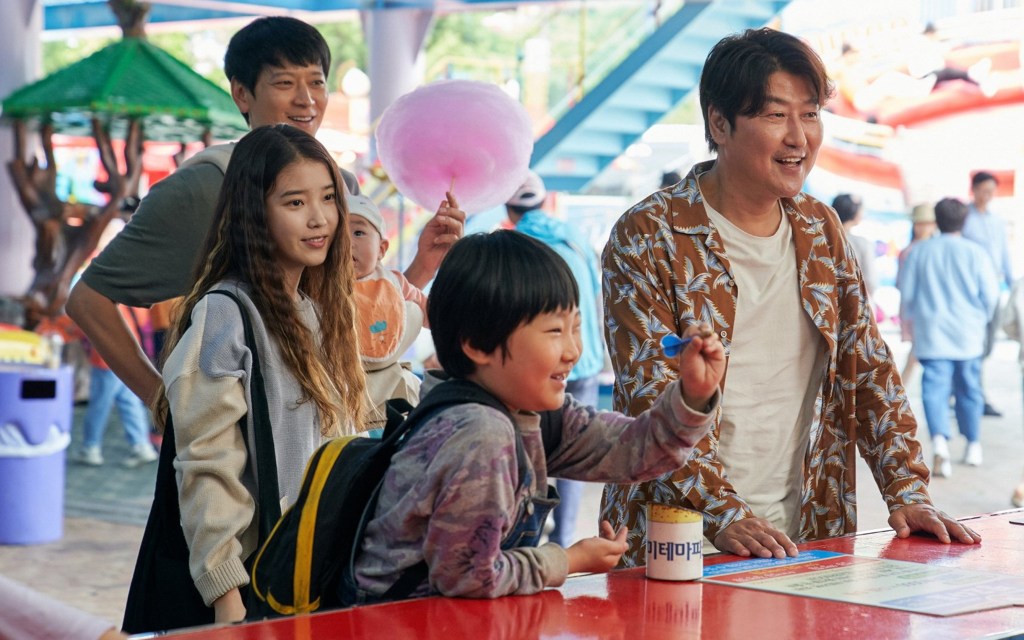
5. Broker

First premiering at the Cannes Film Festival last year, it would be another nine months before this feature-length Asian drama gained a limited theatrical release in the Antipodes — a very apt length of time to wait, when one considers the subject matter. Broker (2022) follows a ragtag group of criminals who form an emotional bond while trading orphaned babies to infertile couples for money. Though the premise is somewhat cheesy, the final product is anything but, with director Hirokazu Kore-eda delivering a story which is equal parts charming and poignant.

Fellow Rating Frames scribe Darcy Read has long been a champion of this feature, having listed it in his Best of 2022 list and reviewed it glowingly and at-length back in March. There’s not much that can be added to his remarks; all that this writer can offer is a reiteration of Darcy’s praise.

4. Mission: Impossible – Dead Reckoning Part One

Seldom can a film series lay claim to having improved with each and every instalment; Mission: Impossible is one of the few. For the franchise’s seventh feature-length outing, the ante and excitement is upped once more as secret agent Ethan Hunt (Tom Cruise) faces his most threatening antagonist yet: a faceless, internet-borne Artificial Intelligence program that can not only predict his every move, but distort the truth as it sees fit.

Dead Reckoning Part One (2023) is filled with exhilarating action sequences, including a car chase through the streets of Rome, a duel of close-quarters combat in a narrow alleyway, fisticuffs on a runaway train, and plenty of throwbacks to the series’ past. In doing so, M:I7 eclipses the thrills of Mission: Impossible – Fallout (2018) to position itself as one of the greatest action movies of all time.

3. Spider-Man: Across the Spider-Verse

Not for the first time, Sony Pictures Animation floored all expectations with their latest feature-length release, surpassing the very high bar the studio itself had set four-and-a-half years earlier. The studio’s successor to the much-adored Into the Spider-Verse (2018) is an improvement in many regards, placing a greater focus on the struggles of Gwen Stacy (voice of Hailee Steinfeld) while also continuing with the narrative of Miles Morales (Shameik Moore).

There are many aspects in which Across the Spider-Verse (2023) proves a better film than its predecessor, particularly in the screenplay department — the story here is less clichéd and more original — and visually, with no shortage of lush images to gaze at. Impressively, the film does this while also sharing its precursor’s qualities, such as a talented voice-cast and awesome soundtrack.

2. John Wick: Chapter 4

Turns out that 2023 delivered not one, but TWO of the greatest action movies ever made. The more impressive example proved to be the fourth entry in the Keanu Reeves-starring John Wick franchise, which once again has the professional hitman seeking revenge against the figures who have wronged him, and simultaneously trying to avoid the network of bounty hunters who wish him dead.

Plenty of the franchise’s trademarks are present here, including the exceptional stunt-work, astonishing set-pieces, brilliant choreography, immaculate sound design and gorgeous lighting, all richer than ever. It’s best appreciated by those who have seen and enjoyed the three previous instalments — anybody walking into John Wick: Chapter 4 (2023) without doing so is bound to be confused.

1. Oppenheimer

Since helming The Dark Knight (2008), Christopher Nolan has been revered by cinephiles as one of the artform’s best directors, his every film greeted with fervent enthusiasm. Subsequent releases have been met with overblown mania, such as Interstellar (2014), while others earned muted praise, like Dunkirk (2017). But for his portrait of scientist J. Robert Oppenheimer (Cillian Murphy), the hype and audience response is truly deserved.

Despite its three-hour length and multitude of secondary characters, Oppenheimer (2023) is never boring nor baffling — it’s enthralling from beginning to end. Within the picture is a fantastic screenplay dealing with complex themes, strong performances from the entire cast, a remarkable score from Ludwig Göransson, dexterous film editing, great sound design, incredible practical effects, and a surprisingly tense bomb-testing sequence.

What’s here is Nolan’s magnum opus; his crowning achievement, the picture which shall come to define him years from now. At the risk of being rash, it could well become this writer’s favourite film of the decade.

Honourable Mentions: Babylon (released January 2023), Creed III, Guardians of the Galaxy Vol. 3, Dumb Money, The Killer.

Best of 2023: Darcy’s Picks

With 2023 drawing to a close, Rating Frames is looking back at the past twelve months of cinema and streaming releases that have come our way. In the first of our series of articles, Darcy Read is taking a look at his ten favourite films of the year that was.

2023 has been a bizarre but ultimately wonderful year in cinema. A film year that felt like a genuine rebound after multiple years of roadblocks — and that’s with long-running SAG and WGA strikes with impacts felt in the latter stages of the year but will impact next year more on the ledger — through the success of ‘Barbenheimer’ and the return of some of the best veteran filmmakers we have working. While none of these storied filmmakers like Martin Scorsese, Hayao Miyazaki, or Wes Anderson delivered a film that will be the first project referenced in their obituary, all have produced work that will contend for the best cinema has to offer this decade.

As 2023 draws to a close, it is clear this year has the potential to enter legend status alongside calendar years like 1999 or 2019, with its combination of peaks and depth by creators both established and emerging, gifting us deeply personal works that have clearly resonated with audiences around the world. 2023 has been a wonderful year to write about for the site, and 2024 looks to be a fascinating year with the return of incredible artists like Bong Joon-ho, Steve McQueen, and Barry Jenkins to name a few. But before we get ahead of ourselves, here is my list of the best of cinema this year.

10. Oppenheimer

A vicious knife fight to land on the 10th spot on this list with a collection of wonderful films by veteran auteurs like Hirokazu Kore-eda and David Fincher, but the scale and power of the fleeting moments in Christopher Nolan’s Oppenheimer (2023) proved too difficult to ignore. Nolan has been on a manic kick in recent years, adopting a sound-focused filmmaking pursuit that is just catnip for me. Combining an all-time score by Ludwig Göransson with an elastic soundscape that never lacks emotional or narrative potency by the legendary Richard King, Nolan and emerging editor Jennifer Lame throw you into the subjective war zone that is J. Robert Oppenheimer.

The film is littered with flaws and strange moments that threaten to derail the three-hour tirade through the scientific pursuit of unprecedented destruction, but the rigorous nature of the film allows for some transcendent sequences that stack up amongst Nolan’s very best work.

9. The Eight Mountains

A serene indie film shot across stunning vistas of the Italian Alps centred on two men building a house in a plot of land owned by one of their recently deceased fathers, Felix van Groeningen and Charlotte Vandermeersch’s The Eight Mountains (2022) plays out like a contemplative short story across two and a half hours, a personal favourite flavour that is not a universal palette.

The earnestness of the storytelling about two complicated men seeking purpose through their past and into their present transcends into a reflective pool of emotion and intimacy with a mesmerisingly natural performance by Alessandro Borghi as Bruno. Grab some tea and warm up by the fire of this enchanting Italian epic that would work as a perfect double feature with Past Lives (2023), a film we will get to.

8. May December

A sticky, chewy meal of a film, May December (2023) is less interested in the central scandal of the story (echoing the story of Mary Kay Letourneau and Vili Fualaau) than in the modern societal structures around a tabloid scandal, with the insidious media ecosystem that invades lives for an increasingly uncertain gain and the human impact that ripples out decades later, as the scandal itself.

Casting director turned screenwriter Samy Burch is perfectly matched on the screen by the brilliant Todd Haynes, a filmmaker most comfortable getting into the weeds of a dark, complicated story and emerging with something equally compelling and repugnant. The trio of performances from Julianne Moore, Natalie Portman, and the emergence of Charles Melton present this knotty and potently transgressive story with a heightened tension of melodrama whilst never losing the humanity at its core that allows the film to shine.

7. Spider-Man: Across the Spider-Verse

It took months for me to embrace the ‘to be continued’ nature of Spider-Man: Across the Spider-Verse (2023), but once that hurdle is vaulted, the Jackson Pollock-styled explosion of creativity and narrative inventiveness on display in this sequel to the hit animated superhero film Spider-Man: Into the Spider-Verse (2018) took hold.

Across the Spider-Verse’s first 20 minutes is the greatest example of riotous, shotgun blast openings to come across in years, miraculously blending art styles with raw emotion and vulnerability that created an avalanche of ideas to cascade from beginning to end.

6. Asteroid City

“Am I doing it right?” Anderson has long been known for his extensive production designs and air-tight dialogue, but what stands out in Asteroid City (2023) is the attention placed on the act of looking. These looks of longing and understanding permeate every moment and every character of the film. From June (Maya Hawke) and Montana’s (Rupert Friend) longing looks of romance tinged with the desire for understanding in an increasingly incomprehensible world, to the gazing scenes of Jason Schwartzman as both Augie in the play with Midge (Scarlett Johansson), and as the actor Jones Hall with the actress of his wife that was ultimately cut played by Margot Robbie – in one of the scenes of the year – Anderson reflects the modern world’s unease and uncertainty by displaying these feelings across the extended ensemble.

Schwartzman — who has never been better — wears layers upon layers of uncertainty about the future and how to feel in the present across his face, opening up like a flower in the final act. By penetrating the hermetically sealed world that Anderson and his crew craft here in Asteroid City with touchingly modern feelings of uncertainty and fear, the potency of the message burrows its way into the soul, where it has remained all year. “Am I doing it right?”

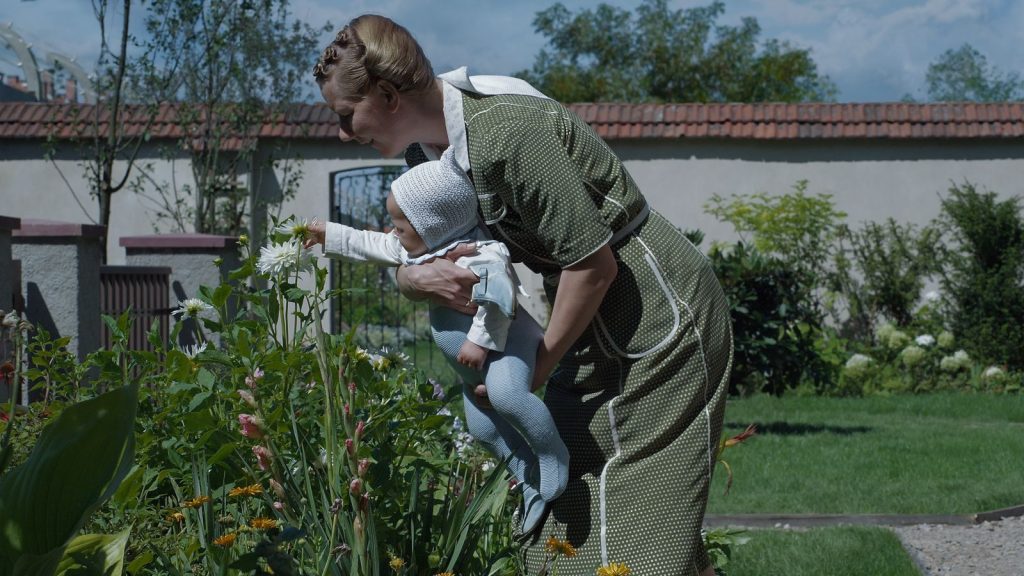
5. The Zone of Interest

The normalisation of genocide as a collection of active, domestic choices, Jonathan Glazer’s attentive formalism is a perfect match for this profound piece of art on the naturalism that real evil lives within. Based on a slither of Martin Ames’ book of the same name, The Zone of Interest centres on the young family of Höss, mass murderer and commandant of Auschwitz, as they live day to day alongside unimaginable horror. Glazer avoids almost all iconography of the camp and world inside of the walls, tightly focusing on the family mundanity through scenes of pool parties, teatime chats, and grandmothers coming over for a weekend as the black smoke billows constantly above them.

Glazer, alongside sonic collaborators Johnnie Burn and Mica Levi as sound designer and composer has crafted a piece of cinema that transcends the formal exercise it easily could’ve become, instead striving for an art film that lands close to a Nazi-based Jeanne Dielman (1975). There is no, and may never be, another experience like it.

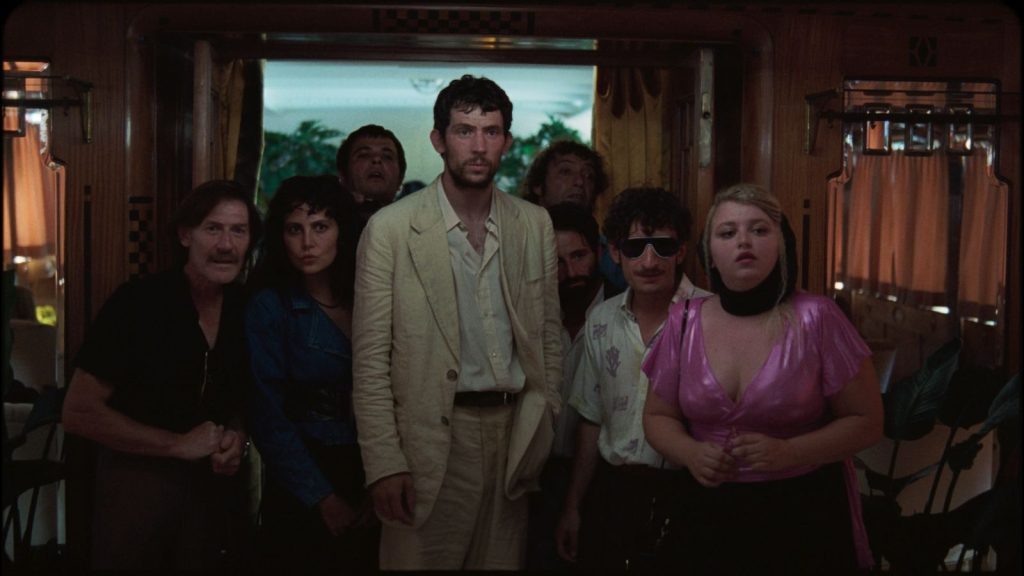
4. La chimera

One of the great pleasures of following the career of an emerging artist is seeing them put it all together. In La chimera (2023), Italian filmmaker Alice Rohrwacher perfectly blends the rich, textured grounds of Tuscan farm life of The Wonders (2014) with the magical realism and whimsy from her revered film Happy as Lazzaro (2018) to create one of the year’s best and most creatively rich films.

Set in 1980s Tuscany, we follow Arthur (an extraordinary Josh O’Connor) and his band of tombaroli Italian looters archaeological heritage — as he returns to his long lost love Beniamina’s local town after a stint in jail. Rohrwacher’s seemingly limitless filmmaking inventiveness wraps around a knotty and evocative story of local heritage and ownership of the past shot gloriously on 16 and 35mm.

3. (How Do You Live?) The Boy and the Heron

Went with the original title for this entrancing and engaging gift of cinema, as it so perfectly captures the film in many ways compared to a seemingly rushed decision to rename this endlessly compelling feature from another old master Hayao Miyazaki. Not only is the title How Do You Live? (2023) taken from a beloved Japanese novel that Miyazaki has called an ur-text for him creatively — heightened by having the book play a crucial story beat with it being gifted to our protagonist Mahito by his recently deceased mother — but it works as the central thesis question for the film Miyazaki came out of retirement to ask. A question he gives no answer to, understanding that a life’s purpose is in the pursuit. The film operates as a deep meditation on life and grief from a world-weary filmmaker and as a goofy, playful Ghibli movie with its eccentric parakeets and Warawara’s that are sure to make their way into the heart of the recently opened Ghibli park.

What allows these larger ideas and themes to flow freely across this entrancing film is the work of longtime collaborator Joe Hisaishi’s score, somehow in career-best form after all these years, echoing these thematic questions through his delicate strings, tense orchestrations, and loving piano melodies that wash over a crowded audience like an emotional wave. No film on this list has better potential to leapfrog up to number one than this film, probing for questions on day-to-day existence than any piece of art released in 2023, like only a true master storyteller can.

2. Past Lives

Saw this treasure of a film back in June at the Sydney Film Festival and remained top of this list for months, Past Lives (2023), the best debut feature of the year by Celine Song, has stayed top of mind for 6 months through its unique mixture of personal and romantic longing with a powerful trio of performances by Greta Lee, Teo Yoo, and John Magaro.

In Past Lives, the present is framed in a unique liminal space, an uncertain future result of past decisions and indecisions, more so than a real time experience, like watching Richard Linklater’s miraculous Before trilogy simultaneously across three screens. How Song is able to merge these ideas inside a tight 105-minute narrative feature is not to be understated, crafting the best screenplay of 2023 and one that will only expand and mature moving forward.

1. Killers of the Flower Moon

From my review for the film: “Killers of the Flower Moon (2023), a sprawling period crime epic based on the incredible best-selling nonfiction book of the same name by David Grann tracking the 1921 Osage Nation murders (potentially hundreds even though the reported count reached only 20), is the best film to arrive in theatres in years. An astonishing work, capturing the clashing worlds of empathy and cruelty, the legendary director Martin Scorsese alongside veteran screenwriter Eric Roth, set out to explore and probe the original sins of white exploitation and destruction that dismantled a once thriving community in the Osage Nation.

With a task as grave and serious about a community unfamiliar to their own, Scorsese and Roth’s script remarkably lands at a point of empathy and understanding they can reach as outsiders to this world. Scorsese’s self-reflective limitations as the person to tell this story are palpable throughout the film. This crime film’s capacity to tell a story of a community not his own arrives at a peak in a final sequence that may not evoke the same emotions in audience members as personal opinions of this vary. However, it is disingenuous to wholly dismiss this remarkable film on those grounds, just as it is disingenuous to wholly dismiss the air of white guilt and limitations as storytellers that frame Killers.”

My only five-star film of the year, Killers of the Flower Moon may not reach the Mount Rushmore of Scorsese’s career but is more than worthy of entering the discussion once the greatest living American director decides to hang it up.

Honourable Mentions: The Killer, Monster, How to Blow Up a Pipeline, Barbie, Showing Up.

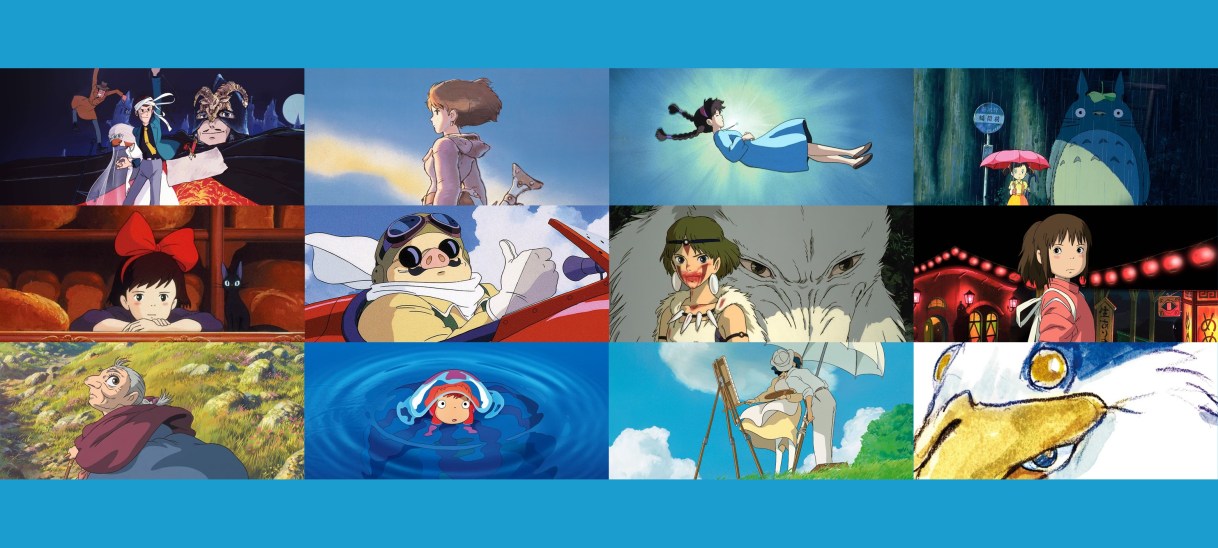
The Films of Hayao Miyazaki, Ranked

In recognition of The Boy and The Heron releasing nationwide this very week, our resident animation buff Tom Parry is here to list its director’s filmography from least best to absolute best — because there is no such thing as a bad Miyazaki picture! But first, an explainer…


With the exception of Walt Disney, there is indisputably no animator more famous or revered than Hayao Miyazaki. In a career spanning six decades, the Japanese auteur has left an indelible mark on the artform through his distinctive films, readily identified by their gentle tone, strong female characters, fantasy themes, pertinent morals and gorgeous illustrations.

His work has spawned plenty of imitators and thousands more admirers, both within the industry and outside of it — all of his feature-length pictures have an average rating of 3.95 stars or above on Letterboxd, plus an approval rating of 87 percent or above on Rotten Tomatoes. He’s garnered no shortage of accolades either, including Berlin’s Golden Bear, numerous Annie Awards, and two Oscars — one competitive, one honorary.

Miyazaki-san is also notorious for prematurely exiting the industry, having declared retirement in the late 1990s, 2013, and again in 2018, only to return to directing each time, hence earning himself a reputation as the John Farnham of Cinema. He pulled the same trick just this year, announcing he has another project in the works despite previously saying that The Boy and The Heron (2023) would be his last as a director.

That title is finally reaching local cinemas this week, and to celebrate this momentous occasion, yours truly is taking a look back at Miyazaki’s previous 11 releases and determining which of his releases is best. Of course, all of his pictures are fantastic, which makes ranking his filmography a nigh-on impossible task; if nothing else, consider this list a guide for which of the living legend’s masterpieces to prioritise seeing before his latest one.

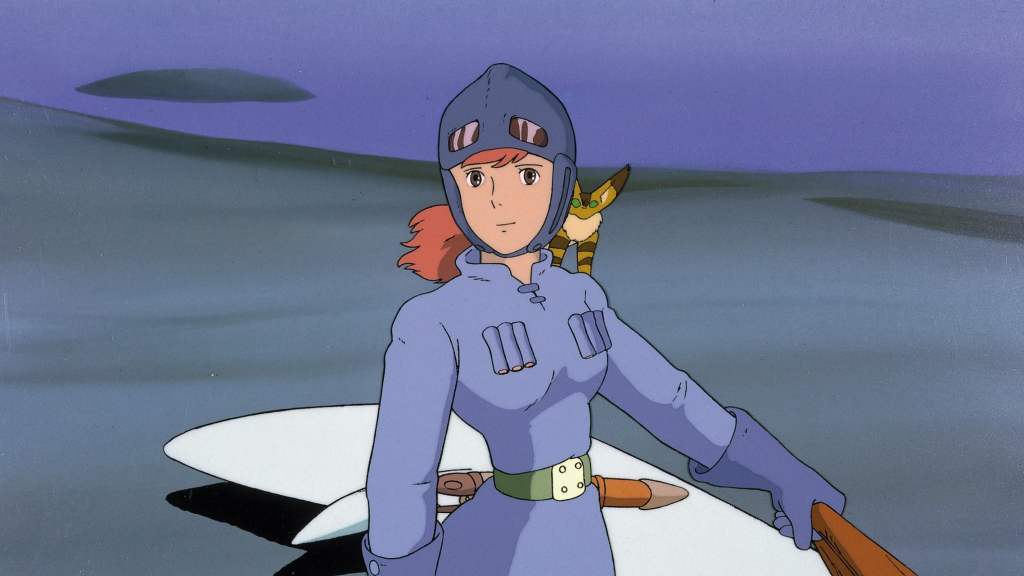
11. Nausicaä of the Valley of the Wind (1984)

One of the earliest directorial efforts from Miyazaki, and it shows — but it’s certainly not without charm. Nausicaä follows its eponymous heroine, a teenage princess of a post-apocalyptic land, who seeks to protect a neighbouring jungle and its large insectile inhabitants from a warring kingdom, one seemingly hellbent on the forest’s destruction.

This feature, the second to be helmed by Miyazaki, can be considered the genesis for the themes which would later come to define his catalogue. Its screenplay touches upon themes of conservation, pacifism and anti-Imperialism, all tropes which have come to be a consistent presence in his career, while also drawing upon his penchant for aviation and placing a brave, resourceful young woman in a leading role.

Yet it’s not without flaw. The screenplay is too reliant on dialogue to tell its story; the score of Joe Hisaishi — in the first of his many collaborations with Miyazaki — utilises electronic instruments at times, which prove tonally jarring; and the illustrations lack detail, being near-indistinguishable from other anime projects of the period. (In fairness, the film was produced on a limited budget.) Nausicaä may be considered a classic, and rightly so, but to consider it Miyazaki’s best is doing the remainder of his works a great disservice.

10. Howl’s Moving Castle (2004)

Countless productions have paid tribute to Miyazaki, but here is a rare instance in which the director pays homage to himself. Adapted from British author Diana Wynne Jones’ novel of the same name, its plot concerns a young woman who is cursed with an elderly body, the wizard who offers her refuge, and the moving, mechanical fortress which they call home.

Howl’s Moving Castle plays like a melange, or even a rehash of all the Miyazaki films released up until that point, sharing many of the themes and even the same aesthetics as those made previously. This, in turn, marks the picture as the least distinctive and least memorable of his career.

Yet the film is not without appeal. The characters are all likeable and well-written, the orchestrations of Hisaishi beautiful and the illustrations, as ever, stunning to look at. It’s a less-than-stellar glint in his resumé, sure, but certainly not bad. Heck, compared to most other animated features, it’s exceptional.

9. Ponyo (2008)

For a film-maker unafraid to place mature and complex themes into his stories, Ponyo appears a retrograde step for Miyazaki-san; it takes place in a contemporary setting, has two kindergarten-aged children as its core protagonists, and borrows heavily from a Danish fairy-tale that has been told countless times elsewhere. The only difference being, this Little Mermaid’s dream of becoming human could lead to an ecological catastrophe. Now there’s a twist!

Despite being a definite contender for the cutesiest and most juvenile product in this list, it’s impossible not the be charmed by Ponyo, nor its namesake character — her insatiable enthusiasm for the human world and its delicacies is the undoubted highlight. Pleasing further is a driving sequence that evokes Miyazaki’s earliest cinematic handiwork (more on that later) and rich use of colour throughout; less so a nauseating theme that accompanies the English dub, and the heavy-handed application of its environmentalist themes.

Anime purists may scoff at its soft tone and simplistic messaging, but those apparent misgivings are what makes the title ideal for a younger audience, or those needing an easy entry point to Japanese animation.

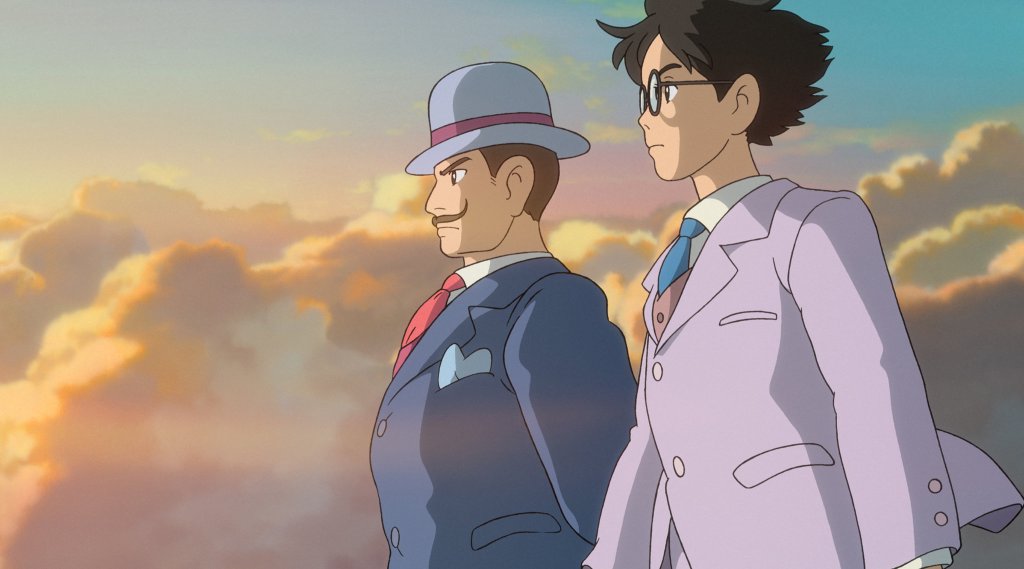
8. The Wind Rises (2013)

Biographical stories aren’t typically the domain of animators; then again, Miyazaki isn’t your typical animator. This one recounts the life of inventor, aviator and engineer Jiro Horikoshi — infamous for developing the Mitsubishi “Zero” fighter planes that fought during World War II — tracing his journey from teenagehood to immediately after the Japanese surrender, revealing himself to be an idealistic dreamer.

The Wind Rises ties firmly with two of Miyazaki’s persistent motifs: his fondness for aviation, and his unwavering advocacy for pacifism. It’s the former which comes through most strongly, courtesy of the mesmeric flying scenes, Jiro’s dream sequences, and the human sound effects applied to the aircraft that assist in personifying them. And, of course, the animation and music are exquisite.

Sadly, there are flaws. The film does romanticise its main protagonist somewhat, who lacks complexity and doesn’t appear particularly distressed by his aircraft being utilised for warfare; and some of the minor characters present themselves more like caricatures than they do human beings.

7. Castle in the Sky (1986)

Properly considered the first movie to hail from Studio Ghibli — the world-renowned animation firm co-founded by Miyazaki, fellow director Isao Takahata, and producer Toshio Suzuki — and a captivating one at that. Its story is about a young girl and boy in possession of a powerful crystal, who travel across their homeland in search of a mythical flying kingdom known as Laputa.

There are numerous signs of a director transitioning into an auteur in Castle in the Sky, as Miyazaki again applies his themes of environmentalism, nonviolence and aviation to the screenplay. Other connections to his future output are also present, such as the steampunk visuals that would later be applied to Howl’s Moving Castle.

Even so, parts of this picture clearly indicate a career still in its infancy. The script is rather dialogue-heavy, much like Nausicaä, breaking the medium’s golden rule of “Show, Don’t Tell”; the moods of the supporting characters are rather capricious; and it doesn’t quite reach the level of storytelling magic for which Studio Ghibli is nowadays famed for.

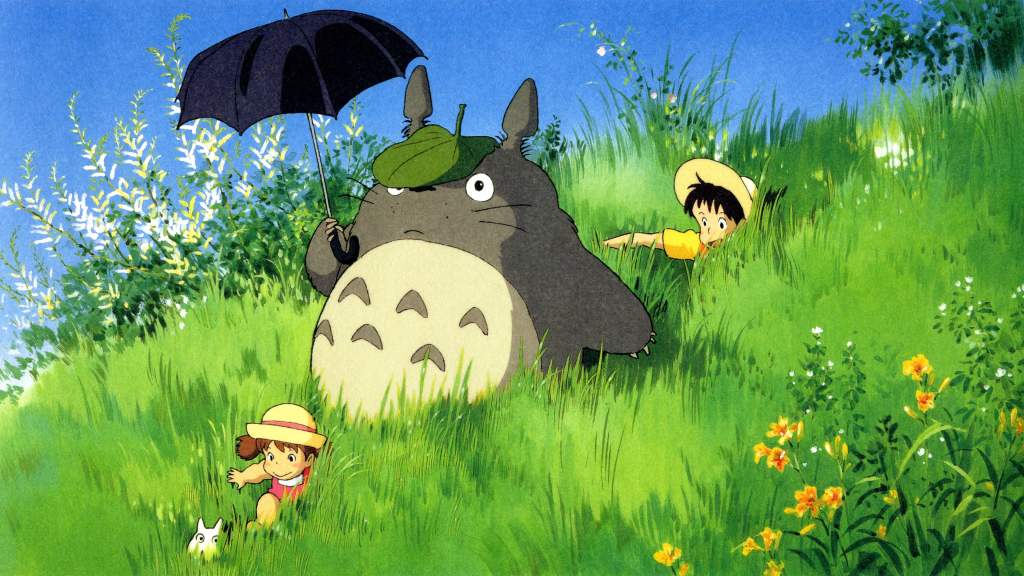
6. My Neighbour Totoro (1988)

Undoubtedly the sweetest, cutest and most innocent feature to be directed by Miyazaki.  Here, the plot unfolds in rural Japan, where a mother-of-two is recuperating from an undisclosed illness; nearby lives her husband and their two daughters, who occupy their time by playing in the adjacent forest. It’s in this same forest that the girls encounter a series of friendly beings — including a large grey one whose name graces the title.

Chief to the appeal of Totoro is the ingeniously-designed creatures who interact with Satsuki and Mei; this includes Totoro himself, who would go on to be incorporated into Studio Ghibli’s logo, and become the company’s official mascot. Also notable is the picture’s tone, which is light and palatable to even the youngest of viewers, possessing very little in the way of threat or conflict.

And therein lies Totoro’s biggest problem: this slice-of-life drama is too light and fluffy for its own good. The only tension that occurs is when Satsuki learns of her mother’s deteriorating health, leaving her angry and causing her to yell at her younger sister, and even that low level of friction is resolved in a matter of what feels like seconds.

5. Princess Mononoke (1997)

Quite possibly the most mature and complex work of this list, and one often rated highly in animation circles. Its title refers to a female warrior raised by wolves, who seeks to protect the forests she calls home in feudal-era Japan. But she is not the central figure in this tale. Instead, the lead protagonist is a young prince who seeks to stop the demons that are terrorising his village.

Mononoke’s tone is noticeably darker than all other Miyazaki pictures, as evidenced by the amount of violence and blood on display; it also leans heavily into its conservationist, pacifist and anti-imperialist themes. Additionally, the film possesses characters that are well-written with intricate personalities; and what may well be Hisaishi’s best score, at times evoking the work of his American contemporary, Howard Shore.

As for problems, having the narrative follow Prince Ashitaka — as noted above — means less attention is paid to San, who is by far the more interesting of the duo; and the conclusion isn’t wholly satisfying. Those flaws aside, there’s very little to complain about.

4. Kiki’s Delivery Service (1989)

Another literary adaptation, and one of Miyazaki’s better examples. Beginning with its heroine, a young witch, leaving her home to partake in an adolescent rite-of-passage, the story eventually settles in the town of Koriko, where our broomstick-riding maiden comes to find employment at a bakery in exchange for a place to stay.

Like Totoro before it and Ponyo after it, Kiki has a sweet, inoffensive tone that makes it perfect viewing for youngsters, or those otherwise unfamiliar with anime. But where Totoro is largely devoid of conflict, Kiki has its central protagonist undergo a great emotional struggle; and where Ponyo talks down to its audience with simplistic messaging, Kiki has faith in their intelligence and maturity.

And then there’s the wonderful flying sequences, and the immensely likeable characters, and the European aesthetics, all of which combine with the usual Miyazaki hallmarks to make a fun, heart-warming adventure. If there’s any fault with Kiki, it lies in the somewhat rushed conclusion, and the convenient amount of time its witch takes to overcome her woes.  

3. Porco Rosso (1992)

This one is quite the achievement; not only does it contain a Flying Pig as the main character, but it manages to overcome its rather silly premise to be a funny, heartfelt and mesmerising tale. It’s a tale that sees Marco — a veteran of the First World War who has gone on to become an aerial bounty hunter — partner with an aspiring female mechanic to defeat his American arch-rival, Curtis, and the shenanigans that ensue.

Predictably, yet pleasingly, Miyazaki’s love of aviation shines through in Porco Rosso, with detailed illustrations of aircraft and enchanting moments of planes in flight; also emerging strongly is his steadfast objection to Imperialism, with the film’s titular protagonist outrightly condemning fascist ideology. What makes this picture truly stand-out though, is the level of humour, with more gags and therefore laughs to be had than just about any production from the Great Man.

Porco Rosso comes ever so close to being top-ranked; but, as with Kiki, the conclusion arrives rather abruptly, almost to the point of being anti-climactic and leaving the viewer underwhelmed. Thankfully, no such issue plagues the next two entries on the list.

2. The Castle of Cagliostro (1979)

Miyazaki’s debut feature is one far removed from anything else in his filmography, yet proves one of his most entertaining works. Spinning off from the Lupin the Third TV series — which itself was based on the manga of the same name — Cagliostro tells of a gentleman thief who uncovers a counterfeiting operation in a dilapidated European kingdom, while simultaneously pining for the affections of the country’s Princess.

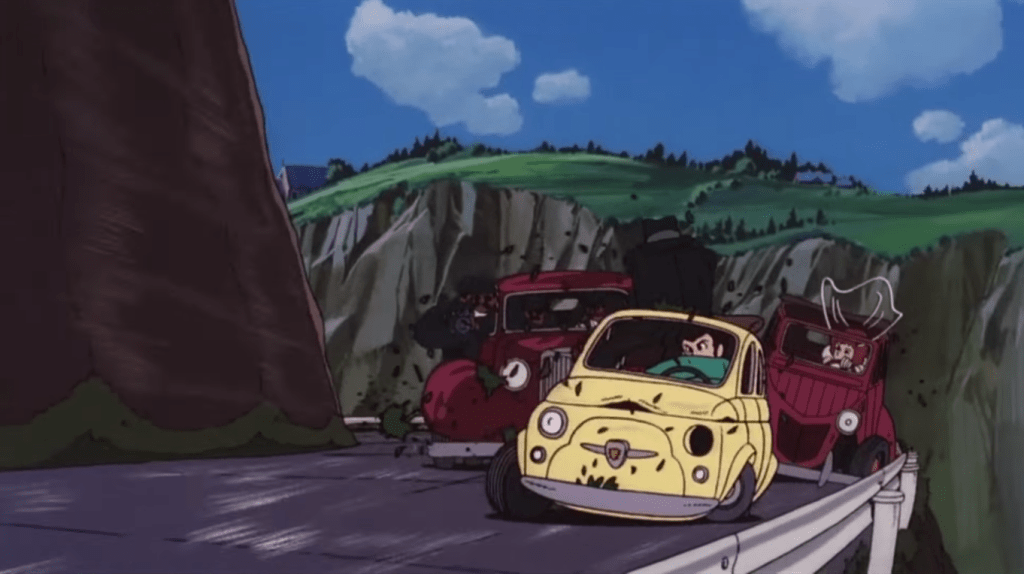
Laced within this ostensible crime-caper is a mystery bountiful in action and humour, as evidenced by a chaotic, destructive chase scene between a yellow Fiat 500 and two much-larger sedans (see above); our hero, Arsene Lupin III running full-pelt down the steepest of roofs; and Lupin desperately trying to escape a plunge of certain death by swimming up a waterfall! Additionally, there’s a surprisingly warm romance between Princess Clarisse and Lupin; and while the illustrations aren’t up to the standards of later Miyazaki efforts, they still have appeal.

Cagliostro was a critical and commercial success upon release in Japan, and went on to have a profound impact on several Western film-makers — its influence can be seen everywhere, from the climactic clocktower sequence in Basil the Great Mouse Detective (1986) to the Roman car chase in Mission: Impossible – Dead Reckoning Part One (2023). Steven Spielberg is also said to be an admirer, with the story purportedly inspiring him to create Raiders of the Lost Ark (1981).

1. Spirited Away (2001)

Is it a cliché to consider this Miyazaki’s best film? At this point in history, possibly; yet to consider anything other than Spirited Away as his greatest achievement would be sacrilege. Inspired by Lewis Carroll’s Alice in Wonderland stories, it centres on a girl named Chihiro and her journey through a mystical realm of spirits, witches and beasts; a realm where she must grow-up in order to find her way home.

Along the way, viewers are met with imaginatively designed creatures; strangers who are curt and kind; stunning painted landscapes; and Joe Hisaishi’s gentle, catchy piano refrain that enters the ear like a cool breeze on a summer’s day. In terms of faults, the pacing is lethargic on initial viewing, taking a long time to establish the setting and its characters; and the screenplay is a bit too eager to portray Chihiro as a spoilt brat in its early stages, rather than a flawed heroine. But so haunting, moving and transfixing is the story that these qualms are more or less forgotten by its end.

Universally, rightly lauded, Spirited Away is to date the only Japanese production and the only hand-drawn work to have won the Academy Award for Best Animated Feature; it’s also beloved by the public, sitting in the upper-echelons of the IMDb Top 250, and Letterboxd’s Top 250 Narrative Features. And, on a personal note, it happens to be the very film that fostered this writer’s interest in anime — there are almost certainly others who can say the same.

This is a film not to be ignored; a must-see for fans of animation, cinephiles, and indeed anybody with even the barest of interest in movies.
7 Best Shudder Original Films, Ranked

Arriving on our shores in 2020, the horror-centric streaming service Shudder has become the definitive location for the boundary-pushing genre that comes alive every October. Its library boasts entire collections from the decades-spanning series’ to the micro-budget international indies, all available under one roof that promises shocks, thrills, and subversive moments that get seared into the brain.

In recent years, Shudder has ramped up its original programming, in the states and across the globe, giving its devoted audiences the opportunity to discover some of the most interesting international and indie films of the 2020s. Here, we have ranked the 7 best originals Shudder has to offer, from the perverse to the exhilarating, these are ones not to miss.

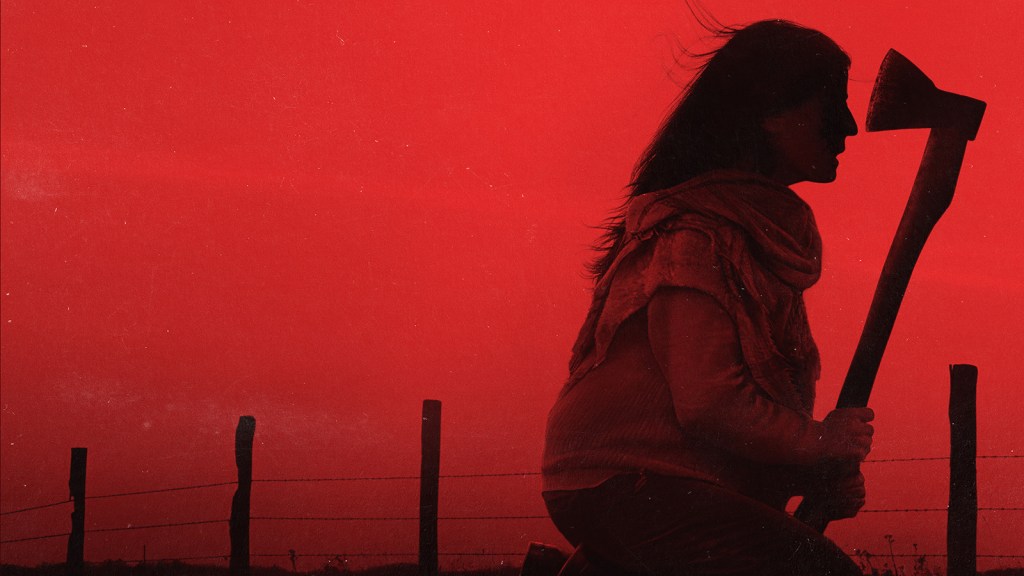
7. When Evil Lurks (2023)

Evil lurking through a film with true malice, The newest Shudder original from Argentina arrives on this list with a dark heart that is certainly the feel-bad film of the year. Opening with its grotesque makeup designs that should only be seen at least an hour after eating, When Evil Lurks devolves into a series of purely chilling experiences in a world without a soul.

Demián Rugna has crafted a strangely dense piece of world-building on a post-religion Earth where evil and demonic possession are very real occurrences with a series of rules to keep the peace and protect the community. This film is not for the faint of heart, as its stark malevolence and propensity for child endangerment never form a callous in the mind.

6. Revenge (2017)

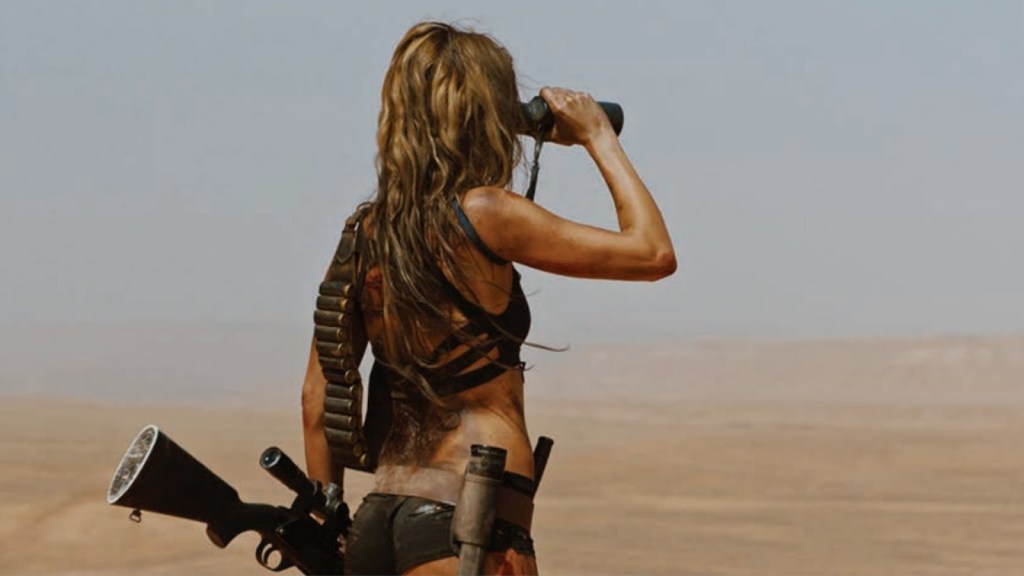
The brilliance of Coralie Fargeat’s Revenge is in its ability to consistently take the more compelling path, both narratively and visually, weaving through the obstacles of horror’s thorniest subgenre (the rape-revenge thriller) with a powerful ease. A film this forward does not move with grace but with the bombast and assuredness of a filmmaker driven by their convictions and choices. 


Fargeat’s debut feature is defined by its extreme closeups of body parts, focusing our eye on the human body consistently, from the lurid to the violent extremity. With a potent sound design and score combination heightening both these closeups and spanning, otherworldly vistas of this Moroccan desert, Revenge is as good as it gets in this oft-misguided genre, with as tense a final 30 minutes as you’ll find on the service.

5. Speak No Evil (2022) (U.S. Exclusive)

The feeling of a knife slowly being twisted over and over and over again put to film. Speak no Evil is a profoundly upsetting film about our inability to speak up for the everyday evils we may face, centring on a Danish family that makes quick friends with a Dutch couple on vacation and takes them up on an offer to stay with them for a weekend at their remote home. A shockingly bizarre invitation to some, more normal for others, that devolves as these friendly strangers reveal themselves in time. Filmmaker Christian Tafdrup feels content sitting with the audience in a pure form of discomfort that veers slowly into dread that has rarely been captured so well on screen.

There is a hilarious moment halfway through the film where it appears the family will return home without harm and only a mild unease about their new friends, only for the husband Bjørn (Morten Burian) to turn the car around over the slightest thing. Tafdrup never sells this as a moment of triumph you’d find at the end of a horror film, knowing full well that the dread and banal claustrophobia that has been cultivated from the opening images is about to take a turn for the worse. Tafdrup’s complete control of the situation revels in the story he’s created, with the fearful exhilaration of being lowered into a seemingly endless well by someone with a tight grip on the rope.

4. Skinamarink (2022)

Wrote about the film back on the site in February, Skinamarink was a flash in the pan in terms of internet notoriety (that expanded into multiple sold-out sessions at indie theatres), but the style and lingering impact this film has on your subconscious is remarkable.

The effectiveness of the film’s horror is its depiction of a universal childhood fear shown from an actual child’s perspective. Filmmaker Kyle Edward Ball is tapping into primordial fears that dwell within all of us, using the constraints of his very modest budget to heighten the atmosphere of dread across its extended run time. The film is certainly too long for its narrow scope coming in at 100 minutes, but when Skinamarink is working, it is one of the most effective horror experiences in years.

Its central set piece, which involves Kaylee (Dali Rose Tetreault) going upstairs into her parent’s room, is one of the most haunting film sequences in years. After 40 minutes of atmospheric buildup, completely unsure of where we are being led, you will be wishing to return to watching cartoons downstairs and staring at Legos. The extended long take in this scene ratchets up the tension to a boiling point, with your palms a sweating mess in a sequence that seemingly goes for eternity. This is no doubt the peak of the film, with only smaller moments in the proceeding hour that match its tension and atmosphere. Structurally, Skinamarink could’ve taken some notes from its predecessors Paranormal Activity and Blair Witch Project (1999), by peaking in its final moments, but the atmosphere is definitely more of the Ball’s focus than the bigger scares the film has. Unfortunately, this makes the film drag in its second half, even for a great lover of durational cinema as I am.

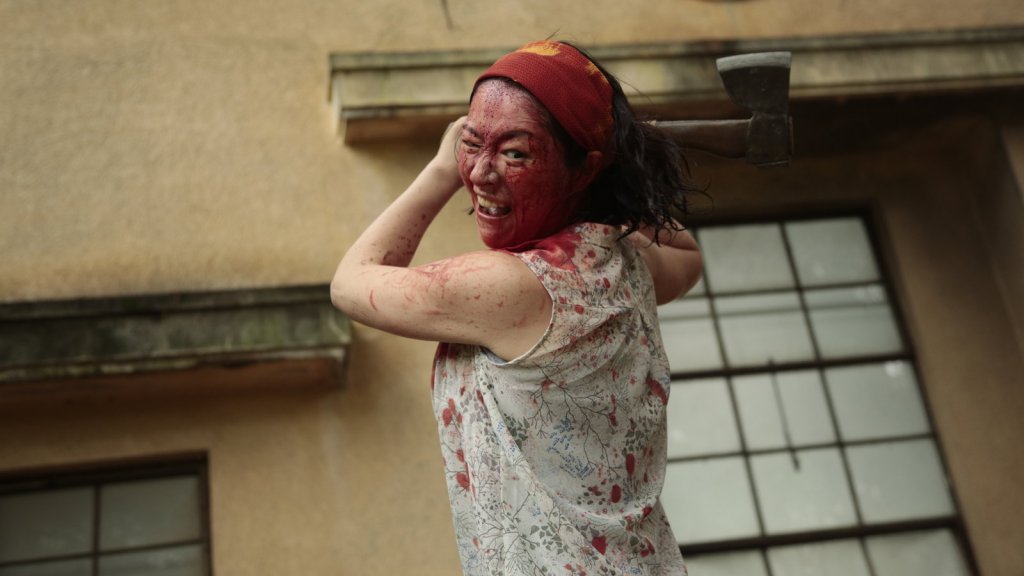
3. One Cut of the Dead (2017)

An ingenious adrenaline shot in the arm of the zombie horror genre desperately at the tail end of the 2010s, Shin’ichirô Ueda’s One Cut of the Dead may never terrify you, but it will have you in hysterics on the floor. With a unique format with its 40-minute intentionally sloppy long take to begin the film, unfolding into a hysterical love letter to independent filmmaking that is as sharp in its cinema satire as The Player (1992).

2. Flux Gourmet (2022)

The world of sonic caterers, a fascinating and beguiling location for the new film by the great filmmaker Peter Strickland, is full of deeply flawed but fascinating characters that potently satirise modern art collectives, musicians, and gastronomical cuisine inside of a wildly satisfying feature. With terrific performances from Gwendoline Christie (and her wardrobe), Asa Butterfield, and Fatma Mohamed, Flux Gourmet will floor you with its audacity and style that is merely the coating to a terrifically detailed and well-drawn world you’ll never question the validity of.

Viewing this world predominantly through the eyes of Stones (Makis Papadimitriou), a Greek hack writer just trying to make a living whilst wholly focusing his writing on his flatulence issues is a hilarious throughline that arrives at a chaotic conclusion you cannot predict. Strickland forces you to remain present within his films through the sheer force of unpredictability that is a defining feature of all great thrillers and horrors.

The wonderful combination of evocative culinary insert shots, mixed in with copious levels of guitar and synth pedals used by the performers (a flanger is a key plot point), realises Strickland’s uniquely bizarre world from the inside out. We are grounded in a story so fully realised, the comedy cannot help but ooze out of every orifice. This film was designed in a gastronomy lab to cater to my tastes and interests, but Strickland’s pure style and chops mean Flux Gourmet caters to all diets.

1. Saloum (2021)

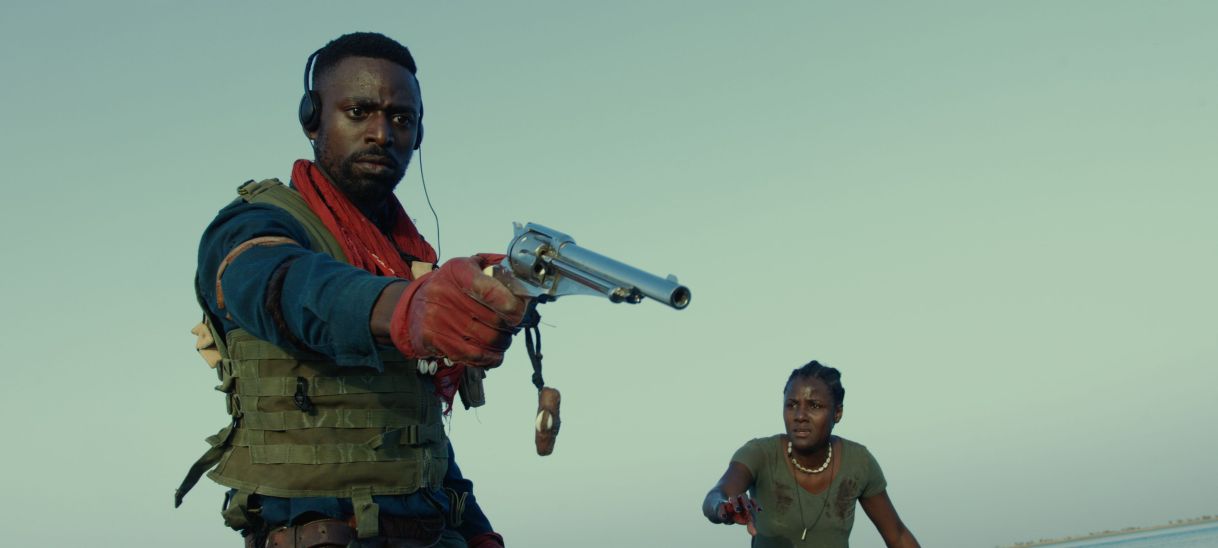
A wonderfully wild and propulsive genre mashup of supernatural horror, revenge western, and mercenary action cinema, Saloum tops this list through its confident filmmaking by Jean Luc Herbulot and a trio of powerful performances, headed by Yann Gael who in a just world would be a certain star.

In a nimble 84 minutes, we track the journey of a trio of mercenaries escaping a coup in Guinea-Bissau, making a forced landing in a small community on the Saloum river in Senegal. Herbulot is able to shift style every scene while maintaining a guile and confidence that the destination will be worth the wildly entertaining journey. You will be begging for this tight indie feature to be expanded into a multi film series through the power and style of Herbulot’s craft and world-building, layered on a truly stellar cast that’ll you’ll never want to leave. This is the must watch original film on Shudder right now.

MIFF ’23: Darcy’s Notebook Pt.2

With another wonderful festival in the books, MIFF 2023 was a surprising mix of emerging artists from home and abroad spotlighting the program that gave the year a distinct flavour. Here, our writer Darcy has dropped part one of his notebook full of notes and thoughts on the many films he was able to catch at the festival, all of which should hopefully be brought to larger audiences throughout the rest of the year.

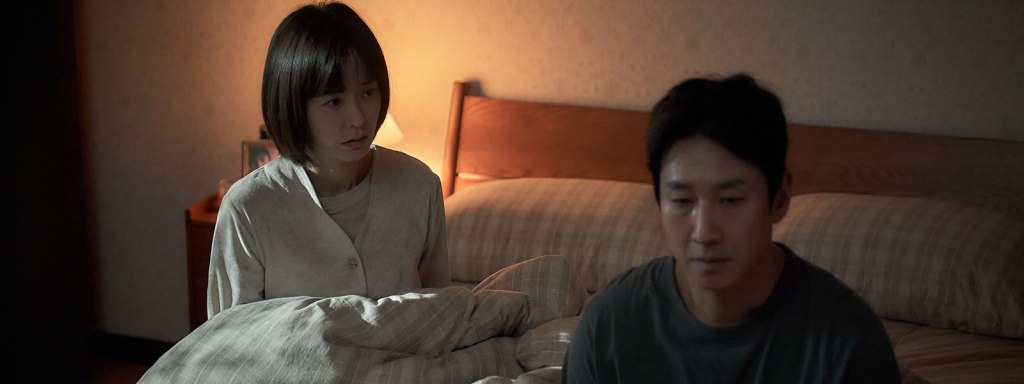
Sleep (Jason Yu) 2022:

A wonderfully charming but uneven riff on Rosemary’s Baby (1968) dances between comedy and genuine tension throughout, Sleep (2023) will keep the audience teetering on the edge of uncertainty until its delicious final image.

With an entrancing combination of performances by Lee Sun-kyun and Jung Yu-mi as a young couple about to welcome their first child, the stage is set for a tension-filled domestic horror, one that filmmaker Jason Yu is adept in weaving despite it being his first feature. Sleep, however, is more brash and darkly comic in nature, with a tone that will certainly reward the film with a certain cinephilic cult status. 


While structurally inventive that should always stay a few steps ahead of even the most adept horror fans, Sleep’s third-act decisions lessen the forceful impact that was delighting and engaging its audience in the delicious tension Yu builds in exciting and unexpected ways. The enjoyment of the film stems from the deft dance between genre formalism and charming diversions, so further exploring these third-act choices will lessen the adventure as a whole.

I’m being deliberately coy about these aspects of the film as Yu has earned the surprise of these revelations on future audiences. This is a proud and confident debut that is sure to elevate Yu as an emerging voice in Korean genre cinema, one that is sure to expand on and improve on his deft filmmaking skills.

Rating: 3.5 out of 5.
The Breaking Ice (Anthony Chen) 2023:

A collection of transitory young people in moments of quiet stagnation that could soon harden into a crisis, Anthony Chen’s first of two films at the festival, the familiar but evocative drama The Breaking Ice (2023), illustrates the filmmaker’s deft hand in crafting relatable and defined characters you can’t help but see yourself in.

The film is an exploration of life’s transitional nature, depicted through the constant theme of ice. Ice is a fascinating property to base a film around, something that is constantly thawing and refreezing, altering its shape when in contact with warmth, only to regain its solidity through its frigid surroundings in a new shape, forever changed by this transition.

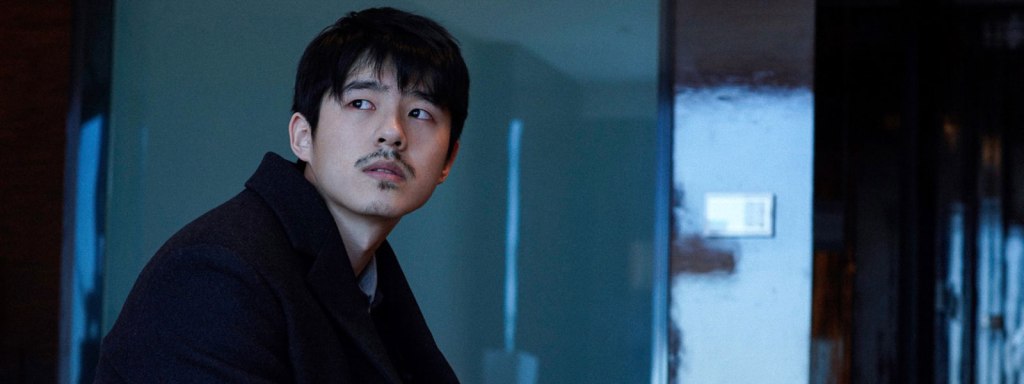
Situated in a frozen Chinese town of Yanji on the North Korean border, a town that literally exports and profits from the ice around them, we meet Haofeng (Liu Haoran), a depressed Shanghai financier alone at a destination wedding of a distant college friend. Through happenstance, he wills himself onto —’s () tour bus, a relatively new local who is also in a moment of stagnation and personal crisis. They quickly form a trio with — (), an older local kitchen hand who feels stuck in this small town.

The film brings to mind a more modern and sombre Bande à part (1964) with its young trio traversing a town and experiencing a shifting world. A romantic film depicted with true honesty, Chen has a deep love for these three transitory characters who arrive and depart in different and life-affirming ways. This intense connection between the trio doesn’t change the matter of their being, but they were thawed out enough to emerge in a new shape. These are still the characters who question the value of their life and the purpose moving forward that we are greeted by but are more assured in their sense of self and their place in the world that is deeply moving.

Rating: 4 out of 5.
La Chimera (Alice Rohrwacher) 2023:

There is no one like Alice Rohrwacher working today, with the Happy as Lazaro (2018) filmmaker consistently producing wry, comic, and deeply felt films that harken back to a stranger and often more interesting period in arthouse cinema. With her new feature, La Chimera (2023), Rohrwacher uses her breezy charm to glance into the world of Italian generational class and history through the lens of an instantly iconic band of lost boys, led by Josh O’Connor in a true star-making performance as the ivory suit wearing tortured archaeologist-slash-graverobber Arthur. 

The separation between grave-robbing and archeological profiteering is placed at the centre of this brilliant surrealist tragicomedy, asking us to constantly look downwards and question the rights and possessions of the deceased, especially the impoverished deceased. There is weight to these themes and Rohrwacher’s often allows her characters to linger in their moral ambiguity, but through her virtuosic camera work and editing, La Chimera is full of vitality.

Rohrwacher’s camera is alive with cinematic ideas both profound and charming, exuding both personal character moments as well as a wider filmmaking language that can beguile a full theatre in its motions. She is able to land big ideas in her films through her focus on both cinematic and mythic storytelling styles that are rarely so well blended. Few films look and sound like La Chimera, as Rohrwacher is both patient in showing you her style, and confident enough in the story being told that the audience will be put under its spell.

Rating: 4.5 out of 5.
Drift (Anthony Chen) 2023:

Anthony Chen’s second feature at the festival, Drift centres on a young woman Jacqueline (a captivating Cynthia Erivo) who finds herself houseless on a Greek island, both running from her past and avoiding her future. In a mostly wordless first act, Erivo moves through the town, just managing to survive as she sleeps amongst the crashing waves and rock pools on the coast.


Drift operates across three timelines, showing us her life in London with her girlfriend Helen (a surprising Honor Swinton Bryne appearance), and her trip back to her family in Liberia that precedes her arrival in Greece. Much like Jacqueline, we drift through these moments with little to latch ourselves into. Where The Breaking Ice succeeds is in informing its audience about the characters enough to engage and propel the narrative forward. Here, however, the withholding nature of the storytelling becomes the combustion engine of the film instead of the central characters. This structure works perfectly in thrillers and horror, but in a more contemplative character drama, the results are too slim to be wholly engaging.

Rating: 3 out of 5.
Ama Gloria (Marie Amachoukeli-Barsacq) 2023:

Featuring one of the best child performances in years, Marie Amachoukeli-Barsacq’s Ama Gloria (2023) follows 6-year-old Cléo, (a charming and captivating Louise Mauroy-Panzani) who spends her summer with her au pair Gloria (Ilça Moreno Zego), who has returned home to Cape Verde to care for her own children after the death of her mother. This tight-focus drama of a young person sharing a final core memory with someone they love is emotionally potent in its simplicity. For two characters that have endured recent untimely loss, there is a genuine warmth in showing this elongated goodbye to a loved one that washes over you like the summer afternoon sun.


The visual highlight of the film is in the gorgeous animated painting sequences that dot the short runtime of Ama Gloria, diving into not just Cleo’s mind, but of Gloria’a, riding an ocean of tears back home. The second painted sequence transforms into a roaring volcano, enacting Cleo’s rage at the sudden departure of her surrogate mother. Both sequences are transitioned with gorgeous sonic match cuts, blending seamlessly into the ether of the 4:3 film stock showing the control and respect Amachoukeli-Barsacq has for her characters and the relationship we have invested in over the efficient runtime of just 83 minutes.

Rating: 3.5 out of 5.
Earth Mama (Savanah Leaf) 2023:

A debut of honest warmth, Savanah Leaf’s Earth Mama (2023) is designed to stay with you the next time you pass a stranger on the street. With its captivating 16mm cinematography of Oakland by Jody Lee Lipes and provocative central performance by Tia Nomore as Gia, a pregnant single mother of two trying to get by while battling the US foster care to regain custody of her children, Earth Mama strips away feelings of judgement until only a depth of empathy is left.

Instead of constructing a film with a tight, domineeringly singular perspective of Gia, Leaf opts to move supportingly alongside her. In the opening moments of the film, a pregnant mother tells us matter-of-factly, “You can’t walk in my shoes, feel my experience, but you can walk alongside me, holding my hand.” 

The heartbreak and emotionality of Earth Mama stem from Leaf’s tender honesty she exudes in telling Gia’s story. We want the best for her and her family, so when she hits her lowest point, we feel that moment, not as if it were ourselves, but as a dear friend.

The film shines in its unexpected relationships as Gia searches for solid ground inside a world that feels designed to destabilise. On first meeting with the prospective family in a diner, Gia has a beautiful moment with the family’s teenage daughter Amber (Kami Jones), who she immediately strikes a connection with. Earth Mama has quickly demonstrated Leaf’s deft hand as a writer and filmmaker who will only improve as new opportunities arise.

Rating: 3.5 out of 5.

MIFF ’23: Darcy’s Notebook Pt.1

With another wonderful festival in the books, MIFF 2023 was a surprising mix of emerging artists from home and abroad spotlighting the program that gave the year a distinct flavour. Here, our writer Darcy has dropped part one of his notebook full of notes and thoughts on the many films he was able to catch at the festival, all of which should hopefully be brought to larger audiences throughout the rest of the year.

Blue Jean (Georgia Oakley) 2022:

It would be a diminishment to label Blue Jean (2022) a period film as the theatrical experience felt closer to a retrospective of a lost 80s gem than an indie debut from 2023. The debut feature from Georgia Oakley set the stage for a wonderful festival of emerging artists, centring on a young queer gym teacher Jeanie (a transfixing Rosy McEwan), trying to balance her life amongst the authoritarian and anti-LGBT+ Thatcher government in late 1980s Newcastle. The film is intricate in its layering of Jeanie’s clashing worlds as she aims to compartmentalise her sexuality from her work and family, loading even the simplest gestures and moments with palpable anxiety.

Oakley positions the story in an interesting state of generational limbo, with Jeanie’s behaviour clearly ingrained by the regressive world she grew up in and remains. She must navigate being an authority figure to a group of teenage girls that feel destined to progress past her. It’s almost cliche for films centred on teachers to develop into a story of the kids being the real teachers, but Blue Jean is able to maturely navigate these waters with confidence and purpose, developed through an immense level of authenticity.

And this achievement in period authenticity by Oakley and the whole crew cannot be understated. Oakley, alongside cinematographer Victor Seguin and production designer Soraya Gilanni Viljoen, work well beyond their means to create an incredibly lived-in 80s period drama that grounds the worlds of the characters. All three will be ones to watch in the following years.

Rating: 4 out of 5.
Disco Boy (Giacomo Abbruzzese) 2023:

Disco Boy (2023) is a fascinating but slight debut from Giacomo Abbruzzese about a pair of interconnected but opposed soldiers, Aleksei (Franz Rogowski) and Jomo (Morr Ndiaye), which aims for Denis but lands closer to Winding Refn. A fascinating moral portrait of who fights our wars and for what purpose, Abbruzzese weaves compelling visual choices, including a heat-vision sensory explosion of violence in the Niger Delta, into this more atmospheric than deeply felt character work, bouncing between engaging and alienating in equal measure.

More a collection of fragmented visual ideas about self-identity, cultural identity through conflict, and purpose, than a developed story, Disco Boy ultimately disengages and limits one’s investment in the story of Alex and Jomo, especially as it enters its final act.

These are weighty themes for a debut feature, one that often falls into flat abstraction instead of provocative imagery that in more seasoned hands, would envelop an audience more fully.

Rating: 3 out of 5.
Showing Up (Kelly Reichardt) 2022:

Even a minor feeling Reichardt is still an event, packed with nuggets of wisdom and exploration into the delicate, tiny worlds of its characters. With her muse Michelle Williams, Reichardt centres the world of a tight artist community in her standard milieu of Portland. Williams inhabits Lizzy, a ceramics artist trying to get by while she works on her new independent show. Her friend-slash-landlord Jo (the terrific Hong Chau) keeps putting off fixing her hot water on top of a myriad of other minor obstacles involving an injured pigeon, her office work at the artist’s community keeps overtaking her time, leaving little time for Lizzy’s passion for her art as her patience gets stretched to a breaking point. But there is no true outburst of crescendo to Lizzy’s frustrations, that is never how Reichardt operates.  

The master of American neorealism, the lives and conflicts of Showing Up (2022) involve the anxiety of unexpected moments soaking up time. The beautiful counterpoint to these moments however, is in the simple giving of one’s time, whether through a simple walk home, alleviating a colleague’s work, or coming to a friend’s art show, is as powerful a show of love one can demonstrate in this life. In a time of feverish multitasking and anxiety-inducing attention economy, Reichardt instead centres her film around just showing up (which is why this is easily the film title of the year).

There is an intense focus on the physical work of creativity rarely shown on film, giving the sensation of a mid-afternoon stroll through a tiny gallery, seeking to understand an artist through their work. There is genuine comedy rarely felt in Reichardt’s films here that is never snarky or mocking. She has a real care and love for this world and the people within it that emanates through Showing Up, allowing its humour to bubble to the surface in surprising moments.

When she is at her best, Reichardt’s screenplays never show the seams of a Robert McKee-approved story structure, with character arcs never becoming clear until their peaks are unveiled through the clouds. This allows her work to thrive and engage an audience consistently, developing one of the most consistent filmographies in 21st-century American auteurs. We should not take these films for granted.

Rating: 4 out of 5.
Shayda (Noora Niasari) 2023:

A gorgeous debut from a real bright light in Australian cinema, Noora Niasari’s deeply personal portrait of her mother, portrayed in the film by the stunning Zar Amir Ebrahimi, brings to mind many great films before it, including MIFF 2022 highlight Aftersun, but is able to confidently stand on its own. 

Following a young mother, Shayda, and her six-year-old (Selina Zahednia) daughter Mona, escaping an abusive father to a women’s shelter, Niasari has a clear-eyed but empathetic view of a story so close to her that emanates through the screen. Shayda’s (2023) sense of place and community is tight and focused while still allowing a beautiful freedom for the performers. 

Niasari has a graceful way of weaving inner character life into scenes that in lesser hands would be doled out as blunt exposition. By giving the audience just enough story to understand the situation, we are rewarded with an expanded glance into the world of these characters and their relationships as they navigate the difficult situation they have been placed in. This year’s festival has been a wonder of debut features and emerging voices, with Shayda a real spotlight on the new and creative minds coming out of Australian cinema. It was heartwarming to see the festival wrap their arms around her and this impressive film.

Rating: 3.5 out of 5.
Past Lives (Celine Song) 2023:

I wrote about my favourite film of the year in my Sydney notebook here, but I just had to come back to see it with a packed MIFF crowd. It’s just as gorgeous the second time around. An absolute miracle in filmmaking, Celine Song is able to toe the line between the grandiosity of life and destiny and the minutiae of a relationship across many years with the ease of a veteran screenwriter and filmmaker. 

In Celine Song’s extraordinary debut Past Lives (2023), time is the central tenet. During the post-screening Q&A, Song said she wanted the film to have the lived-in feeling that “12 years could pass in an instant, but a two-minute wait for an Uber could be an eternity.” What stood out on rewatch at the festival is the underrated challenge of editing this film, particularly in its shifting perspectives at the placement of its time shifts. We are never rushed into these leaps, nor are we led slowly into them, but Song and editor Keith Fraase (who came up working with Terrence Malick) are able to achieve a breathtaking sensation of each stage in Nora (Greta Lee) and Hae Sung’s (Teo Yoo) relationship feeling cut short. 

MIFF is the perfect place to be exposed to the emerging talents of filmmakers and actors that will define the next generation, with Song joining Aftersun’s Charlotte Wells at the top of that list. This is the year’s best film to date with an instantly iconic ending that holds a packed theatre’s heart in its hands.

Rating: 4.5 out of 5.
Anatomy of a Fall (Justine Triet) 2023:

Beginning with an abrasive soundtrack of 50 Cent’s P.I.M.P (not a joke), Justine Triet’s Palme d’Or-winning film Anatomy of a Fall (2023) is seeking to destabilise its audience. With a winding courtroom structure and almost comical documentary film style, we are shown an increasingly engaging excavation in truth and what it means to us.

The film is a fascinating investigation of marriage and family through the lens of a tense courtroom drama that lures you deeper and deeper into its world with a powerful pair of performances by Sandra Hüller and Milo Machado Graner as mother and son Sandra and Daniel. Sandra Voyter, a novelist, stands trial for the murder of her husband Samuel (Samuel Theis), who “fell” from the second floor of their reclusive vacation home in the Alps.

Over the extended 150-minute runtime, Triet explores the legal system, guilt, and a family living with trauma inside a distinct Cinéma vérité comic realism. Anatomy of a Fall is a film that teaches you how to watch it, forcing an audience to give themselves over to its style and storytelling. This may be too big an ask for some films, but through Hüller’s all-encompassing guile as the compelling figure of Sandra, alongside Graner’s stellar work as her son Daniel, the beating heart of the film, it achieves something special as the story reaches its tipping point.

Rating: 4 out of 5.

David Lowery’s 7 films, ranked

With the release of his new feature Peter Pan and Wendy (2023), now is as good a time as any to dive into and rank the films of a personal favourite auteur. One of the most interesting and compelling American filmmakers to emerge in the 2010s, David Lowery has crafted a diverse filmography that leaps from quiet indie, Disney reimaginings, and Arthurian epics, all while keeping his unique style intact. 

With his signature wistful (key buzzword for Lowery) yet hopeful idealism seeping into his features, Lowery is an impressively economical filmmaker that respects his audience while also searching to give them an entertaining and unique viewing experience, making him one of my favourite modern American filmmakers.

Ranking films of this ilk certainly centres around personal aesthetic preferences, with a clear upward trajectory that makes Lowery a must-see director moving forward, but I have done my best to order them here. 

Some of these films are difficult finds, but most can be found on several streaming services.

7. St. Nick (2009)

A quiet and simple debut that focuses on vibe over story, St. Nick centres around a pair of real-life siblings, Savanna (11) and Tucker Sears (8), who seek to survive on their own in the Texas wilderness.

All of the hallmarks of a Lowery feature are here: runaway plot, youthful wistfulness, and a focus on atmosphere to establish character. While not on the level of engagement as his films to follow, this is an interesting debut that establishes Lowery’s tendencies that have made him such a creative voice in American indie cinema.

6. Peter Pan and Wendy (2023)

Lowery’s newest feature unfortunately arrives near the bottom of this list, lacking the tactility and sense of space that allows Lowery’s previous work to thrive. Peter Pan and Wendy never felt grounded in London or Neverland. Where the beauty and style of Lowery’s live-action Disney film Pete’s Dragon (2016) is drawn from its Pacific Northwest location, this film is desperately searching for an identity, a criticism laid at the feet of most recent Disney features.

While certainly an improvement on the misguided Joe Wright film Pan (2015), this new adaptation is anchored to the original work, striving for recognition as the definitive version that is ultimately misguided. The only standout inclusion to the story is the compelling camaraderie between the three central female characters: Wendy, Tiger Lily, and Tinkerbell. The casting of Alyssa Wapanatâhk as Tiger Lily, who speaks Cree throughout the film feels in direct response to Wright’s film which cast frequent Lowery collaborator Rooney Mara in the role, as well as the cultural insensitivity that has been a constant in the character’s story up until now. Unfortunately, by not replacing the problematic sequences with anything of substance, Tiger Lily is sidelined completely in a second half that was sorely missing her involvement.

Lowery’s penchant for in-camera work, production design, and practical effects gets pushed to the limit of the Disney machine here. Where films further down this list require certain CGI moments for its story, Lowery always limited its use. That was not possible here. Whether through the many flying sequences, the muddy crocodile sequence (hastily edited to avoid scrutiny), or the dry emergence into Neverland that never sparks wonder, Peter Pan and Wendy too often loses its footing, limiting the audience’s ability to lean into the story. 

5. Ain’t Them Bodies Saints (2013)

The film that put Lowery on the map, this out-of-time, Badlands (1973) and Bonnie and Clyde (1967) style indie drama has moments of immense quality that will be further nurtured and heightened in future projects. Working with Rooney Mara and Casey Affleck for the first of many collaborations, Saints is able to flow on a river of pained expressions that the pair have made careers out of.

The true star of this film, however, is cinematographer Bradford Young, three years before his Oscar-nominated work on Arrival (2016). Young’s work is full of expression both in his use of the strong Texan sun and harsh shadows the pair find themselves in.

Lowery feels driven to craft a 70s Texan atmospheric drama akin to Malick or Wenders, often getting in the way of the story itself. This is usually the case with young filmmakers unsure of their own voice, which will come in his later films that exude an easy confidence.

4. Pete’s Dragon (2016)

A warm and wistful reimagining of the 1977 animated musical of the same name, Lowery’s Pete’s Dragon is a much more successful Disney film by the auteur, demonstrating his ability to work within the machine. Set in the Pacific Northwest but shot in New Zealand, there is a strong sense of place in all of Lowery’s features, allowing an audience to settle into a world and atmosphere.

Lowery from his early work is shown to be a wonderful director of children, no doubt a major reason he has worked closely with Disney. Oakes Fegley gives a delightful child performance as Pete, full of both warmth and trepidation, allowing Pete’s Dragon to feel honest amongst extraordinary circumstances. 

The film boasts an impressive ensemble that allows the film to ascend to heights few live-action Disney films have, including Robert Redford, Bryce Dallas Howard, Fegley, Karl Urban, Wes Bentley, and Isaiah Whitlock Jr. Redford, in particular, has a remarkably tender monologue that really elevates the film. 

The film takes strong influential cues from The Never Ending Story (1984), both in its stylisation of Elliot the Dragon and in its thematic ties. The dark force Nothing in the 80s film series can be co-opted easily into the environmental parable at the heart of Pete’s Dragon. The sequence following Elliot’s capture is full of pure heartbreak, laying him out like a rich Redwood cut down for paper. This sequence’s sound design and score is hollowed out, echoing the turmoil and anti-environmentalist point of view that centres the film. When the discourse around real care is rarely given to movies for families (Eric Kohn even centred a discussion at IndieWire around Pete’s Dragon and the new Mario film), this is where the bar should be.
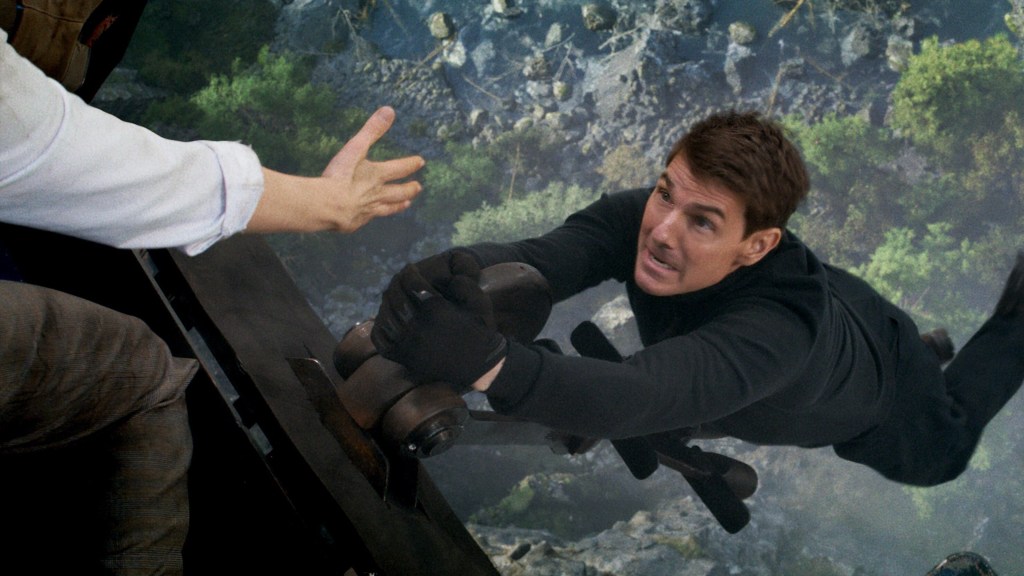
3. The Old Man and The Gun (2018)

Working once again with the legend, Robert Redford, The Old Man and The Gun is a slick and tightly structured 70s crime film centred on an older bank robber Forrest Tucker (Redford). Shot on Super 16mm, the film washes over you like a cool fog in Autumn, combining its filmed aesthetic with its editing and sonic style that makes it such a joy to watch. Lowery pairs this relaxed but taught cat-and-mouse film with a uniquely wistful editing style akin to Steven Soderbergh’s debut The Limey (1999).

Lowery has always been an economical storyteller, using composition and performance to tell a wider story in fleeting moments. The introduction of Casey Affleck’s detective John Hunt, shot externally through a smashed window of a bakery, with a weathered look telling you everything about where this character is mentally and how they view their work (on their 40th birthday to add).

The shift in sound for the final 30 minutes, once Forest and John meet in the diner bathroom is subtly affecting. Lowery has always had a respect for conscious sound design choices (the man adores an L cut) that allow his films to flow with the quiet calm of a gentle river.

2. The Green Knight (2021)

I wrote about this film on the site on release and it is still one of my favourite films of the 2020s. A murky, ethereal dream ballad of a film that demonstrates Lowery’s ability to expand his style onto bigger projects. His films are regularly grounded by terrific but always understated lead performances, and Dev Patel shows his range here as Sir Gawain. The knight is a character never sure of their footing as the ground feels to be constantly shifting beneath them through his own trepidation.

Feudal period films rarely feel as perceptive and relatable as this, while also making time for some truly majestic Arthurian imagery composed by returning collaborator Andrew Droz Palermo (A Ghost Story) as cinematographer.

Lowery has a clear inclination towards the myth-making side of storytelling – a likely reason he has operated well with Disney IP – that is fully maximised here. Similar to Robert Eggers with his three films, Lowery is able to manipulate his filmmaking sensibilities to different worlds, forming unique creations that are wholly consistent with themselves and with their wider filmography. Where Eggars is driven by a rigged accuracy to world-building and language that becomes a bedrock to tell engaging narratives, Lowery uses a combination of natural lighting, emotive sound design, and empathic screenwriting to form stories that are engagingly wistful, lightly melancholic, but always hopeful. The Green Knight is Lowery’s boldest execution of this to date. Need this to return in theatres.
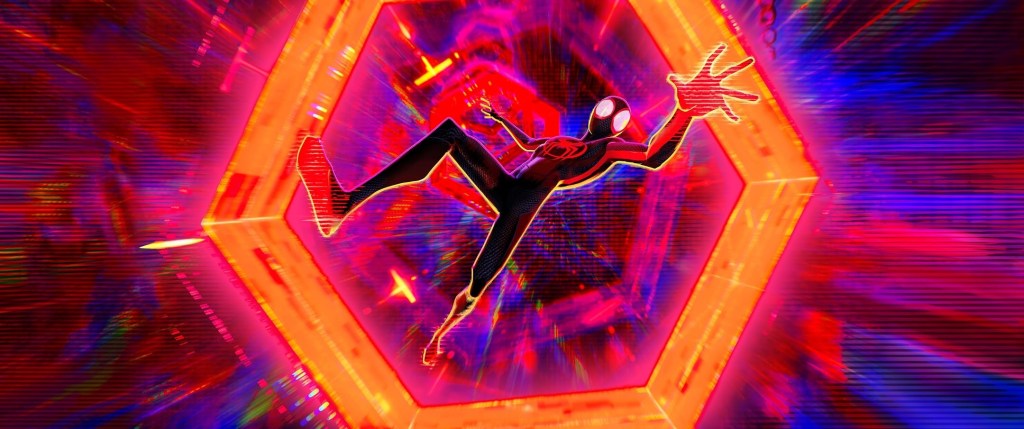
1. A Ghost Story (2017)

A miracle of a micro-budget indie that stands up to any film released in the past 10 years. A failing relationship depicted as a haunting, how things left unsaid can feel like immovable weights when someone is gone, A Ghost Story packs a lot into its 92-minute runtime. The classic depiction of a ghost as someone who has left things unresolved is a potently sad concept when shown from their point of view. Untethered from time and space, a ghost has nothing but these unresolved emotions to anchor them to this world. While the more powerful emotion of the film comes from the relationship between M (Rooney Mara) and C (Casey Affleck), the second half focusing on C’s ghost is always engaging with ideas that will linger in the mind forever.
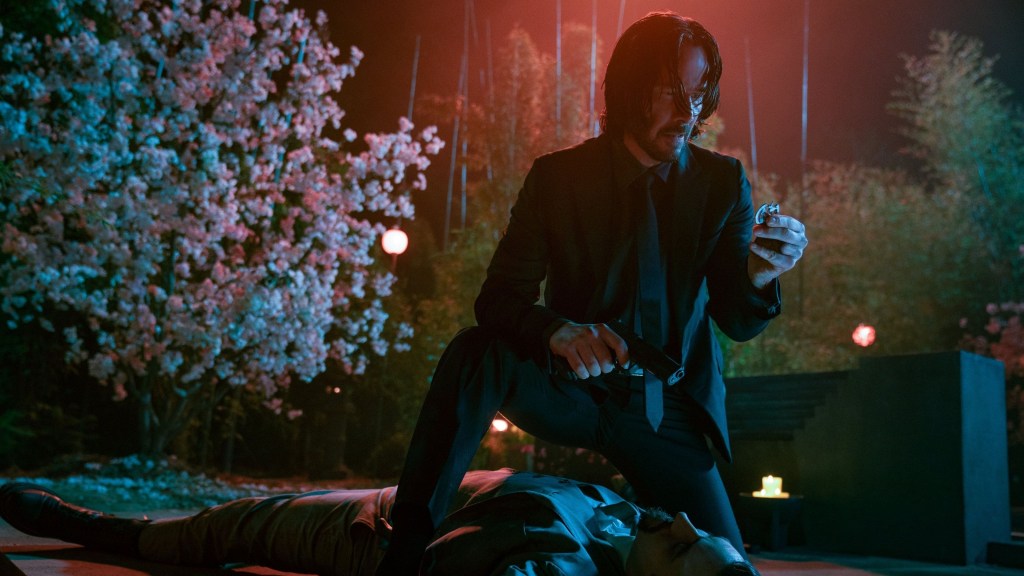
Much gets made of Lowery’s eye for compositions in his films but it’s his considered use of sound throughout his filmography that allows his work to shine, none more so than A Ghost Story. The gorgeous Badalamenti-inspired score by frequent collaborator Daniel Hart allows us into the world without ever pushing us through the door. Its combination of sombre and hopeful tones flows through Lowery’s filmography, allowing us to feel for both characters who are miles apart but physically close.

The two central set pieces, the pie scene and the headphones scene of I Get Overwhelmed are anchored by the full emotional range of Rooney Mara, a gift Lowery has complete faith in. She commands our full attention with barely a word, so when it comes time for us to depart, her absence is profoundly felt, by us and C.

The film’s one misstep in a largely perfect feature is the grandstanding monologue from Will Oldham (cast in Lowery’s short Pioneer), as it never felt necessary to use most of the dialogue in the script to explain its ideas. The film is such a Rorschach test of stillness and delivery that a level of dynamism from a performer was required in the film’s psychedelic time skip sequence, a moment that widens A Ghost Story’s themes past the grieving couple, but ultimately sours the experience.

The final 30 minutes are an extraordinary passage-of-time poem – something Lowery follows up within a wonderful panning shot in The Green Knight – shot with wisdom, humour, and contentment that leaves you with more hope than you’d expect to find in a film about grief and time.

This film had a profound impact on me on release, executing something much larger than the sum of its parts, with a tiny budget but a committed cast and crew to create the highest-level student film possible. With gorgeous still photography, considered use of score, and a powerful pair of performances operating almost silently, A Ghost Story is one of the best films of the decade that will outlive us all.

Sydney Film Festival ’23: Darcy’s Notebook

While I, as a Melbourne-based writer, eagerly wait for MIFF to roll back around in August, an opportunity to travel to Sydney arose just in time to catch the final days of the Sydney Film Festival to scratch my never-ending festival itch. 

In four days I was able to see 10 films of varying quality worth reporting on, so I have emptied the notebook out of my thoughts on a great selection of films from the festival. I have avoided discussing plots too much here as hopefully, most of these films arrive by year’s end for people to catch.

Past Lives (Celine Song, 2023)

The pick of the festival and best film I’ve seen in 2023, Past Lives is a simple but evocative story told with a subtle precision that will stay with you through multiple lifetimes. Joining the lineage of cinematic depictions of romantic longing that define some of the greatest works in the medium, Casablanca (1942), In the Mood for Love (2000), and Before Sunset (2004), debut feature director and writer Celine Song set the bar incredible high for her debut that she overcomes with an assured ease.

Following an invisible tether of 12-year increments, we accompany Nora (an incredible, awards-worthy Greta Lee) and Hae Sung (a revelatory Teo Yoo), two deeply linked childhood friends that reconnect online a decade after Nora’s parents emigrate to Canada. The film is best experienced the less you know, especially its final act, so I shall leave the breakdown there for now but will return when it opens wide on August 31st. 

Past Lives is an extraordinarily shot film by Song and cinematographer Shabier Kirchner, who also shot the incredible Small Axe (2020) series. This is the best looking film since Portrait of a Lady on Fire (2019), with its lingering pans and still images that would be enough to crown Song’s debut feature as a major achievement on its own. But it’s the deeply layered script, self-referential in the way our own stories are, that allows it to bloom into a uniquely moving experience.

With a Casablanca-level final act that had a sold-out audience on the verge of bursting from their seat and skin, Song has gifted us with a script and film of deeply personal experience that never feels alienating. The most personal is always the most universal, and Past Lives is a tremendous achievement that must be seen in theatres. Romantic dramas may be out of vogue as a theatrical genre, but I implore you to seek this one out with a crowd as soon as possible.

Rating: 4.5 out of 5.
Shortcomings (Randall Park, 2023)

A stronger comedy than romance, Randall Park’s debut feature Shortcomings, adapted from the screenwriter Adrian Tomine’s 2007 comic of the same name, is an uneven but enjoyable coming-of-age story centring a difficult protagonist, indie theatre manager Ben, played by Justin H. Min. The film is a provocative comedy centring on Bay Area millennials trying to work out the stagnation of their lives and relationships that is deeply influenced by Judd Apatow comedies, buoyed by its bright characters that have a horrible case of foot-in-their-mouth.


With a terrific comedy ensemble including Sherry Cola, Ally Maki, Sonoya Mizuno, and Timothy Simons, Shortcomings doesn’t attempt to reinvent the rom-com wheel, but its acidic dialogue and loquacious characters lead to many hysterical moments and an overall enjoyable watch.

Rating: 3 out of 5.
How to Blow Up a Pipeline (Daniel Goldhaber, 2022)

A work of pure tension and electricity, Goldhaber has made a powerhouse feature for an emerging generation brought up in a world of climate fatalism. Based on the acclaimed nonfiction book of the same name, Goldhaber and co-writers Jordan Sjol and lead actress Ariela Barer (Xochitl) bring the genre formalism of heist and caper cinema to a subject matter that is too often weighed down by its own importance. 

Due to the time restraints of filmmaking, it is rare for a film to feel pressingly of the moments, which makes Pipeline an even more impressive achievement. The film operates almost as a forbidden, micro-budget indie that works so effectively in films like The Texas Chainsaw Massacre (1974) and The Blair Witch Project (1999), allowing the tension and drama to feel rooted in desperate reality that makes for an irresistible watch. 


Pipeline excels through its terrific ensemble of well realised modern Gen Z characters in Sasha Lane, Lukas Gage, Forrest Goodluck, Jayme Lawson, Jake Weary, Kristine Froseth, and Marcus Scribner. All the performers are just obscure enough to allow the film to maintain the air of unexpectedness and panic that heightens every shaky hand and nervous breath that will have you clawing at your seat for 90 minutes.

Rating: 4 out of 5.
Sand (Visakesa Chandrasekaram, 2023)

Stronger in intent and theme than execution, using local crews and first-time actors, Sand evocatively places you in a difficult moment in Sri Lankan history. As a survivor of a decades-spanning civil war, Rudran (played wonderfully on debut by Sivakumar Lingeswaran) must pick up the pieces of his life, including moving back home to live with his soothsayer mother (Kamala Sri Mohan Kumar), standing trial for his slowly explained role in the war, going through therapy for his wartime injuries, and seeking out a lost love Vaani (Thurkka Magendran). 

There is a wall of plot to scale in this quiet and meditative 101-minute feature that makes for an often unengaging watch, perhaps by design as we feel the immeasurable weight that the war has left upon the shoulders of survivors like Rudran. Nonetheless, Chandrasekaram has crafted a vital film that lacks polish but oozes authenticity, about an overlooked part of world history, grounding it in the life of one character to illustrate the complexity of the moment.

Rating: 2.5 out of 5.
Afire (Christian Petzold, 2023)

Not the only comedic film on this trip to centre on a self-absorbed artist played by a German actor who cannot help their destructive tendencies from impacting those around them, but is certainly the only film that sits inside the bucket of a climate parable.

A film relatable to anyone who has ever used their work as a shield against the world, the great Christian Petzold’s newest feature, Afire, centres on young novelist Leon (Thomas Schubert) who travels to his artist friend Felix’s (Langston Uibel) family home on the coast of the Baltic Sea to finish his new novel. When they arrive at the holiday home, they learn that Felix’s mother has rented out a room to the mysterious Nadja (the terrific Paula Beer), an unwelcome distraction of the world that Leon was hoping to escape. Compounding this, there is an encroaching wildfire from the west that doesn’t appear to phase the characters, even as it spreads ever closer to their door.

Petzold often works in myth and wider thematic ideas that drift into his films as suggestive poems, with Afire centring on love, passion, and an unique climate metaphor that manages to ground itself in these young people working out their lives in a rapidly changing world.

The unique filmmaker’s first true comedy, Afire is an oddly engaging film with unique and difficult characters, similar in ways to his 2020 mythological mermaid feature Undine (also with an incredible Beer performance). Petzold never allows an audience to stay on solid ground, matching the uncertainty his characters constantly feel, which makes for a compelling experience even if you find the characters unlikable.

Rating: 3.5 out of 5.
L’Immensità (Emanuele Crialese, 2022)

A story that follows similar tracks to others before it, but told with an aching honesty and specificity, will always transcend into feeling bold and unique. L’Immensità (2022), a coming-of-age trans story set in 1970s Italy, inspired by the real life experiences of writer and director Emanuele Crialese, who came out as trans at the premiere of the film at the Venice film festival, is a beautifully shot and treated film that is at both grounded in its location, while also levitating above it as a reflective piece of filmmaking.

The brilliant duo of performances from Luana Giuliani and Penélope Cruz as Andrew and his mother Clara excel in this slight but potent domestic story. Cruz, clearly taking inspiration from Gena Rowlands in A Woman Under the Influence (1974), is the all enrapturing sunlight of the film, illuminating an immense warmth that is equally difficult to live alongside as Andrew is trying to find footing in an uncertain world.
With several madcap dance sequences taken from Italian television musical moments, L’Immensità never feels weighed down by its bleakest moments, allowing the film to flow freely into its uncertain future as the credits roll.

Rating: 3.5 out of 5.
Passages (Ira Sachs, 2023)

A sardonic tale of romantic messiness depicted with a raw honesty that bleeds into tenderness in this perfectly cast love triangle. Starring three terrific actors in Franz Rogowski, Ben Whishaw, and Adèle Exarchopoulos, Sachs’ Passages is a fascinating and comedic film that keeps you on uneven ground throughout.

With a combination of complicated and withholding characters shown in what feels like the  fraught final stages of a relationship between Rogowski’s Tomas and Whishaw’s Martin, as well as a collection of honest sex scenes that feel so rare in modern cinema, Passages is a wholly unique experience in modern romantic storytelling that while lacking sentimentality, never lacks tenderness.

Rating: 3.5 out of 5.
Monster (Hirokazu Kore-eda, 2023)

Returning in quick succession off the back of the divisive but personally beloved Broker (2022), the master humanist filmmaker Hirokazu Kore-eda has crafted a complexly woven, if only slightly contrived Rashomon-styled story on empathy in an increasingly uncaring world.

The first film without a screenwriting credit since his powerfully assured debut Maborosi (1995), working with Japanese TV writer Yûji Sakamoto, Monster follows similar trends and themes to some of the revered filmmaker’s best work, notably Nobody Knows (2004) and Shoplifters (2018), while still feeling unique in the auteur’s wider canon of family and child-based dramas.

The film plays out in three distinct phases, beginning with single mother Saori (Sakura Ando), who is trying to get to the bottom of her son Minato’s (Sōya Kurokawa) bruises and erratic behaviour who blames his homeroom teacher Hori (Eita Nagayama). Explaining more will break the spell Sakamoto and Kore-eda cast across the film, which impeccably places you within each phase, commanding a genuine shock whenever a new moment expunges all previous notions we had of events and characters. What allows the film to excel is how these revelations are shown with compassion and care, never a trick for an audience to feel twisted around like a winding road thriller, even though the film is oftentimes thrilling. With a balanced score by the late master Ryuichi Sakamoto (using mostly older recordings with a few new compositions) as his final final work that he would’ve loved. I cannot wait to watch this again with the full scope of experience in mind.

Rating: 4 out of 5.
Reality (Tina Satter, 2023)

Reality is the guiding principle of this film which was clearly a more effective work of experimental theatre, filmmaker and playwright Tina Satter brought Reality (originally titled Is This a Room) to the stage in 2019, to rave reviews, and is now being adapted for a wider audience. A compelling story playing out in mostly real-time, using only the dialogue from the audio recordings of the real encounter the day the FBI arrives at the door of NSA translator Reality Winner’s (played by Sydney Sweeney) small Augusta rental, Reality plays out as a thrilling interrogation even if you know details of the story. 

The dialogue’s clunkiness and awkwardness heightens the reality (impossible for that word not to be tip of the tongue throughout the film) of the situation, even if it oftentimes lessens the cinematic quality of the film itself. The moviemaking flourishes are isolated to the moments of redaction from the file that are purposely jarring that begin as an engagingly disorienting experience, but by its 10th roll around becomes tedious. 

The terrific central performance by Sweeney and the minimalist filmmaking and set design choices by Satter allow Reality to commit to its goals of highlighting the real events of that day in exacting detail, while giving the audience an evocative theatre experience.

Rating: 3 out of 5.
Cobweb (Kim Jee-woon, 2023)

The newest entry from Korean cult filmmaker Kim Jee-woon, Cobweb (2023) may be the most bizarrely hilarious film of the year. Set in the heavily regulated world of 1970s Korean cinema, Cobweb stars Song Kang-ho as director Kim, an obsessive filmmaker that has to desperately attempt to convince his crew, actors, and producers to reshoot two more days of his newest film Cobweb, to make it a true masterpiece. If that synopsis ignites the receptors in your cinephilic brain, this is the film for you. 


With its biting satire and melodramatic comedy that bleeds over from the film-within-a-film to the film itself, Cobweb is closer to Robert Altman’s The Player (1992) than The Disaster Artist (2017) – there is an incredible moment where the melodramatic music starts to be used on the crew that shifts the whole film’s perspective. This overtly indulgent film is both an investigation into this important time in the evolution of Korean cinema that is so vital to the medium now and a hilariously over-the-top comedy about the ludicrous nature of the film industry that will have you falling out of your seat.

Rating: 3.5 out of 5.

Best of 2022: Tom’s Picks

In a normal year, this writer would have no difficulty whatsoever in listing his favourite feature-length releases from the past 12 months. But 2022 was not a normal year.

Having obtained full-time employment for the first time in his life, moved even further away from Melbourne than he was before and settled into a place of his own, no time was left for his one true love: the cinema. What few spare moments he did have were spent returning to old favourites, viewing classics from yesteryear, fixated on streaming services or – on the very rare occasion – watching a blockbuster at his nearest theatre.

What’s more, these limited opportunities for moviegoing meant that several of the year’s most-heralded films weren’t seen until awards season, including The Northman, Glass Onion, Guillermo del Toro’s Pinocchio and the eventual Best Picture winner, Everything Everywhere All at Once, among others.

As a consequence, the well-established Top 10 format of this website (as utilised by Arnie and Darcy in their retrospectives) has been eschewed on this occasion, with yours truly instead listing seven of the pictures he enjoyed most in a very busy, cinema-sparse year.

The Batman

Oh, how people groaned when Warner Bros. announced they were rebooting Bruce Wayne’s adventures for the third time in two decades. “What,” they asked facetiously, “can this movie bring to the table that hasn’t already been done before?” In response came a dark and gorgeous spectacle that ranks among the best superhero blockbusters of all time.

There’s so much to admire about Matt Reeves’ picture, from an all-star cast that delivers fantastic performances across the board, to the exquisite cinematography of Greig Fraser, to the fusion of visual elements from Batman films past. And then there’s the exceptional score of Michael Giacchino, who borrows a simple four-note motif from Nirvana and utilises it to great effect. It’s not a perfect film – its screenplay lacks the narrative heft of Christopher Nolan’s Dark Knight trilogy, for instance – but in terms of thrills, The Batman can hardly be faulted.

Turning Red

Every time Pixar appears to have lost its mojo, along comes a film that reminds everybody of their creative might. 2022’s reminder came from Domee Shi, writer-director of the critically-acclaimed short film Bao, who delivered a feature with a level of vim and originality not witnessed in the studio’s output for some years. And this is coming from a man who really, REALLY loved Soul (2020).

What particularly makes Turning Red delightful is how it forgoes Pixar’s hallmarks and tropes for a distinctive art-style, self-aware protagonist, rapid editing and energetic animation, all while delivering a resonant and timeless coming-of-age story. If anything, the picture serves as a convincing argument for Emeryville to take more risks with their material.

The Drover’s Wife: The Legend of Molly Johnson

This would likely have made yours truly’s Top 10 of 2021, had it been released as scheduled – it was originally slated to premiere at the 69th Melbourne International Film Festival before a spike in Covid infections curtailed that plan, and its subsequent opening in theatres. Cinemagoers finally got a taste of what they missed in May – a Meat Pie Western that proved to be the best Australian production of the year, hands-down.

Juggling treble roles of star, writer and director, Leah Purcell (pictured) handles the grim and at times confronting material with confidence and professionalism. A stellar cast of familiar faces lend further gravitas to proceedings, while the acoustical score of Salliana Seven Campbell proves an ideal accompaniment, and Snowy Mountains a stunning backdrop. All of these elements ensure The Drover’s Wife as a fine addition to a rich, growing list of First Nations stories.

Top Gun: Maverick

It was the sequel nobody asked for that became a must-see cinematic experience and earned praise as one of the best films of 2022 – an acclamation that’s being repeated here. After all, when a picture boasts a bevvy of practical effects, impressive stunt-work, exceptional cinematography, fantastic sound editing and a diverse cast stacked with many likeable, talented actors, it’s hard not to fall in love with it.

What makes Top Gun: Maverick even more enjoyable is how it pays tribute to the first Tony Scott-directed production, via the opening credits and a touching cameo from The Iceman himself, Val Kilmer. Had it evoked its 1986 originator even further and added just a tad more cheese, it would have likely become this writer’s favourite picture of the year.

The Bob’s Burgers Movie

What a shame this had to be released the same week as Top Gun. Had it not, a much larger audience may have paid witness to a bright, wholesome and entertaining caper that ranks as one of the best film adaptations of all time. That’s no mean feat, given its Emmy-winning source material is considered one of the best television programmes currently on-air.

Many qualities carry over from its originator, including the terrific voice-cast, quirky tone and catchy songs, while adding exceptional animation and an intriguing mystery with some great turns. While it doesn’t quite satisfy every itch that fans have ever held, it does fulfil co-director and producer Loren Bouchard’s promise of being accessible to those who don’t watch the Belcher family’s adventures on TV. For that reason alone, The Bob’s Burgers Movie is worth a watch.

Nope

Having floored the cinematic landscape with his debut feature Get Out (2017) and delighted just as much with his follow-up effort Us (2019), anticipation was rightfully high for Jordan Peele’s third directorial effort. Not only did he deliver yet again with another smart, engrossing horror flick, he also did the impossible: made a whole generation afraid of clouds.

Among the elements that make this film a winner are the impressive photography of the surehanded Hoyte van Hoytema; the spooky, ethereal score of returning Peele collaborate Michael Abels; the great performances of the entire cast; and an ingeniously-designed UFO – sorry, UAP – that’s bound to influence every science-fiction film that follows. Also, don’t be fooled by that lowly “M” rating – despite possessing less violence and blood than its contemporaries, Nope is nothing short of a scary and most terrifying feature.

Puss in Boots: The Last Wish

As one of the strongest years for the medium of animation in recent memory, 2022 gifted no shortage of great offerings, be they stop-motion, hand-drawn or rendered with computers. DreamWorks provided the metaphorical cherry atop a most delicious cake in December’s final days with a sequel that could not be more different to its predecessor.

Contained within Puss in Boots: The Last Wish is a mature, pensive screenplay where complex, nuanced personalities grapple with conflicts that are usually reserved for adult-oriented dramas, not animated children’s films – a surprising and most-welcome move. Paired with these thoughtful musings is an art-style that, pleasingly, borrows just as many cues from oil paintings or storybooks as it does from Spider-Man: Into the Spider-Verse (2018).