7 Best Shudder Original Films, Ranked

Arriving on our shores in 2020, the horror-centric streaming service Shudder has become the definitive location for the boundary-pushing genre that comes alive every October. Its library boasts entire collections from the decades-spanning series’ to the micro-budget international indies, all available under one roof that promises shocks, thrills, and subversive moments that get seared into the brain.

In recent years, Shudder has ramped up its original programming, in the states and across the globe, giving its devoted audiences the opportunity to discover some of the most interesting international and indie films of the 2020s. Here, we have ranked the 7 best originals Shudder has to offer, from the perverse to the exhilarating, these are ones not to miss.

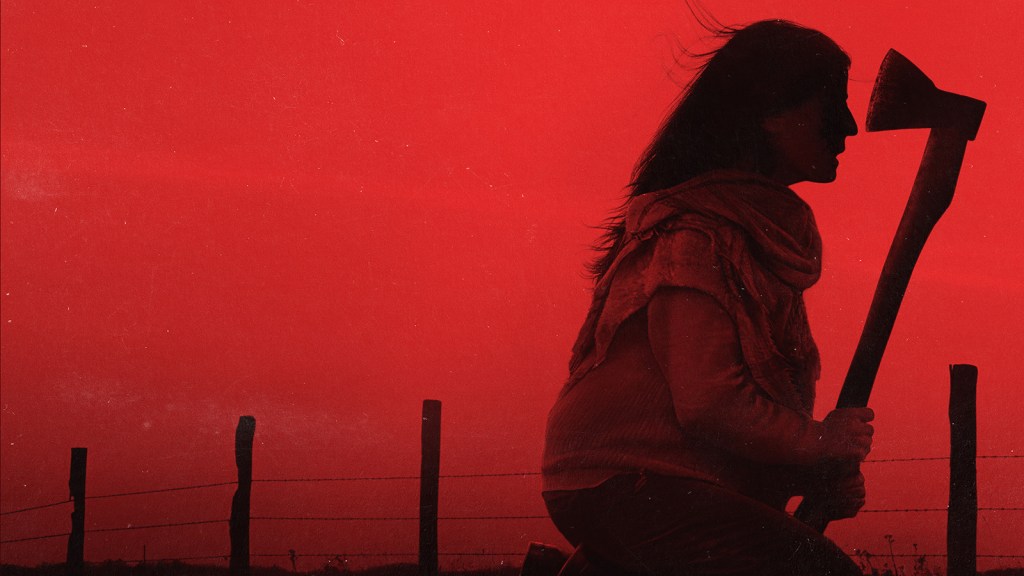
7. When Evil Lurks (2023)

Evil lurking through a film with true malice, The newest Shudder original from Argentina arrives on this list with a dark heart that is certainly the feel-bad film of the year. Opening with its grotesque makeup designs that should only be seen at least an hour after eating, When Evil Lurks devolves into a series of purely chilling experiences in a world without a soul.

Demián Rugna has crafted a strangely dense piece of world-building on a post-religion Earth where evil and demonic possession are very real occurrences with a series of rules to keep the peace and protect the community. This film is not for the faint of heart, as its stark malevolence and propensity for child endangerment never form a callous in the mind.

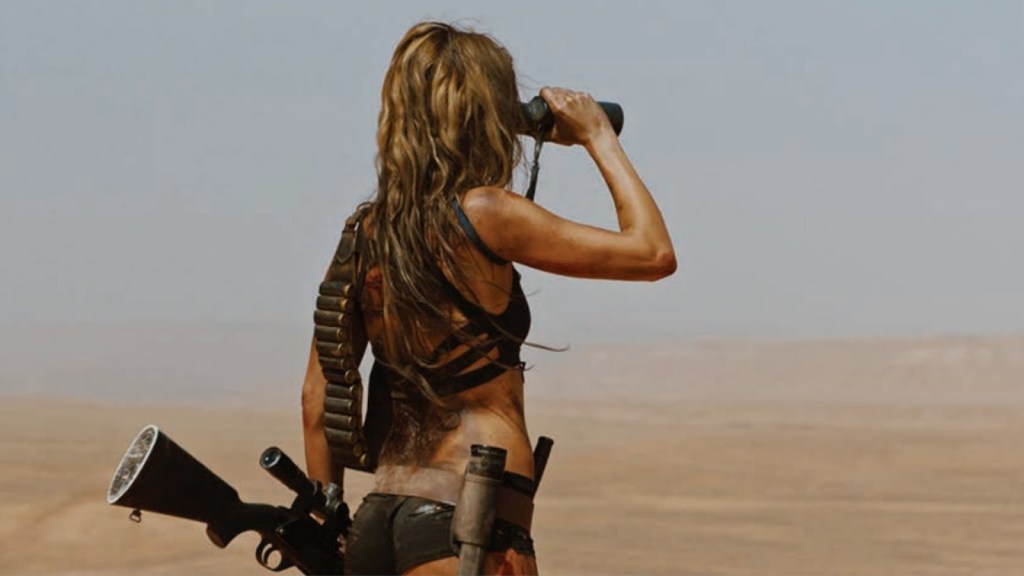
6. Revenge (2017)

The brilliance of Coralie Fargeat’s Revenge is in its ability to consistently take the more compelling path, both narratively and visually, weaving through the obstacles of horror’s thorniest subgenre (the rape-revenge thriller) with a powerful ease. A film this forward does not move with grace but with the bombast and assuredness of a filmmaker driven by their convictions and choices. 


Fargeat’s debut feature is defined by its extreme closeups of body parts, focusing our eye on the human body consistently, from the lurid to the violent extremity. With a potent sound design and score combination heightening both these closeups and spanning, otherworldly vistas of this Moroccan desert, Revenge is as good as it gets in this oft-misguided genre, with as tense a final 30 minutes as you’ll find on the service.

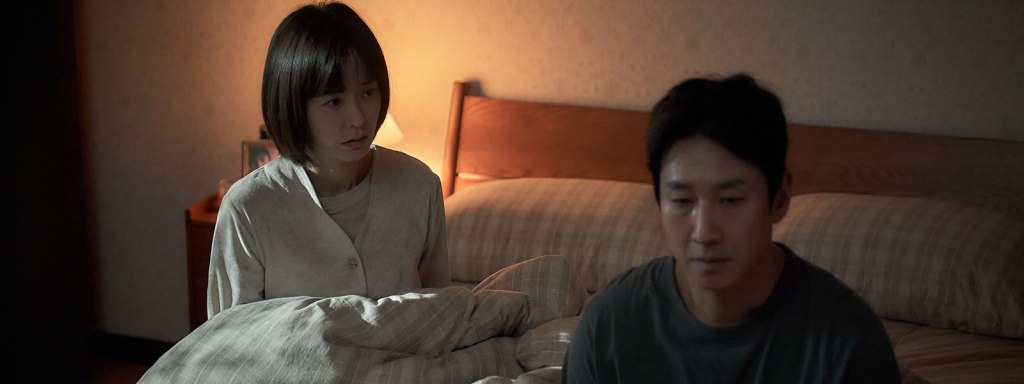
5. Speak No Evil (2022) (U.S. Exclusive)

The feeling of a knife slowly being twisted over and over and over again put to film. Speak no Evil is a profoundly upsetting film about our inability to speak up for the everyday evils we may face, centring on a Danish family that makes quick friends with a Dutch couple on vacation and takes them up on an offer to stay with them for a weekend at their remote home. A shockingly bizarre invitation to some, more normal for others, that devolves as these friendly strangers reveal themselves in time. Filmmaker Christian Tafdrup feels content sitting with the audience in a pure form of discomfort that veers slowly into dread that has rarely been captured so well on screen.

There is a hilarious moment halfway through the film where it appears the family will return home without harm and only a mild unease about their new friends, only for the husband Bjørn (Morten Burian) to turn the car around over the slightest thing. Tafdrup never sells this as a moment of triumph you’d find at the end of a horror film, knowing full well that the dread and banal claustrophobia that has been cultivated from the opening images is about to take a turn for the worse. Tafdrup’s complete control of the situation revels in the story he’s created, with the fearful exhilaration of being lowered into a seemingly endless well by someone with a tight grip on the rope.

4. Skinamarink (2022)

Wrote about the film back on the site in February, Skinamarink was a flash in the pan in terms of internet notoriety (that expanded into multiple sold-out sessions at indie theatres), but the style and lingering impact this film has on your subconscious is remarkable.

The effectiveness of the film’s horror is its depiction of a universal childhood fear shown from an actual child’s perspective. Filmmaker Kyle Edward Ball is tapping into primordial fears that dwell within all of us, using the constraints of his very modest budget to heighten the atmosphere of dread across its extended run time. The film is certainly too long for its narrow scope coming in at 100 minutes, but when Skinamarink is working, it is one of the most effective horror experiences in years.

Its central set piece, which involves Kaylee (Dali Rose Tetreault) going upstairs into her parent’s room, is one of the most haunting film sequences in years. After 40 minutes of atmospheric buildup, completely unsure of where we are being led, you will be wishing to return to watching cartoons downstairs and staring at Legos. The extended long take in this scene ratchets up the tension to a boiling point, with your palms a sweating mess in a sequence that seemingly goes for eternity. This is no doubt the peak of the film, with only smaller moments in the proceeding hour that match its tension and atmosphere. Structurally, Skinamarink could’ve taken some notes from its predecessors Paranormal Activity and Blair Witch Project (1999), by peaking in its final moments, but the atmosphere is definitely more of the Ball’s focus than the bigger scares the film has. Unfortunately, this makes the film drag in its second half, even for a great lover of durational cinema as I am.

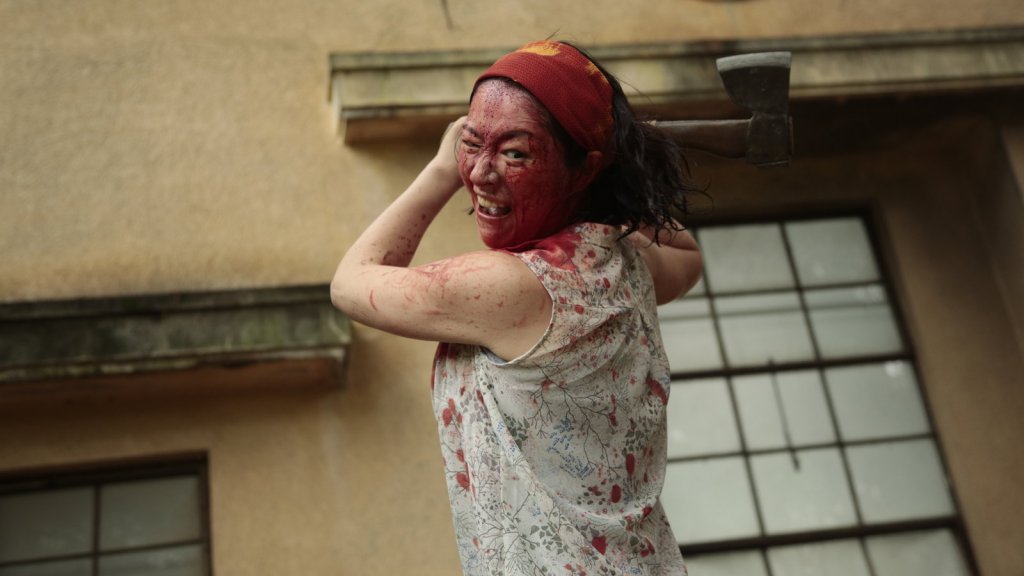
3. One Cut of the Dead (2017)

An ingenious adrenaline shot in the arm of the zombie horror genre desperately at the tail end of the 2010s, Shin’ichirô Ueda’s One Cut of the Dead may never terrify you, but it will have you in hysterics on the floor. With a unique format with its 40-minute intentionally sloppy long take to begin the film, unfolding into a hysterical love letter to independent filmmaking that is as sharp in its cinema satire as The Player (1992).

2. Flux Gourmet (2022)

The world of sonic caterers, a fascinating and beguiling location for the new film by the great filmmaker Peter Strickland, is full of deeply flawed but fascinating characters that potently satirise modern art collectives, musicians, and gastronomical cuisine inside of a wildly satisfying feature. With terrific performances from Gwendoline Christie (and her wardrobe), Asa Butterfield, and Fatma Mohamed, Flux Gourmet will floor you with its audacity and style that is merely the coating to a terrifically detailed and well-drawn world you’ll never question the validity of.

Viewing this world predominantly through the eyes of Stones (Makis Papadimitriou), a Greek hack writer just trying to make a living whilst wholly focusing his writing on his flatulence issues is a hilarious throughline that arrives at a chaotic conclusion you cannot predict. Strickland forces you to remain present within his films through the sheer force of unpredictability that is a defining feature of all great thrillers and horrors.

The wonderful combination of evocative culinary insert shots, mixed in with copious levels of guitar and synth pedals used by the performers (a flanger is a key plot point), realises Strickland’s uniquely bizarre world from the inside out. We are grounded in a story so fully realised, the comedy cannot help but ooze out of every orifice. This film was designed in a gastronomy lab to cater to my tastes and interests, but Strickland’s pure style and chops mean Flux Gourmet caters to all diets.

1. Saloum (2021)

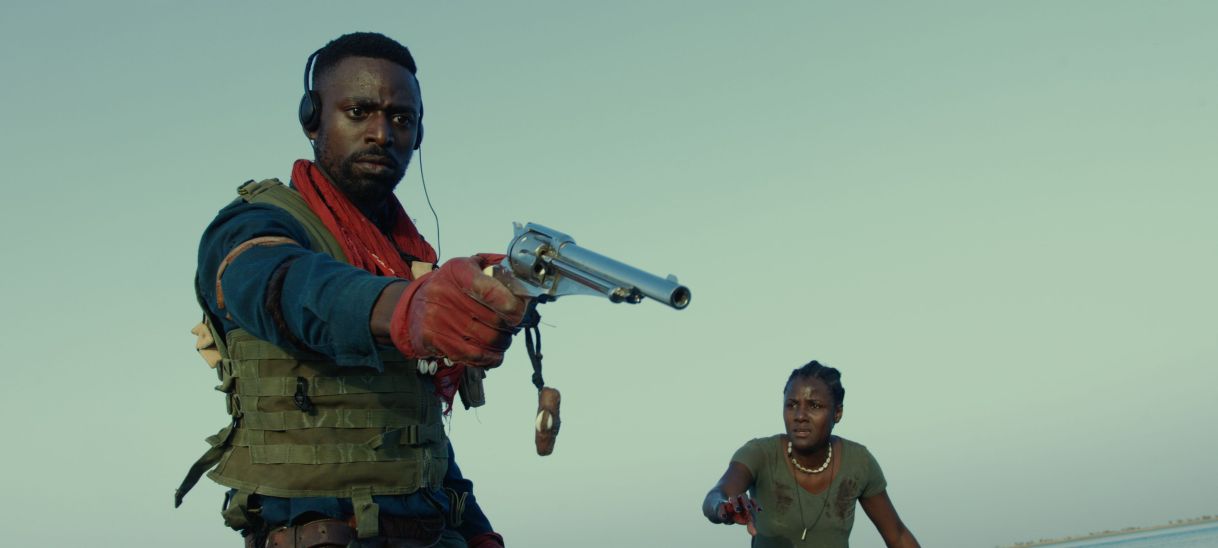
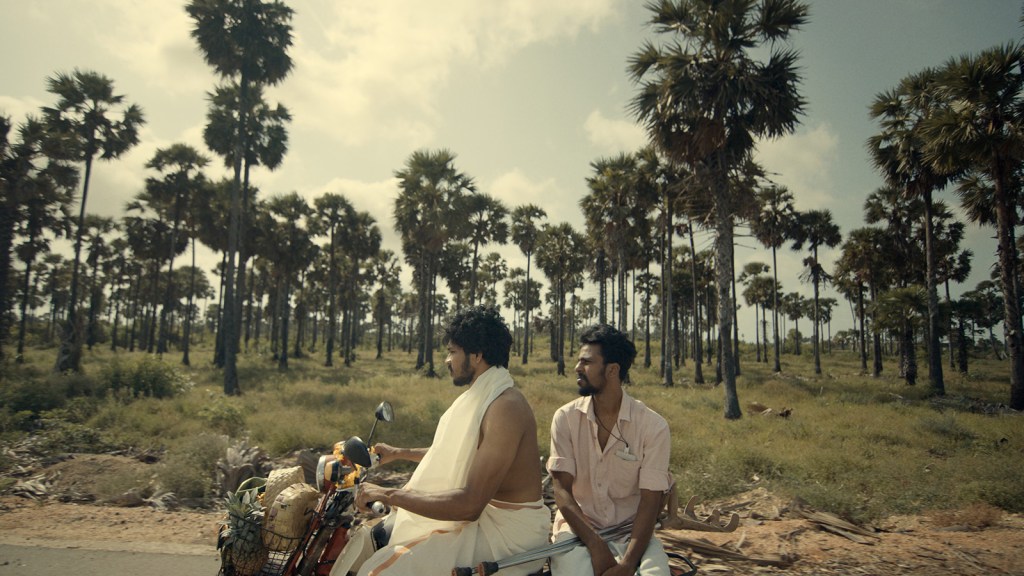
A wonderfully wild and propulsive genre mashup of supernatural horror, revenge western, and mercenary action cinema, Saloum tops this list through its confident filmmaking by Jean Luc Herbulot and a trio of powerful performances, headed by Yann Gael who in a just world would be a certain star.

In a nimble 84 minutes, we track the journey of a trio of mercenaries escaping a coup in Guinea-Bissau, making a forced landing in a small community on the Saloum river in Senegal. Herbulot is able to shift style every scene while maintaining a guile and confidence that the destination will be worth the wildly entertaining journey. You will be begging for this tight indie feature to be expanded into a multi film series through the power and style of Herbulot’s craft and world-building, layered on a truly stellar cast that’ll you’ll never want to leave. This is the must watch original film on Shudder right now.

MIFF ’23: Darcy’s Notebook Pt.2

With another wonderful festival in the books, MIFF 2023 was a surprising mix of emerging artists from home and abroad spotlighting the program that gave the year a distinct flavour. Here, our writer Darcy has dropped part one of his notebook full of notes and thoughts on the many films he was able to catch at the festival, all of which should hopefully be brought to larger audiences throughout the rest of the year.

Sleep (Jason Yu) 2022:

A wonderfully charming but uneven riff on Rosemary’s Baby (1968) dances between comedy and genuine tension throughout, Sleep (2023) will keep the audience teetering on the edge of uncertainty until its delicious final image.

With an entrancing combination of performances by Lee Sun-kyun and Jung Yu-mi as a young couple about to welcome their first child, the stage is set for a tension-filled domestic horror, one that filmmaker Jason Yu is adept in weaving despite it being his first feature. Sleep, however, is more brash and darkly comic in nature, with a tone that will certainly reward the film with a certain cinephilic cult status. 


While structurally inventive that should always stay a few steps ahead of even the most adept horror fans, Sleep’s third-act decisions lessen the forceful impact that was delighting and engaging its audience in the delicious tension Yu builds in exciting and unexpected ways. The enjoyment of the film stems from the deft dance between genre formalism and charming diversions, so further exploring these third-act choices will lessen the adventure as a whole.

I’m being deliberately coy about these aspects of the film as Yu has earned the surprise of these revelations on future audiences. This is a proud and confident debut that is sure to elevate Yu as an emerging voice in Korean genre cinema, one that is sure to expand on and improve on his deft filmmaking skills.

Rating: 3.5 out of 5.
The Breaking Ice (Anthony Chen) 2023:

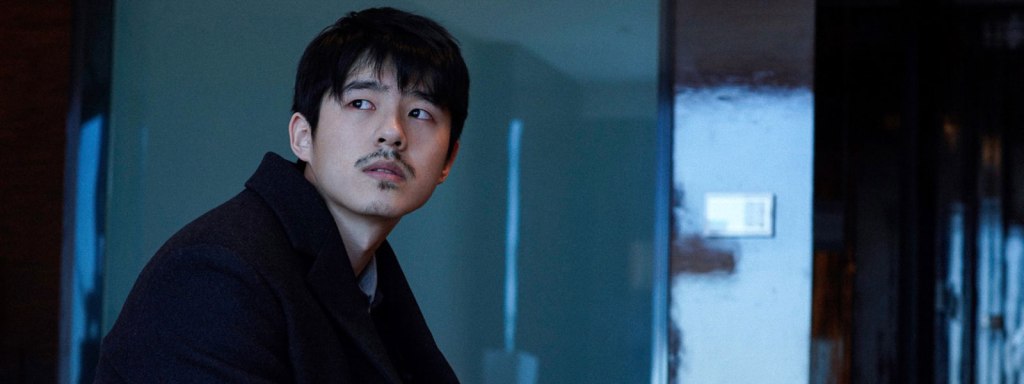
A collection of transitory young people in moments of quiet stagnation that could soon harden into a crisis, Anthony Chen’s first of two films at the festival, the familiar but evocative drama The Breaking Ice (2023), illustrates the filmmaker’s deft hand in crafting relatable and defined characters you can’t help but see yourself in.

The film is an exploration of life’s transitional nature, depicted through the constant theme of ice. Ice is a fascinating property to base a film around, something that is constantly thawing and refreezing, altering its shape when in contact with warmth, only to regain its solidity through its frigid surroundings in a new shape, forever changed by this transition.

Situated in a frozen Chinese town of Yanji on the North Korean border, a town that literally exports and profits from the ice around them, we meet Haofeng (Liu Haoran), a depressed Shanghai financier alone at a destination wedding of a distant college friend. Through happenstance, he wills himself onto —’s () tour bus, a relatively new local who is also in a moment of stagnation and personal crisis. They quickly form a trio with — (), an older local kitchen hand who feels stuck in this small town.

The film brings to mind a more modern and sombre Bande à part (1964) with its young trio traversing a town and experiencing a shifting world. A romantic film depicted with true honesty, Chen has a deep love for these three transitory characters who arrive and depart in different and life-affirming ways. This intense connection between the trio doesn’t change the matter of their being, but they were thawed out enough to emerge in a new shape. These are still the characters who question the value of their life and the purpose moving forward that we are greeted by but are more assured in their sense of self and their place in the world that is deeply moving.

Rating: 4 out of 5.
La Chimera (Alice Rohrwacher) 2023:

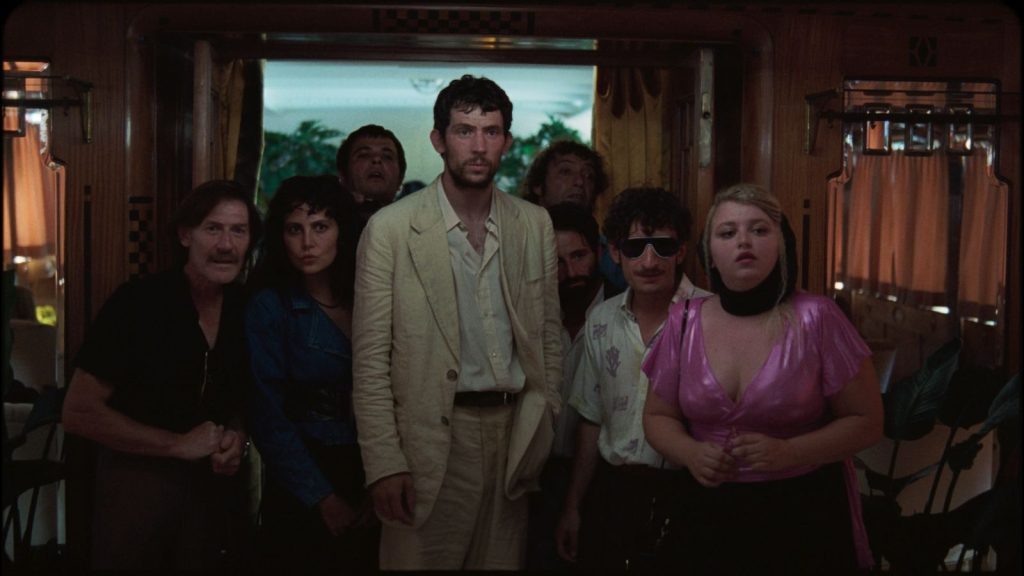
There is no one like Alice Rohrwacher working today, with the Happy as Lazaro (2018) filmmaker consistently producing wry, comic, and deeply felt films that harken back to a stranger and often more interesting period in arthouse cinema. With her new feature, La Chimera (2023), Rohrwacher uses her breezy charm to glance into the world of Italian generational class and history through the lens of an instantly iconic band of lost boys, led by Josh O’Connor in a true star-making performance as the ivory suit wearing tortured archaeologist-slash-graverobber Arthur. 

The separation between grave-robbing and archeological profiteering is placed at the centre of this brilliant surrealist tragicomedy, asking us to constantly look downwards and question the rights and possessions of the deceased, especially the impoverished deceased. There is weight to these themes and Rohrwacher’s often allows her characters to linger in their moral ambiguity, but through her virtuosic camera work and editing, La Chimera is full of vitality.

Rohrwacher’s camera is alive with cinematic ideas both profound and charming, exuding both personal character moments as well as a wider filmmaking language that can beguile a full theatre in its motions. She is able to land big ideas in her films through her focus on both cinematic and mythic storytelling styles that are rarely so well blended. Few films look and sound like La Chimera, as Rohrwacher is both patient in showing you her style, and confident enough in the story being told that the audience will be put under its spell.

Rating: 4.5 out of 5.
Drift (Anthony Chen) 2023:

Anthony Chen’s second feature at the festival, Drift centres on a young woman Jacqueline (a captivating Cynthia Erivo) who finds herself houseless on a Greek island, both running from her past and avoiding her future. In a mostly wordless first act, Erivo moves through the town, just managing to survive as she sleeps amongst the crashing waves and rock pools on the coast.


Drift operates across three timelines, showing us her life in London with her girlfriend Helen (a surprising Honor Swinton Bryne appearance), and her trip back to her family in Liberia that precedes her arrival in Greece. Much like Jacqueline, we drift through these moments with little to latch ourselves into. Where The Breaking Ice succeeds is in informing its audience about the characters enough to engage and propel the narrative forward. Here, however, the withholding nature of the storytelling becomes the combustion engine of the film instead of the central characters. This structure works perfectly in thrillers and horror, but in a more contemplative character drama, the results are too slim to be wholly engaging.

Rating: 3 out of 5.
Ama Gloria (Marie Amachoukeli-Barsacq) 2023:

Featuring one of the best child performances in years, Marie Amachoukeli-Barsacq’s Ama Gloria (2023) follows 6-year-old Cléo, (a charming and captivating Louise Mauroy-Panzani) who spends her summer with her au pair Gloria (Ilça Moreno Zego), who has returned home to Cape Verde to care for her own children after the death of her mother. This tight-focus drama of a young person sharing a final core memory with someone they love is emotionally potent in its simplicity. For two characters that have endured recent untimely loss, there is a genuine warmth in showing this elongated goodbye to a loved one that washes over you like the summer afternoon sun.


The visual highlight of the film is in the gorgeous animated painting sequences that dot the short runtime of Ama Gloria, diving into not just Cleo’s mind, but of Gloria’a, riding an ocean of tears back home. The second painted sequence transforms into a roaring volcano, enacting Cleo’s rage at the sudden departure of her surrogate mother. Both sequences are transitioned with gorgeous sonic match cuts, blending seamlessly into the ether of the 4:3 film stock showing the control and respect Amachoukeli-Barsacq has for her characters and the relationship we have invested in over the efficient runtime of just 83 minutes.

Rating: 3.5 out of 5.
Earth Mama (Savanah Leaf) 2023:

A debut of honest warmth, Savanah Leaf’s Earth Mama (2023) is designed to stay with you the next time you pass a stranger on the street. With its captivating 16mm cinematography of Oakland by Jody Lee Lipes and provocative central performance by Tia Nomore as Gia, a pregnant single mother of two trying to get by while battling the US foster care to regain custody of her children, Earth Mama strips away feelings of judgement until only a depth of empathy is left.

Instead of constructing a film with a tight, domineeringly singular perspective of Gia, Leaf opts to move supportingly alongside her. In the opening moments of the film, a pregnant mother tells us matter-of-factly, “You can’t walk in my shoes, feel my experience, but you can walk alongside me, holding my hand.” 

The heartbreak and emotionality of Earth Mama stem from Leaf’s tender honesty she exudes in telling Gia’s story. We want the best for her and her family, so when she hits her lowest point, we feel that moment, not as if it were ourselves, but as a dear friend.

The film shines in its unexpected relationships as Gia searches for solid ground inside a world that feels designed to destabilise. On first meeting with the prospective family in a diner, Gia has a beautiful moment with the family’s teenage daughter Amber (Kami Jones), who she immediately strikes a connection with. Earth Mama has quickly demonstrated Leaf’s deft hand as a writer and filmmaker who will only improve as new opportunities arise.

Rating: 3.5 out of 5.

MIFF ’23: Darcy’s Notebook Pt.1

With another wonderful festival in the books, MIFF 2023 was a surprising mix of emerging artists from home and abroad spotlighting the program that gave the year a distinct flavour. Here, our writer Darcy has dropped part one of his notebook full of notes and thoughts on the many films he was able to catch at the festival, all of which should hopefully be brought to larger audiences throughout the rest of the year.

Blue Jean (Georgia Oakley) 2022:

It would be a diminishment to label Blue Jean (2022) a period film as the theatrical experience felt closer to a retrospective of a lost 80s gem than an indie debut from 2023. The debut feature from Georgia Oakley set the stage for a wonderful festival of emerging artists, centring on a young queer gym teacher Jeanie (a transfixing Rosy McEwan), trying to balance her life amongst the authoritarian and anti-LGBT+ Thatcher government in late 1980s Newcastle. The film is intricate in its layering of Jeanie’s clashing worlds as she aims to compartmentalise her sexuality from her work and family, loading even the simplest gestures and moments with palpable anxiety.

Oakley positions the story in an interesting state of generational limbo, with Jeanie’s behaviour clearly ingrained by the regressive world she grew up in and remains. She must navigate being an authority figure to a group of teenage girls that feel destined to progress past her. It’s almost cliche for films centred on teachers to develop into a story of the kids being the real teachers, but Blue Jean is able to maturely navigate these waters with confidence and purpose, developed through an immense level of authenticity.

And this achievement in period authenticity by Oakley and the whole crew cannot be understated. Oakley, alongside cinematographer Victor Seguin and production designer Soraya Gilanni Viljoen, work well beyond their means to create an incredibly lived-in 80s period drama that grounds the worlds of the characters. All three will be ones to watch in the following years.

Rating: 4 out of 5.
Disco Boy (Giacomo Abbruzzese) 2023:

Disco Boy (2023) is a fascinating but slight debut from Giacomo Abbruzzese about a pair of interconnected but opposed soldiers, Aleksei (Franz Rogowski) and Jomo (Morr Ndiaye), which aims for Denis but lands closer to Winding Refn. A fascinating moral portrait of who fights our wars and for what purpose, Abbruzzese weaves compelling visual choices, including a heat-vision sensory explosion of violence in the Niger Delta, into this more atmospheric than deeply felt character work, bouncing between engaging and alienating in equal measure.

More a collection of fragmented visual ideas about self-identity, cultural identity through conflict, and purpose, than a developed story, Disco Boy ultimately disengages and limits one’s investment in the story of Alex and Jomo, especially as it enters its final act.

These are weighty themes for a debut feature, one that often falls into flat abstraction instead of provocative imagery that in more seasoned hands, would envelop an audience more fully.

Rating: 3 out of 5.
Showing Up (Kelly Reichardt) 2022:

Even a minor feeling Reichardt is still an event, packed with nuggets of wisdom and exploration into the delicate, tiny worlds of its characters. With her muse Michelle Williams, Reichardt centres the world of a tight artist community in her standard milieu of Portland. Williams inhabits Lizzy, a ceramics artist trying to get by while she works on her new independent show. Her friend-slash-landlord Jo (the terrific Hong Chau) keeps putting off fixing her hot water on top of a myriad of other minor obstacles involving an injured pigeon, her office work at the artist’s community keeps overtaking her time, leaving little time for Lizzy’s passion for her art as her patience gets stretched to a breaking point. But there is no true outburst of crescendo to Lizzy’s frustrations, that is never how Reichardt operates.  

The master of American neorealism, the lives and conflicts of Showing Up (2022) involve the anxiety of unexpected moments soaking up time. The beautiful counterpoint to these moments however, is in the simple giving of one’s time, whether through a simple walk home, alleviating a colleague’s work, or coming to a friend’s art show, is as powerful a show of love one can demonstrate in this life. In a time of feverish multitasking and anxiety-inducing attention economy, Reichardt instead centres her film around just showing up (which is why this is easily the film title of the year).

There is an intense focus on the physical work of creativity rarely shown on film, giving the sensation of a mid-afternoon stroll through a tiny gallery, seeking to understand an artist through their work. There is genuine comedy rarely felt in Reichardt’s films here that is never snarky or mocking. She has a real care and love for this world and the people within it that emanates through Showing Up, allowing its humour to bubble to the surface in surprising moments.

When she is at her best, Reichardt’s screenplays never show the seams of a Robert McKee-approved story structure, with character arcs never becoming clear until their peaks are unveiled through the clouds. This allows her work to thrive and engage an audience consistently, developing one of the most consistent filmographies in 21st-century American auteurs. We should not take these films for granted.

Rating: 4 out of 5.
Shayda (Noora Niasari) 2023:

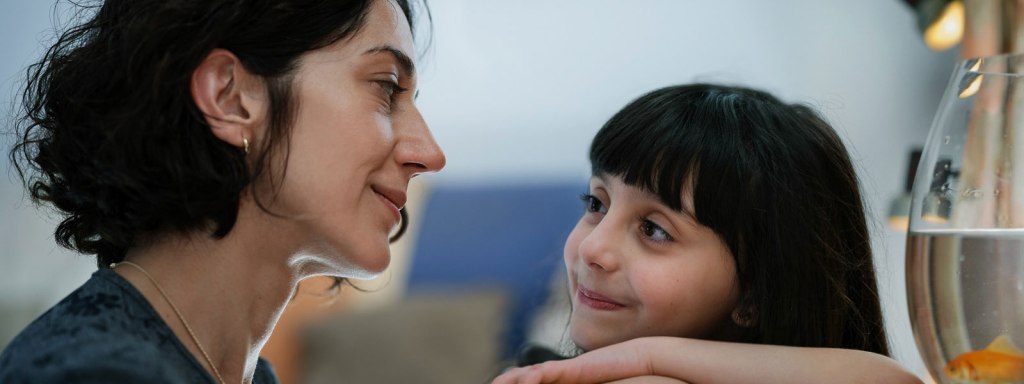
A gorgeous debut from a real bright light in Australian cinema, Noora Niasari’s deeply personal portrait of her mother, portrayed in the film by the stunning Zar Amir Ebrahimi, brings to mind many great films before it, including MIFF 2022 highlight Aftersun, but is able to confidently stand on its own. 

Following a young mother, Shayda, and her six-year-old (Selina Zahednia) daughter Mona, escaping an abusive father to a women’s shelter, Niasari has a clear-eyed but empathetic view of a story so close to her that emanates through the screen. Shayda’s (2023) sense of place and community is tight and focused while still allowing a beautiful freedom for the performers. 

Niasari has a graceful way of weaving inner character life into scenes that in lesser hands would be doled out as blunt exposition. By giving the audience just enough story to understand the situation, we are rewarded with an expanded glance into the world of these characters and their relationships as they navigate the difficult situation they have been placed in. This year’s festival has been a wonder of debut features and emerging voices, with Shayda a real spotlight on the new and creative minds coming out of Australian cinema. It was heartwarming to see the festival wrap their arms around her and this impressive film.

Rating: 3.5 out of 5.
Past Lives (Celine Song) 2023:

I wrote about my favourite film of the year in my Sydney notebook here, but I just had to come back to see it with a packed MIFF crowd. It’s just as gorgeous the second time around. An absolute miracle in filmmaking, Celine Song is able to toe the line between the grandiosity of life and destiny and the minutiae of a relationship across many years with the ease of a veteran screenwriter and filmmaker. 

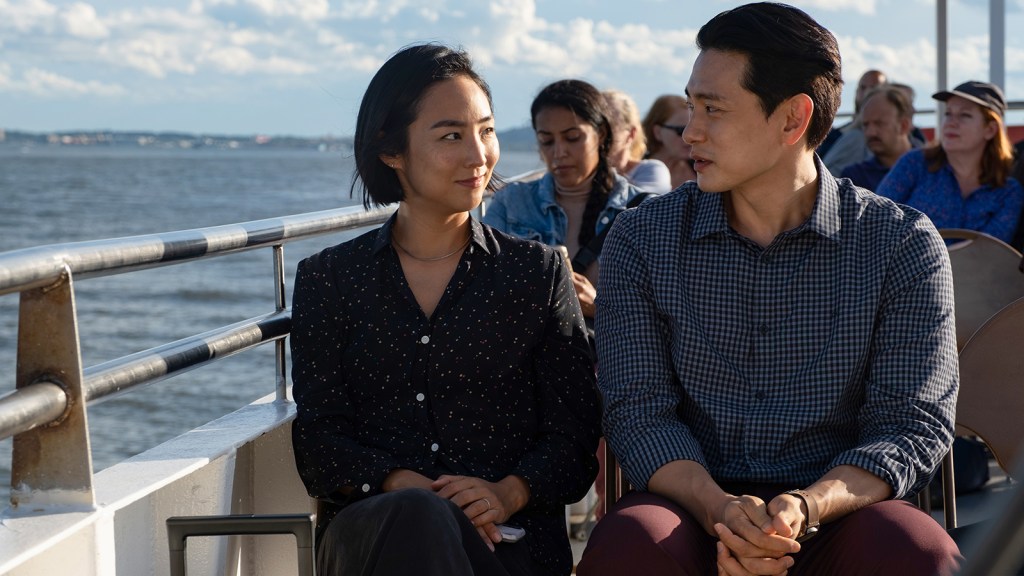
In Celine Song’s extraordinary debut Past Lives (2023), time is the central tenet. During the post-screening Q&A, Song said she wanted the film to have the lived-in feeling that “12 years could pass in an instant, but a two-minute wait for an Uber could be an eternity.” What stood out on rewatch at the festival is the underrated challenge of editing this film, particularly in its shifting perspectives at the placement of its time shifts. We are never rushed into these leaps, nor are we led slowly into them, but Song and editor Keith Fraase (who came up working with Terrence Malick) are able to achieve a breathtaking sensation of each stage in Nora (Greta Lee) and Hae Sung’s (Teo Yoo) relationship feeling cut short. 

MIFF is the perfect place to be exposed to the emerging talents of filmmakers and actors that will define the next generation, with Song joining Aftersun’s Charlotte Wells at the top of that list. This is the year’s best film to date with an instantly iconic ending that holds a packed theatre’s heart in its hands.

Rating: 4.5 out of 5.
Anatomy of a Fall (Justine Triet) 2023:

Beginning with an abrasive soundtrack of 50 Cent’s P.I.M.P (not a joke), Justine Triet’s Palme d’Or-winning film Anatomy of a Fall (2023) is seeking to destabilise its audience. With a winding courtroom structure and almost comical documentary film style, we are shown an increasingly engaging excavation in truth and what it means to us.

The film is a fascinating investigation of marriage and family through the lens of a tense courtroom drama that lures you deeper and deeper into its world with a powerful pair of performances by Sandra Hüller and Milo Machado Graner as mother and son Sandra and Daniel. Sandra Voyter, a novelist, stands trial for the murder of her husband Samuel (Samuel Theis), who “fell” from the second floor of their reclusive vacation home in the Alps.

Over the extended 150-minute runtime, Triet explores the legal system, guilt, and a family living with trauma inside a distinct Cinéma vérité comic realism. Anatomy of a Fall is a film that teaches you how to watch it, forcing an audience to give themselves over to its style and storytelling. This may be too big an ask for some films, but through Hüller’s all-encompassing guile as the compelling figure of Sandra, alongside Graner’s stellar work as her son Daniel, the beating heart of the film, it achieves something special as the story reaches its tipping point.

Rating: 4 out of 5.

Carmen Defies Expectation

Rating: 3.5 out of 5.

A modern dance film to remember, with a more emotive story than expected, Carmen (2022) is an evocative and thrilling experience that has peaks as high as you’ll find this year. An adaptation in name alone, choreographer and first-time feature filmmaker Benjamin Millepied has crafted, alongside a terrific collection of talent in front of and behind the camera, a complete reimagining of the Carmen opera. The film is vibrant and alive, and while the script is slight and only gestures mildly at its location and setting as a Mexico-American border romance, it still moves with a rapturous passion.

At the heart of the story is Carmen, played with fierce precision by emerging star Melissa Barrera, escaping across the border after the murder of her mother Zilah (flamenco dancer Marina Tamayo with one of the best opening scenes of the year). On the other side, we have Paul Mescal, a recently returning war vet Aiden, who is withholding his PTSD from those around him. On top of this, due to the struggling financial situation of the area, Aiden is forced to volunteer as a border patrol officer (the only real work in town), which pulls him into the path of Carmen.  

Paul Mescal and Melissa Barrera in Carmen.

It would be easy to reduce this film to a tragic love story between a Mexican immigrant and a border patrol officer, but that would discredit all of the work being done by screenwriters Lisa Loomer, Loïc Barrere, and Alexander Dinelaris to give these characters an agency and poignancy that surpasses these easy conventions.

What allows a dance-focused film to thrive as a theatrical experience is the incredible work of the great composer Nicolas Brittel. Brittell’s choral and string focused score is a work of magic, showing the extraordinary composer’s range while still driven by a focus on uplifting the emotion and narrative. Whether on Succession or his work with Barry Jenkins – his work on The Underground Railroad (2021) and If Beale Street Could Talk (2018) ought to be the stuff of legend – Britell’s compositions never overwhelm the narrative as they appear to come from the very core of the character’s beings. It is a shame a lot of his best work is on TV (Succession, The Underground Railroad, Andor), as it is a privilege to hear his work in a cinema.

Millepied and veteran cinematographer Jörg Widmer both understand the power of movement on screen, especially when shown in deep contrast by a solemn stillness. An emotive dance performance is often followed by an extended stationary shot centring an isolated performer in a chair or in isolation in some form. Wielding a combination of natural and neon lighting, Carmen operates well in both static frame and in movement, constantly fighting a balance between the two poles.

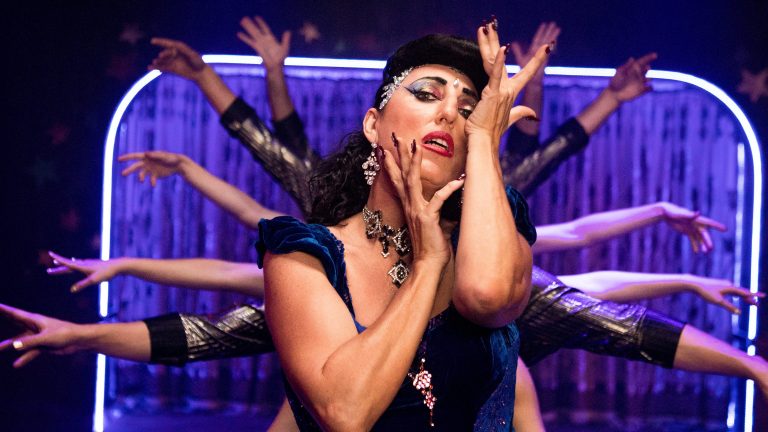
Rossy de Palma in Carmen.

When the film is at its best, all of the film’s elements come together to make something magical. The dancers alongside Barrera, Mescal’s war-torn performance, Widmer’s camera, Millepied’s gorgeous choreography, and Brittell’s score brings the whole film to life, transcending certain moments into awe-inspiring sequences. While it is his first time behind the camera for a feature film, Millepied has a clear knowledge of how these different elements, when operated by some of the best in the industry, can overwhelm an audience.

Bob Fosse paved the way for undeniable dance choreographers leaving their mark on cinema with style and personality, and while Carmen is no Cabaret (1972) or All That Jazz (1979), Millepied has a clear understanding of the energy an expressive, well filmed dance number can give an audience.

The lowest point of the film is certainly the stretch in the final hour without any large dance sequence, a standard for dance-forward films of this ilk. Millepied is aware of this lull, however, with two eruptive dance moments in the club and an underground fight ring that holds nothing back. The fight scene in particular sneaks out of the shadows, building naturally in a thrilling way. Focusing the scene on hip-hop legend The D.O.C and his original song ‘Pelea’ heightens the moment and makes for a terrific finale. Collaborating with Brittel on the song brings to mind Pusha T’s incredible Succession theme remix with its mix of modern Hip Hop and the composer’s cinematic style. 

There is power in an artist, uncertain if an opportunity like this will arise again, leaving it all on the floor. This is why the best debut albums are always so powerful. And while this is certainly the case here with Carmen, what makes it unique is how collaborator-focused Millepied’s film is. In a tour de force score from Brittell, a balletic work behind the camera from Widmer and Australian Steadicam operator Andrew ‘AJ’ Johnson, and a potent ensemble highlighted by Barrera and Mescal, Millepied has made an intoxicating debut to remember.

Carmen is in select theatres now.

Sydney Film Festival ’23: Darcy’s Notebook

While I, as a Melbourne-based writer, eagerly wait for MIFF to roll back around in August, an opportunity to travel to Sydney arose just in time to catch the final days of the Sydney Film Festival to scratch my never-ending festival itch. 

In four days I was able to see 10 films of varying quality worth reporting on, so I have emptied the notebook out of my thoughts on a great selection of films from the festival. I have avoided discussing plots too much here as hopefully, most of these films arrive by year’s end for people to catch.

Past Lives (Celine Song, 2023)

The pick of the festival and best film I’ve seen in 2023, Past Lives is a simple but evocative story told with a subtle precision that will stay with you through multiple lifetimes. Joining the lineage of cinematic depictions of romantic longing that define some of the greatest works in the medium, Casablanca (1942), In the Mood for Love (2000), and Before Sunset (2004), debut feature director and writer Celine Song set the bar incredible high for her debut that she overcomes with an assured ease.

Following an invisible tether of 12-year increments, we accompany Nora (an incredible, awards-worthy Greta Lee) and Hae Sung (a revelatory Teo Yoo), two deeply linked childhood friends that reconnect online a decade after Nora’s parents emigrate to Canada. The film is best experienced the less you know, especially its final act, so I shall leave the breakdown there for now but will return when it opens wide on August 31st. 

Past Lives is an extraordinarily shot film by Song and cinematographer Shabier Kirchner, who also shot the incredible Small Axe (2020) series. This is the best looking film since Portrait of a Lady on Fire (2019), with its lingering pans and still images that would be enough to crown Song’s debut feature as a major achievement on its own. But it’s the deeply layered script, self-referential in the way our own stories are, that allows it to bloom into a uniquely moving experience.

With a Casablanca-level final act that had a sold-out audience on the verge of bursting from their seat and skin, Song has gifted us with a script and film of deeply personal experience that never feels alienating. The most personal is always the most universal, and Past Lives is a tremendous achievement that must be seen in theatres. Romantic dramas may be out of vogue as a theatrical genre, but I implore you to seek this one out with a crowd as soon as possible.

Rating: 4.5 out of 5.
Shortcomings (Randall Park, 2023)

A stronger comedy than romance, Randall Park’s debut feature Shortcomings, adapted from the screenwriter Adrian Tomine’s 2007 comic of the same name, is an uneven but enjoyable coming-of-age story centring a difficult protagonist, indie theatre manager Ben, played by Justin H. Min. The film is a provocative comedy centring on Bay Area millennials trying to work out the stagnation of their lives and relationships that is deeply influenced by Judd Apatow comedies, buoyed by its bright characters that have a horrible case of foot-in-their-mouth.


With a terrific comedy ensemble including Sherry Cola, Ally Maki, Sonoya Mizuno, and Timothy Simons, Shortcomings doesn’t attempt to reinvent the rom-com wheel, but its acidic dialogue and loquacious characters lead to many hysterical moments and an overall enjoyable watch.

Rating: 3 out of 5.
How to Blow Up a Pipeline (Daniel Goldhaber, 2022)

A work of pure tension and electricity, Goldhaber has made a powerhouse feature for an emerging generation brought up in a world of climate fatalism. Based on the acclaimed nonfiction book of the same name, Goldhaber and co-writers Jordan Sjol and lead actress Ariela Barer (Xochitl) bring the genre formalism of heist and caper cinema to a subject matter that is too often weighed down by its own importance. 

Due to the time restraints of filmmaking, it is rare for a film to feel pressingly of the moments, which makes Pipeline an even more impressive achievement. The film operates almost as a forbidden, micro-budget indie that works so effectively in films like The Texas Chainsaw Massacre (1974) and The Blair Witch Project (1999), allowing the tension and drama to feel rooted in desperate reality that makes for an irresistible watch. 


Pipeline excels through its terrific ensemble of well realised modern Gen Z characters in Sasha Lane, Lukas Gage, Forrest Goodluck, Jayme Lawson, Jake Weary, Kristine Froseth, and Marcus Scribner. All the performers are just obscure enough to allow the film to maintain the air of unexpectedness and panic that heightens every shaky hand and nervous breath that will have you clawing at your seat for 90 minutes.

Rating: 4 out of 5.
Sand (Visakesa Chandrasekaram, 2023)

Stronger in intent and theme than execution, using local crews and first-time actors, Sand evocatively places you in a difficult moment in Sri Lankan history. As a survivor of a decades-spanning civil war, Rudran (played wonderfully on debut by Sivakumar Lingeswaran) must pick up the pieces of his life, including moving back home to live with his soothsayer mother (Kamala Sri Mohan Kumar), standing trial for his slowly explained role in the war, going through therapy for his wartime injuries, and seeking out a lost love Vaani (Thurkka Magendran). 

There is a wall of plot to scale in this quiet and meditative 101-minute feature that makes for an often unengaging watch, perhaps by design as we feel the immeasurable weight that the war has left upon the shoulders of survivors like Rudran. Nonetheless, Chandrasekaram has crafted a vital film that lacks polish but oozes authenticity, about an overlooked part of world history, grounding it in the life of one character to illustrate the complexity of the moment.

Rating: 2.5 out of 5.
Afire (Christian Petzold, 2023)

Not the only comedic film on this trip to centre on a self-absorbed artist played by a German actor who cannot help their destructive tendencies from impacting those around them, but is certainly the only film that sits inside the bucket of a climate parable.

A film relatable to anyone who has ever used their work as a shield against the world, the great Christian Petzold’s newest feature, Afire, centres on young novelist Leon (Thomas Schubert) who travels to his artist friend Felix’s (Langston Uibel) family home on the coast of the Baltic Sea to finish his new novel. When they arrive at the holiday home, they learn that Felix’s mother has rented out a room to the mysterious Nadja (the terrific Paula Beer), an unwelcome distraction of the world that Leon was hoping to escape. Compounding this, there is an encroaching wildfire from the west that doesn’t appear to phase the characters, even as it spreads ever closer to their door.

Petzold often works in myth and wider thematic ideas that drift into his films as suggestive poems, with Afire centring on love, passion, and an unique climate metaphor that manages to ground itself in these young people working out their lives in a rapidly changing world.

The unique filmmaker’s first true comedy, Afire is an oddly engaging film with unique and difficult characters, similar in ways to his 2020 mythological mermaid feature Undine (also with an incredible Beer performance). Petzold never allows an audience to stay on solid ground, matching the uncertainty his characters constantly feel, which makes for a compelling experience even if you find the characters unlikable.

Rating: 3.5 out of 5.
L’Immensità (Emanuele Crialese, 2022)

A story that follows similar tracks to others before it, but told with an aching honesty and specificity, will always transcend into feeling bold and unique. L’Immensità (2022), a coming-of-age trans story set in 1970s Italy, inspired by the real life experiences of writer and director Emanuele Crialese, who came out as trans at the premiere of the film at the Venice film festival, is a beautifully shot and treated film that is at both grounded in its location, while also levitating above it as a reflective piece of filmmaking.

The brilliant duo of performances from Luana Giuliani and Penélope Cruz as Andrew and his mother Clara excel in this slight but potent domestic story. Cruz, clearly taking inspiration from Gena Rowlands in A Woman Under the Influence (1974), is the all enrapturing sunlight of the film, illuminating an immense warmth that is equally difficult to live alongside as Andrew is trying to find footing in an uncertain world.
With several madcap dance sequences taken from Italian television musical moments, L’Immensità never feels weighed down by its bleakest moments, allowing the film to flow freely into its uncertain future as the credits roll.

Rating: 3.5 out of 5.
Passages (Ira Sachs, 2023)

A sardonic tale of romantic messiness depicted with a raw honesty that bleeds into tenderness in this perfectly cast love triangle. Starring three terrific actors in Franz Rogowski, Ben Whishaw, and Adèle Exarchopoulos, Sachs’ Passages is a fascinating and comedic film that keeps you on uneven ground throughout.

With a combination of complicated and withholding characters shown in what feels like the  fraught final stages of a relationship between Rogowski’s Tomas and Whishaw’s Martin, as well as a collection of honest sex scenes that feel so rare in modern cinema, Passages is a wholly unique experience in modern romantic storytelling that while lacking sentimentality, never lacks tenderness.

Rating: 3.5 out of 5.
Monster (Hirokazu Kore-eda, 2023)

Returning in quick succession off the back of the divisive but personally beloved Broker (2022), the master humanist filmmaker Hirokazu Kore-eda has crafted a complexly woven, if only slightly contrived Rashomon-styled story on empathy in an increasingly uncaring world.

The first film without a screenwriting credit since his powerfully assured debut Maborosi (1995), working with Japanese TV writer Yûji Sakamoto, Monster follows similar trends and themes to some of the revered filmmaker’s best work, notably Nobody Knows (2004) and Shoplifters (2018), while still feeling unique in the auteur’s wider canon of family and child-based dramas.

The film plays out in three distinct phases, beginning with single mother Saori (Sakura Ando), who is trying to get to the bottom of her son Minato’s (Sōya Kurokawa) bruises and erratic behaviour who blames his homeroom teacher Hori (Eita Nagayama). Explaining more will break the spell Sakamoto and Kore-eda cast across the film, which impeccably places you within each phase, commanding a genuine shock whenever a new moment expunges all previous notions we had of events and characters. What allows the film to excel is how these revelations are shown with compassion and care, never a trick for an audience to feel twisted around like a winding road thriller, even though the film is oftentimes thrilling. With a balanced score by the late master Ryuichi Sakamoto (using mostly older recordings with a few new compositions) as his final final work that he would’ve loved. I cannot wait to watch this again with the full scope of experience in mind.

Rating: 4 out of 5.
Reality (Tina Satter, 2023)

Reality is the guiding principle of this film which was clearly a more effective work of experimental theatre, filmmaker and playwright Tina Satter brought Reality (originally titled Is This a Room) to the stage in 2019, to rave reviews, and is now being adapted for a wider audience. A compelling story playing out in mostly real-time, using only the dialogue from the audio recordings of the real encounter the day the FBI arrives at the door of NSA translator Reality Winner’s (played by Sydney Sweeney) small Augusta rental, Reality plays out as a thrilling interrogation even if you know details of the story. 

The dialogue’s clunkiness and awkwardness heightens the reality (impossible for that word not to be tip of the tongue throughout the film) of the situation, even if it oftentimes lessens the cinematic quality of the film itself. The moviemaking flourishes are isolated to the moments of redaction from the file that are purposely jarring that begin as an engagingly disorienting experience, but by its 10th roll around becomes tedious. 

The terrific central performance by Sweeney and the minimalist filmmaking and set design choices by Satter allow Reality to commit to its goals of highlighting the real events of that day in exacting detail, while giving the audience an evocative theatre experience.

Rating: 3 out of 5.
Cobweb (Kim Jee-woon, 2023)

The newest entry from Korean cult filmmaker Kim Jee-woon, Cobweb (2023) may be the most bizarrely hilarious film of the year. Set in the heavily regulated world of 1970s Korean cinema, Cobweb stars Song Kang-ho as director Kim, an obsessive filmmaker that has to desperately attempt to convince his crew, actors, and producers to reshoot two more days of his newest film Cobweb, to make it a true masterpiece. If that synopsis ignites the receptors in your cinephilic brain, this is the film for you. 


With its biting satire and melodramatic comedy that bleeds over from the film-within-a-film to the film itself, Cobweb is closer to Robert Altman’s The Player (1992) than The Disaster Artist (2017) – there is an incredible moment where the melodramatic music starts to be used on the crew that shifts the whole film’s perspective. This overtly indulgent film is both an investigation into this important time in the evolution of Korean cinema that is so vital to the medium now and a hilariously over-the-top comedy about the ludicrous nature of the film industry that will have you falling out of your seat.

Rating: 3.5 out of 5.

Broker is Kore-eda’s Most Challenging but Rewarding Family Drama

Rating: 4.5 out of 5.

One of the best films from MIFF 2022 has finally arrived in theatres, Broker (2022) is a deeply complicated but always empathetic drama from a true modern master. Hirokazu Kore-eda’s films have a certain sticky texture, maturing in your mind long after the credits roll. His films will always affect you emotionally, but their true power is the depths he is able to mine from a collection of characters. 

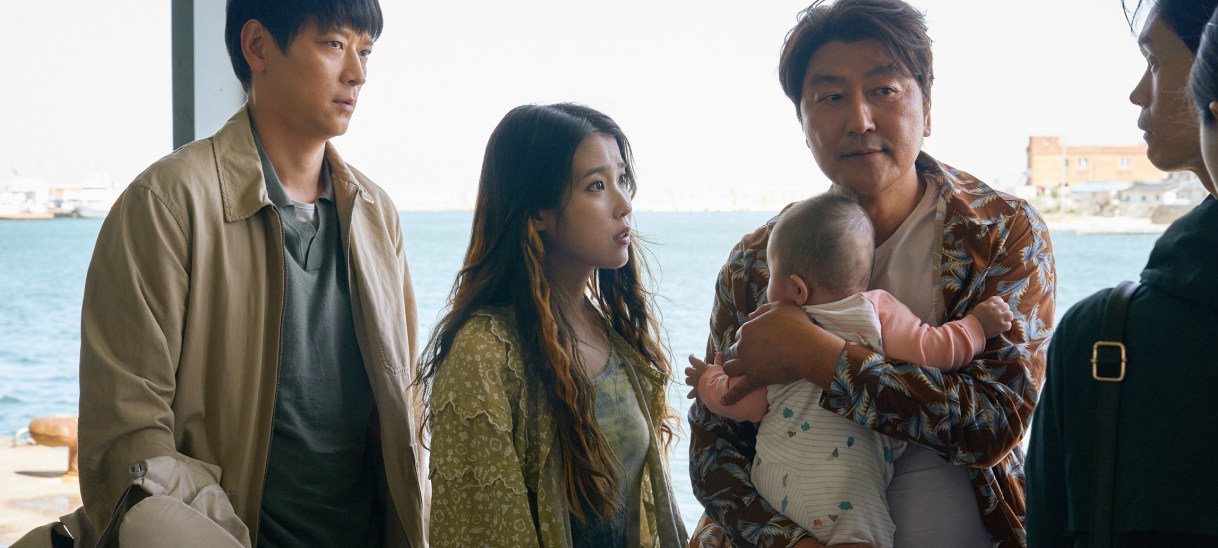
Born out of a desire to work with legendary Korean actor Song Kang-ho, working with a large swathe of the Parasite (2019) production crew, Kore-eda has crafted another thorny but deeply humanist portrait of an unlikely family, thrown together through unusual circumstances. Broker follows a pair of church volunteers Ha Sang-hyun (Song Kang-ho) and Dong-soo (Gang Dong-won), who sell unwanted babies that are left in the church’s baby box on the adoption black market. When a young mother Moon So-young (pop star IU), returns for her baby the next day, she catches wind of their schemes and forces the brokers to take her on their journey out of town to sell her baby to the right family.

Even for one of the greatest humanist filmmakers to ever live, this is an extremely difficult story to operate as an empathy machine for an audience, making it all the more moving when it does break you open. Most of the auteur’s films start with a sweeter taste, which then patiently develops into a more acidic and complex series of emotions and flavours. In Broker, however, Koreeda begins with his darkest and most complicated place to date. The film builds and develops on top of this shaky foundation, unmasking compassion and empathy in unexpected places that will leave you in pieces. 

Song Kanh-ho in Broker

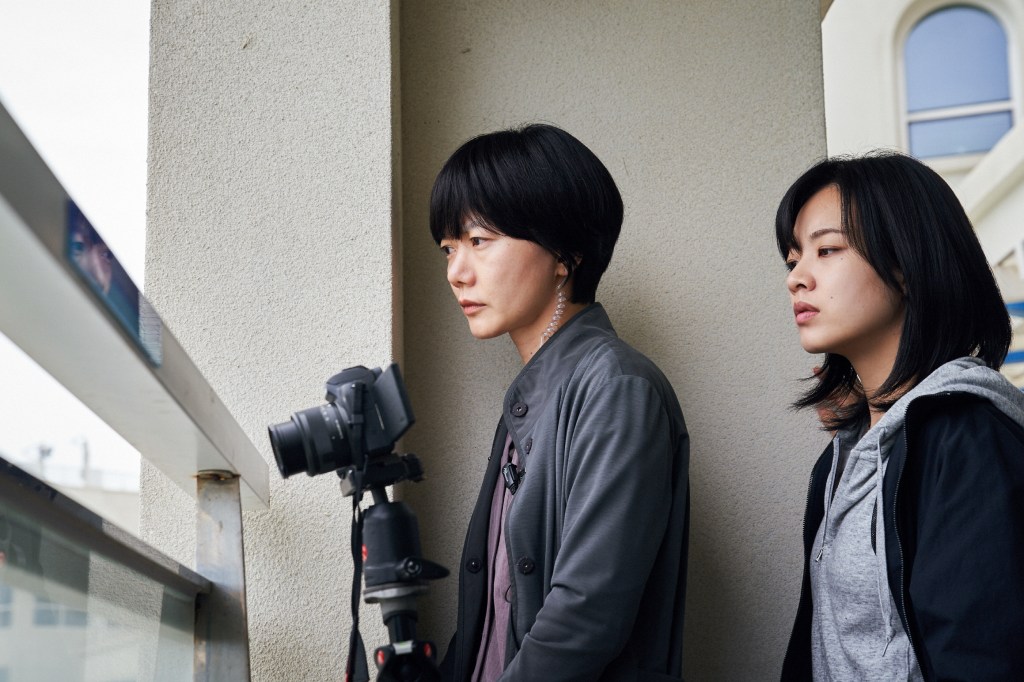
Where The Truth (2019) faltered in its execution of performance (French and Japanese styles are worlds apart), Broker is one of the best ensembles put to film in years. From Song Kang-ho’s heart of gold humanity in face of difficult circumstance to the detectives Lee (Lee Jou-young) and Su-jin (the always terrific Bae Donna) that are tasked with taking down the operation, the entire cast is pitched perfectly to Kore-eda’s empathetic underpinnings that make his work so affecting. But it is IU (real name Ji-eun Lee), who really stands out and is transcendent in the role, vaulting her immediately into the top tier of pop star performances.

Broker operates closer in style to The Truth, the filmmaker’s big swing after winning the Palme d’Or for the masterful Shoplifters (2018), which was filmed away from his home nation of Japan and in a foreign language. Both Broker and The Truth has less of the documentary style of pacing and mise en scene that made him legendary in Japanese cinema, showcasing his adaptability not just in style, but in his ability to work with a cast and crew that speak different languages.

Broker, leaning into the more Korean style of cinema, is more forceful and plot-driven in its storytelling than Kore-eda’s other films, that often stem from his documentary background. The film is quite astonishing and deeply felt, with perhaps the only false note being its loud, heavy-handed moments. These moments are further leaned on by quite an obtrusive and manipulative score by Jung Jae-il, especially by Kore-eda standards, who usually allows emotions to develop more naturally in his films.

Bae Doona (left) and Lee Joo-young (right) in Broker

In most Kore-eda films, a single location is used that is full of so much personality and attention that it feels like a whole world. In Broker, a road trip movie for the most part, that single location becomes the two central vehicles: Ha Sang-hyun’s laundry van with its broken back door but homely interior, and Su-jin and Lee’s detective sedan where they spend most of the film.

Themes of care in different forms permeate the film, with the notable motifs of rain and shirt buttons coursing through its veins. By weaving themes of care and compassion between Ha Sang-hyun and detective Su-jin through their clothing, Kore-eda complicates his seemingly straightforward detective story through his characters’ shared connections. In these small moments, Kore-eda excels and deepens his character portraits which have made him a modern master. 

Perhaps the most emotionally overwhelmed you will feel in a theatre this year occurs in a hotel room with Moon So-young and the ragtag crew, with all the lights off, thanking them for being born. She is unable to say it directly to her child who she may never see again, so she says it individually to the whole group. This is a group who have felt discarded and left behind in their own lives, so to have a young mother saying this to them with the same care as she tells her own son, is profound. This is one of the most emotionally resonant scenes Kore-eda has put to film, which is saying something given his extraordinary filmography.
Fellow filmmaker Kogonada once described Kore-eda’s films as tasting similarly to the legendary director ​​Yasujirō Ozu’s work due to its aftertaste. “When we leave his films we experience a similar aftertaste, which is to say, a deeper sense of life. And it turns out that the every day is a lot like tofu (which may explain why Ozu referred to himself as a tofu maker). It may seem bland in comparison to the spectacle of other dishes and desserts being offered, but if we happen to stumble upon a master chef capable of bringing out its subtle flavours, it will change the way we experience tofu forever.” In this case, Broker is perhaps Kore-eda’s most complex dish yet, one that will stay with you forever.

Broker is in select theatres now.

95th Academy Awards: Predictions

It’s the most wonderful time of the year if you’re a cinephile, and it’s just around the corner.

Yes, the Academy of Motion Picture Arts and Sciences’ Night of Nights —otherwise known as “The Oscars”— will be taking place this Monday morning, March 13th (Naarm time) and the team at Rating Frames is as excited as ever.

As they did last year, our three resident critics have made their predictions as to what, or who, will be victorious in all 23 categories.

Below are the films that Arnel, Darcy and Tom are predicting will walk away with a coveted statuette at the 95th Academy Awards, and their personal vote, in each category.

Best Picture

What will win // What deserves to win

Arnel: The Fabelmans // The Fabelmans

Darcy: Everything Everywhere All at Once // Tár

Tom: Everything Everywhere All at Once // Everything Everywhere

Best Director

Arnel: Steven Spielberg (The Fabelmans) // Steven Spielberg (The Fabelmans)

Darcy: Daniel Kwan & Daniel Scheinert (Everything Everywhere All at Once) // Steven Spielberg (The Fabelmans)

Tom: Daniels (Everything Everywhere All at Once) // Martin McDonagh (The Banshees of Inisherin)

Best Actor

Arnel: Brendan Fraser (The Whale) // Colin Farrell (The Banshees of Inisherin)

Darcy: Brendan Fraser (The Whale) // Paul Mescal (Aftersun)

Tom: Brendan Fraser (The Whale) // Colin Farrell (The Banshees of Inisherin)

Best Actress

Arnel: Cate Blanchett (Tár) // Cate Blanchett (Tár)

Darcy: Cate Blanchett (Tár) // Cate Blanchett (Tár)

Tom: Michelle Yeoh (Everything Everywhere All at Once) // Michelle Yeoh (Everything Everywhere…)

Best Supporting Actor

Arnel: Ke Huy Quan (Everything Everywhere All at Once) // Brendan Gleeson (The Banshees of Inisherin)

Darcy: Ke Huy Quan (Everything Everywhere All at Once) // Ke Huy Quan (Everything Everywhere All at Once)

Tom: Ke Huy Quan (Everything Everywhere All at Once) // Brian Tyree Henry (Causeway)

Best Supporting Actress

Arnel: Angela Bassett (Black Panther: Wakanda Forever) // Kerry Condon (The Banshees of Inisherin)

Darcy: Angela Bassett (Black Panther: Wakanda Forever) // Kerry Condon (The Banshees of Inisherin)

Tom: Jamie Lee Curtis (Everything Everywhere All at Once) // Stephanie Hsu (Everything Everywhere All at Once)

Best Original Screenplay

Arnel: Martin McDonagh (The Banshees of Inisherin) // Martin McDonagh (The Banshees of Inisherin)

Darcy: Martin McDonagh (The Banshees of Inisherin) // Todd Field (Tár)

Tom: Daniels (Everything Everywhere All at Once) // Martin McDonagh (The Banshees of Inisherin)

Best Adapted Screenplay

Arnel: Sarah Polley (Women Talking) // Sarah Polley (Women Talking)

Darcy: Sarah Polley (Women Talking) // Sarah Polley (Women Talking)

Tom: Sarah Polley (Women Talking) // Rian Johnson (Glass Onion: A Knives Out Mystery)

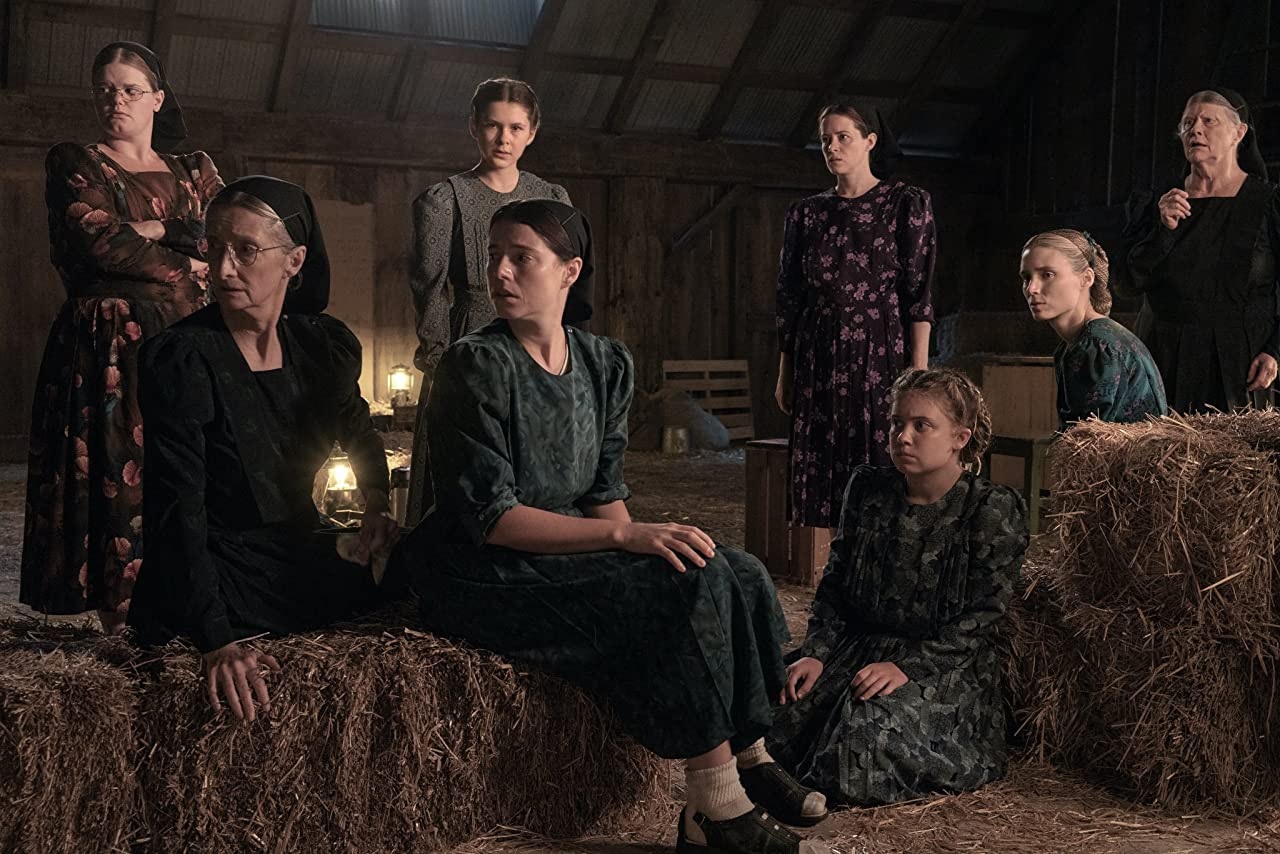
The cast of Women Talking, the team’s tip for Best Adapted Screenplay
Best Animated Feature

Arnel: Guillermo del Toro’s Pinocchio // Guillermo del Toro’s Pinocchio

Darcy: Turning Red // Turning Red

Tom: Guillermo del Toro’s Pinocchio // Turning Red

Best International Feature

Arnel: All Quiet on the Western Front // All Quiet on the Western Front (ideally, none)

Darcy: All Quiet on the Western Front // The Quiet Girl

Tom: All Quiet on the Western Front // All Quiet on the Western Front

Best Documentary Feature

Arnel: Guess answer: Fire of Love // Fire of Love

Darcy: Navalny // All the Beauty and the Bloodshed

Tom: Fire of Love // Fire of Love

Best Documentary Short Subject

Arnel: Guess answer: Haulout

Darcy: Haulout

Tom: How Do You Measure a Year?

Best Live-Action Short

Arnel: Guess answer: Le Pupille

Darcy: Le Pupille

Tom: Le Pupille

Best Animated Short

Arnel: Guess answer: The Boy, the Mole, the Fox and the Horse

Darcy: The Boy, the Mole, the Fox and the Horse

Tom: The Boy, the Mole, the Fox and the Horse

Best Original Score

Arnel: Justin Hurwitz (Babylon) // Justin Hurwitz (Babylon)

Darcy: Justin Hurwitz (Babylon) // Justin Hurwitz (Babylon)

Tom: Volker Bertelmann (All Quiet on the Western Front) // Justin Hurwitz (Babylon)

Best Original Song

Arnel: “Naatu Naatu” (RRR) // “Hold My Hand” (Top Gun: Maverick)

Darcy: “Naatu Naatu” (RRR) // “This is a Life” (Everything Everywhere All at Once)

Tom: “Naatu Naatu” (RRR) // “Hold My Hand” (Top Gun: Maverick)

N. T. Rama Rao Jr and Ram Charan in RRR, the favourite for Best Original Song

Best Sound

Arnel: Top Gun: Maverick // Top Gun: Maverick

Darcy: Top Gun: Maverick // The Batman

Tom: All Quiet on the Western Front // Top Gun: Maverick

Best Production Design

Arnel: Babylon // Babylon

Darcy: Babylon // Babylon

Tom: Elvis // All Quiet on the Western Front

Best Cinematography

Arnel: Roger Deakins (Empire of Light) // Roger Deakins (Empire of Light)

Darcy: Roger Deakins (Empire of Light) // Florian Hoffmeister (Tár)

Tom: Mandy Walker (Elvis) // James Friend (All Quiet on the Western Front)

Best Makeup and Hairstyling

Arnel: The Whale // The Batman

Darcy: Elvis // Black Panther: Wakanda Forever

Tom: The Whale // The Batman

Best Costume Design

Arnel: Shirley Kurata (Everything Everywhere All at Once) // Shirley Kurata (Everything Everywhere All at Once)

Darcy: Shirley Kurata (Everything Everywhere All at Once) // Shirley Kurata (Everything Everywhere All at Once)

Tom: Catherine Martin (Elvis) // Ruth Carter (Black Panther: Wakanda Forever)

Best Film Editing

Arnel: Paul Rogers (Everything Everywhere All at Once) // Paul Rogers (Everything Everywhere All at Once)

Darcy: Paul Rogers (Everything Everywhere All at Once) // Paul Rogers (Everything Everywhere All at Once)

Tom: Paul Rogers (Everything Everywhere All at Once) // Eddie Hamilton (Top Gun: Maverick)

Best Visual Effects

Arnel: Avatar: The Way of Water // Avatar: The Way of Water

Darcy: Avatar: The Way of Water // Avatar: The Way of Water

Tom: Avatar: The Way of Water // Top Gun: Maverick

Best of 2022: Darcy’s Picks

With films returning to their native home of the theatre, 2022 delivered an interesting year of releases. Returning to some sort of cinema normalcy, even if the industry has been quite radically changed by Covid, the year has been full of quality films, including a large suite of self-reflexive stories from filmmakers old and new, to surprising and uber-entertaining box office hits, and the return to form for some incredible directors.

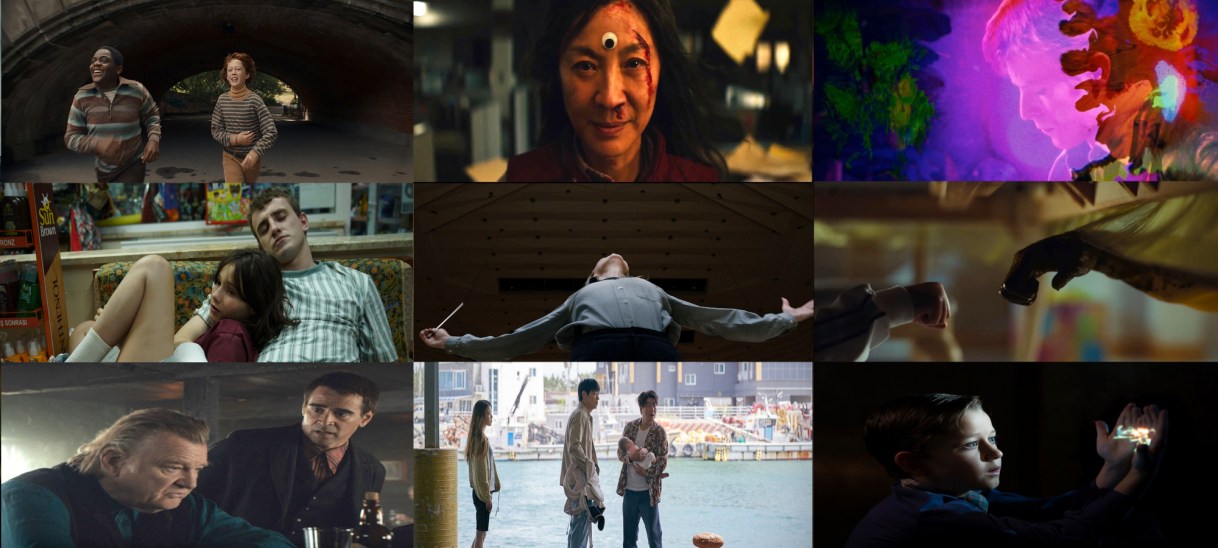
My 2022 list is surprisingly different to my most anticipated list from March, with Nope being on both lists, as my favourite works of the year came from unexpected places. This list includes two debut features (Hit the Road, Aftersun), a film from a filmmaker I’ve struggled with in the past (Armageddon Time), and a filmmaking blindspot I need immediately filled (Tár). While no five-star classics exist in this year of film, an impressive level of depth made this a difficult list to order and will no doubt change years from now. But for now, here is my list of the best films of 2022.

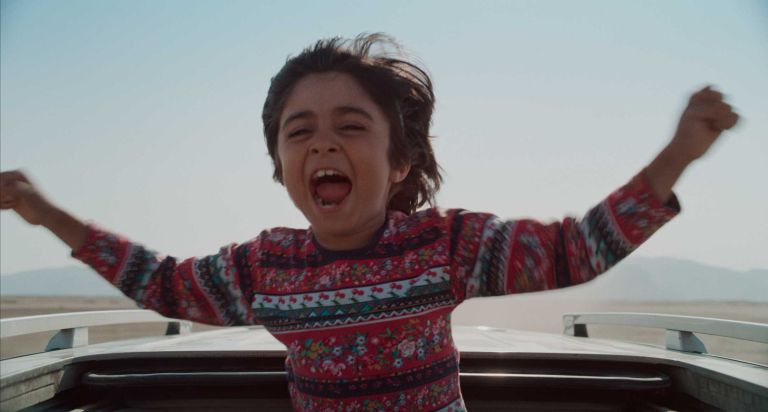
10. Hit the Road

A cheeky but politically and thematically resonant road trip dramedy of a young Iranian family attempting to smuggle their son out of the country to avoid military duty.

Panah Panahi, son of legendary filmmaker Jafar Panahi, is no stranger to the industry, but what he is still able to achieve on a debut feature is remarkable. Weaving in a deft political statement with a director well aware of where he is crafting his films, Hit the Road is elevated by a delightful and emotive family ensemble, centred by a lightning rod performance by Rayan Sarlak as the little brother.

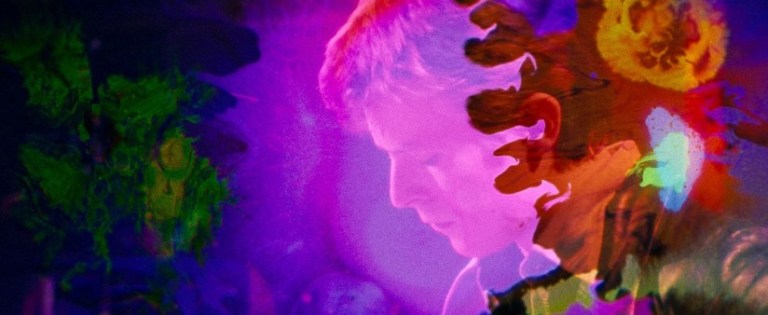
9. Moonage Daydream

Filmmaker Brett Morgen, known for his wonderful 2015 documentary, Cobain: A Montage of Heck, declared this an experience about Bowie, not a biography of David Jones, and he truly delivered on this promise. Moonage Daydream (2022) is a deeply arresting piece of nonfiction cinema that operates as a mood piece that will be put up next to the very best in the genre.

The film weaponises its breathless propulsion in sly and interesting ways that sneaks up on you emotionally, much like Bowie’s very best work. It takes time to show its form to you, but once it does its effect is moving and profound. Morgen found something deeply relatable in his pursuit of capturing the figure of Bowie on film, unveiling a beautiful portrait of isolation for an artist that created community, showing us an image of the chameleonic legend that you won’t soon forget.

8. Broker

A master of humanist cinema, Hirokazo Kore-eda has crafted his most challenging makeshift family yet. Following a duo of child brokers of babies left at the local church’s baby box, Broker is complicated but deeply enriching in its portrayal of morality in the greyest of areas. Not of the same quality as Kore-eda’s Japan set masterpieces After Life (1999) and Shoplifters (2017), but is still one of the year’s best.

7. Nope

The film that grew on me the most this year. Peele has crafted a deeply engaging and entertaining riot of a sci-fi, Hollywood western that breezes through its first two acts to crescendo at a massive final act with a truly unique antagonist. While the film does lack in character work, its wielding of spectacle while also throwing those audience compulsions back in our faces is extraordinary, and is a brilliant use of the massive studio budget Peele is able to receive for these original stories.

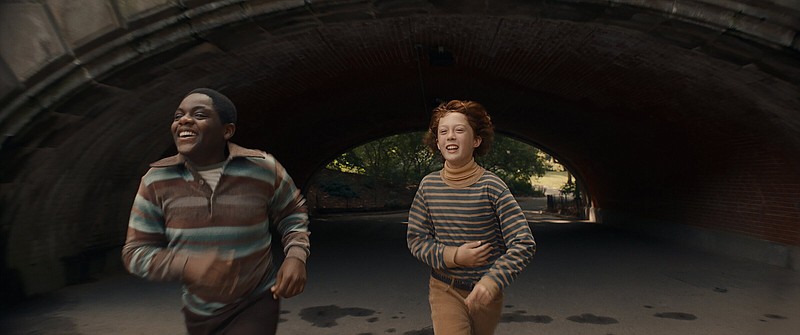
6. Armageddon Time

Armageddon Time is emotionally devastating in ways that evolve beautifully over time, lingering long in the heart like a critical memory. What allows the emotion to thrive is the outstanding cast that could all individually contend come awards season. A gorgeous ensemble that introduced layers of nuance and understanding to each character over the runtime, highlighted by Banks Repeta and Anthony Hopkins.

5. Everything Everywhere All at Once

Floating along a constant stream of intertextuality, self-referentiality, and reverence to the films that paved the way to gift this film into audiences’ laps—The Matrix (1999), In The Mood for Love (2000), any Charlie Kaufman film—Everything Everywhere feels like a cinematic miracle that is at risk of breaking at any point.

Everything Everywhere is a technical marvel of small-budget filmmaking, from its mind-blowing costume and production design to its sound design and visual effects, but the real hero of the film is editor Paul Rogers. Rogers’ work here is nothing short of miraculous. Tasked with building a feverish momentum for over two hours while having each individual emotional moment land with as much impact as each comedic or absurdist one. Rogers moulds the filmmaking duo’s creative madness into a deeply resonant and enjoyable work, not just another overly ambitious indie that feels more like a creative dare than a work of art with deep truths. Don’t take for granted what an achievement this film is.

4. Aftersun

The debut feature of the year (in a uniquely stacked debutant class), Charlotte Wells’ memory drama of a young father bringing his 12-year-old daughter on a holiday to Turkey is so beautifully crafted, teeming with empathy and respect for the perspectives of both individuals’ experiences. Paul Mescal is enthralling in the year’s best performance as Calum, a tortured bird that must force himself to put up a front to protect his daughter. There are some ideas explored in Aftersun, like the fear of parents with mental illnesses handing it down somehow to their child, that will obliterate you. Wells wields a flexible script that is explored with care and restraint that is extraordinary for a first-time feature filmmaker, making her the director to watch in the next few years.

3. The Fabelmans

Spielberg’s whole heart is on the screen, warts and all. What makes The Fabelmans succeed is its lack of pure saccharine while still maintaining his signature warmth. The power of Spielberg’s clear-eyed and impassioned filmmaking, mixed with Kushner’s deft hand at profound characterisation, allows the audience to see themselves in every character. This is as much a film about Mitzi and Burt as it is about Sammy, with Kushner able to establish an extraordinary amount of emotional depth out of these personal stories for Spielberg whilst never feeling overly soft or cruel to their lives. 

2. The Banshees of Inisherin

A densely compacted fable on friendship, breakups, art, passions, and how one chooses to spend a life, that is never less than wonderfully entertaining. A brilliant balancing act that consistently grounds itself in the earth of its characters, never allowing its more ethereal themes to float into wistful abstraction. McDonagh is at the top of his game both as a writer and director here, allowing the non-dialogue-heavy moments to shine as much as the musicality of his feckin’ barbs.

McDonagh has grown exponentially as a visual storyteller, allowing his sharp pen to relax and using the other aspects of cinema to communicate his themes and ideas in deeply rewarding ways. 

1. Tár

In a year without a true five-star film, several films on this list could have made it to number one, and perhaps in a couple years this order will change, but as of posting, this film has a way of burrowing into my subconscious and bubbling up every other day. American films just aren’t like this anymore. A provocative thriller that has no easy answers that will have you enthralled over its long but rewarding 158-minute runtime.

Todd Field returns after a 16-year absence from the cinema with the year’s best film about a deeply flawed figure that’s warts are shown under a fierce precision, never allowing a scene to end with an easy answer. Tár is a tangled web of clashing ideas that have sparked some of the best film writing around an American film in who knows how long. Field has crafted a film of ideas that gives nothing to the audience easily, but rewards all who view this strange and entrancing object.

Tony Gilroy described the film as “hard and perfect on the outside. Mayhem brewing within. Masterwork.” These competing forces of interiority and external poise are the powerful tempest that builds throughout Tár, creating a singular viewing experience, and one of the year’s best films.

Honourable Mentions: After Yang, Barbarian, Crimes of the Future, Kimi, Top Gun:Maverick, RRR, The Northman, and Lingui

A Taste of Hunger is a Satisfying Food Drama

Rating: 3 out of 5.

The best restaurants, no matter where in the world, tell their story through food. A beautiful combination of complimentary flavours and textures, coalescing into one satisfying meal. A Taste of Hunger attempts to weave the story of the relationship of Danish restaurant owners Maggie (Katrine Greis-Rosenthal) and Carsten (Nikolaj Coster-Waldau), through their relationship with food. Resting on a bed of passion and desire, A Taste of Hunger flutters between flashbacks of their relationship fermenting and a present-moment quest to obtain a Michelin star for their restaurant. 

The enchanting chemistry between Coster-Waldau and Greis-Rosenthal that begins right from the opening frames allows us to immediately invest in this pairing. Greis-Rosenthal especially is electric in every scene, it is impossible not to get caught up in her charm and passion the same way Carsten does. Unfolding slowly is Carsten’s need for control butting up against Maggie’s free-flowing and spontaneous nature, something that created the spark in their relationship.

The stakes of the present tense narrative are low, even taking into consideration the character’s driven pursuit of a Michelin star. Director Cristoffer Boe attempts to heighten the stakes by adding a clock to the scenes, but it is hard to invest in this aspect of the story. Perhaps it is due to the film’s lack of time spent in the restaurant, but the audience’s engagement is squarely focused on the family dynamic, not on the success of their already successful restaurant.

Katrine Greis-Rosenthal and Nikolaj Coster-Waldau in A Taste of Hunger

Outside forces are usually the antagonist in these restaurant dramas, so it was refreshing to spend time in this family, understanding where the original passion came from, while also understanding how that same passion works against them. The passion between Carsten and Maggie sustains the entire course, allowing small moments to flourish, especially scenes with their children August and Chloe, characters that are usually sidelined in these stories but felt integral to the film as a whole.

There is a wonderful patience to the edit, rare for the usual frenetic restaurant drama. This decision prevents the film from being a collection of foodie insert shots, instead allowing the audience’s gaze to fall upon those making and eating the food. The most sensual moments of cooking are scenes when the pair are cooking together, a stark contrast to their restaurant when Maggie is not around. A Taste of Hunger is a drama about a family making food and how it consumes them, with the food itself operating as the object of passion for the characters more than the passion for the filmmakers.

A Taste of Hunger shines in its structural pairing of its flashbacks, contextualising the present tense scenes wonderfully. By attributing cooking components of sweet, fat, salt, sour, and heat, to sequences, director Christoffer Boe guides us through the story while still allowing the audience room to perceive the characters more honestly.

Unfortunately, A Taste of Hunger lacks a depth of flavour in its storytelling that becomes apparent the longer this simple story stretches out. Co-writers Boe and the acclaimed Tobias Lindholm (2012’s The Hunt, 2020’s Another Round) use a few thematic prop crutches in its narrative (the knife, the hot dog, the letter), that work well in isolating sequences, but as a collective story, there is a strained repetition that undermines what originally felt satisfying. A good story and script is dense enough in its thematic ideas to not need them littered in every scene, so when they arrive later down the road, they leave a more satisfying taste on the palette.

All the flavours are here for a dense and rich film, but the ideas never get pushed into truly compelling places. Save for some Giallo lighting choices, the film is very plain, which is not to say it was unsatisfying, but it could’ve been an expansive drama and one of the year’s best. 

A Taste of Hunger is in select theatres now.

MIFF 22: Darcy’s Notebook

With another great year completed at Melbourne’s International Film Festival, our writers have come out the other end bleary-eyed and brimming with excitement. MIFF 20222 was an impressively consistent festival with new releases from a combination of old masters and emerging talents, both internationally and locally.

Here, our writer Darcy has dropped his notebook full of notes and thoughts on the many films he was able to catch at the festival, all of which should hopefully be brought to larger audiences throughout the rest of the year.

Aftersun (Charlotte Wells) 2022:

A gorgeous film about age, parenthood, and mental health that has such a warm and caring heart, it allows its heavy moments and ideas to linger with the audience.

Aftersun is a debut so assured, so confidently written and directed by Charlotte Wells you will be scrambling to discover her short film work. The film is an achingly intimate portrait of a young father on holiday with his 11-year-old daughter, played touchingly by Paul Mescal and Frankie Corio.

It will be hard to find a more affecting film this year, one so beautifully written you can’t help but see yourself in both characters. I both dread and can’t wait to return to the glow of Aftersun.

Rating: 4 out of 5.
Broker (Hirokazu Koreeda) 2022:

In contention for best film of the festival, Broker is a deeply complicated but always empathetic drama from a true modern master. Hirokazu Koreeda’s films have a certain sticky quality, maturing in your mind long after the credits roll. His films will always affect you emotionally, but their true power is the depths he is able to mine from a collection of characters.

Broker, leaning into the more Korean style of cinema, is more forceful and plot-driven in its storytelling than Koreeda’s other films, but is more successful than his previous non-Japanese film, The Truth (2019).

The film is quite astonishing and deeply felt, with perhaps the only false note being its loud, heavy-handed moments. These moments are further leaned on by quite an obtrusive and manipulative score by Jung Jae-il, especially by Koreeda standards, who usually allows emotions to develop more naturally in his films.

Thank you for being born. 

Rating: 4.5 out of 5.
Decision to Leave (Park Chan-Wook) 2022:

A deeply sensual romance under the guise of a quirky police mystery. Park Chan-Wook has always had a keen understanding of his audiences, usually to an extreme effect like in Oldboy (2003) and The Handmaiden (2016). 

The film requires a rewatch as the pieces all work individually but I’m unsure as to their cohesion as the film rounds out into a melodrama. The two lead performances are complicated and layered with conflict, making the film engaging but hard to latch onto as a whole.

Rating: 4 out of 5.
Dual (Riley Stearns) 2022:

Dual (2022) is a vacuum-sealed dry comedy that owes a lot to Yorgos Lanthimos. Riley Stearns’ idiosyncratic comedic style burst onto the scene with the deeply funny film The Art of Self-Defense (2019), thanks in large part to the terrific performances by Jesse Eisenberg, Imogen Poots, and Alessandro Nivola. Like Lanthimos, it is clear actors get a certain excitement from working with his dialogue, but not all are suitable for it. It’s unclear if Dual’s lead Karen Gillan or its uber-dry dialogue lets down this film in contrast to his previous work, but it is certain to be missing a key element.

That being said, Dual is still deeply funny in places, in particular the doctor’s visits which feel the most inappropriately appropriate locale for Stearns’ dialogue. What is largely absent in the dialogue and writing as a whole, however, is any semblance of humanity and life. With this style of upfront, dry comedy writing, you lose the ability to play between the lines, as everything is pitched straight down the middle to the viewer.

Stearns has achieved success through his idiosyncratic writing style, a mountaintop many writers never reach. Now it’s time for him to seek to expand on it, engaging with his audiences more emotionally, something which would make for a pretty special film.

Rating: 3 out of 5.
Emily the Criminal (John Patton Ford) 2022:

A solid crime drama with a pointed look at the economic lives of millennials, anchored by a truly great dramatic performance by Aubrey Plaza. Emily the Criminal (2022) works wonderfully as a cascading waterfall of small, utterly reasonable decisions until they come crashing down in its final act.

The film is a great debut by John Patton Ford that is certain to spark hopefully a long and interesting career. Ford’s script is the film’s highlight, especially in its ability to connect the criminal world of the film with the economic reality too many millennials find themselves trapped within.

Even though some of the decisions made in its final act undercut a lot of the messaging and themes, it is still wildly entertaining and painfully relatable, making it a deeply worthwhile watch.

Rating: 3.5 out of 5.
Fire of Love (Sara Dosa) 2022:

A charming, playful documentary about French volcanologist couple Katia and Maurice Krafft. Their work is highly specific but their passion is relatable and life-affirming. The film is a wonderful companion piece to the Jacques Cousteau documentary, Becoming Cousteau (2021), a clear inspiration to the Krafft’s, even down to the iconic red beanie.

The voiceover by filmmaker Miranda July is sweet and feels deeply entwined with the style of Sara Dosa’s documentary, allowing the film to work both emotionally and narratively.

A truly affecting moment was the shift from watching the couple evolve their focus from a totally self-absorbed drive for witnessing and studying volcanoes, to using their knowledge and relentless drive to protect the people living near dangerous volcanoes.

Rating: 3.5 out of 5.
Marcel the Shell with Shoes On (Dean Fleischer-Camp) 2021:

A joyful, all-ages film that was a perfect note of contrast to the festival’s more dramatic highlights, Marcel the Shell with Shoes On (2021) will win over even the more serious audiences. Based on a viral video series that is cleverly woven into the feature film’s narrative, Marcel follows an anthropomorphic shell named Marcel and an amateur documentarian (Fleischer-Camp), who has discovered the shell while staying at an Airbnb.

The film somehow never tips over into pure saccharin which is impressive given its story, which is a credit to the writing and the performances of Jenny Slate and Fleischer-Camp. It’s impossible to not get swept up in Marcel’s journey to find his family, but you may be surprised by how affected you will be by its simple story.

Rating: 4 out of 5.
Meet Me in the Bathroom (Will Lovelace, Dylan Southern) 2022:

Based on Lizzie Goodman’s totemic book of the same name, Meet Me in the Bathroom tracks the rise of the 2000s New York rock movement after many years in the wilderness, told through the words and lives of The Strokes, Yeah Yeah Yeahs, LCD Soundsystem, and many other important figures.

A deeply complicated time period to capture as a documentary, with the looming figure of 9/11 across so much of the music that came from the scene. It’s impossible for this sobering moment to not emanate outward into the rest of the film, even when we are witnessing rock stars being born.

It’s of course going to feel sparse in comparison to the 800-page oral history time that is Lizzie Goodman’s book, but it could’ve felt more focused. The approach is scattershot and without a propulsive narrative, something that is commonly absent in most documentaries but is what separates the true greats.

Lovelace and Southern’s great achievement is in the LCD Soundsystem’s Last Waltz-esque, one-last show documentary Shut Up and Play the Hits (2012), a monument to the power of access in nonfiction filmmaking. The film also indulges in copious amounts of self-mythologising (something they allow James Murphy to do again here) but is vindicated at the conclusion of the film as we become a Murphy disciple inside a sold-out Madison Square Garden crowd.

Rating: 2.5 out of 5.
Moonage Daydream (Brett Morgen) 2022:

Filmmaker Brett Morgen, known for his wonderful 2015 documentary, Cobain: A Montage of Heck, declared this an experience about Bowie, not a biography of David Jones, and he truly delivered on this promise. Moonage Daydream (2022) is a deeply arresting piece of nonfiction cinema that operates as a mood piece that will be put up next to the very best in the genre.

The film weaponises its breathless propulsion in sly and interesting ways that will sneak up on you emotionally, much like Bowie’s very best work.

It takes time to show its form to you, but once it does its effect is moving and profound. Morgen found something deeply relatable in his pursuit of capturing the figure of Bowie on film, unveiling a beautiful portrait of isolation for an artist that created community, showing us an image of the chameleonic legend that you won’t soon forget.

Rating: 4.5 out of 5.
Neptune Frost (Anisia Uzeyman & Saul Williams) 2021:

Recipient of the MIFF Bright Horizons award, Neptune Frost (2021) is a gorgeously experimental afro-futurist musical that is never short on ideas.

The heart of the story is of revolution, with a character going through their own personal revolution sparking a larger revolution in others through their connection to both land and technology. Too often technology-focused sci-fi is based on fear, not on what is possible through it. There is beauty in Uzeyman and William’s use of technology that makes the film instantly unique and fascinating. 

Feels close to the films of Apichatpong Weerasethakul, focusing on a spiritual journey over a traditional narrative. This style is in stark contrast to the musical moments of the film, which play out as wondrous set pieces that create contemplative valleys afterwards. This wildly inventive approach to the film works more often than it doesn’t, toeing a nearly impossible line with confidence and style. 

You will not find another film like Neptune Frost, with the thematic density of the best science fiction stories, surrounded by wildly inventive musical set pieces that will be burned into your mind.

Rating: 4 out of 5.
Triangle of Sadness (Ruben Ostlund) 2022:

Triangle of Sadness (2022) is so arch you fear it will snap in half. Outrageous and offbeat with some truly theatre-rupturing moments, with the climactic dinner scene feeling closer to a disaster movie than the dinner sequence in The Square (2017). Unfortunately, the film is terribly bloated. This wouldn’t be as big an issue if Ostlund had put any humanity into his film. This cheapens any impact of the outrageous moments, as well as the satirical ones. 

The middle chapter is the highlight of the film, which will answer the question, “What if a Jackass skit was shot well enough to win a Palme d’Or?” 

What usually holds Ostlund’s wild scripts together is the tremendous performances of its main cast (Claes Bang in The Square, Lisa Loven Kongsli and Johannes Kuhnke in Force Majeure), which feels absent in Triangle of Sadness. His scripts are difficult to instil emotion and humanity into, but Bang, Kongsli and Kuhnke have in the past been able to achieve it, leading to those films’ great success.

Ostlund was definitely striving for a social satire in the vein of the legendary Luis Buñuel (1972’s The Discreet Charm of the Bourgeoisie) but instead felt closer to Adam McKay. The ideas of this satire are quite murky and messy, but rarely in an endearing or interesting way. 

Rating: 3 out of 5.
Saloum (Jean Luc Herbulot) 2021:

The surprise hit of the festival so far, Saloum (2021) is a film destined for cult status. A kinetic western-horror genre mashup that leaves you wanting so much more, something I pray Shudder also realises.

The story follows three mercenaries, transporting a Mexican cartel member across Africa whose plane runs out of gas over Senegal and must stay at a local village. The film is full of unique characters and is told with such style and a deft hand you won’t even notice the more fantastical moments until Herbulot wants you to focus on them.

Rating: 3.5 out of 5.
Return to Seoul (Davy Chou) 2022:

A unique mix of Korean and French cinema styles allow Return to Seoul (2022) to always feel fresh and new.

The story focuses on French-Korean 20-something Freddie (Park Ji-Min), a complicated and compelling character that elicits empathy and frustration in equal measure. She has returned to Seoul to find her birth parents, having been adopted by a french couple as a baby. Freddie has seemingly taken this trip on a whim, and as the film continues her self-destructive tendencies that seem at first like a quirk in her character, quickly form a heartbreakingly predictable pattern.

The film loses its momentum and the audience as it transitions into short, time-jumping vignettes in its final third. Not that each individual scene isn’t compelling and breathes new life into Freddie’s story, but the decision comes so late in the film’s runtime that it catches the viewer off guard, and not for greater results. The important connective tissue in this final act is unfortunately thin and leaves you mixed on a film that was rather special up until this point.

Rating: 3 out of 5.
Three Thousand Years of Longing (George Miller) 2022:

A real ‘one for me’ film for George Miller, Three Thousand Years of Longing (2022) is sure to divide audiences in ways only he can. Sandwiched between working on large-budget Mad Max franchise films, the famed Australian director has crafted a visually stunning, narratively dawdling feature that will charm and beguile audiences.

Adapted from A.S. Byatt’s collection of short stories, an important context to give the film as Miller and co-writer Augusta Gore have decided to give the film a similar structure. Leaping between casual conversations shared by narratologist Alithea (the ever off-kilter but charming Tilda Swinton) and Idris Elba’s djinn, shared in an Istanbul hotel room, and the djinn’s story of how he came to be beholden to her.

The film works in its visually dense production design which is Miller’s cinematic superpower, but never really excels in its more meandering storytelling approach. It does, however, feel like exactly the sort of film that will excel several years down the road as we live longer in these stories, constantly revisiting the couple in Istanbul for just one more story.

Rating: 3.5 out of 5.
Sweet As (Jub Clerc) 2022:

A charming, coming-of-age teen drama that feels beautifully lived in and tinged with autobiographical detail. Sweet As (2022) feels both deeply Australian but also universal, something that could allow it to really break through overseas which is incredibly exciting.

The film is gorgeously shot by the terrific Australian cinematographer Katie Milwright, allowing the natural contrast between the mining town to billow out through the Kimberley region that could easily moonlight as a travel ad for the Northern Territory.

There are rough edges around Sweet As, as most debuts do, but the emotional maturity of Clerc is what shines through in every scene. She has a keen sense and care for her characters that make it impossible not to fall in love with them.

Rating: 3 out of 5.
Something in the Dirt (Aaron Moorhead, Justin Benson) 2022:

There’s nothing like a low-budget, high-concept sci-fi on a late night at a film festival, especially by a couple of cult film legends in Moorhead & Benson. 

Something in the Dirt (2022) operates as a mock documentary, something that may feel like a tired narrative framing for a low-budget indie, but the directing pair makes the film seem boundless.

There is a certain awe that comes when a film feels like it could’ve come straight out of film school, but with all of the confidence of a veteran.

Rating: 3 out of 5.